 All
All Politics
 Business
 Entertainment
 Sports
 Celebrities

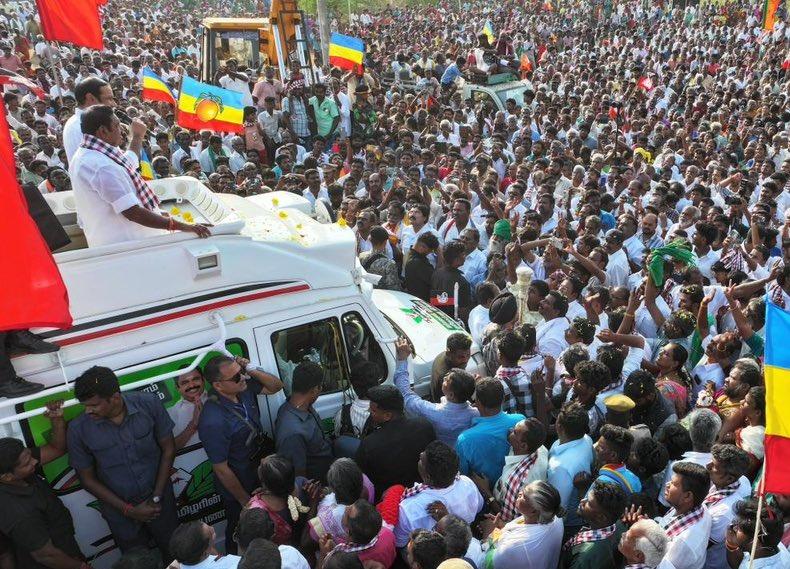
A breaking news on SUN TV flashed the unfolding development — AIADMK ‘s C V Shanmugam is alleged to have convinced 15 of his party colleagues to follow him to a resort in Puducherry for some R& R (Rest and Recreation). They say trouble seldom comes by itself. Is Shanmugam pressurising the party chief Edappadi K Palaniswami (EPS) that AIADMK must “support” Vijay, the newly elected wonder for the 11 seats he is falling short in getting a majority to claim governance in TN? The quickly called AIADMK meet at the Lloyd’s Road HQ brought together strongmen K P Munusamy, S P Velumani , C Vijaya Bhaskar and the voluble Shanmugam in confrontation mood with EPS. A media meet soon after raised the question is the party ready to give support to Vijay? Munusamy quickly denied such speculations, singing praises of the party’s illustrious leaders MGR and J Jayalalithaa, now standing tall under Edappadi. But the talk about the ginger group only got louder. So this allegation of resorting to keep away from the leadership and raise the flag of dissent appears to be true …after all every party, including the chameleon Congress is in the throes of manoeuvre and machinations to get into the TVK bandwagon at any cost. Old loyalties, party principles and public disdain are not about to stop these aspirers from throwing their hats into that magic ring of 118 MLA s of TVK, needed to claim majority in the Assembly. So much for “serving the people of TN”…principles of loyalty and party discipline rarely stop self-serving politicians.
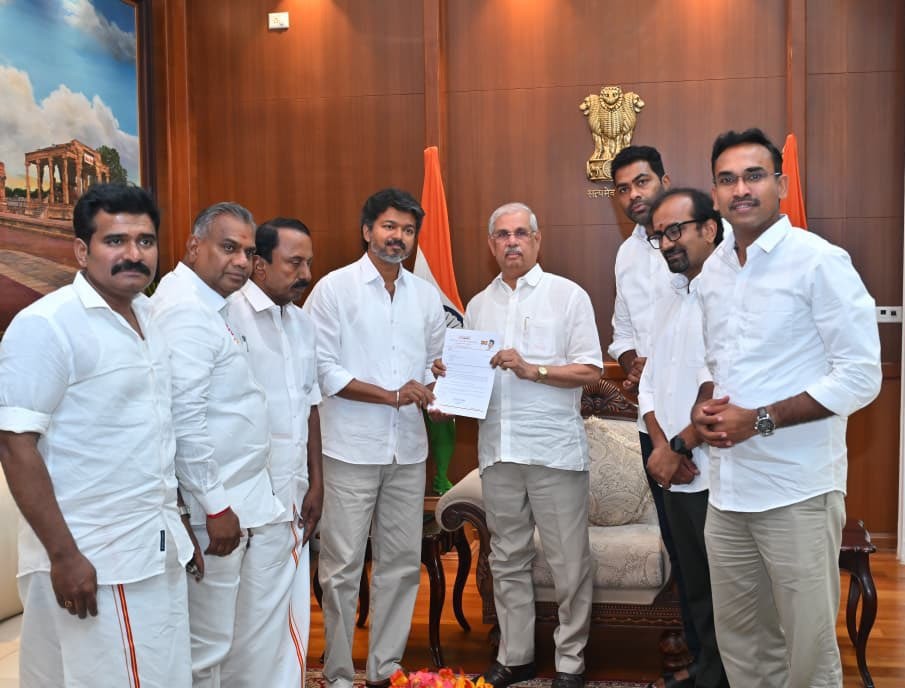
It may have looked like magic when the Congress rushed its support to the TVK to form the government in Tamil Nadu but allies weren’t happy. In fact, TVK president C Joseph Vijay met Governor Rajendra Arlekar at the Lok Bhavan in Chennai and staked a claim to form the next government only after receiving a letter of support from the Congress. Yet the letter of support of five Congress MLAs was not enough to convince the Governor that Vijay will be able to provide a stable government with support of113 MLAs– five short of the majority figure of 118. Vijay was hoping other secular parties — the CPI, CPI(M) and VCK – part of the DMK alliance who had two seats each would back him. That did not happen. TVK needed 11 seats to reach the majority. The Left parties and the Indian Union Muslim League ruled out their support. TVK had also sought VCK’s support, sources said, even as he destroyed its support base among Dalit Christians. Interestingly top CPI leadership rued the Congress decision to support to Vijay without “even bothering to consult us.” For the Congress somehow joining TVK government was correcting the mistake of not going with Vijay before the TN assembly polls. All that the Congress bothered was to see that AIADMK, allied with the NDA, didn’t join TVK government. Tremendous pressure was exerted on Congress President Mallikarjun Kharge via his son Priyank Kharge, to back alliance with DMK. This even after Rahul Gandhi and his close aide Praveen Chakravarty were both rooting for a tie-up with Vijay’s TVK. “If only Congress had a pre-poll tie-up with TVK, Vijay would have easily won 140-148 seats…,” says a TN Congress leader. Interestingly, another superstar Rajnikanth, who was also contemplating to enter politics, chose to call on M K Stalin. Will Vijay’s era in TN be the beginning of the coalition era of Tamil politics?
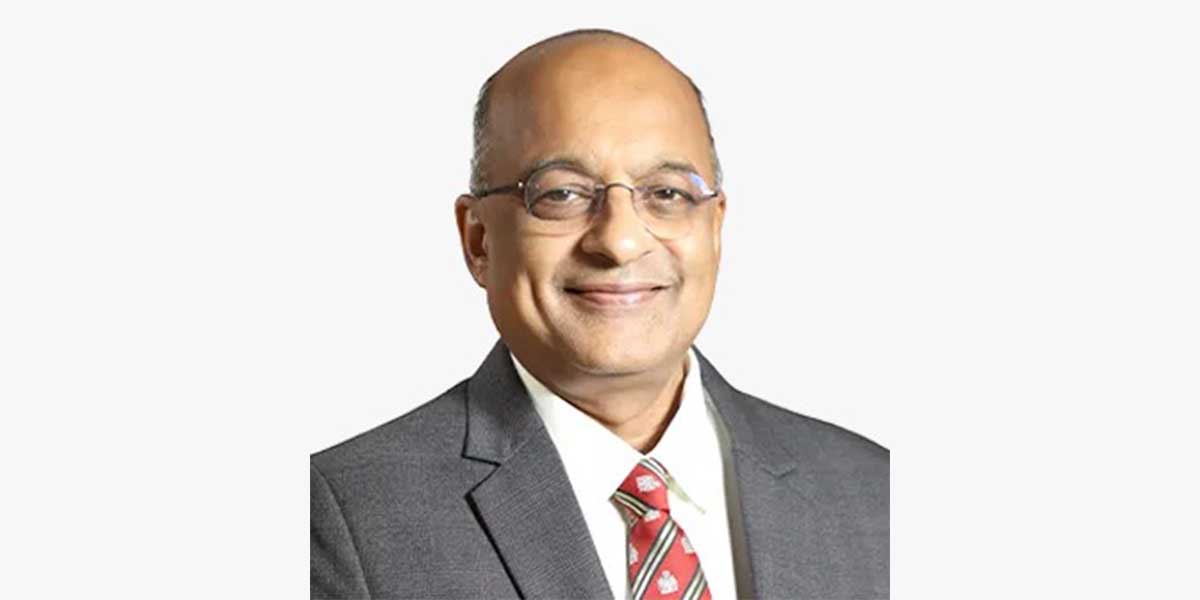
HDFC Bank MD & CEO Sashidhar Jagdishan has been vindicated for his steadfast refusal to bow to pressure. Despite facing serious allegations of financial impropriety, Jagdishan maintained his silence and his stance, even when advised to address the media. His faith in the judicial system was rewarded on May 5, 2026, when the Bombay High Court quashed the FIR filed against him. The controversy began in June 2025 when the Lilavati Kirtilal Mehta Medical Trust—the body managing Mumbai’s iconic Lilavati Hospital—filed a FIR against Jagdishan. The trust alleged that Jagdishan accepted a Rs 2.05 crore bribe to assist specific trustees in maintaining control and interfering in the trust’s internal management. HDFC Bank dismissed the claims as “malicious and baseless,” asserting that the FIR was a retaliatory tactic designed to stall the recovery of over Rs 14.74 crore in outstanding loans from the trust’s affiliates. A division bench of Justices M S Karnik and N R Borkar allowed Jagdishan’s plea, effectively setting aside a previous magistrate court order from May 29 that had called for a police investigation. The High Court observed that the FIR appeared to be a product of “personal vendetta” and a misuse of the legal process. Throughout the ordeal, Jagdishan reportedly declined suggestions to hold a Press Conference to “clear the air,” choosing instead to let the legal process take its course. While the trust requested the case be transferred to the CBI, the High Court dismissed the notion as premature, finding no prima facie evidence of a criminal offense.
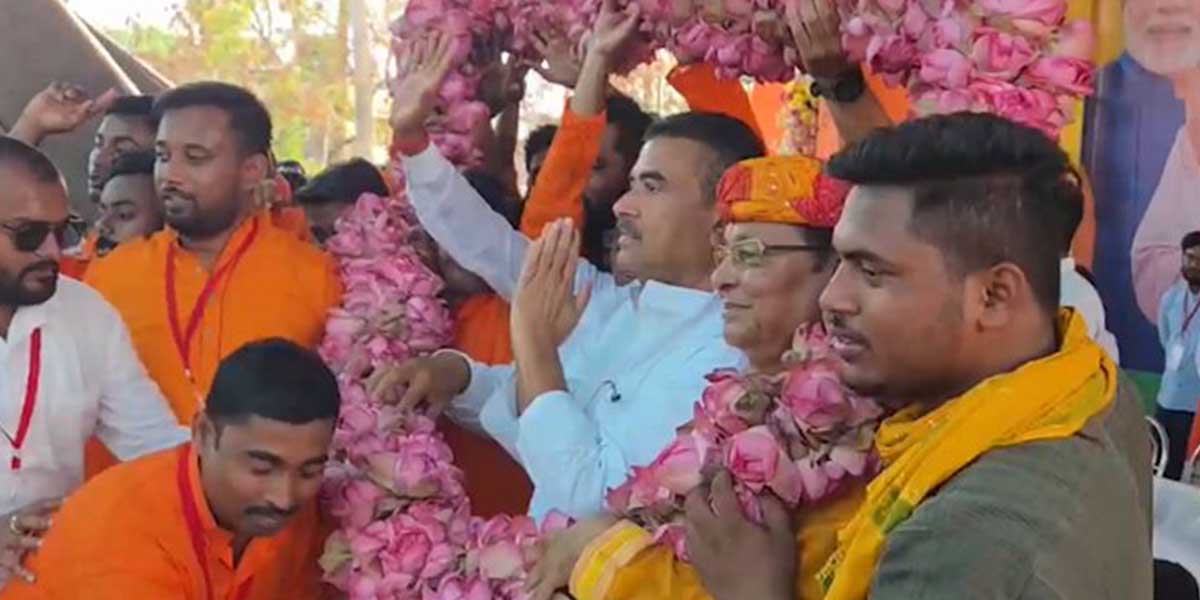
In a historic shift for West Bengal, the BJP has ended the 15-year rule of the Trinamool Congress, securing 207 out of 294 seats. The TMC was reduced to just 80 seats. As the dust settles on this landslide victory, intense speculation has turned toward who will be the state’s next Chief Minister. Among the contenders, Suvendu Adhikari has emerged as the clear frontrunner. Adhikari pulled off a remarkable feat by winning both the Bhabanipur and Nandigram constituencies. Notably, he defeated Mamata Banerjee in Bhabanipur by a margin of over 15,000 votes—repeating his 2021 success against her in Nandigram. Currently the Leader of the Opposition, Adhikari’s vast organizational reach and “insider knowledge” from his former tenure in the TMC are seen as major assets. However, some analysts point to his relatively recent entry into the BJP and limited proximity to the RSS as potential hurdles. Other key contenders Include: Samik Bhattacharya: The State President is credited with steering the party’s organizational surge. A long-time member of the Sangh Parivar, he is viewed as an articulate leader with high internal acceptability, though he is often perceived to trail Adhikari in terms of mass mobilization. Dilip Ghosh: Retained his Kharagpur Sadar seat with a victory margin of over 9,000 votes. Roopa Ganguly: The former TV star secured a decisive win in Sonarpur Dakshin by more than 35,000 votes. Agnimitra Paul: Delivered a massive performance in Asansol Dakshin, winning by over 40,000 votes. The swearing-in ceremony is scheduled for May 9, coinciding with the birth anniversary of Rabindranath Tagore. Prime Minister Narendra Modi is expected to attend. Party insiders suggest that preliminary internal consultations show overwhelming support for Adhikari among both newly elected MLAs and grassroots workers.
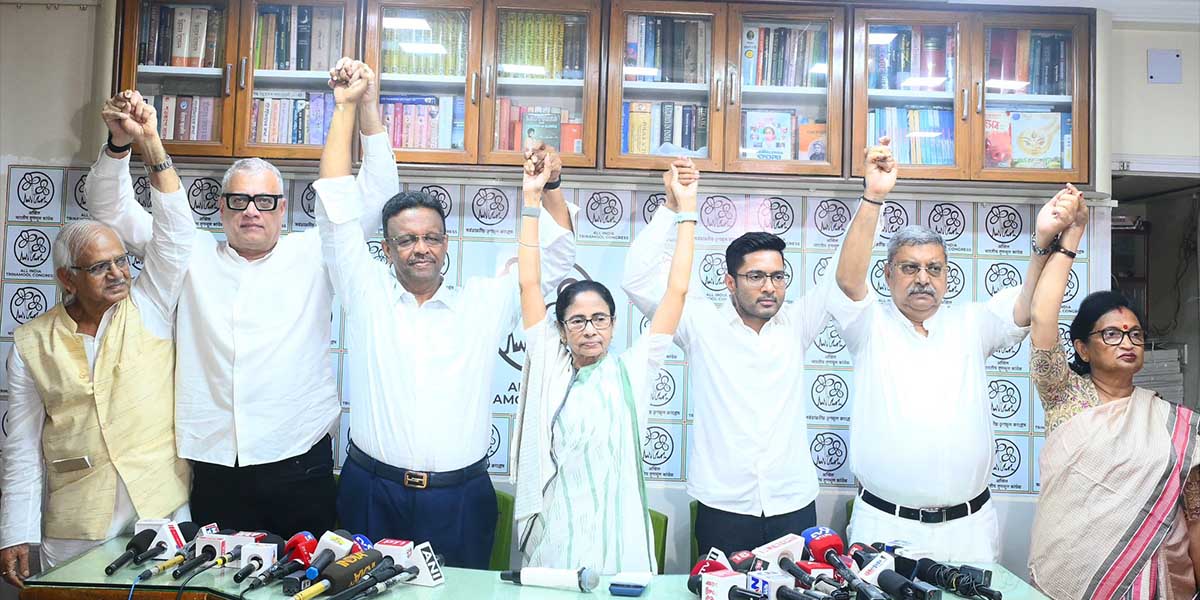
Trinamool Congress (TMC) supremo Mamata Banerjee has asserted her continued commitment to national opposition politics despite a crushing defeat in the West Bengal Assembly elections, signalling her intent to remain an active player within the I.N.D.I.A. Bloc. A day after results saw the TMC reduced to just 80 seats—a sharp fall from its dominant 213 in 2021—Banerjee dismissed speculation about her political future. Describing herself as a “free bird,” she vowed to continue working alongside her alliance partners. Her remarks come amid mounting questions regarding her relevance within the Opposition grouping following this significant electoral setback. The outgoing Chief Minister also reiterated allegations of “vote looting,” accusing the Election Commission of acting under pressure from the BJP to engineer her party’s defeat. In this context, she confirmed receiving a call from Congress leader Rahul Gandhi, who reportedly reached out to discuss the concerns raised by the TMC. The defeat marks a stark reversal for Banerjee, who had projected the state polls as a stepping stone to challenging the BJP at the Centre. During her campaign, she frequently declared that the time had come to take the fight to Delhi and “break” the ruling party’s dominance. However, the 2026 results have dealt a blow not only to her state leadership but also to her immediate national ambitions. In a notable development, Rahul Gandhi reportedly cautioned Congress leaders against celebrating the TMC’s loss, emphasizing the need for Opposition unity despite past campaign clashes. Several key I.N.D.I.A. bloc leaders—including Sonia Gandhi, Arvind Kejriwal, Uddhav Thackeray, Akhilesh Yadav, and Hemant Soren—have reportedly reached out to express their solidarity.
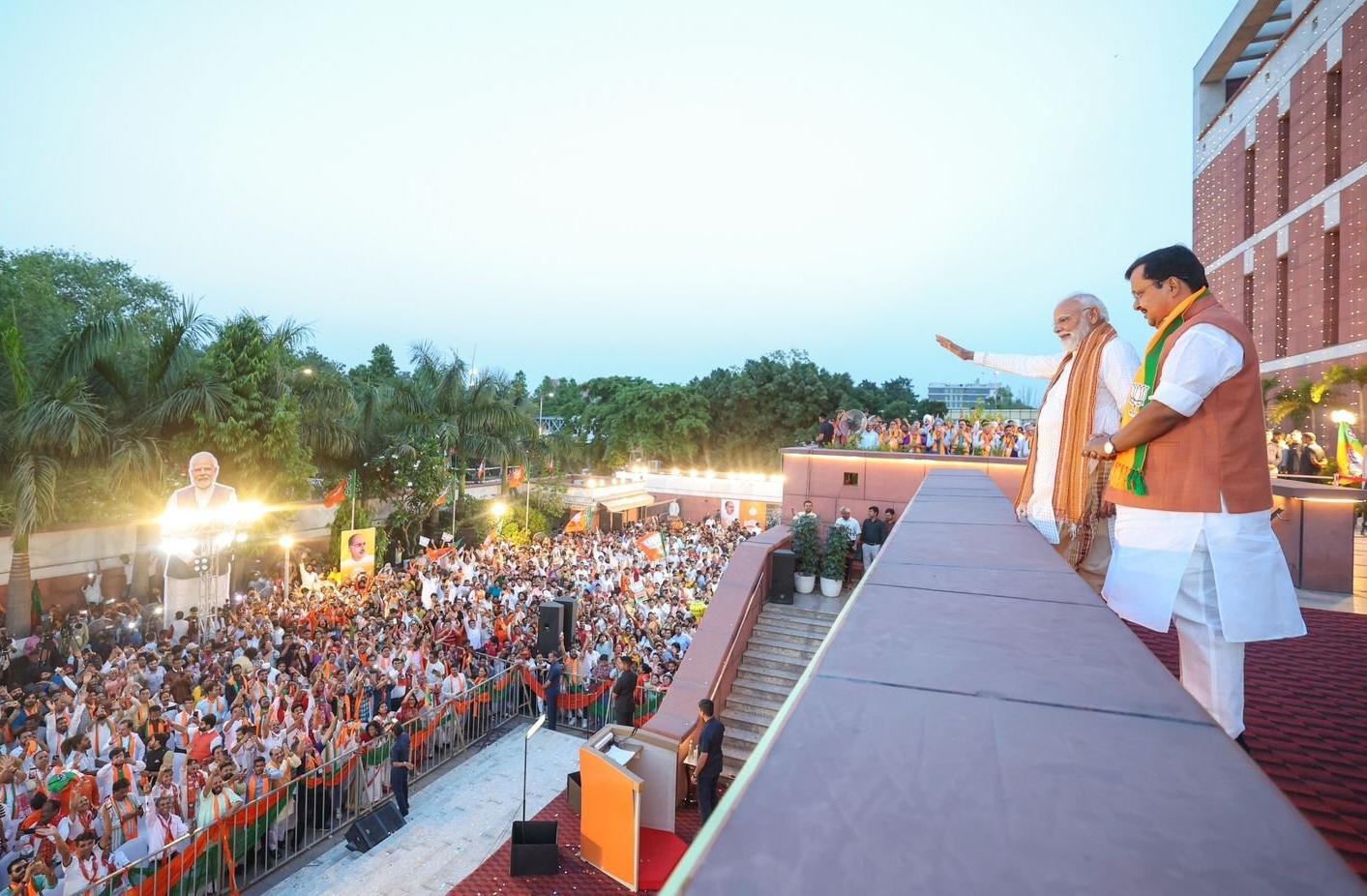
Rise of the BJP in West Bengal in 2026 was fulfilment of a long-cherished wish of the national party. Consolidation of Hindu votes in favour of the BJP to oust Trinamool Congress (TMC) for 15 years of its misrule was something that was waiting to happen. Though it is not clear what is the immediate trigger to push Mamata Banerjee government out, everyone agreed that cut money was getting a bit too much to bear. It was affecting even the common man. Little wonder that Mamata got defeated even in her own Bhabanipur constituency to arch rival Suvendu Adhikari of BJP. A senior Congress leader says, “Everyone had become so sick and tired of the corrupt TMC set-up that they wanted to get rid of its misrule. They wanted to give the BJP a chance.” It was also felt only PM Modi was capable of overcoming the minority veto power as he had managed to do so in UP, Bihar and Assam — three states that have sizable Muslim populations. “Since 2014, Modi had managed to unite Hindus and make Muslim vote not determine election outcome. He seemed to have a way of uniting Hindus for a common cause. That is what he had achieved in Bengal. It is in this context that BJP victory in Bengal is important,” pointed out a Sangh ideologue. He referred to provocation of a Bangladeshi lawmaker Akhtar Hossain warning of a potential refugee crisis if the BJP came to power in West Bengal. He had aired his concerns in the Bangladesh Parliament about repatriation of illegal Bangladeshis residing in India if BJP came to power in Bengal. But then why did women in Bengal choose to trust PM Modi, even if he had not fulfilled all the promises made to the Matuas in the CAA? Is it because BJP still seemed a decent bet? Possibly.
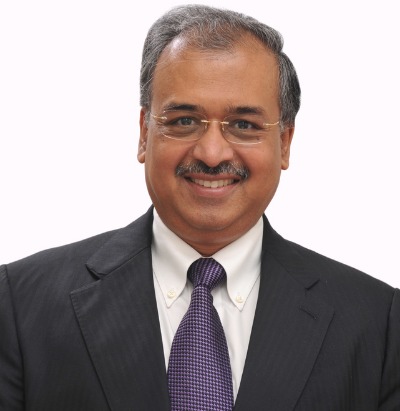
Sun Pharmaceutical’s ambitious $11.75 billion acquisition of U.S.-based Organon & Co has effectively reset the benchmarks for the Indian pharma sector. As the largest outbound acquisition in the industry’s history, the Dilip Shanghvi-founded company has solidified its global footprint across Europe, China, Canada, Brazil, and the U.S. through the newly formed Sun Pharma America Inc. Beyond doubling revenue and enhancing EBITDA margins, the deal is a strategic play to position Sun Pharma as a top-three global leader in women’s health and a top-ten player in biosimilars. This shift significantly diversifies Sun’s revenue stream, reducing its dependence on the domestic Indian market, with U.S. revenues projected to rise by $1.4 billion. Industry insiders note that the “easy win” era of small molecules and standard generics has ended. To remain competitive, the sector is pivoting toward heavy investment in complex generics, specialty medicines, and branded products. Analysts predict Sun’s move will trigger a wave of reactionary M&A activity as other Indian giants eye their own global acquisitions.
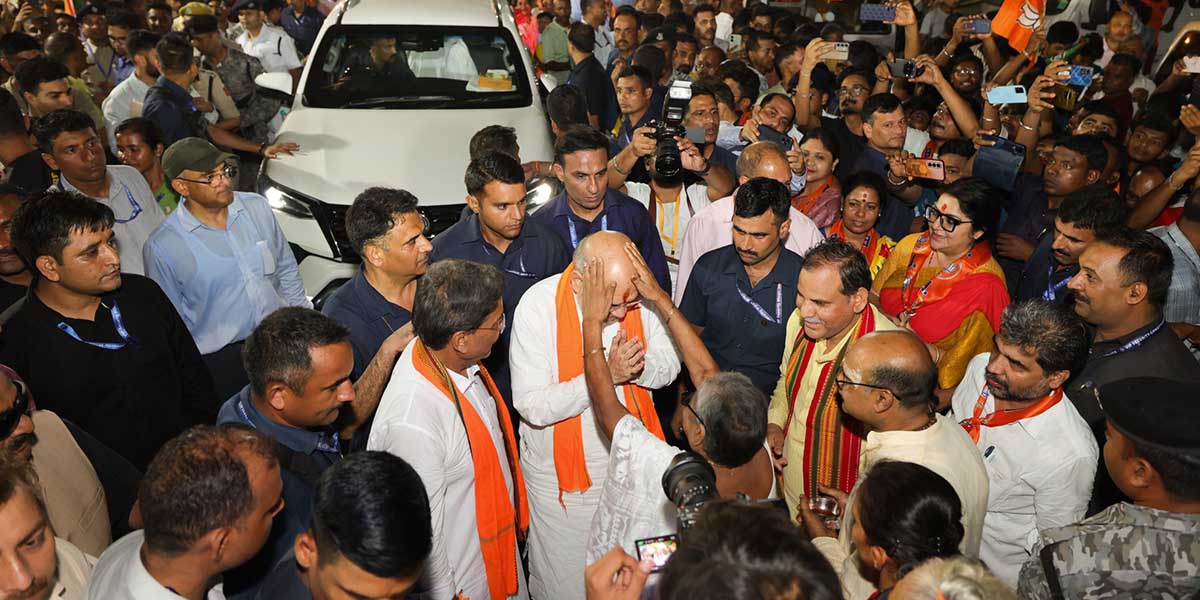
There’s a fear of post-poll violence in West Bengal! That is why around 50,000 central forces will remain in the state till counting day on May 4. Yet home ministry mandarins acknowledge that their deployment will remain a constitutional challenge without the state government requisition as law and order are state subjects. The CAPF’s operational powers will be legally limited, creating federal tension. Under Article 324, the ECI requisitions central forces to ensure free and fair polling. But once the ballot boxes are unsealed and votes counted that authority begins to fade. The BJP is confident of winning Bengal but fears post-verdict violence, which Amit Shah wants to prevent. A party source said the Union Home Minister who is likely to arrive in Bengal after the election results are announced on May 4, would monitor the situation to avoid a replay of 2021. Shah has already announced that the central forces would remain in Bengal for two months after the election results to prevent post-poll violence. He has sent his deputy and Union minister of state, Nityananda Rai to Bengal even before the exit poll results were announced. BJP Bengal poll manager and Union minister Bhupender Yadav will reach Kolkata by May 2. Apart from administrative vigilance, Shah asked party workers and leaders to refrain from violence during victory celebrations. State BJP president Samik Bhattacharya said, “We want to ensure that what happened to our workers and supporters in 2021 does not happen to anyone this time. We are afraid that TMC workers will attack their own party workers once the BJP wins.,” Both the BJP and Trinamool have issued warnings to each other’s alleged goons over what might happen after the results are declared on May 4. Shah has warned that Trinamool goons will be “hung upside down and straightened out”.
The Congress party in Maharashtra has become a laughing stock since it is facing the ignominy of withdrawing from an electoral contest for the third consecutive time in a span of just a couple of months. Senior Congress leaders are feeling embarrassed since the party has been forced to eat its own words without extracting any concrete promise from the Nationalist Congress party (NCP) or the Shiv Sena (UBT) about the forthcoming elections in 2028. The focus of the ridicule is state Congress president Harshwardhan Sapkal, who has fallen flat on his face after showing bravado every time. So much so that many of his party workers openly ask if he is making such important announcements on his own or without getting the high command’s clearance. Sapkal had to announce withdrawal of his party candidate from the Rajya Sabha fray earlier this year, to make way for unopposed election of NCP boss Sharad Pawar. Soon thereafter, he was compelled to declare that the Congress party will not contest against deputy CM Sunetra Pawar for the Baramati assembly byelection. He was made to change his stand immediately after warning the ruling Mahayuti that no walkover will be given to Sunetra. The latest insult Sapkal has suffered has happened in the biannual Vidhan Parishad election in which Sena leader Uddhav Thackeray unilaterally announced the candidature of his party Ambadas Danve. This caught Sapkal totally unprepared as even his own party leaders distanced themselves from his hasty behaviour. Thus, the Congress that ruled Maharashtra for decades till just a dozen years ago is considered a fringe party now, with Sapkal facing the blame for its decline.
One question that is haunting chattering classes in Delhi is whether Kerala polls will sound the death knell of the Left Parties in India? Will the Left Democratic Front be voted out of its last safe haven from India? After being voted out of Tripura, Bengal, will the Left lose its bastion in Kerala after a successful two-term run under CPI(M) stalwart Pinaryi Vijayan? Or maybe survive to last a third term on a slender margin. Many Communist leaders are worried! In spite of many scandals, Left leaders are hoping that LDF is voted back. As far as the Lok Sabha is concerned, the Left Parties had their best showing in the 2004 election winning over 60 seats. Today, their strength lies less in widespread electoral success and more in isolated strongholds, alliances, and cadre-based networks. If there is one state where the Left still governs with authority, it is Kerala. The state has a long history of communist politics, dating back to 1957 when the world’s first democratically elected Communist government was formed under EMS Namboodiripad. Five exit polls’ results show the United Democratic Front (UDF), a coalition led by the Congress in Kerala, dethroning the LDF government led by Vijayan, who ruled the state for the last 10 years. In fact, Vijayan’s victory in 2021 was an aberration of sorts. Kerala has had the long-standing practice of alternating between voting for the LDF and the UDF. Kerala’s Left has sustained itself through welfare governance, strong public health and education systems, and disciplined party organisation. Even if it loses ground in the assembly election, the CPI(M) still has a chance of returning to power, given the state’s electoral history.
There’s a fear of post-poll violence in West Bengal! That is why around 50,000 central forces will remain in the state till counting day on May 4. Yet home ministry mandarins acknowledge that their deployment will remain a constitutional challenge without the state government requisition as law and order are state subjects. The CAPF’s operational powers will be legally limited, creating federal tension. Under Article 324, the ECI requisitions central forces to ensure free and fair polling. But once the ballot boxes are unsealed and votes counted that authority begins to fade. The BJP is confident of winning Bengal but fears post-verdict violence, which Amit Shah wants to prevent. A party source said the Union Home Minister who is likely to arrive in Bengal after the election results are announced on May 4, would monitor the situation to avoid a replay of 2021. Shah has already announced that the central forces would remain in Bengal for two months after the election results to prevent post-poll violence. He has sent his deputy and Union minister of state, Nityananda Rai to Bengal even before the exit poll results were announced. BJP Bengal poll manager and Union minister Bhupender Yadav will reach Kolkata by May 2. Apart from administrative vigilance, Shah asked party workers and leaders to refrain from violence during victory celebrations. State BJP president Samik Bhattacharya said, “We want to ensure that what happened to our workers and supporters in 2021 does not happen to anyone this time. We are afraid that TMC workers will attack their own party workers once the BJP wins.,” Both the BJP and Trinamool have issued warnings to each other’s alleged goons over what might happen after the results are declared on May 4. Shah has warned that Trinamool goons will be “hung upside down and straightened out”.
One question that is haunting chattering classes in Delhi is whether Kerala polls will sound the death knell of the Left Parties in India? Will the Left Democratic Front be voted out of its last safe haven from India? After being voted out of Tripura, Bengal, will the Left lose its bastion in Kerala after a successful two-term run under CPI(M) stalwart Pinaryi Vijayan? Or maybe survive to last a third term on a slender margin. Many Communist leaders are worried! In spite of many scandals, Left leaders are hoping that LDF is voted back. As far as the Lok Sabha is concerned, the Left Parties had their best showing in the 2004 election winning over 60 seats. Today, their strength lies less in widespread electoral success and more in isolated strongholds, alliances, and cadre-based networks. If there is one state where the Left still governs with authority, it is Kerala. The state has a long history of communist politics, dating back to 1957 when the world’s first democratically elected Communist government was formed under EMS Namboodiripad. Five exit polls’ results show the United Democratic Front (UDF), a coalition led by the Congress in Kerala, dethroning the LDF government led by Vijayan, who ruled the state for the last 10 years. In fact, Vijayan’s victory in 2021 was an aberration of sorts. Kerala has had the long-standing practice of alternating between voting for the LDF and the UDF. Kerala’s Left has sustained itself through welfare governance, strong public health and education systems, and disciplined party organisation. Even if it loses ground in the assembly election, the CPI(M) still has a chance of returning to power, given the state’s electoral history.
The fall of the 131st Constitutional Amendment (Women Reservation Bill) in the Lok Sabha last week and the BJP ratcheting up attack on the Opposition for not helping in its passage — complete with PM Modi’s address to the nation, street protests in Delhi and outside Congress leader Rahul Gandhi’s residence – is not helping ordinary BJP karykarta in Bengal fighting the Trinamool Congress (TMC). In fact, BJP sources are quite puzzled as to why PM Modi tried to even bring a women’s quota bill at this juncture in the midst of Bengal polls. That too, when the government was aware it was set to fall? What was the big idea? Atleast in Tamil Nadu, AIADMK chief Edappadi K Palaniswami (EPS) is able to take pot shots at DMK leader M K Stalin for putting the state at a disadvantage in the delimitation gamble. In Bengal, TMC supremo Mamata Banerjee has gone on a disinformation overdrive. It was as if the defeat of the women’s quota bill had given a new lease of life to the TMC. Her campaign has naturally upset the BJP leaders and workers. Mamata, who was fighting with her back to the wall as she had begun to sense hostilities to the TMC among the Hindus, used the defeat of the Bill to describe it as “beginning of BJP’s downfall”. At a rally in Howrah, Didi went on to portray that the BJP had been “defeated” and was surviving in office only with the support of its allies. She was clearly trying to scare potential BJP voters by portraying that the national party no longer mattered in Delhi. Meanwhile senior Congress leader Ashok Gehlot too suggested that the government ought to seek a fresh mandate on the gender issue.
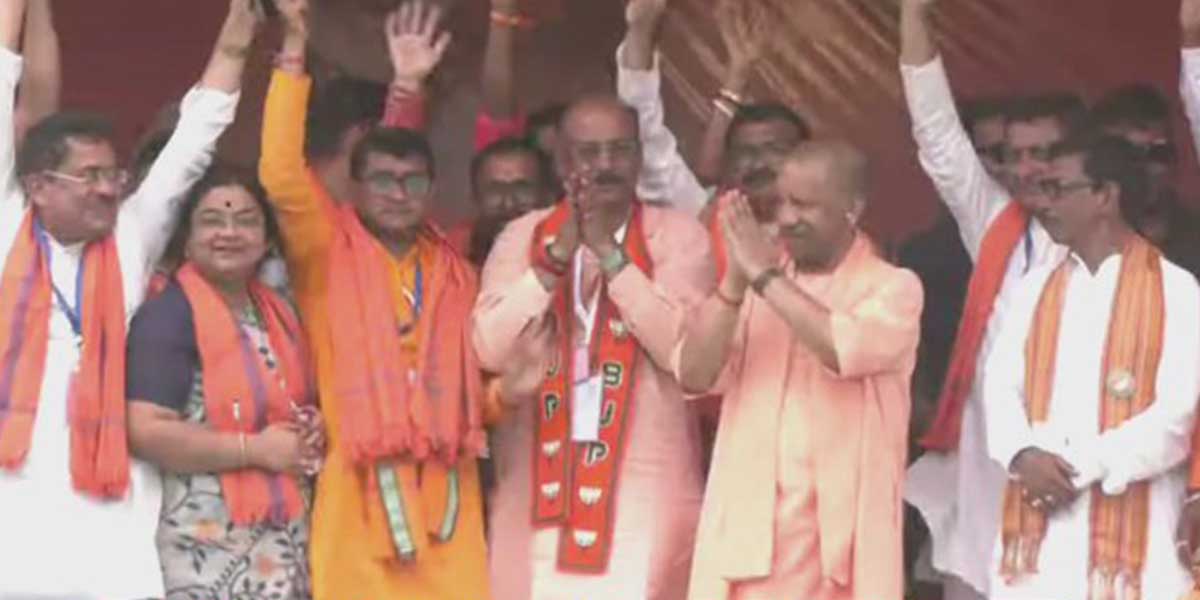
The BJP has intensified its Bengal campaign in the run-up to the April 23 polling, unveiling what party insiders describe as an “all-out strategy” to flood the ground with messaging, mobilisation and leadership presence. Almost 500 rallies, roadshows and meetings will be held across 152 constituencies voting in the first phase, with at least one event in each seat addressed by a senior leader to push last-mile outreach. Union minister and election observer Bhupender Yadav said a Bengal leader will also address at least one rally in every constituency, reinforcing coordination between central and state units. The campaign is led by Prime Minister Narendra Modi and Union home minister Amit Shah, who together anchor the high-decibel push. Modi is addressing around 11 rallies for this phase, while Shah is addressing about 30. Chief ministers from BJP-ruled states, including Himanta Biswa Sarma and Yogi Adityanath, have been deployed to target regions such as border belts and tribal areas. Alongside physical outreach, the party has launched a structured media offensive from April 15, aligning with the Bengali New Year, with daily press conferences focused on manifesto themes and governance critiques of the Trinamool Congress government. The messaging marks a calibrated shift, avoiding direct personal attacks on Chief Minister Mamata Banerjee after backlash in 2021, and instead focusing on governance, economic distress and agrarian concerns. A central campaign issue is the potato crisis, highlighting price crashes, export restrictions and inadequate storage. This year, supply disruptions in Kolkata and price spikes halted inter-state sales. Combined with bumper output, this has hurt farmers even as consumers face volatility. The BJP argues this reflects administrative failure, promising market access and fair prices, while deploying over 700 external personnel to manage campaigns despite factional challenges.
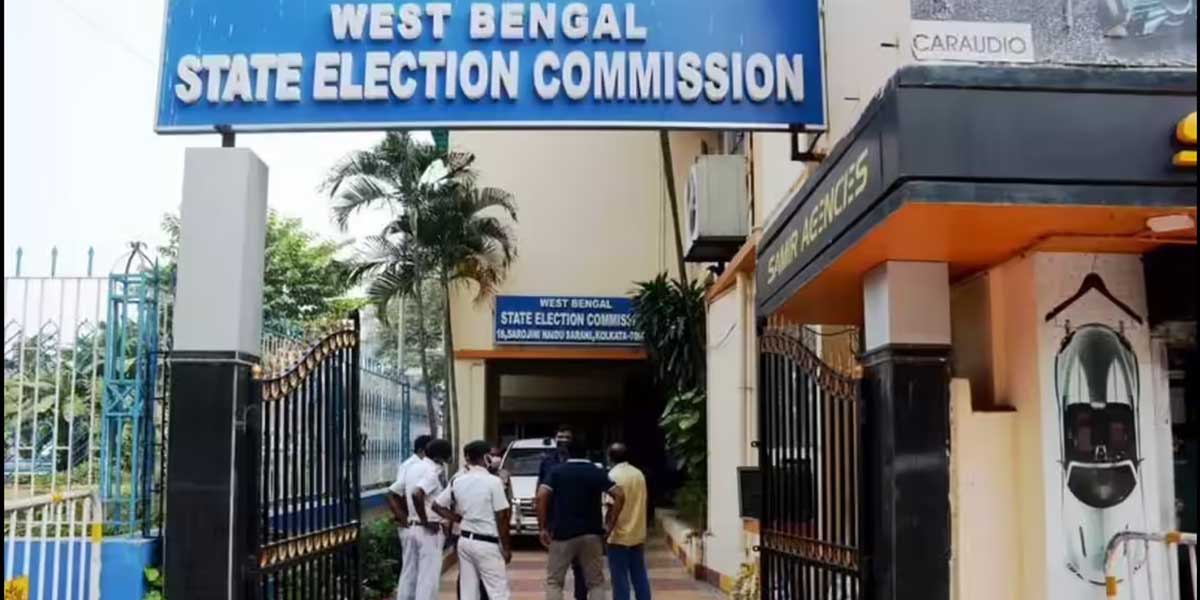
At the end of the Special Intensive Revision (SIR) process in West Bengal, around 9.1 mn names have been deleted from the electoral rolls, but the Election Commission has not disclosed the religious composition of those deletions. Based on its organisational assessment, the TMC claimed that 63% of the deleted names belong to Hindus and 35% to Muslims, indicating a ratio of roughly 2:1, a figure that could be politically uncomfortable for the BJP. The BJP has not questioned the accuracy of the figures but has raised questions about how the TMC accessed such data. TMC’s estimates indicate that in the first phase of the SIR process about 5.8 mn names were removed –around 4.4 mn Hindus and about 1.35 mn Muslims. In the second phase, around 550,000 names were deleted, of which 528,000 were Hindus around 97%, roughly 13,000 Muslims about 2.5%. In the third and final phase, approximately 2.7 mn names were removed with Muslim names outnumbering Hindu names — 1.75 mn Muslims and 835,000 Hindus. TMC alleged that in the process of identifying infiltrators and Rohingyas, people across communities had been subjected to scrutiny and names removed from the voter list. Some observers argued that the deletions should not be viewed solely through a religious lens but also in terms of categories. They said first-phase deletions, largely migration or duplicate entries, contrasted with the third phase where minority names formed the majority of deletions. TMC leaders have indicated in internal discussions that large-scale deletions of Hindu names could have an impact in Matua-dominated areas, where the BJP has performed strongly in the last three major elections.
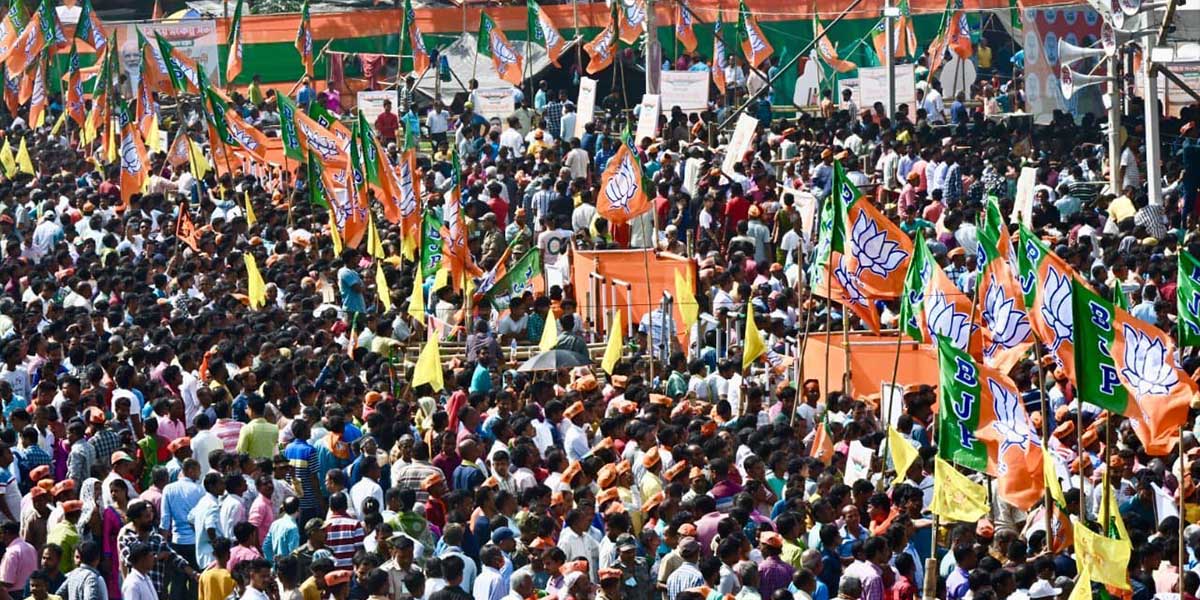
In West Bengal, the BJP is leaving no stones unturned to come to power. It seems the party has intensified efforts to consolidate support among traditional Left voters, a segment widely seen as having contributed significantly to its electoral rise in the state. Party insiders indicate that the BJP is seeking to retain and expand the gains it made from the Left’s declining vote share, particularly that of the CPI(M)), which saw its support shrink to around 5–6% in the 2021 Assembly elections. According to sources, the BJP has rolled out a booth-level outreach programme aimed at identifying and engaging Left-leaning voters. Local party workers have begun visiting households, making phone calls, and compiling detailed lists of voters perceived to be either inactive Left supporters or ideologically inclined towards Left politics. In several districts such as Howrah, Hooghly, and Purba Bardhaman efforts are underway to persuade disgruntled Left cadres and sympathisers to switch sides, with assurances of organisational responsibilities within the BJP. Former state BJP president Sukanta Majumdar on multiple occasions appealed to Left supporters to join hands with the party, arguing that ideological commitment can be retained while aligning politically against the ruling establishment. Political observers note that the BJP’s strong performance in the 2019 Lok Sabha elections in West Bengal was partly fuelled by an erosion of the Left vote base. The party has highlighted examples of former Left leaders who have transitioned successfully into the BJP. Among them are Khagen Murmu and Shankar Ghosh who are now prominent faces within the BJP. Former Left minister Bankim Ghosh is also part of the BJP’s legislative ranks.
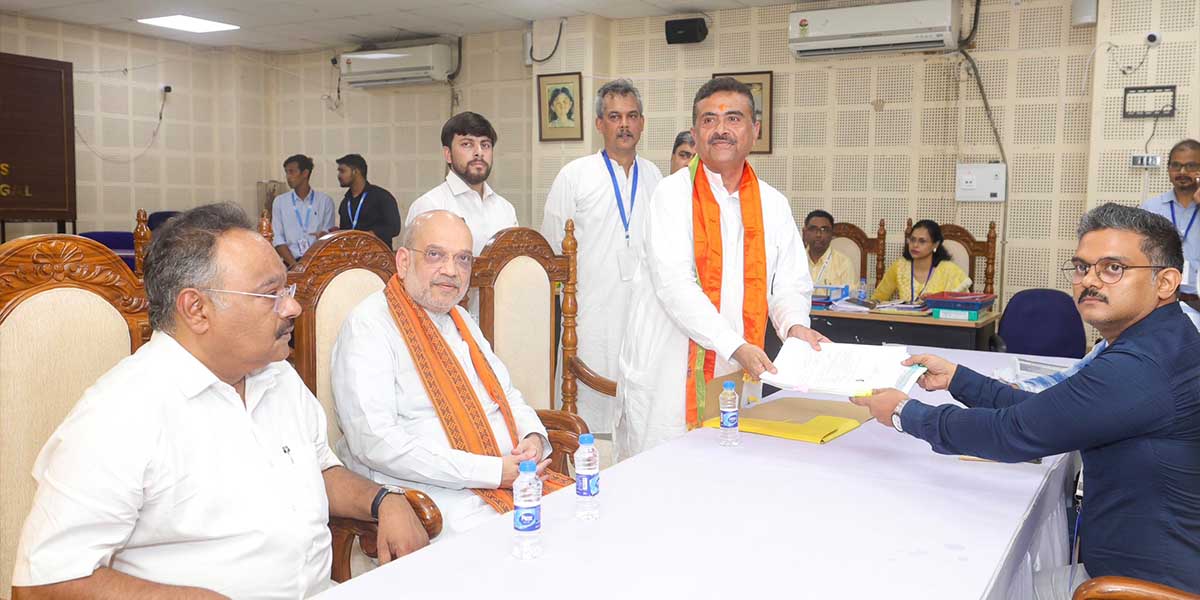
Union Home Minister Amit Shah is so convinced that the BJP is in a position to defeat Mamata Banerjee’s Trinamool Congress (TMC) in Bengal that he wants to concentrate more on the state than in Tamil Nadu. Once elections are over in Assam, Kerala and Puducherry on April 9, Shah will spend more than two weeks in Bengal. PM Modi is likely to address two rallies within a week. The BJP has pressed a battery of leaders into action, hoping to unseat the TMC government. “A number of our senior leaders are camping in the state, and more are set to join once the elections in Assam are over…” says a senior BJP leader. Work is being carried out in silos — at the level of both assembly and Lok Sabha constituencies. The BJP has divided West Bengal into nine zones, each zone is being handled by senior leaders, including ministers such as Dharmendra Pradhan, Nityanand Rai, Gajendra Singh Shekhawat, Sanjay Jaiswal, and Nishikant Dubey. Most of the leaders deployed so far are from Chhattisgarh, Bihar, Jharkhand, Uttar Pradesh, Tripura, among others.”The fact that Amit Shah ji has himself announced that he will campaign and stay in West Bengal for 15 days shows the party’s commitment and seriousness,” a senior leader said. The BJP is also making sure to counter any ‘negative narrative’ by the TMC to ensure such a depiction does not affect its prospects. For instance, soon after Mamata Banerjee claimed that the BJP would ban fish, meat, and even eggs if it came to power, Union Minister Sukanta Majumdar claimed that Bengal’s next CM from the BJP will be a ‘non-vegetarian’ when it comes to food habits. Shah has said, “I have a shortcut for bringing change to the state. Just make Suvendu Adhikari win from Bhabanipur (against Mamata), and the change is bound to happen.”
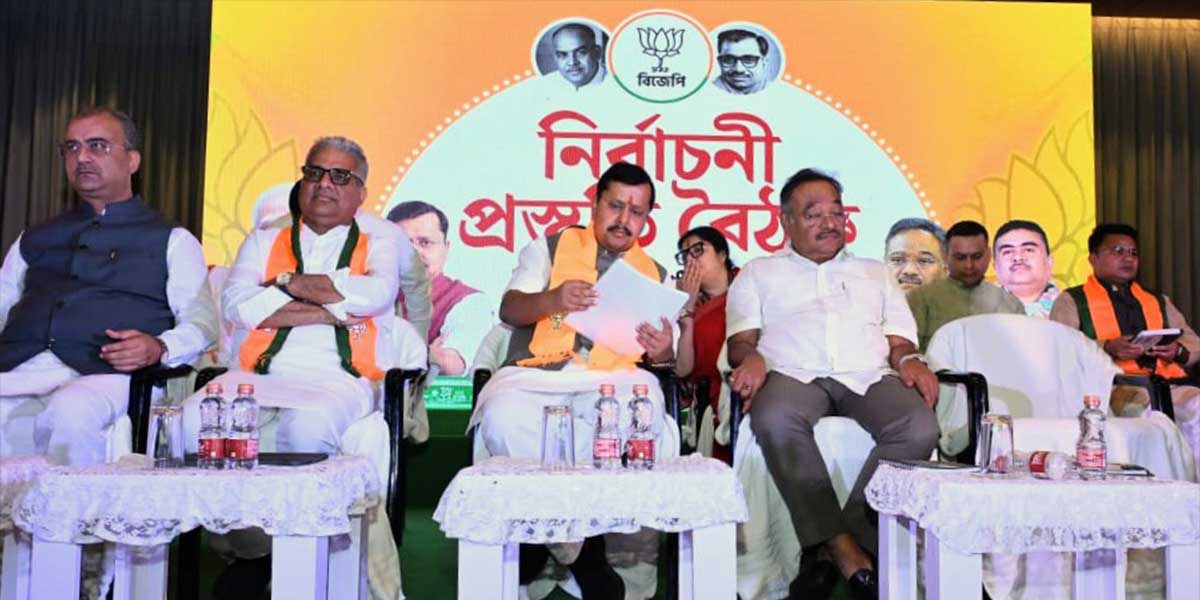
In a strategic shift ahead of the upcoming Assembly elections in West Bengal, the BJP has decided to release a comprehensive “chargesheet” alleging decline in various sectors in the state during the 15-year rule of Chief minister Mamata Banerjee. Party sources said that before unveiling its election manifesto, this document will be released on March 28 by Union Home Minister Amit Shah and is expected to outline a series of allegations against the state government in 14 key areas. The chargesheet will not only target Mamata but will also hold her nephew and second-in-command of the party, Abhishek Banerjee accountable. The move signals a recalibration of the BJP’s campaign approach, placing emphasis on alleged governance failures before presenting its Bengal Manifesto in early April. The broader outline of these allegations includes corruption and scandals such as the ration scam, irregularities in School Service Commission recruitment leading to 26,000 job losses, misappropriation in the mid-day meal scheme and also cattle smuggling syndicate. Besides these, the BJP has also levelled allegations on administrative breakdown and political mis-governance, Incidentally, the TMC has already published its manifesto charting out “Didi’s Dash Protigya” (Didi’s 10 Promise). Following the chargesheet, the BJP’s manifesto is likely to outline a range of promises, including increased funding for existing welfare schemes such as Lakshmir Bhandar and Yuva Sathi, development of Singur as an industrial hub, and improved road connectivity between North and South Bengal. Besides, the central leadership is also expected to include the promise to implement the 7th Pay Commission within 45 days of coming to power and payment of pending Dearness Allowance dues.
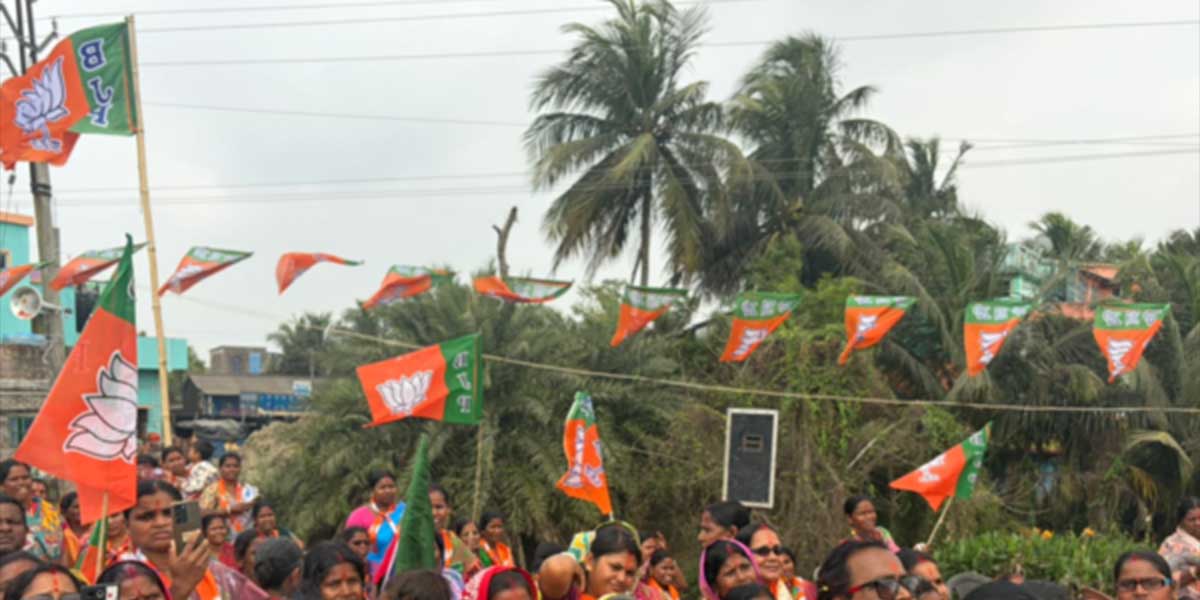
In a strategic move to turf out West Bengal chief minister Mamata Banerjee in the upcoming Assembly poll, the BJP is focussing on her stronghold – women voters. Didi’s Lakshmir Bhandar scheme has proved to be very popular. As a counter to that the BJP has launched Labharthi Sampark Abhiyan scheme which promises to top Didi’s scheme which is currently paying Rs 1,500– Rs 1,700 per month to Rs 3,000 if voted to power. Complementing this, Union Home Minister Amit Shah announced a separate Rs 5,700-crore special fund dedicated to women’s safety, education, skill development, and self-help groups. BJP manifesto committee members emphasize that this fund is an additional empowerment initiative distinct from the monthly cash transfers. To popularise its Labharthi Sampark Abhiyan, BJP has embarked on a massive door-to-door campaign targeting approximately 64 lakh families, or nearly 2 crore voters. Under this strategy, a dedicated committee and district-level teams have appointed a Labharthi Sampark Pramukh at 1,060 booths. Workers are instructed to show that while Lakshmir Bhandar provides roughly Rs 60,000 over five years, central schemes like the Pradhan Mantri Awas Yojana, Ujjwala LPG connections, and PM-Kisan provide benefits worth up to Rs 4 lakh per family over the same period. The BJP’s internal data highlights a significant reach, noting that 82 lakh families in Bengal have received central benefits, including 18 lakh minority and 64 lakh Hindu households. Within the Hindu demographic, 42 lakh families have accessed at least three schemes, while 35 lakh families have benefited from five. By focusing on direct individual benefits—such as housing, toilets, and piped water—and excluding general infrastructure like roads, the party aims to prove its efficacy. BJP leaders are betting that this “beneficiary-first” model will finally yield a breakthrough in West Bengal.
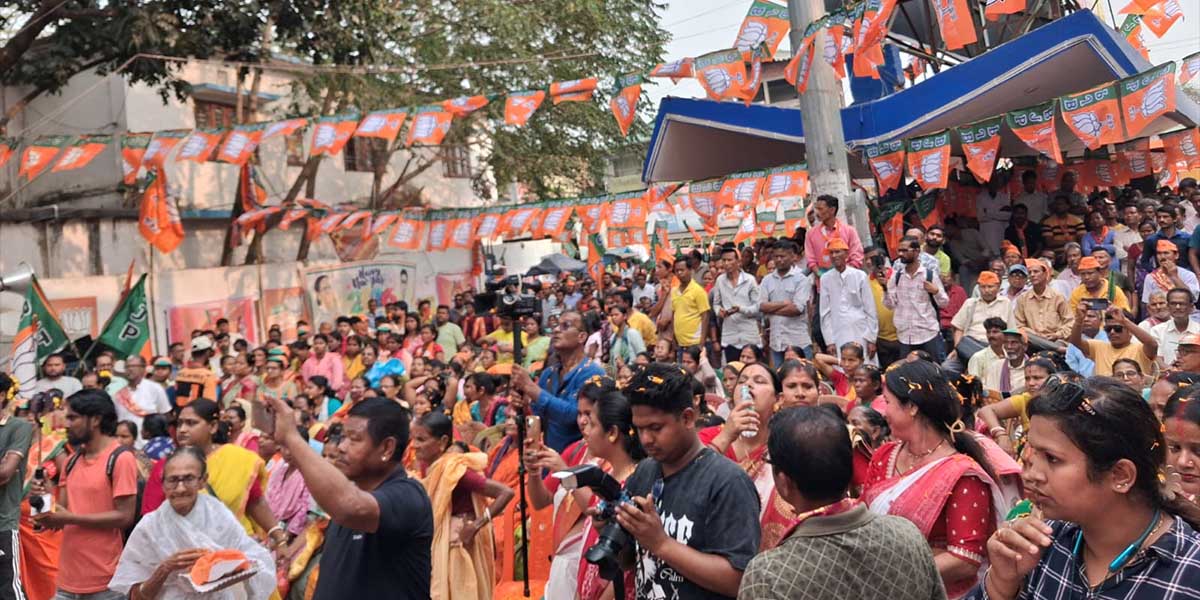
As the BJP revs up its engine with the high-decibel “Parivartan Yatra”, its ideological backbone, the RSS, is quietly weaving a different tapestry on the ground. Through a strategic public awareness campaign, RSS volunteers are navigating the state’s neighbourhoods in small, discreet groups. Their mission is a classic ground-game manoeuvre: speaking directly to residents about the perceived excesses of West Bengal CM Mamata Banerjee’s administration and the urgent need for Hindu voter mobilisation. This quiet storm aims to challenge the Didi’s long-standing dominance by ensuring a maximum turnout among the Hindu electorate. The narrative being pushed by right-wing leadership, including the Vishwa Hindu Parishad, centres on a dual grievance of economic stagnation and a controversial “appeasement” policy. Sangh members argue that this shift stems from a growing perception that the TMC has favoured a small circle of influential leaders over the broader Muslim community, leaving many to feel like a neglected vote bank. This discontent is reportedly spreading across the socio-economic spectrum, from tribal communities to the traditional Bhadralok class. To capitalise on this, right-wing organisations are eyeing the upcoming Ram Navami celebrations as a pivotal moment for further mobilization. However, a strategic shadow hangs over the saffron camp’s momentum: the lack of a projected Chief Ministerial face. While the BJP central leadership often favours a “faceless” campaign to avoid internal factionalism—a tactic seen in Rajasthan and Chhattisgarh—many within the RSS believe this could be a tactical error in Bengal. They argue that entering the fray without a leader of sufficient public stature leaves the party at a disadvantage against a formidable opponent like Didi.
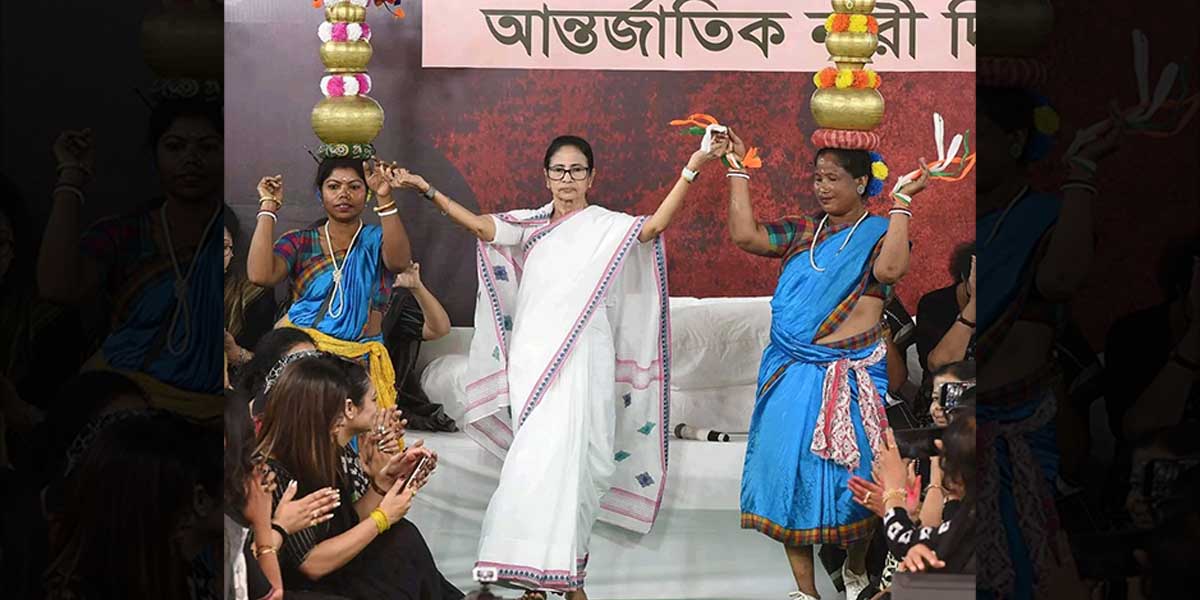
An unprecedented political confrontation between the President Droupadi Murmu and West Bengal chief minister Mamata Banerjee has become an election campaign issue with both BJP and TMC framing the debate around tribal identity ahead of the Assembly elections. The BJP has attacked the ruling TMC over what it calls an “insult” to President Murmu, India’s first tribal woman President while Mamata has accused the BJP of exploiting the President politically for electoral gains. The focus has shifted from the SIR issue to tribal representation. The BJP is targeting tribal-dominated constituencies, where it had made gains in the 2019 Lok Sabha poll in Jangalmahal but lost ground to TMC in the 2021 Assembly elections. In the 2024 Lok Sabha election, TMC recovered three seats in western West Bengal — Bankura, Jhargram, and Medinipur. While only 16 of West Bengal’s 294 Assembly constituencies are reserved for Scheduled Tribes, at least 52 constituencies across Birbhum, Hooghly, Purba Bardhaman and Paschim Bardhaman have significant tribal populations, making the issue electorally relevant beyond reserved seats. Some TMC leaders feel Didi’s strong reaction against President Murmu, might have been better measured, as it risks alienating some tribal voters at a time when BJP is actively capitalising on every opportunity. Political analysts predict the confrontation will continue. Other issues, including the SIR debate and rising cooking gas prices, may fade as the President-CM dispute will dominate West Bengal’s political narrative.
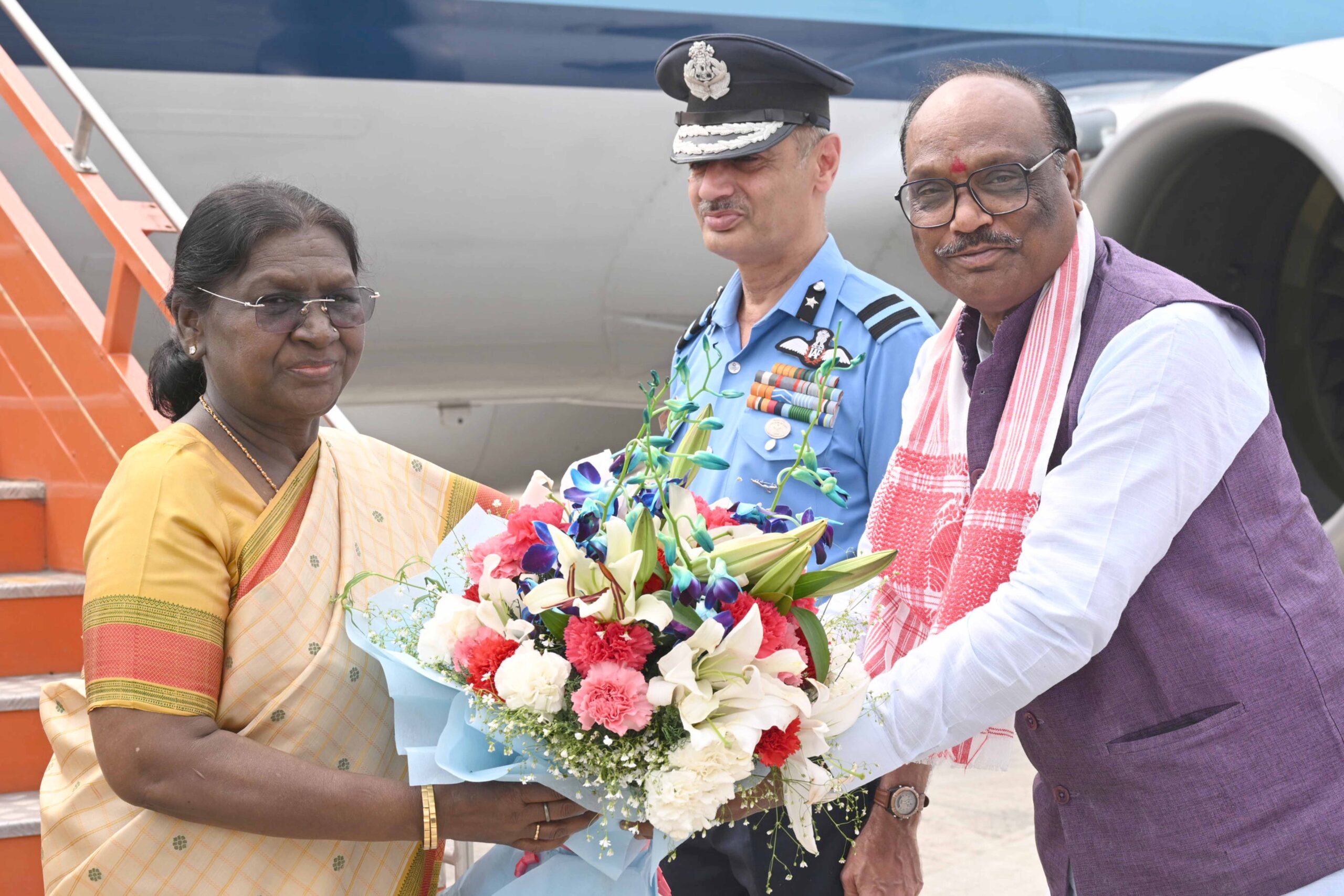
In an unusual move on March 7, President Droupadi Murmu visited Bidhannagar in Phansidewa, Darjeeling district and planted a tree at Bidhannagar Santoshini Vidyachakra School Gate. It was to be the venue of the International Santal Conference. For some reason the West Bengal Govt refused to give permission for the Conference to be held in the Adivasi majority area and wanted it to be held at a distant congested site near Bagdogra airport. President Murmu travelled more than 30km to Bidhannagar to meet with the Adivasi people. Refusing to get bogged down by the lack of protocol — President Murmu was not received by the CM or Chief Secretary or a senior minister, President Murmu aired her anguish over the manner in which she was humiliated among her very own people — the Santals in Bengal. She attacked the state apparatus that changed the venue of the Santal Conference at the last minute so that fewer people could attend. Exposing anti-Adivasi mindset of the Bengal Govt, President said, “They chose a place for the conference where the Santal people couldn’t go. Protocol demands that if the President visits a place, she should be accompanied by the CM or ministers. “It is still not clear why Mamata was discourteous to President Murmu? Is it because of the buzz that the state could be placed under President’s Rule ahead of the assembly polls? What set off the buzz is that the state has got a no-nonsense new governor, R N Ravi from Tamil Nadu where he was being made a hot poll issue by the DMK. But then a President Rule is exactly what Mamata will want. As it will help her play the victim card. Like her broken limb had helped her swing the last elections. But then why would the Centre fall for her bait?
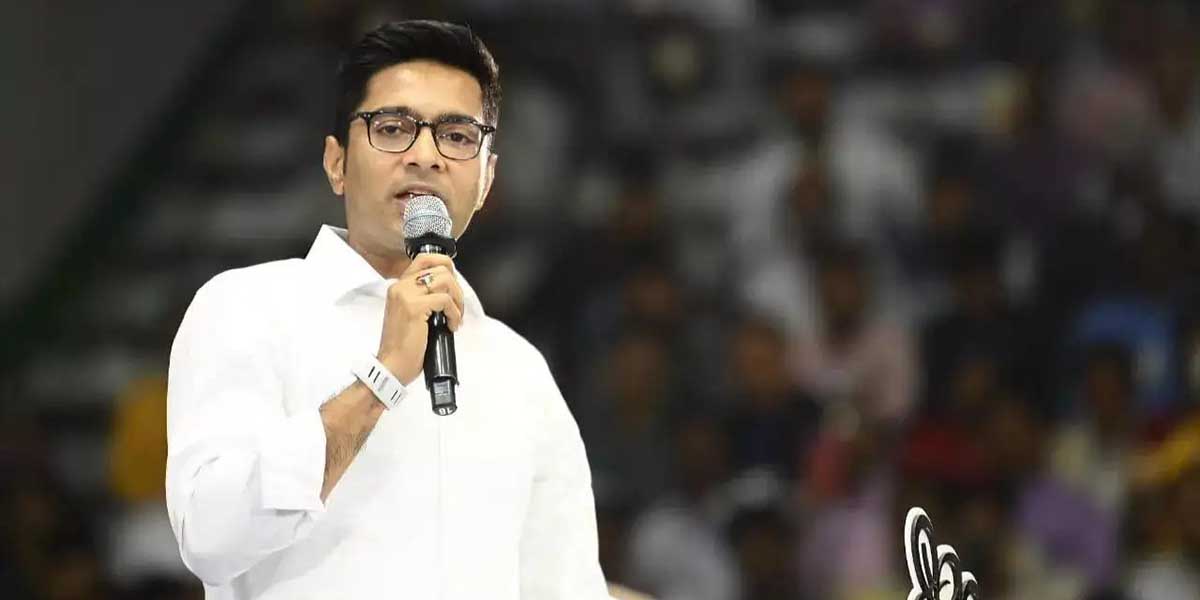
Political observers are seeing a discernible shift in the articulation and positioning of Abhishek Banerjee, general secretary of Trinamool Congress (TMC). Over the past four months, his speeches, decisions, literary references and historical analogies have echoed themes associated with the Left, prompting critics to describe the emergence of a “Bamcharitmanas,” or Left-leaning narrative. The shift first drew attention last November when two women from South 24 Parganas entered into a same-sex marriage. They were felicitated at an event organised by Trinamool MP Bapi Halder. Abhishek congratulated the couple for challenging social orthodoxy. Recently, a senior advocate Menaka Guruswamy, a member of LGBTQ, thanked Abhishek after being nominated to the Rajya Sabha. More. He posted a poem on social media invoking resistance against state power, language historically associated with Left and ultra-Left literature. In Parliament, he concluded his Budget speech by quoting poet Nabarun Bhattacharya, whose work is emblematic of protest politics in Bengal. At a press conference targeting the Election Commission, he referred to the Battle of Stalingrad, often cited by Left forces as a defining victory over fascism. On an earlier occasion he had quoted composer Salil Chowdhury: “Pathe ebar namo sathi, pathei hobe e path chena” which is known to be a Left Revolution call. Analysts feel Abhishek’s shift is very much in line with chief minister Mamata Banerjee, whose rise drew support from Left-leaning individuals disillusioned with the CPI(M). Since 2006, several former Left leaders and cultural figures have joined Trinamool. However, the CPI(ML) Liberation has criticised the approach as “cultural appropriation”. Some argue the party is seeking to reclaim Left voters who shifted to the BJP.
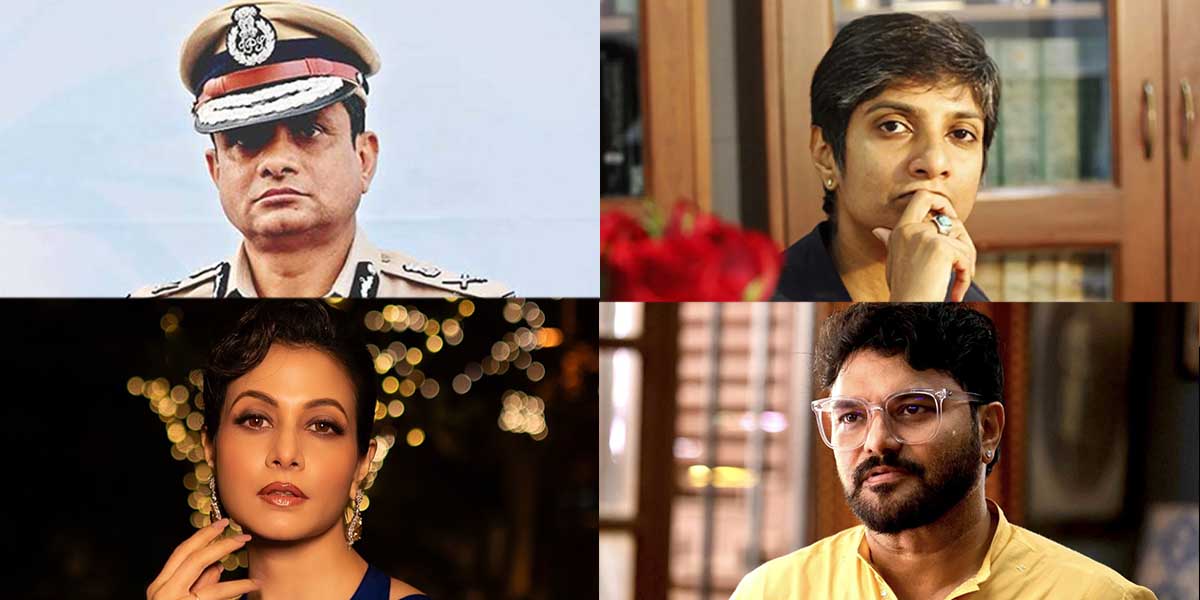
In West Bengal’s political theatre, chief minister Mamata Banerjee’s latest Rajya Sabha nominations signal calibrated messaging. The elevation of former Kolkata Police commissioner Rajeev Kumar, former BJP leader-turned-TMC minister Babul Supriyo, actor Koel Mallick and senior advocate Menaka Guruswamy blends loyalty, optics, accommodation and ideology. Recently retired IPS officer Rajeev Kumar’s nomination is the most politically charged. Central to the Saradha chit fund investigation, he became a symbol of the state-versus-Centre standoff when CBI officers reached his residence, prompting Didi’s dharna in his defence. He was recently seen with Banerjee at the I-PAC office during an ED raid, reinforcing perceptions of proximity. If Kumar’s elevation signals loyalty and confrontation, Babul Supriyo’s move reflects internal management. It became clear he would not contest the upcoming Assembly election from Ballygunge. Though reportedly offered Asansol South, he is said to have had reservations. Supriyo has indicated plans to refocus on his music career. A Rajya Sabha seat preserves stature and visibility without constituency pressures, balancing politics and personal priorities. Koel Mallick’s nomination is symbolic. A leading Tollywood actor, daughter of Ranjit Mallick and married to producer Nispal Rane of Surinder Films, she belongs to a film family seen as close to Banerjee. A recent meeting between Abhishek Banerjee and Ranjit Mallick strengthened perceptions of continued engagement with the film fraternity. Menaka Guruswamy adds an ideological dimension. Known for her role in the 2016 constitutional challenge leading to Supreme Court recognition of LGBTQ+ rights, she also represented Banerjee in the I-PAC case. Openly gay and partnered with Arundhati Katju, she represents liberal constitutionalism. Her induction signals inclusivity and LGBTQ+ outreach, positioning the party within a progressive national discourse amid deepening polarisation.
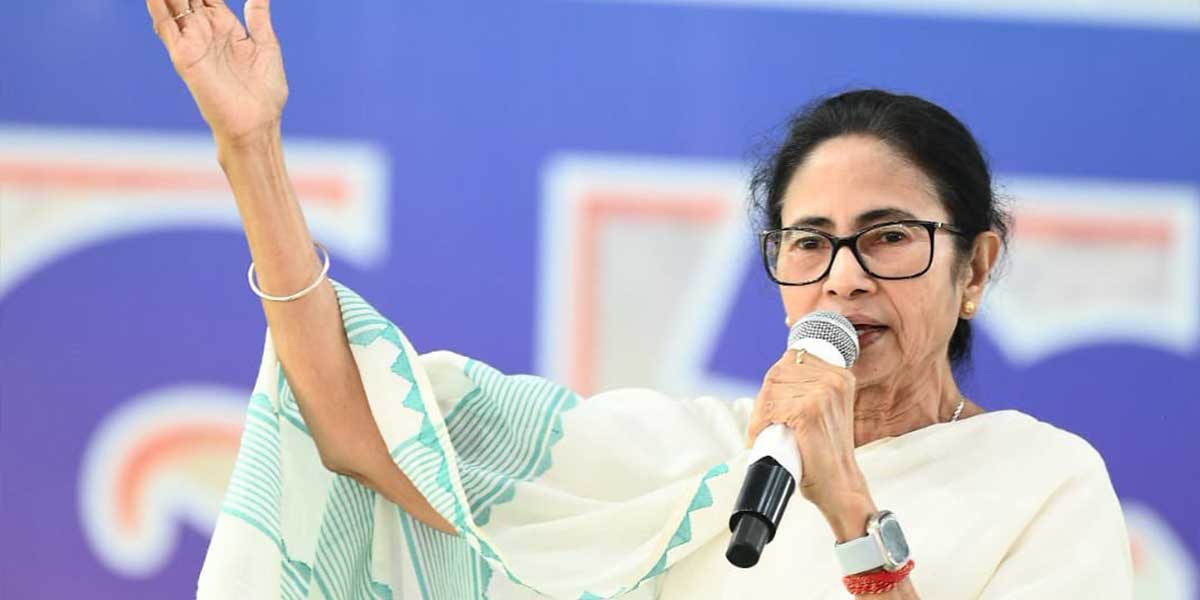
With the renaming of Kerala to Keralam, West Bengal chief minister Mamata Banerjee has turned the issue into a significant political flashpoint ahead of the state election due in a couple of months. Didi termed the BJP “anti-Bengal” and accused the CPI(M) of maintaining a tacit understanding with the saffron party. She alleged that Prime Minister Narendra Modi and Union Home Minister Amit Shah remember West Bengal only during election season, while consistently blocking the state’s longstanding demand for a name change. The issue dates back to 1999 when the Left Front government led by chief minister Jyoti Basu first proposed renaming the state “Paschim Bangla”. After coming to power in 2011, Mamata revived the effort. In 2016, her government suggested “Bengal” in English, “Bangla” in Bengali, and “Bangal” in Hindi, but the Centre rejected the proposal, citing the use of three different names. A later suggestion to adopt “Bangla” as the sole name was also turned down, reportedly because it sounded similar to Bangladesh, potentially causing confusion in international forums. The controversy has put both the BJP and the CPI(M) on the defensive. The state CPI(M) leaders have reacted cautiously as prominent CPI(M) leader Pratik Ur Rahaman defected to the TMC. Local BJP leaders have dismissed Mamata’s claims as politically motivated, accusing her of sidelining the legacy of Shyama Prasad Mukherjee and using the issue to polarise voters as campaigning gathers pace..
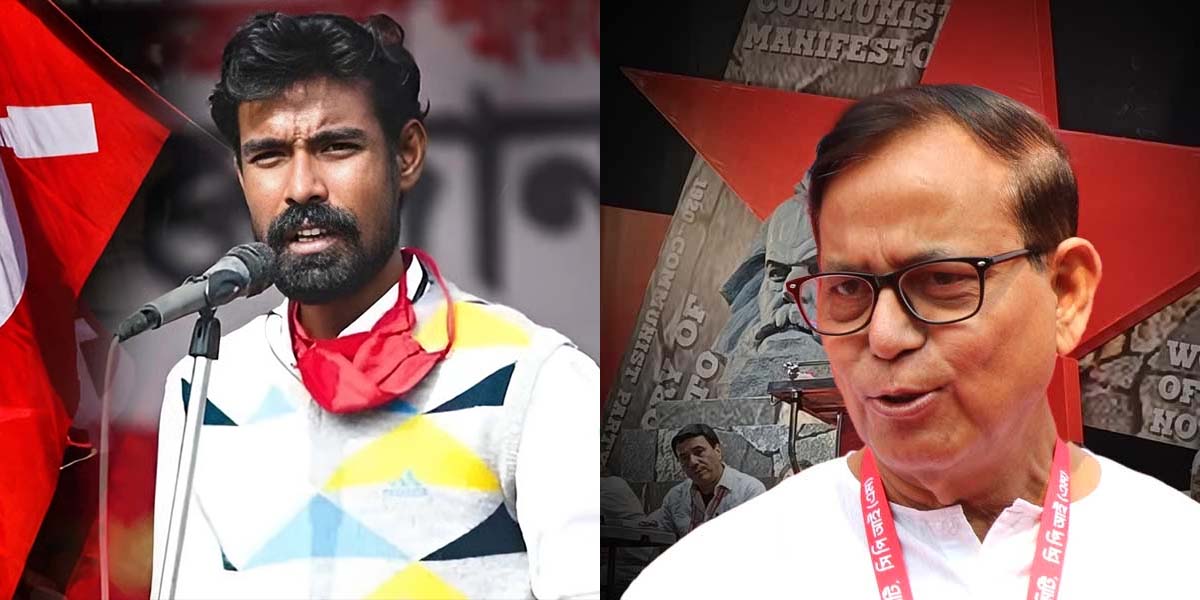
The Communist Party of India (Marxist) (CPI(M)) Bengal unit, grappling with an existential crisis, has been rocked by fresh turbulence after senior state committee member and former Lok Sabha candidate Pratik Ur Rahaman launched a sharp attack on the leadership, alleging favouritism and lobbying at the behest of state secretary Mohammad Salim. Terming it a “triple talaq” given by the CPI(M), Rahaman — the party’s Diamond Harbour candidate in the 2024 Lok Sabha elections and a new-generation leader promoted by the Politburo — resigned and gave up his membership. He has declined an invitation from veteran leader and Left Front chairman Biman Bose to attend a meeting at the party’s Alimuddin Street headquarters after accusing a section of leaking internal communications. On speculation about a switch to the ruling All India Trinamool Congress, Rahaman remained circumspect. Insiders say Bose attempted to defuse tensions, but Rahaman has grown disillusioned, holding Salim responsible for sidelining younger leaders. A section has voiced concern that emerging student and youth leaders are being marginalised, with the state unit seen as divided between factions under Salim and senior State Central Committee member Sujan Chakraborty, who is eyeing Politburo membership and eventually the state secretary’s post. Rahaman has conveyed to close associates that repeated attempts to raise organisational issues went unheeded, hinting at “influential” leaders shielding aides. Though sections favour retaining him as a young minority face ahead of the 2026 Assembly polls, his absence from the two-day state committee meeting beginning Thursday has intensified speculation of an imminent break. A direct face-off has emerged between Rahaman and Shatarup Ghosh. Without naming him, Rahaman earlier targeted Ghosh, who acknowledged Rahaman’s competence but said he is “everyone’s favourite”. Political circles report Rahaman has met a Trinamool MP in Kolkata about possible induction into the party.
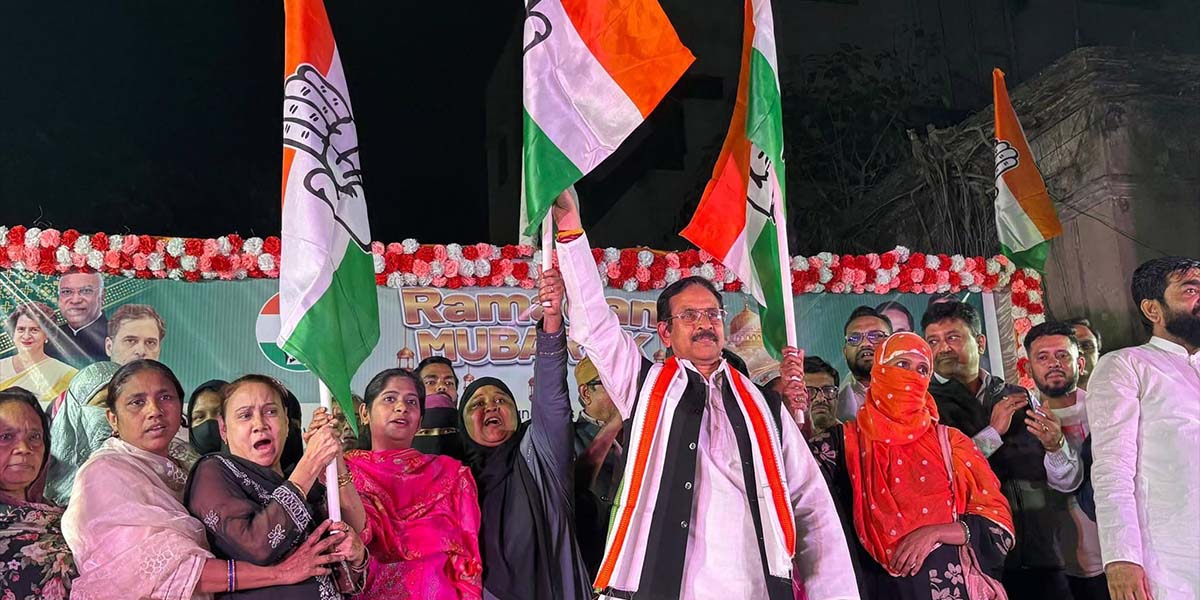
The Bengal Pradesh Congress has decided to contest the forthcoming West Bengal Assembly elections independently, ending nearly a decade of electoral coordination with the Left. Since the 2016 state polls, Congress and the CPI(M) had worked in tandem in a bid to challenge chief minister Mamata Banerjee and her party – TMC. That partnership, however, failed to yield significant gains, culminating in a washout for both sides in 2021 when neither secured a single seat. Party leaders say the decision to go solo is aimed at rebuilding the organisation in a state where Congress has not governed on its own since the Left Front came to power in 1977 under the CPI (M). Strategists argue that fighting alone may help the party reclaim political space and prepare for the 2029 Lok Sabha elections. The move also reflects an effort to disrupt the entrenched TMC-versus-BJP narrative that has dominated Bengal politics since 2019. Questions persist over whether Congress possesses the organisational depth and resources to field candidates across all 294 constituencies. Its limited booth-level presence during the Election Commission’s voter roll revision exercise has raised concerns internally about campaign preparedness. In traditional strongholds such as Murshidabad and Malda, once associated with leaders like A B A Ghani Khan Choudhury and Adhir Ranjan Chowdhury, the party is attempting to regain lost ground. The recent return of former TMC MP Mausam Benazir Noor to Congress has provided a morale boost. Political observers suggest that as the CPI(M) works to assemble a broader front excluding both the TMC and the BJP. The Congress opting out of alliance with CPI(M) will lead to fragmented opposition that could ultimately benefit the ruling TMC.
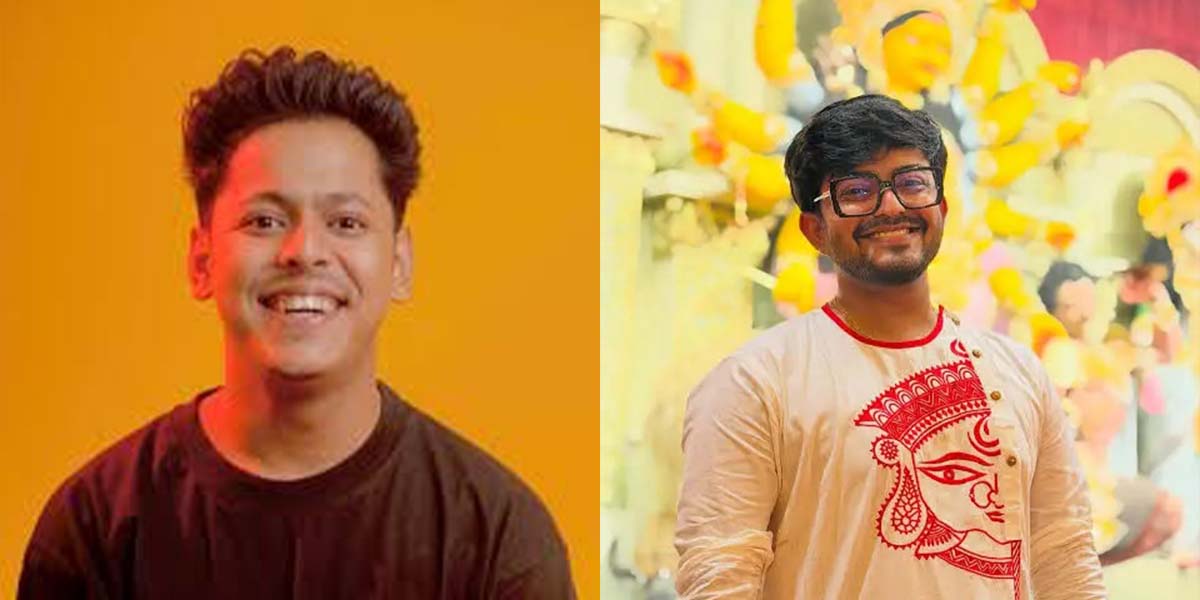
With the West Bengal Assembly elections just months away, political battle has acquired a sharper digital edge. The principal rivals — TMC and BJP — are not only trading barbs at rallies but are also locked in a parallel battle across social media platforms, where videos, satire and personal controversies are swiftly reframed as political statements. What distinguishes this election cycle is the central role of content creators. YouTubers, podcasters and self-styled influencers are increasingly shaping narratives, with their content amplified by party ecosystems, blurring the line between independent commentary and partisan mobilisation. Two recent, unrelated controversies involving Bengal-based creators illustrate how combustible the intersection of identity politics, personal disputes and electoral timing has become. The first involved actor and YouTuber Sayak Chakraborty, who alleged in a viral video that a Muslim waiter at Olypub deliberately served him beef instead of mutton, calling it an affront to his Hindu Brahmin identity. Though the video was later deleted, it spread widely and triggered protests by fringe Hindutva groups in Kolkata. The waiter was initially arrested, while a counter FIR was filed against Chakraborty for allegedly instigating communal disharmony. Following social media protests by sections of civil society, the waiter was granted bail. BJP leaders amplified the clip, turning a restaurant dispute into a communally charged controversy. Soon after, 25-year-old content creator Shamik Adhikary, known online as ‘Nonsane’, was arrested days after releasing a sharply worded Bengali political satire titled Button. His girlfriend accused him of sexual violence and wrongful confinement. The BJP characterised the arrest as political retribution by the TMC government, with senior leader Amit Malviya sharing the satire and alleging suppression of dissent. In both cases, viral content triggered outrage, partisan amplification followed, and original facts...
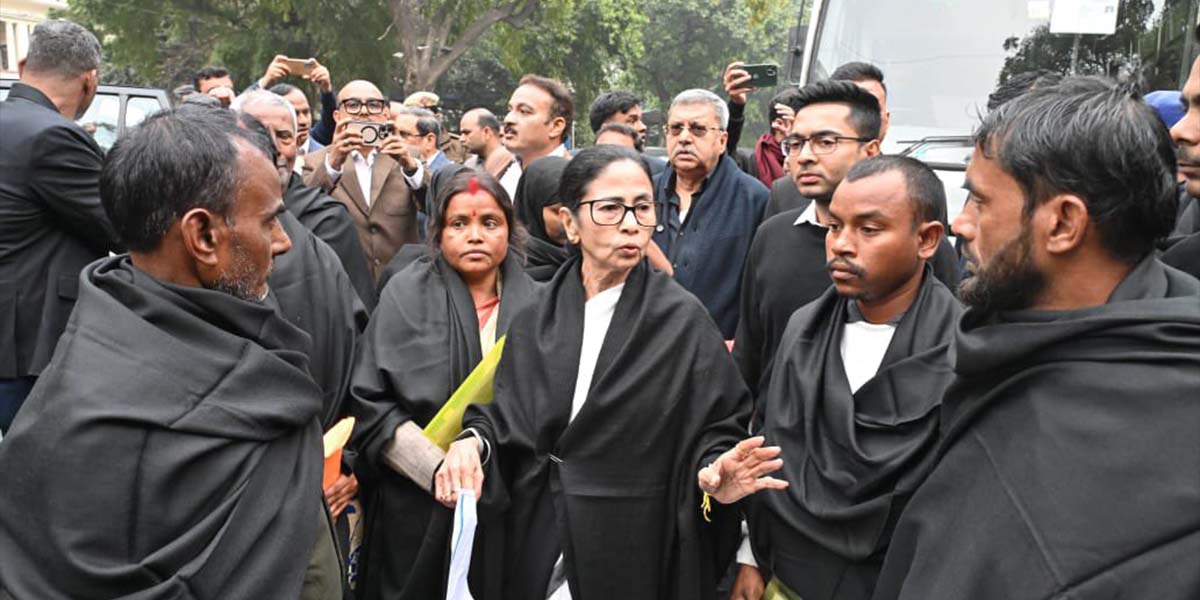
The meeting between West Bengal chief minister Mamata Banerjee and Chief Election Commissioner Gyanesh Kumar at Nirvachan Sadan, New Delhi ended midway after sharp exchanges, with Didi walking out in a huff. She accused CEC Kumar of arrogant behaviour, misconduct and acting at the behest of the BJP. She described the ongoing Special Intensive Revision (SIR) of electoral rolls as unplanned and arbitrary. The nearly hour-long meeting was convened to discuss the SIR process in West Bengal. She led a delegation comprising her nephew and second in command of the party Abhishek Banerjee and TMC MP Kalyan Banerjee, along with 12 individuals affected by the exercise, including families alleging deaths due to SIR-related stress and voters reportedly marked as dead despite being alive. According to TMC sources, tensions escalated soon after Mamata questioned the conduct of the SIR, raising issues such as reported deaths and hospitalisations, the absence of SIR in Assam, publication of anomalous voter lists in Bengal and the appointment of micro-observers. Abhishek raised detailed objections, while Kalyan Banerjee pointed to legal concerns and Supreme Court directions. The TMC alleged that Kumar repeatedly interrupted the delegation and used dismissive language, leading to walk out of the meeting. The TMC highlighted that among the 12 affected individuals, two were from minority communities and 10 were Hindus, countering BJP claims linking objections to illegal immigrants. Didi warned of intensified protests if the EC did not change its approach and said she would continue the political fight on the streets. The EC rejected the allegations, stating that all questions were answered and warning that the rule of law would be enforced strictly. It accused some TMC legislators of threatening election officials and alleged obstruction of SIR work and non-payment of honorariums to booth-level officers by the Bengal government.
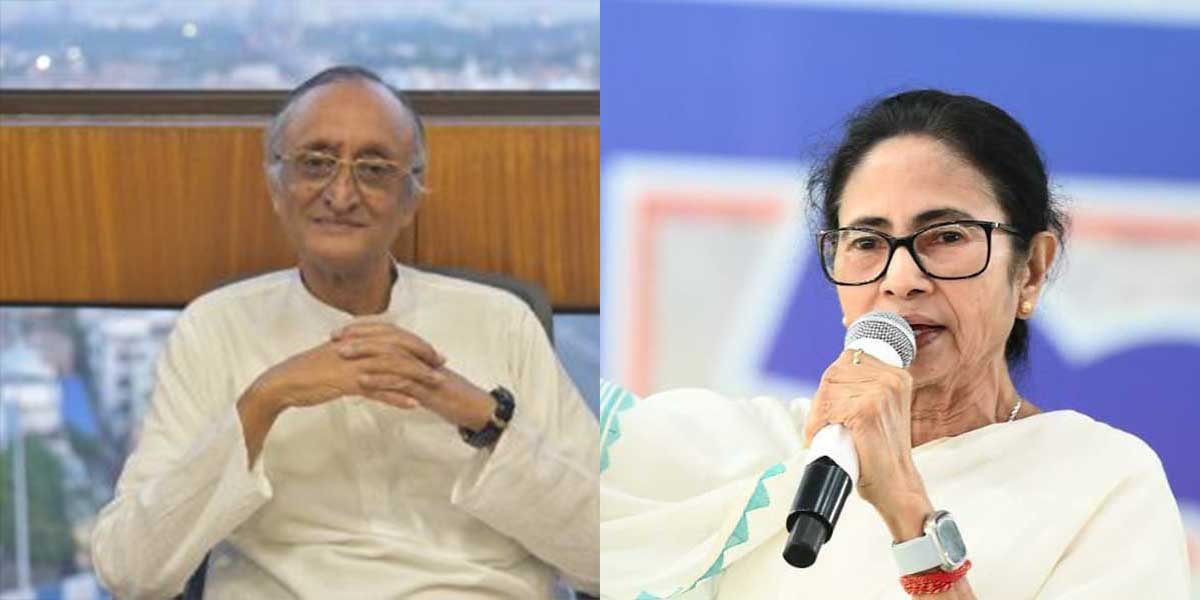
West Bengal chief minister Mamata Banerjee’s latest attack on GST has exposed visible strain between her and the Chief Financial Adviser and former Finance Minister Dr Amit Mitra. She has questioned his role in backing the indirect tax regime and blamed the Centre for substantial losses to the state. She accused the Centre of collecting GST on behalf of states while withholding their legitimate share, alleging West Bengal has been deprived of Rs 20,000 crore. In an unusually direct reference to her adviser, Mamata questioned Dr Mitra’s support for GST during its formulation and rollout, when he chaired the drafting committee and advocated a uniform tax structure as economically beneficial. She said his position must now be explained in light of continued deductions from GST revenues and the scale of losses claimed by the state. Dr Mitra has pointed to parliamentary statements in which the Centre acknowledged GST fraud amounting to Rs 2 lakh crore. Mamata has countered that while the figure has been officially stated, there is no credible evidence establishing the actual scale of fraud, raising doubts over whether GST has resulted in net gains or losses for states. The remarks come weeks after Mamata publicly admitted that her government erred in accepting GST. She also said that during the GST rollout, Dr Mitra explained the concept of a uniform tax structure to her, an explanation she has since described as misguided, adding that it was based on this understanding that the TMC became the first party to support GST. The public questioning of Mitra highlights growing tensions within the state’s economic leadership amid intensifying Centre-state fiscal confrontations.
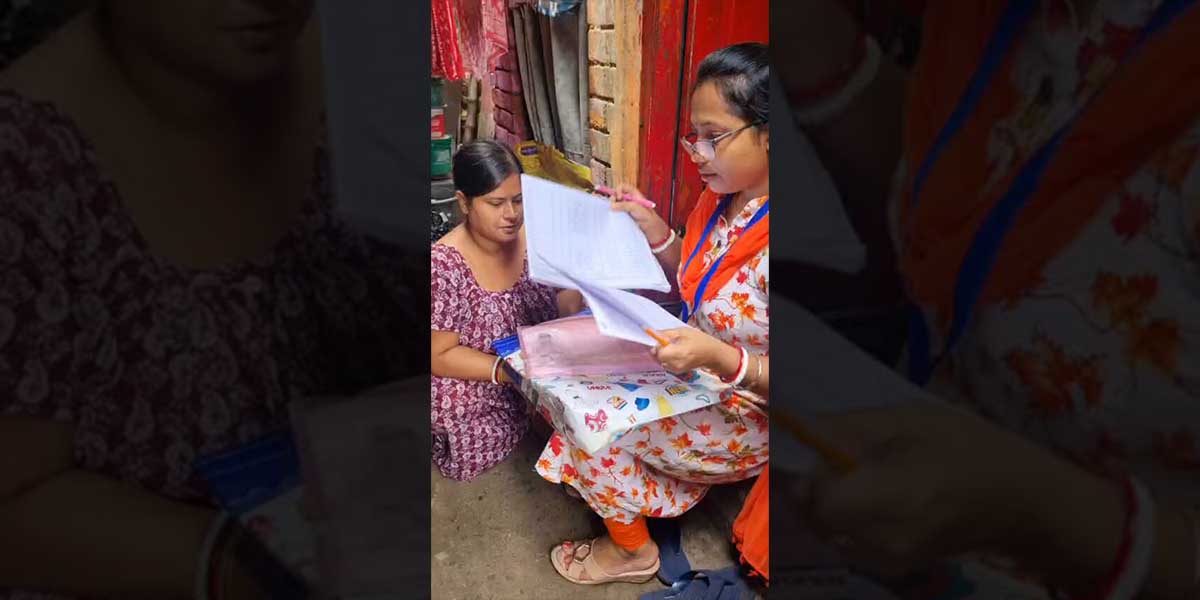
With the Election Commission releasing West Bengal’s draft electoral rolls following the SIR exercise, which saw over 58 lakh voters removed across the state on grounds including death and migration, and voter profiles redrawn across districts and border belts ahead of the 2026 assembly elections, there is a disquiet in the ruling Trinamool Congress. What has particularly upset West Bengal CM Mamata Banerjee is voter deletion in her Bhabanipur constituency – nearly 44,787 voters have been deleted. The CM is also surprised that no complaints are forthcoming since the draft rolls were published. That is why the TMC leadership decided to deploy its booth-level agents for a fresh, door-to-door verification of deleted voters’ names in her constituency. Bhabanipur had 206,295 voters as of January 2025. The newly published draft rolls list has 161,509 names. TMC leaders are particularly upset over a large number of voters being marked “dead”, “shifted” or “absent”. “The party leadership made it clear that no valid voter’s name should be deleted under any circumstances. Every deleted name must be physically verified,” a TMC source said. Bhabanipur is a dense urban seat with many residents originally from Uttar Pradesh, Bihar and Odisha. Mamata is also surprised that maximum deletion of voters, 74,533 has happened in Chowringhee constituency of her close friend Naina Bandhopadhya. In contrast, voter deletion from Nandigram — from where she lost – is just 10,550. The seat is now represented by her BJP rival Suvendu Adhikari. Reacting to names deleted in the SIR exercise, BJP leader Amit Malviya says the process has revealed that TMC chief Mamata Banerjee has stayed in power due to votes cast in the names of illegal Bangladeshis and Rohingyas.
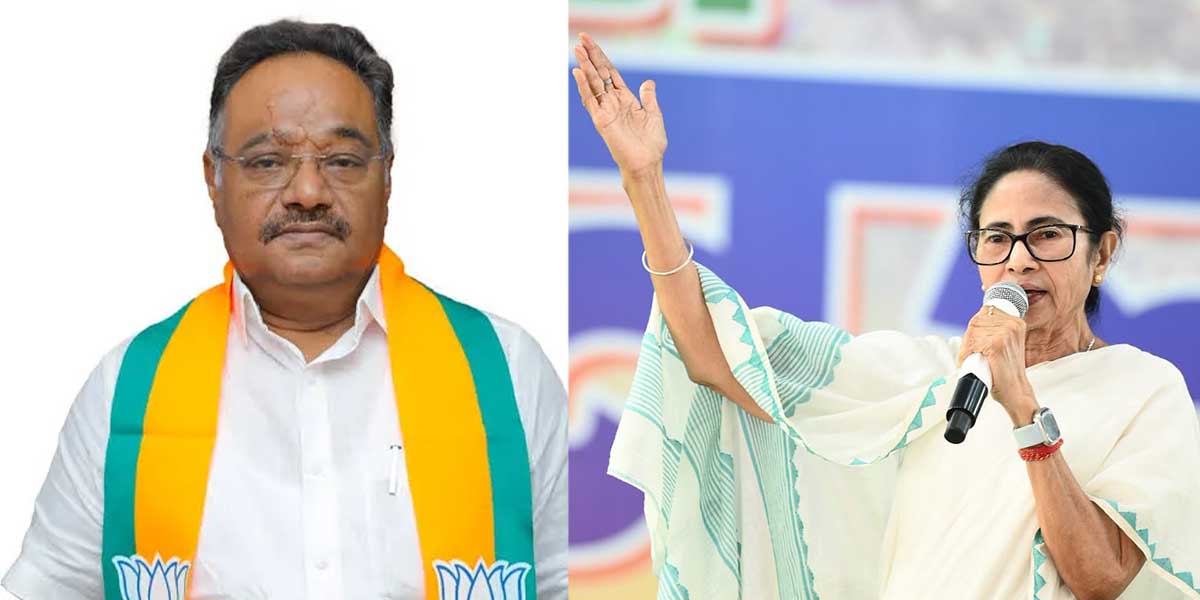
The Bengal BJP is recalibrating from its earlier hardline Hindutva stance to adopt a more measured political tone, even as chief minister Mamata Banerjee intensifies her charge that the party is anti-Bengali, communal, and attempting to bring the NRC into the state through indirect means. The shift became most evident when Leader of the Opposition Suvendu Adhikari softened his long-held claim that the BJP neither expects nor needs minority votes. After months of asserting that minorities never support the BJP and that a 5-6% rise in Hindu votes would be enough to form government, he has now reinterpreted his stance, saying the party simply does not receive minority votes rather than rejecting them. There is no indication that the BJP’s central leadership has instructed the state unit to soften its tone, and even central leaders acknowledge that polarisation has helped the party perform better in rural regions. Trinamool Congress leaders argue that Adhikari has realised Hindutva alone will not secure victory for the party. Party insiders see the shift as a strategic effort to weaken the strong perception that a BJP government would threaten minorities and instead minority votes may fragment rather than consolidate behind the Trinamool. Adhikari has recently suggested that AIMIM and ISF could draw minority support and predicted that the Trinamool may not win any seat in Malda, with the BJP securing a significant share. The BJP’s choice of Shamik Bhattacharya, viewed as a moderate, as state president was aimed at appealing to the liberal urban middle-class Bengali electorate that is harder to draw with hardline rhetoric.
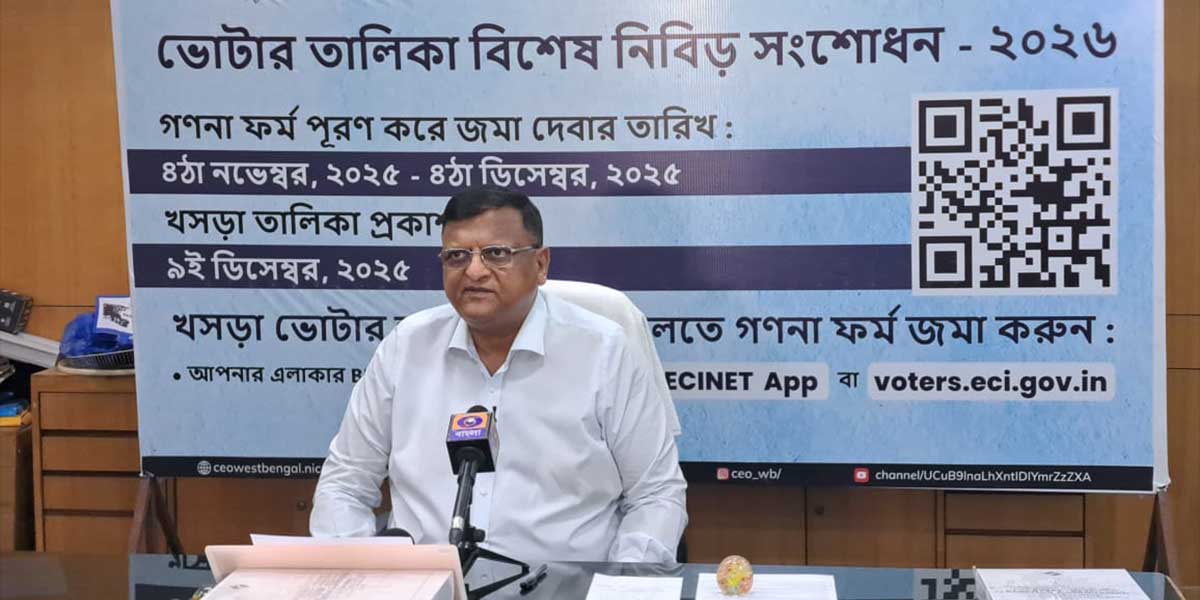
Support organisations working with sex workers across Kolkata are coordinating with the Chief Electoral Office (CEO), Bengal to facilitate SIR (Special Intensive Revision) enumeration ahead of a special camp. Rehearsal sessions for filling SIR forms have begun, where groups flagged concerns that widespread messaging around the process has created fear among sex workers. Ratan Dalui, Secretary of Amra Padatik, said various forms of publicity circulating on phones have unsettled many, adding that a viral song from actor-director Anirban Bhattacharya’s musical group ‘Hooliganism’ referencing SIR has contributed to anxiety about possible omission from the voter’s list. Three organisations, including Amra Padatik, had written to CEO Manoj Agarwal highlighting documentation challenges. Sources said the Commission initiated steps to address the issues and informally noted that while states such as Bihar also have red-light districts, no organisation there has taken similar initiatives. Groups in Kolkata’s red-light areas have stepped up outreach, visiting brothels and urging sex workers to attend the special camp. Dedicated screened-off spaces will be set up at the camp to ensure confidential interaction with election officials. Kolkata’s central red-light district has nearly 10,000 sex workers. About 3,000 travel daily for work, while 7,000 live there permanently. Most permanent residents possess voter ID cards, but many cannot provide documents dating back to 2002, required for SIR verification. Organisations estimate that around 1,400 sex workers from this area face documentation hurdles, with over 100 more in Kalighat and Khidderpore.
With the state headed for the 2026 Assembly elections, the Mamata Banerjee government is pushing aggressively to showcase industrial progress through the MSME sector. Seeking to counter anti-incumbency and reinforce its prospects for a fourth straight term—an outcome the Trinamool Congress believes is likely—the administration is leaving no stones unturned to project West Bengal as an industry-friendly state. The effort is widely seen as an attempt by the CM to shed her long-standing anti-industry image, with the Opposition frequently alleging that despite annual editions of the Bengal Global Business Summit and repeated announcements of investment proposals, the state continues to lag behind in credible, large-scale industrial growth. Ahead of the major state industrial summit scheduled for December 18, significant investment proposals have already come in across four districts, MSME Department officials have indicated. The flow of investments into the Junglemahal region—particularly Purulia and Bankura—is being seen as a major breakthrough. Despite years of road expansion, new industrial parks, logistics hubs, and policy incentives, attracting major industries to this region remained a challenge. With fresh commitments now in hand, the government believes the industrial landscape of Junglemahal is set for a notable shift. Bankura has received investment proposals worth Rs 4,590 crore, East Burdwan Rs 590 crore, West Burdwan Rs 350 crore and Purulia Rs 90 crore. All projects are expected to be implemented within the next 18 months and could generate 18,000 to 20,000 direct jobs. Indirect employment is also expected to rise across transport, food supply, hospitality, energy, services and ancillary sectors. According to Nabanna, an improved business environment, faster licensing, the single-window clearance system and recent Synergy and Business Enablement meetings have played critical roles in accelerating these investments.
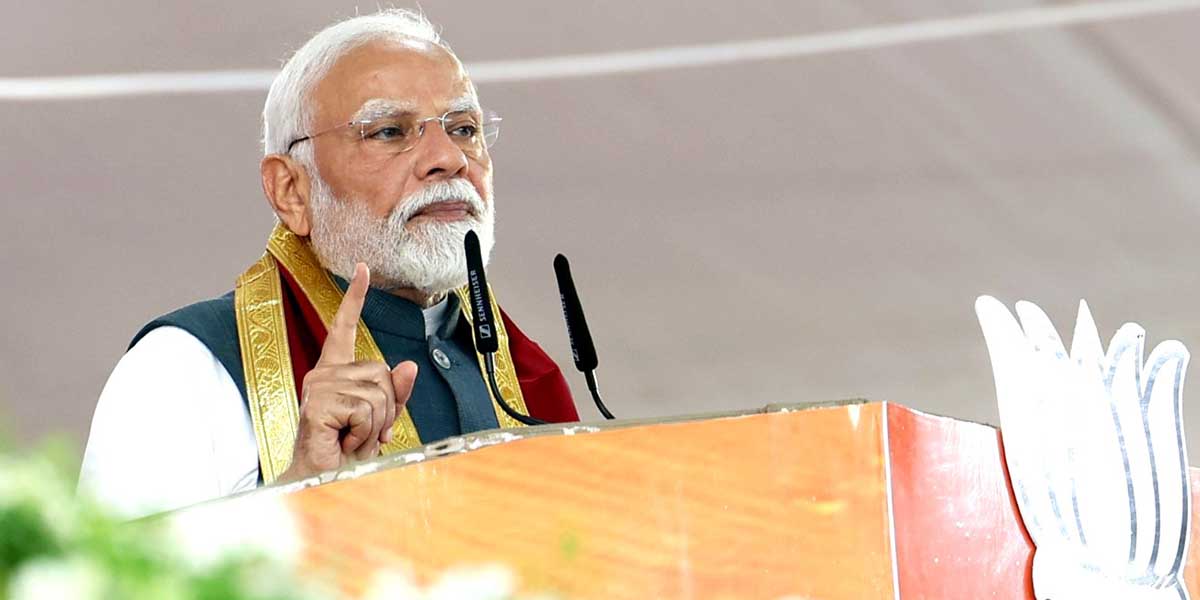
Prime Minister Narendra Modi will remain the Bengal BJP’s main campaign face for the 2026 West Bengal Assembly polls, but the party is consciously limiting his appearances to avoid “overuse” of its most popular leader. State unit insiders believe Modi’s speeches and announcements at select rallies will shape the state-wide narrative, with the party machinery ensuring these messages resonate across districts. Modi is expected to begin his Bengal campaign later in December. BJP sources said he may address his first rally on a Saturday or Sunday during Parliament’s winter session. From December until the end of the campaign, he is likely to hold 14–15 rallies across the state, according to a senior party source. With the election announcement still at least three months away and the polling process expected to stretch two to two-and-a-half months, the campaign period could run nearly five months. Sources further informed that under the current plan, Modi will not exceed 15 rallies. This marks a shift from 2021, when the BJP’s campaign was heavily Modi-centric. Despite the high-voltage campaign, the BJP could not breach Mamata Banerjee’s stronghold. Since then the party has adopted a restrained approach in other states. In Maharashtra, Modi addressed only nine rallies during the 2024 polls, compared to far more in 2014 and 2019. In Haryana, he reduced from 10 rallies in 2014 to four in 2024. State BJP president Shamik Bhattacharya said no formal decision had been taken on Modi’s rally count. He maintained that whether Modi holds 21 rallies or 12, the BJP is confident of the Trinamool Congress’s exit in 2026.
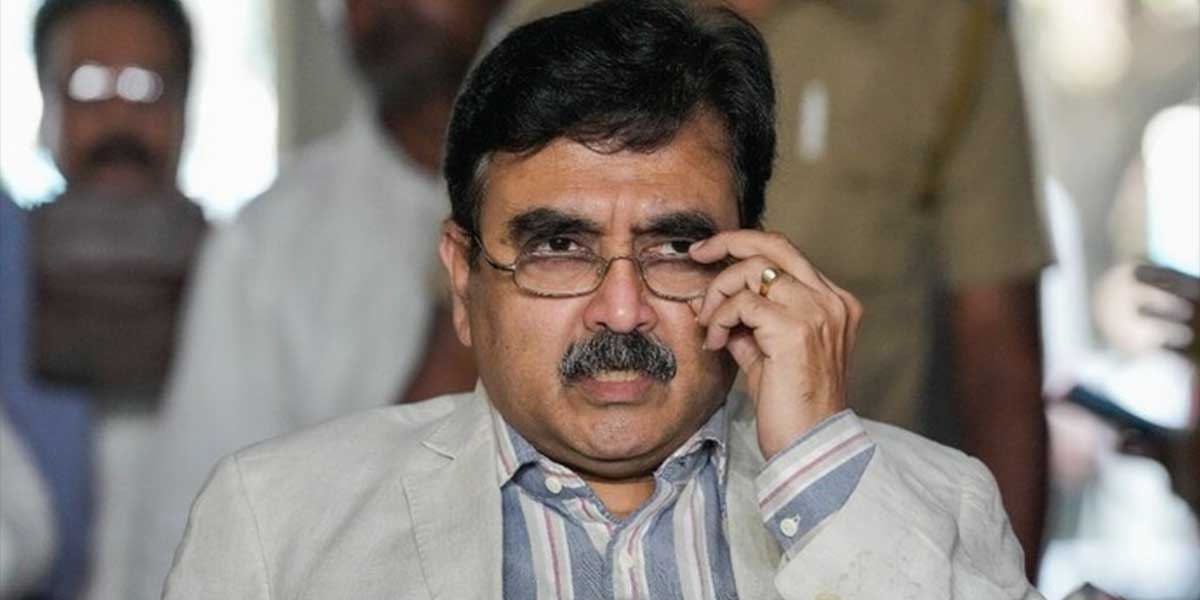
In a stinging public rebuke that has unsettled the Bengal BJP unit, Tamluk MP and former Calcutta High Court judge Abhijit Gangopadhyay has said he is “disillusioned” with the party barely 18 months after joining politics, declaring that the BJP is “nowhere close” to removing chief minister Mamata Banerjee. Gangopadhyay, who quit the judiciary last year to contest the Lok Sabha polls on a BJP ticket, said his “only purpose” in entering electoral politics was to “remove Didi from power”. Holding the Modi government, central agencies and the Election Commission for their collective to make headway, and questioned the Centre’s intent toward Bengal. The former judge also stated that Mamata Banerjee who leverages the “anti-Bengali sentiment” issue as a poll plank, as the BJP continues to “misread Bengal’s sentiment”. Expressing “discontent” over the dominance of “non-Bengali leadership” in the state unit, he said the “mindset of North India does not match that of West Bengal” and that the party cannot import leaders from the Hindi belt and expect to win. Delhi-based leaders, he added, do not grasp the “mentality, temperament or sentiments” of Bengal’s electorate. Gangopadhyay further criticised central agencies for “failing” on matters such as the teachers’ recruitment scams and the RG Kar Medical College rape case, alleging that sections were influenced by ruling party leaders for the teachers’ recruitment scam. As a judge, he had once handled recruitment scam cases before resigning to join the BJP. He also accused the Election Commission of failing to enforce FIRs it ordered against officials for alleged irregularities, saying the state instead issued suspensions. His remarks have left the Bengal BJP in an awkward position, with state leaders privately expressing discomfort over his public doubts about the party.

The Federation of Cine Technicians and Workers of Eastern India has blocked the release of yet another Bengali film, fuelling speculation over whether it is merely a procedural dispute or one tangled with political undercurrents involving cast members Rudranil Ghosh and Sourav Das. The latest film caught in the crossfire is The Academy of Fine Arts directed by SRFTI debutant Jayabrata Das. Despite receiving the go ahead from the Central Board of Film Certification, the November 14 release was halted just 48 hours before opening. The move triggered a flood of social-media outrage, with many alleging arbitrary gatekeeping by the Federation. The guild claims the film breached industry rules due to the involvement of Pramod Films during post-production. That association, it argues, makes the project a commercial production, mandating guild-registered technicians and prior clearances. Federation president Swarup Biswas insists their objections target Pramod Films, not students, and has demanded the removal of the banner’s name from posters, trailers, and the censor certificate. He dismissed allegations of financial demands. Jayabrata, in a lengthy post, stated that the student team had worked independently for five years with scant resources and sought limited help from Pramod Films only when funds were depleted. The Federation has also questioned the film’s Mumbai registration, high-end shooting locations, extensive marketing, and a distribution plan involving INOX, PVR and UFO Cube, which typically costs Rs 18–20 lakh. The presence of actors like Rudranil Ghosh, now with the BJP, and Sourav Das, who appeared in The Bengal Files, has added to speculation on whether political optics are influencing the Federation’s stance. Meetings between the parties remain inconclusive, leaving the fate of the Rs 25-lakh partly crowdfunded film in limbo as calls for its release grow louder online.

Nothing has come more as a shock for the Congress than its meltdown in the Bihar assembly elections. The party which had 19 MLAs in the outgoing assembly didn’t expect a wash-out particularly after Rahul Gandhi had carried out a much-hyped ‘Voters Adhikar rally’ in September, with a common slogan: “Vote chor, gaddi chhod”. Of course, party sources concede that Rahul’s yatra had not resonated on the ground. In fact, many Congress leaders believe Rahul had focussed on non-issues “like vote chori” just to divert from people’s real problems. What has come as a shock for Bihar Congress leaders is that new entrants like Asauddin Owaisi’s AIMIM seemed to have fared well in Seemanchal leading in as many five seats, quite close to Congress’s own tally of six seats. Analysing the Bihar victory, PM Modi described the overwhelming mandate for the NDA– 204 seats out 243 as a vote for vikas, for development. Modi who invoked prayers to Chhati Mayya and took on Rahul for mocking Chhath Puja. It is learnt that Rahul is in Muscat. Sources feel Congress party’s bad performance was because it could not get good seats to contest — of the 61 seats it got to contest, 32 were such seats that the Opposition had not won for the last three decades. Bihar Congress leaders also said party managers like Krishna Allavaru were completely not briefed about the quality of seats. Some also felt inordinate delay in seat-sharing and declaring Tejashwi Yadav as the chief ministerial candidate may have cost the secular alliance votes. As for the rout of the Rashtriya Janata Dal, Congress sources say people find Tejashwi Yadav too arrogant. After the Bihar rout, Congress may not find many takers in Tamil Nadu and West Bengal.
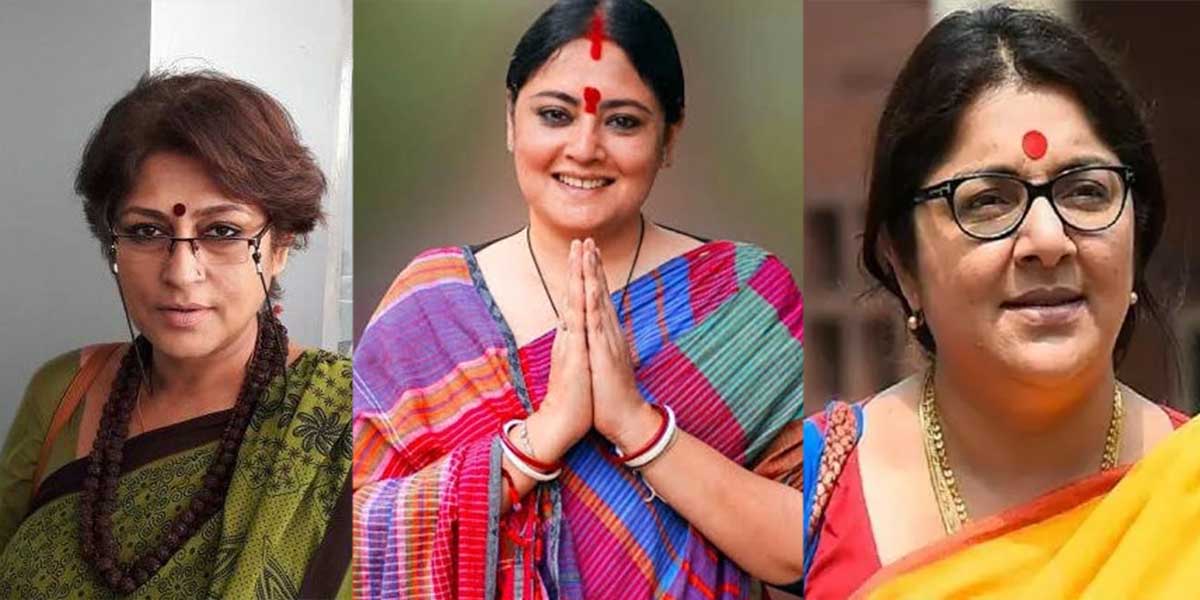
With eye on 2026 Assembly polls, the BJP in West Bengal is rethinking its strategy whether to bank, once again, on “glamour quotient” that helped thrust its women’s wing into the limelight or fall back on its loyal, traditional cadre base following a string of electoral disappointments? The internal debate follows the party’s underwhelming performance in West Bengal in the 2024 Lok Sabha elections. From 2015 to 2021, the BJP Mahila Morcha was led by Roopa Ganguly, Locket Chatterjee, and Agnimitra Paul, all from the film and fashion industry. Their tenure brought visibility through protests and media outreach. Roopa Ganguly, now on the Narrative Committee, is likely to contest in 2026. Locket Chatterjee, despite losses in 2021 and 2024, remains influential and was praised for her role in the Uttarakhand 2022 polls. Agnimitra Paul, MLA from Asansol South and close to Suvendu Adhikari, lost the 2024 Medinipur seat but is expected to contest again. Their successors, Tanuja Chakraborty and Falguni Patra, both long-time BJP workers, failed to match that prominence. During the RG Kar Hospital protests, Patra’s leadership drew limited attention. A former general secretary admitted the Mahila Morcha had become “a launching pad for women from the glamour world.” Actors Payel Sarkar, Srabanti Chatterjee, Tanushree Chakraborty, Parno Mitra, and Papiya Adhikari all contested and lost. Rupanjana Mitra returned to the Trinamool Congress, citing disillusionment. Agnimitra Paul said fame helped connect with voters, while Keya Ghosh recalled that “media attention naturally follows famous faces,” citing an incident when “police tore Locket’s saree.” With glamour yet to translate into votes, the BJP is now moving cautiously. Under the State President Shamik Bhattacharya, it plans to blend visible figures with grassroots leaders as it prepares to challenge the Trinamool Congress in 2026.

BJP has escalated the recent attack on its Maldaha Uttar MP Khagen Murmu and Siliguri MLA Shankar Ghosh in flood-hit North Bengal into a major political narrative, framing it as violence against a tribal leader. The party plans to use the image of Murmu’s bloodied face to highlight what it calls the TMC’s failure to protect elected representatives and to question the INDIA Bloc’s commitment to tribal welfare. While BJP has accused TMC supporters of carrying out the assault, West Bengal chief minister Mamata Banerjee visited Murmu in a Siliguri hospital. According to BJP sources, the state leadership had recently submitted a report assessing its North Bengal strength, predicting 44–48 wins out of 54 Assembly seats, up from 30 in 2021. The report highlighted TMC’s weak position, except in a few minority-dominated areas in Malda and the Dinajpurs, and suggested the Murmu incident could further consolidate BJP support. In 2021, BJP won 30 seats, TMC 23, and the Tamang faction of GJM one; by-elections have since adjusted the tally to 25 for BJP and 28 for TMC. In the last Lok Sabha polls, BJP led in 32 segments, TMC 15, and Congress-backed candidates seven. State general secretary Deepak Barman said relief may not sway rural votes but can influence urban middle-class sentiment. The party intends to nationalize the Murmu attack, highlighting tribal issues in Jharkhand, Bihar and Odisha, aiming to weaken Mamata’s national stature and put Congress and JMM in a difficult position within the INDIA Bloc. Interestingly, BJP believes this campaign could influence tribal voters in Bihar’s border areas.
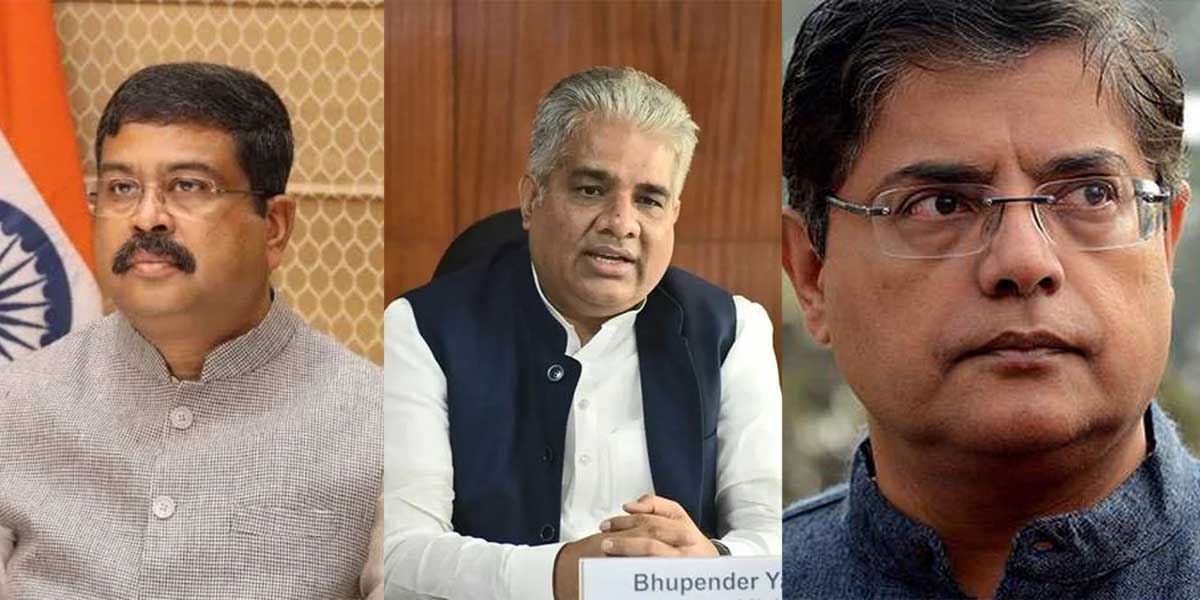
Ahead of assembly elections in Bihar, West Bengal and Tamil Nadu, the BJP has deployed several Union ministers to take charge of these states’ elections. For Bihar, the BJP has appointed Union Minister Dharmendra Pradhan as its election in-charge. Alongside him, Union Minister CR Paatil and Uttar Pradesh Deputy Chief Minister Keshav Prasad Maurya have also been named as co-in charges. Significantly, Pradhan and Maurya are prominent OBC leaders. With the Congress trying to play catch up with the NDA in OBC politics by releasing a resolution for Most Backward Classes or Atipichda Nyay Sankalp at its recent Patna CWC meeting, it is interesting that the BJP managers are prominent OBC leaders. The Bihar Legislative Assembly election for all 243 seats is scheduled for October–November 2025. The previous polls were held in October–November 2020, after which the NDA formed the government with Nitish Kumar as chief minister. In August 2022, JD(U) broke ties with the NDA and joined the RJD-led Mahagathbandhan, only to return to the BJP-led NDA in January 2024, once again installing Nitish Kumar as CM. For West Bengal, the BJP has appointed Union Minister Bhupender Yadav as its election in-charge. Former Tripura CM Biplab Kumar Deb has been named as co-incharge. It is important to note that the BJP has appointed senior leader Baijayant Panda as election in-charge for Tamil Nadu, while Union Minister of State for Civil Aviation Murlidhar Mohol has been named as co-incharge. Party sources feel the choice of Panda for TN assumes significance as he was credited for turning around BJP’s fortune’s in Delhi and wresting the state from AAP this year. It is quite possible that the party leadership has similar expectations from him in the southern state too.
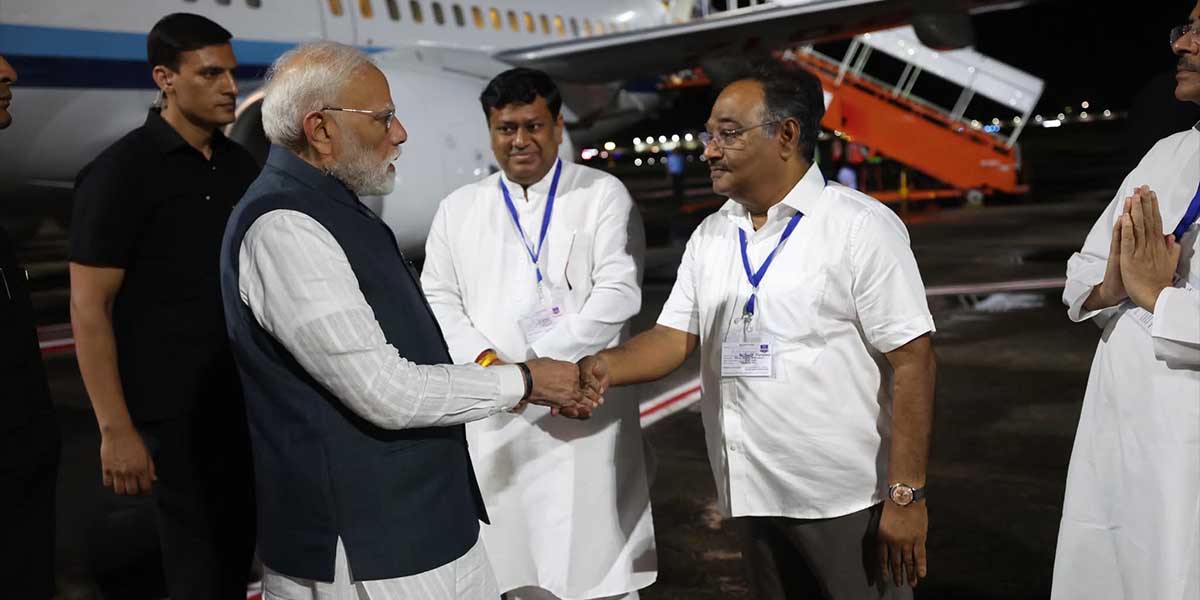
With the Bengali persecution issue placing the Bengal BJP under pressure, the party is seeking to recalibrate its electoral strategy by leaning harder on the Hindutva plank. The Citizenship (Amendment) Act (CAA), already implemented but seen by insiders as an “unfinished project,” has been identified as the rallying point in the run-up to the 2026 Assembly elections. The BJP, along with its ideological parent RSS, is preparing a coordinated campaign to push for citizenship benefits under the CAA. The RSS convened a special coordination meeting attended by senior leaders of both organisations. BJP state president Shamik Bhattacharya represented the state unit, national general secretary BL Santhosh represented the central leadership. From the RSS, senior office-bearers Pradeep Joshi, Ramapada Pal, Jaladhar Mahato and Jishnu Basu, representing the all-India leadership in eastern India. BJP sources confirmed the central focus was ensuring the maximum number of refugees eligible under the CAA secure citizenship without delay. A concrete plan was drawn up to guarantee swift, fear-free submission of papers. The meeting also reviewed the upcoming Special Intensive Revision of electoral rolls. Besides Bhattacharya, BJP regional leaders were present during the meeting, including legislator Deepak Barman from North Bengal, MP Jagannath Sarkar from Central Bengal, and state general secretary Jagannath Chattopadhyay from South Bengal. Insiders said these three leaders will supervise the CAA campaign across their respective regions. The RSS indicated that organisations under its umbrella will join the ground campaign, though sources stressed the BJP will lead. Ensuring citizenship for all eligible applicants was described as a non-negotiable target. The meeting, convened on an emergency basis, sought to prepare for large-scale mobilisation on the CAA agenda.
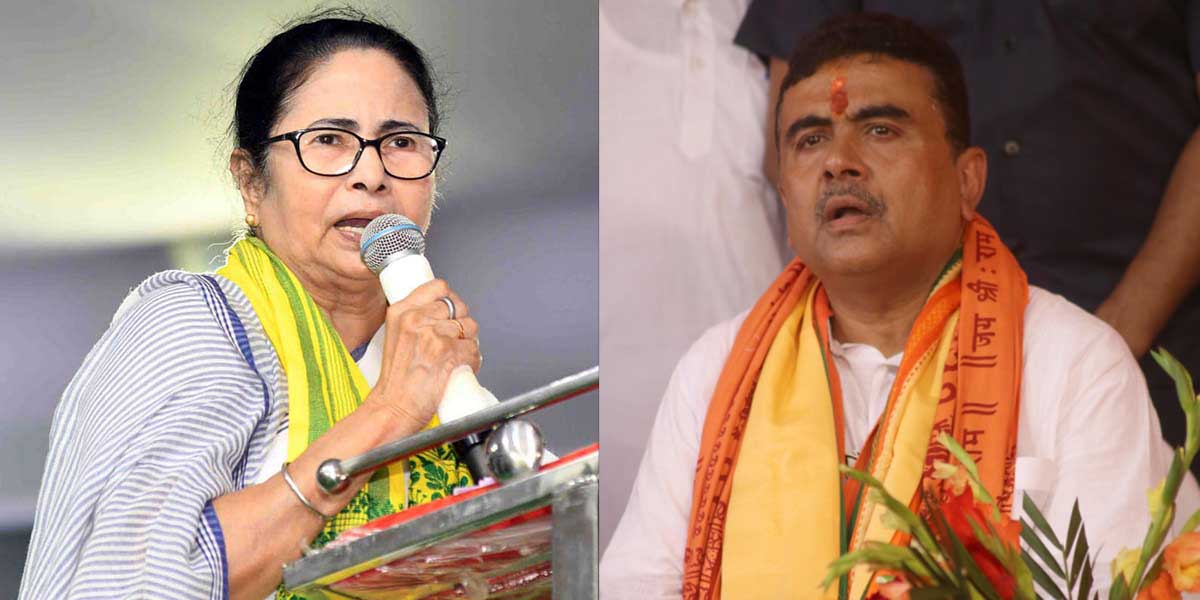
As Bengal gears up for the 2026 Assembly elections, Nandigram has once again returned to the political spotlight. The constituency, which staged the dramatic face-off between Mamata Banerjee and Suvendu Adhikari in the last polls, is already buzzing with speculation and strategy. The controversy from the previous election still lingers. Trinamool Congress (TMC) had accused the BJP of manipulating votes through orchestrated power cuts, and the case continues in court. Yet, long before a verdict, the battlefield is being readied for the next round. The central question remains whether Mamata Banerjee would contest from Nandigram in 2026 or not. The BJP seems convinced. Pralay Pal, Tamluk district vice-president, declared on social media that “confidential sources” and a “secret report” by TMC’s National General Secretary and Mamata’s nephew Abhishek Banerjee, confirm the West Bengal chief minister’s candidature from Nandigram in 2026. He went further, asserting that the BJP would repeat its victory. The TMC camp, however, is striking back with confidence. However, Bappaditya Garg, president of Nandigram Block 1 TMC, dismissed the BJP’s claims and stressed that the party’s candidate would be revealed in due course. Yet, he was emphatic on one point: Suvendu Adhikari will not fight from Nandigram again. Garg buttressed his claim with electoral data—TMC’s win in Adhikari’s own booth at Nandanayekbari during the cooperative polls, a 412-vote lead in his locality in the Lok Sabha election, and a 2,500-vote lead from Panchayat Samiti voters in the same.
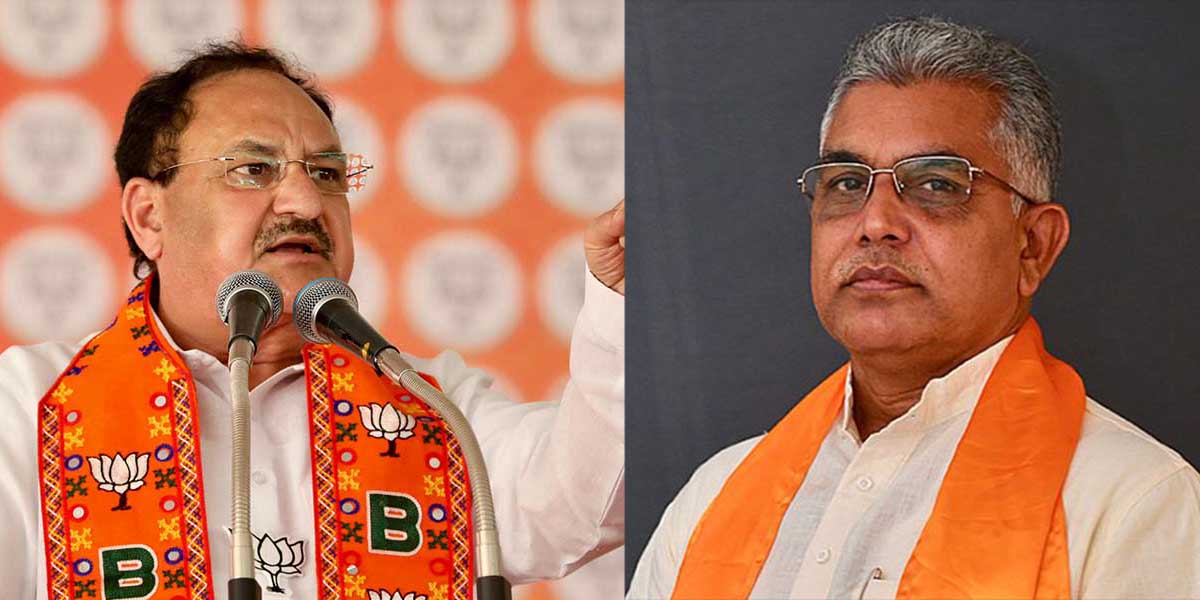
The BJP one learns has set its Bengal house in order. Former state president in West Bengal Dilip Ghosh had remained absent from PM Modi’s rally in the state on July 18 claiming that the state leadership had not invited him. A solid RSS leader, Ghosh’s absence had begun to bother the BJP leadership as he has been skipping important party events and rallies in the recent past, including events attended by Modi at Alipurduar and Amit Shah in Kolkata this year. His latest absence from the Modi rally at Durgapur was particularly worrying since he had contested from the Bardhaman-Durgapur Lok Sabha constituency in West Burdwan district in 2024 and lost. Speculations were rife that he may cross over to the TMC amid reports of a souring relationship between him and the State BJP leadership. It may be recalled that it was under Ghosh’s leadership that the BJP had done well in Bengal – winning 18 out of the State’s 42 Lok Sabha seats in 2019. In May this year, Ghosh drew criticism from the BJP when he met CM Mamata Banerjee at the inauguration of the Digha Jagannath Temple. He had also made some statements backing Mamata. In this backdrop, BJP chief JP Nadda reached out to Ghosh, met with him in Delhi and had detailed discussions. Party sources say Ghosh is keen to contest as a party candidate in the 2026 West Bengal Assembly polls but from the same Assembly constituency from where he got elected for the first time in 2016 — Kharagpur (Sadar) in West Midnapore constituency. However, he had to resign as the MLA from Kharagpur (Sadar) in 2019 after winning from the Midnapore Lok Sabha constituency in the same year.
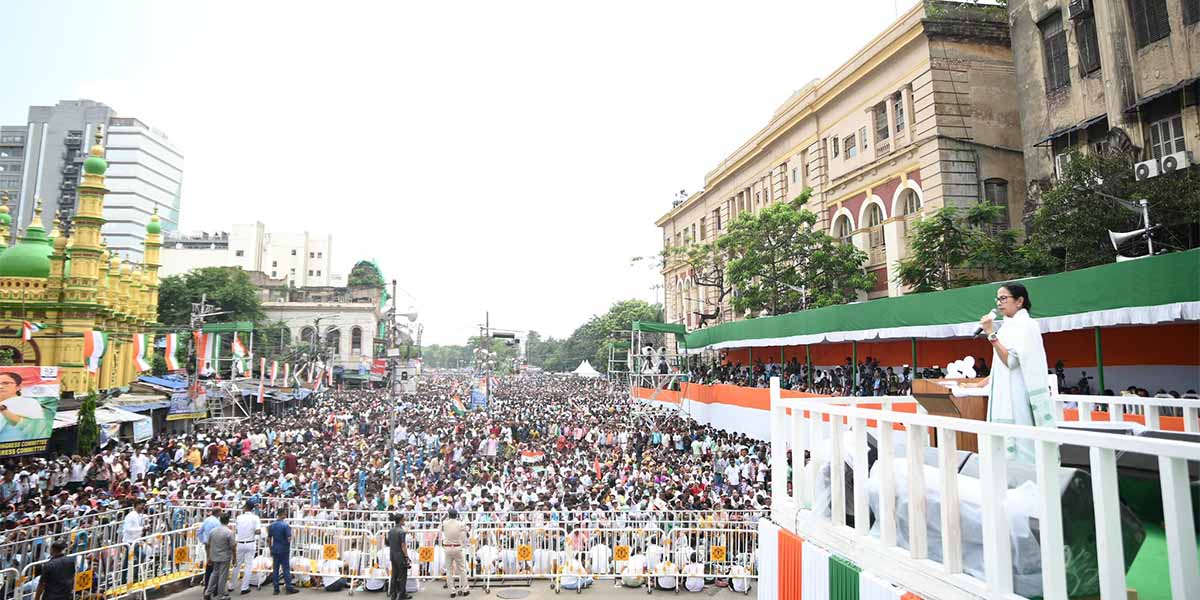
West Bengal chief minister and Trinamool Congress (TMC) supremo Mamata Banerjee has made it official that her party will take on BJP in the run-up to the State Assembly polls based on Bengali Asmita. Addressing a massive Martyrs Day rally in Kolkata she accused BJP of unleashing linguistic terrorism and Mamata made it categorical that another Bhasha Movement will be embarked upon to safeguard Bengali pride. She claimed that more than 1,000 Bengali-speaking individuals have been detained and jailed in BJP-ruled states such as Odisha, Chhattisgarh, Rajasthan, and Madhya Pradesh. TMC supremo stated that terror has been unleashed on the Bengali language and described the BJP’s actions as a massive conspiracy against Bengali identity. She warned that if linguistic profiling of Bengalis does not stop, the resistance movement will be taken to the national capital. Mamata also announced a statewide protest campaign against what she described as the ongoing oppression of the Bengali language. Directly attacking Assam chief minister Himanta Biswa Sarma, Didi said he is unable to manage his own state but continues to interfere in West Bengal’s affairs. Interestingly, she went a step further in her political critique, claiming that the present Indian government is being remotely controlled by U.S. President Donald Trump. Significantly, during the rally, Mamata introduced the gathering to the father of Jhantu Ali Sheikh and a family member of Bitan Adhikari—both victims of the Pahalgam terror attack earlier this year.

Despite recent efforts at mending fences, internal rifts in the Bengal BJP have resurfaced after senior leader and former state president Dilip Ghosh reignited controversy with remarks seemingly soft on West Bengal chief minister Mamata Banerjee. This comes even after Ghosh’s meeting with newly appointed state BJP chief Samik Bhattacharya and a visit to Delhi where he met BJP national joint general secretary Shiv Prakash. Ghosh stated again that Mamata herself is not named in any corruption cases, blaming those around her instead — a comment that runs contrary to the BJP’s aggressive anti-Mamata narrative and has triggered discontent within state ranks. Without naming him, Ghosh also appeared to take aim at Leader of the Opposition Suvendu Adhikari, saying that some recent entrants into the party are trying to stoke divisions — a likely reference to criticism he faced after attending the inauguration of Digha’s Jagannath Temple on Mamata’s invitation. Ghosh later insisted he was merely stating facts, not giving Mamata a “clean chit.” In an effort to contain the damage, state president Samik Bhattacharya met Ghosh at the party office and publicly reaffirmed his place in the BJP, declaring, “He was in BJP, is in BJP, and will remain in BJP.” Tensions date back to Ghosh’s April 30 Digha’s Jagannath temple visit, which drew flak from Adhikari and then-state chief Sukanta Majumdar. Ghosh was subsequently sidelined from key meetings, including on leadership selection, and complained of deliberate alienation—even being denied a chair during meetings. His latest remarks, though intended to reaffirm party ties, have once again unsettled the BJP ahead of the 2026 Assembly elections.
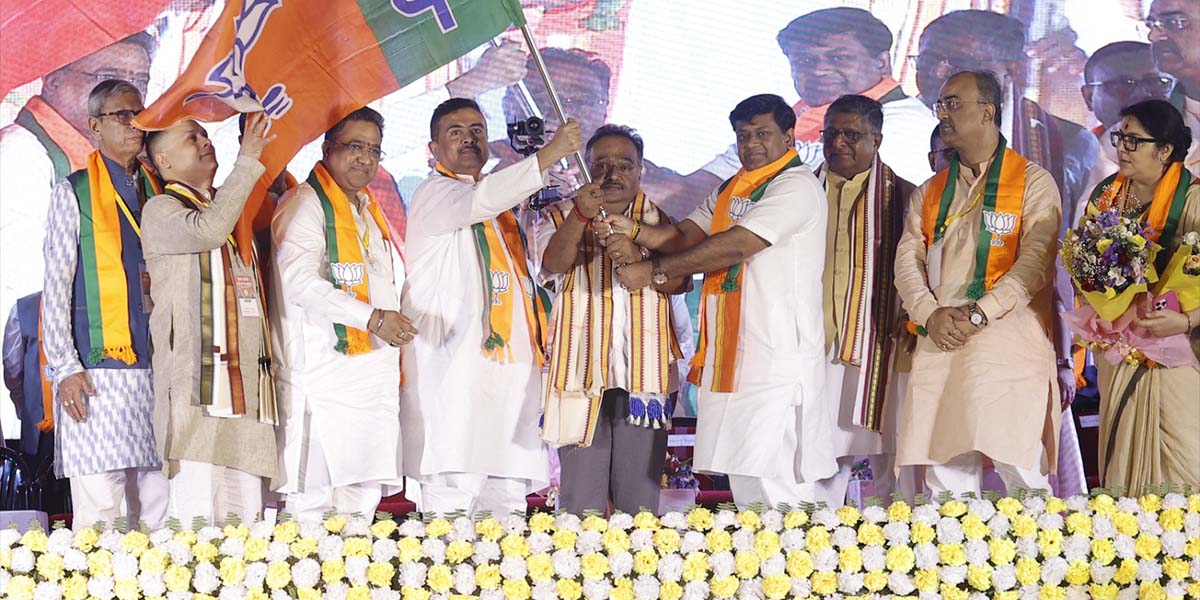
The BJP has appointed Kolkata-centric and RSS-backed Samik Bhattacharya as the president of its West Bengal unit, marking a strategic departure from its previous leadership patterns. Bhattacharya, known for his clean image and strong ties with party stalwarts including outgoing state president and Union minister Sukanta Majumdar, LoP Suvendu Adhikari, and even sidelined party veteran Dilip Ghosh, is seen as the party’s attempt to build cohesion ahead of the crucial 2026 assembly polls. Political observers suggest this move is also a subtle endorsement of Adhikari as BJP’s projected face against chief minister Mamata Banerjee. With smooth coordination between Bhattacharya and Adhikari—both sharing a cordial rapport—the party aims to enter the electoral battlefield with a unified front. Sources indicate Bhattacharya’s urban, middle-class image could help the BJP strengthen its hold in key regions like Greater Kolkata and Durgapur. His long standing role as BJP spokesperson, with consistent media engagement, has lent him the acceptability required for a high-visibility opposition leader—a trait Suvendu is often criticised for lacking. His rise, however, comes after years of inner-party marginalization, reportedly due to both electoral surprises and internal resistance. Despite winning the 2014 bypoll in Basirhat South and staying loyal through political highs and lows, Bhattacharya was never fully empowered—possibly due to his independent success unsettling the power structure. His elevation comes amidst the BJP’s acknowledgment of the “Kolkata factor.” After successive non-Kolkata-based leaders like Dilip Ghosh and Sukanta Majumdar, the party now bets on the historical trend where successful state leaders like Jyoti Basu, Didi and Buddhadeb Bhattacharjee all had strong urban roots. Now a Rajya Sabha MP, Bhattacharya has sounded the election bugle stating that this election is Bengal’s final chance to stop brain drain and save the identity of Hindu...
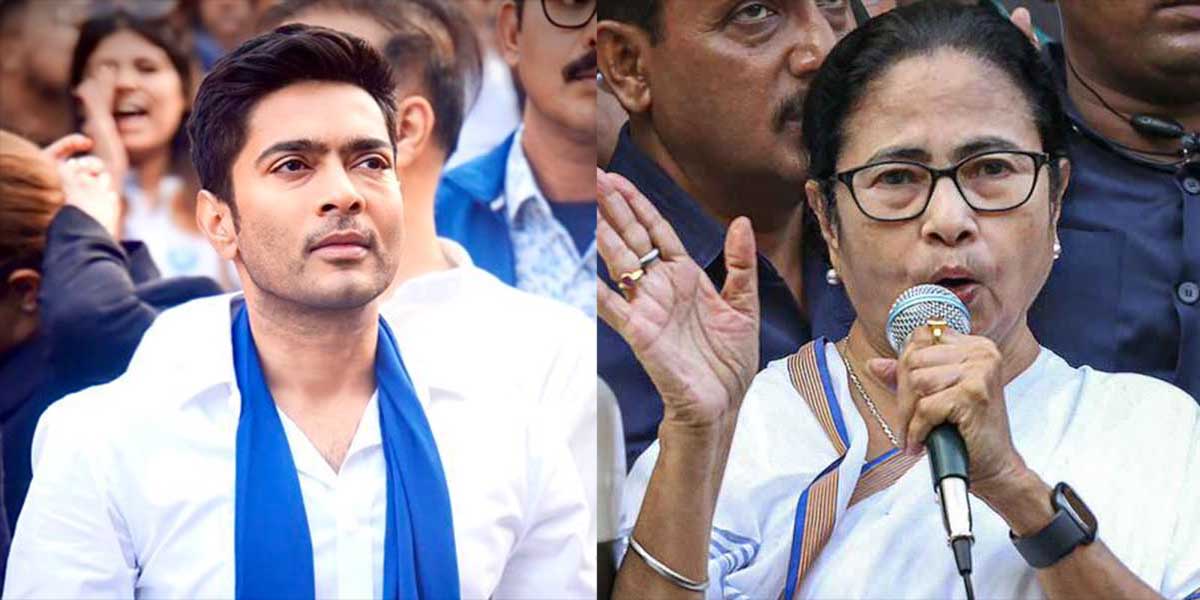
Is Mamata Banerjee changing her approach towards PM Modi? There has been speculation within the Trinamool Congress (TMC) that her nephew and party national general secretary, Abhishek Banerjee, is advising her to tone down her criticism of the PM and the BJP, as he believes the ED and CBI are closing in on him in various corruption cases. For some time now, Mamata’s directive to TMC leaders not to make any personal comments against Modi has been followed by them. Abhishek has been particular that the TMC should not appear to be disallowing the BJP from functioning as an Opposition party by using police and administration. The latest episode involving Abhishek joining one of the MPs’ delegations for global outreach after Operation Sindoor has caused a surprise. A day after Didi withdrew her MP, Yusuf Pathan, who had been named by the government, from a multi-party delegation, she nominated Abhishek to replace him. This was after Parliamentary Affairs Minister Kiren Rijiju reached out to Mamata to “pacify her”. Mamata is learnt to have told Rijiju that the Centre should have consulted the party instead of unilaterally picking Pathan. After Rijiju’s call, she also announced that a five-member team will visit Srinagar, Poonch and Rajouri to express solidarity with the people affected by cross-border shelling by Pakistan. She is sending Rajya Sabha MPs like Derek O Brien and Sagarika Ghose to J&K. It is being said Mamata withdrew Yusuf Pathan from the delegation only because she hasn’t been happy with him. She had found the former cricketer who hails from Gujarat is an absentee MP. He was nowhere to be seen in the aftermath of Murshidabad violence. He is apparently getting away only because of his proximity to influential bhaipo Abhishek.

With just a year left for the West Bengal Assembly elections, the Bengal BJP is under pressure to finalise its new state president. Internal dynamics, however, have delayed the decision, pushing the central leadership to shift its approach — from finding a consensus candidate to identifying one without strong opposition. The central leadership recently met senior Bengal BJP leaders to discuss party programmes and key organizational issues. According to party sources, central observers Mangal Pandey and Amit Malviya also held one-on-one talks with leaders like Sukanta Majumdar, Suvendu Adhikari, Shantanu Thakur, five general secretaries, two organisation secretaries, Debasree Chaudhuri, Nisith Pramanik, Soumitra Khan, Manoj Tigga and Shamik Bhattacharya regarding the state leadership. Currently, the Bengal BJP suffers from multiple power centres — Majumdar, Adhikari, former president Dilip Ghosh, and two senior organizational figures — making it hard to present a unified front. Despite occasional friction, Majumdar and Adhikari have maintained a functional partnership for over three years, ensuring some organizational stability — something the central leadership values and is hesitant to disrupt. While Majumdar’s term is still ongoing, his induction into the Union Cabinet complicates matters due to the BJP’s “one person, one post” policy. Adhikari, being the Leader of the Opposition and not from the RSS, also presents a conflict. Various names have been proposed, including one from the RSS Bengal unit. Some Delhi-based leaders have preferences, but no clear consensus has emerged. Meanwhile, political survey agencies are influencing decisions, with a Karnataka firm submitting a unified leadership blueprint directly to Modi’s core team.

In a strategic move ahead of the 2026 West Bengal Assembly elections, chief minister Mamata Banerjee has revived the ‘Mentor’ position within Zilla Parishads, a role previously discontinued after the last panchayat elections. The State Panchayat Department’s initiative has already been implemented in districts including Howrah, Hooghly, East Midnapore, Bankura, Birbhum, and Bardhaman. While officially recognised, the ‘Mentor’ designation was initially introduced by the Trinamool Congress (TMC) following their rise to power, primarily to accommodate influential leaders who could not be placed in formal governance roles. However, the role was quietly laid dormant after the 2023 panchayat polls. The revival of these positions is widely interpreted as a strategic move by Didi to strengthen the party’s grassroots organization. Party insiders suggest it serves to provide senior leaders with influential roles, potentially mitigating factional rivalries. Notable appointments have included figures such as former state minister Rajib Banerjee (Howrah), former minister Akhil Giri (East Midnapore), and former MLA Arup Khan (Bankura). However, objections have reportedly surfaced in at least two districts, with concerns that these mentors, despite lacking formal administrative authority, could become alternative power centres. This raised fears of potential disruptions to both Panchayat operations and internal party dynamics, given the mentors’ individual support bases. Some party leaders also believe the revival is a pre-emptive measure to manage the growing number of MLA ticket aspirants for the Assembly poll. Adding to the political complexity, the TMC has yet to implement a long-pending organizational reshuffle. Discussions indicate that Didi may soon expedite this process, which is expected to include changes within several party wings.

A significant internal conflict within the Trinamool Congress (TMC) escalated, marked by the abrupt cancellation of a key disciplinary meeting in the West Bengal Assembly. This cancellation, despite prior notices, signalled a deepening party crisis, attributed to the burgeoning tensions and power struggles among senior MPs. The disciplinary committee meeting was intended to address the issue of absenteeism among MLAs, with threats of stern action against over 30 absentee MLAs, including ministers like Manoj Tiwari, during the final two days of the Budget Session. The meeting, intended to address MLA absenteeism, was postponed indefinitely by chairman Shovandeb Chattopadhyay. The catalyst was a public attack by MP Kalyan Banerjee against Saugata Roy, Kirti Azad and Mahua Moitra accusing them of unethical conduct. Banerjee’s personal accusations referenced past controversies involving Roy’s involvement in the Narada sting operation and Moitra’s suspension from Parliament. Prior to Banerjee’s outburst, Moitra reportedly sent a complaint to party chief Mamata Banerjee. Kalyan Banerjee alleged Moitra attempted to have him arrested. Moitra’s camp denied this, claiming she sought security assistance after verbal harassment. Saugata Roy publicly supported Moitra, criticizing Banerjee for overstepping his authority. Banerjee retaliated, labelling Roy “a man with no character.” The disciplinary meeting’s cancellation was seen as a strategic retreat amid this chaos. Party sources acknowledged that disciplining MLAs would be counterproductive while MPs publicly flouted discipline. An insider stated that any action now would only embolden others to question the central leadership. All eyes are on Mamata Banerjee’s response, whether it involves public statements, suspensions, or internal reshuffling.

Ram Navami celebrations in West Bengal have markedly increased in recent years. While the BJP officially disclaims organized events for April 6, the festival is strategically positioned to shape their upcoming political campaigns, particularly with the 2026 Assembly elections in mind. The Bengal BJP is strategically delaying major street protests until after Ram Navami, planning a significant show of strength during the festival, although publicly, they avoid explicit admissions. Leader of the Opposition, Suvendu Adhikari has alleged that TMC has selectively weeded out Hindu names from voter lists in Nadia and North 24 Parganas, and has vowed to protest post the Ram Navami celebrations. Likewise, BJP will also protest against the state government’s withholding of central funds, including NRLM funds for women’s self-help groups. Furthermore, the BJP plans to escalate its challenge against the state government’s OBC list reassessment which is already being challenged in the Calcutta High Court. Despite official disapproval, BJP spokesperson Shamik Bhattacharya acknowledged the festival’s emotional significance, attributing the party’s restraint to respecting devotee spontaneity. However, Adhikari’s hints of a grand display of power during Ram Navami and Hanuman Jayanti suggest a calculated political strategy. Insiders confirm that BJP cadre, alongside Sangh Parivar affiliates, are actively expanding Ram Navami rally scales. The party anticipates that a larger, more impactful celebration will galvanize its base for future political endeavours.
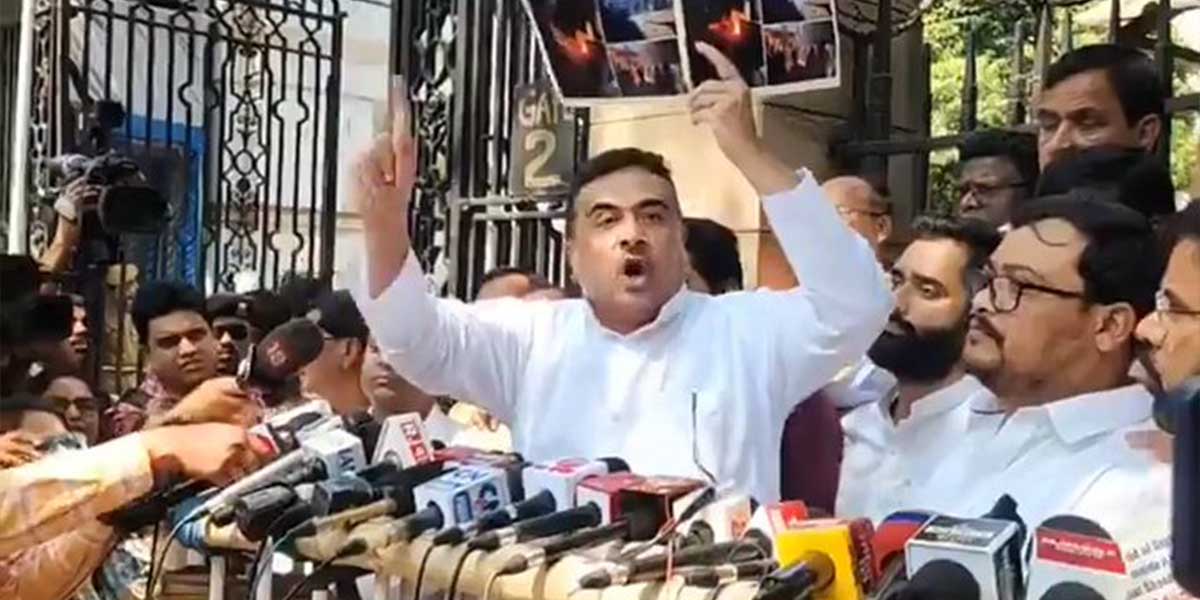
Bengal BJP is grappling with a significant internal crisis as it faces a series of resignations, defections, and internal dissent. Once boasting 77 MLAs after the 2021 state assembly elections, the party’s strength has now dwindled to 65, with concerns looming over the loyalty of several MLAs. The BJP’s legislative strength began to shrink soon after the 2021 assembly elections. Initially reduced to 75 MLAs when two elected members, also serving as MPs, resigned as the party had failed to secure power. Since then, eight more MLAs have defected, one passed away, and another resigned after winning a parliamentary seat in 2024. Tamluk MLA Tapasi Mondal’s defection to ruling TMC was particularly alarming as she belonged to BJP leader Suvendu Adhikari’s stronghold. In North Bengal, Kurseong MLA Bishnu Prasad Sharma has openly criticized the BJP’s leadership for failing to deliver on promises of special status for the Darjeeling Hills. In Nadia and North 24 Parganas, BJP MLAs in these regions, particularly those with ties to the influential Matua community, have kept the party anxious. Before the 2024 Lok Sabha elections, two MLAs were given parliamentary tickets to prevent them from defecting, yet both failed to win. The influence of regional leaders like Ananta Maharaj in North Bengal has complicated BJP’s internal dynamics. With the 2026 state assembly elections in sight, the BJP faces an urgent need to stabilize its ranks. The party’s ability to manage dissent, especially in politically sensitive zones like North Bengal and Matua-dominated regions, will be critical. While the TMC’s aggressive poaching strategy has played a role, the BJP’s own failure to manage internal grievances and regional dynamics has compounded its problems.
The selection of the next state president of the West Bengal BJP has sparked intense debate within the party. Multiple candidates are under consideration, with survey agencies playing a crucial role in the decision-making process. Traditionally surveys were used for selecting candidates during elections. Both Prime Minister Narendra Modi and Home Minister Amit Shah have relied on survey agencies to gauge the political climate across the states. In Bengal, such surveys were used to select candidates for the 2021 Assembly and 2024 Lok Sabha elections. Shah personally monitors the Bengal BJP unit, aided by the Ahmedabad-based political strategy firm. A major recommendation is to consolidate the party’s leadership without violating internal policies. Currently, different factions exist around state president Sukanta Majumdar, Leader of Opposition Suvendu Adhikari, and former president Dilip Ghosh. Additionally, the two leaders handling organizational matters have their own support bases. To resolve this, the survey agency suggests appointing a state president who won’t emerge as a rival power centre, possibly a MP from tribal or marginalized communities. Another suggestion is to establish a campaign committee, likely led by Suvendu, which would allow him to play a crucial role without violating the “one person, one post” rule. Former president Dilip Ghosh is expected to have an expanded role in reviving BJP’s presence in Rarh and Jangalmahal regions. Amit Shah’s upcoming visit to Bengal is expected to finalize the party’s electoral strategy. The selection process for the next president is critical, with names like Jyotirmoy Mahato, Samik Bhattacharya, and Subrata Chatterjee being considered. Chatterjee’s organizational expertise and RSS background make him a strong contender.
The Trinamool Congress (TMC) has reaffirmed its stance on party discipline, taking decisive action against three leaders whose public statements embarrassed the party. However, the party’s inaction against three prominent actor-turned-legislators and parliamentarians despite their controversial remarks has raised questions about a perceived selective approach to discipline. TMC’s disciplinary committee acted against MLAs Humayun Kabir, Narayan Goswami and Madan Mitra. Kabir’s call to appoint the party’s National General Secretary and Diamond Harbour MP Abhishek Banerjee as Deputy Chief Minister with control over the police department did not sit well with the leadership. Goswami faced scrutiny after making incoherent statements and singing at a public event. Mitra triggered controversy by accusing the party’s advisory agency, I-PAC, of extortion. All three leaders either faced show-cause notices or issued public apologies to mitigate the damage. However, the party has remained silent on controversial statements made by Chandipur MLA Soham Chakraborty and MPs Rachna Banerjee and Shatrughan Sinha. Soham contradicted the party’s official stance on the high-profile rape and murder case at R G Kar Medical College by suggesting that the convicted individual may not have acted alone. Sinha, on the other hand, stirred controversy by advocating for a nationwide ban on non-vegetarian food, aligning with the ideological stance of the BJP. The disciplinary committee’s swift response to one group of leaders while ignoring others raises questions about selective approach. Is the party hesitating to take action against its celebrity MPs due to their public appeal? Or is there an underlying strategy to maintain a delicate political balance?

The suicide of Chandramouli Biswas, former bassist of the renowned Bengali band “Fossils”, has not only left Bengal’s music fraternity in shock but also opened a Pandora’s box about the challenges faced by Bengali musicians. Biswas was found hanging in his Kolkata residence and suicide note suggest the artist was battling depression. Sidhu, a member of the iconic band “Cactus,” lamented the lack of infrastructure in Bengal’s independent music scene. He noted that while the film industry has producers and structured promotion systems, independent musicians struggle to gain visibility. According to him, radio stations no longer play Bengali songs, and decisions about playlists are made by offices in Mumbai, sidelining local artists. Eminent singer Raghav Chattopadhyay added that the supply of music far exceeds the demand where gaining recognition in the music industry has become unpredictable, with some talented musicians struggling for opportunities while others achieve overnight fame without formal training. Another concern highlighted by contemporary musician Debdeep Mukhopadhyay is the lack of respect for instrumentalists. Chandramouli, according to his bandmate Mahul Chakraborty, was working on a new project, “Golok,” with plans to release an album before focusing on live performances. However, the lack of a producer and promotional support made the journey challenging. The lack of sustainable opportunities and acknowledgment for musicians has raised broader questions about the state of Bengal’s music industry. While legendary bands like “Fossils,” “Cactus,” and “Chandrabindu” paved the way, newer bands struggled to gain traction. The disparity between the thriving demand for international performances in Kolkata and the stagnation of local talent underscores the industry’s challenges.
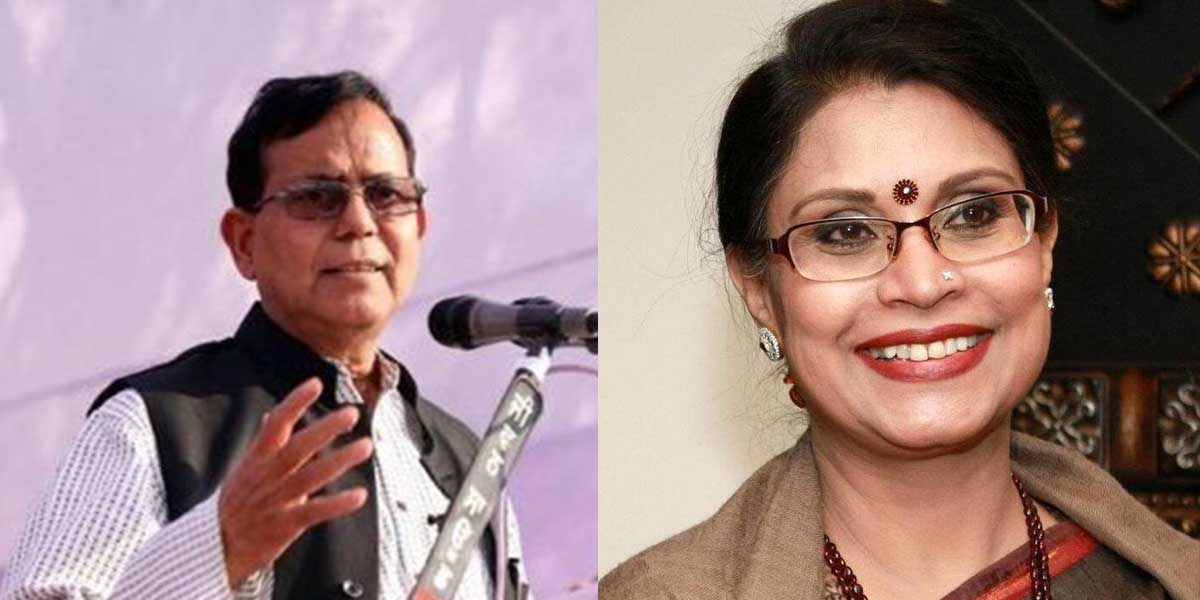
Given the current strained relationship between India and Bangladesh, this move by CPI (M) has shocked everybody. The Kolkata-headquartered party has invited Rezwana Choudhury Bannya, the noted Rabindra Sangeet artist from Bangladesh, as a special guest to inaugurate the “Jyoti Basu Social Studies and Research Center” on January 17, the death anniversary of former chief minister of West Bengal Jyoti Basu. CPI (M) state secretary Mohammed Salim explained the significance of inviting Rezwana, emphasizing the shared heritage between West Bengal and Bangladesh rooted in the ideals of the Liberation War. He also expressed concerns over recent attempts at religious polarization, stating that the event seeks to reinforce harmony and solidarity between the two Bengals. Rezwana, who has a long-standing connection with West Bengal as a former student of Visva-Bharati and a disciple of late legendary Rabindra Sangeet singer Kanika Bandopadhyay, is expected to perform during the programme. As expected, the decision has drawn sharp criticism from the BJP. In the past too, Rezwana’s participation had sparked controversy; her planned performance at a municipal event in North 24 Parganas was cancelled following public protests against inviting a “Bangladeshi artist.” Despite the backlash, CPI (M) remains steadfast, viewing the invitation as a political statement. Within the CPI (M), the decision has sparked mixed reactions. While some members praise it as a stand against cultural narrow-mindedness, others question the party’s broader strategy regarding Bangladesh. Critics within the party argue that CPM’s perceived ambivalence toward addressing issues like the persecution of minorities in Bangladesh could further alienate Hindu voters.
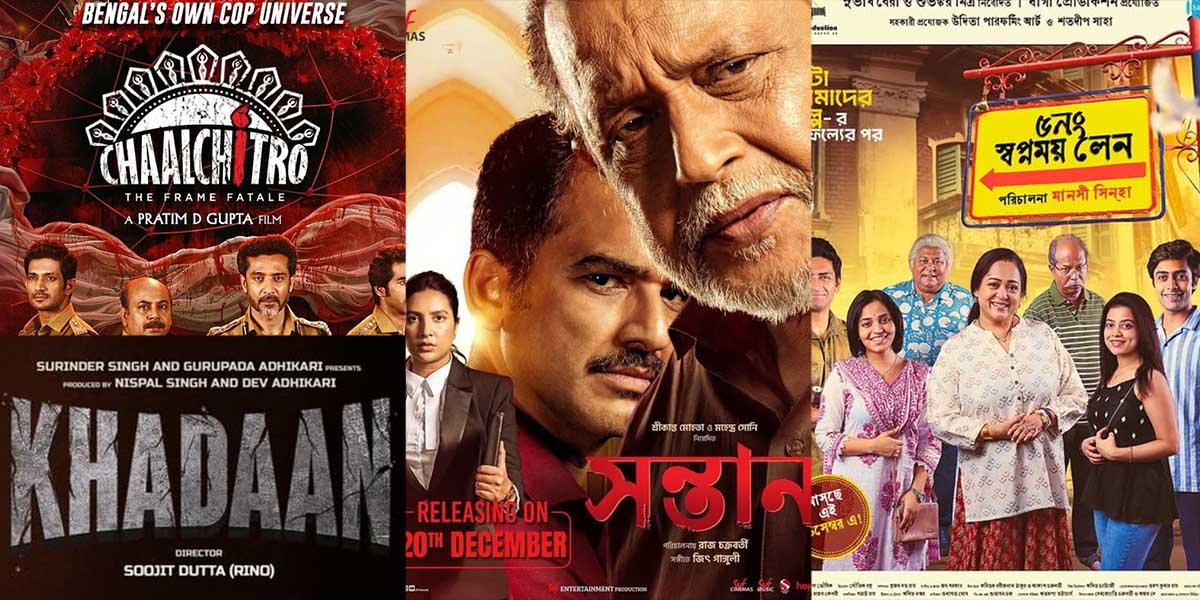
The massive success of Pushpa 2, has reignited the debate over screen allocation in West Bengal’s single-screen theatres. While the blockbuster continues to dominate the box office, its stronghold has created challenges for four Bengali films— Khadaan, Shontaan, Chaalchitro, and 5 No. Swapnamoy Lane—which targeted Christmas Day for their releases. The overlap has sparked a heated controversy over securing adequate slots in single-screen theatres, which remain a key audience base for Bengali cinema. Single-screen theatres across Bengal are grappling with the balancing act of accommodating these films while catering to the massive demand for Pushpa 2. Tollywood’s Christmas lineup has been significantly impacted, with producer-actor Dev expressing frustration on social media. He alleged that Khadan’s shows and advance bookings were disrupted due to the overwhelming presence of Pushpa 2. Arijit Dutta, owner of Priya Theatre, reported dividing slots among the films: Khadaan (two shows), Chaalchitro (one), 5 No. Swapnamoy Lane (one), and Pushpa 2 (one). However, veteran actor Mithun Chakraborty’s Shontaan was left out entirely, sparking outrage from its director Raj Chakraborty, who criticized the lack of consistent support for Bengali cinema. A distributor, speaking anonymously, blamed the simultaneous release of multiple Bengali films during the festive season, suggesting a lack of coordination among producers. He pointed to Bollywood’s strategy of staggering releases as a model Tollywood could emulate. Star Theatre owner Joydeep Mukherjee called for better planning within the Bengali film industry to avoid internal competition. Interestingly, allegations have resurfaced about Shontaan‘s producer, pressuring hall owners to prioritize its films. This history has led some distributors to side with independent producers in the current clash.
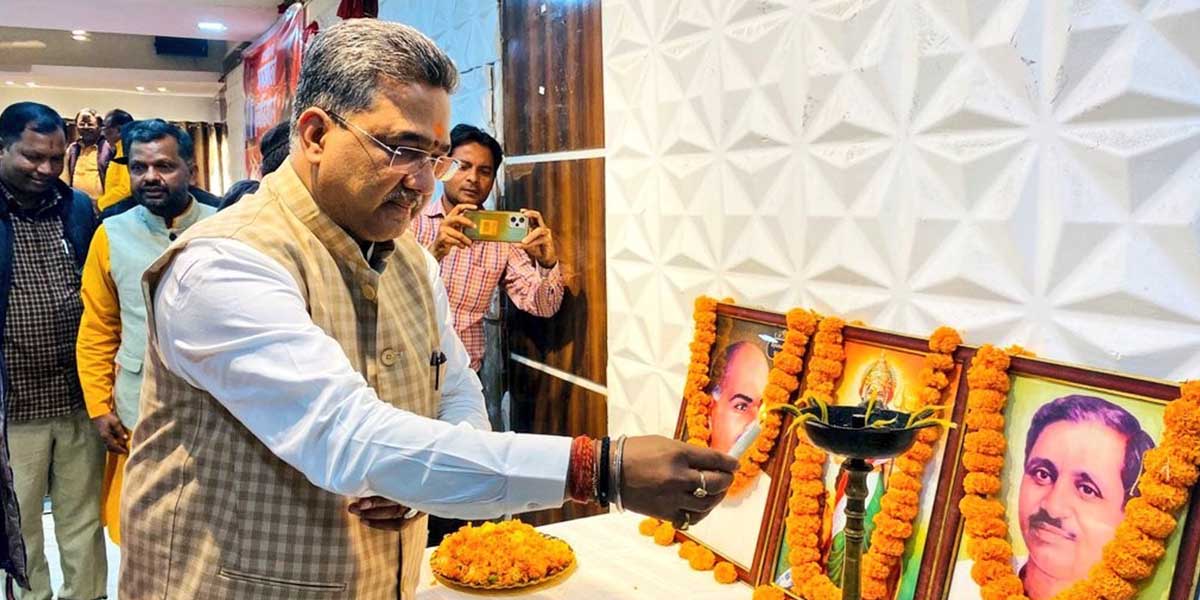
The Bengal unit of BJP is under fire for its repeated failures to meet membership targets. The latest membership drive, aimed at enrolling 1 crore new members in the state, has fallen drastically short, leading to severe reprimands from party heavyweights, including Amit Shah. It may be recalled that in the 2021 Assembly elections, the party had set an ambitious goal of winning 200 seats but won only 77. Subsequently, seven MPs crossed over to Trinamool Congress thereby reducing their numbers to 70. Recently, the party suffered a loss in the Madarihat bypoll, further dampening its prospects in the state. The current membership drive, which had a November 30 deadline, was a critical initiative to strengthen the party’s grassroots. However, Bengal BJP MPs and MLAs have failed to make significant progress, prompting the leadership to extend the deadline to December 31. At an emergency meeting in Delhi, Sunil Bansal, BJP’s central general secretary and in-charge of West Bengal, pulled up several Bengal MPs, including Shantanu Thakur, Jayant Roy, and Soumitra Khan. Reports suggest that none of them could enrol more than 50,000 new members, far below the 1-1.5 lakh target set for each MP. Bansal, a close ally of Amit Shah and a frontrunner for the position of BJP’s national president, has been tasked with rejuvenating the Bengal unit after the debacle in the 2021 elections. Internal assessments by the BJP indicate that the party’s organisational structure in Bengal is in disarray, with North Bengal—a former stronghold—facing significant challenges.
Amid escalating communal unrest in Bangladesh targeting Hindu minorities and the arrest of an ISKCON monk, the RSS-affiliated Swadeshi Jagran Manch (SJM) has announced a campaign to boycott Bangladeshi products in India, starting with West Bengal. The campaign involves street protests, door-to-door advocacy, and identifying Bangladeshi goods in the market. The Manch plans to rally members of Sangh-aligned organizations, including the BJP, before extending the boycott call to the general public. It also aims to pressure the central government to halt imports of Bangladeshi goods, particularly textiles, and restrict the export of cotton and other essential materials to Bangladesh. Additionally, the group demands suspension of medical visas for Bangladeshi citizens. Amlankusum Ghosh, the SJM’s eastern sector leader, emphasized the urgency of the movement, stating, “History shows that unrest in Bangladesh impacts Bengal significantly. Given the current persecution of Hindus, Bengali Hindus must lead the protests. We urge a total boycott of Bangladeshi products in Bengal.” The movement is gaining momentum. Opposition leader Suvendu Adhikari has demanded the closure of trade routes like Petrapole.
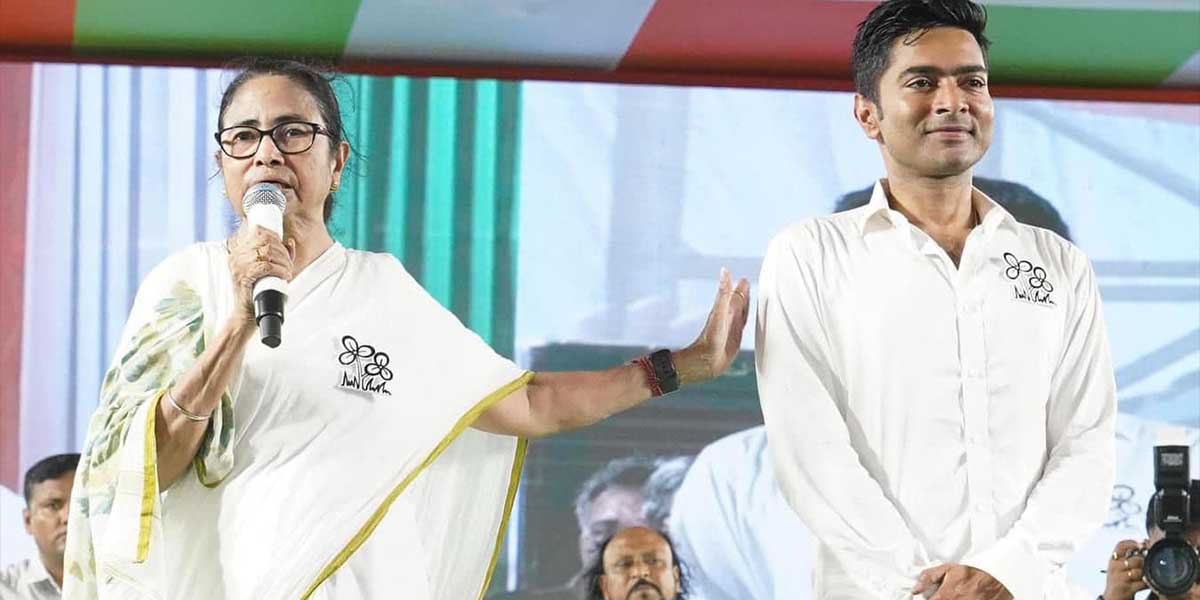
The Trinamool Congress (TMC) is witnessing an internal debate over a potential elevation of Abhishek Banerjee, the party’s National General Secretary and nephew of West Bengal chief minister Mamata Banerjee for the position of deputy chief minister. With an organisational reshuffle looming, Abhishek has submitted a comprehensive report to Didi, sparking resistance from the party’s old guard. Prominent leaders, such as Bharatpur MLA Humayun Kabir, are openly advocating for Abhishek to be made deputy CM and Home Minister. Kabir cited recent law and order issues, RG Kar rape case and attack on Kolkata Municipal Corporation councillor as reasons for stronger leadership. However, veteran leaders like Saugata Roy expressed reservations about the Kolkata Police’s efficiency, a veiled critique of current governance. Firhad Hakim, a senior minister, clarified his stance, emphasizing unwavering support for Mamata’s leadership while defending his earlier comments. Hakim reiterated that Didi remains the cornerstone of TMC’s electoral success and governance credibility. This internal friction comes against the backdrop of TMC’s strong performance in the recently concluded bypolls. The party swept six constituencies, including Madarihat in North Bengal, a seat it won for the first time. The success has bolstered confidence in the leadership duo of Mamata and Abhishek, who jointly selected the winning candidates. A national working committee meeting at Mamata’s Kalighat residence on November 25 is expected to address the reshuffle issue. For TMC balancing generational aspirations with the experience of senior leaders remains a critical challenge.