 All
All Politics
 Business
 Entertainment
 Sports
 Celebrities


The Mohan Charan Majhi-led government in Odisha now faces a new dilemma. There is no settlement on the territorial dispute with Andhra Pradesh has been reached even after BJP came to power in the state three years back. The territorial dispute relates to Kotia villages which has been historically recognised as part of Odisha since 1936. Resolving the territorial dispute with Andhra was the poll promises of the BJP. Now it is learnt that Andhra Pradesh has announced Panchayat Elections date for three villages in the controversial Kotia will be held on November 3. This festering issue has now rekindled the decades-long territorial claim against Odisha, for which a solution has not been found even at the Supreme Court level. While historically Kotia was recognized as a part of Odisha since 1936, the region has been contested by Andhra Pradesh since 1971. Can the Odisha government resolve the issue without escalating into inter-state conflict? Odisha’s Opposition party Biju Janata Dal led by Naveen Patnaik has targeted CM Majhi for his failure to resolve the issue.
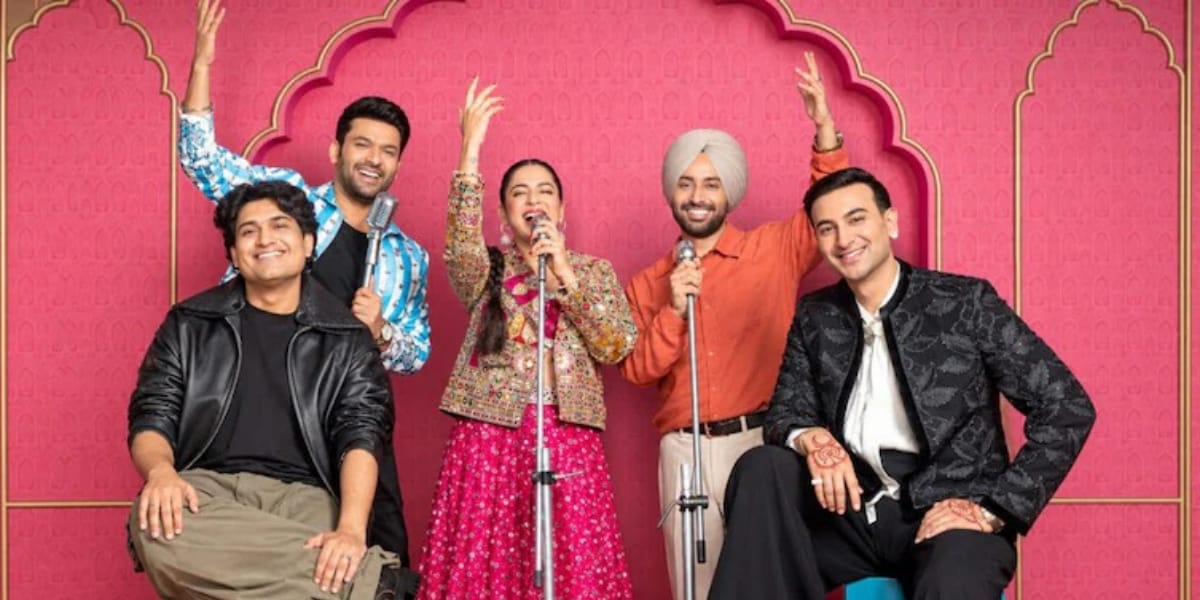
In the latest episode of The Great Indian Kapil Show (Season 5, Music Ke Dhurandhar streaming on Netflix from 24 October 2026), Kapil Sharma hosted a musical night featuring Dhurandhar’s composer Shashwat Sachdev, singers Satinder Sartaaj and Jasmine Sandlas, and sitarist Rishab Rikhiram Sharma. While introducing a saxophone player who had contributed to the iconic 1978 film Don, Kapil stated that the musician had played the saxophone piece from Don and attributed the film’s music direction to RD Burman. This is a clear and basic factual error. The music of the original Don (starring Amitabh Bachchan) was composed by the legendary duo Kalyanji-Anandji, not RD Burman. Songs such as “Khaike Paan Banaras Wala,” “Yeh Mera Dil,” “Are Diwano Mujhe Pehchano,” and the film’s unforgettable theme music all carry Kalyanji-Anandji’s signature. Crediting RD Burman instead is not a minor slip of the tongue; it is a fundamental misattribution of one of Bollywood’s most recognisable soundtracks. What makes the mistake especially unacceptable is the context. Kapil was hosting working musicians and singers closely associated with a current film’s soundtrack. When professionals of music are on the stage, casual ignorance about classic film music becomes more jarring. Don is not an obscure title; it remains one of the most quoted and sampled films in Hindi cinema. Confusing its composers with RD Burman (whose own body of work is distinct and equally celebrated) shows a lack of basic preparation. The Great Indian Kapil Show has a team of writers. Attributing the music of Don to the wrong composer is precisely the kind of error a writers’ room should catch. This was a needless blunder on a stage that otherwise celebrated music.
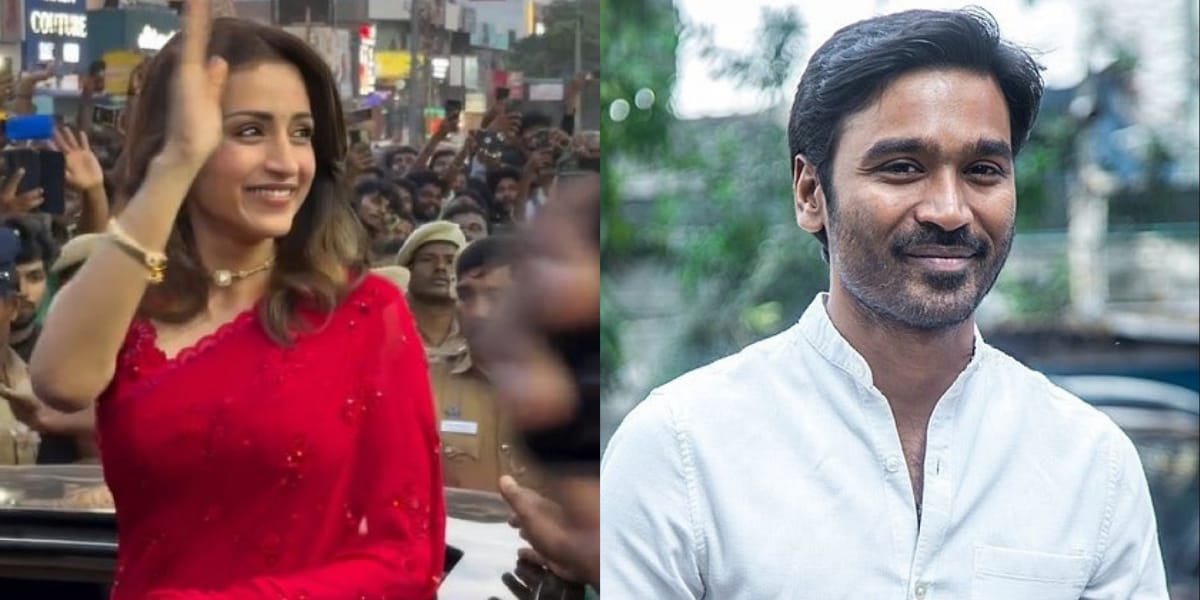
Actor Trisha Krishnan generated a lot of political interest as she visited Coimbatore on a private engagement over the weekend. There were fangirl moments among TVK supporters as the actor arrived at the airport. She also pulled crowds when she went on a brief roadshow after opening a mobile store. Her sway over the crowd naturally led the media to wonder whether she would enter politics just as former AIADMK supremo J Jayalalithaa had done. Would Trisha enter Rajya Sabha? Trisha merely smiled and walked away without responding. Did Trisha deliberately make a public appearance just a day ahead of actor Dhanush’s possible launch of a political party? At this stage, it is not clear if the TVK is merely hoping to take attention away from Dhanush’s political entry via Trisha. Visuals of Trisha in a bright red sari waving to an enthusiastic crowd on a roadshow could briefly cloud out some serious political stuff. Yet that may not be enough. It must be said that the TVK is under pressure to perform and deliver. More so because ever since chief minister C Joseph Vijay had the courage and imagination to end the rule of duopoly of the DMK and AIADMK in Tamil Nadu, a number of Tamil film stars are reportedly planning to enter politics. In the forefront is actor Dhanush, former son-in-law of Rajnikanth. He held a meeting with his fan club office bearers in Chennai on October 25. Dhanush made many trips to Delhi and has been consulting political pundits on how to launch a political party. Another Tamil film star who also imagines he can make the transition is Shivakartikeyan. Like Vijay, he too has been invoking MGR’s legacy in his public utterances.
Cinema fans, corporate czars, and political heavyweights are buzzing about the upcoming destination wedding of Kavya Maran (net worth ~Rs 500 crore) — daughter of billionaire media tycoon Kalanithi Maran (net worth ~Rs 30,000 crore)—to turbo-charged music director Anirudh (net worth ~Rs 60 crore) in Barcelona, Spain. The private ceremony will bring together four major celebrity families. Anirudh’s aunt, Lata Rajinikanth, is married to superstar Rajinikanth, who played Cupid to the famous duo…the groom’s parents are celebrities too, Ravichander and Lakshmi. Ravichander, a co-founder of YES Bank, is a popular TV star, while Lakshmi comes from a well-known family too…niece of Bharatnatyam exponent Padma Subramaniam, a successful event planner, and the driving force behind Anirudh’s rocking career. Naturally, the bride’s stellar pedigree is dialing up the curiosity quotient. The Maran brothers are great-grandnephews of Kalaignar, with Murasoli Maran serving as the patriarch’s lifelong political alter ego. Growing up in this high-octane ecosystem of wealth and influence, Kalanithi Maran inherited a ringside seat to power. Building the Sun Network empire took immense grit, but the Midas-touched media mogul expanded aggressively into Sun Pictures and beyond. Daughter Kavya, born with multiple gold spoons, effortlessly transitioned from her MBA into her role as CEO of the IPL franchise Sunrisers Hyderabad. With this high-voltage mix of media, political, and cinematic DNA, it’s no wonder public necks are craning to catch a glimpse of the spectacle. Barcelona is officially setting a new benchmark for ultra-rich Indian weddings.
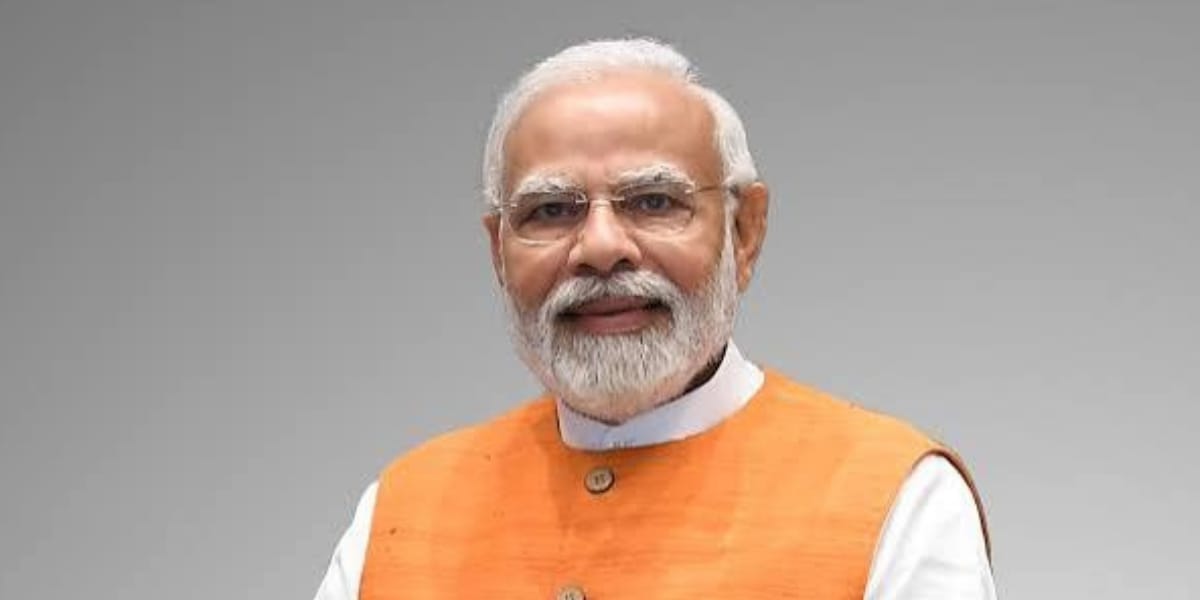
Prime Minister Narendra Modi’s Baramati visit has been postponed one more time, though not cancelled. Modi was to reach NCP boss Sharad Pawar’s home town on 3rd November. The earlier scheduled date was in October. That was revised and now changed again. Pawar’s grandson Yugendra Pawar, a trustee of Vidya Pratishthan, said the PM’s visit has been postponed. There is no official communication confirming the probable next date, 16 November 16. Modi was scheduled to inaugurate Prerna Sthal, a structure developed within the Vidya Pratishthan campus in Baramati. The friendly relations between Modi and Pawar are no secret. Both have repeatedly asserted that these are on a personal level and there is no political angle. Still, Pawar’s supporters and detractors are equally befuddled about his future moves. This includes his own daughter Supriya Sule, who has described her father as unpredictable. Pawar has stood by Modi, not caring about the Congress stand though his party is a member of the INDIA bloc. Another sore point for the Congress party is Pawar’s steadfast amity with industrialist Gautam Adani. When the business giant was the focus of some serious allegations, Pawar had dismissed the demand to set up a joint parliamentary committee (JPC) to probe them. As far as Maharashtra is concerned, chief minister Devendra Fadnavis and his ministers have treated Pawar with utmost respect. This sweet relationship is needling the state Congress but Pawar has remained unfazed. As and when Modi lands in Baramati, the knot of friendship between the two will become tighter, it is said.
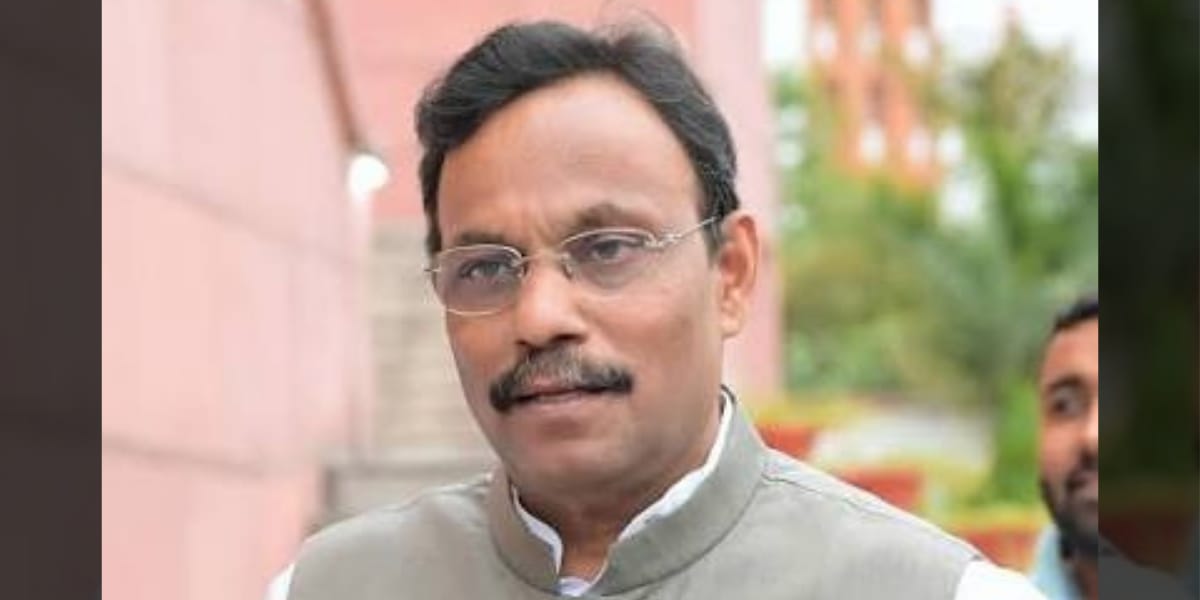
BJP general secretary Vinod Tawde has been entrusted with the task of looking for party aspirants for the UP-2027 assembly election. So far, his team has completed survey of about 125 assembly constituencies as part of a study to finalise party candidates. Tawde’s has been a classic case of loyalty and reward, the BJP formula that has been tested time and again. An influential leader in Maharashtra BJP, Tawde’s name off and on figured in the list of potential CM aspirants. But everybody was shocked when he was refused the 2019 assembly election candidature. Tawde maintained a stiff upper lip and did not utter a word about the party decision. In the days to come, he was asked by the high command to shift base to Delhi and was entrusted with one task after another. The most prominent of these was the Bihar assembly election, for which Tawde had toiled tirelessly. His stock grew after the BJP emerged the winner and finally installed its own CM in Patna. Uttar Pradesh being the largest state, it is important for every political party. It has been ruled by the BJP for the past decade under Yogi Adityanath. Still, not to take any chance, the BJP has appointed Tawde to make preparations for the assembly election scheduled to take place in early 2027. As the election is dubbed as a dress rehearsal for the 2029 Lok Sabha election, Tawde’s responsibility has increased manifold since he will have to recommend some new faces in the 403-seat UP assembly.
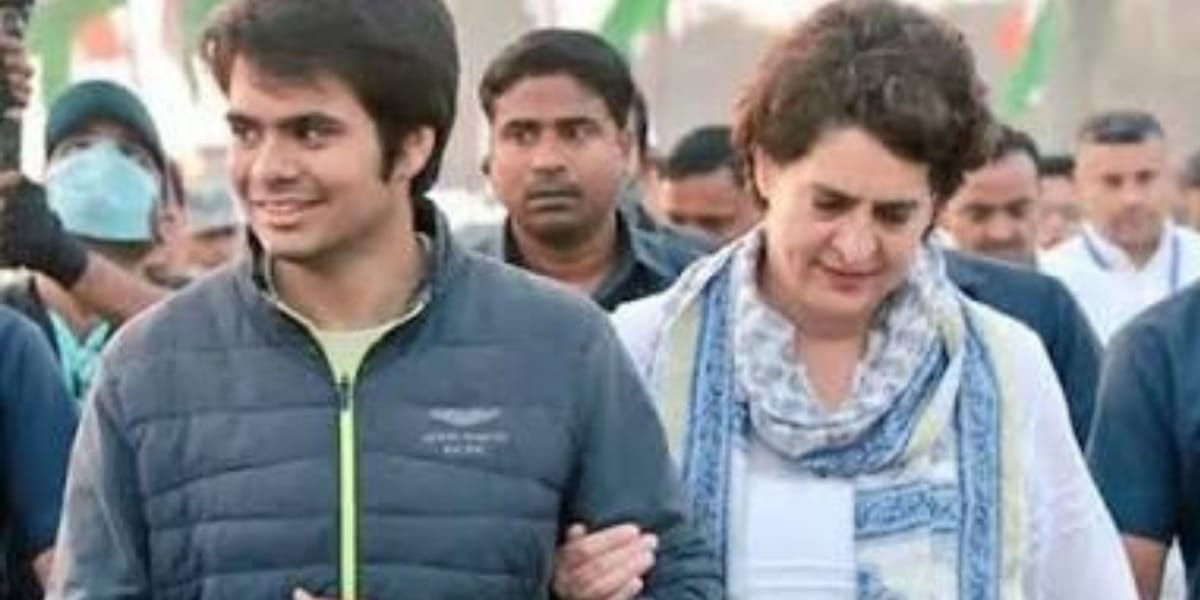
Was raising last-minute objections to photo exhibits of Raihan Vadra, 26-year old son of Congress leader Priyanka Gandhi-Vadra by the Bikaner House in New Delhi serve any purpose? Apparently, it did. Bikaner House is the seat of Rajasthan government in Delhi. When Rajasthan government officials objected to display of some “political photographs” of recent protests among Raihan’s exhibits, citing “current tense” situation, it naturally brought forth a protective mother in Priyanka in defence of her son. Raihan himself said he had held around 12–15 shows at the same venue over the past six years and described it as one of his favourite places. The Wayanad MP took a swipe at PM Modi saying “when someone with power becomes afraid of the expression of another, he doesn’t know it but he has already lost the very power he is trying to protect.” Meanwhile Kerala chief minister V D Satheeshan offered to host Rahihan’s photo exhibition in Keralam. Ordinary Congress leaders however found it odd that Priyanka should come out battling for her son.”Priyanka ji should have made no reference to this issue. These days people don’t like nepotism. Everyone was asking why is she promoting her son now? Is Raihan going to contest UP assembly elections? Whether we like it or not, Modi has shown the way of not promoting family, ” said a Muslim Congress leader. In fact, speaking at an NDTV event, PM Modi took a dig at the Gandhi family’s many attempts to launch Rahul Gandhi as PM material. He also charged Rahul of trying to take foreign help — he is currently in Vietnam — to organise protests in the country.
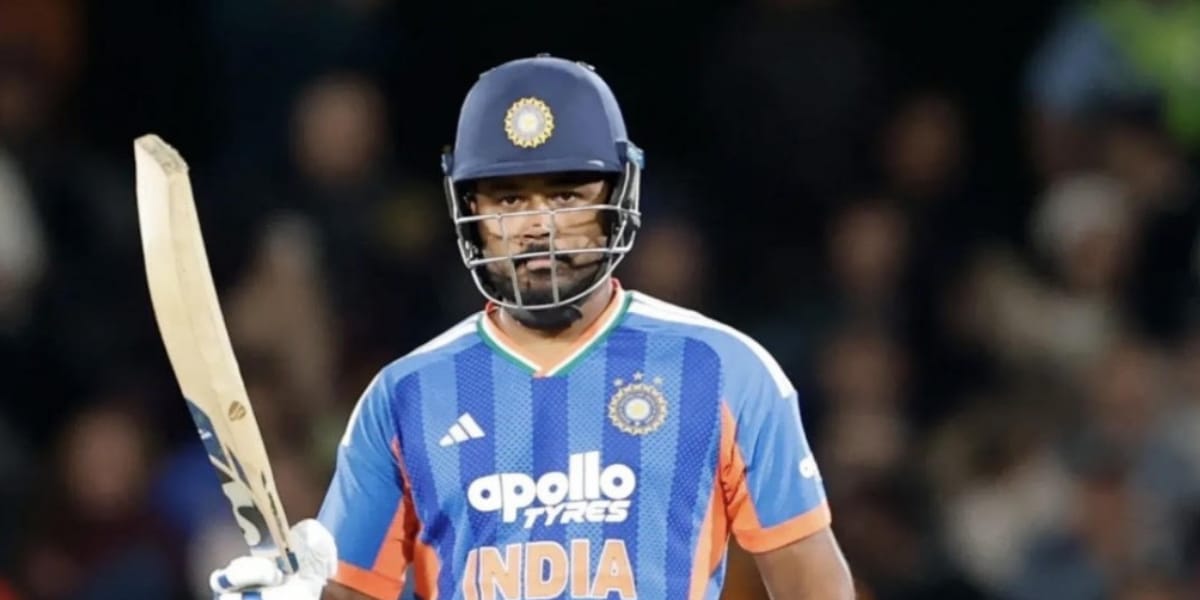
Has Sanju Samson put an end to the narrative that often questioned his place in the men in blue Twenty20 team, especially after the arrival of teenage prodigy Vaibhav Sooryavanshi? Known for his breezy knocks in the first six-over powerplay and even beyond, the right-handed one-person demolition squad is currently in the second-best phase of his career in the shortest form of the game, with a collection of 770 runs in 26 innings at 10.87 an over, including the 33-ball 67 with 8x 4s and 4x 6s against New Zealand in Christchurch. His best was two years ago when he made 436 runs in 12 innings at 10.81 an over. Samson went through a lean phase in 2025, scoring just 222 runs in 11 innings. Samson has been erratic even after a brilliant run of 97*, 89 and 89 in the last three matches of the ICC Twenty20 World Cup in February-March this year; 5 x 50s in 16 innings after the World Cup final against New Zealand in Ahmedabad. Samson has somewhat changed the trend with three half-centuries in the last five internationals against the West Indies and New Zealand. Whenever he has scored 40+ runs, India has won 13 matches. These are not great numbers, but when one looks at the 1126 runs he and Abhishek Sharma have amassed for the first wicket – India’s third best after Shikhar Dhawan and Rohit Sharma’s 1743 and KL Rahul and Rohit Sharma’s 1412 – one can understand the value of his hitting in the first half of the innings. Samson has struck 158x 4s and 107x 6s – only the sixth Indian to smash 100 + 6s – and it is his boundary-hitting consistency and quality that have made him an asset at the top.
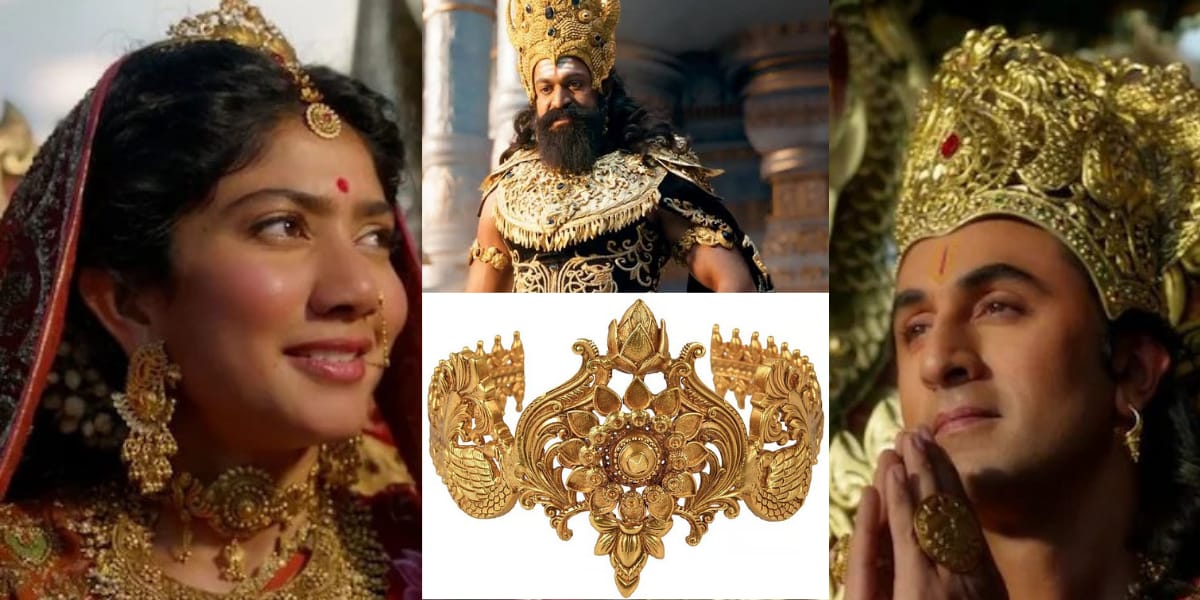
Nitesh Tiwari directed magnum opus Ramayana is about to stun audience not just by the scale of this epic but by the sheer visual appeal of 4000 pieces of period jewellery worn by the main artists. CEO Tarang Arora of Amrapali Jewels has spent 18 months in executing the exotic, intricate and amazing jewels worn by Ram, Sita and Ravana. Brand Amrapali is not new to period and royal jewellery design. Their body of work was seen in Bahubali, Manikarnika and Tumbbad. The talk is Ravana may just cause the most visual impact with the kind of ornaments adorning him. Ravana’s powerful personality is personified in his jewels without being brash and brassy. Older generations may remember the visual treat of Spartacus and Gone With The Wind —Hollywood classics that swept audience attention for jewellery and costumes. Jewels play a critical role in the epic; Sita throws her jewels from Ravan’s Pushpaka Vimanam as she is abducted. Some question the veracity of this incident asking since Sita left Ayodhya for the forest why would she wear her jewellery? Valmiki has a response…they visit the Ashram of Sage Atri and Anasuya, who lovingly decks Sita with a few jewels …even as Jatayu tries to fight Ravan, Sita scatters the keepsakes. But anyone who has delved deep into this classic is fully aware that Hanuman has to prove to himself that it is Sita in the Ashoka Vatika. She hands over the intricate piece of jewellery on her hair. In turn Hanuman hands over Rama’s signet ring to establish his identity. Ramayana’s visual and aesthetic appeal is sure to sweep the audience. We predict the jewellery may set a fashion trend in Indian motifs and intricate design. Ram is a Suryavanshi…the Sun is the leitmotif of this immortal epic.
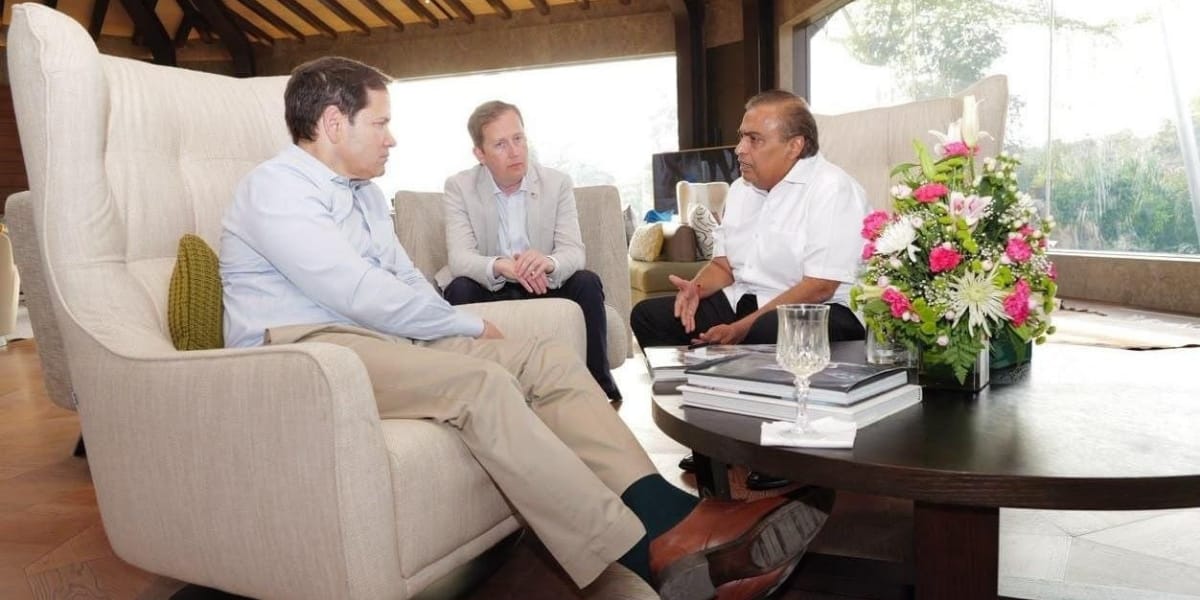
Twenty-six years ago, when the U.S. President Bill Clinton visited India in March 2000, Reliance Industries founder Dhirubhai Ambani enjoyed unusual access to the world’s most powerful leader. Dhirubhai Ambani then reportedly hosted the U.S. President Clinton a private breakfast at The Oberoi Towers in Mumbai. It was attended by his two sons Mukesh and Anil. This private breakfast of four people was facilitated by the Congress leader Murli Deora, a close friend of both Ambanis and Clintons. A year later, Clinton, now a former President, was hosted to a private lunch by Dhirubhai at his Mumbai residence. Fast-forward to 2026, and you have Mukesh Ambani and his son meeting senior American officials at Jamnagar. The Ambanis are once again playing host to America’s powerful political establishment. This time, it was the U.S. Secretary of State Marco Rubio, accompanied by the U.S. Ambassador to India Sergio Gor, who visited Reliance’s sprawling Jamnagar complex. Mukesh Ambani and his youngest son Anant welcomed the American delegation. What makes the visit significant is that Jamnagar is home to the world’s largest single-site refining complex, processing around 1.4 million barrels of crude daily. Washington is keen to leverage Reliance’s capabilities, particularly for processing Venezuelan crude. Clearly, the Ambanis’ influence extends far beyond India’s corporate corridors. From Dhirubhai’s personal relationships with global political leaders to Mukesh’s strategic importance in international energy markets, the family has maintained remarkable access across generations. The message from Jamnagar is unmistakable: the Ambanis are not merely meeting global power. Global power is coming to their doorstep.
The Mohan Charan Majhi-led government in Odisha now faces a new dilemma. There is no settlement on the territorial dispute with Andhra Pradesh has been reached even after BJP came to power in the state three years back. The territorial dispute relates to Kotia villages which has been historically recognised as part of Odisha since 1936. Resolving the territorial dispute with Andhra was the poll promises of the BJP. Now it is learnt that Andhra Pradesh has announced Panchayat Elections date for three villages in the controversial Kotia will be held on November 3. This festering issue has now rekindled the decades-long territorial claim against Odisha, for which a solution has not been found even at the Supreme Court level. While historically Kotia was recognized as a part of Odisha since 1936, the region has been contested by Andhra Pradesh since 1971. Can the Odisha government resolve the issue without escalating into inter-state conflict? Odisha’s Opposition party Biju Janata Dal led by Naveen Patnaik has targeted CM Majhi for his failure to resolve the issue.
In the latest episode of The Great Indian Kapil Show (Season 5, Music Ke Dhurandhar streaming on Netflix from 24 October 2026), Kapil Sharma hosted a musical night featuring Dhurandhar’s composer Shashwat Sachdev, singers Satinder Sartaaj and Jasmine Sandlas, and sitarist Rishab Rikhiram Sharma. While introducing a saxophone player who had contributed to the iconic 1978 film Don, Kapil stated that the musician had played the saxophone piece from Don and attributed the film’s music direction to RD Burman. This is a clear and basic factual error. The music of the original Don (starring Amitabh Bachchan) was composed by the legendary duo Kalyanji-Anandji, not RD Burman. Songs such as “Khaike Paan Banaras Wala,” “Yeh Mera Dil,” “Are Diwano Mujhe Pehchano,” and the film’s unforgettable theme music all carry Kalyanji-Anandji’s signature. Crediting RD Burman instead is not a minor slip of the tongue; it is a fundamental misattribution of one of Bollywood’s most recognisable soundtracks. What makes the mistake especially unacceptable is the context. Kapil was hosting working musicians and singers closely associated with a current film’s soundtrack. When professionals of music are on the stage, casual ignorance about classic film music becomes more jarring. Don is not an obscure title; it remains one of the most quoted and sampled films in Hindi cinema. Confusing its composers with RD Burman (whose own body of work is distinct and equally celebrated) shows a lack of basic preparation. The Great Indian Kapil Show has a team of writers. Attributing the music of Don to the wrong composer is precisely the kind of error a writers’ room should catch. This was a needless blunder on a stage that otherwise celebrated music.
Actor Trisha Krishnan generated a lot of political interest as she visited Coimbatore on a private engagement over the weekend. There were fangirl moments among TVK supporters as the actor arrived at the airport. She also pulled crowds when she went on a brief roadshow after opening a mobile store. Her sway over the crowd naturally led the media to wonder whether she would enter politics just as former AIADMK supremo J Jayalalithaa had done. Would Trisha enter Rajya Sabha? Trisha merely smiled and walked away without responding. Did Trisha deliberately make a public appearance just a day ahead of actor Dhanush’s possible launch of a political party? At this stage, it is not clear if the TVK is merely hoping to take attention away from Dhanush’s political entry via Trisha. Visuals of Trisha in a bright red sari waving to an enthusiastic crowd on a roadshow could briefly cloud out some serious political stuff. Yet that may not be enough. It must be said that the TVK is under pressure to perform and deliver. More so because ever since chief minister C Joseph Vijay had the courage and imagination to end the rule of duopoly of the DMK and AIADMK in Tamil Nadu, a number of Tamil film stars are reportedly planning to enter politics. In the forefront is actor Dhanush, former son-in-law of Rajnikanth. He held a meeting with his fan club office bearers in Chennai on October 25. Dhanush made many trips to Delhi and has been consulting political pundits on how to launch a political party. Another Tamil film star who also imagines he can make the transition is Shivakartikeyan. Like Vijay, he too has been invoking MGR’s legacy in his public utterances.
Cinema fans, corporate czars, and political heavyweights are buzzing about the upcoming destination wedding of Kavya Maran (net worth ~Rs 500 crore) — daughter of billionaire media tycoon Kalanithi Maran (net worth ~Rs 30,000 crore)—to turbo-charged music director Anirudh (net worth ~Rs 60 crore) in Barcelona, Spain. The private ceremony will bring together four major celebrity families. Anirudh’s aunt, Lata Rajinikanth, is married to superstar Rajinikanth, who played Cupid to the famous duo…the groom’s parents are celebrities too, Ravichander and Lakshmi. Ravichander, a co-founder of YES Bank, is a popular TV star, while Lakshmi comes from a well-known family too…niece of Bharatnatyam exponent Padma Subramaniam, a successful event planner, and the driving force behind Anirudh’s rocking career. Naturally, the bride’s stellar pedigree is dialing up the curiosity quotient. The Maran brothers are great-grandnephews of Kalaignar, with Murasoli Maran serving as the patriarch’s lifelong political alter ego. Growing up in this high-octane ecosystem of wealth and influence, Kalanithi Maran inherited a ringside seat to power. Building the Sun Network empire took immense grit, but the Midas-touched media mogul expanded aggressively into Sun Pictures and beyond. Daughter Kavya, born with multiple gold spoons, effortlessly transitioned from her MBA into her role as CEO of the IPL franchise Sunrisers Hyderabad. With this high-voltage mix of media, political, and cinematic DNA, it’s no wonder public necks are craning to catch a glimpse of the spectacle. Barcelona is officially setting a new benchmark for ultra-rich Indian weddings.
Prime Minister Narendra Modi’s Baramati visit has been postponed one more time, though not cancelled. Modi was to reach NCP boss Sharad Pawar’s home town on 3rd November. The earlier scheduled date was in October. That was revised and now changed again. Pawar’s grandson Yugendra Pawar, a trustee of Vidya Pratishthan, said the PM’s visit has been postponed. There is no official communication confirming the probable next date, 16 November 16. Modi was scheduled to inaugurate Prerna Sthal, a structure developed within the Vidya Pratishthan campus in Baramati. The friendly relations between Modi and Pawar are no secret. Both have repeatedly asserted that these are on a personal level and there is no political angle. Still, Pawar’s supporters and detractors are equally befuddled about his future moves. This includes his own daughter Supriya Sule, who has described her father as unpredictable. Pawar has stood by Modi, not caring about the Congress stand though his party is a member of the INDIA bloc. Another sore point for the Congress party is Pawar’s steadfast amity with industrialist Gautam Adani. When the business giant was the focus of some serious allegations, Pawar had dismissed the demand to set up a joint parliamentary committee (JPC) to probe them. As far as Maharashtra is concerned, chief minister Devendra Fadnavis and his ministers have treated Pawar with utmost respect. This sweet relationship is needling the state Congress but Pawar has remained unfazed. As and when Modi lands in Baramati, the knot of friendship between the two will become tighter, it is said.
BJP general secretary Vinod Tawde has been entrusted with the task of looking for party aspirants for the UP-2027 assembly election. So far, his team has completed survey of about 125 assembly constituencies as part of a study to finalise party candidates. Tawde’s has been a classic case of loyalty and reward, the BJP formula that has been tested time and again. An influential leader in Maharashtra BJP, Tawde’s name off and on figured in the list of potential CM aspirants. But everybody was shocked when he was refused the 2019 assembly election candidature. Tawde maintained a stiff upper lip and did not utter a word about the party decision. In the days to come, he was asked by the high command to shift base to Delhi and was entrusted with one task after another. The most prominent of these was the Bihar assembly election, for which Tawde had toiled tirelessly. His stock grew after the BJP emerged the winner and finally installed its own CM in Patna. Uttar Pradesh being the largest state, it is important for every political party. It has been ruled by the BJP for the past decade under Yogi Adityanath. Still, not to take any chance, the BJP has appointed Tawde to make preparations for the assembly election scheduled to take place in early 2027. As the election is dubbed as a dress rehearsal for the 2029 Lok Sabha election, Tawde’s responsibility has increased manifold since he will have to recommend some new faces in the 403-seat UP assembly.
Was raising last-minute objections to photo exhibits of Raihan Vadra, 26-year old son of Congress leader Priyanka Gandhi-Vadra by the Bikaner House in New Delhi serve any purpose? Apparently, it did. Bikaner House is the seat of Rajasthan government in Delhi. When Rajasthan government officials objected to display of some “political photographs” of recent protests among Raihan’s exhibits, citing “current tense” situation, it naturally brought forth a protective mother in Priyanka in defence of her son. Raihan himself said he had held around 12–15 shows at the same venue over the past six years and described it as one of his favourite places. The Wayanad MP took a swipe at PM Modi saying “when someone with power becomes afraid of the expression of another, he doesn’t know it but he has already lost the very power he is trying to protect.” Meanwhile Kerala chief minister V D Satheeshan offered to host Rahihan’s photo exhibition in Keralam. Ordinary Congress leaders however found it odd that Priyanka should come out battling for her son.”Priyanka ji should have made no reference to this issue. These days people don’t like nepotism. Everyone was asking why is she promoting her son now? Is Raihan going to contest UP assembly elections? Whether we like it or not, Modi has shown the way of not promoting family, ” said a Muslim Congress leader. In fact, speaking at an NDTV event, PM Modi took a dig at the Gandhi family’s many attempts to launch Rahul Gandhi as PM material. He also charged Rahul of trying to take foreign help — he is currently in Vietnam — to organise protests in the country.
Has Sanju Samson put an end to the narrative that often questioned his place in the men in blue Twenty20 team, especially after the arrival of teenage prodigy Vaibhav Sooryavanshi? Known for his breezy knocks in the first six-over powerplay and even beyond, the right-handed one-person demolition squad is currently in the second-best phase of his career in the shortest form of the game, with a collection of 770 runs in 26 innings at 10.87 an over, including the 33-ball 67 with 8x 4s and 4x 6s against New Zealand in Christchurch. His best was two years ago when he made 436 runs in 12 innings at 10.81 an over. Samson went through a lean phase in 2025, scoring just 222 runs in 11 innings. Samson has been erratic even after a brilliant run of 97*, 89 and 89 in the last three matches of the ICC Twenty20 World Cup in February-March this year; 5 x 50s in 16 innings after the World Cup final against New Zealand in Ahmedabad. Samson has somewhat changed the trend with three half-centuries in the last five internationals against the West Indies and New Zealand. Whenever he has scored 40+ runs, India has won 13 matches. These are not great numbers, but when one looks at the 1126 runs he and Abhishek Sharma have amassed for the first wicket – India’s third best after Shikhar Dhawan and Rohit Sharma’s 1743 and KL Rahul and Rohit Sharma’s 1412 – one can understand the value of his hitting in the first half of the innings. Samson has struck 158x 4s and 107x 6s – only the sixth Indian to smash 100 + 6s – and it is his boundary-hitting consistency and quality that have made him an asset at the top.
Nitesh Tiwari directed magnum opus Ramayana is about to stun audience not just by the scale of this epic but by the sheer visual appeal of 4000 pieces of period jewellery worn by the main artists. CEO Tarang Arora of Amrapali Jewels has spent 18 months in executing the exotic, intricate and amazing jewels worn by Ram, Sita and Ravana. Brand Amrapali is not new to period and royal jewellery design. Their body of work was seen in Bahubali, Manikarnika and Tumbbad. The talk is Ravana may just cause the most visual impact with the kind of ornaments adorning him. Ravana’s powerful personality is personified in his jewels without being brash and brassy. Older generations may remember the visual treat of Spartacus and Gone With The Wind —Hollywood classics that swept audience attention for jewellery and costumes. Jewels play a critical role in the epic; Sita throws her jewels from Ravan’s Pushpaka Vimanam as she is abducted. Some question the veracity of this incident asking since Sita left Ayodhya for the forest why would she wear her jewellery? Valmiki has a response…they visit the Ashram of Sage Atri and Anasuya, who lovingly decks Sita with a few jewels …even as Jatayu tries to fight Ravan, Sita scatters the keepsakes. But anyone who has delved deep into this classic is fully aware that Hanuman has to prove to himself that it is Sita in the Ashoka Vatika. She hands over the intricate piece of jewellery on her hair. In turn Hanuman hands over Rama’s signet ring to establish his identity. Ramayana’s visual and aesthetic appeal is sure to sweep the audience. We predict the jewellery may set a fashion trend in Indian motifs and intricate design. Ram is a Suryavanshi…the Sun is the leitmotif of this immortal epic.
Twenty-six years ago, when the U.S. President Bill Clinton visited India in March 2000, Reliance Industries founder Dhirubhai Ambani enjoyed unusual access to the world’s most powerful leader. Dhirubhai Ambani then reportedly hosted the U.S. President Clinton a private breakfast at The Oberoi Towers in Mumbai. It was attended by his two sons Mukesh and Anil. This private breakfast of four people was facilitated by the Congress leader Murli Deora, a close friend of both Ambanis and Clintons. A year later, Clinton, now a former President, was hosted to a private lunch by Dhirubhai at his Mumbai residence. Fast-forward to 2026, and you have Mukesh Ambani and his son meeting senior American officials at Jamnagar. The Ambanis are once again playing host to America’s powerful political establishment. This time, it was the U.S. Secretary of State Marco Rubio, accompanied by the U.S. Ambassador to India Sergio Gor, who visited Reliance’s sprawling Jamnagar complex. Mukesh Ambani and his youngest son Anant welcomed the American delegation. What makes the visit significant is that Jamnagar is home to the world’s largest single-site refining complex, processing around 1.4 million barrels of crude daily. Washington is keen to leverage Reliance’s capabilities, particularly for processing Venezuelan crude. Clearly, the Ambanis’ influence extends far beyond India’s corporate corridors. From Dhirubhai’s personal relationships with global political leaders to Mukesh’s strategic importance in international energy markets, the family has maintained remarkable access across generations. The message from Jamnagar is unmistakable: the Ambanis are not merely meeting global power. Global power is coming to their doorstep.
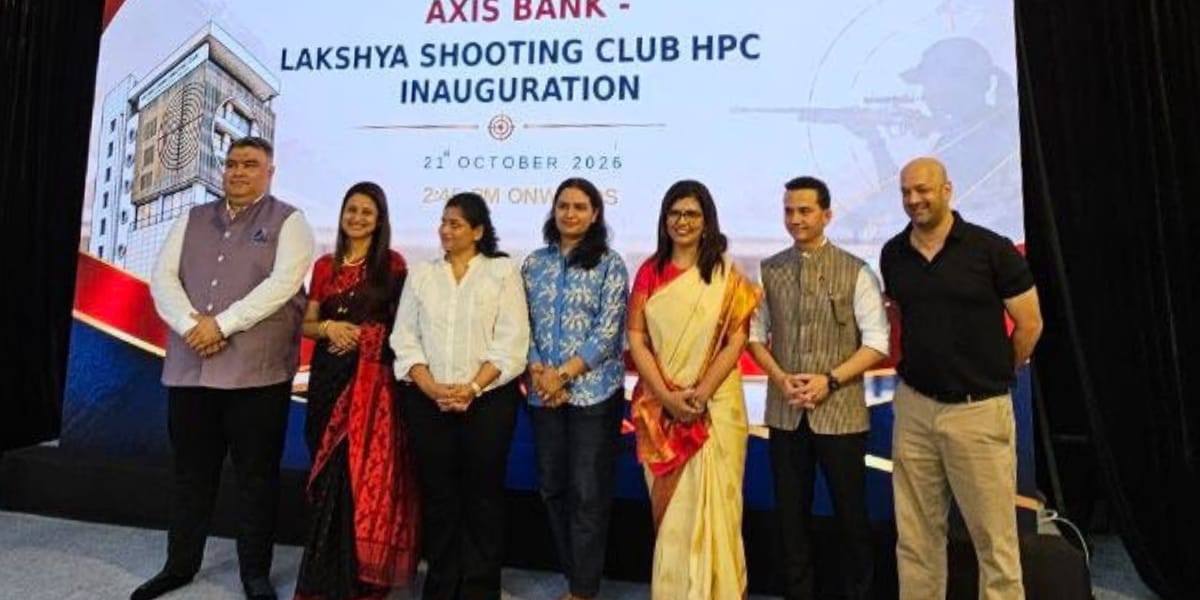
Axis Bank has chosen a unique way to utilise its CSR funds—by wholeheartedly supporting the Lakshya Shooting Club High Performance Centre in CBD Belapur, Navi Mumbai. How many banks, public or private, would go that extra mile and commit Rs 24 crore over three years to back a sport that is not fashionable, but quite popular across the world, is an Olympic, continental and Commonwealth medal sport? The bagful of medals in gold, silver and bronze hues bring fame to athletes and the country. Axis Bank’s super decision has to be seen as a fresh start-up in India’s deprived non-cricket sports environment, placing faith in the “Dream Girl” Suma Shirur and her architect and pillar of strength hubby Siddharth, who have created an integrated infrastructure described by London Olympics medallist Gagan Narang as the second private enterprise in India after JSW Sports. Suma is an acclaimed shooter and coach, winning medals at the Commonwealth Games, Asian Games and Asian Championships from 2002 to 2010. She equalled a world record at an Asian meet in the 10-metre rifle event and has coached others to realise their full potential. She has won the Arjuna and Dronacharya Awards. She has sweated for two decades, but creating a facility dedicated to the Elite in the 10-metre rifle category is an admirable achievement. It’s one of a kind in the world, said Suma, who has travelled widely to compete and coach India’s brightest talents, including in the para category. Gagan and Suma averred that the idea isn’t just to win medals, but to become better spokespersons and human beings. All in all, Axis Bank’s decision to back Suma, Siddharth, and shooting sport is a terrific call.
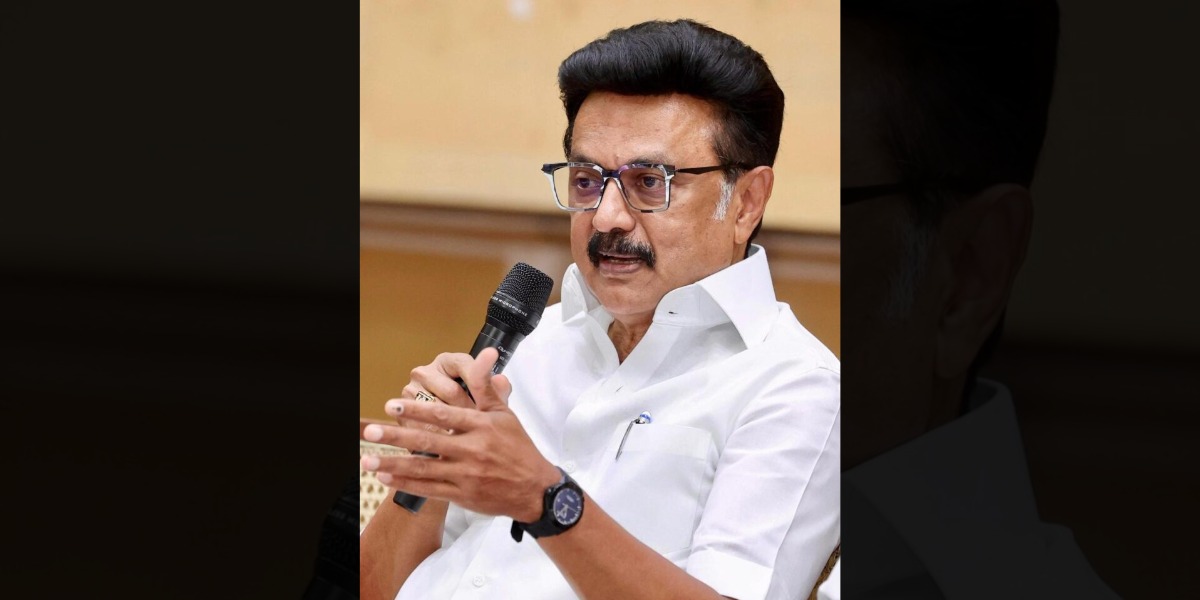
The Cockroach Janata Party (CJP) may not have gained much traction with their recent protests in Delhi against CEC Gyanesh Kumar, however, one hears the DMK is planning to use the CJP to reconnect with the youth in Tamil Nadu. With the ruling TVK consolidating its position in the TN, the DMK one hears is feeling a compulsion to distance itself from the Congress that has been spearheading the political protest against the poll body. The political positioning was spelt out at a meeting of DMK MPs chaired by former chief minister MK Stalin over the weekend. Interestingly, the party not only demanded removal of CEC but also scrapping of the very SIR — that the DMK regime — had presided over before it was voted out of office early this year. Political analysts find DMK objections to SIR in TN rather odd. In fact, everyone is asking — if the TVK headed by Vijay was voted in post-SIR, why is DMK making a fuss about it now? It is being said that DMK MP A Raja has been tasked with the responsibility of reaching out to CJP leader Abhijeet Dipke and invite him to Chennai to create nuisance in streets against SIR. That means DMK is bent on creating a false storm in Chennai against Vijay and the TVK government. The moot point is will people of Chennai really have a short memory and flock to the Dipke’s show? Will the CJP be allowed to run amok in Chennai attacking the cops like the way they hit the Delhi cops on July 20? One thing is certain, the courts may not give a long rope to either the roaches or the DMK this time round.
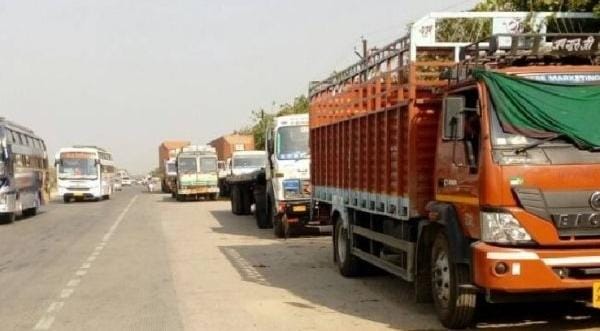
Senior BJP MP and former Union Education Minister Dharmendra Pradhan always had one eye on his home state Odisha. Forced to resign over NEET exam paper leak, he now seems to be taking more active interest in his state. Sources say that Pradhan being a national level BJP leader is now seen nurturing a new weapon “formal letter politics”. His objective being to improve state level administration since trackable letter will force state authorities to take actionable steps spread over collectors, police and others rather than letting the issue stay confined to a private conversation. Speculation is Pradhan may succeed in his plan since he has substantial backing by ruling BJP MLA’s and ministers. Pradhan, it is learnt, has written formal request letters to both the Odisha chief minister Mohan Charan Majhi and Union Minister Road Transport and Highways Nitin Gadkari demanding stringent crackdown on illegal and hazardous parking of heavy commercial trucks along the state and national highways. He has mooted the idea of having a designated parking place for trucks, levying heavy penalty on violators including seizure of vehicles, and launching public awareness campaigns. To support his views Pradhan has highlighted Supreme Court ruling regarding vehicle seizure provision. He has also urged the Odisha government to invoke Section 76 against industrial and mining companies whose transport logistics contributed to trafficking congestion and unsafe parking. Apart from this Pradhan is already pushing for having dedicated truck bays and logistics hubs in Odisha.
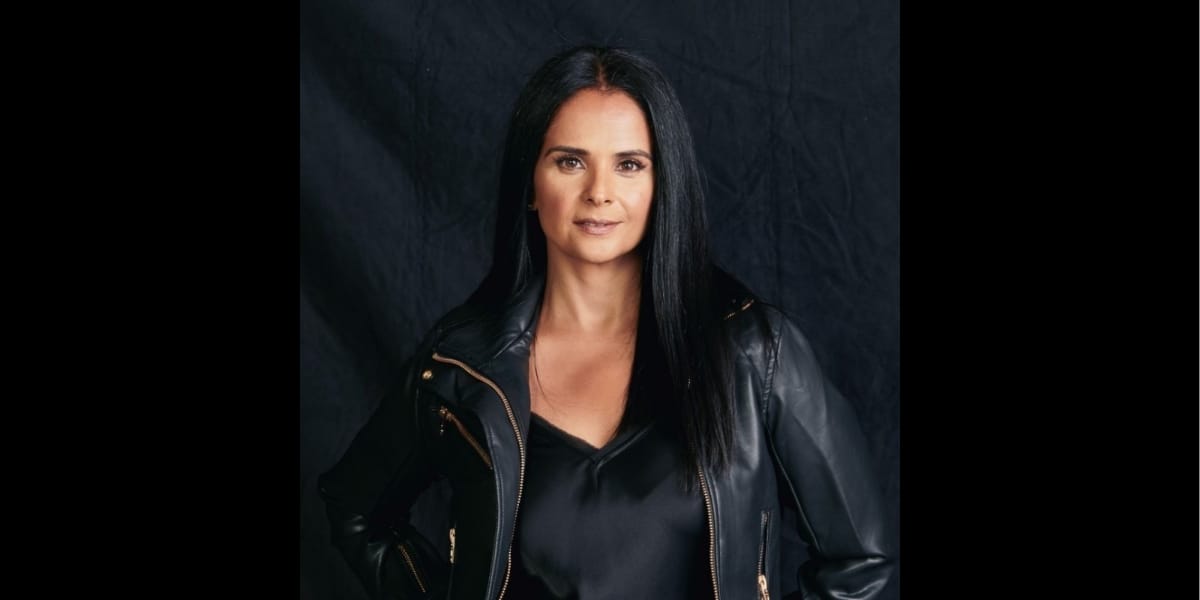
In a move that has stunned Hollywood, Netflix has removed Bela Bajaria, the Indian-origin executive widely credited with transforming the streamer into a true global powerhouse. After nearly a decade of championing international stories, expanding unscripted programming, live events and sports, and turning local-language hits into worldwide sensations, Bajaria learned she was being replaced while still helping the company execute major layoffs. Reports describe a chilling sequence. According to multiple outlets, Bajaria spent much of October 14 conducting painful staff cuts and reassuring anxious employees during a restructuring that eliminated roughly 1,000 jobs. Unaware of her own fate, she approached co-CEO Ted Sarandos later that evening, only to be told she was out. Sources claim she had been reassured weeks earlier that her position was secure. Instead, she was blindsided hours before a VIP screening, with her successor, former Disney and Fox executive Peter Rice, already lined up. The timing is brutal. Netflix faces slowing engagement, pressure to deliver the next cultural phenomenon, and a sharp drop in its share price amid a failed Warner Bros. Discovery bid. Industry whispers suggest someone had to “pay for the rough patch” and Bajaria, despite public thanks from Sarandos for a “decade of dedication, innovation, creativity and leadership” became the high-profile casualty. This is the dark side of modern streaming: the executive who helped Netflix think beyond Hollywood and embrace accessible yet ambitious content can still be discarded overnight when Wall Street demands a reset. Rice inherits the empire she helped construct, while the woman who expanded Netflix’s ambitions processes an exit that unfolded while she was still managing the company’s crisis. Even the architects of success are not immune to the machine they built.
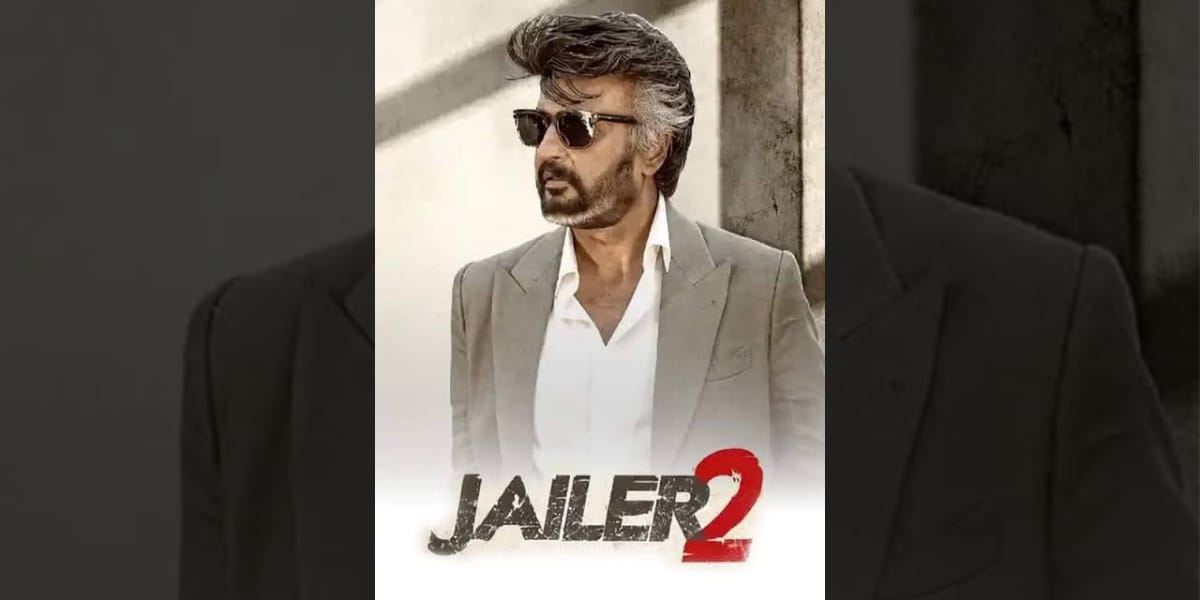
Jailor 2, the Rajinikanth sequel released worldwide on 15 October 2026, is largely absent from major multiplex chains such as EnPVR INOX and Cinepolis in North India. The reason is a clear standoff over the theatrical-to-OTT window. Sun Pictures, led by Kalanithi Maran, signed an OTT deal (reportedly with Amazon Prime Video worth around Rs 160 crore) that places all language versions of the film on streaming platforms after only a four-week theatrical run. Major multiplex chains, however, insist on a minimum eight-week exclusive theatrical window for Hindi-market releases to protect cinema revenues. They have extended this stance more broadly and refused to screen the film when the producers stuck to the shorter window. As a result, Jailor 2 is mainly available on single screens and some smaller or non-national multiplexes in the North, not in the big national chains. The makers and North India distributor Pen Marudhar Entertainment confirmed that a Hindi theatrical release was still happening on the same date, but this does not include PVR INOX or Cinepolis. Post-release trade reports confirmed that the chains stayed out. A separate local dispute in the Salem area of Tamil Nadu saw multiplexes skip the film over a high revenue-share demand (reportedly 70%), but the national multiplex absence is driven by the OTT window conflict. In short, the producers prioritised a larger and faster OTT deal over the longer theatrical exclusivity that multiplexes require, leading the big chains to opt out.
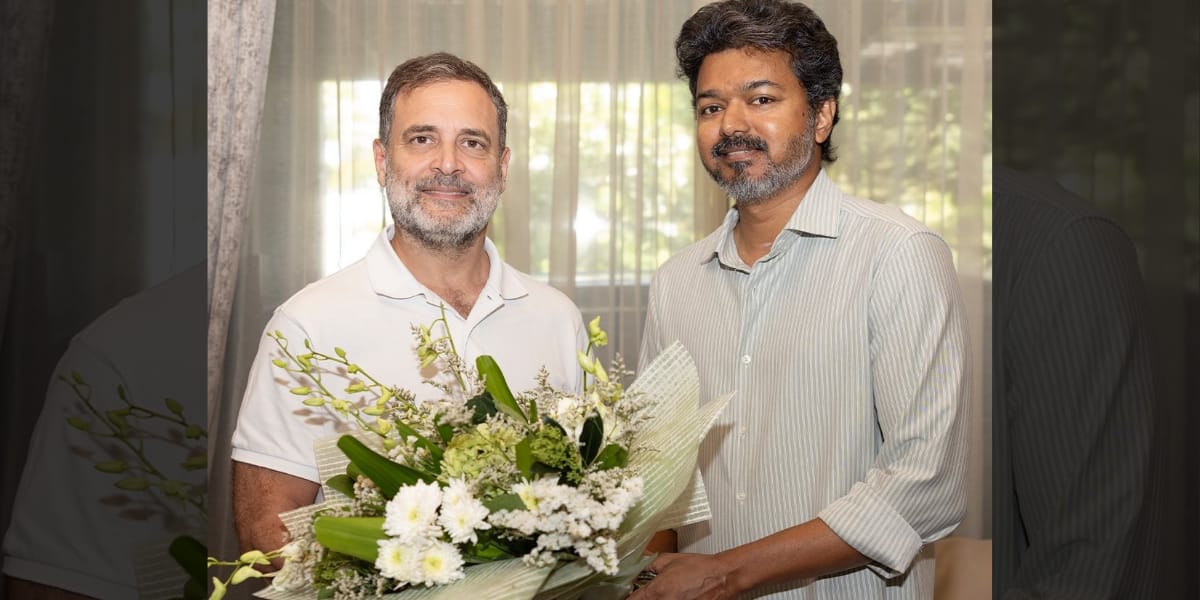
Tamil Nadu chief minister C Joseph Vijay has been taking pride in providing a corruption free govt in the short while that his party — the TVK — has been in office. At the same time, he has also vociferously been attacking the DMK for its corruption legacy. It seems Vijay’s political theme of a “corruption free govt” has made no impact at least on its post poll ally — the Congress– which switched sides after the TVK came to power. In fact, the Congress with 5 MLAs and 2 ministers in the TVK government, has been quite an embarrassment– in the manner in which its leaders were found conducting themselves. It is being said that conduct of Congress MP Manickam Tagore has been particularly worrisome — the way he raised funds to organise a grand welcome for Rahul Gandhi in Chennai early this month. It was Rahul’s first visit after the TVK had come to power. Congress leaders used their proximity to government to collect funds. CM Vijay didn’t know how to put a stop to the way the Congress was going about its “collection” drive to organise “Chatron ki goonj” or interaction with students. In his one-to-one meeting with CM Vijay, Rahul had apparently warned Vijay about PM Modi. On his part, Vijay wisely followed protocol and did what was in the best interest of the state. Striking the right notes with PM Modi helped Vijay sort out pending issues. Soon he was off to Vijaywada for a meeting with Andhra CM Chandrababu Naidu where he discussed Krishna-Godavari river linking issue and also investment plans for the state.
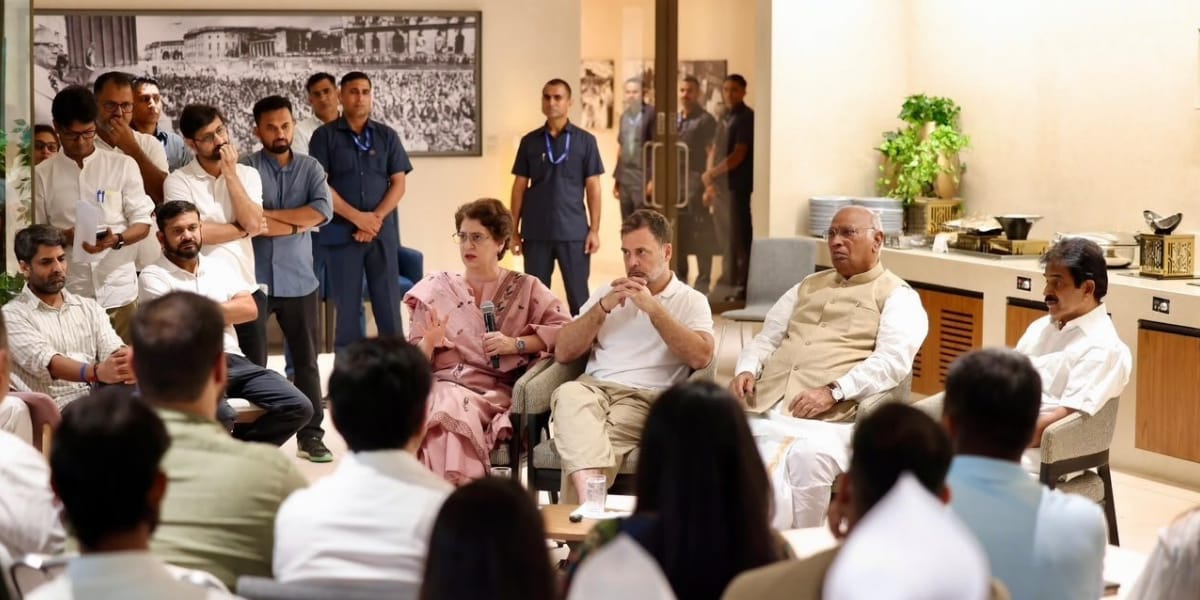
It seems Congress President Mallikarjun Kharge is perhaps the only leader who can dare speak a few home truths to Rahul Gandhi. That’s precisely what he did given his stature and age. During a recent casual discussion at the Congress headquarters in Indira Bhawan, Gandhi as the LoP in the Lok Sabha was taking pot shots at Cong leaders who had quit the party and praised those who stayed back to take on the BJP and the RSS. Rahul said he had always believed that party workers were Babbar Sher (lions)who were not afraid of political pressure or cases. He said those who had remained with the Cong had continued to fight the BJP and RSS rather than give in to intimidation. Taking a swipe at those who had left, Gandhi described them as “cowards” and “greedy”, suggesting that some had quit under pressure or in pursuit of personal interests. He cited the exits of leaders including Jyotiraditya Scindia, RPN Singh and Jitin Prasada. Kharge did not keep quiet; he reportedly remarked that all those who had quit to join the BJP were all Rahul’s friends–“your friends”. They were all Doon School elites just as Rahul was. Scindia left the party in 2020 and joined the BJP. So did RPN Singh and Jitin Prasada switching to the BJP. The political significance of Kharge’s remark lay in its timing: Gandhi was drawing a contrast between those who had left and those who had continued to stand by the Congress, while the party president reminded him of the personal associations some of the departing leaders had once shared with him.
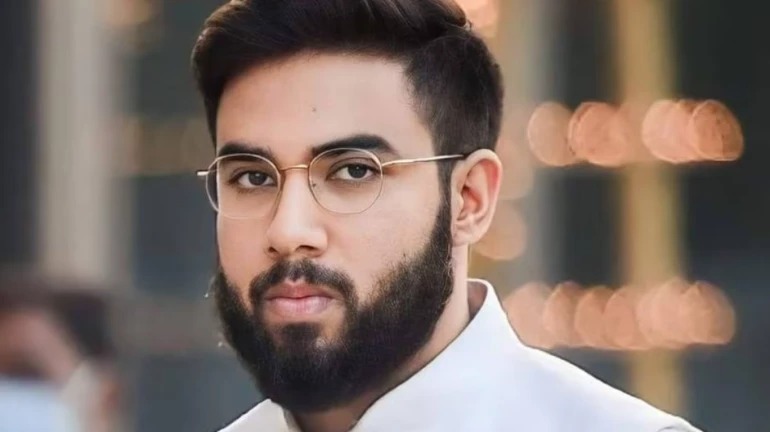
While the Shiv Sena (UBT) led by Uddhav Thackeray is fighting in the Supreme Court to regain its name and symbol, a soft launch of another Thackeray scion appears to be gaining traction unobtrusively. The youngest member of the Thackeray clan, Tejas (31), has so far maintained a low profile, standing behind elder brother Aaditya. But that phase appears to be getting over. The Thackeray family’s love for birds and exotic fish is quite known. Tejas too has inherited it. The Thackeray Wildlife Foundation led by Tejas has begun his public posturing by writing a letter to Union environment minister Bhupender Yadav to urge immediate intervention to prevent the rampant poaching and illegal selling of the endemic Borna Snakehead (𝘊𝘩𝘢𝘯𝘯𝘢 𝘢𝘮𝘱𝘩𝘪𝘣𝘦𝘶𝘴) fish found in the Chel river in West Bengal. The Foundation has discovered several rare fish species, many of them from India and Nepal. A student of Bombay Scottish School, Mahim in Mumbai, Tejas is seen off and on publicly. His latest appearance was a few days ago with Aaditya leading a protest demonstration against the Modi government at Dadar. Thus, both Thackeray cousins, Uddhav and Raj, as well their sons are now in active politics. It is said that his mother Rashmi was keen for the entry of Tejas in politics since the health of Uddhav has remained indifferent for some time. Tejas himself is known for his reticence. Hence, some statement from him is awaited eagerly.
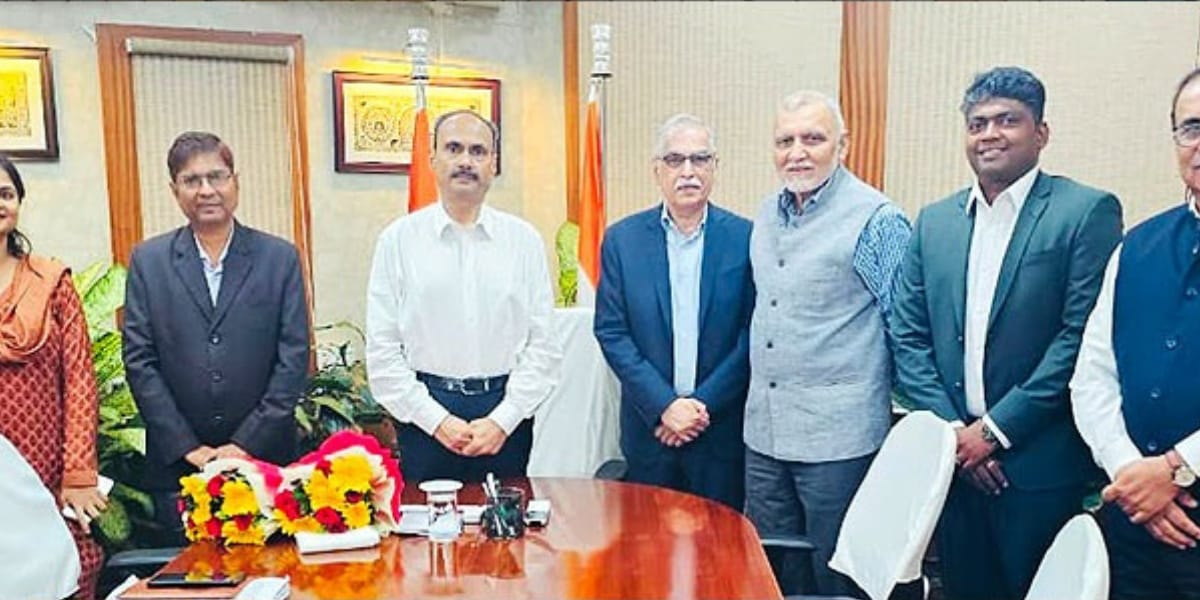
For every chief minister a hospital project is a highly coveted aspiration. This is because it delivers immense electoral returns, visual proof of development and a powerful emotional connect with voters. But one cannot say that of Odisha chief minister Mohan Charan Majhi. He could not capitalise on the hospital project being set up in his state as it was agreement between two private parties. The Rs 9129-crore Fortis Healthcare has tied-up with Bhubaneswar-based real estate and infrastructure developer Dion Group to establish a 300-bed greenfield multi-speciality hospital in Cuttack-Bhubaneswar corridor. There was no splash in the newspapers – full page ad – with CM lighting the lamp etc and in his speech asking other health care players to invest in Odisha. It was a quiet affair since it was an asset light expansion strategy instead of buyout. However Odisha-based Ad guru says “effective communication pitch at the right time is the glue”. However, some people say Odisha CM could still have released ads in the local and mainstream media welcoming Fortis entry and asking other healthcare players to invest in Odisha even if it was a private investment. Maybe a missed PR opportunity!
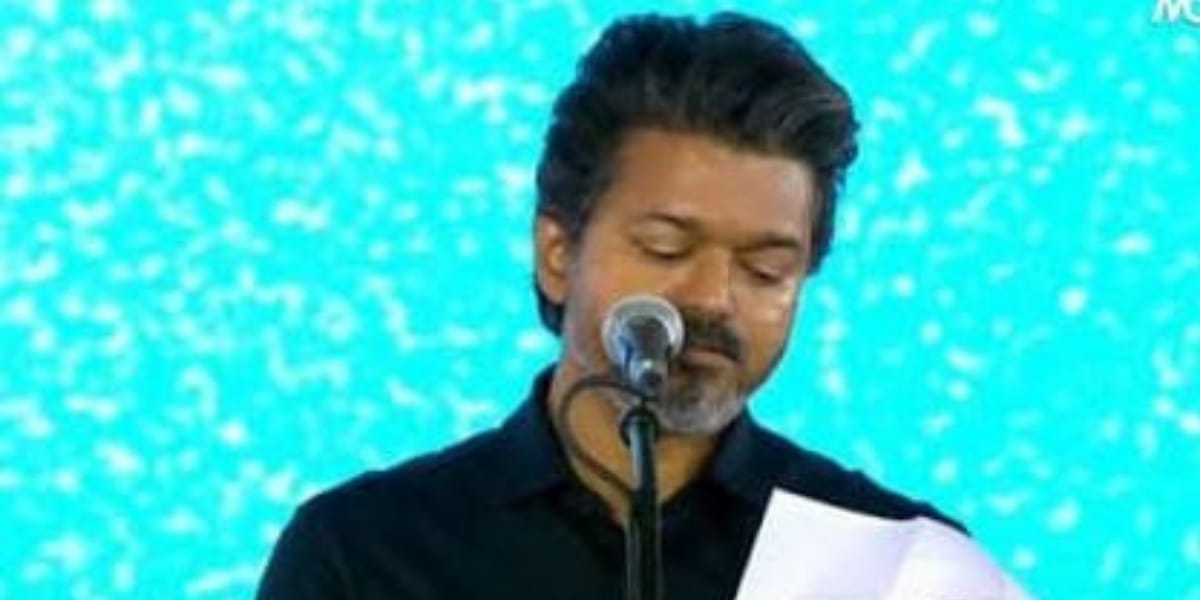
Tamil Nadu chief minister C Joseph Vijay had politically a significant week –back-to-back visits by Congress leader Rahul Gandhi and PM Narendra Modi. Communicating in fluent English with Rahul Gandhi (who would not even “posture” in a Tamil identity), then pleasing the PM in both English and Tamil. The PM at least attempts to please the crowd…Vanakkam Tamizh Nadu, and by now the oft-rehearsed reference to Thiruvalluvar and the Kural. So, what is Vijay’s return gift? Vijay proved that he could be just as comfortable addressing the crowd in English as his Tamil fluency …an attempt to reiterate subtly that TN is firm on its two-language policy, no Hindi agenda. P Chidambaram was all praise for Vijay’s skill in addressing in English, “His fluent English speech on the states two language policy impressed me. His clear pronunciation of English words made me very happy”. Vijay, the Brown Saab has already learnt leverage. Tamilians are particular that their children learn to converse in the colonial Lingua Franca…they may not be polyglots but in Public if they struggle to converse in English, it is a blow to their self-esteem. Any wonder that Shashi Tharoor is admired as an English walkie- talkie and his esoteric words often send people scurrying for a dictionary? Has the CM Vijay passed the first test of the Congress? Keep the pressure on the BJP that any attempt to impose Hindi is not welcome in TN. But then the BJP uses ingenious ways to bring Hindi and make people learn basics …many a public sector bank’s branch has Biharis, Madhya Pradeshis and UPites in authority. They communicate only in Hindi and the staff are “forced” to learn basics of Hindi.
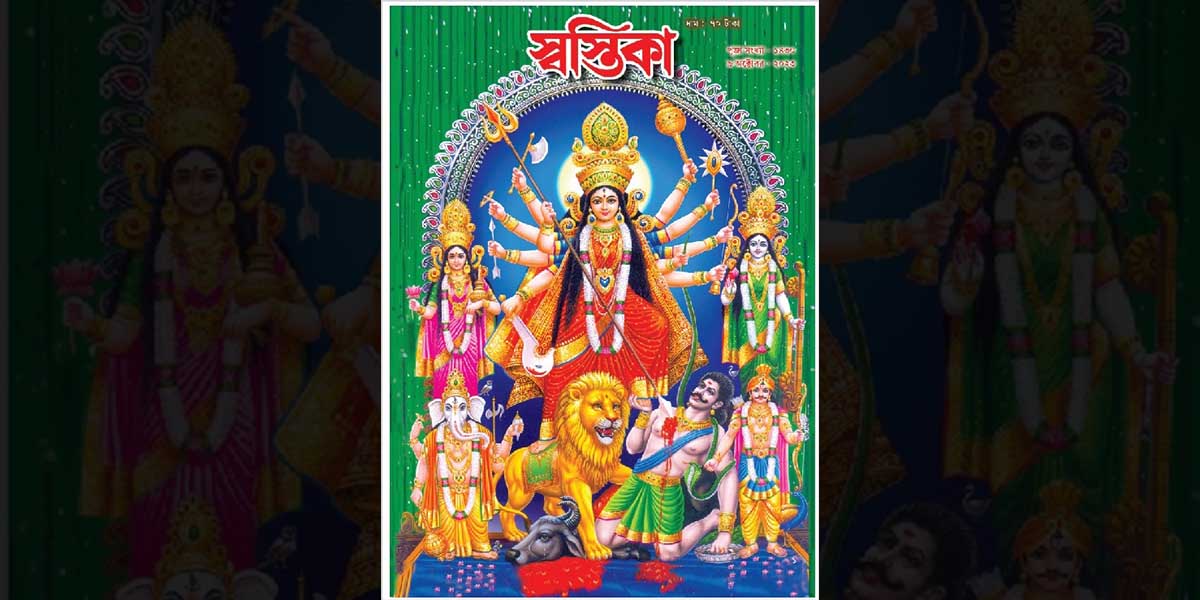
The RSS Bengali weekly Swastika has cautioned the BJP against inducting former Trinamool Congress (TMC) members in West Bengal, alleging that some new entrants are damaging the party’s image. In its October 12 issue, the magazine urged the BJP to remove what it described as “garbage” from its ranks. The warning comes amid allegations of extortion and anti-party activities involving some BJP workers. The magazine alleged that unruly elements from the TMC were joining the BJP and tarnishing its reputation. The article mentions BJP as a party of “bhadraloks” (gentlemen), which has dislodged thieves from office clearly implying TMC. However, there is a concerted effort to break that image of BJP, the article claimed. Cautioning senior BJP leadership against the entry of “rowdies”, Swastika claimed these elements were exploiting the restraint shown by party leaders and workers to undermine the organisation’s standing. Concerns have also been raised over whether chief minister Suvendu Adhikari’s government is taking adequate measures to promote its developmental work, amid Opposition parties allegedly spreading propaganda against it. The magazine had issued a similar warning in August, cautioning that the BJP risked losing voter support if people began viewing it as another version of the TMC. It was then claimed that even if 2% voters feel that the present BJP is a replica of the Trinamool thugs who governed the state for 15 years, 90% voters will shift from BJP. The article urged the BJP to remove the five per cent of “thugs” who had allegedly entered its ranks. The warnings indicate that the RSS is closely monitoring the BJP’s functioning. The organisation played a pivotal role in spreading Hindutva ideology across the state through its shakhas.
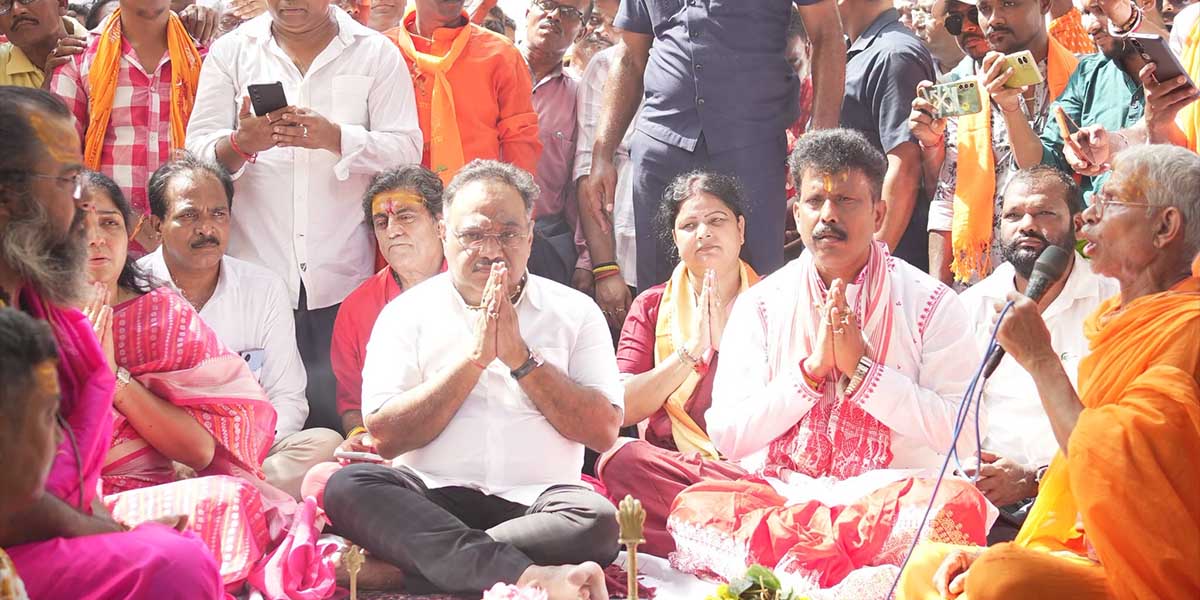
In a major push to consolidate its political footprint across West Bengal, the BJP has set in motion an ambitious infrastructure expansion drive, focusing primarily on its newly carved strongholds in the southern districts. To accommodate its growing cadre base following recent gains in the state Assembly elections, senior leaders launched foundational bhoomi pujan ceremonies across seven organizational districts. The organisational push is strategically aligned with the 2029 Lok Sabha elections, where the party views West Bengal as vital to securing a fourth term for Prime Minister Narendra Modi. Party state president Samik Bhattacharya and Bengal observer Sunil Bansal presided over foundation ceremonies in Howrah Rural and Asansol, respectively. Simultaneously, State General Secretary (Organisation) Amitava Chakraborty led the rituals in Hooghly’s Chinsurah. Similar events were conducted by Union Minister of State Sukanta Majumdar in Barrackpore, Rajya Sabha MP Rahul Sinha in Kolkata North Suburban, State General Secretary Jyotirmoy Singh Mahato in Jhargram, and Vice-President Ramapada Das in Behrampore. Confirming the initiative, Bhattacharya stated that plots acquired years ago are finally being developed after election-related delays. Emphasizing the party’s rapid growth since assuming power in the state, he revealed that all 43 organizational districts would soon feature upgraded premises. Party insiders noted that while district units currently operate out of existing spaces, these have proven inadequate for scaled-up political operations since the BJP’s breakthrough performance in the 2019 parliamentary polls. Each proposed district headquarters will feature a modern five-storey complex complete with state-of-the-art amenities, expansive conference halls, dedicated spaces for affiliate wings, and private quarters for visiting leadership. The infrastructural scaling comes amid heightened political ambitions. Both Chief Minister Suvendu Adhikari and Bhattacharya...
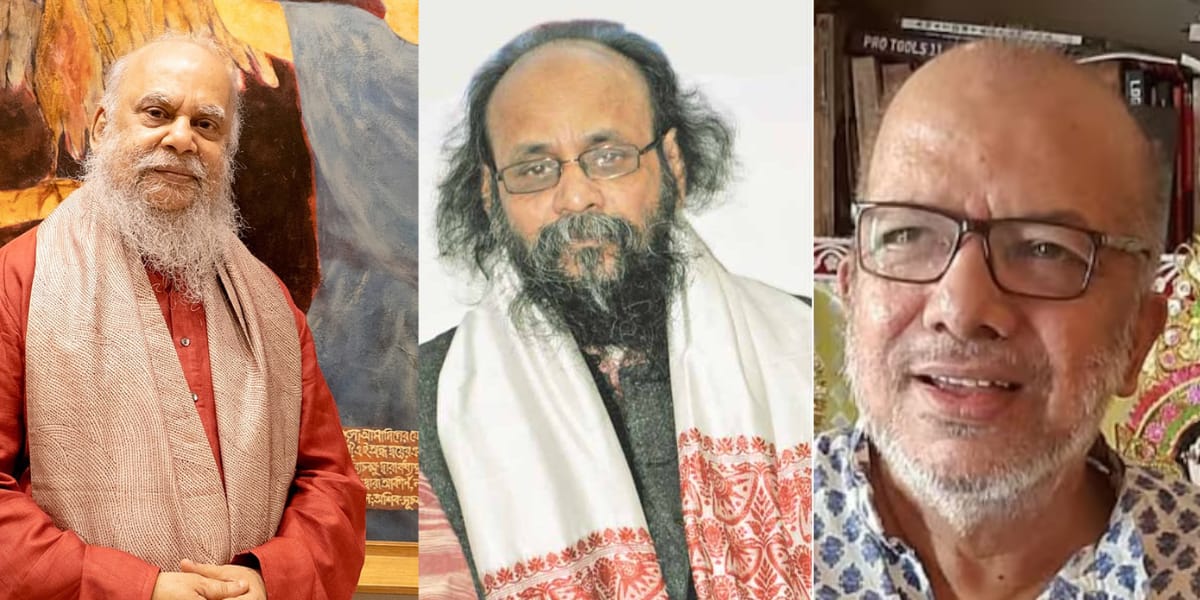
Five months after West Bengal’s political change, silence has descended on several artists, writers and intellectuals who once stood firmly behind Mamata Banerjee. From Kabir Suman and Jogen Chowdhury to Abul Bashar, many familiar faces from her political platforms have largely disappeared from public view. Artist Shuvaprasanna has stayed largely out of the public eye since May. A pivotal figure during the 2006–07 Singur-Nandigram movements, he hosted strategy meets at his Salt Lake residence—attended by Kabir Suman, Joy Goswami, Jogen Chowdhury, Shaoli Mitra and Bibhas Chakraborty. After halting in 2011 upon Trinamool’s rise, these gatherings resumed in 2018 with the BJP’s emergence. Shuvaprasanna taught Mamata painting, coordinated her exhibitions, held railway and Heritage Commission posts, received the Bangabibhushan award, and vigorously defended her 2022 Bangla Akademi award. However, on September 20, he inaugurated an exhibition alongside BJP minister Dilip Ghosh and leader Bishwapriya Roy, a month after BJP minister Agnimitra Paul attended his wife Shipra Bhattacharya’s exhibition. Nationally-acclaimed painter and former Trinamool Rajya Sabha MP Jogen Chowdhury (88) has also receded from public life. Singer Kabir Suman (78), who experienced a volatile relationship with Mamata—once predicting a temple in her honour before distancing himself and considering backing a compassionate Left party—refused direct comment. Yet, an October video showed him thanking local BJP MLA Papiya Adhikari for civic improvements in local infrastructure, water, and power. Author Abul Bashar, who once declared that leaders like Mamata are born only once in a while, deferred his remarks. Meanwhile, poet Joy Goswami—who once lauded Mamata’s humanity but later sparked debate by exiting an RSS-linked event over Taslima Nasrin’s presence—remains the sole voice expressing sorrow over her plight.
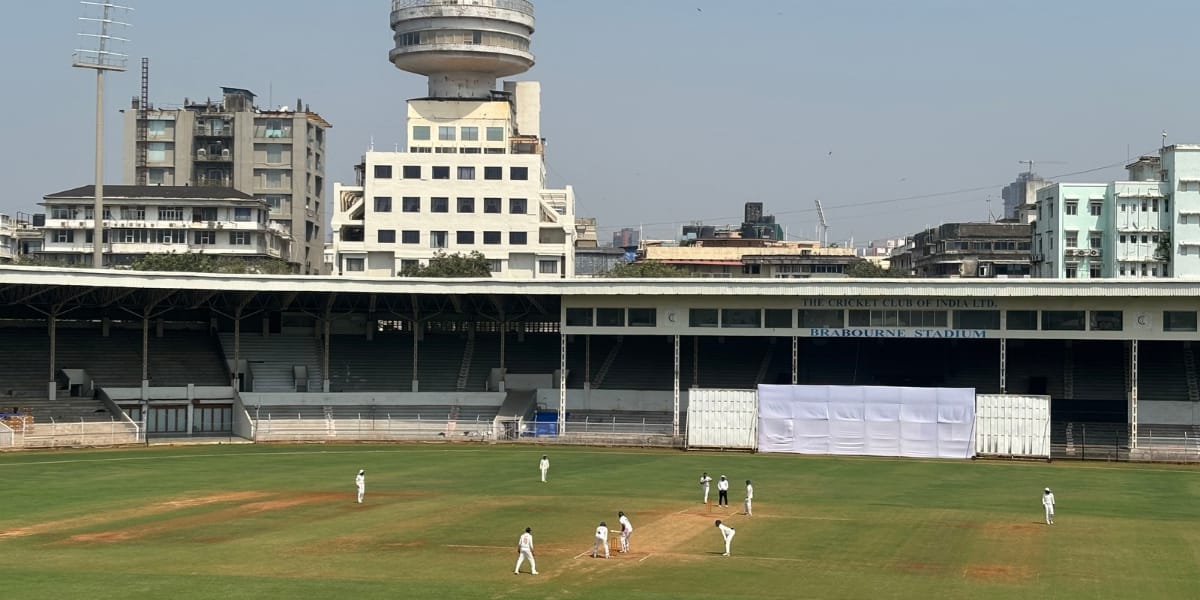
After a gap of 45 months, a Ranji Trophy match returned to the historic Brabourne Stadium. Railways—which has probably given more women cricketers to the national team—has chosen the famous venue on Dinshaw Vachha Road, Churchgate, to play three of its ‘home’ matches of the 2026-2027 Ranji Trophy Elite League at the Cricket Club of India ground, which last played host to the prestigious tournament between Maharashtra and Mumbai in January 2023. The Brabourne has hosted 94 Ranji Trophy matches, and Bombay has won the final at the venue seven times from 1941-42 to 1963-64, defeating Mysore, Baroda, Holkar, Bengal and Rajasthan. The Brabourne was Bombay’s home ground until the early 1970s, when the Bombay (Mumbai) Cricket Association built its own ground at “D” Road, Churchgate, and began playing matches there. The Railways will play two more matches at the Brabourne against the 42-time winner Mumbai in November and Haryana in January 2027. The Karnail Singh Stadium in New Delhi is the home ground of the Railways, which owns many grounds in India, but it opted to give its team the joy and experience of playing the multi-day match at a venue which has played host to 18 Test matches. The Brabourne has hosted IPL and WPL matches, as well as many other BCCI tournaments. It also hosted the 2006 ICC Champions Trophy, which Australia won. The late Rajsingh Dungarpur and the Club’s President for many years believed that the CCI was always meant for cricket and its development, and no one should forget this. Past Australian teams loved to practice at the venue; it was here that the Sachin Tendulkar-led Mumbai team thrashed Shane Warne and Australia in a warm-up game before the 2001 home series. The Brabourne has its own class!
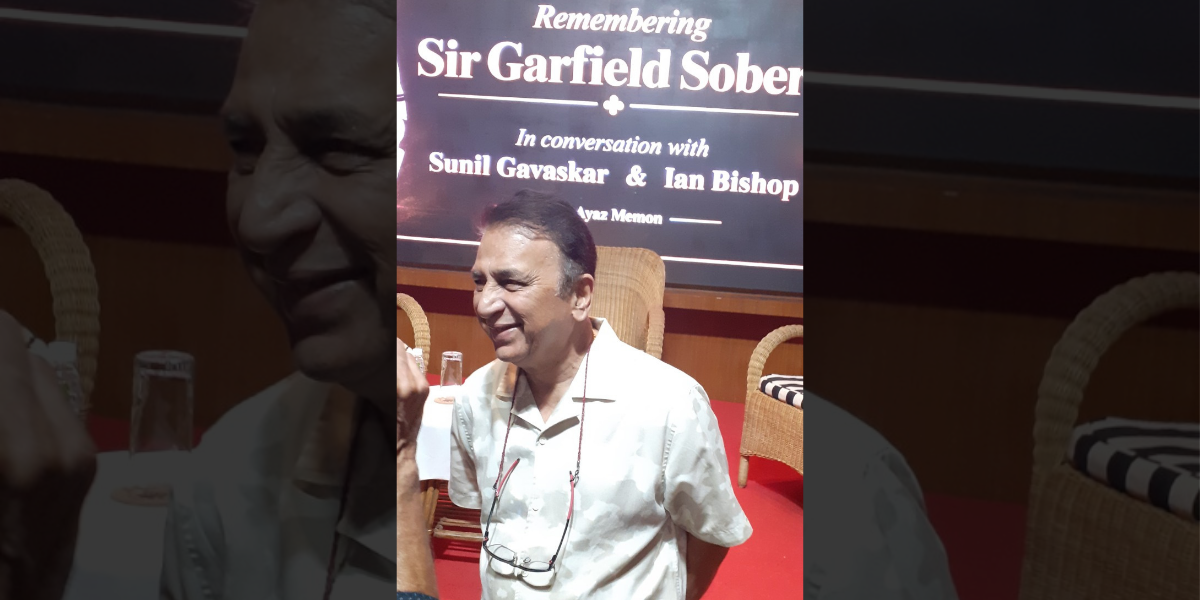
Batting maestro Sunil Gavaskar was somewhat crestfallen that he never got an opportunity to forge a partnership with Garry Sobers in the Australia versus World XI five-match series played in Brisbane, Perth, Melbourne, Sydney and Adelaide in the 1971-72 season. Gavaskar opened the innings with South African Hylton Ackerman, and the first two matches did not create a situation in which he could have made his dream come true. With Sobers slotted at No 6 after Rohan Kanhai, Zaheer Abbas and Clive Lloyd at Brisbane, and at No 7 after Kanhai, Abbas, Lloyd and Tony Greig—opening with Farokh Engineer—Gavaskar’s chances of pairing up with his idol Sobers in the middle probably had 100/1 odds. But it did happen in the first innings of the third match at the MCG Bowl, when Gavaskar was in good nick, and his partners in Ackerman, Abbas and Lloyd all gone. Gavaskar, who rose to fame with a phenomenal 774 runs in four Tests in his debut series in the West Indies in 1971, was cock a hoop with the great West Indian all-rounder coming to bat at No 5! But the Australian fast bowler Dennis Lillee became a killjoy for Gavaskar, sending back Sobers first ball and the Gavaskar-Sobers partnership became a non-starter. But in the second innings, Sobers played the innings of his life, 254, described by Sir Don Bradman as the greatest ever, and Gavaskar was thrilled because the majestic Barbadian was wearing the Indian’s oversized sweater, from the time he called for a sweater when he was in the thick of action in the middle. “Have a look at the sweater Sobers is wearing,” Gavaskar told the audience at the Bombay Gymkhana on Monday (Oct 12) evening at an event around Sir Garfield Sobers. The film was screened, after which Gavaskar and Ian Bishop paid glowing tributes to the legendary West Indian all-rounder.
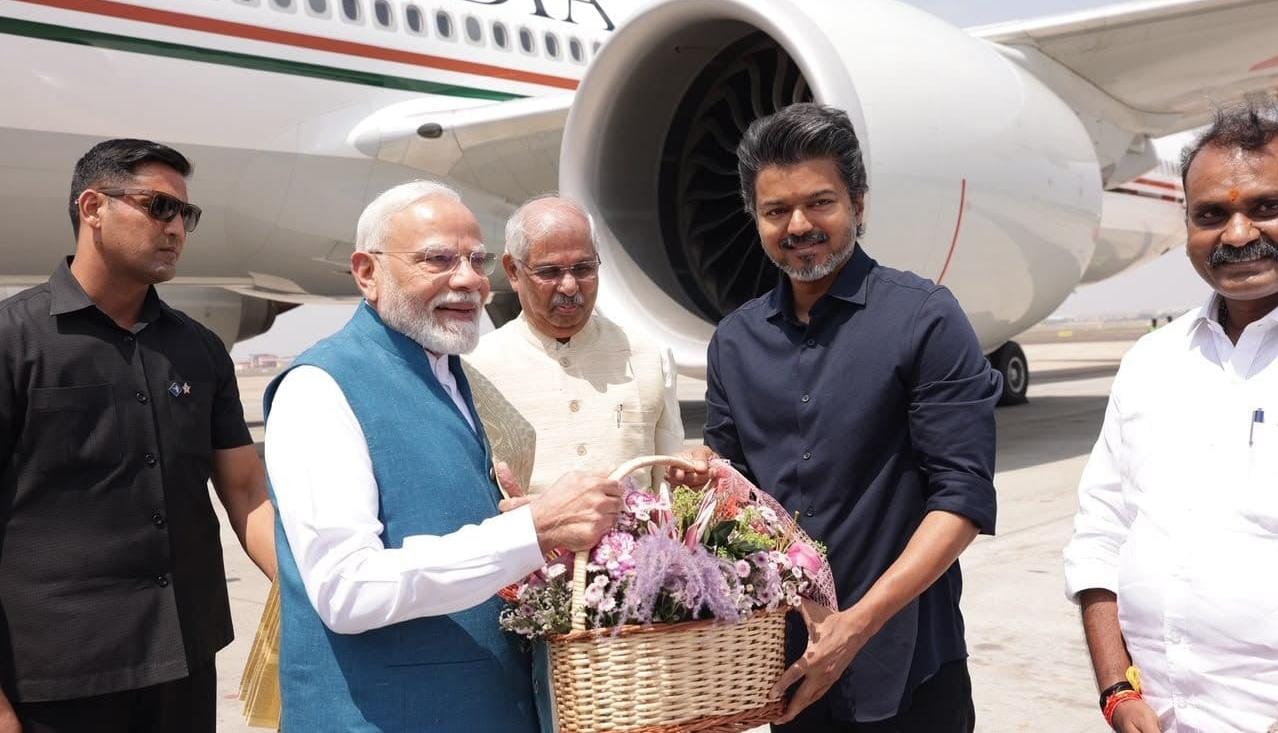
A day after meeting with Congress leader Rahul Gandhi whose MLAs are part of his government, Tamil Nadu chief minister C Joseph Vijay did the most audacious thing – he went to the airport to receive PM Narendra Modi on his first visit to Chennai after TN polls and sort of rolled out the red carpet. He used PM Modi’s visit to the state to sort out all pending issues — early approval for new Metro projects and the unconditional release of Rs 5,100 crore in pending education funds. Speaking at the at the inauguration of a Chennai Metro stretch –15-km Poonamallee Bypass–Vadapalani section — Vijay outlined demands covering urban transport, education funds, and river linking. He urged the Centre to expedite approval for Chennai Metro’s Phase III to improve connectivity across the metropolitan area. He also sought Metro projects for Coimbatore and Madurai to serve western and southern TN, and an interstate link between Hosur in Tamil Nadu and Bommasandra in Karnataka. Vijay thanked PM Modi for the Chennai–Bengaluru and Chennai–Hyderabad high-speed rail corridors announced in the 2026 Union Budget. Vijay also called for linking the Godavari and Kaveri rivers to ensure equitable water availability across states. On his part, PM Modi assured Vijay all possible help. Political analysts contrast Vijay’s tactical handling of pending state issues with Centre and the manner in which he raised it as a superb move. It apparently contrasts with the hostile manner in which then CM M K Stalin had heckled PM Modi publicly in Chennai in 2021. If PM Modi cedes to Vijay’s demands it will certainly be the end of the road for the DMK. That’s why a silly DMK claimed that PM Modi had “merely” flagged projects it had launched when it was in power.
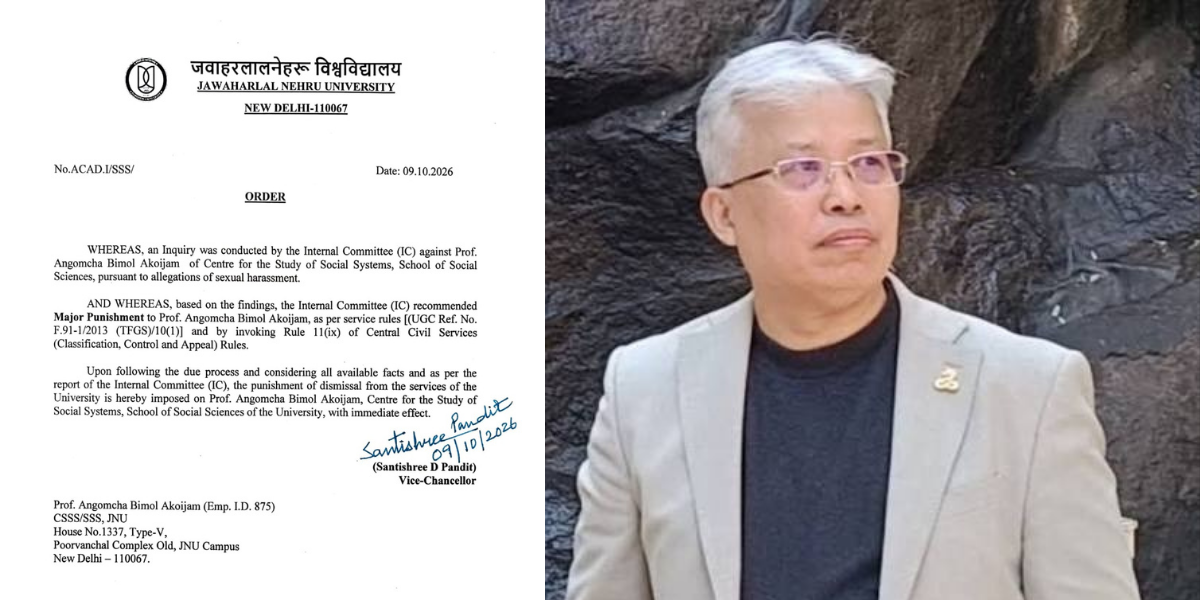
Jawaharlal Nehru University (JNU) has dismissed incumbent Congress MP Angomcha Bimol Akoijam with immediate effect following an inquiry into allegations of sexual harassment. According to a university order dated October 9 and signed by Vice-Chancellor Santishree D Pandit, JNU’s Internal Committee conducted the inquiry and recommended a major punishment. The university said it decided to dismiss Akoijam after following due process and considering the available facts and the committee’s report. The issue had taken a political turn, with BJP’s students wing, the Akhil Bharatiya Vidyarthi Parishad (ABVP) staging a protest at the university last month to demand action over complaints that had been filed by 11 women students. Akoijam had rejected the allegations, accusing what he described as “racist schemers” of trying to damage his reputation through unverified allegations and lies. Akoijam taught at the Centre for the Study of Social Systems in JNU’s School of Social Sciences. He was elected to the Lok Sabha from Manipur’s Inner Manipur constituency in 2024 on a Congress ticket. So far the Congress has not officially reacted to action on him. JNU V-C was heard saying that Akokijam had played truant and was not responding to “some 300 emails sent to him” by the Inquiry Committee. He was reportedly calling the women students home which were objected to by the students. The V-C went on record praising the women students who had the courage to see through their complaints. The complaints took a political hue with BJP’s Mahila Morcha planning to hold protest outside Congress offices across the country
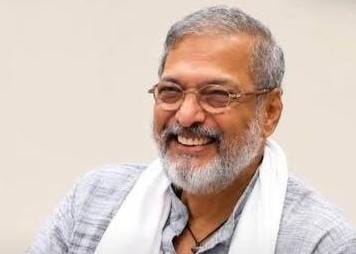
Famous Marathi play ‘Natsamrat’ (Greatest Performer) has earned a niche position in the history of Marathi stage. Written by Dnyanpeeth awardee litterateur Kusumagraj over five decades ago, the play is revered for its plot, dialogues and message. The central character of a stage artiste counting his final days is a challenge for any actor who performs the role. Nana Patekar was one of them. The play was so popular that a Marathi movie based on it earned over Rs 150 crore. Some of the soliloquies of the main character are so long and need so much strength to deliver that they were most tiring for an actor, Nana had disclosed in one speech. He recalled how towering thespians like Dr Shreeram Lagoo, Datta Bhat, Chandrakant Gokhale and Yashwant Dutt who had depicted the unfortunate personality had died of heart attacks. It is ironical that Nana, appearing perfectly fit physically, should fall prey to a suspected heart condition. Several such unknown facets of Nana’s life are coming out through the respects paid to his memory by his co-workers and admirers. It makes one shudder to know that Nana was related to dreaded gangster Manya Surve, whose police encounter had become a sensation in the early 1980’s. Nana’s mother, fearing that he might be influenced by Manya, had sent her son to their Konkan village to avert the possibility. Fortunately, Nana did not choose a wrong path after returning to Mumbai some years later and started acting in experimental stage.
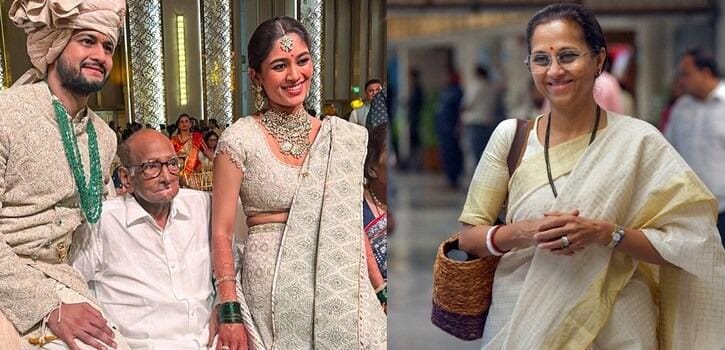
Veteran leader Sharad Pawar’s grandson-in-law has been allotted 1200 acres of land by the Maharashtra government on lease in Ahilyanagar’s district of western Maharashtra. The plot in Haregaon village has been entrusted to Vishwaraj Renewables Pvt Ltd, a Mumbai-based company owned by Sarang Lakhani, son-in-law of Supriya Sule, daughter of the Nationalist Congress Party (NCP) supremo. As soon as the government’s decision came under fire, Supriya Sule maintained that her son-in-law’s business and professional activities were entirely his personal matter. She refused to say anything beyond that. Interestingly, Sarang is the son of BJP MLC Arun Lakhani, an ardent RSS volunteer from Nagpur. Arun is considered close to various bigwigs of the saffron organisation. The land held by the Maharashtra State Farming Corporation has been leased to the Lakhani company for 49 years, according to an order issued on October 5. The allotment comes within two weeks of the government allotting on lease 1500 acres of land to another private firm, Nibe Group, in the same cluster. The state government has also allotted 1500 acres to the Defence Research and Development Organisation (DRDO). Social activist Anjali Damania has questioned the allotment decision, taken without following a tender process. Damania claimed that the government had decided to develop a green energy park on the land through “Maha Urja” but just three months later, the same 1200 acres was allotted directly to a single private company in September. Revenue minister Chandrakant Bawankule has defended the decision, ruling out likelihood of any further fireworks.
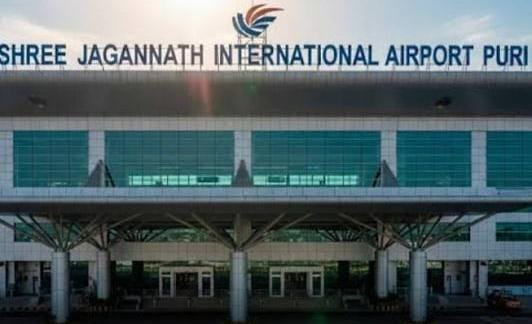
Five years back the Biju Janata Dal government led by Naveen Patnaik had taken the initiative to build the ambitious the Shree Jagannath International Airport in Sipasarubali, Puri — the abode of Lord Jagannath. It has now received the official go ahead. The Airport Authority of India (AAI) has agreed to take up its development as the Ministry of Environment, Forest and Climate Change has already granted the final Environmental and Coastal Regulation Zone clearances. The airport is proposed to be developed over 1,164 acres at an estimated cost of Rs 5,631 crore across three phases via public private partnership model. The airport will have passenger handing capacity of 4.6 million per annum in phase-1. The question doing the round in Odisha is whether the Mohan Charan Majhi government can complete the project before his five-year term comes to an end in mid-June 2029? Very unlikely say sources.
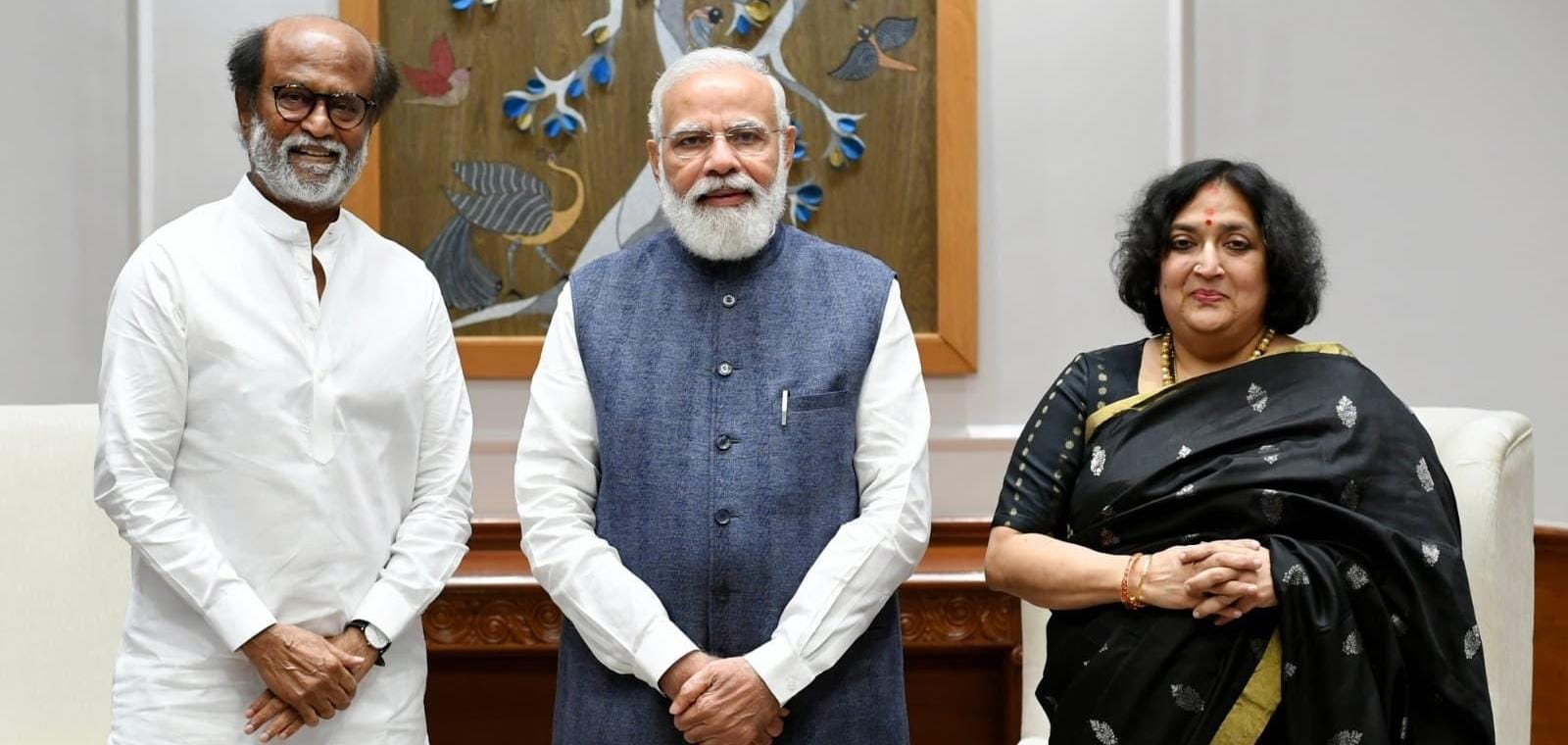
It took the imagination of TVK and its leading film star C Joseph Vijay to smash Dravidian politics in Tamil Nadu. Atleast emergence of Vijay as chief minister has raised a lot of hopes in Tamil Nadu politics. Or else how does one explain the unusual interest Latha Rajinikanth has begun showing to make some headway into politics. Yes, she has been camping in Delhi for the past few days. The buzz is Latha is lobbying to become an MP. If not her, she reportedly wants her superstar husband Rajinikanth to be nominated to the Rajya Sabha as an MP. It is being said Latha wishes for a parliamentary role for Rajinikanth since his contemporary Kamal Haasan is already an Rajya Sabha MP, courtesy DMK. The other buzz is that Dhanush, former son-in-law of the Rajinikanth and Latha, is also trying to register his political party. Latha, it seems, has already met with central ministers including Prahlad Joshi, Rajnath Singh and others. Latha has been wanting to meet with Union Home Minister Amit Shah. What may come in the way of Latha being considered for a Rajya Sabha berth are some ticklish legal issues. Media reports indicate petty municipal dues that could eventually get sorted out.
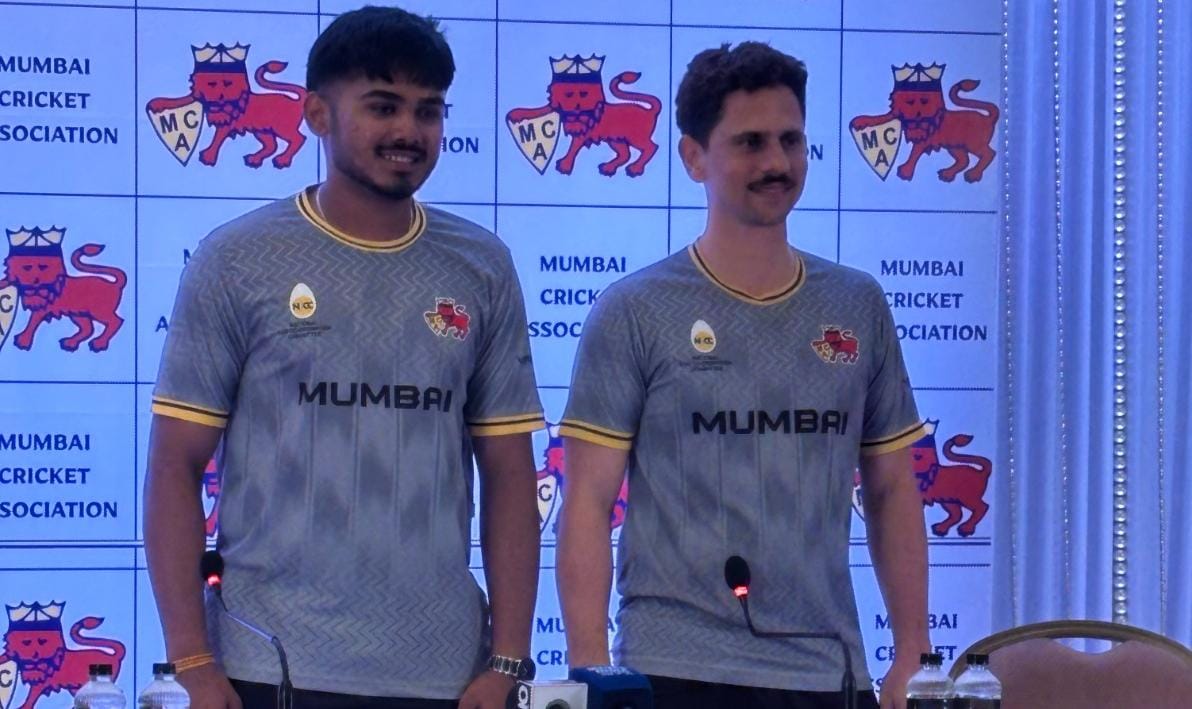
Finally, a Mumbai player and its captain Siddhesh Lad expressed happiness at returning to the Mumbai Cricket Association’s primary venue in South Mumbai — the Wankhede Stadium — to play a Ranji Trophy match. For years, the Mumbai team preferred to play the Ranji Trophy at the suburban venue at the Bandra-Kurla Complex. But the new domestic season, which gets off the ground on Sunday (Oct 11), will see the 42-time champion team take on Chandigarh at the ‘D’ road venue in Churchgate. Runs scored and wickets taken at a Test match venue — regarded by none other than Michael Atherton as a great venue for the game — carry their weight and value. The Wankhede tests first-class cricketers; a good one will prosper. Its red soil base helps the bowlers as well; ask Ravichandran Ashwin! Both the home and visiting teams will enjoy their success twice over. Even the senior national selection committee will reward players who do well at a Test venue. Mumbai players, many of whom are in the upper band of talent, have a chance to grab their opportunity. Lad at 34 has been named captain; he was a budding talent, but he may have missed the big-league bus. When on song, he is a delight to watch. Lad said the team feels good to be back at the Wankhede, and as a youngster, it was a dream to play there. “We are all looking forward to playing at the Big-W”, Lad said. The shift from BKC to Wankhede will motivate the players who wear the Lion crest with pride. For the Chandigarh team, the four-day match will be memorable, but Lad and his team will hope for a strong start.
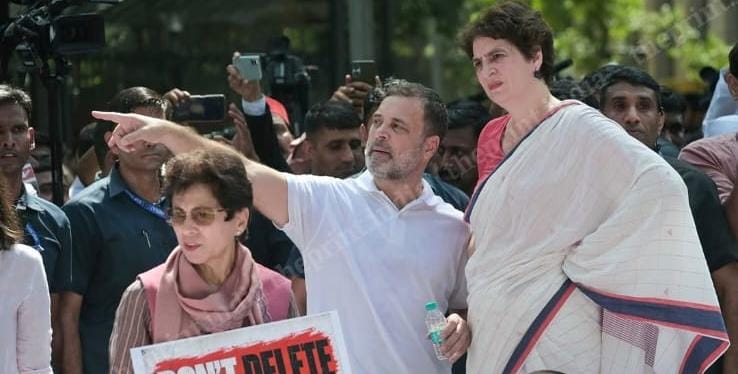
It is now becoming increasingly clear Congress leaders — Rahul Gandhi and Priyanka Gandhi Vadra — stole the show at the INDIA bloc march to the Election Commission’s office in Delhi on October 6 with the sit-in at Akashvani Bhavan. They were simply not bothered about coordinating with other Opposition parties nor were they worried about Opposition unity. They seemed more worried to better the CJP record of protest — which incidentally is going to be held on October 10. Surely, the media focus on Gandhi siblings’ antics on the streets in the past two days so upset Congress’s allies that many leaders felt the mega protest eventually became a Gandhi siblings’ show. Many leaders questioned the Gandhis’ move for a sit-in at Akashvani Bhavan while other Opposition leaders were being detained. Apparently, the sit-in protest was not part of the plan. While Rahul’s aides tried to explain about the Gandhis sit-in protest at Akashvani as a move to get appointment with the CEC, many Opposition leaders found Rahul Gandhi’s insistence on meeting the CEC as very odd. Did the Gandhis take 200 Opposition MPs who had gathered at Parliament’s Makar Dwar on October 6 for granted? So it was not just the DMK that skipped the Opposition event. Even Samajwadi Party not only chose to keep away from the Gandhi show but also skipped the Cong lunch invite at Sagar Ratna. Explaining the many who missed the lunch event, Congress leader Jairam Ramesh in post on X insisted that all INDIA janbandhan parties had been invited for the lunch. However, since the decision for the lunch had been taken late last night and communicated. It was therefore natural that some parties could not be represented.” At the same time, he protested about the Gandhis being arrested once again. Meanwhile there was outrage on X about Rahul Gandhi spotted manhandling a Delhi woman police official.
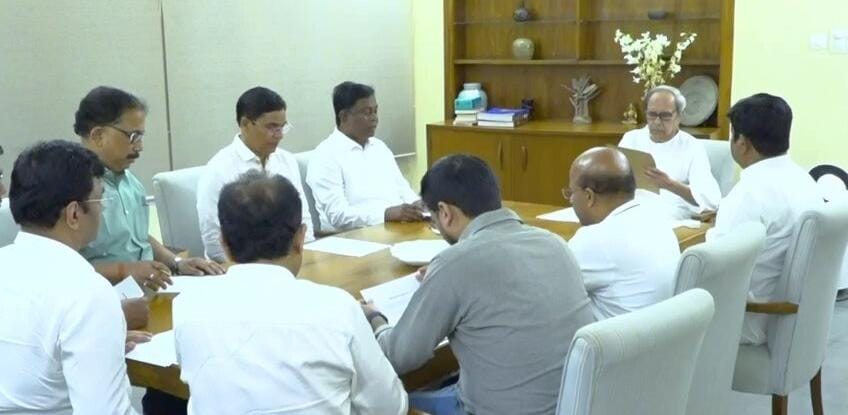
It seems Biju Janata Dal (BJD) President and leader of Odisha opposition Naveen Patnaik is now shifting from his quiet demeanour to an active communication offensive. He and his party members are now getting ready for an all-out media war against Mohan Charan Majhi’s government by having a highly coordinated media and public outreach strategy. The idea is to expose, highlight the state government’s failures, lapses and mis-governance to the people at large. As part of this plan, Naveen Patnaik has already reorganised BJD’s media cell. This means restructuring the party’s communication road map covering digital, print, and electronic media. Objective is to divert growing public discontent of BJP’s administrative failure into a structured, state-wide campaign against Majhi’s government. Political analysts decoding Patnaik’s new strategy say that Naveen babu has realised that his earlier defeat was due to BJD’s weak social media narrative. And the current media strategy is an antidote to the earlier gap. The job ahead for BJD media team is cut out because it’s taking the role of self- managed PR strategy which has its distinct strategic benefits but also challenges with regard to core execution requirements.

Not just in India, particularly South Indian homes but in the U.S. too mornings are ushered in by that magical voice waking up Lord Rama…“Kausalya Supraja Rama Poorva Sandhya Pravarthathe.” The evenings resonate in temples and homes with the legendary Carnatic vocalist M S Subbulakshmi’s sublime recitation of the Vishnu Sahasranamam. Is it then surprising that a production team launched a biopic on her titled M.S. – A Legacy On Screen? The decision to cast Rashmika Mandanna in the title role did not create waves of talk, surprise and surmise. Whoever played that role was bound to draw audience, magnetically, going beyond a heroine to remember Bharat Ratna recipient M S Subbulakshmi and her beauty. MS would come on stage in her custom woven Kanchipuram silk, diamond studded nose and earrings…glinting, glittering and gleaming in the arc lights. When Kamal Haasan sounded the first clap for the official launch of the biopic at Chennai’s music academy, Rashmika Mandanna must have felt goosebumps and trepidation. Can I play this legendary artist? Director Gowtam Tinnanuri must have calculated the gains and risks …knowing fully well that Rashmika or anyone else with the right makeup, jewellery and stunning saris would carry the biopic on her shoulders. Vidya Balan too had been “look tested” earlier. Though Vidya looked stunning, the casting coup did not happen. Rashmika has announced that after the biopic hits the cinemas, she would take a five-year break…to stay home and enjoy family life to the fullest. She would start her second innings after that hiatus ….Rashmika is wise beyond her age …after playing MS, even if she retired she could still cherish the role of her life. Legends come rarely.
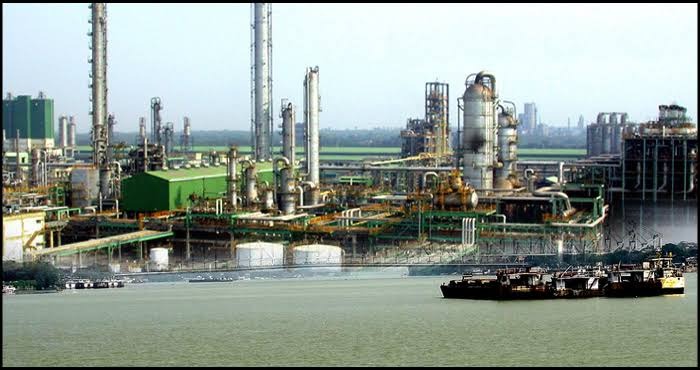
It is learnt that the Modi government which is formulating a new industrial policy is exploring the use of land belonging to PSUs and factories closed for ages for creating space for new industries. The industries department is already inspecting the defunct Hindustan Cables and Hindustan Fertiliser units in the Asansol-Durgapur industrial belt. The government is also consulting the Bengal Chamber of Commerce and Industry (BCCI) and other industry bodies to identify closed industrial units whose land could be reused. According to secretariat sources, the industries department has prepared a preliminary list based on a BCCI report. The list shows at least five closed PSUs in Asansol-Durgapur together hold around 2,095 acres, including water bodies. Hindustan Cables and Hindustan Fertiliser account for nearly 1,488 acres, though parts of some properties are reportedly encroached upon. Other units identified include Cycle Corporation of India, Sen-Raleigh Cycle Company, Mining and Allied Machinery Corporation (MAMC), Bharat Ophthalmic Glass Ltd, Hindustan Pilkington Glass Factory and Kesoram Industries’ Refractories Division. MAMC has 193.67 acres, including 153.4 acres unused, while Cycle Corporation has around 239.1 acres, of which 178.42 acres is unused and 16.81 acres comprises water bodies. Six closed National Jute Mill Corporation together have nearly 400 acres along the Ganga. Moreover, sources said no legal complications have been found so far, while the Centre plans phased auctions. Industry bodies have also identified about 975 acres at Burn Standard’s Howrah and Raniganj units and 70 acres at Jessop in Dum Dum. The Centre and NCLT are moving to sell these properties to promoters. Other properties include 69 acres of NISCO land at Belur and 250 acres of Dunlop land at Sahaganj.
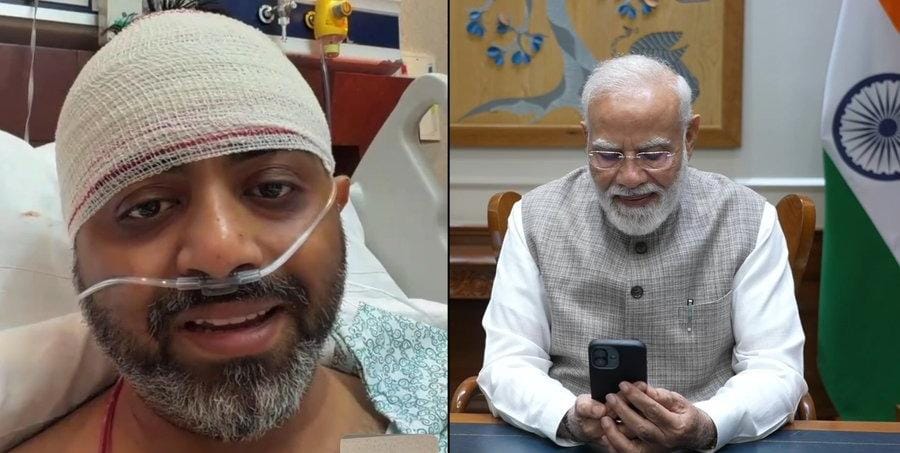
In a heart-warming move, PM Modi had a emotional chat with Captain Smit Machchhar, who survived a savage axe attack inflicted on him by an Omani co-pilot on the ill-fated Flydubai flight on September 30. Incidentally the Modi-Machchhar chat on Oct 2 managed to puncture the opposition protests on the CEC. As the emotional conversation dominated news headlines, slogans at Jantar Mantar became a faint echo. Incidentally, on the day Modi connected with Capt Smit, UAE Presidential Advisor Anwar Gargash described the attempted hijacking of Flydubai flight to Tel Aviv as a “terrorist act”. Gargash also praised Indian Captain Smit Machchhar as a “true hero” for helping avert a potential disaster. Abu Dhabi publicly condemning an attack targeting a flight to Israel was seen as a bid to strengthen Israel-UAE ties. PM Modi praised the captain’s bravery in saving numerous lives. During the video call, Machchhar, who is currently recovering at a hospital in the UAE, shared his personal experience and explained that chanting ‘Hanuman Chalisa’ gave him courage during the incident. “I was fighting for my life. I realised at that time that if I don’t show courage, then 170 passengers will lose their lives.” PM Modi had spoken to Capt’s wife and parents, a day earlier and assured them full support from Indian missions. As the pilot apologised to PM Modi for breaking down mid-call, he said that he never imagined that he would get the opportunity to speak to the PM. Modi and the pilot exchanged a few words in Gujarati. It is perhaps this Gujarat connection that must have made the Congress and Rahul Gandhi go silent on not celebrating a hero toasted by the nation! UAE is also probing if the Omani hijacker had Pak links.
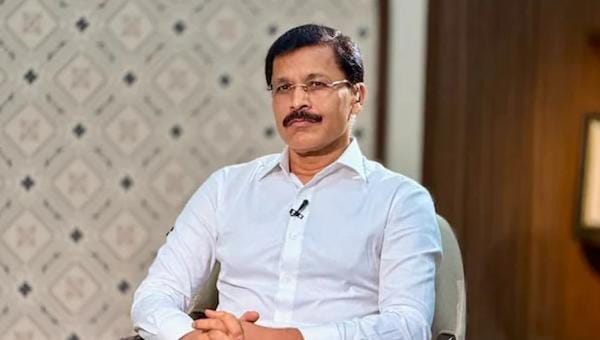
Maharashtra FDA Commissioner Tukaram Mundhe’s squads have seized of tonnes of unsafe and adulterated food items across the state, valued at over Rs 67 crore. Since taking over in May 2026, Mundhe has shaken up India’s food sector and is firmly supported by chief minister Devendra Fadnavis. The judiciary, too, has stood by him except for ordering nesa few corrections. The most drastic action by him was a Thane raid in which the FDA impounded 28,955 kg (nearly 29 tonnes) of raw ingredients and solid foods such as chips, farsan, chivda, flours and wafers as well as stocks of palm oil. In a three-day drive from September 28–30, the FDA suspended 31 licenses and impounded over 3900 kg of substandard sweets, cheese, paneer and oils, including 617 litres of milk. So far, the FDA has conducted over 12,000 inspections, issued over 5200 improvement notices, suspended 603 licenses and recorded 875 arrests. Outlets of some major global fast food chains have faced temporary closures or license suspensions due to pest infestations and poor sanitation. The campaign has hit quick-commerce dark stores, too, and subjected them to temporary shut downs due to hygiene breaches. It has not spared some government canteens also. Mundhe became famous following the implementation of a statewide ban on analogue paneer. The other major action was to ban the common occurrence of street vendors wrapping hot food like vada paav in newspapers due to ink toxicity. A frequently transferred officer, Mundhe’s continuation as FDA chief has become a matter of discussion.
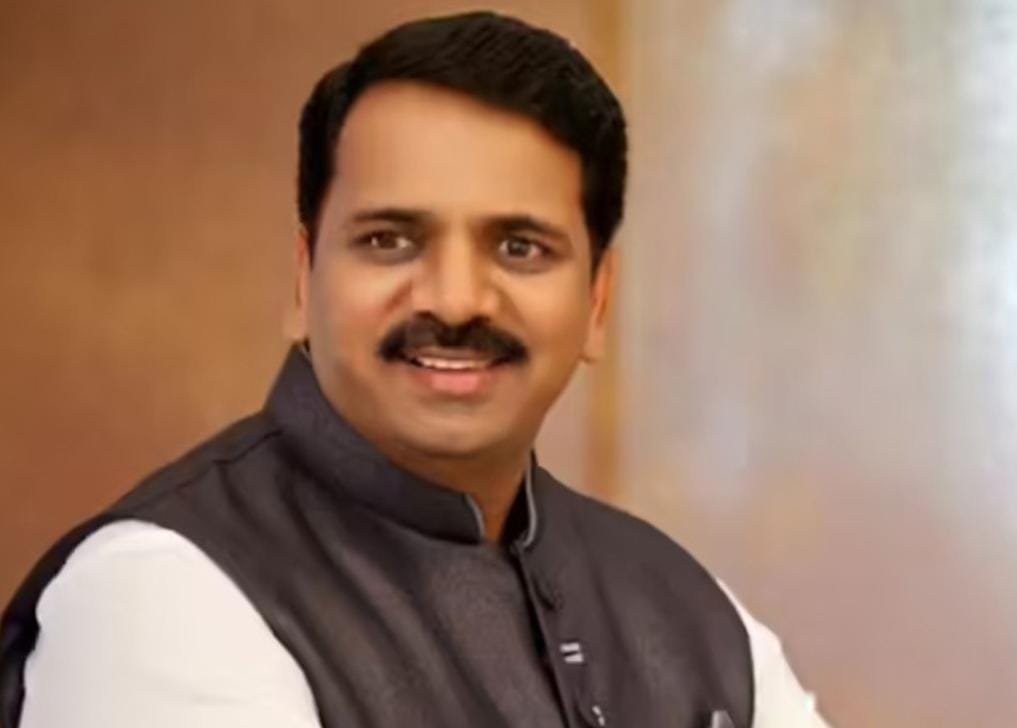
BJP MLA Narendra Mehta has sparked off one more controversy, only to perform another volte face within hours following a huge backlash from almost all quarters. As soon as Mehta described the religious and cultural identity of Mira-Bhayandar, which is on the outskirts of Mumbai, as a “Jain city” and “Mini Rajasthan,” verbal attacks against the claim began. He immediately apologised but the embers of the offensive statement are still felt. In support of his claim, Mehta maintained that the township has more than 33 Jain temples, has nine Jain corporators and the mayor, too, is a Jain. It was just a few days ago that an advisory was issued by Seven Square Academy in Mira Road, a school founded by Mehta, asking students not to bring onion, garlic, potato, beetroot and other leafy vegetables or non-vegetarian food during the Jain Paryushan period. The suggestion was withdrawn following all-out opposition. Mira-Bhayandar is a BJP stronghold for a long time and Mehta is its face. His political enmity with the Shiv Sena (Shinde) is well known and he does not shy expressing it publicly time and again. Realising that his latest claim can become a huge headache for the BJP, Mehta has withdrawn it and emphasised that the city belongs to the Agri-Koli community, the original residents for centuries. He also has lauded Maharashtra and Marathi community, saying, “I am fully aware that Marathi people have elected me as their MLA. I apologise for my statement.” But the after effects of his audacious utterance will be felt for some time, at least.
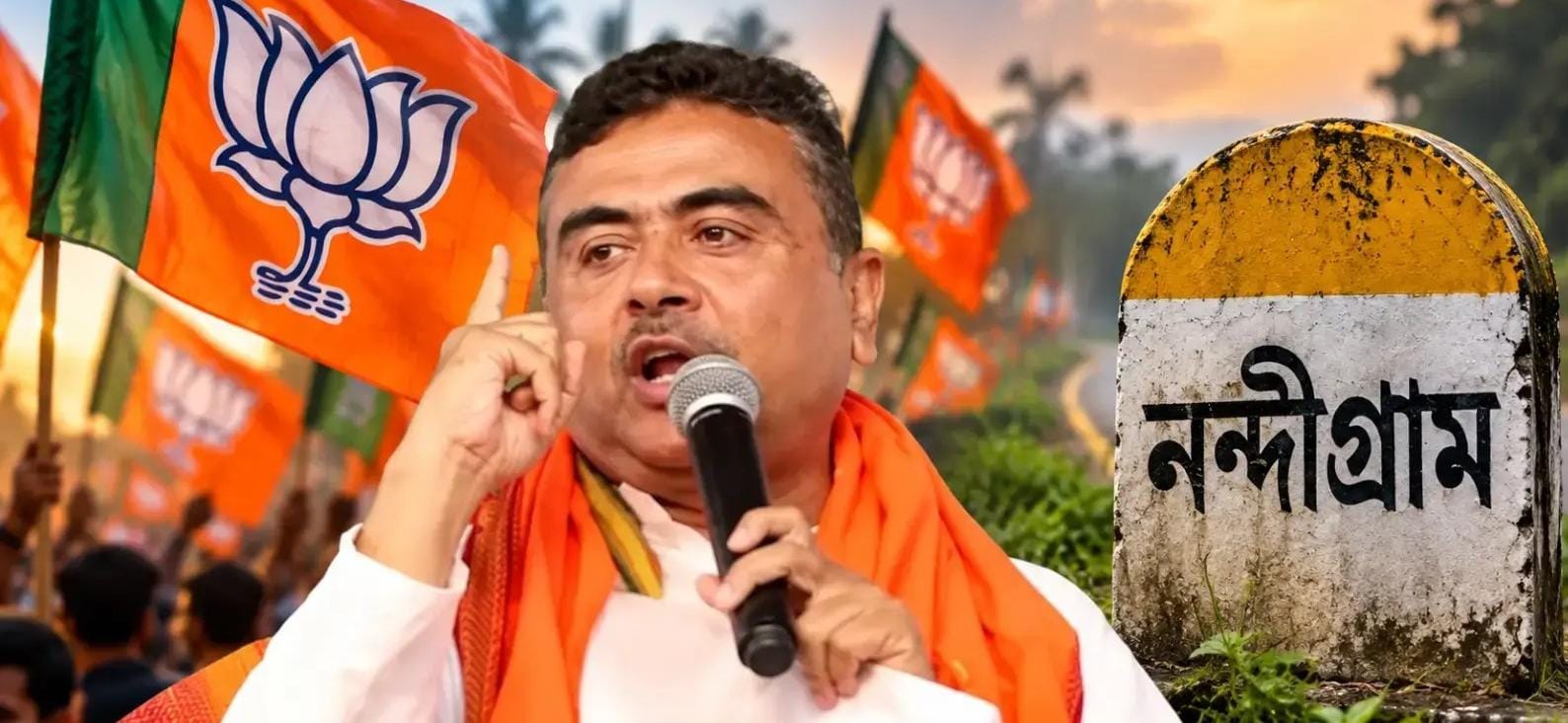
Nandigram is set for its first electoral test since the BJP formed the government in West Bengal earlier this year; the October 6 bypoll carries wider political stakes. It will test the Congress-TMC tactical understanding, put West Bengal chief minister Suvendu Adhikari’s former seat back in focus and offer an early indication of how Bengal’s new political equation is taking shape. Adhikari won Nandigram in the 2026 Assembly election but vacated the seat after also winning Bhabanipur; he had defeated Mamata Banerjee from Nandigram in 2021. The Congress-TMC equation is an unusual one: the two parties are cooperating in Nandigram, but remain electoral rivals in Rejinagar. Banerjee’s faction withdrew its candidate in Nandigram and backed Congress nominee Milan Pradhan. The move followed a meeting between the TMC candidate and Adhikari, after which Banerjee announced her support for Pradhan. Pradhan was subsequently arrested in cases linked to the 2007 Nandigram land agitation and later secured interim bail. That contrast — tactical support in one seat and a direct contest in another — makes Nandigram a closely watched test of whether the two parties can convert limited cooperation into electoral support on the ground. A senior Congress leader said the Nandigram contest would test not just one seat but the extent of coordination among anti-BJP votes. A senior TMC leader said the support for the Congress candidate was aimed at stopping the BJP and should not be equated with the two parties’ separate contest in Rejinagar. The Special Intensive Revision of electoral rolls has emerged as another major issue, with more than 6,000 appeals reportedly pending in Nandigram ahead of polling which will be held on October 6 and counting is scheduled for October 9.
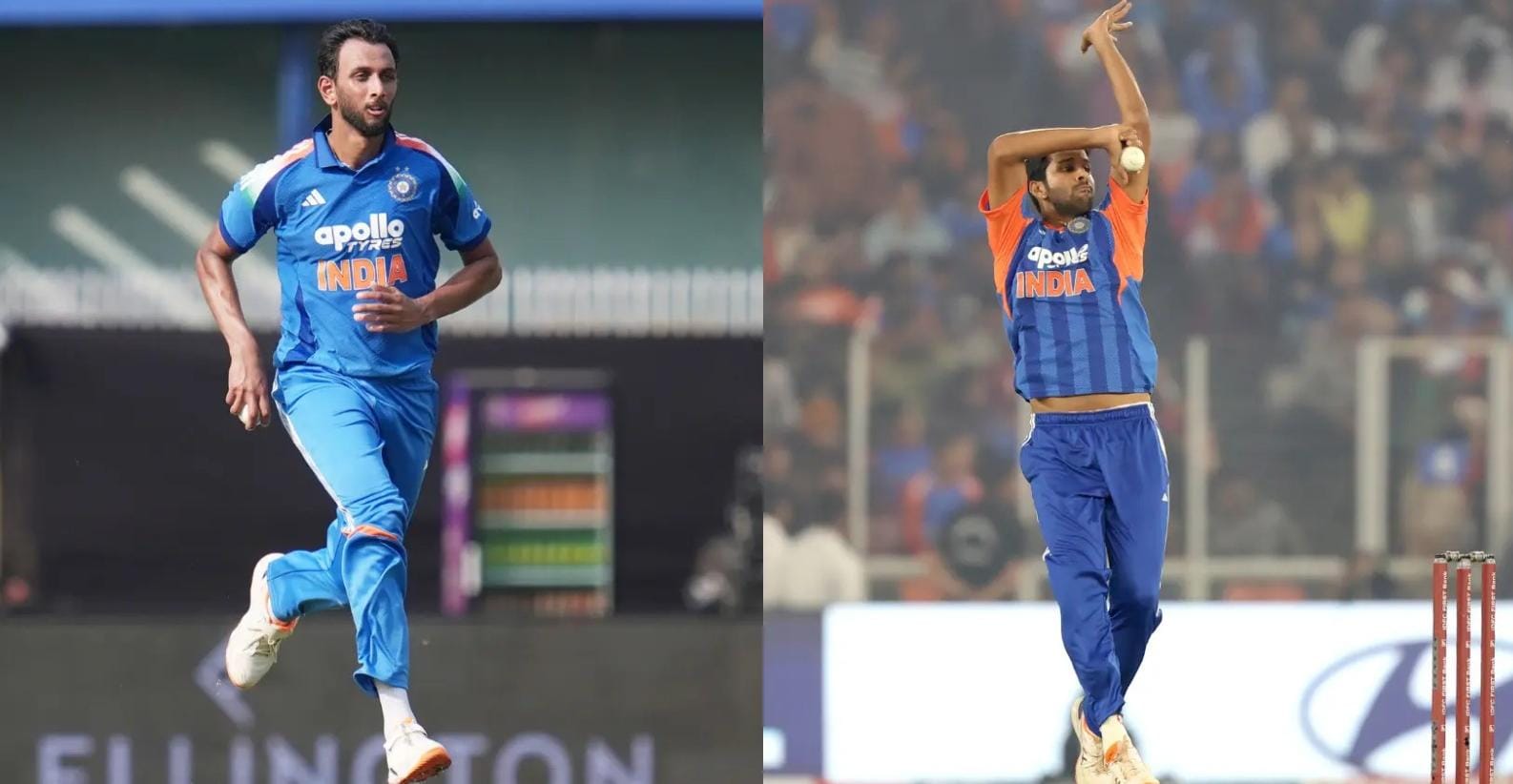
Punching bags, that’s the moniker the fast bowlers and spinners have become in the ongoing One-day series against the West Indies. What transpired in God’s own country in Thiruvananthapuram (Keralam) and around the Brahmaputra (Guwahati, Assam) was nothing short of carnage: the bowlers were put through the shredder. All because of a featherbed of a surface and a team that took the bowlers out of the equation straightaway. Only four Men in Blue batters have stepped out of the dugout; skipper Shubman Gill has piled up 333 in two knocks with a double (223*) at Guwahati, Virat Kohli 168, with an unbeaten 139 near Kovalam and Rohit Sharma 133 with a 101 in the second match. The fourth batter was Ruturaj Gaekwad, who too has an average of 78.57. The authorities cared a fig for the bowlers who were taken apart for 678 runs off 514 balls by the Indian batters. The home team has so far hammered 66x4s and 38x6s. The Men in Maroon have scored 663 off 603 balls with 4x100s. The second ODI was indeed not a good advertisement for the sport; it would be interesting to know how the ICC rates the surface at Guwahati. No wonder India’s head coach Gautam Gambhir described the match as “This is not cricket, this is only batting. If I have to be absolutely honest, I feel there has to be a bit more contest between bat and ball.” The third and final match will be played at New Chandigarh on Saturday (Oct 3). The pitch is unlikely to be any different. So far it’s been a graveyard! India has won the series, its aim will be to lift the numbers to 3-0.
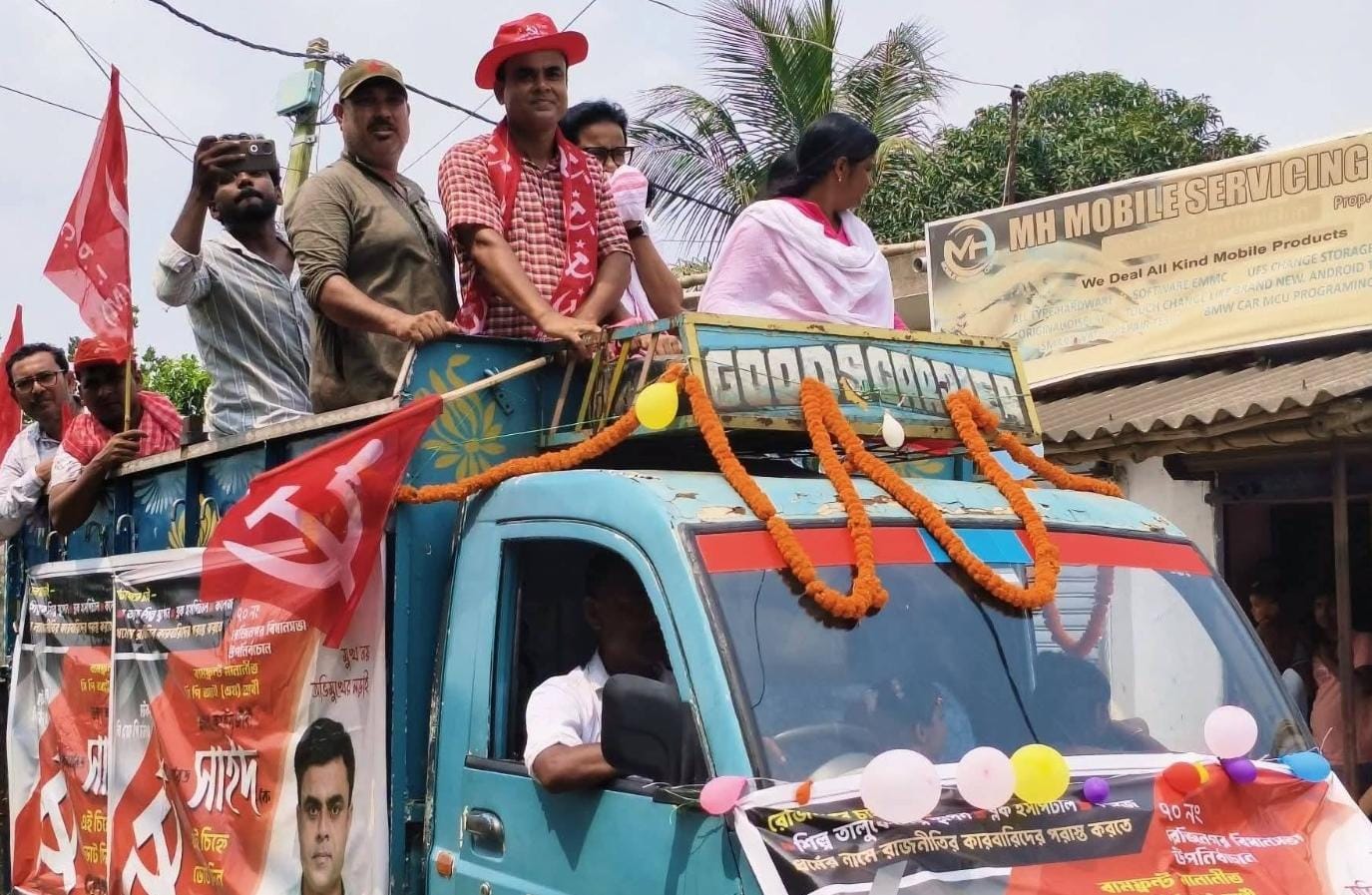
The Bengal CPM’s attempt to put younger leaders in the political spotlight appears to have run into a deeper organisational problem. According to the party’s latest Party Letter No 1, members below 30 constitute just 4.55% of its total membership — a figure the document itself describes as “quite concerning”. The admission, on page three of the document, comes against the backdrop of a sustained effort by the party in recent years to project younger faces in elections as well as organisational positions. Leaders such as Meenakshi Mukherjee, Shatarup Ghosh, Dipita Dhar, Kaltan Dasgupta and Sayan Banerjee have been given greater political visibility over the past five-six years. Mukherjee’s rise has been particularly notable, with her induction into the CPM central committee. The party has also brought in age norms at different levels of its committees, ostensibly to make room for a younger generation. Yet the membership figures suggest that the changes at the leadership level have not translated into a significant shift in the composition of the organisation as a whole. The Party Letter also points to another difficulty: the party continues to struggle to attract members from SC/ST, and minority communities. A state secretariat member attributed the present imbalance to organisational decisions taken two decades or more ago, when, the leader said, the party failed to bring in a number of promising young people because of selective recruitment practices. Over time, that gap widened and became embedded in the organisation. The contrast is particularly significant at a time when a large section of the electorate belongs to Gen Z. For the Bengal CPM, therefore, the challenge is not simply to find younger faces for elections or committees, but to rebuild a wider organisational base that can sustain that transition.
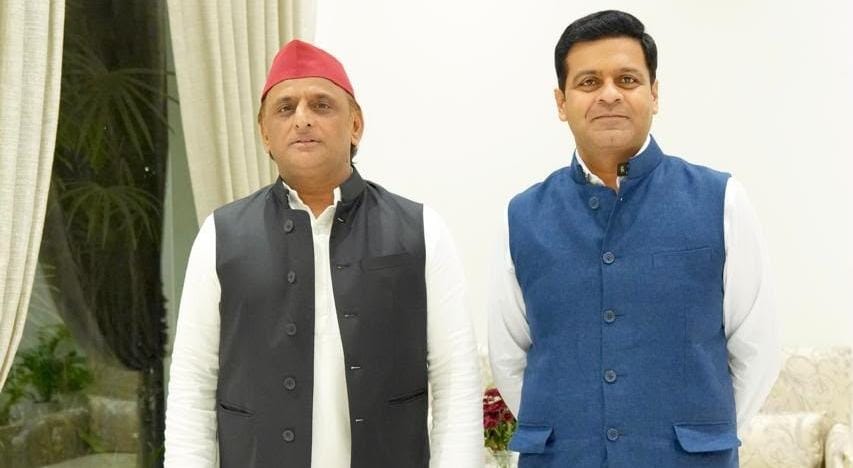
In an interesting move ahead of Uttar Pradesh assembly elections early next year, Samajwadi Party chief Akhilesh Yadav was found nominating Dhanraj Nathwani, son of a close Reliance aide Parimal Nathwani to Rajya Sabha from Uttar Pradesh. It is being said Dhanraj and Anant Ambani are very close buddies. Apparently, Delhi dispensation also gave its quiet nod. Congress leader Rahul Gandhi was however kept out of the loop. It is also being said Dimple Yadav and Nita Ambani apparently settled the Rajya Sabha matter in London. Picking a Nathwani for Rajya Sabha was deemed to be useful for the Samajwadi Party which was looking to pad up in an election year. The buzz is Dhanraj Nathwani is said to be close to Union Home Minister Amit Shah’s son Jay. With his entry into the RS, Dhanraj will be teaming up with his father Parimal who got elected to the RS from Jharkhand as an independent candidate backed by the NDA and the JMM in June 2026. Parimal Nathwani had defeated Congress candidate Pranav Jha much to the consternation of the Congress. Dhanraj’s entry into the Rajya Sabha means the father-son duo will remain on the opposite side of political divide. As for Akhilesh Yadav, his high sounding PDA formula for reaching out to Muslim-Yadav-Dalit vote bank will certainly go for a toss.
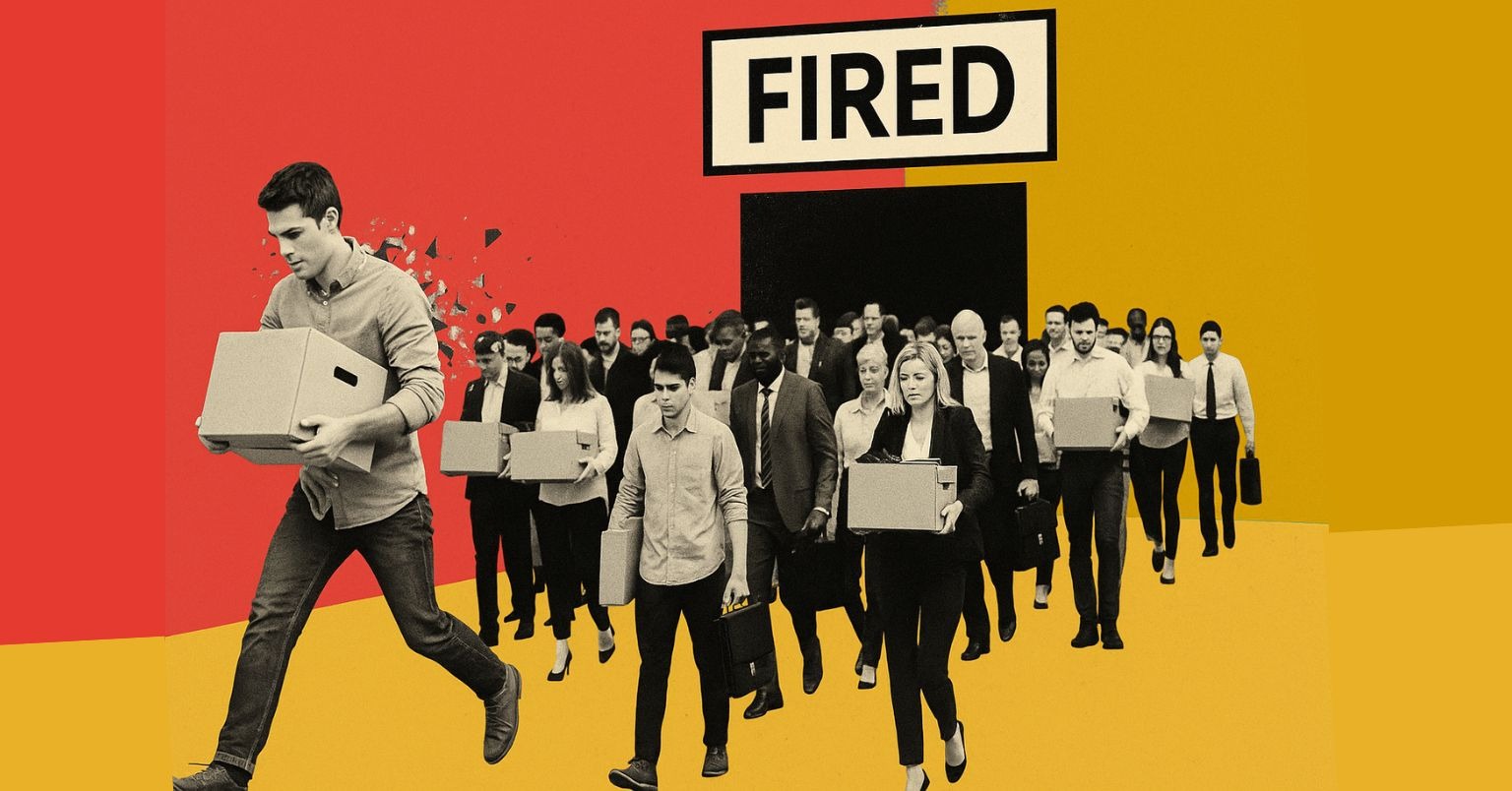
When this techie returned to his desk after lunch, he felt a sudden punch to the solar plexus: the dreaded pink slip was waiting for him. Welcome to the AI world. Here are you pink-slip proof? No, say a majority working 24X7. Career cushioning, a side hustle and pink slip insurance are not just mandatory but a survival skill in this age of overwhelming AI. Every survey rings the death knell to job permanencies. Devotion to your company and the bosses who mentored you? You must be joking! The sweeping storm of AI has churned up the job market…it’s a tech revolution that shakes and stirs every norm that we held sacred. A long list of surveys only confirms what is feared. Deloitte’s survey is ominous. It says 63 % of Gen Z and 65% of millennials fear generative AI may wipe out jobs. At the same time, they are convinced that acquiring generative AI skills are de rigueur to go up the tech ladder. Then there are the wise owls who adopt a new scheme to pink slip proof their jobs. So what options are there for a side hustle? One, consultancy or advisory research data hustles. Two, start an online business of boutique style snacks, services and on call HR or temps. Three, mine data for multiple domains, especially medical fields heavily dependent on past validated research for writing grants …funding for grants makes you an entrepreneur. Four, start local or neighbourhood clubs, golf, book discussion, parenting, coaching for exams. Five, generate surveys for any domain, boost business plans providing statistics. Astrology platforms attract big money …one has turned Unicorn! Who is overwhelmed by AI? Not the savvy career cushioned, side hustlers who are smart to pink slip proof their futures. Are you ready?
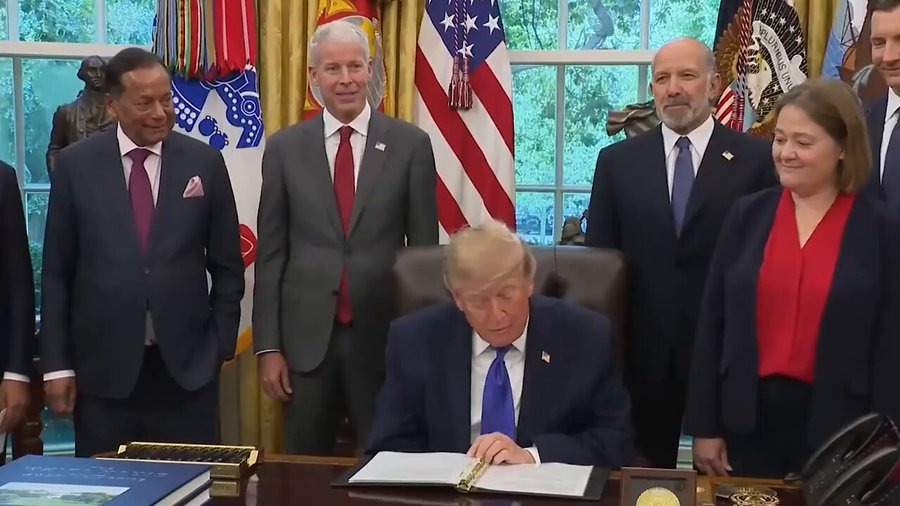
The Ruias-controlled Essar Group after exiting most of its steel assets years ago to clear debts is now more confident and assertive today than ever before. In fact, Essar is now firing on all cylinders for big ticket investment plans spread across the U.S., Saudi Arabia, India and others. Recently, the conglomerate captured major international headlines when the U.S. President Donald Trump announced that Essar-backed Mesabi Metallics will invest $18 billion to build America’s largest integrated steel plant complex in Iowa, America — producing 10 MTPA of steel annually using iron ore from Essar mines in Minnesota, USA. Similarly, in Saudi Arabia also, Essar is said to be gearing up to set up 4 MTPA green steel plant in Ras Al-Khair to capture the Middle Eastern industrial boom. And in India, Essar is executing a Rs 12,000 crore project to build a 14 million tonne iron ore pellet complex in Keonjhar in Odisha and a slurry pipeline to Paradip port. Essar’s aspiration does not end here, it is now going back to its roots Gujarat. Sources say Essar is also exploring an investment of $ 5 billion in the next few years to set up a 8-million tonne steel manufacturing plant in Gujarat. It may be mentioned Essar Steel was among the first list of the largest 12 stressed accounts that the RBI had drawn up in June 2017. The company was acquired by ArcelorMittal in 2019 under the NCLT and a final Supreme Court ruling.

There is something almost absurd about India’s latest coal crisis: the problem isn’t a supply shortage. Domestic production and imports are both up, and coal is piling up at the pitheads. What is missing is last-mile connectivity—specifically, the railway rakes needed to carry it to power stations. By September 9, as many as 59 thermal power plants across India were operating with critically low coal stocks, some holding barely three days of generation fuel. Maharashtra is right at the centre of this logistics crunch. Plants at Butibori and GMR Warora were down to a single day’s supply, while Dahanu, Amravati, Dhariwal, and Adani Tiroda held roughly three days’ stock, with Khaparkheda and Solapur at four. The Union Coal Ministry notes that rake loading for the power sector actually rose 20% in four days—from 370 rakes a day on September 3 to 444 on September 6. This raises an obvious question: if supplies are stepping up, why are generating stations still running on fumes? The official rationale points to seasonal logistics—heavy rains, evacuation delays, and a bottleneck in rake availability. Coal India itself acknowledged that several subsidiaries have ample coal but cannot move it due to rainfall and transport constraints. Yet monsoons are an annual affair. India has the coal; it simply needs the railways to deliver it. Adding to the drama, Gujarat has reportedly reached out to Maharashtra asking how the state is managing its thermal power operations without major disruptions. With stocks running thin, the question remains: will the Union Coal Secretary step up with answers?

It could prove to be a masterstroke by 69-year-old Noel Tata, chairman of Tata Trusts, which holds 66% in Tata Sons, the holding company of the $180-billion Tata Group. Noel, who has strongly opposed the listing of Tata Sons, seems to have found a possible way out of this vexatious issue. Tata Sons had earlier sought regulatory relief from the Reserve Bank of India as it tried to avoid a mandatory listing. Initially, there appeared to be broad alignment within the Tata establishment. But after Noel expressed reservations about a third term for N Chandrasekaran as chairman of Tata Sons, two camps seem to have emerged. Now Noel has made a bold move. Tata Trusts has proposed a strategic reorganisation of Tata Sons through the merger of Tata Electronics Systems Solutions Pvt Ltd and Tata Consulting Engineers with the holding company. The objective is clear: after the restructuring, Tata Sons would seek to operate neither as a NBFC nor as a Core Investment Company. If the restructuring achieves that regulatory status, the very basis for the RBI-mandated listing could disappear. The ball is now in the RBI’s court. But Noel has another battle on his hands — N Chandrasekaran’s third term. Chandra had announced on August 12 that he would not seek another term after his current tenure ends in February 2027. But the September 17 Tata Sons board meeting dramatically reversed that position, approving his reappointment for another five years by a majority vote. Noel was the sole dissenter. So, far from ending, the battle for Bombay House may only have entered its next round. In some ways, Noel Tata appears to be going through the same grind that his elder half-brother, the late Ratan Tata, faced after taking charge of Tata Sons in 1991.
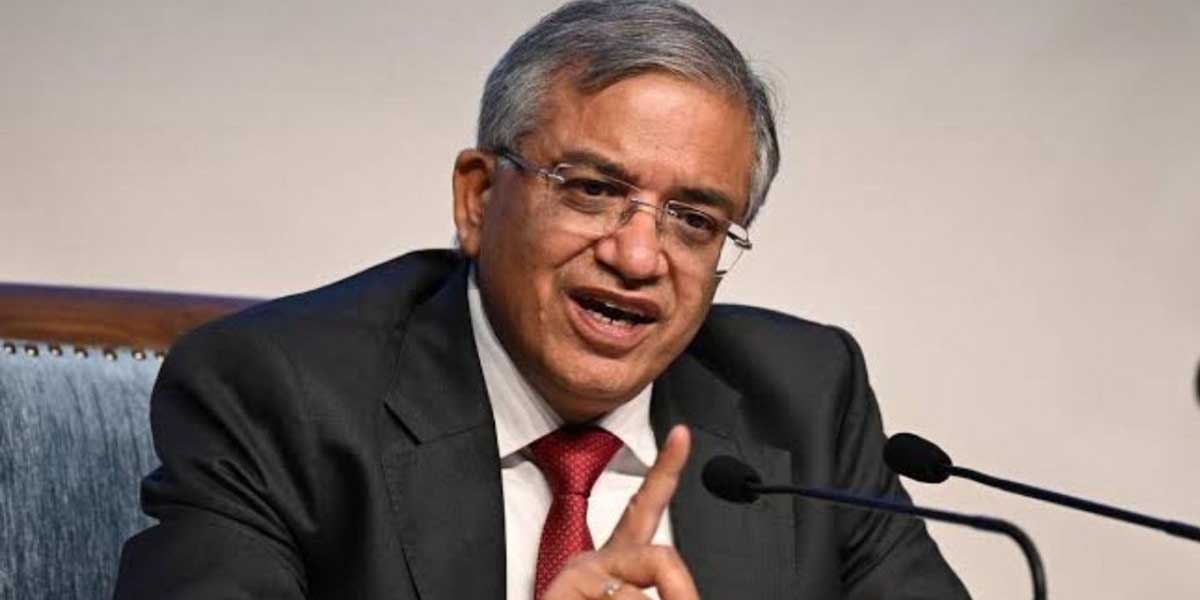
There is speculation that political slugfest over CEC Gyanesh Kumar could all be his own making. The general buzz is that he could be unilateral in decision-making like former CEC T N Seshan and this may not have gone down well with his two fellow Election Commissioners, Sukhbir Singh Sandhu and Vivek Joshi. The latest controversy erupted over an Indian Express investigative report alleging that Sandhu and Joshi recorded their objections in writing on at least 14 occasions in the last 10 months. Congress leader Jairam Ramesh says “The CEC has deliberately and explicitly violated the spirit of the Constitution and its provisions on citizenship…by illegally amending Form 6 to deprive Gen Z voters of their voting rights…he is a pawn of the cunning duo of PM-HM”. It is being said when ECs Sandhu and Joshi wrote to Cabinet Secretary T V Somanathan complaining about the CEC, he told them it was not remit of the government to give directions to the poll body as it was an independent institution. Soon after the Express expose, alarm bells were sounded within the NDA and regional parties wanted the EC to function credibly and coherently. It then became incumbent for the CEC and ECs to come together to hammer out a joint statement. Even though appointments to the ECI are made as sinecure postings for retired bureaucrats — all the officials on ECI are close to ruling side — there is still a possibility that they may not always contribute to smooth functioning of the poll body. Gyanesh Kumar has been charged with bias towards the BJP, foisting the SIR on the country, which has removed 13 crore voters. The Congress even dubs the EC’s latest offer to get the BLO to visit the home of electors to get documents of those who received notices of discrepancies as an admission of guilt by the ECI.
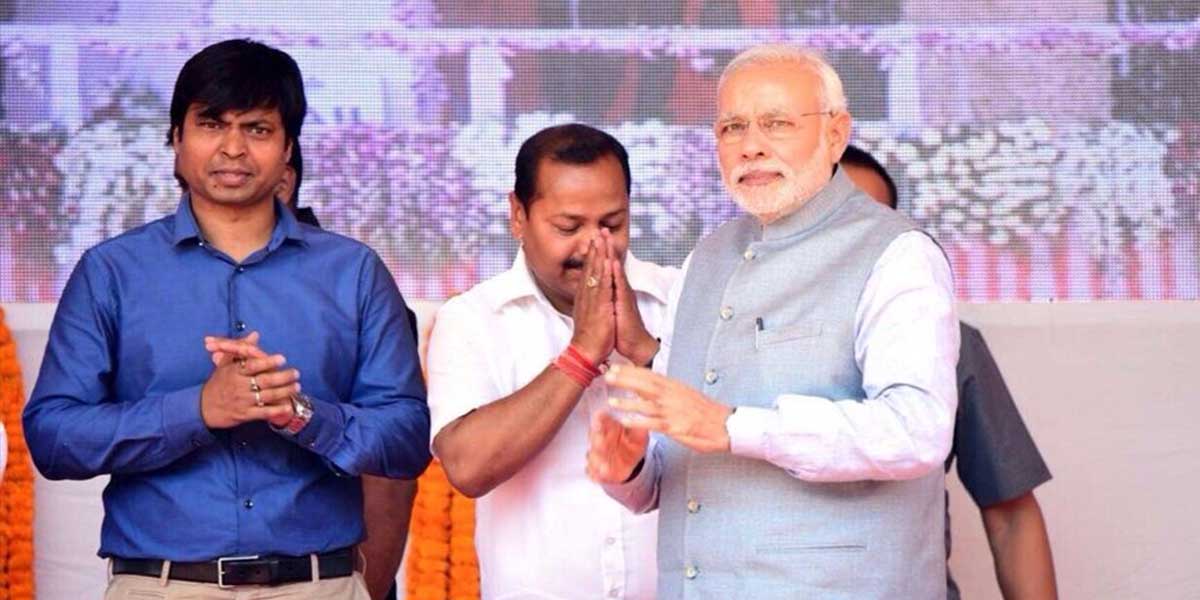
It seems Hockey India, the apex body governing the sport in the country, is facing a severe internal crisis as personal agendas, power struggles, and petty politics take precedence over its organizational mission. At the centre of the deep-seated infighting are President Dilip Kumar Tirkey and Secretary General Bhola Nath Singh. Padma Shri and Arjuna Awardee Tirkey has filed a formal police complaint in Delhi against four high-ranking federation officials, alleging criminal breach of trust, conspiracy, and acts endangering his safety during a recent visit to the capital. In his complaint, Tirkey alleged that his Delhi-based driver failed to report for duty and absconded with critical office records, including his personal health files and medical reports. Tirkey named Bhola Nath Singh as the mastermind behind the incident. According to sources, tension had been brewing after Tirkey reprimanded Singh for failing to abide by administrative instructions regarding governance, financial disputes, convening an unapproved Executive Board meeting, and altering the national team’s jersey color to saffron without his consent. The escalating feud threatens to derail one of the country’s most iconic sporting institutions.
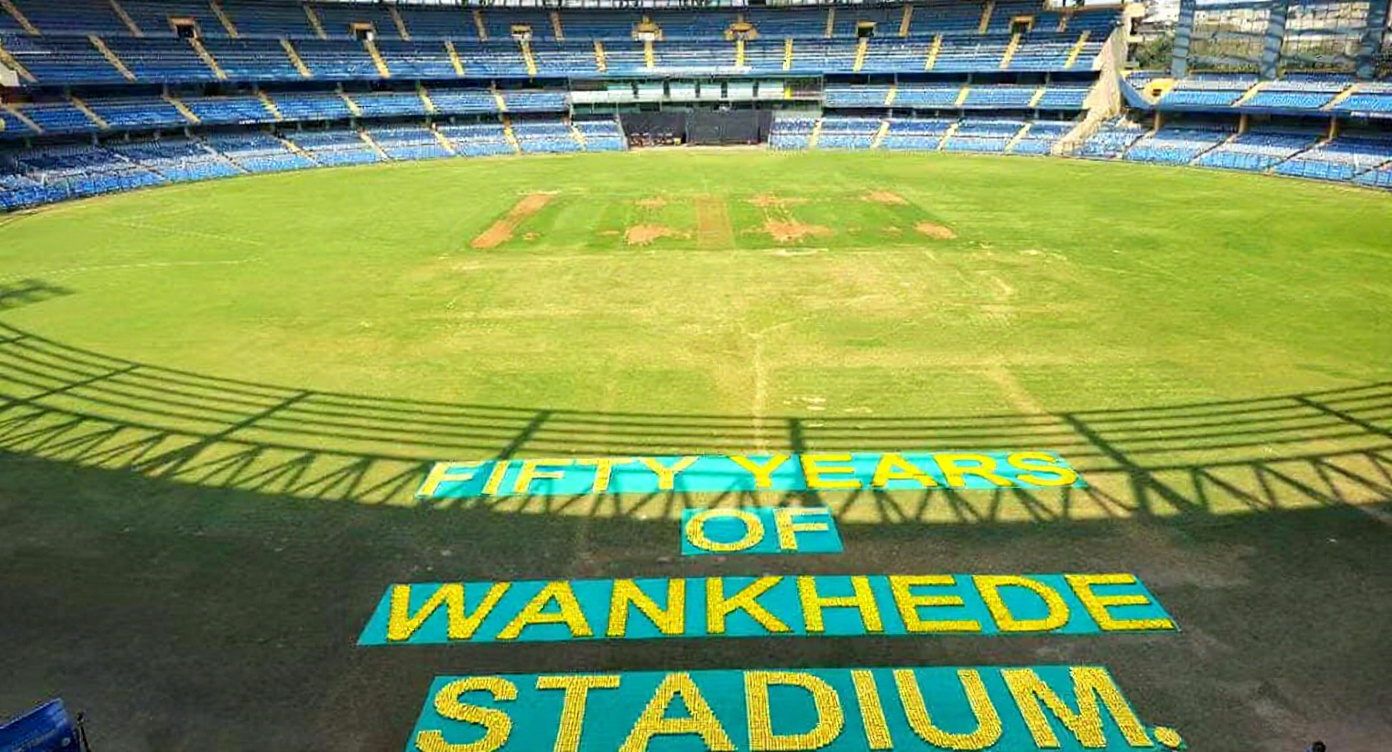
An important event took place at the recent Annual General Meeting (AGM) of the Board of Control for Cricket in India (BCCI) in Mumbai. BCCI members, as permitted by the Supreme Court, attend the AGM and try to make their presence felt. The representative of the Mumbai Cricket Association (MCA), Dr Unmesh Khanvilkar, may have stirred the hornets’ nest by telling the BCCI bigwigs that Mumbai should be considered for prominent Test matches. He even went so far as to propose that Mumbai be awarded a Test match in the Border-Gavaskar Trophy because Gavaskar is from the great city of Mumbai, which has won the Ranji Trophy 42 times. The MCA has hosted 27 Test matches in the last 51 years, the last being the third Test of that series against New Zealand. The city’s second Test venue, the Brabourne Stadium at the Cricket Club of India, has hosted 18 Tests, while the Bombay Gymkhana hosted one, the inaugural Test in India, against England. India has over 30 Test grounds, with the original first five permanent Test venues being Bombay (Mumbai), Madras (Chennai), Delhi, Calcutta (Kolkata), and Kanpur. Some noted former Test players believe that the time has come for the authorities to schedule Test matches at traditional venues. Australia, England, South Africa, and New Zealand have their own Test centres that attract large attendance. Adding Guwahati, Ranchi, Indore, Visakhapatnam, Dharamsala, New Chandigarh and Rajkot has made the rotation policy long and winding. The five Test series against Australia have already been scheduled at Nagpur, Chennai, Ranchi, Guwahati and Ahmedabad, and it looks like Mumbai’s frustration will continue for a long time. But it’s good that the MCA has raised the issue.
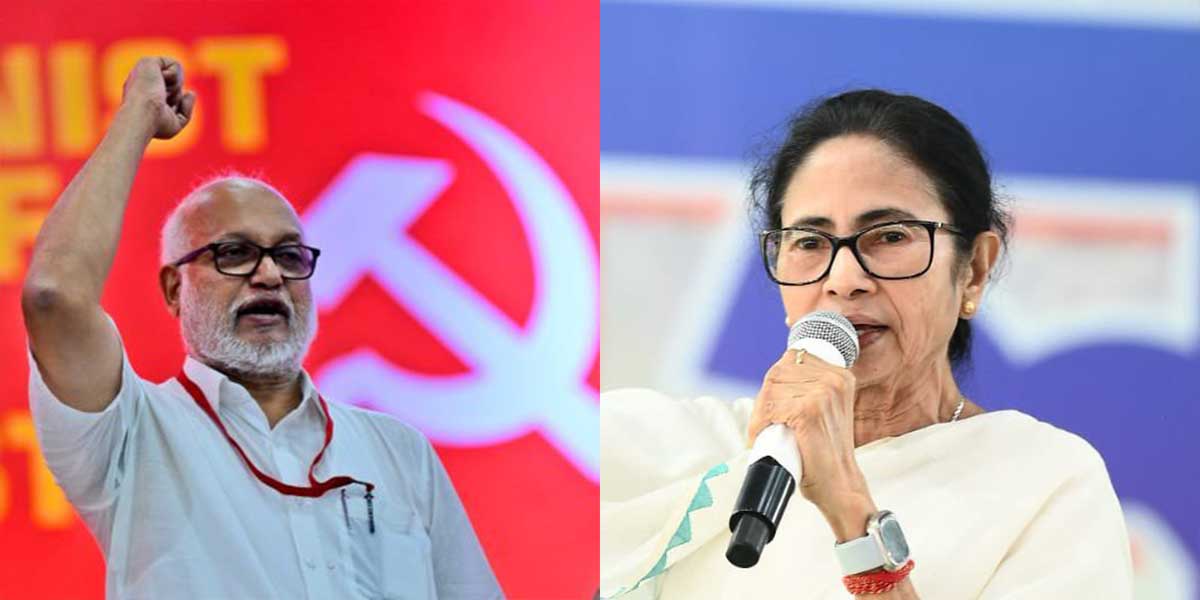
Trinamool Congress supremo Mamata Banerjee and CPI(M) secretary M A Baby have reopened communication after decades of rivalry in West Bengal, amid concern over differences within the Election Commission on the Special Intensive Revision (SIR) of electoral rolls. Both parties are founding constituents of the INDIA bloc but maintained no communication. Sources said Mamata and Baby spoke over the phone after Baby wrote to Opposition and non-BJP parties. They discussed bringing Opposition parties together to launch a joint campaign to safeguard the credibility of the electoral system. It is also learnt that Didi spoke to LoP Rahul Gandhi and urged him to call an INDIA bloc meeting next week. Baby’s letter called the recently published news report a “major exposé”, raising questions over the commission’s credibility and saying the democratic process was at stake. He claimed the process could affect voting rights of more than 13 crore voters and urged a collective response. Baby proposed a date and venue and approached non-INDIA parties, including BRS, AAP, DMK, Tamil Nadu’s ruling party TVK, BJD and the Cockroach Janta Party. Mamata is learnt to have told Baby that INDIA constituents should meet without delay and work out a strategy. Coordination gathered momentum after reports said Election Commissioners Sukhbir Singh Sandhu and Vivek Joshi recorded objections at least 14 occasions over 10 months to SIR-related decisions. Opposition parties have demanded CEC Gyanesh Kumar’s removal and an independent inquiry into the EC under Supreme Court oversight, and are likely to submit a notice in Parliament.