 All
All Politics
 Business
 Entertainment
 Sports
 Celebrities

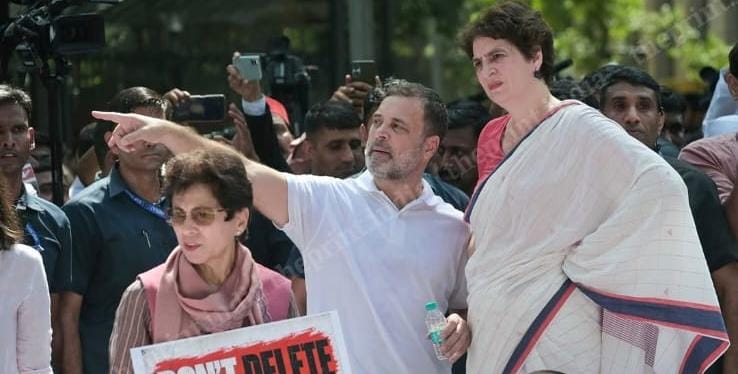
It is now becoming increasingly clear Congress leaders — Rahul Gandhi and Priyanka Gandhi Vadra — stole the show at the INDIA bloc march to the Election Commission’s office in Delhi on October 6 with the sit-in at Akashvani Bhavan. They were simply not bothered about coordinating with other Opposition parties nor were they worried about Opposition unity. They seemed more worried to better the CJP record of protest — which incidentally is going to be held on October 10. Surely, the media focus on Gandhi siblings’ antics on the streets in the past two days so upset Congress’s allies that many leaders felt the mega protest eventually became a Gandhi siblings’ show. Many leaders questioned the Gandhis’ move for a sit-in at Akashvani Bhavan while other Opposition leaders were being detained. Apparently, the sit-in protest was not part of the plan. While Rahul’s aides tried to explain about the Gandhis sit-in protest at Akashvani as a move to get appointment with the CEC, many Opposition leaders found Rahul Gandhi’s insistence on meeting the CEC as very odd. Did the Gandhis take 200 Opposition MPs who had gathered at Parliament’s Makar Dwar on October 6 for granted? So it was not just the DMK that skipped the Opposition event. Even Samajwadi Party not only chose to keep away from the Gandhi show but also skipped the Cong lunch invite at Sagar Ratna. Explaining the many who missed the lunch event, Congress leader Jairam Ramesh in post on X insisted that all INDIA janbandhan parties had been invited for the lunch. However, since the decision for the lunch had been taken late last night and communicated. It was therefore natural that some parties could not be represented.” At the same time, he protested about the Gandhis being arrested once again. Meanwhile there was outrage on X about Rahul Gandhi spotted manhandling a Delhi woman police official.
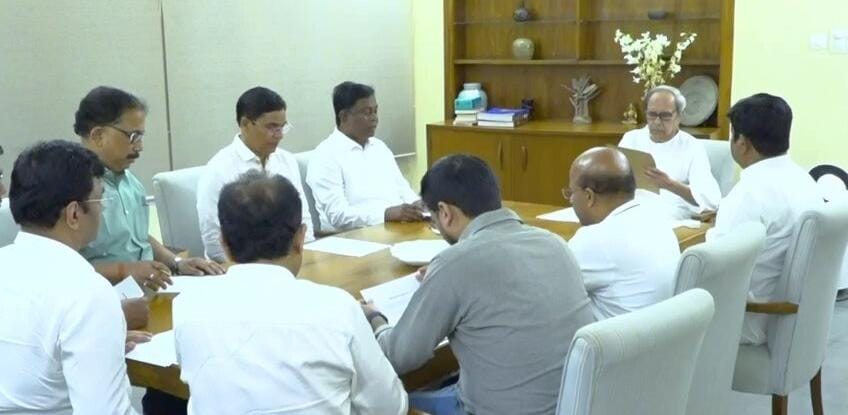
It seems Biju Janata Dal (BJD) President and leader of Odisha opposition Naveen Patnaik is now shifting from his quiet demeanour to an active communication offensive. He and his party members are now getting ready for an all-out media war against Mohan Charan Majhi’s government by having a highly coordinated media and public outreach strategy. The idea is to expose, highlight the state government’s failures, lapses and mis-governance to the people at large. As part of this plan, Naveen Patnaik has already reorganised BJD’s media cell. This means restructuring the party’s communication road map covering digital, print, and electronic media. Objective is to divert growing public discontent of BJP’s administrative failure into a structured, state-wide campaign against Majhi’s government. Political analysts decoding Patnaik’s new strategy say that Naveen babu has realised that his earlier defeat was due to BJD’s weak social media narrative. And the current media strategy is an antidote to the earlier gap. The job ahead for BJD media team is cut out because it’s taking the role of self- managed PR strategy which has its distinct strategic benefits but also challenges with regard to core execution requirements.

Not just in India, particularly South Indian homes but in the U.S. too mornings are ushered in by that magical voice waking up Lord Rama…“Kausalya Supraja Rama Poorva Sandhya Pravarthathe.” The evenings resonate in temples and homes with the legendary Carnatic vocalist M S Subbulakshmi’s sublime recitation of the Vishnu Sahasranamam. Is it then surprising that a production team launched a biopic on her titled M.S. – A Legacy On Screen? The decision to cast Rashmika Mandanna in the title role did not create waves of talk, surprise and surmise. Whoever played that role was bound to draw audience, magnetically, going beyond a heroine to remember Bharat Ratna recipient M S Subbulakshmi and her beauty. MS would come on stage in her custom woven Kanchipuram silk, diamond studded nose and earrings…glinting, glittering and gleaming in the arc lights. When Kamal Haasan sounded the first clap for the official launch of the biopic at Chennai’s music academy, Rashmika Mandanna must have felt goosebumps and trepidation. Can I play this legendary artist? Director Gowtam Tinnanuri must have calculated the gains and risks …knowing fully well that Rashmika or anyone else with the right makeup, jewellery and stunning saris would carry the biopic on her shoulders. Vidya Balan too had been “look tested” earlier. Though Vidya looked stunning, the casting coup did not happen. Rashmika has announced that after the biopic hits the cinemas, she would take a five-year break…to stay home and enjoy family life to the fullest. She would start her second innings after that hiatus ….Rashmika is wise beyond her age …after playing MS, even if she retired she could still cherish the role of her life. Legends come rarely.
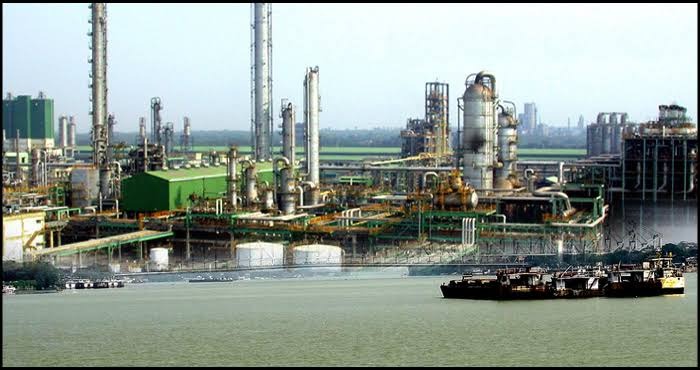
It is learnt that the Modi government which is formulating a new industrial policy is exploring the use of land belonging to PSUs and factories closed for ages for creating space for new industries. The industries department is already inspecting the defunct Hindustan Cables and Hindustan Fertiliser units in the Asansol-Durgapur industrial belt. The government is also consulting the Bengal Chamber of Commerce and Industry (BCCI) and other industry bodies to identify closed industrial units whose land could be reused. According to secretariat sources, the industries department has prepared a preliminary list based on a BCCI report. The list shows at least five closed PSUs in Asansol-Durgapur together hold around 2,095 acres, including water bodies. Hindustan Cables and Hindustan Fertiliser account for nearly 1,488 acres, though parts of some properties are reportedly encroached upon. Other units identified include Cycle Corporation of India, Sen-Raleigh Cycle Company, Mining and Allied Machinery Corporation (MAMC), Bharat Ophthalmic Glass Ltd, Hindustan Pilkington Glass Factory and Kesoram Industries’ Refractories Division. MAMC has 193.67 acres, including 153.4 acres unused, while Cycle Corporation has around 239.1 acres, of which 178.42 acres is unused and 16.81 acres comprises water bodies. Six closed National Jute Mill Corporation together have nearly 400 acres along the Ganga. Moreover, sources said no legal complications have been found so far, while the Centre plans phased auctions. Industry bodies have also identified about 975 acres at Burn Standard’s Howrah and Raniganj units and 70 acres at Jessop in Dum Dum. The Centre and NCLT are moving to sell these properties to promoters. Other properties include 69 acres of NISCO land at Belur and 250 acres of Dunlop land at Sahaganj.
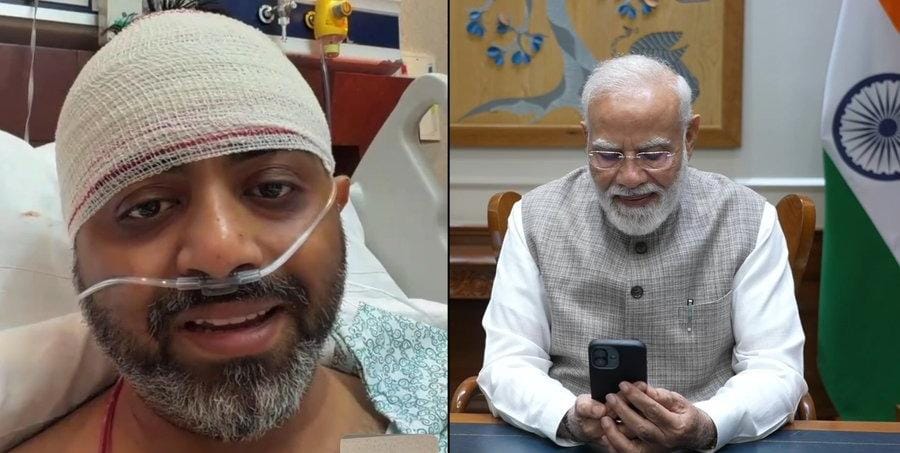
In a heart-warming move, PM Modi had a emotional chat with Captain Smit Machchhar, who survived a savage axe attack inflicted on him by an Omani co-pilot on the ill-fated Flydubai flight on September 30. Incidentally the Modi-Machchhar chat on Oct 2 managed to puncture the opposition protests on the CEC. As the emotional conversation dominated news headlines, slogans at Jantar Mantar became a faint echo. Incidentally, on the day Modi connected with Capt Smit, UAE Presidential Advisor Anwar Gargash described the attempted hijacking of Flydubai flight to Tel Aviv as a “terrorist act”. Gargash also praised Indian Captain Smit Machchhar as a “true hero” for helping avert a potential disaster. Abu Dhabi publicly condemning an attack targeting a flight to Israel was seen as a bid to strengthen Israel-UAE ties. PM Modi praised the captain’s bravery in saving numerous lives. During the video call, Machchhar, who is currently recovering at a hospital in the UAE, shared his personal experience and explained that chanting ‘Hanuman Chalisa’ gave him courage during the incident. “I was fighting for my life. I realised at that time that if I don’t show courage, then 170 passengers will lose their lives.” PM Modi had spoken to Capt’s wife and parents, a day earlier and assured them full support from Indian missions. As the pilot apologised to PM Modi for breaking down mid-call, he said that he never imagined that he would get the opportunity to speak to the PM. Modi and the pilot exchanged a few words in Gujarati. It is perhaps this Gujarat connection that must have made the Congress and Rahul Gandhi go silent on not celebrating a hero toasted by the nation! UAE is also probing if the Omani hijacker had Pak links.
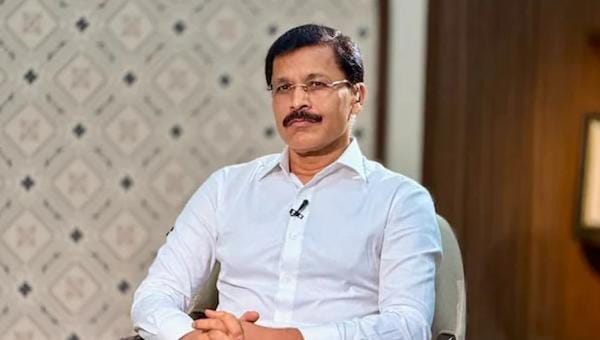
Maharashtra FDA Commissioner Tukaram Mundhe’s squads have seized of tonnes of unsafe and adulterated food items across the state, valued at over Rs 67 crore. Since taking over in May 2026, Mundhe has shaken up India’s food sector and is firmly supported by chief minister Devendra Fadnavis. The judiciary, too, has stood by him except for ordering nesa few corrections. The most drastic action by him was a Thane raid in which the FDA impounded 28,955 kg (nearly 29 tonnes) of raw ingredients and solid foods such as chips, farsan, chivda, flours and wafers as well as stocks of palm oil. In a three-day drive from September 28–30, the FDA suspended 31 licenses and impounded over 3900 kg of substandard sweets, cheese, paneer and oils, including 617 litres of milk. So far, the FDA has conducted over 12,000 inspections, issued over 5200 improvement notices, suspended 603 licenses and recorded 875 arrests. Outlets of some major global fast food chains have faced temporary closures or license suspensions due to pest infestations and poor sanitation. The campaign has hit quick-commerce dark stores, too, and subjected them to temporary shut downs due to hygiene breaches. It has not spared some government canteens also. Mundhe became famous following the implementation of a statewide ban on analogue paneer. The other major action was to ban the common occurrence of street vendors wrapping hot food like vada paav in newspapers due to ink toxicity. A frequently transferred officer, Mundhe’s continuation as FDA chief has become a matter of discussion.
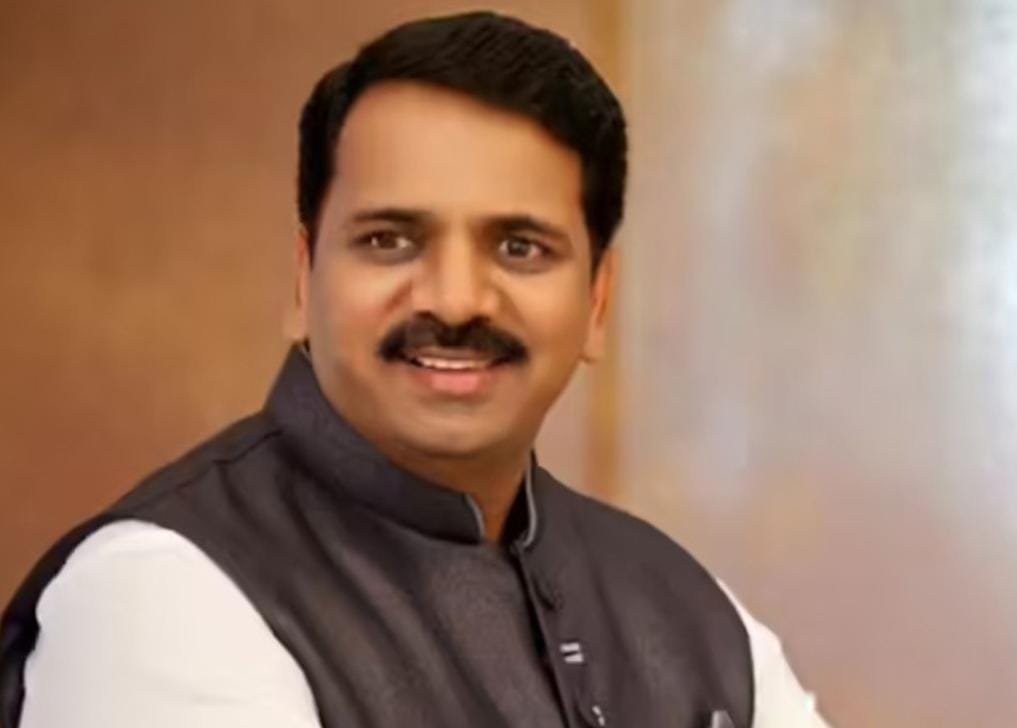
BJP MLA Narendra Mehta has sparked off one more controversy, only to perform another volte face within hours following a huge backlash from almost all quarters. As soon as Mehta described the religious and cultural identity of Mira-Bhayandar, which is on the outskirts of Mumbai, as a “Jain city” and “Mini Rajasthan,” verbal attacks against the claim began. He immediately apologised but the embers of the offensive statement are still felt. In support of his claim, Mehta maintained that the township has more than 33 Jain temples, has nine Jain corporators and the mayor, too, is a Jain. It was just a few days ago that an advisory was issued by Seven Square Academy in Mira Road, a school founded by Mehta, asking students not to bring onion, garlic, potato, beetroot and other leafy vegetables or non-vegetarian food during the Jain Paryushan period. The suggestion was withdrawn following all-out opposition. Mira-Bhayandar is a BJP stronghold for a long time and Mehta is its face. His political enmity with the Shiv Sena (Shinde) is well known and he does not shy expressing it publicly time and again. Realising that his latest claim can become a huge headache for the BJP, Mehta has withdrawn it and emphasised that the city belongs to the Agri-Koli community, the original residents for centuries. He also has lauded Maharashtra and Marathi community, saying, “I am fully aware that Marathi people have elected me as their MLA. I apologise for my statement.” But the after effects of his audacious utterance will be felt for some time, at least.
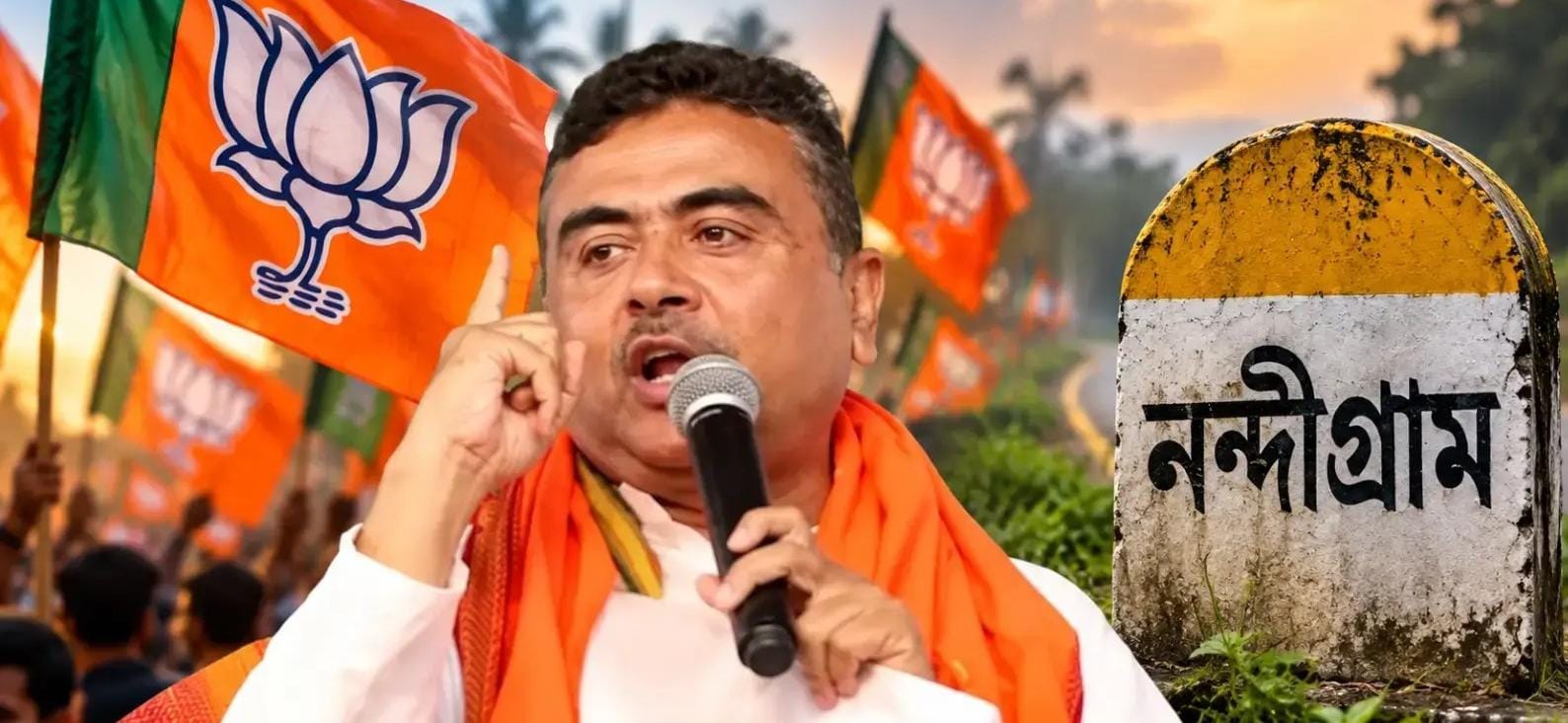
Nandigram is set for its first electoral test since the BJP formed the government in West Bengal earlier this year; the October 6 bypoll carries wider political stakes. It will test the Congress-TMC tactical understanding, put West Bengal chief minister Suvendu Adhikari’s former seat back in focus and offer an early indication of how Bengal’s new political equation is taking shape. Adhikari won Nandigram in the 2026 Assembly election but vacated the seat after also winning Bhabanipur; he had defeated Mamata Banerjee from Nandigram in 2021. The Congress-TMC equation is an unusual one: the two parties are cooperating in Nandigram, but remain electoral rivals in Rejinagar. Banerjee’s faction withdrew its candidate in Nandigram and backed Congress nominee Milan Pradhan. The move followed a meeting between the TMC candidate and Adhikari, after which Banerjee announced her support for Pradhan. Pradhan was subsequently arrested in cases linked to the 2007 Nandigram land agitation and later secured interim bail. That contrast — tactical support in one seat and a direct contest in another — makes Nandigram a closely watched test of whether the two parties can convert limited cooperation into electoral support on the ground. A senior Congress leader said the Nandigram contest would test not just one seat but the extent of coordination among anti-BJP votes. A senior TMC leader said the support for the Congress candidate was aimed at stopping the BJP and should not be equated with the two parties’ separate contest in Rejinagar. The Special Intensive Revision of electoral rolls has emerged as another major issue, with more than 6,000 appeals reportedly pending in Nandigram ahead of polling which will be held on October 6 and counting is scheduled for October 9.
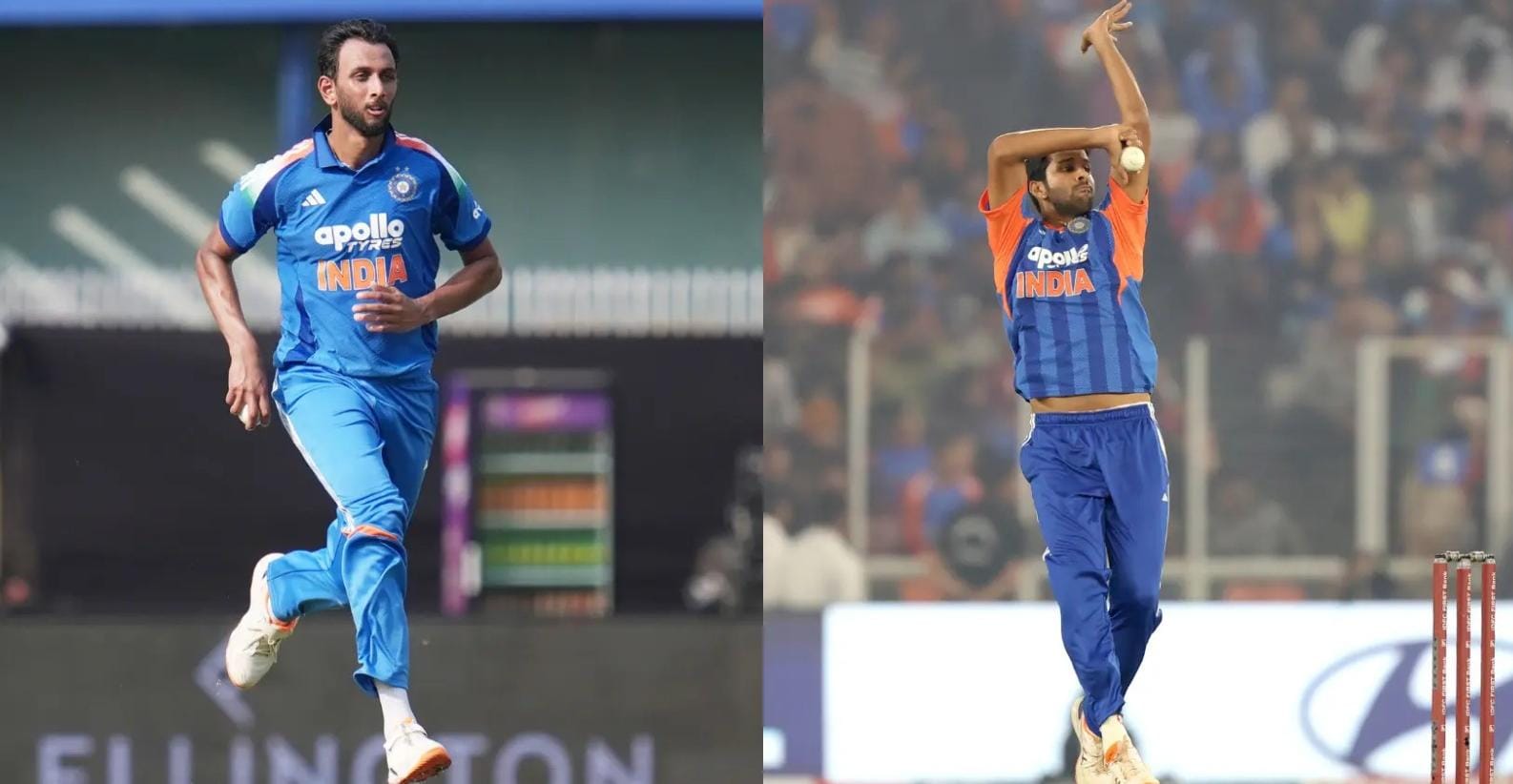
Punching bags, that’s the moniker the fast bowlers and spinners have become in the ongoing One-day series against the West Indies. What transpired in God’s own country in Thiruvananthapuram (Keralam) and around the Brahmaputra (Guwahati, Assam) was nothing short of carnage: the bowlers were put through the shredder. All because of a featherbed of a surface and a team that took the bowlers out of the equation straightaway. Only four Men in Blue batters have stepped out of the dugout; skipper Shubman Gill has piled up 333 in two knocks with a double (223*) at Guwahati, Virat Kohli 168, with an unbeaten 139 near Kovalam and Rohit Sharma 133 with a 101 in the second match. The fourth batter was Ruturaj Gaekwad, who too has an average of 78.57. The authorities cared a fig for the bowlers who were taken apart for 678 runs off 514 balls by the Indian batters. The home team has so far hammered 66x4s and 38x6s. The Men in Maroon have scored 663 off 603 balls with 4x100s. The second ODI was indeed not a good advertisement for the sport; it would be interesting to know how the ICC rates the surface at Guwahati. No wonder India’s head coach Gautam Gambhir described the match as “This is not cricket, this is only batting. If I have to be absolutely honest, I feel there has to be a bit more contest between bat and ball.” The third and final match will be played at New Chandigarh on Saturday (Oct 3). The pitch is unlikely to be any different. So far it’s been a graveyard! India has won the series, its aim will be to lift the numbers to 3-0.
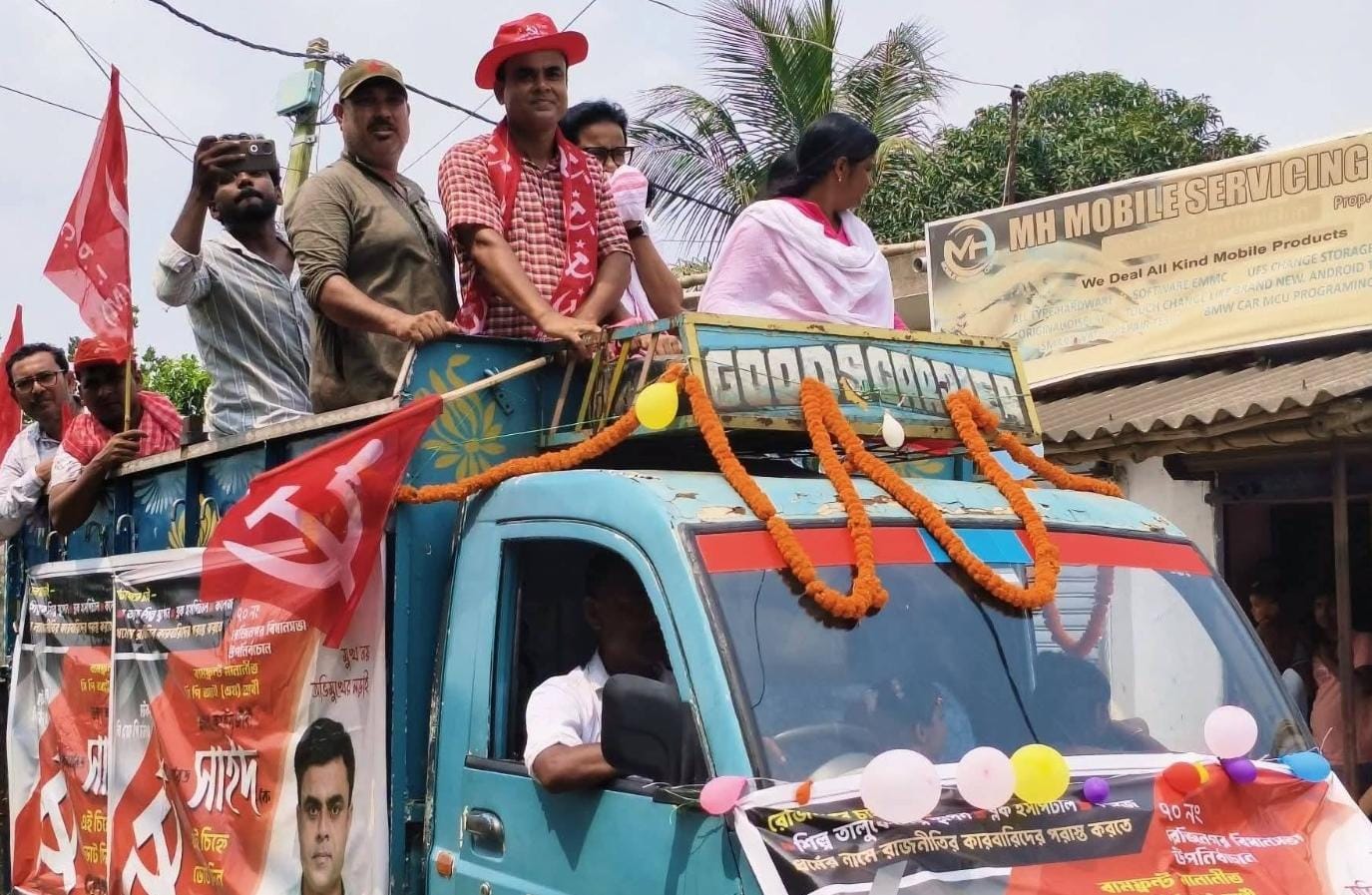
The Bengal CPM’s attempt to put younger leaders in the political spotlight appears to have run into a deeper organisational problem. According to the party’s latest Party Letter No 1, members below 30 constitute just 4.55% of its total membership — a figure the document itself describes as “quite concerning”. The admission, on page three of the document, comes against the backdrop of a sustained effort by the party in recent years to project younger faces in elections as well as organisational positions. Leaders such as Meenakshi Mukherjee, Shatarup Ghosh, Dipita Dhar, Kaltan Dasgupta and Sayan Banerjee have been given greater political visibility over the past five-six years. Mukherjee’s rise has been particularly notable, with her induction into the CPM central committee. The party has also brought in age norms at different levels of its committees, ostensibly to make room for a younger generation. Yet the membership figures suggest that the changes at the leadership level have not translated into a significant shift in the composition of the organisation as a whole. The Party Letter also points to another difficulty: the party continues to struggle to attract members from SC/ST, and minority communities. A state secretariat member attributed the present imbalance to organisational decisions taken two decades or more ago, when, the leader said, the party failed to bring in a number of promising young people because of selective recruitment practices. Over time, that gap widened and became embedded in the organisation. The contrast is particularly significant at a time when a large section of the electorate belongs to Gen Z. For the Bengal CPM, therefore, the challenge is not simply to find younger faces for elections or committees, but to rebuild a wider organisational base that can sustain that transition.
It is learnt that the Modi government which is formulating a new industrial policy is exploring the use of land belonging to PSUs and factories closed for ages for creating space for new industries. The industries department is already inspecting the defunct Hindustan Cables and Hindustan Fertiliser units in the Asansol-Durgapur industrial belt. The government is also consulting the Bengal Chamber of Commerce and Industry (BCCI) and other industry bodies to identify closed industrial units whose land could be reused. According to secretariat sources, the industries department has prepared a preliminary list based on a BCCI report. The list shows at least five closed PSUs in Asansol-Durgapur together hold around 2,095 acres, including water bodies. Hindustan Cables and Hindustan Fertiliser account for nearly 1,488 acres, though parts of some properties are reportedly encroached upon. Other units identified include Cycle Corporation of India, Sen-Raleigh Cycle Company, Mining and Allied Machinery Corporation (MAMC), Bharat Ophthalmic Glass Ltd, Hindustan Pilkington Glass Factory and Kesoram Industries’ Refractories Division. MAMC has 193.67 acres, including 153.4 acres unused, while Cycle Corporation has around 239.1 acres, of which 178.42 acres is unused and 16.81 acres comprises water bodies. Six closed National Jute Mill Corporation together have nearly 400 acres along the Ganga. Moreover, sources said no legal complications have been found so far, while the Centre plans phased auctions. Industry bodies have also identified about 975 acres at Burn Standard’s Howrah and Raniganj units and 70 acres at Jessop in Dum Dum. The Centre and NCLT are moving to sell these properties to promoters. Other properties include 69 acres of NISCO land at Belur and 250 acres of Dunlop land at Sahaganj.
Maharashtra FDA Commissioner Tukaram Mundhe’s squads have seized of tonnes of unsafe and adulterated food items across the state, valued at over Rs 67 crore. Since taking over in May 2026, Mundhe has shaken up India’s food sector and is firmly supported by chief minister Devendra Fadnavis. The judiciary, too, has stood by him except for ordering nesa few corrections. The most drastic action by him was a Thane raid in which the FDA impounded 28,955 kg (nearly 29 tonnes) of raw ingredients and solid foods such as chips, farsan, chivda, flours and wafers as well as stocks of palm oil. In a three-day drive from September 28–30, the FDA suspended 31 licenses and impounded over 3900 kg of substandard sweets, cheese, paneer and oils, including 617 litres of milk. So far, the FDA has conducted over 12,000 inspections, issued over 5200 improvement notices, suspended 603 licenses and recorded 875 arrests. Outlets of some major global fast food chains have faced temporary closures or license suspensions due to pest infestations and poor sanitation. The campaign has hit quick-commerce dark stores, too, and subjected them to temporary shut downs due to hygiene breaches. It has not spared some government canteens also. Mundhe became famous following the implementation of a statewide ban on analogue paneer. The other major action was to ban the common occurrence of street vendors wrapping hot food like vada paav in newspapers due to ink toxicity. A frequently transferred officer, Mundhe’s continuation as FDA chief has become a matter of discussion.

When this techie returned to his desk after lunch, he felt a sudden punch to the solar plexus: the dreaded pink slip was waiting for him. Welcome to the AI world. Here are you pink-slip proof? No, say a majority working 24X7. Career cushioning, a side hustle and pink slip insurance are not just mandatory but a survival skill in this age of overwhelming AI. Every survey rings the death knell to job permanencies. Devotion to your company and the bosses who mentored you? You must be joking! The sweeping storm of AI has churned up the job market…it’s a tech revolution that shakes and stirs every norm that we held sacred. A long list of surveys only confirms what is feared. Deloitte’s survey is ominous. It says 63 % of Gen Z and 65% of millennials fear generative AI may wipe out jobs. At the same time, they are convinced that acquiring generative AI skills are de rigueur to go up the tech ladder. Then there are the wise owls who adopt a new scheme to pink slip proof their jobs. So what options are there for a side hustle? One, consultancy or advisory research data hustles. Two, start an online business of boutique style snacks, services and on call HR or temps. Three, mine data for multiple domains, especially medical fields heavily dependent on past validated research for writing grants …funding for grants makes you an entrepreneur. Four, start local or neighbourhood clubs, golf, book discussion, parenting, coaching for exams. Five, generate surveys for any domain, boost business plans providing statistics. Astrology platforms attract big money …one has turned Unicorn! Who is overwhelmed by AI? Not the savvy career cushioned, side hustlers who are smart to pink slip proof their futures. Are you ready?
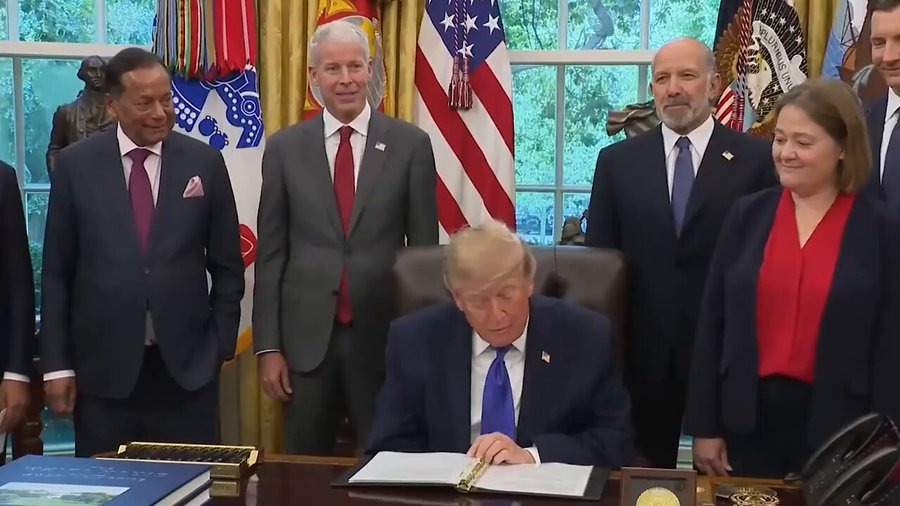
The Ruias-controlled Essar Group after exiting most of its steel assets years ago to clear debts is now more confident and assertive today than ever before. In fact, Essar is now firing on all cylinders for big ticket investment plans spread across the U.S., Saudi Arabia, India and others. Recently, the conglomerate captured major international headlines when the U.S. President Donald Trump announced that Essar-backed Mesabi Metallics will invest $18 billion to build America’s largest integrated steel plant complex in Iowa, America — producing 10 MTPA of steel annually using iron ore from Essar mines in Minnesota, USA. Similarly, in Saudi Arabia also, Essar is said to be gearing up to set up 4 MTPA green steel plant in Ras Al-Khair to capture the Middle Eastern industrial boom. And in India, Essar is executing a Rs 12,000 crore project to build a 14 million tonne iron ore pellet complex in Keonjhar in Odisha and a slurry pipeline to Paradip port. Essar’s aspiration does not end here, it is now going back to its roots Gujarat. Sources say Essar is also exploring an investment of $ 5 billion in the next few years to set up a 8-million tonne steel manufacturing plant in Gujarat. It may be mentioned Essar Steel was among the first list of the largest 12 stressed accounts that the RBI had drawn up in June 2017. The company was acquired by ArcelorMittal in 2019 under the NCLT and a final Supreme Court ruling.

There is something almost absurd about India’s latest coal crisis: the problem isn’t a supply shortage. Domestic production and imports are both up, and coal is piling up at the pitheads. What is missing is last-mile connectivity—specifically, the railway rakes needed to carry it to power stations. By September 9, as many as 59 thermal power plants across India were operating with critically low coal stocks, some holding barely three days of generation fuel. Maharashtra is right at the centre of this logistics crunch. Plants at Butibori and GMR Warora were down to a single day’s supply, while Dahanu, Amravati, Dhariwal, and Adani Tiroda held roughly three days’ stock, with Khaparkheda and Solapur at four. The Union Coal Ministry notes that rake loading for the power sector actually rose 20% in four days—from 370 rakes a day on September 3 to 444 on September 6. This raises an obvious question: if supplies are stepping up, why are generating stations still running on fumes? The official rationale points to seasonal logistics—heavy rains, evacuation delays, and a bottleneck in rake availability. Coal India itself acknowledged that several subsidiaries have ample coal but cannot move it due to rainfall and transport constraints. Yet monsoons are an annual affair. India has the coal; it simply needs the railways to deliver it. Adding to the drama, Gujarat has reportedly reached out to Maharashtra asking how the state is managing its thermal power operations without major disruptions. With stocks running thin, the question remains: will the Union Coal Secretary step up with answers?

It could prove to be a masterstroke by 69-year-old Noel Tata, chairman of Tata Trusts, which holds 66% in Tata Sons, the holding company of the $180-billion Tata Group. Noel, who has strongly opposed the listing of Tata Sons, seems to have found a possible way out of this vexatious issue. Tata Sons had earlier sought regulatory relief from the Reserve Bank of India as it tried to avoid a mandatory listing. Initially, there appeared to be broad alignment within the Tata establishment. But after Noel expressed reservations about a third term for N Chandrasekaran as chairman of Tata Sons, two camps seem to have emerged. Now Noel has made a bold move. Tata Trusts has proposed a strategic reorganisation of Tata Sons through the merger of Tata Electronics Systems Solutions Pvt Ltd and Tata Consulting Engineers with the holding company. The objective is clear: after the restructuring, Tata Sons would seek to operate neither as a NBFC nor as a Core Investment Company. If the restructuring achieves that regulatory status, the very basis for the RBI-mandated listing could disappear. The ball is now in the RBI’s court. But Noel has another battle on his hands — N Chandrasekaran’s third term. Chandra had announced on August 12 that he would not seek another term after his current tenure ends in February 2027. But the September 17 Tata Sons board meeting dramatically reversed that position, approving his reappointment for another five years by a majority vote. Noel was the sole dissenter. So, far from ending, the battle for Bombay House may only have entered its next round. In some ways, Noel Tata appears to be going through the same grind that his elder half-brother, the late Ratan Tata, faced after taking charge of Tata Sons in 1991.
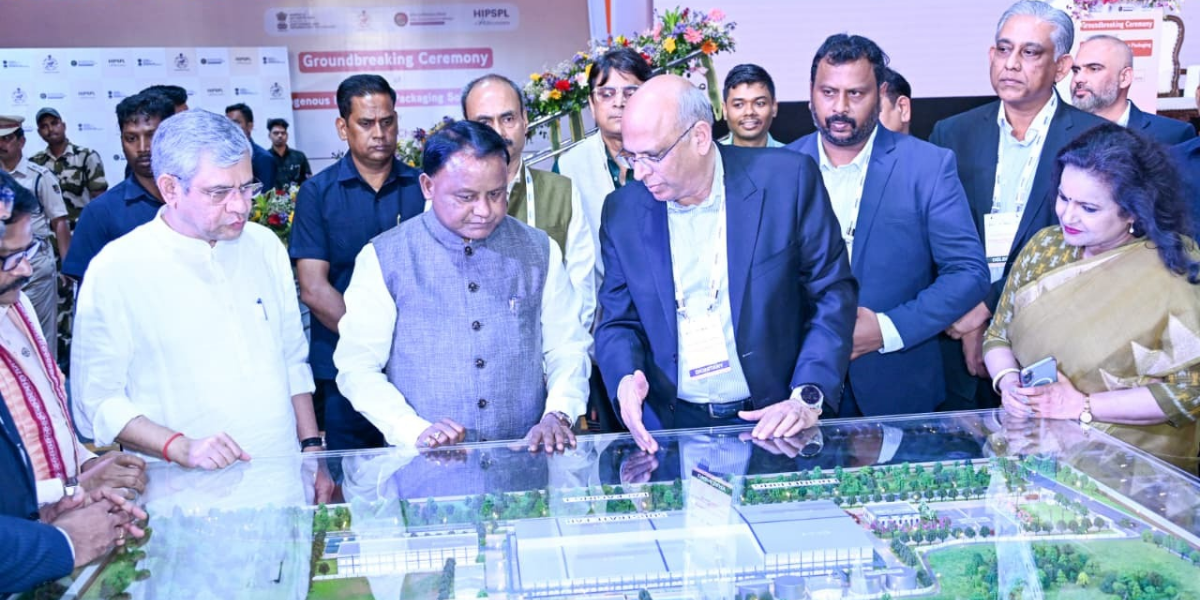
Is the mineral-rich state Odisha planning a strategic shift from mining-led to hi-tech mind economy? Its huge natural reserves have attracted large metal industries. But, now Chief Minister Mohan Charan Majhi guided by the IT & Electronics Minister Aswini Vaishnaw is planning to transform the state into eastern India’s premier hi-tech semiconductor and electronics manufacturing hub. Towards this objective, the state government has already identified an 870-acre Silicon Valley type land bank hub between Cuttack and Bhubaneswar. It may be mentioned that at the recently concluded SEMICON India 2026 the state had secured investment proposals worth over Rs 23,600 crore in the Semicon area. Building a strong foundation for the next generation electronics and semiconductor manufacturing is Majhi’s new vision. Immediately, the Odisha government has already begun working on two specific semiconductor projects worth Rs 11,200 cr. Apart from Odisha’s semiconductor focus, CM Majhi is also making sustained efforts to make Odisha emerge as a global sports capital. He is pursuing this status by strengthening grass roots infrastructure, nurturing sporting talent and providing world class sporting facilities. It may be mentioned that Odisha has already been selected to host the 2028 Asian and World Athletics Indoor Championships.
Chennai’s Pattinapakkam loop road was buzzing and teeming with fresh fish sale on this Saturday (Sept 19) evening. This writer travelled from the Lighthouse Point, all along the beach loop road to Santhome exit. Every rickety wooden shelf stacked with the best sea catch, the vendors beaming, expecting not just the Saturday evening bumper sale but something more …relief that their livelihood was not about to be struck down by the Tamil Nadu government’s New Secretariat building plan. Saturday evenings are eagerly awaited by the vendors and buyers. Most families plan for the Sunday special lunch with fish entrees in the starring role. As we drive down, on the right, eateries (tin and bamboo sheds) that are lit up, invite the foodie with the overpowering smell of fried fish and “meen kuzhambu” (fish curry) to go with mounds of hot rice. But wait, what is this brand new structure that draws attention? It is the almost completed snazzily designed fish market, built to enable sale and display, water vents to quickly drain…a clean, comfortable and well organised bazaar. Pattinapakkam and its nine villages never had it so good for fishing and sale. All is well that ends well …even as the CM announced that the planned Secretariat project was shelved here, a huge sigh of relief pacify the fisherfolk. Even as you turn right at Santhome, the Neo-Gothic Basilica and Cathedral of St Thomas, an apostle of Jesus Christ, rises up to the sky. Knock and the door shall be opened!

Unlike standard mass-produced coffee, Odisha’s government’s 100% Arabica speciality coffee particularly its premium brand ” Tiger Bright” grown at an elevation of 920–950 meters in Eastern Ghats of Koraput District by Tribal Development Cooperative Corporation of Odisha Ltd (TDCC) is now gaining both national and international attention. It is said that unlike standard mass-produced coffee, Odisha’s distinct microclimate and it’s treatment process imparts a sophisticated coffee flavour featuring tropical citrus notes balanced by smooth caramel, chocolate and cocoa undertones. Also, PM Modi chose to push Odisha’s coffee brand recently as a unique product both through his ‘Man ki Baat ‘ address and also at the recent 18th BRICS Summit in New Delhi addressing the visiting international delegates and media members. It is said that Odisha’s “Tiger Bright” Koraput Coffee packets was added to delegates kits. Likewise NITI Aayog has also recognised Koraput coffee as an unique rising star indigenous product. Koraput Coffee is the brain-child of Biju Janata Dal supremo Naveen Patnaik. Amidst current praise on Koraput Coffee, Odisha CM Mohan Charan Majhi’s job ahead is cut out – he has to take Koraput coffee to the next level both at the local and global level.
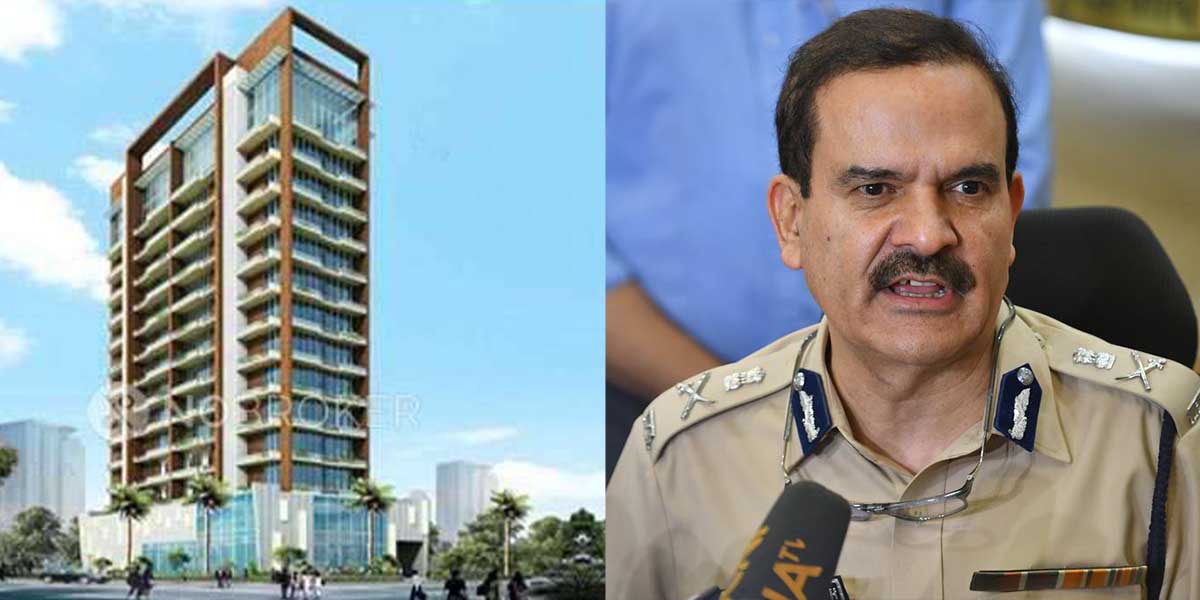
Maharashtra’s most controversial former police commissioner, Parambir Singh, has done it again — and again. But this time, karma appears to have caught up with one of the controversial legacies of his policing years. The BMC, now administered by the BJP with Maharashtra CM Devendra Fadnavis mandating an end to ‘corruption raj’ witnessed under erstwhile Uddhav Thackeray, issued a demolition notice two months ago to Vasundhara Cooperative Housing Society in Mumbai’s plush JVPD Scheme for its 10th, 11th and 12th floors, bringing back into focus the controversial 2008 episode surrounding the property. The Vasundhara saga had its origins in a plot earmarked for police housing. Instead of potentially accommodating around 250 policemen’s families, the project reportedly benefited just 36 IPS officers, including a CBI official. The reported deal — around 3,000 sq ft flats for merely Rs 25 lakh — looks particularly startling against the lakhs of rupees per square foot commanded by property in the JVPD neighbourhood. Now, another high-profile property has landed on the BMC’s demolition radar. Kutch Terrace, owned by Mrs Rohini Devi Jadeja (who resides in the first three floors), a princess from Gujarat’s Kutch region, has been served a notice covering four allegedly illegal floors — the 10th through the 13th. But the real question is not merely why these floors were allowed to come up. It is why the civic administration is suddenly reluctant to talk about them. Ward officer Chakrapani Alle directed Short Post to Building Proposals Department officer Sachin Ghevde. Ghevde confirmed the notices and promised further details. Thereafter, however, calls and messages went unanswered. Additional Municipal Commissioner Vipin Sharma has similarly maintained radio silence despite repeated efforts of due diligence. Chakrapani too is suddenly silent. Why is the BMC officialdom holding back on details related to these high-profile societies?
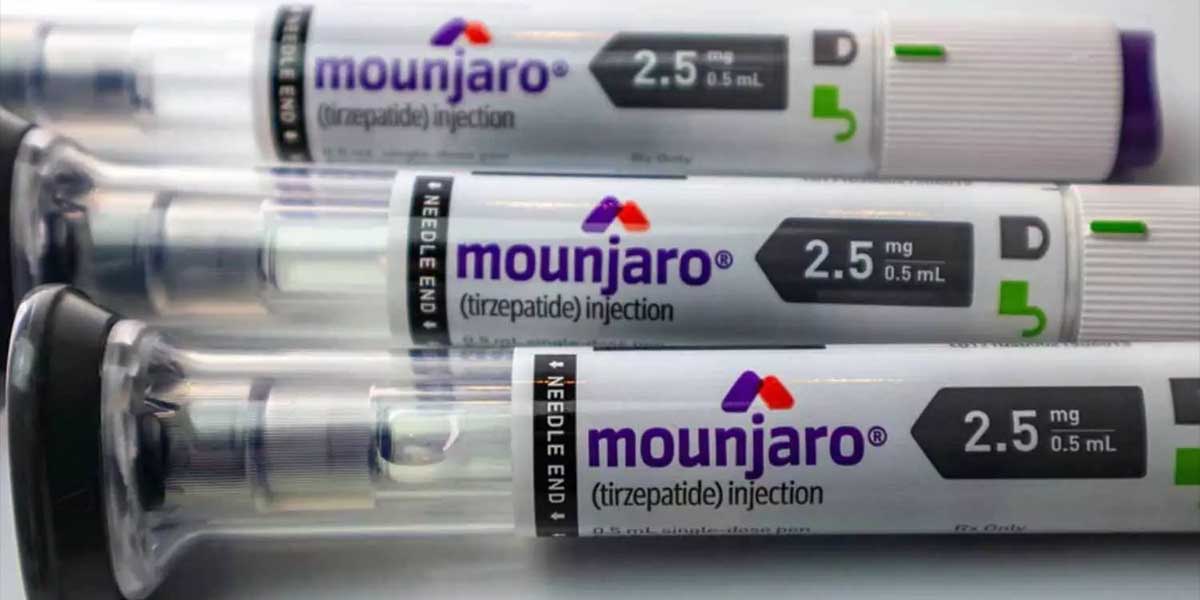
India now has its second medical breakthrough everyone wished for (after Metformin). What if a drug waved a magic wand and transformed a person from fat and frumpy to slim and svelte, without the heartbreak of punishing diets and endless gym visits? When U.S.-based Novo Nordisk launched the wondrous Ozempic—a semaglutide used to treat Type 2 diabetes as well as reduce cardiovascular and kidney disease risks—the world sat up in excitement and anticipation. Is the Holy Grail for weight loss finally in our hands? A landmark white paper published by the Leonard D Schaefer Center for Health Policy & Economics at the University of Southern California highlights that highly effective obesity treatments are now available. Yet, in an ironic twist, the U.S.—which has a very high obesity rate—makes only 1% of its obese population eligible for treatment coverage. Research offers remarkable evidence that treating obesity directly yields immense trickle-down benefits, projecting an estimated $1 trillion in overall healthcare savings over the next 10 years, including $245 billion for the federal taxpayer during the first decade of coverage. In India, often dubbed the diabetes capital of the world, Eli Lilly launched its own weight-loss drug, Mounjaro, to compete alongside Novo Nordisk’s Ozempic. These drugs, originally intended to treat Type 2 diabetes, also suppress appetite by slowing gastric emptying. The rich, heavy fare of big Indian weddings can no longer tempt someone to overeat past the point of satiety. As social media catapults Ozempic to the top of weight-loss trends, Medicare and insurance providers must crunch the cost-benefit numbers to evaluate expanding coverage beyond just Type 2 diabetes.
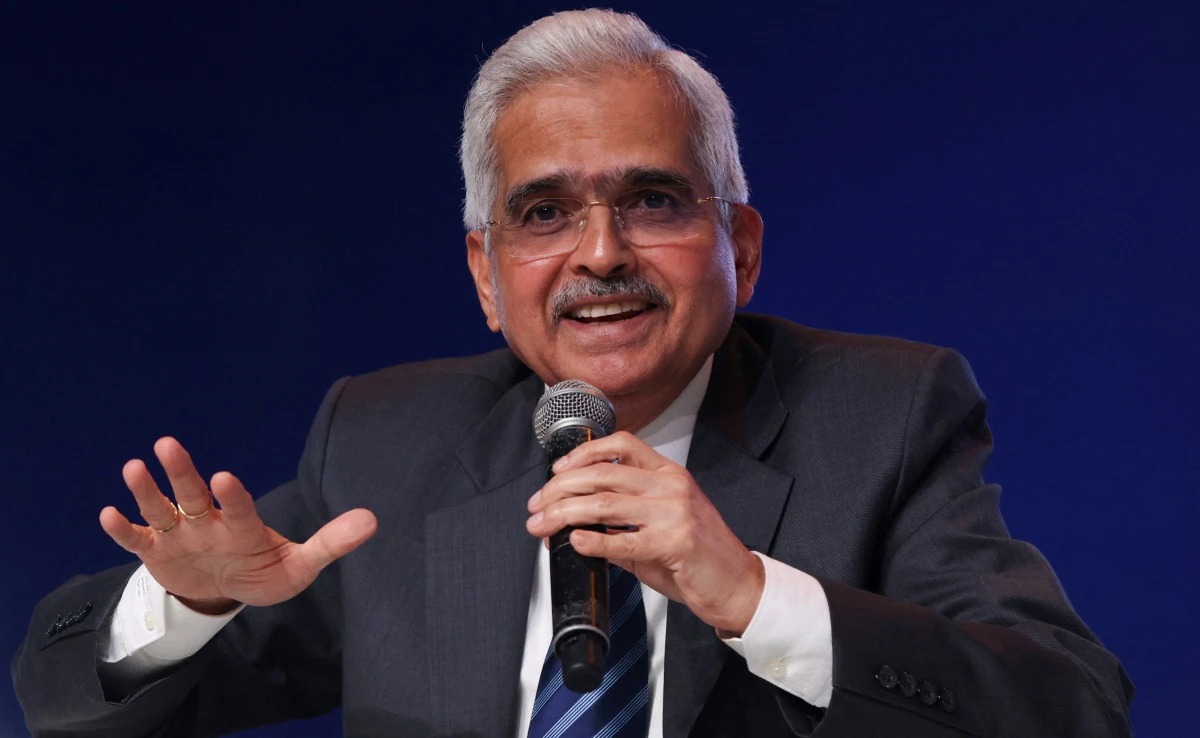
Succession planning has a nice ring to it and its importance is discussed ad nauseam by all the CEOs. But when it comes to practice many seem to shy away. In recent times we are getting the taste of it in private sector banks — HDFC Bank and Kotak Mahindra Bank. Interestingly succession planning and governance issue was flagged by the then Reserve Bank of India Governor Shaktikanta Das way back in May 2023 where in a meeting with the boards of both state-run and private banks he talked about governance, ethics, the role of the boards and supervisory expectations. This is what makes Business Standard story titled “Bank boardrooms miss succession memo” written by Consulting Editor Raghu Mohan very interesting. He nails it when he says, “Mint Road’s direction in October 2023 that private banks must have at least two whole-time directors (WTD), including the MD and CEO, was to take care of succession. But the problem continues. This came to the fore with the sudden exits of Sumant Kathpalia at IndusInd Bank, and Srikrishnan Hara Hara Sarma at Karnataka Bank. Prior the circular, hiccups were caused when Shikha Sharma moved out at Axis Bank, Chanda Kochhar at ICICI Bank and Rana Kapoor at Yes Bank. Even in the case of both Aditya Puri at HDFC Bank and Ramesh Sobti at IndusInd Bank, finding their successors took time. While neither of them had formally sought an extension, back-channel talks with RBI were done. This was on whether the age limit for WTDs on private boards could be raised to 75 years from 70 to bring it in alignment with the Companies Act (2013).”
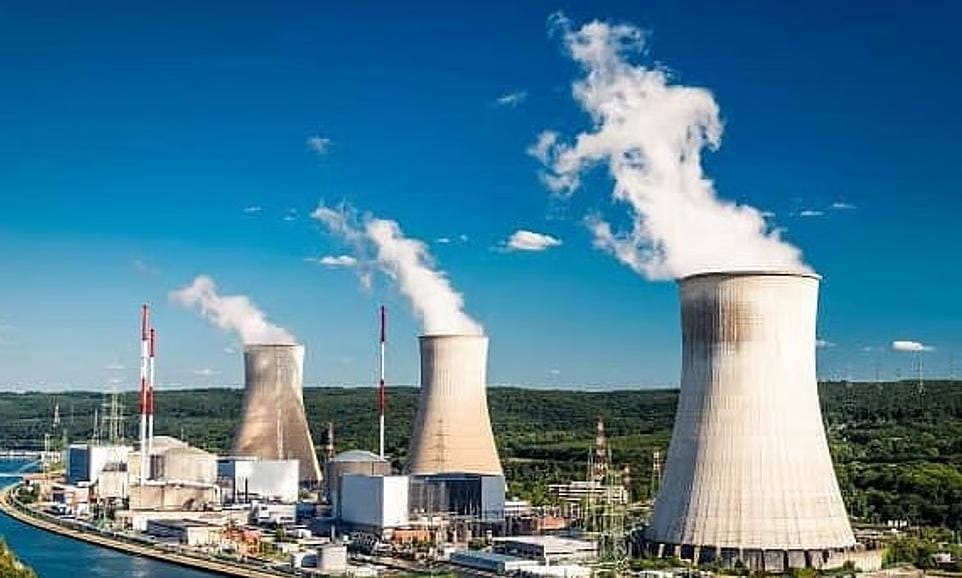
NTPC Ltd along with Nuclear Power Corporation of India Ltd plans to set up a 3,200 MW nuclear plant in Odisha. The public sector giant, it is learnt, is conducting feasibility studies in two districts Deogarh and Nabarangpur. This move to enter Odisha is a part of NTPC’s long term plan to develop 30 GW or 30,000 MW of nuclear energy capacity across India as the Modi government’s vision is to achieve 100 GW nuclear capacity by 2047. The Odisha government is now evaluating proposals, with Additional Chief Secretary Vishal Kumar Dev looking after energy portfolio stating that “the government decision on whether to go ahead will be taken in due course.” Government sources say public and environmental safety will come before any final approvals is given. Similarly, Tata Group and Adani Group, have also submitted separate proposals for nuclear projects in Odisha state. Meanwhile former chief minister Naveen Patnaik of BJD has gone on record opposing the nuclear power plant initiatives saying the BJP-run state government is compromising the public safety for the sake of corporate interests.
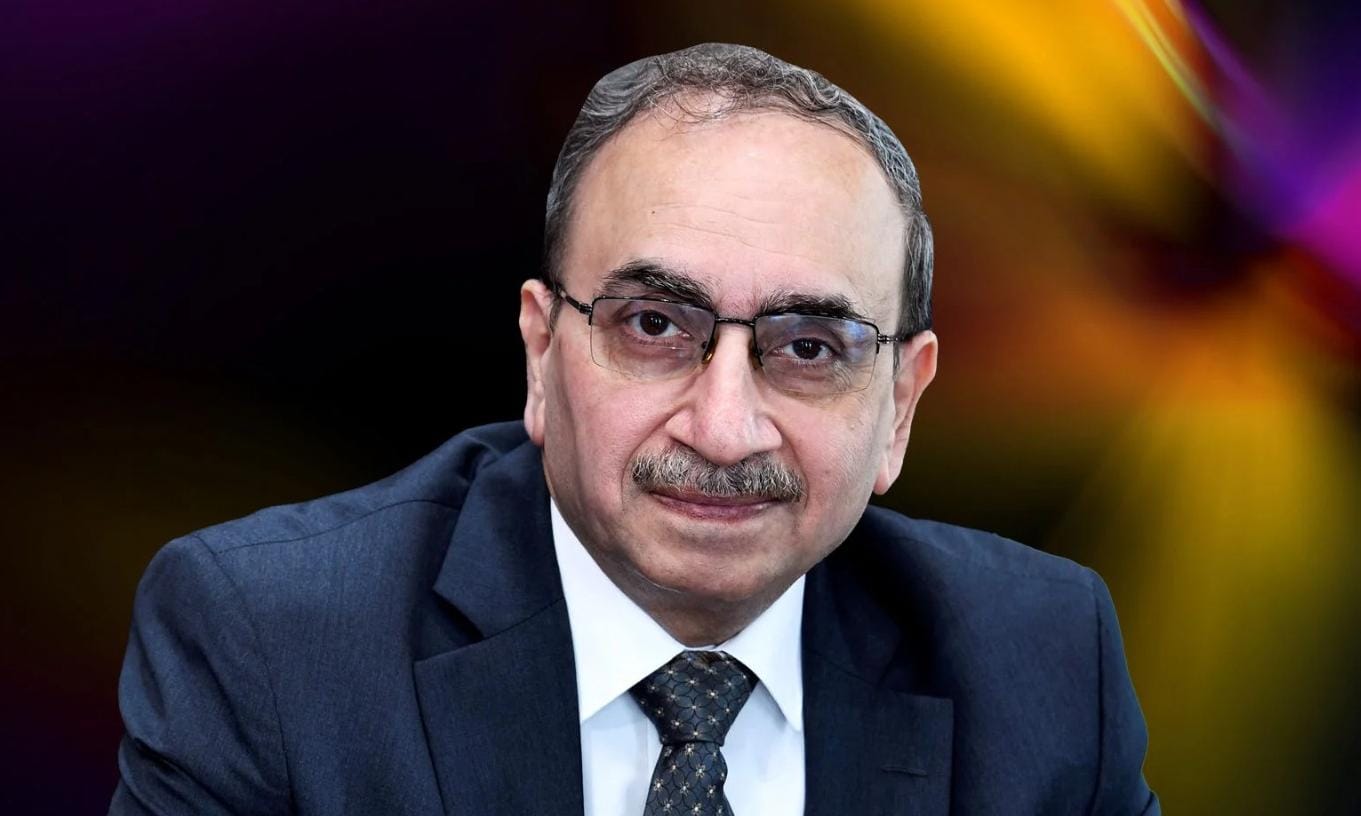
Reliable sources indicate that former State Bank of India (SBI) Chairman Dinesh Khara is emerging as a top contender to succeed Sashidhar Jagdishan as MD & CEO of HDFC Bank. Intriguingly, his name did not surface suddenly after Jagdishan announced he would not seek reappointment when his current term ends on October 26. Sources reveal that Khara’s name cropped up “informally” in July this year. That was when HDFC Bank’s Special Disciplinary Committee—examining the bank’s deposit arrangements with the Maharashtra State Road Development Corporation (MSRDC)—found no evidence of personal enrichment or mala fide intent, but characterized the executive conduct as “business overreach”. Consequently, the board issued warning letters and a Rs 1 lakh fine to Jagdishan, CFO Srinivasan Vaidyanathan, and a senior executive. The incident sparked corporate governance concerns. Industry experts argue it would have been ideal for Jagdishan to step down then, particularly in light of former chairman Atanu Chakraborty’s abrupt resignation on March 18, when he cited practices not in alignment with his “personal values and ethics.” While the regulator initially backed Jagdishan and the bank, the internal disciplinary committee’s Rs 1 lakh fine raised eyebrows and drew scrutiny. What does the 65-year-old Khara bring to the table? He carries over 40 years of banking experience, having joined SBI as a Probationary Officer in 1984 and retiring as its Chairman in August 2024 after a four-year tenure. At SBI, managing a massive balance sheet and a customer base running into hundreds of millions gave him unmatched experience in handling large-scale financial operations without compromising liquidity or capital adequacy. There is also speculation that Khara enjoys the backing of a prominent business house.
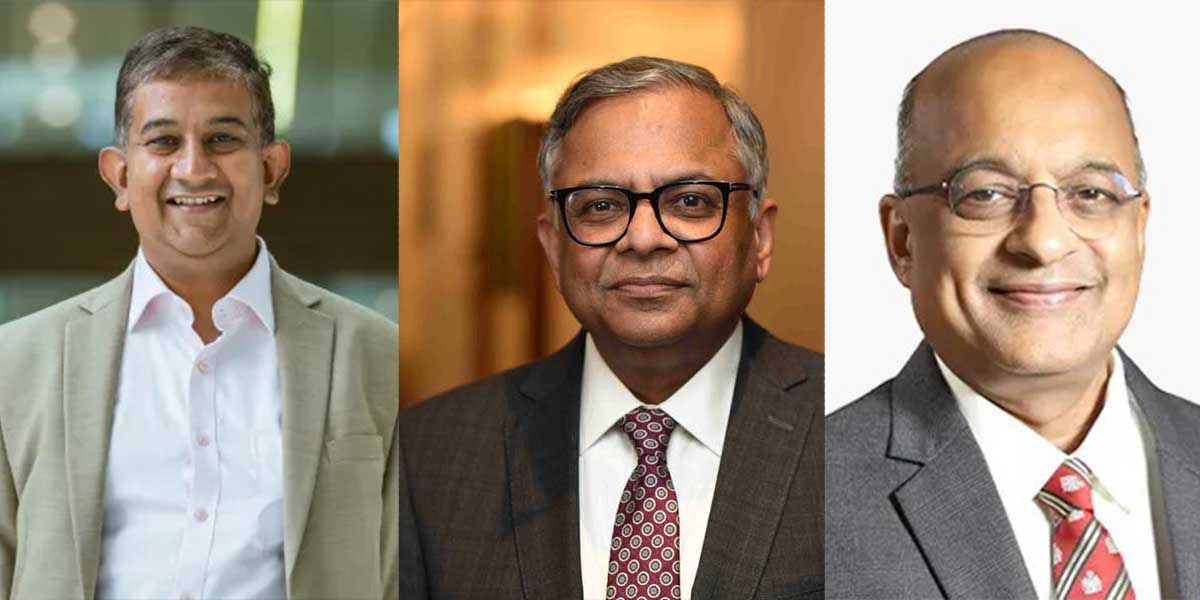
The month of August witnessed a major shake-up in Corporate India, with three powerful CEOs—all TamBrahmins—calling it a day. All three are highly regarded professional managers whose departures were either unexpected or surrounded by questions.It started on the morning of August 11 with Sudhir Sitapati, MD & CEO of Godrej Consumer Products, abruptly resigning. He had joined Godrej in 2021 after a long stint with Hindustan Unilever. The board had recently reappointed Sitapati for another five-year term, making his sudden exit a mystery. Surely, it cannot be on the grounds of leadership or the company’s financial performance, given the board’s approval for an extension. Clearly, there are other issues beyond business, leaving ample room for speculation. Then, in the afternoon of the same day, news broke that N Chandrasekaran, Chairman of the Tata Group, informed the Tata Sons board in a letter that he would not seek an extension after February 2027. On April 7, Short Post ran a story titled “Will Tata Group Chairman Chandrasekaran Agree To A 2-Year Extension Post-2027?”—a prediction that has now been proven right. As reported, the relationship between Chandrasekaran and Noel Tata had grown strained. More significantly, Chandrasekaran disclosed in his letter that his proposed extension did not receive the support of one Tata Sons board member (read Noel Tata). The third to join the August exit list—and perhaps the most expected—was Sashidhar Jagdishan, MD & CEO of HDFC Bank. He announced that he will not seek reappointment when his current term expires on October 26 this year. His second term has been fraught with challenges. Former chairman Atanu Chakraborty abruptly resigned on March 18, 2026, stating that certain developments and practices at the bank were not aligned with his “personal values and ethics.” Following this, a special disciplinary committee examined HDFC Bank’s arrangements for MSRDC deposits, along with the Lilavati case involving...
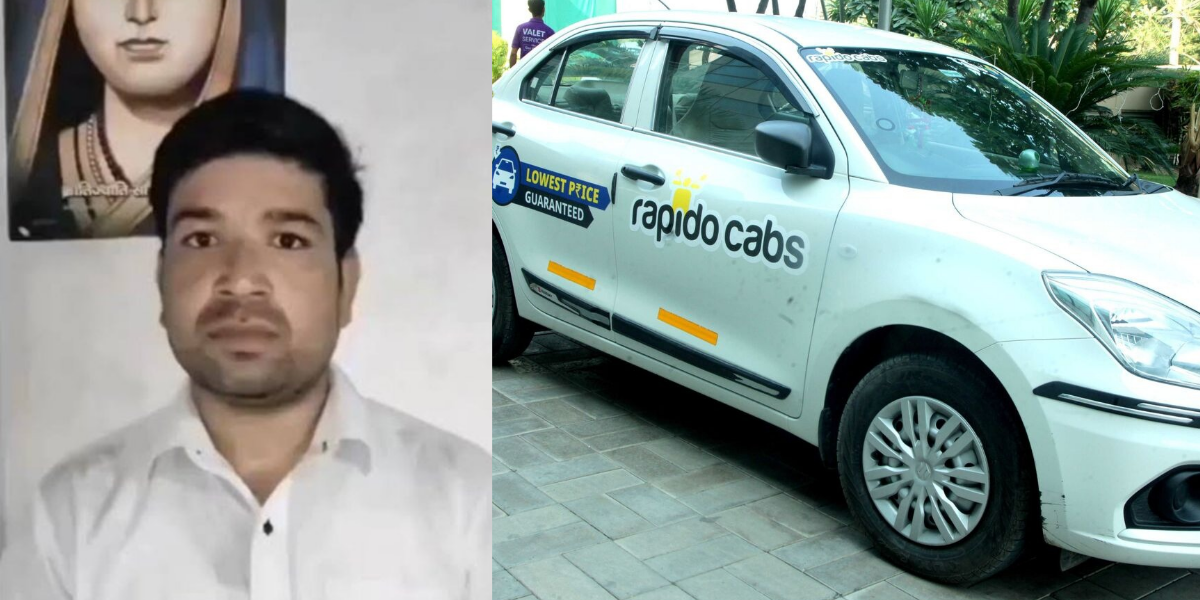
Rapido has crossed a dangerous line. By suspending 30-year-old Dalit driver Ankit Kumar for 99 years and 11 months, until 2126; the company has delivered a chilling message: passenger revenue matters more than human dignity, constitutional morality, and the fight against caste humiliation. Lucknow-based Ankit Kumar did what every self-respecting citizen should do. He objected to alleged casteist remarks that linked a person’s competence to their community. For this act of resistance, Rapido erased his livelihood overnight. No fair hearing. No investigation into the alleged caste abuse. Only a swift, one-sided punishment that protects the paying customer and silences the worker. This is not platform discipline. This is institutional cowardice. By treating a protest against casteist language as “abuse,” Rapido has shown itself completely immune to the cultural and legal weight of the Scheduled Castes and Scheduled Tribes (Prevention of Atrocities) Act. The company failed to understand the deeper context of caste humiliation in India and chose instead to operate at the shallowest, most profitable level—customer ratings and revenue protection. Gig workers, many from SC, ST and OBC communities, already live without social security. Rapido’s extreme corporate callousness deepens that vulnerability. When a platform can destroy a man’s ability to earn for nearly a century without even hearing his side, it ceases to be a neutral technology company. It becomes an active participant in reinforcing hierarchy. India cannot accept platforms that treat the Atrocity Act as optional and dignity as negotiable. Rapido must reverse this punitive ban, order a transparent inquiry, and publicly answer for its priorities. Until then, the message remains clear: in Rapido’s world, revenue comes first; caste justice and constitutional values come nowhere.
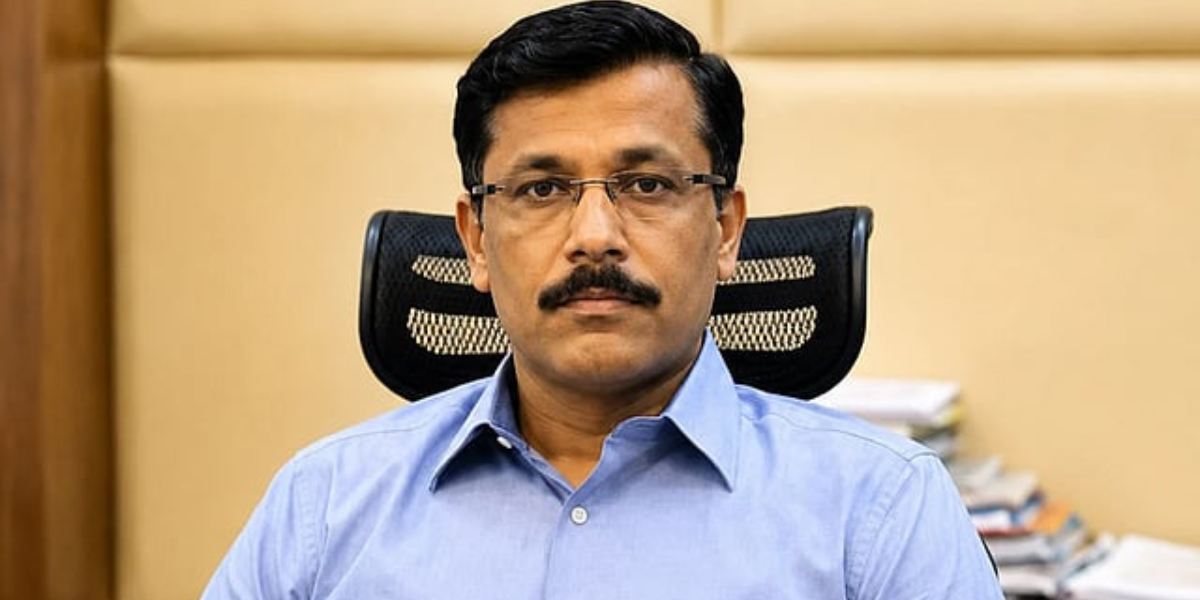
In the rarefied air of Mumbai’s elite clubs, where membership lists read like a who’s who of power and privilege, a strange democracy has arrived. Not through elections, but through the unrelenting clipboard of the Food and Drug Administration under Tukaram Mundhe. First it was the Cricket Club of India, then MIG, Willingdon and the Juhu gymkhanas. Now the axe has fallen on Bandra’s Otters Club. Analogue paneer sold as “regular,” broken flooring, blocked drains, refrigerators that refuse to seal properly; the same violations once reserved for the humble roadside stall or the railway platform eatery. The only difference is the wallpaper and the membership fee. Here lies the delicious satire of Mundhe’s regime. The FDA has declared, with clinical indifference, that a cockroach does not check the social register before crawling across a kitchen counter. A blocked drain does not care whether the diner is a film star, an industrialist or a daily-wage worker buying vada pav. Hygiene, under this commissioner, has become the great leveller. Five-star kitchens and five-rupee stalls now stand equally naked before the same law. For decades, Mumbai’s high-profile clubs operated inside a comfortable bubble of influence. Complaints about unhygienic conditions or questionable ingredients were whispered, never acted upon. Mundhe has punctured that bubble. By treating Otters Club with the same severity once reserved for the small eatery near a local station, he has delivered an uncomfortable truth: public health is not a class privilege. Critics may grumble about overreach. The clubs will appeal and eventually reopen. But the symbolism has already landed. In Mundhe’s Maharashtra, the kitchen floor is the only place where the powerful and the powerless are forced to stand on equal footing. And for once, that footing is being checked for broken tiles.
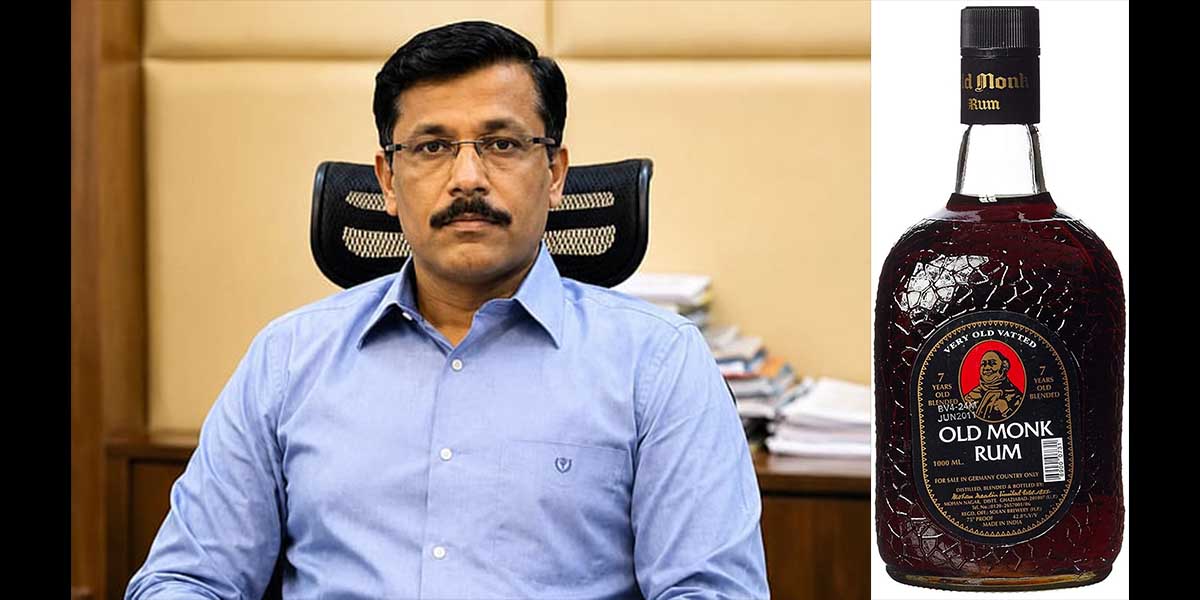
Walk into any Mumbai restaurant, club or bar these days and ask for an Old Monk. The waiter’s face will tell you the story before the words do. The iconic dark rum that once defined monsoon evenings, army canteens and late-night addas has quietly vanished from many shelves. The reason is not a supply-chain glitch. It is Tukaram Mundhe. The 2005-batch IAS officer, Maharashtra’s Food and Drug Administration Commissioner and the man the public now calls “Singham,” has been busy. After more than two decades and 25 transfers that never managed to dilute his spine, Mundhe took charge of the FDA in May and decided public health would no longer be negotiable. Elite clubs that once felt untouchable; Cricket Club of India, MIG Cricket Club in Bandra, Willingdon Sports Club and several other high-end and government-linked establishments, suddenly found their food license suspended. Besides, adulterated milk and synthetic paneer has also come under his glare. Now the net has tightened around liquor standards as well. Certain Old Monk variants, along with a few other popular spirits, ran into FSSAI rules on artificial flavouring and misleading age claims. Maharashtra FDA, under Mundhe, is enforcing those rules without apology. The result is visible on every bar counter: the monk is missing. Mundhe’s style is blunt, consistent and free of the usual bureaucratic theatre. He has made food safety a public conversation instead of a file note. In a city that thrives on shortcuts, an officer who refuses to look away is rare. The empty Old Monk shelf is not a crisis. It is a sign that, for once, someone is actually doing the job. Mumbai is eating and drinking a little more carefully. That is a wonderful start.
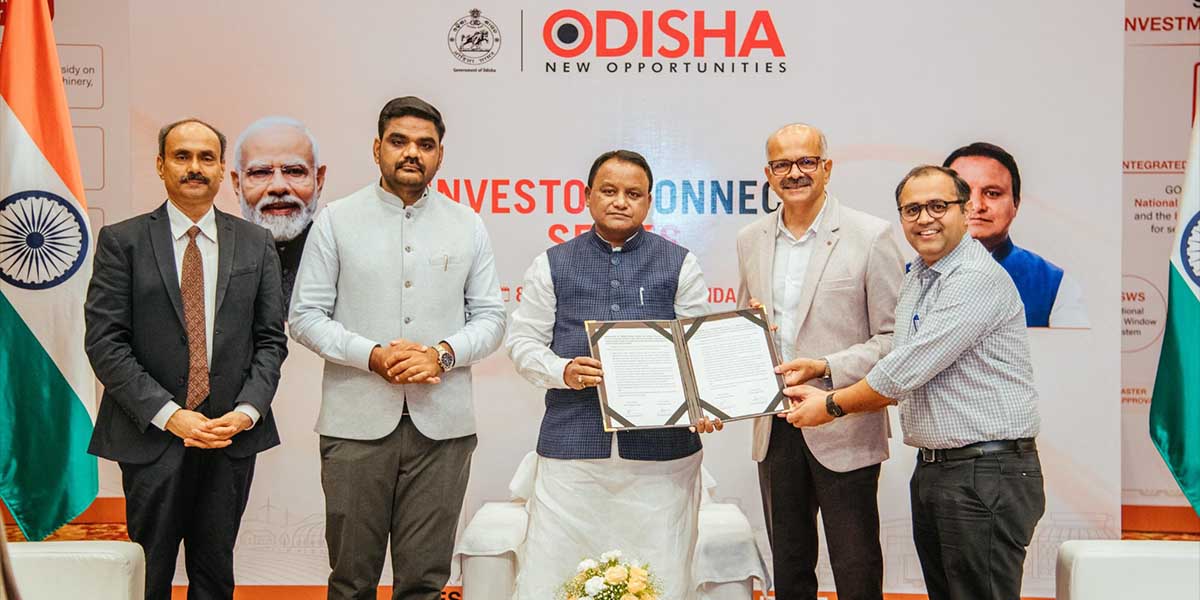
Odisha’s opposition leader Biju Janata Dal’s Naveen Patnaik has given a veiled threat to the BJP-led state government that he would launch a state-wide agitation if the Odisha government goes ahead with its plans to open the nuclear power space to the private sector. Patnaik, the former chief minister of Odisha, has cited the precedence of Fukushima (Japan) and Chernobyl (Ukraine) disasters and long-term environmental health risks. Responding to opposition’s resistance, the Majhi government is treading cautiously about opening the door to private sector players like the Adani Group, Tata Group including public sector NTPC. According to deputy CM Kanak Vardhan Singh Deo “atomic energy projects demand rigorous safety protocols and strict site clearances” thus giving indication it may be temporarily shelved till the heat dies down. Odisha watchers say “BJP is not giving up on nuclear power plant privatisation in Odisha, instead it is waiting for the right time to give the corporates the go ahead. BJD is simply politicizing the nuclear power issue. It may be recalled that Naveen Patnaik’s father Biju Patnaik had also pursued nuclear energy power during his time but had to give it up as they did not have access to technology and investment partners.
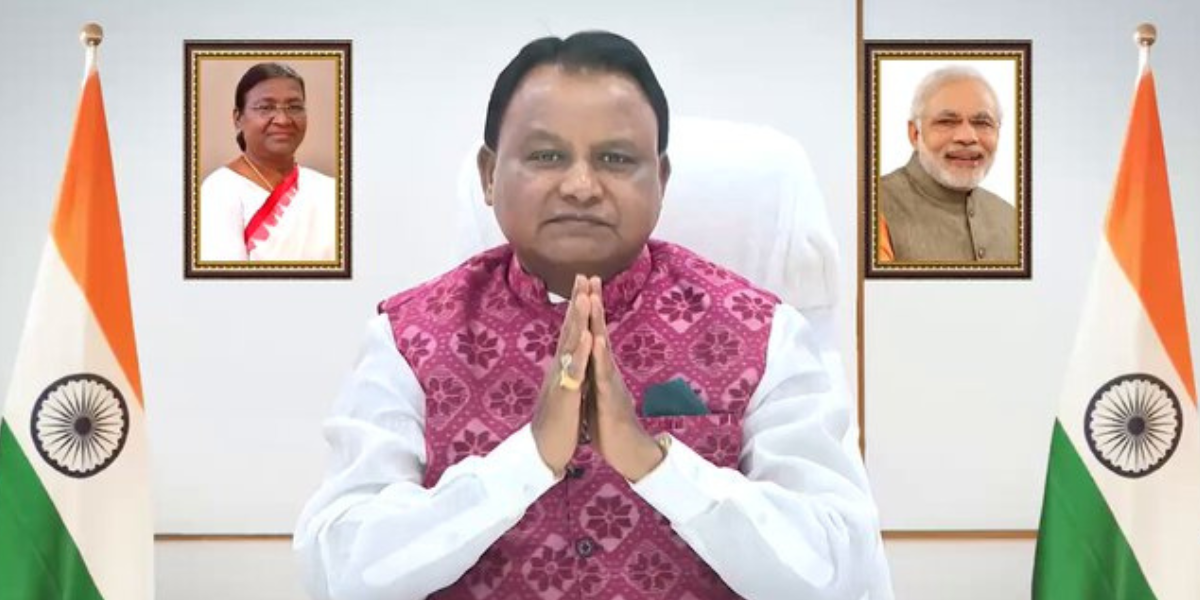
It seems Odisha’s political leadership led by CM Mohan Charan Majhi and bureaucratic leadership led by Industry Secretary Hemant Sharma are in the spotlight. Both have managed to woo big investments into the state thus beating the neighbouring Andhra Pradesh led by Chandrababu Naidu. It may be recalled that Lakshmi N Mittal who had originally zeroed-in on Odisha for huge investment in greenfield steel plant changed his mind at the eleventh hour and shifted it to Andhra. To make it up, Odisha is consolidating its position in other sectors. A case in point is power. Tata Power has finally selected Odisha and not Andhra Pradesh to set up its clean energy solar ingot and wafer facility in Tata SEZ Gopalpur. The investment is pegged at around Rs 6700-10,000 crore. It is said the Odisha government offered Tatas huge concessions and incentives to bag the project. According to Odisha Industry Minister Sampad Charan Swain, Odisha has emerged as the second-highest investment destination in the country after Andhra Pradesh under Utkarsh Odisha initiative.
The Tata Group has demonstrated terrific support to sustain the Tata Mumbai Marathon, a long-distance running endurance competition that spellbinds Mumbai once a year! The TMM, promoted by Procam International’s dynamic duo in Anil Singh and Vivek Singh, and held on the third Sunday of a new calendar year with a melange of cultures, is easily the best sporting event of the year and several corporates, including the IDFC FIRST Bank, the Maharashtra Government and its departments, and several others deserve a pat on their back and “shabhaash” encomiums. The Tata Sons and Tata Consultancy Services are the two top-of-the-drawer brands that have sponsored the marathon, which has raised well over Rs 500 crore for charitable causes in India. It’s their unstinted support that has enabled the event to be accorded the Gold Label Race badge. The African runners – from Kenya and Ethiopia – have dominated the marathon – with a prize money pool of $ 389,524 for the January 2027 race — for many years. They lend admirable quality to the premier race over 42 km and other races like the full marathon, half marathon, Open 10k, Dream Run, Senior Citizen and Disability Run. Air India Express got on board for the 22nd edition and joined others like ASICS, AMARON, Bisleri, Red Bull, Vedanta, Trident Hotel, United Way Mumbai and Sir H N Reliance Foundation Hospital, all of whom take pride in supporting the race that’s run through the city’s iconic localities and landmarks like the Coastal Road and the Worli Sea Link. The African runners take away a substantial part of the money, and the Indian runners too, mostly from the armed forces. In three years, the TMM will complete its silver jubilee, an occasion for Mumbaikars to celebrate memorably.
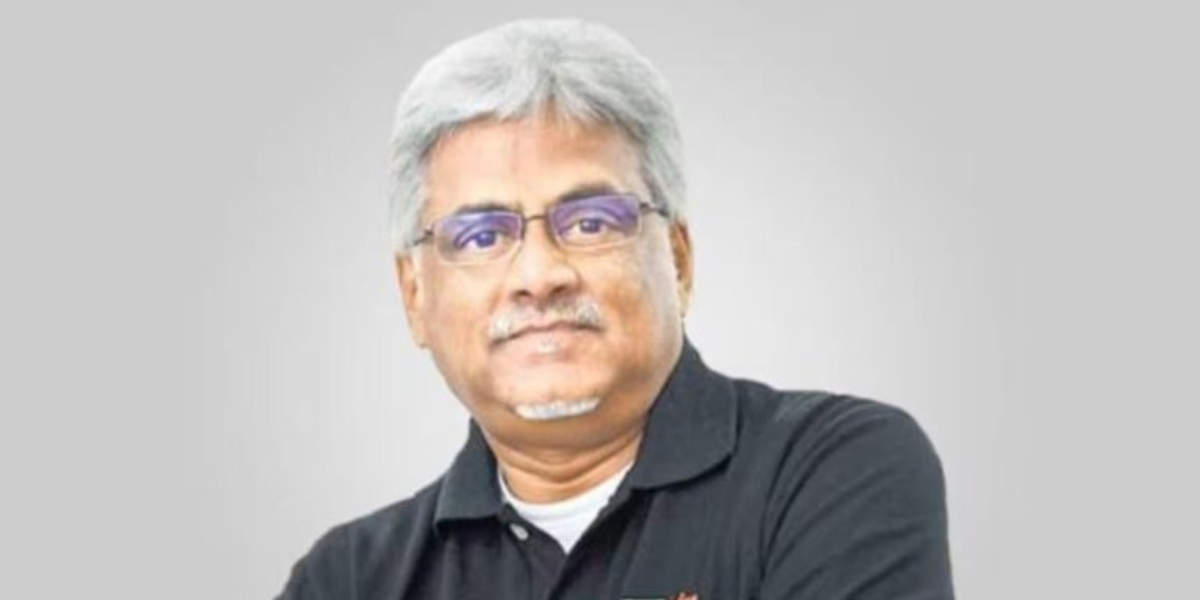
Former BigBasket CEO Hari Menon may have stepped away from the top job, but he’s far from slowing down. While continuing on the company’s advisory board, Menon is now turning his attention to something much closer to his heart—music. His first venture is bringing busking—the tradition of street music performances, popular across Europe and the UK—to Bengaluru. Backed by the Karnataka government, with police and Bengaluru Metro permissions reportedly falling into place, the first public performances are set to begin on 24 July. Menon and his team have already started inviting aspiring musicians to sign up as buskers. The idea is simple: provide a platform to perform, improve, access a studio free of cost, and eventually grow into accomplished musicians. Together with his wife Shanti, a noted educationist, Menon plans to begin with four shows a month before expanding to daily performances at Metro stations, malls and other public spaces under the banner of Unboxing Bengaluru. The initiative is backed by Unboxing Bengaluru, a platform founded by Prashant Prakash, co-founder of Accel, and former The Economic Times journalist Malini Goyal, with the aim of promoting music, art and dance across the city.
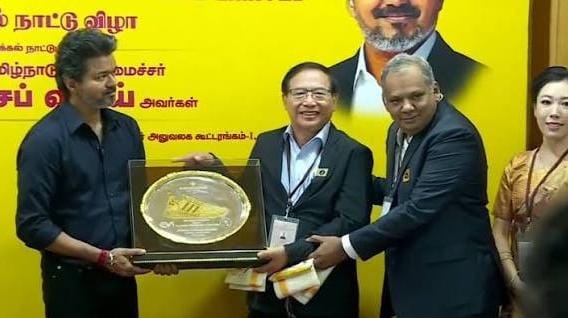
The century-old Chennai-based Kothari Industrial Corporation Ltd (KICL), a listed company, is making waves in the footwear sector. Ever since the Chairman Dr J Rafiq Ahmed entered the scene, KICL has heavily diversified beyond its traditional agriculture and fertilizer roots into drones, geospatial services and footwear. KICL’s transformation is becoming most visible in the footwear space. Recently, KICL’s associate, Phoenix Kothari Footwear, tied-up with Taiwan’s Evervan Group, one of the world’s largest contract footwear makers, to manufacture Adidas shoes in Karur, Tamil Nadu. The Karur plant, second phase, is being set up at a cost of Rs 1,700 crore and expected to generate 13,500 jobs. It is learnt that over five years the JV is expected to invest $1 billion across the country to produce 100 million pairs of Adidas shoes and generate 50,000 jobs. Interestingly, the second phase of Karur plant’s ground breaking ceremony was done by Tamil Nadu chief minister C Joseph Vijay. It may be mentioned that KICL is not content with being only a contract manufacturer. Some time back, it secured a 30-year license to market the iconic French footwear brand Kickers across India and several neighbouring markets. The company, it is learnt, is now negotiating to acquire the brand’s intellectual property, which would allow production to shift from China to India and give KICL ownership of an established international footwear label. The Indian footwear market is estimated at around Rs 1.2 lakh crore and is growing at roughly 7-8% annually. Premium footwear is expanding even faster, at 12-18%, driven by young consumers and rising disposable incomes.
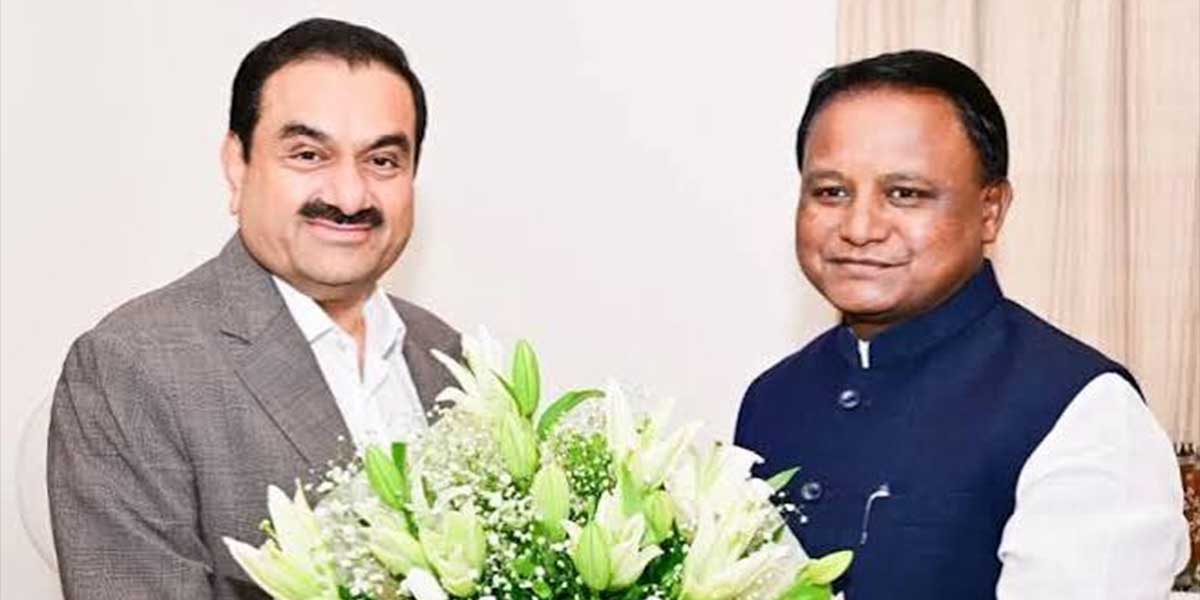
At a time when Odisha lost some big projects to neighbouring Andhra Pradesh, this huge investment from Adani Enterprises and UAE’s International Holding Company has given a big boost to the BJP-run Odisha government. Chief Minister Mohan Charan Majhi has every reason to feel happy particularly as there are many of his own partymen trying to show him in a bad light…and would ideally like him to go. Though the mining initiative is denuding into the rich forest reserves of Odisha, the state needs developments too. Adani’s JV with UAE proposes to invest $ 11.5 billion in Odisha to set up an integrated aluminium project which includes green energy plant, ship building and steel plant. These projects are expected to create 53,000 new jobs. It is considered one of the largest FDI projects so far in Odisha. Now political commentators are giving all kudos to CM Majhi’s core team. However, Opposition Biju Janata Dal has labelled the big MOU investment figure as exaggerated political propaganda rather than realized capital.
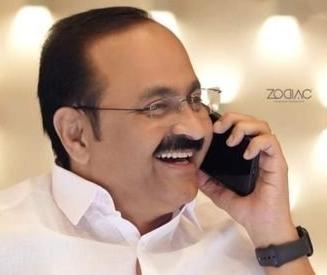
Keralam chief minister V D Satheesan objects to Adani Group selling its 49% stake in Adani Vizhinjam Port Private Ltd to Mediterranean Shipping Company (MSC). The Keralam CM tweeted saying that it was announced without prior consultation with or intimation to the Government of #Keralam. “I have conveyed the State Government’s strong displeasure to the management of Adani Ports and Special Economic Zone Ltd. Any change in the concessionaire’s shareholding structure requires government approval and will be examined strictly under the provisions of the concession agreement and applicable regulations.” The Government remains committed to safeguarding Keralam’s interests and strengthening Vizhinjam as a globally competitive transshipment hub. CM’s tweet seems to have evoked mixed reactions. Why can’t investor sell his part of the stake to an investor ask many. It is micro management by the state government that is seeing the investors hesitate to invest in Kerala. If an investor legally sells shares to a foreign company, what is wrong with that? If the state government has concerns, it can buy those shares instead of creating unnecessary hurdles for investors. Countering this argument veteran journalist J Gopikrishnan posted on X that “Since the Port is under PPP Model, Kerala Govt has to approve the sale of ownership…Adani sold the 49% shares of around Rs 15000 crore …. Let us see what happens in coming days.” Yes, wait and watch is the operative word for now.
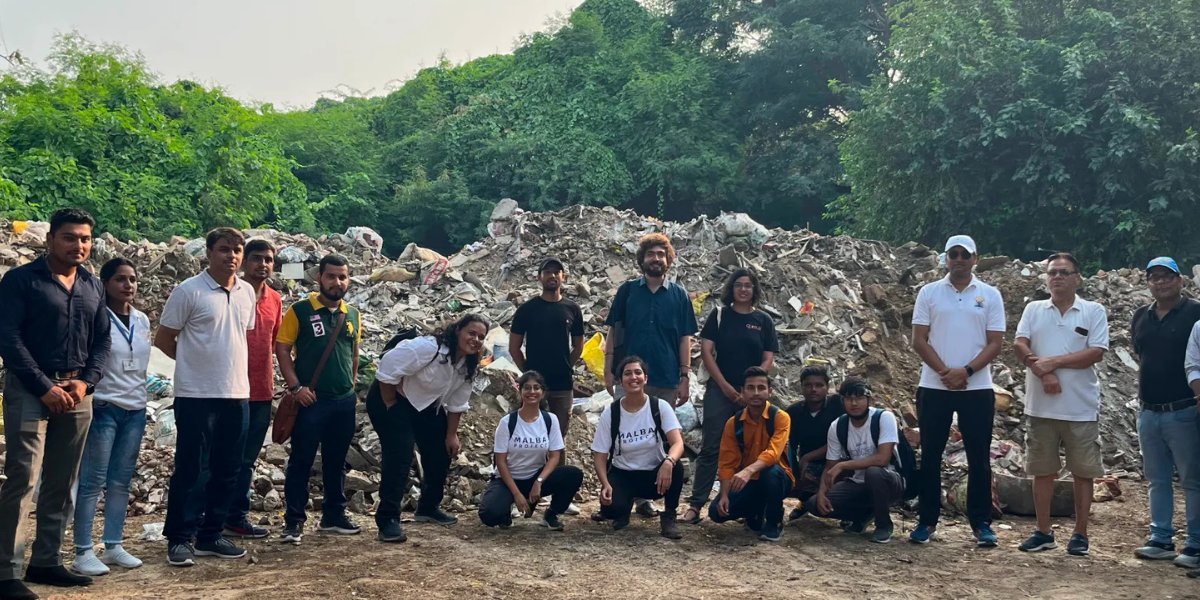
A silent but potentially transformative battle is unfolding beneath Mumbai’s frenetic redevelopment boom — the business of rubble. The Brihanmumbai Municipal Corporation (BMC) has rolled out the beta version of its ‘Malba’ portal ahead of a full public launch on July 1 and India’s financial capital becomes the second city after Delhi to digitally track construction and demolition (C&D) waste. The timing is significant. Mumbai is in the middle of one of its biggest urban churns — old housing societies are being razed, slums redeveloped, metro corridors expanded and infrastructure projects accelerated. But every demolition leaves behind an uncomfortable by-product: millions of tonnes of debris. For decades, that rubble disappeared into vacant plots, creeks, mangroves and roadsides, creating dust pollution, choking fragile ecosystems and adding to urban chaos. What was dismissed as waste is now being recast as economic inventory. The Malba platform aims to connect waste generators, transporters, recyclers and regulators into a single compliance chain, allowing authorities to track debris from demolition site to recycling plant. Delhi’s early experiment has already established the proof of concept. Mumbai could now scale it. The larger opportunity lies beyond enforcement. India’s redevelopment economy is creating a parallel debris economy — recycling aggregates, paver blocks and road-building material from yesterday’s concrete. Industry estimates suggest recycled debris utilisation, currently in low single digits, could touch 50% by 2030. If that happens, rubble may no longer remain the cost of development. It could become one of its most valuable raw materials. Sources reveal that even the Adani group is in talks to set up a crushing plant within the largest urban renewal project it is currently seized of at Dharavi in Mumbai
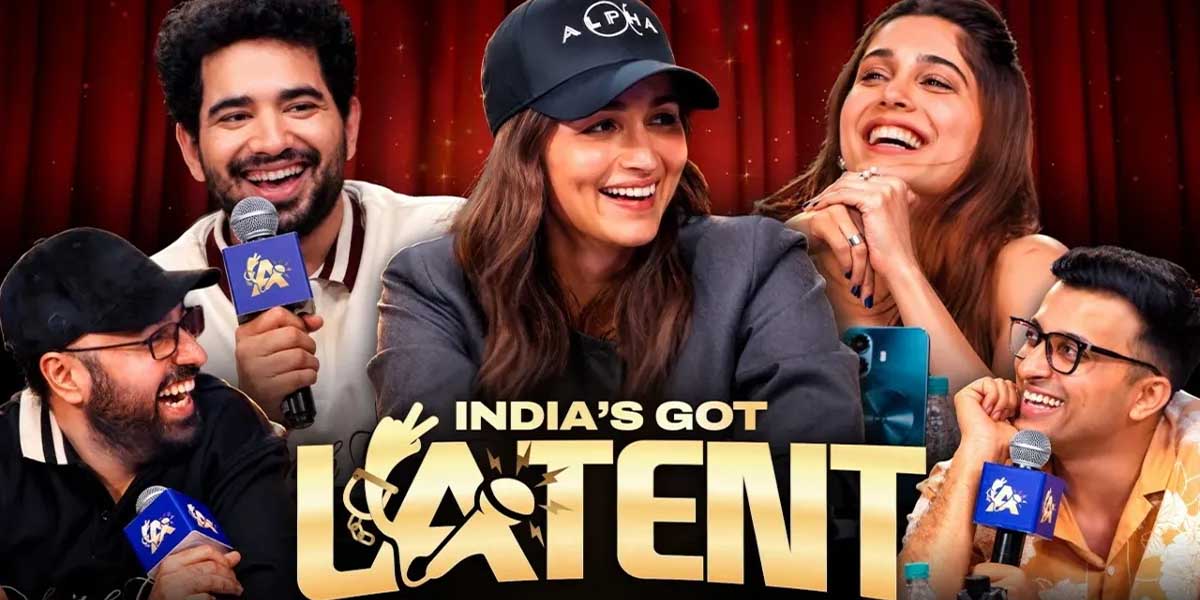
In a jaw-dropping display of corporate desperation, Netflix, the self-proclaimed king of global streaming, has been forced to its knees by comedian Samay Raina. Season 2 of India’s Got Latent premiered on June 20, 2026, at 7 PM IST in a historic simulcast on both Netflix and YouTube. This marks the first time the platform has abandoned its ironclad exclusivity demand for a major title, all because Raina commands a fiercely loyal independent army that no contract could conquer. Raina, with over 9.4 million YouTube subscribers and hundreds of millions of views, built his empire brick by brick on raw, unfiltered chaos. After the explosive 2025 controversy that briefly took the show offline and drew police scrutiny, Raina emerged stronger. Netflix, facing stagnant Indian growth and creator fatigue, reportedly shelled out Rs 20 crore upfront just to get in the room, while Raina shrewdly retained full YouTube control for ad revenue which will roughly go to Rs 60 lakh monthly. Insiders whisper this hybrid deal could net Raina Rs 2 crore per episode through combined streams, brand tie-ins and his strong fanbase. Netflix also greenlit an exclusive stand-up special with him. Here, the giant blinked first. No more “Netflix Original” stranglehold; Raina’s community power forced a revenue-sharing revolution that echoes TVF’s early indie wins but on steroids. This isn’t collaboration; it’s capitulation. In the cut-throat OTT wars, Netflix admitted what Bollywood A-listers and rival streamers won’t: a creator with authentic followers is bigger than the corporate muscle. Raina didn’t just get a deal but he made Netflix share the throne, proving that owning your audience turns even the biggest platforms into desperate suitors.
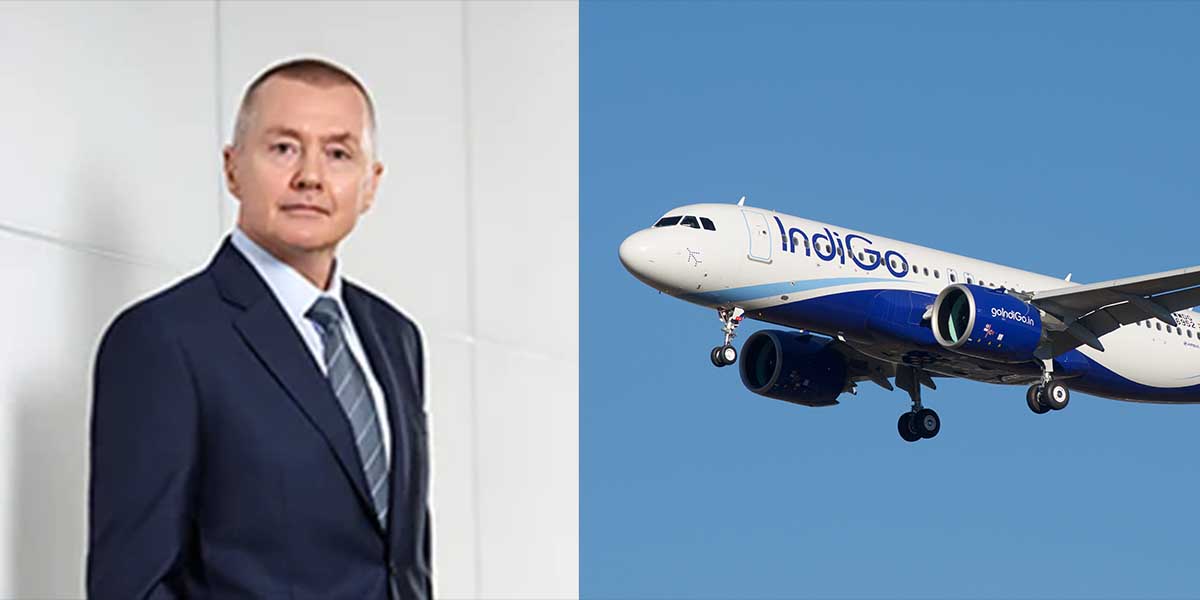
As former British Airways, IAG and IATA chief William Walsh prepares to officially take over as IndiGo CEO on 3 August 2026, he inherits an airline facing growing questions over its international expansion strategy. The carrier has suspended its direct Manchester-Mumbai and Manchester-Delhi services, from August 31 citing rising operating costs and longer flight times caused by continuing international airspace restrictions. IndiGo is also temporarily halting flights to Langkawi, Krabi, Ho Chi Minh City, Hong Kong, Shanghai and Siem Reap until the end of September. Behind the scenes, industry sources say IndiGo is exploring ways to continue its partnership with Norse Atlantic Airways despite plans to return one leased Boeing 787-9 Dreamliner. The move has fuelled speculation about how quickly the airline can rebuild its long-haul ambitions before its own Airbus A350 fleet arrives. Passengers affected by the Manchester suspensions are being re-accommodated through IndiGo’s Mumbai-Amsterdam and Mumbai-London services, with full refunds available for those unwilling to travel. Attention has now turned to IndiGo’s codeshare arrangement with KLM. If maintained, travellers could still reach Manchester via Amsterdam, preserving an important link between northern England and India. The Manchester routes were launched with considerable fanfare and were viewed as a key step in establishing the IndiGo brand in Europe. Supported by both UK and Indian officials and coinciding with the UK-India Free Trade Agreement, the services were expected to generate tens of millions of pounds in exports, tourism spending and productivity gains while creating hundreds of jobs. With regional business leaders disappointed by the suspensions, the spotlight is now firmly on Walsh. Aviation insiders will be watching closely to see whether one of the industry’s most experienced executives can revive IndiGo’s European ambitions and restore confidence in its long-haul strategy.
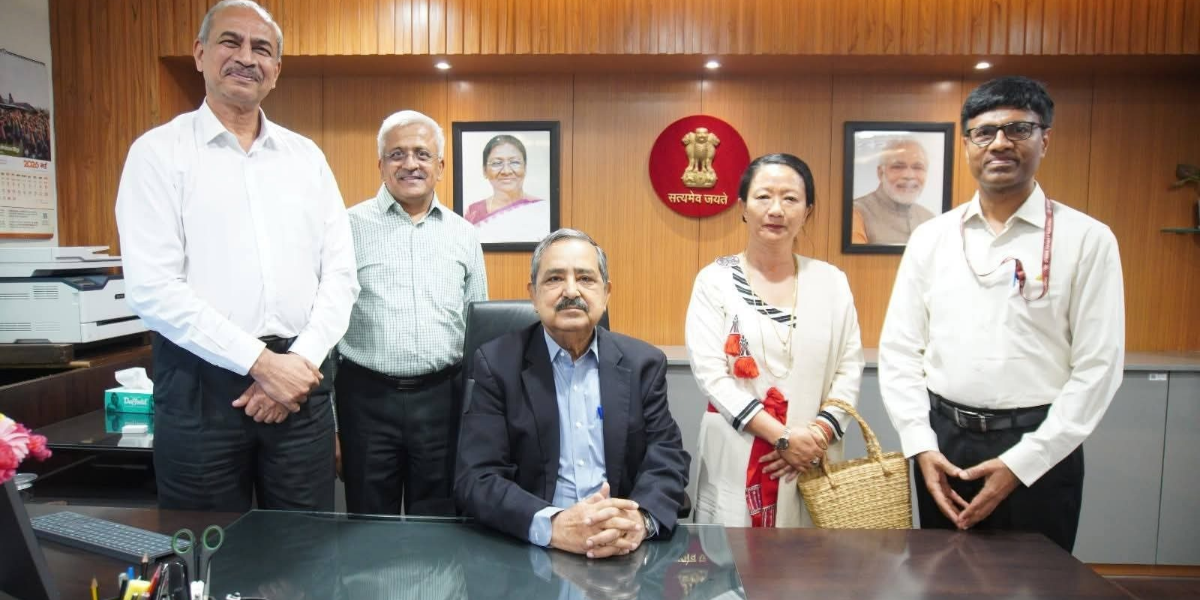
The new vice chairman of NITI Aayog Ashok Lahiri is expected to play a key role to reposition West Bengal as an industrial and manufacturing hub. Lahiri, who won the 2021 Assembly election from Balurghat as a BJP candidate, knows Bengal inside out. The Modi government is expected to rely on his expertise to prepare a long-term industrial revival plan for Bengal. Officials associated with NITI Aayog said preliminary discussions on the roadmap have begun under Lahiri’s leadership. The proposed framework focuses on manufacturing, logistics, infrastructure, river-based trade and employment generation, with Kolkata positioned as a gateway to India’s “Act East” strategy for stronger engagement with Southeast and East Asia. Once India’s second-richest state by GDP after Independence, West Bengal now ranks sixth nationally. Economists have attributed the decline to excessive trade unionism, administrative failures leading to weak industrial investment. Major factory closures during the Left Front era and limited industrial expansion during TMC’s regime also contributed to the downturn. Industry experts also cite the long-term impact of the Singur and Nandigram agitations on investor confidence. Many skilled workers migrated to cities such as Bengaluru and Hyderabad for better opportunities. NITI Aayog’s proposed strategy will focus on logistics, connectivity, manufacturing, ports, freight corridors, skill development and job creation. Policymakers are examining revival measures for engineering, chemicals, textiles and electronics industries, while also exploring a semiconductor corridor linked to eastern India’s mineral belt. Economists, however, caution that land acquisition challenges, weak infrastructure, financially stressed urban bodies and bureaucratic inertia could slow implementation. Analysts said investor confidence may have improved after the political change, but the success of the industrial push will depend on administrative execution and policy delivery.
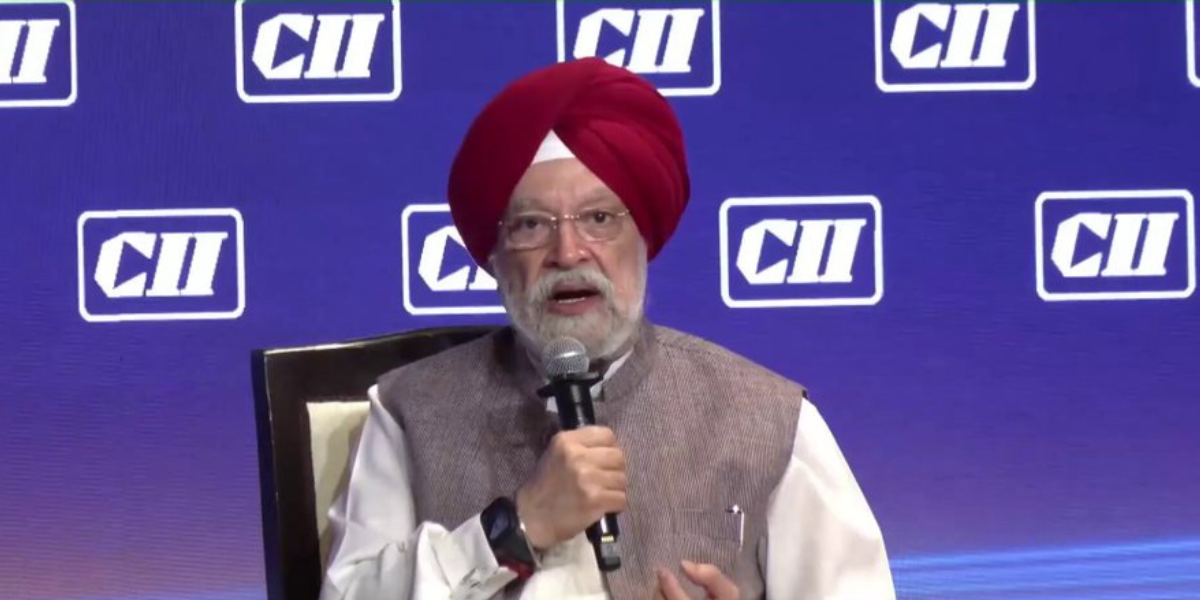
At the CII Annual Business Summit in New Delhi, the Union Minister for Petroleum and Natural Gas Hardeep Singh Puri took a swipe at certain private sector energy players for having done far less than expected during the initial phase of the energy crisis triggered by the Strait of Hormuz disruption that severely distorted crude oil and LPG supply chains into India. While some domestic players failed to ramp up LPG production despite emerging shortages, others allegedly continued exports from India turning a Nelson’s eye to the country’s mounting energy predicament. Puri noted that Indian PSUs were “taking the loss” adding, “I wish I could say this for everyone in the game. I cannot.” An industry source disclosed that India’s normal daily LPG requirement of nearly 50 lakh cylinders suddenly surged to almost 75 lakh amid panic buying and hoarding after the Hormuz closure triggered market anxiety. “Managing this crisis despite a continuing 40% supply deficit was no mean feat either,” the source added. The escalating geopolitical turbulence across West Asia has now pushed the Modi government into a calibrated LPG crisis management mode as delayed cargo movements, tightening inventories and fears of black-marketing impact multiple states. India, the world’s third-largest LPG consumer with over 33 crore active connections, imports nearly 62% of its LPG requirement with almost 90% sourced from West Asia. The present disruption has exposed India’s strategic vulnerability with storage reserves of barely 14.2 lakh MT translating into roughly 17 days of consumption cover. The Centre has directed PSU and private refineries to maximize LPG production while nudging Reliance Industries to enhance domestic output. Fast-tracked spot cargo procurements, utilization of coastal import infrastructure including Petronet LNG facilities and possible Government-to-Government energy arrangements with Nigeria and Malaysia are simultaneously under evaluation even as anti-hoarding enforcement intensifies...
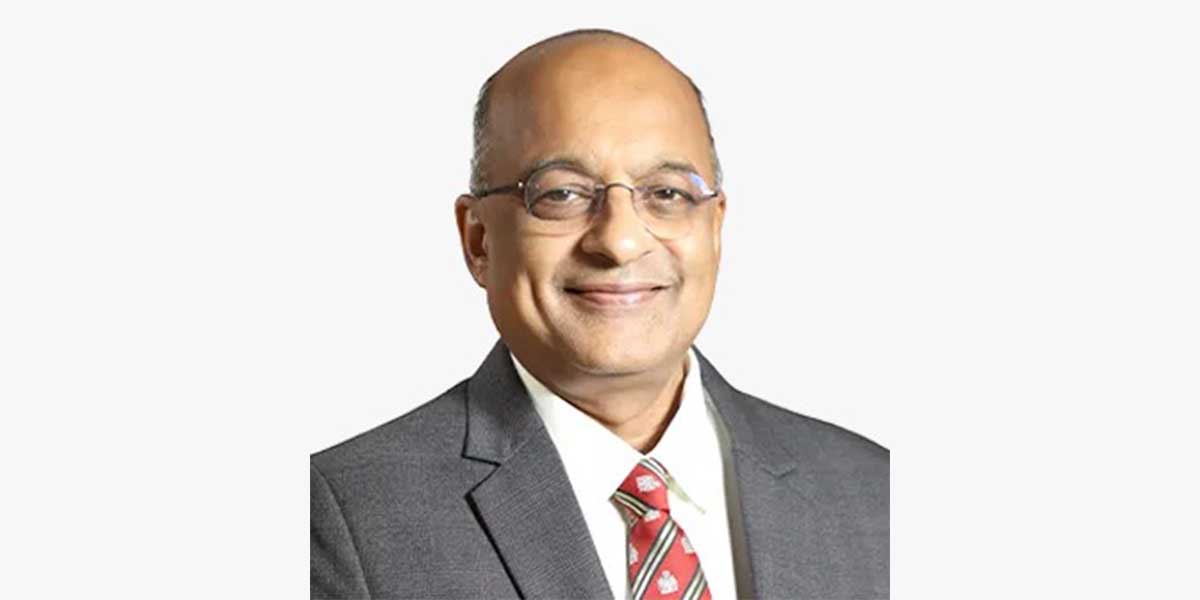
HDFC Bank MD & CEO Sashidhar Jagdishan has been vindicated for his steadfast refusal to bow to pressure. Despite facing serious allegations of financial impropriety, Jagdishan maintained his silence and his stance, even when advised to address the media. His faith in the judicial system was rewarded on May 5, 2026, when the Bombay High Court quashed the FIR filed against him. The controversy began in June 2025 when the Lilavati Kirtilal Mehta Medical Trust—the body managing Mumbai’s iconic Lilavati Hospital—filed a FIR against Jagdishan. The trust alleged that Jagdishan accepted a Rs 2.05 crore bribe to assist specific trustees in maintaining control and interfering in the trust’s internal management. HDFC Bank dismissed the claims as “malicious and baseless,” asserting that the FIR was a retaliatory tactic designed to stall the recovery of over Rs 14.74 crore in outstanding loans from the trust’s affiliates. A division bench of Justices M S Karnik and N R Borkar allowed Jagdishan’s plea, effectively setting aside a previous magistrate court order from May 29 that had called for a police investigation. The High Court observed that the FIR appeared to be a product of “personal vendetta” and a misuse of the legal process. Throughout the ordeal, Jagdishan reportedly declined suggestions to hold a Press Conference to “clear the air,” choosing instead to let the legal process take its course. While the trust requested the case be transferred to the CBI, the High Court dismissed the notion as premature, finding no prima facie evidence of a criminal offense.
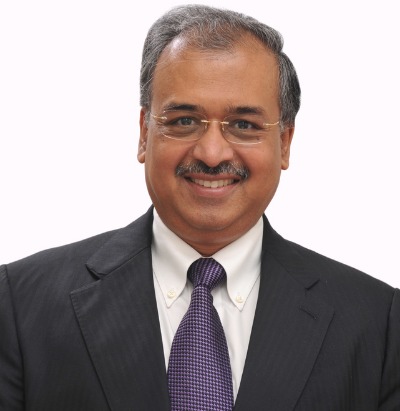
Sun Pharmaceutical’s ambitious $11.75 billion acquisition of U.S.-based Organon & Co has effectively reset the benchmarks for the Indian pharma sector. As the largest outbound acquisition in the industry’s history, the Dilip Shanghvi-founded company has solidified its global footprint across Europe, China, Canada, Brazil, and the U.S. through the newly formed Sun Pharma America Inc. Beyond doubling revenue and enhancing EBITDA margins, the deal is a strategic play to position Sun Pharma as a top-three global leader in women’s health and a top-ten player in biosimilars. This shift significantly diversifies Sun’s revenue stream, reducing its dependence on the domestic Indian market, with U.S. revenues projected to rise by $1.4 billion. Industry insiders note that the “easy win” era of small molecules and standard generics has ended. To remain competitive, the sector is pivoting toward heavy investment in complex generics, specialty medicines, and branded products. Analysts predict Sun’s move will trigger a wave of reactionary M&A activity as other Indian giants eye their own global acquisitions.
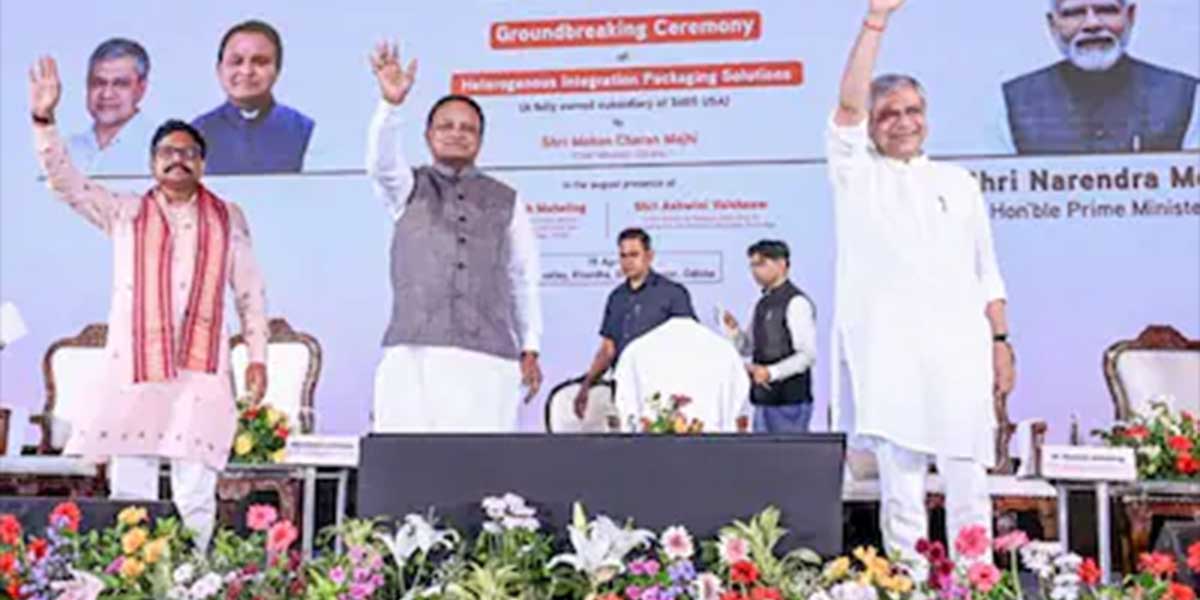
Odisha which has strong presence in metals and mining is now entering the high the hi-tech semiconductor arena. In a major development, the Union IT Minister Ashwini Vaishnav laid the foundation stone for India’s first silicon-semiconductor plant in Odisha which will make India’s first 3D chip packaging unit at Infovalley-II in Bhubaneswar. It is indeed a historic day for Odisha. This import substitute project worth Rs 1,943 crore is being developed by 3D Glass Solutions Inc (3 DGS) with the Central government investing Rs 799 crore and Odisha government Rs 399.5 crore. This facility is targeting to produce 70,000 glass panels annually, 50 million assembled units and 13,000 advanced 3D heterogeneous integration modules. Sources say, commercial production is slated to begin by August 2028 with the plant going full stream by 2030. The challenges for 3DGS henceforth are cut out for meeting Odisha’s requirement. It needs to make the chip work faster to meet massive computational demand of AI, improving energy efficiency, saving energy, reducing signal losses and handling high temperature issues. Additional Chief Secretary of Odisha’s Energy Department Vishal Kumar Dev called the project “a watershed moment of the state”. He said 3DGS, the company behind this project, is a globally recognised player backed by giants like Intel and Lockheed Martin.
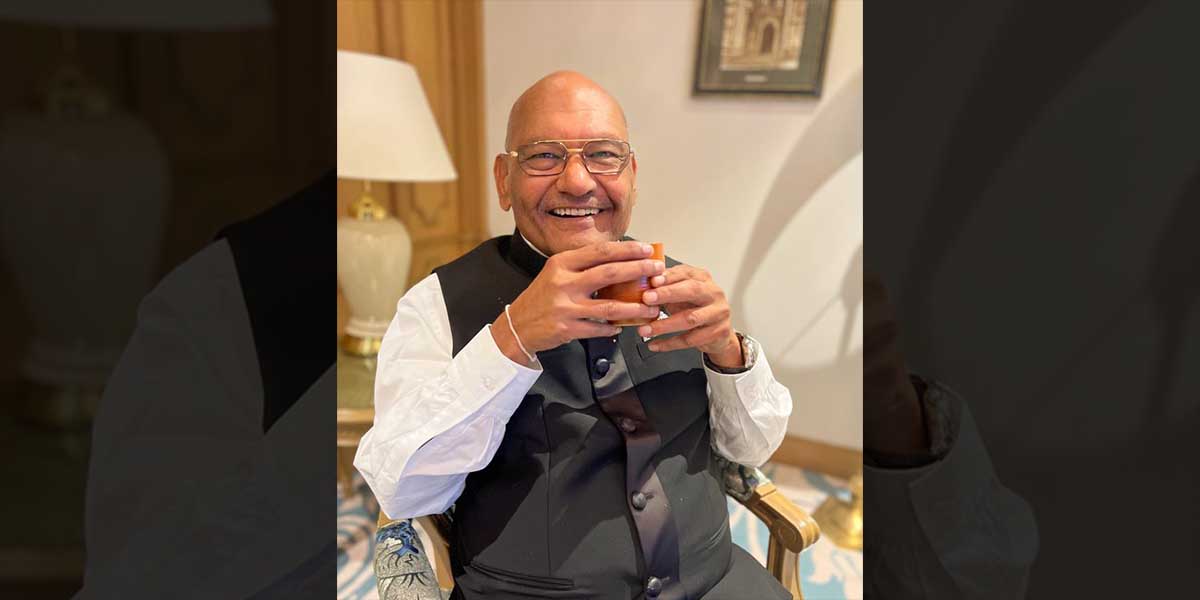
Looks like the Vedanta Group chairman Anil Agarwal is oscillating between hope and despair. Reason: his group’s acquisition of 1,549 acres of Sijimali bauxite mines on a 50-year lease in Odisha’s Koraput district is facing trouble. The operations have been halted due to alleged tribal rights violations. In early April this year violent clashes broke out between local tribal and police over the construction of a 3 km approach road to the mines which was being constructed by Vedanta. The tribal multiple gram sabhas say their consent signatures submitted supporting the Vedanta mining project were forged; the gram sabhas have also rejected Vedanta’s claim of mines. Opposition leaders and civil society groups have expressed strong disapproval of the situation accusing the state government of coercion and using force against the tribal communities. Political observers define this new development as a litmus test — whether a small marginalised tribe located in remote Sijimalli hills can stand up to Vedanta’s might with an army of lobbyists, PR firms and ears of Mohan Charan Majhi’s government in Odisha. Majhi has a little playroom here. He has to not only attract investments into the state but provide an enabling environment to ensure investment stays within the state and not move out as happened in the case of LN Mittal who moved to neighbouring Andhra Pradesh. Plus, Odisha too has a role to play, if India has to become $ 30 trillion economy by 2047.
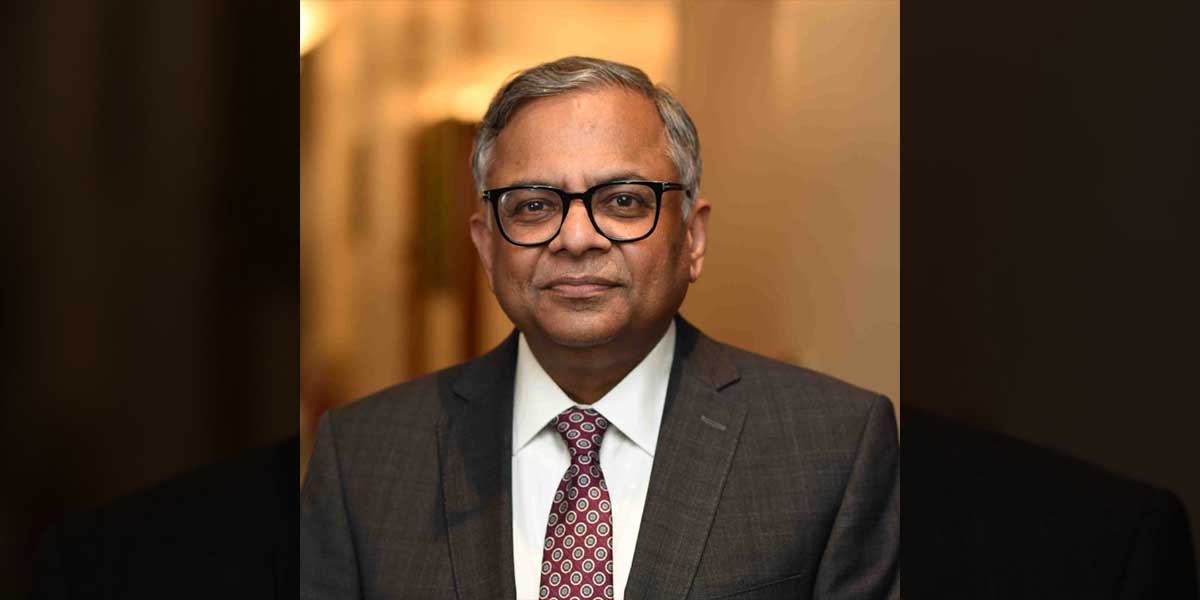
It appears that 68-year-old Noel Tata is slowly but steadily consolidating his position within the Tata Group. When Ratan Tata was at the helm, Noel maintained a low profile, focusing on companies entrusted to him, such as Trent Limited. However, following Ratan Tata’s passing, he seems to have moved to centre stage. Many within the group welcome his increased involvement, noting his ability to navigate complex institutional dynamics. Some time ago, he, along with other trustees, blocked the reappointment of Mehli Mistry—a close confidant of Ratan Tata—to the boards of the Sir Dorabji Tata Trust and the Sir Ratan Tata Trust, the principal trusts that together hold over 51% in Tata Sons. At the Tata Sons board meeting held on February 24, 2026, in his capacity as chairman of Tata Trusts, Noel Tata raised concerns about several group businesses, including aviation, automobiles, and digital services. In this context, Chairman of Tata Sons N Chandrasekaran recommended that a decision on his extension be deferred to the next board meeting. A couple of days later, Noel Tata is believed to have proposed a shorter, two-year extension for Chandrasekaran beyond 2027, instead of the five-year term until 2032 that had earlier been approved by the board. My assessment is that Chandrasekaran may not be keen to continue beyond 2027, when he turns 65. Having had a dream run so far, now he may not be interested in talking about project milestones, justifying capex etc. Then who will take over as chairman of Tata Sons? It is unlikely to be Noel Tata, who will be nearing 70. Could it be another member of the Tata family? One possibility is Noel’s son, Neville, who would be around 34 years old in 2027. He was appointed as a Trustee of the Sir Dorabji Tata Trust in November 2025. He is the youngest trustee. He is also associated with Trent. Here, it is worth recalling that J R D Tata was also 34 when he assumed leadership of the group.
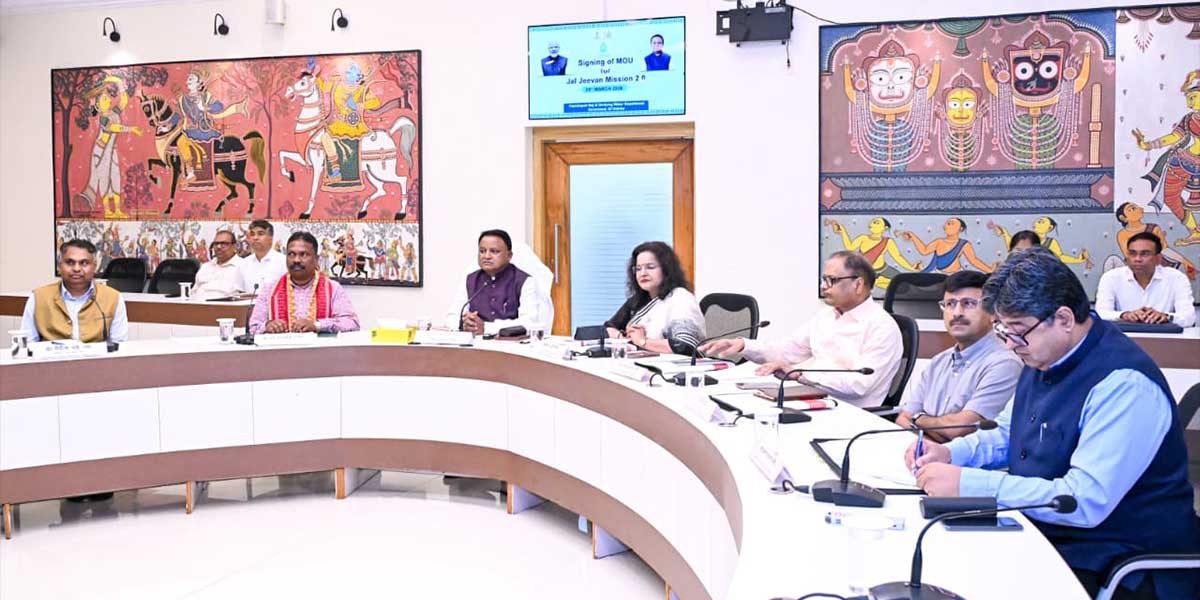
Amidst West Asia war crises and disruptions in energy supply and emerging geopolitical risks, the BJP-led government in Odisha is now making international headlines. After steel and mining prowess, the Odisha government is seriously contemplating to set up the world’s largest underground 4 million tonne crude oil storage facility at Chandikhole, Jajpur district entailing an investment of Rs 8,743 crore. This project was conceived during Naveen Patnaik times. But, it remained only on paper…gathering dust for the last seven years. The current war in West Asia has triggered of energy crises globally and this gave the current chief minister of Odisha Mohan Charan Majhi to relook at the project. The main issue now is to quickly allot 400 acres of land to Indian Strategic Petroleum Reserve Ltd. It is learnt that the BJP’s Education Minister Dharmendra Pradhan nudged both the Odisha CM and Petroleum Minister Hardeep Singh Puri to fast track the strategic underground crude oil storage facility terming it as a national project which has been delayed for 7 years because of land issue and bureaucratic delays. Sources say 286 acres are now being processed while the remaining land may take another two months. Only when the entire 400 acres of land parcel is handed over to ISPRL will the project take off?

When a city like Chennai is already having its own issues with traffic and travel, a Chennai-based startup called The ePlane Company is working on India’s first electric air taxi, which can take off and land like a helicopter. The plan for this air taxi is called e200x. As fascinating as it sounds, will it be feasible in terms of money, electricity and battery limits? Half of the roads in Chennai are already occupied with barricades, saying “inconvenience today for a better tomorrow” where parking space for this e taxi will be allocated, considering Chennai’s limited parking space. Even though it might help to overcome traffic and everything, how many individuals can really afford to go in an air taxi that replicates a helicopter? The company is building a computer model as of now. What about the after-math effects of building a real one? What will happen if the battery drains down in the middle of the ride? Will Harry Potter come with his Nimbus 2000 (a magic broomstick) to rescue people and to drop at their locations? And Charging stations? Fares to ride in these helicopter replicas? It’s a lot to unpack. As futuristic as it sounds, practicality is what will decide the outcome of this idea.
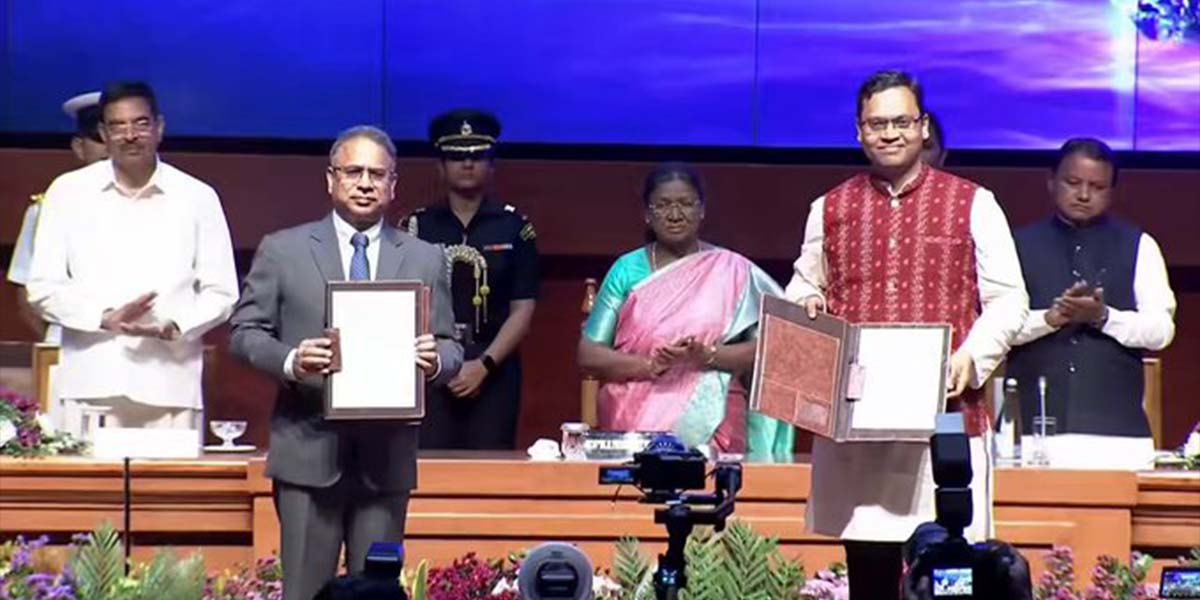
Odisha government led by chief minister Mohan Charan Majhi is now taking giant strides in the Artificial Intelligence space. The Bengaluru-based Sarvam AI led by CEO Pratyush Kumar and co-founder Vivek Raghavan have signed a MoU with the Odisha government to establish a $ 2.3 billion (approx Rs 20,000 crore) Sovereign AI Hub in the state that will create 5,000 jobs. The uniqueness of Sarvam is they can do what Chat GPT can’t do. It will provide AI solutions that understand India’s unique linguistic diversity, handling code-switching (blending languages like Hindi and English), regional accents, and cultural nuances better than global models, with key products like Sarvam Vision for document intelligence and Bulbul for text-to-speech. This explains why Sarvam has been selected under the India AI mission having data residency in India. Its immediate objective seems to be: One, make Odisha one of India’s AI hub wherein it becomes the net producer, exporter of trainers to other states. Two, Odisha will have the advantage to train and deploy similar AI models in other Indian languages when it gets rolled out in other states eventually. Odisha government sources say this project will serve as a national model for AI deployment eventually. What seems certain is that BJP-led Odisha government is now determined to make Odisha a success story in artificial intelligence space.
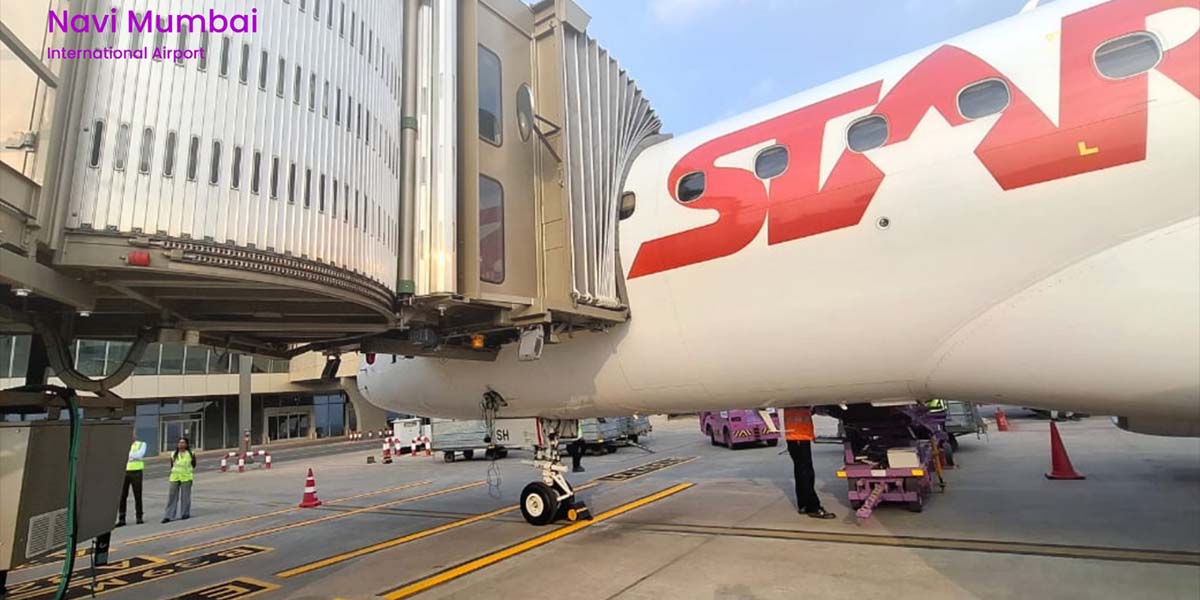
Mumbai may have got a new spanking Rs 19,650 crore airport at Navi Mumbai but it will in no way ease congestion at Chatrapati Shivaji Maharaj International Airport (CSMIA) or T2. Navi Mumbai International Airport (NMIA), operated by Adani (74%) and CIDCO (26%) under a PPP model, has decided to charge parking and landing charges which are double of CSMIA. Even user development fees (UDF) charged per passenger is higher at NMIA. This will see airlines sticking to CSMIA rather than shifting to the new airport. Moreover, with the Rs 22,862 crore metro connectivity between Mumbai and New Mumbai taking three to four years to complete, there is no incentive for passengers to head to the new airport. According to informed sources, since NMIA is a greenfield project with massive infrastructure costs to recoup, its operating fees are significantly higher than CSIA. The UDF, part of the overall air fare per passenger, is nearly 3.5 times higher than that of CSMIA. Domestic departure fee at CSMIA is Rs 175-207 while it is Rs 620 at NMIA. Likewise, international departures cost Rs 615-726 while it is Rs 1225 at NMIA. Experts say that the Airports Economic Regulatory Authority allows new airports to charge higher ad hoc tariffs during the first few years of operation. But the good news for users of CSMIA is the reduction in landing and parking charges by 35% introduced a couple of months back, thereby making it competitive with other international airports. India’s major airports used to charge 60% higher landing fees than Dubai/Singapore. Today Mumbai’s rates may not be lower but closer to Changi (Singapore) and Incheon (Seoul) rates. Since the Adanis took over CSMIA, the emphasis has been to shift the cost burden slowly from airlines to passengers like other international airports. Typically, 50-60% of airports’ revenue comes from non-aeronautical sources like shopping, dining, hotels, real estate rentals etc.

Time, they say, flies—and how true that is. Here we are celebrating our 5th Anniversary. Five years ago, when Covid-19 was wreaking havoc across the globe, I took a leap of faith and launched Short Post, India’s first website for Authentic Gossip. That was on January 31, 2021. I was convinced there was a clear gap in the market for gossip that was credible, sharp, and impactful—especially if told in just 250 words.
In this, I was fortunate. Scores of senior editors across diverse verticals bought into the idea and, in the process, gave wings to my dream. Quite honestly, Short Post could not have crossed these milestones without the unflinching support of its contributing editors. Like all start-ups, we have seen our share of ups and downs, but these editors have stood by us like a rock. I take this opportunity to doff my hat to them.
Thanks to their commitment, we have published close to 5,000 stories spanning politics, business, entertainment, and sports. I say this with pride: we made our mark as people who matter read us. “Small packs, big impact” truly captures the essence of Short Post.
We all know that Covid-19 has reset businesses worldwide, and the media sector is no exception. In the post-Covid era, investors have become more cautious and selective—and advertisers too. To compound matters, the entry of AI has disrupted the media landscape in equal measure. So far, we have managed to hold our ground, hopeful that some angel investors will take a shine to us.
What gives me confidence is this: AI cannot smell news—especially the gossipy kind. In other words, AI cannot churn out Short Post-type stories, no matter the prompt. That puts us in a safe zone. As someone rightly said, “AI is a co-pilot, not a pilot.”

There seems to be no breather in the domestic aviation scene in the foreseeable future. Though the government proudly announced the entry of Shankh Air, Al Hind Air, FLY91 and Jettwings Airways, they are hardly going to ease air travel. All the new airlines plan to operate only on feeder routes and to Tier-2 and Tier-3 cities. Following disruptions in flights through scheduled cancellations and delayed flights by IndiGo on December 5, 2026, DGCA had ordered a 10% cut in IndiGo’s overall flights — from 2144 flights per day to 1930 flights. As a result, Indigo had to vacate 717 slots out of which 364 were from major metro cities. But to everyone’s surprise there are no takers from existing or new airlines for the vacated slots. About the only airline capable of making a move is Akasa Air, which is awaiting induction of new aircraft in its fleet. Shankh Air, believed to be operated by a former truck operator and based out of Lucknow plans to fly on Tier- 2 and three routes — Varanasi and Gorakhpur. Goa-based FLY91, which planned to operate Airbus aircraft, today operates three ATR 72 -600. The flights are to Lakshadweep from Kochi, and to Sindhudurg, Jalgaon, Bengaluru and Hyderabad from Goa. FLY91’s first year operations landed it with a loss of Rs 67 crore. Following this, it offered one of its ATR 72-600 aircraft on lease to an upcoming airline, Gulf-based Al Hind Air. For some reason the deal did not take place. And also, passengers on FLY91 have complained of frequent cancellations and disruptions in operations. About the only fresh lease of life for airline operators in India, dubbed the graveyard, is the new aircraft leasing policy. With the setting up of GIFT City, airlines are shifting leasing units from Singapore and Ireland to Gujarat to take advantage of the new leasing terms and tax exemptions.
Odisha’s renowned event management company, RR Events, led by Ramesh Barik, has announced a strategic tie-up with Essar Events, UK, to host a grand Five Star Global Awards Night in London. The prestigious event is scheduled to take place on 24 May 2026 at London’s iconic Novotel Hotel, marking another milestone in showcasing Odisha on the global stage. Barik, who has been instrumental in promoting Odisha’s heritage, culture, and film industry internationally, successfully organized the Five Star Global Awards in Dubai in 2024 and Singapore in 2025. The London edition will feature nearly 40 major stars from the Odia film industry, alongside prominent artistes from Bengal, making it a first-of-its-kind collaboration where Ollywood, Tollywood and Bollywood artistes perform together on one platform. To execute this mega-scale event, RR Events has entrusted the complete responsibility of logistics, production, and on-ground execution to Essar Events led by Siba Ranjan Biswal, a well-known figure in the UK’s Odia community and former Secretary of the Odisha Society of the UK. The three-day celebration will include performances featuring Odia songs, folk dances of Odisha, stand-up comedy and cultural showcases. A major highlight will be the exclusive presentation of Odisha’s traditional cuisine, reinforcing cultural diplomacy through food and art. Several ministries from Odisha are expected to participate in a meet-and-greet session with UK-based industrialists and business houses, aiming to promote investment opportunities and strengthen UK–Odisha ties. Veteran stars Sharmila Tagore, Rituparna Sengupta, and Govinda are likely to attend, while leading Odia actors including Kuna Tripathy, Elina Samantaray, and other top stars have confirmed their presence.
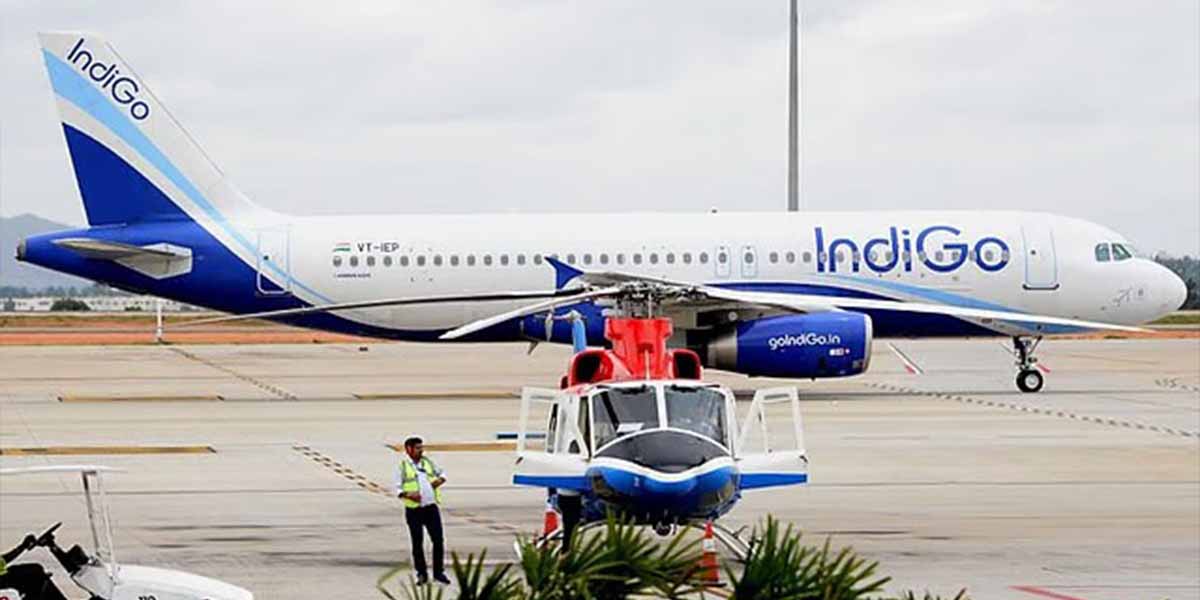
The latest news from Odisha is that IndiGo airlines is planning to discontinue its thrice weekly direct flight service between Bhubaneswar and Dubai from March 2026. The service was launched on May 15, 2023 by then Biju Janata Dal government headed by Naveen Patnaik. It is learnt that IndiGo is not accepting any bookings beyond March this year. Regular air travellers are surprised by this move and have raised concerns. There are over 40,000 Odia diasporas living in the Middle East and this could affect their travel plans, business and tourism. An email query to IndiGo regarding this issue did not get any response. When direct flight scheme was launched, the then Patnaik had made Budgetary provision of Rs 100 cr towards viability gap funding (VGF) every year to ensure sustainability of service, wherein, the state had to bear part of the operational cost until passenger occupancy gets stabilised and the route becomes commercially viable. Sources at AAI New Delhi say when the Dubai flight is going full, why IndiGo is now resorting to this kind of pressure tactic? It seems, the ball is now in the BJP-run Odisha government’s court and how it resolves needs to be seen.

This year there has been too much shrill in the social media about the World Economic Forum held in Davos, Switzerland. The general lament has been “Why are India’s Union ministers and chief ministers going all the way to Davos to sign MoUs with the CEOs of Indian companies when the same could have been done in India …in the CM’s cabin”? Why waste taxpayers money? Effectively, countering this criticism, Maharashtra chief minister Devendra Fadnavis told Rahul Kanwal of NDTV, that Davos is a meeting place…attended by the who’s who. A number of Indian companies have foreign partners and those people attend the event… and we get an opportunity to meet them while signing the MoUs. And sometimes we just meet the foreign partners and the MoU is subsequently signed in India. Adding further, he said all states in India hold Investment Summit … .so there is no need for it…you can sign MoUs in Mantralaya. Well put. The 56th meeting will see leaders from business, government, international organizations, civil society and academia attend. Capturing the pulse will be over 400 plus journalists & media representatives. The World Economic Forum (WEF) is an international advocacy non-governmental organization and think tank founded on 24 January 1971 by German engineer Klaus Schwab. The main objective of the Davos WEF is to “improve the state of the world” through public-private cooperation.
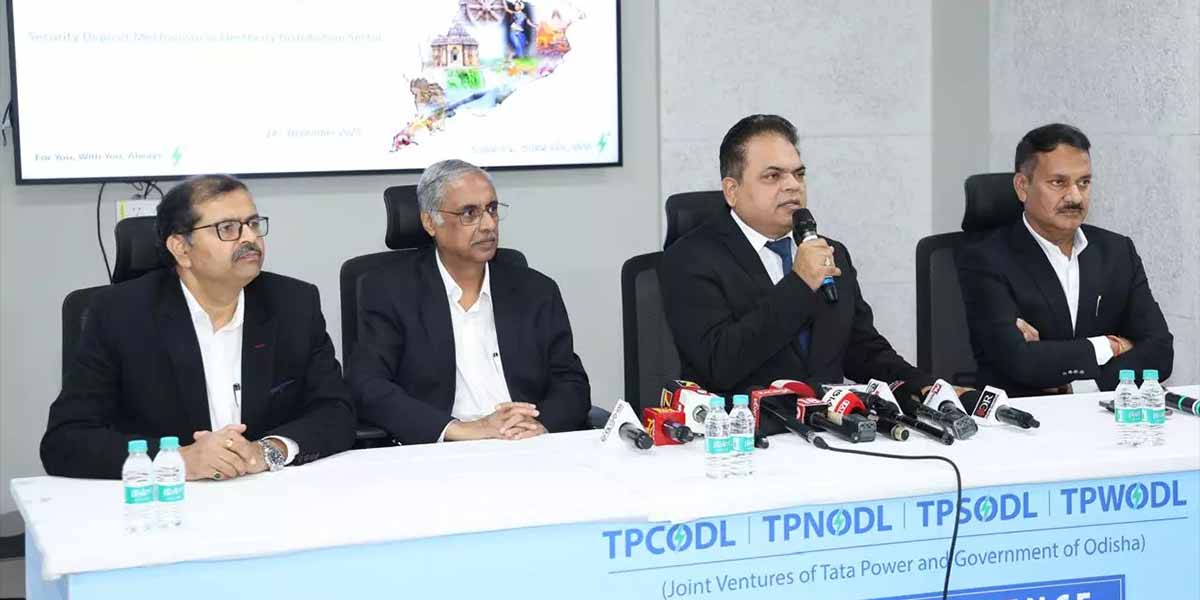
Tata Power’s additional security deposit (ACD) notices to consumers in Odisha has triggered massive outrage. The Odisha High Court has now asked Tata Power, Odisha Electricity Regulatory Commission and state Energy Secretary to file a reply regarding ACD controversy and has given them two weeks’ time to reply. Clarifying via press conference Tata Power has said that the levy of Additional Security Deposit (ASD) on electricity bills, stating that the process is a statutory requirement mandated under the Electricity Act, 2003 and governed by regulations of the OERC. According to Tata Power, the framework governing Security Deposit and Additional Security Deposit (ASD) is neither new nor discretionary as this is in practice for decades it was implemented by erstwhile utilities such as CESU, NESCO SOUTHCO and WESCO in Odisha. The bone of contention seems to be the penalty slapped by Tata Power if ASD is not paid. In such cases a surcharge of 15% per annum is levied. The general feeling among consumers is that ASD should not be suddenly levied one fine morning. Consumers should be taken into confidence and enough notice be given. Incidentally all utilities do levy such charges. It happens in Mumbai and other places too. Public relations experts “There would not be such uproar had it been communicated. This is where their PR department comes to play.
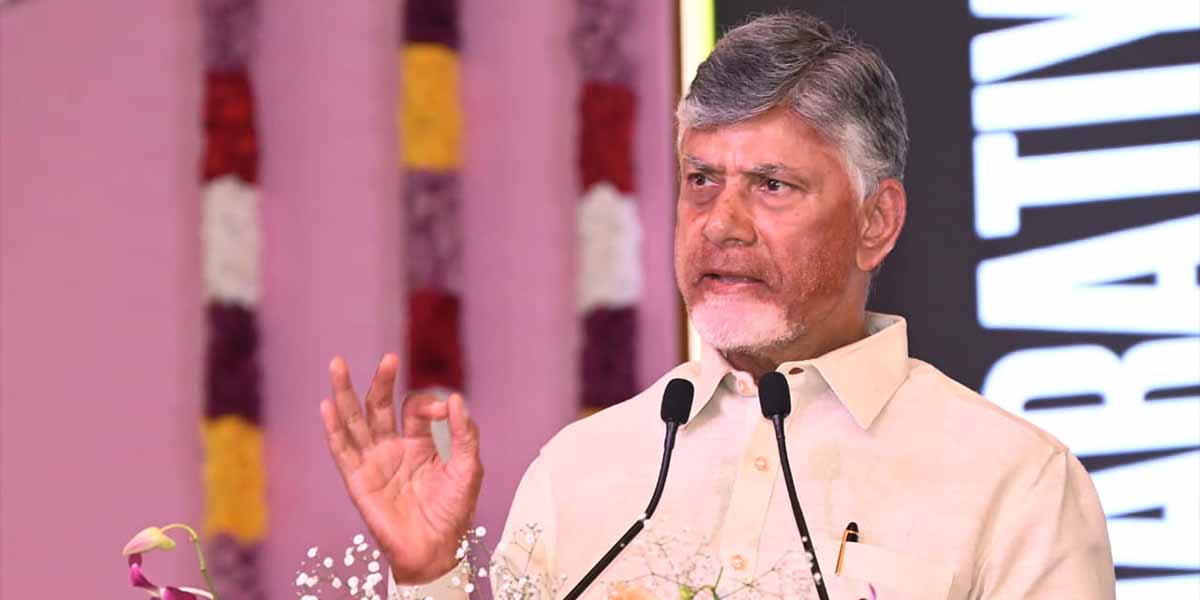
Ever since Chandrababu Naidu took over as the chief minister of Andhra Pradesh, the state is attracting big ticket investments from domestic and global players. The latest to enter the state is the Tata Group. The Tata Power Renewable Energy Ltd (TPREL) has decided to invest Rs 6,675 crore in Andhra Pradesh to set up India’s largest Ingot-Wafer facility at Nellore. Earlier, Tata Power was toying with the idea of setting it up in Odisha. May be Naidu’s sops and incentives worked. The ingots and wafers to be produced at Nellore facility are critical inputs for solar cells, modules and semiconductor application which would reduce import dependents for strategic components. As part of its clean energy commitment, TPREL will also establish a 200 MW captive green power plant to supply renewable energy to its Andhra facility. It is learnt that this is not the first project Odisha has lost to it neighbour Andhra. Corporate analysts talk about how the UK-based Semiconductor group SRAM & MRAM which had plans to invest Rs 30,000 crore in Odisha initially switched over to Andhra Pradesh. Likewise, even JSW EV retracted its decision to invest in Odisha and opted for Maharashtra. Arcelor Mittal which had plans to set up green field steel plant in Odisha has now decided to move to neighbouring Andhra. Looks like the business both local and global are comfortable in dealing with Chandrababu Naidu. So be it Google, Reliance, Adani, Hinduja’s, Arcelor Mittal and now Tatas seem to be reposing confidence on Chandrababu Naidu’s proactive governance style and deliverables.

The CEO of Air India has been in the eye of the storm ever since the airlines Dreamliner crashed in Ahmedabad last year that killed 260 passengers. Since then there have been rumours from time to time that the New Zealander Cambell Wilson may be asked to go. His management and planning skills have not impressed the Group Chairman N Chandrasekaran. He has been criticised for his inability to execute agreed plans and not being able to fight problems. The airline has received show cause notices from the DGCA for alleged violations and non-compliances, which includes operation of an aircraft with an expired license as per reports. Air India and Air India Express together have already reported a loss of Rs 10,859 crore in FY25 on revenue of Rs 78,636 crore. This has made them the biggest loss-making companies within the Tata Group. Wilson’s term runs till June 2027 but will he continue till then? The big rumour going around is Tata Group Chairman N Chandrasekhar is thinking of replacing Air India CEO. Wilson, it may be recalled, was picked as CEO for Air India because of his proven track record with Singapore Airlines including Scoot, the world’s best long haul low cost carrier. Besides, his exposure to sales and marketing functions.

London-based Siba Ranjan Biswal will be awarded the prestigious Ratnashri Puraskar at Utkala Utsaba-2026 event in New Delhi. Biswal who works with Tata Consultancy Services, UK is widely recognised for his community service and leadership among the Odia diaspora in the UK. He played a key role in establishing and installing the deities of Lord Jagannath in Manchester. In recognition of his work in human empowerment, social service, and support for India’s nation-building efforts, the World Odisha Society will confer the award on 14th January during the 5th Foundation Day celebrations of Utkala Utsaba. The grand event will showcase Odisha’s rich art forms and cultural heritage and representatives from over 72 countries are expected to attend the event. Among the attendees will be Lok Sabha speaker Om Birla, Minister of Road Transport & Highways Nitin Gadkari, Odisha Governor Hari Babu Kambhampati, and senior ministers from the state and the Centre. Biswal moved to the UK in 2006, initially working at Manchester Metropolitan before joining TCS. He remains actively involved with the Odisha Society of the UK. Recently, he founded Essar Events to serve the Indian diaspora, promoting cultural exchange between the UK and India.
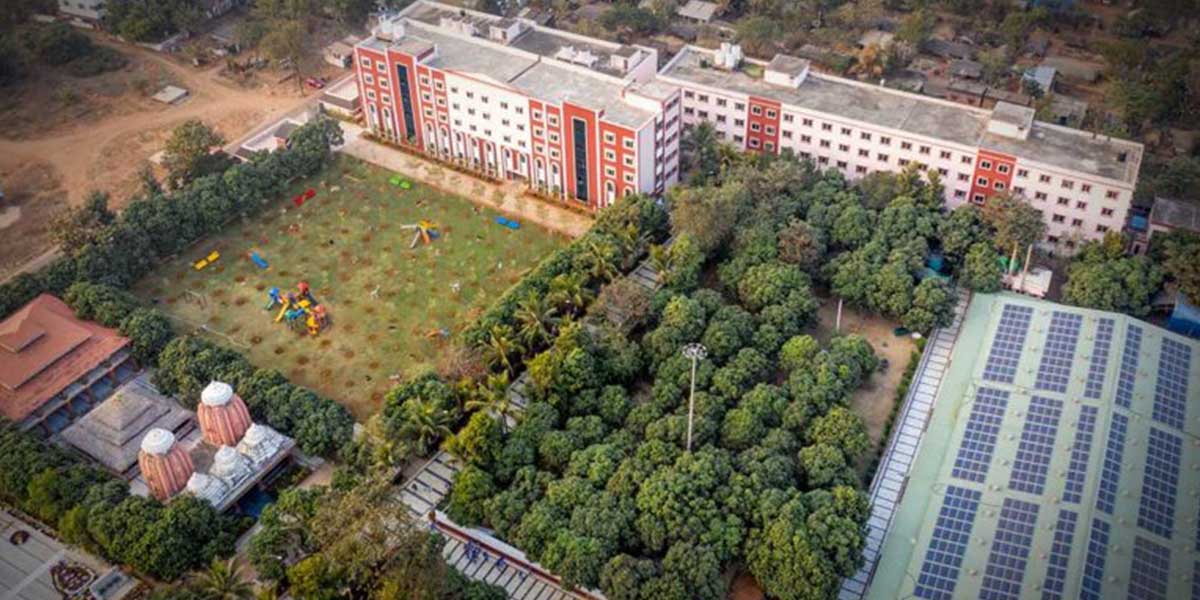
Controversy seems to be chasing Dr Achyuta Samanta founder of Odisha’s KIIT/KISS University. For the third time this year he is now being questioned about the death of a KISS student. It began with the suicide of Nepalese KIIT student Prakriti Lamsal allegedly over sexual harassment in February 2025. Close on the heels another girl student Prisha Shah committed suicide in May 2025 and in December 2025, a class IX tribal student died under mysterious circumstances. It was falsely certified as cardiac arrest. But the parents of the boy smelled foul play and asked the Odisha police to investigate it. The Odisha Police post mortem report says that the boy died by strangulation and not by slipping in the bathroom as certified by KISS/KIMS. Based on this report the National Human Rights Commission (NHRC) has swung into action and has raised important questions: One who is the mastermind behind this incident trying to suppress the murder issue; Two, why due process of law not followed and police not informed and why action should not be taken against the institution. Odisha chief minister is already facing political heat on this issue as Bonai MLA Laxman Munda has already blown the tribal bugle alleging that administrative connections are shielding KISS/KIIT/KIMS founder Dr Samanta from meaningful scrutiny so far. Odisha TV played a big role in exposing the truth. The ball now is in Odisha CM’s court and everybody awaits his decision.
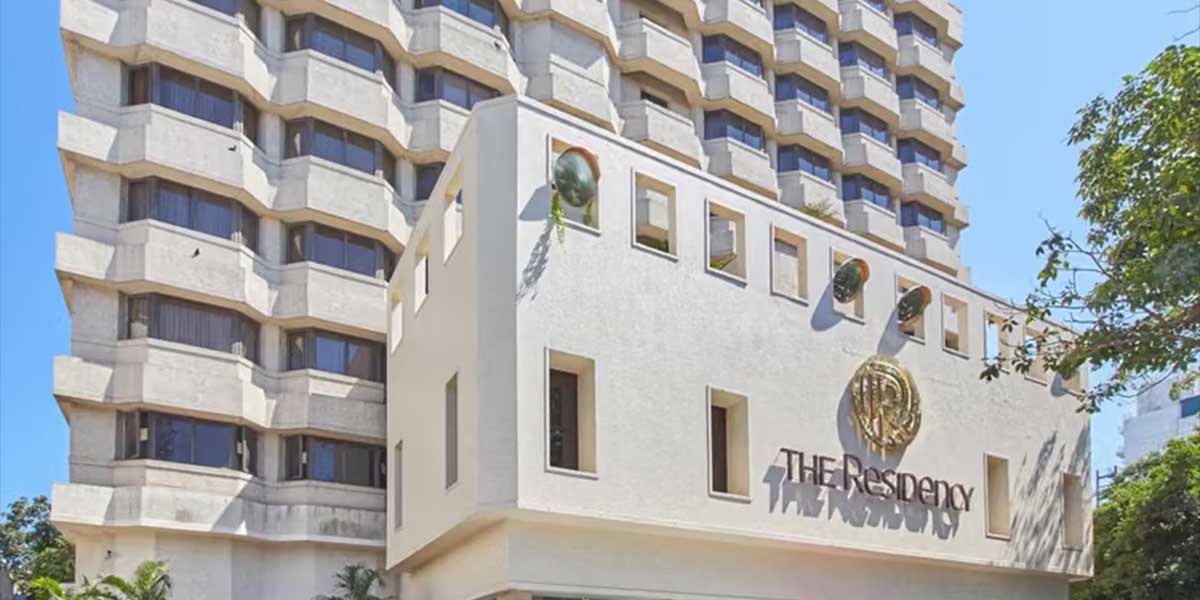
Chennai-based Residency Group of Hotels, a part of the Appaswamy Real Estates conglomerate, is now spreading its wings to Madurai, Mysore and the Maldives. The Madurai project with 188-room is being set up at a cost of Rs 150 crore. The unique part of this project is its 56,000 sq ft convention centre, perhaps one of the largest in the region, capable of hosting around Rs 2,000-3,000 people at a time. In the Maldives, the second upcoming project will be a villa-led luxury resort in partnership with the Marriott. As a part of the ongoing expansion in Tier 2 cities, the group is planning an upscale hotel in Mysuru as well. And, the upcoming Mysuru project is being developed under the owner-operator model. All combined, the group has drawn up an investment plan of around Rs 2,500 crore for the next three years. The company currently has seven projects, namely The Residency Chennai, The Residency Towers Chennai, The Residency Towers Puducherry, Richmond Puducherry, The Residency Towers Coimbatore, The Residency Towers Rameshwaram and The Residency Karur. Without including the Maldives, the group has a room inventory of around 700 rooms. Appaswamy Real Estates was founded in 1959 by S Appaswamy. It forayed into hospitality sector in the early nineties is now managed by founder’s son Ravi Appasamy
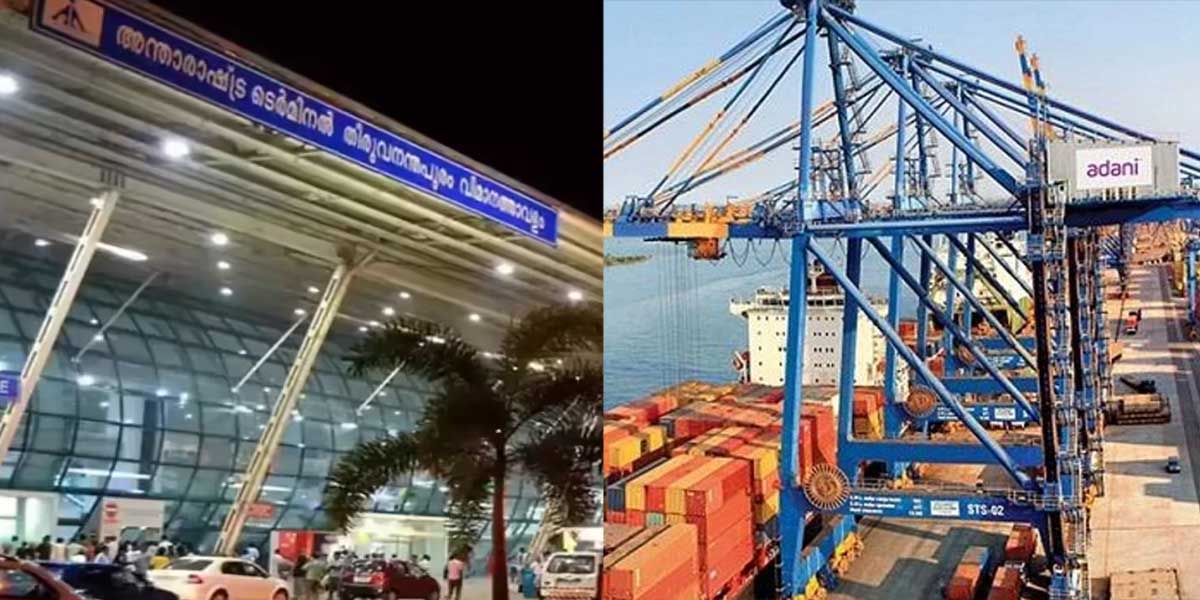
Adani seems to have hit a gold mine with the proposed integration of Vizhinjam Port with Thiruvananthapuram International Airport. The integration will enable crew changes for ships and also route cargo to other parts of the country, as the port has an integrated check post (ICP) for immigration, customs and cargo paperwork. Once this goes on stream, there will be no need to depend on Colombo’s transhipment and crew changes. This will generate high revenues and make cargo movement and handling of ships faster and easier. The ICP will enable the port to become a sea-air transhipment hub. Adani airport is only 16 km from the Vizhinjam port, which receives motherships and lies close to the international shipping route from Europe and Middle East to South East Asia. Documentation would be easy because of the ICP. It will also be easy for the port to move cargo using flights. Also, on the anvil are warehouses and units where cargo can also be processed, reassembled and moved by any mode of transport — road or rail. Since the airport is also controlled by the same group, it will be easier to offer incentives for freight movement. And if this is not enough the Adanis have got the Union government’s environment clearance to set up a 240-room, 5 star hotel at the airport premises. As part of Rs 136 crore project, the hotel will also have a 660 seat convention centre, dining facilities and also aims to provide world-class facilities, to enhance passenger experience and support the Vizhinjam port’s development.