 All
All Politics
 Business
 Entertainment
 Sports
 Celebrities

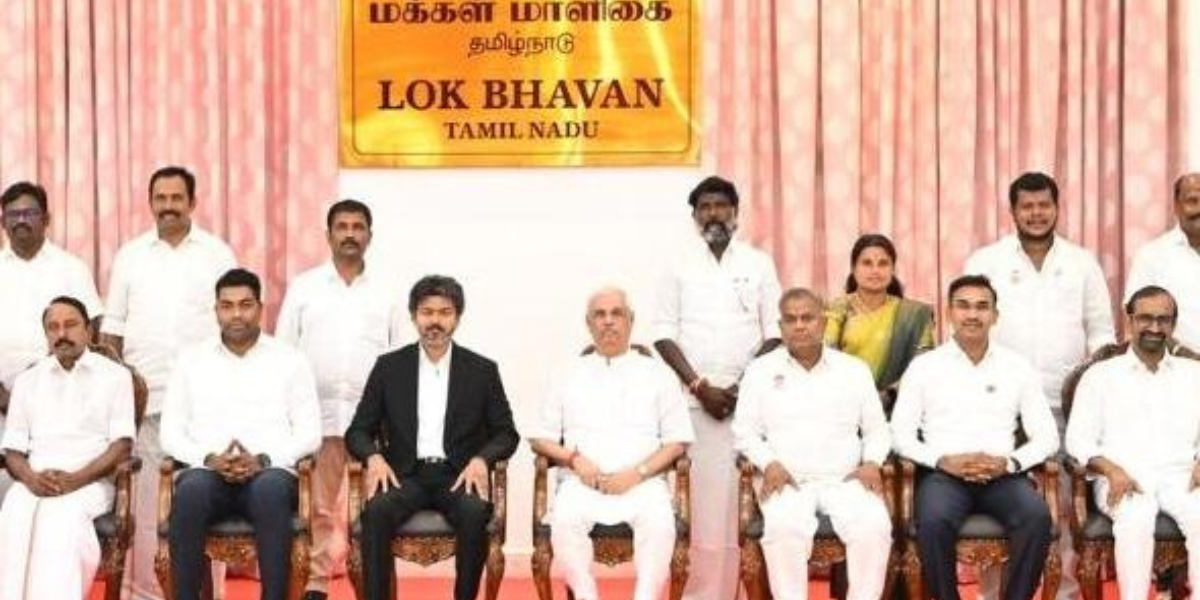
Tamil Nadu chief minister C Joseph Vijay expanded his cabinet on May 21 — coinciding with the death anniversary of former PM Rajiv Gandhi – by including his post-poll ally the Congress. Two of the five Congress MLAs, K Rajesh Kumar (Nadar Christian) and P Vishwanathan (Dalit MLA) became part of Vijay’s government. Ahead of the reshuffle, the Congress party said, “This is a historic occasion for us, as the Congress joins the Tamil Nadu cabinet after a long gap of 59 years.”. Congress leader Praveen Chakravarty wrote on X “Share in governance, Share in power”. It is not clear if the Congress is happy with their portfolios – Rajesh got Tourism and P Vishwanathan given Higher Education. What came in for a surprise is the way veteran leader K A Sengottaiyan was stripped of the Finance portfolio just five days after entrusting him with it. The Finance portfolio has now been given to first-time MLA N Marie Wilson. It is not clear if Sengottaiyan has been downsized as a signal that TVK has lost interest in breaking the AIADMK. It is also being presumed that his close aide Adhav Arjuna may have raised a red flag. Taking a cue from Keralam, Vijay has also carved out a separate AI-focused department to be headed by Velachery MLA R Kumar. Kumar is among the few qualified professionals who have got elected on TVK ticket. What has earned Vijay the kudos from the Hindus is the way he has allotted the Ministry for Hindu Religious & Charitable Endowments (HRCE) to his Brahmin MLA Ramesh from Srirangam — a temple town. This is perhaps happening for the first time in Tamil Nadu history.
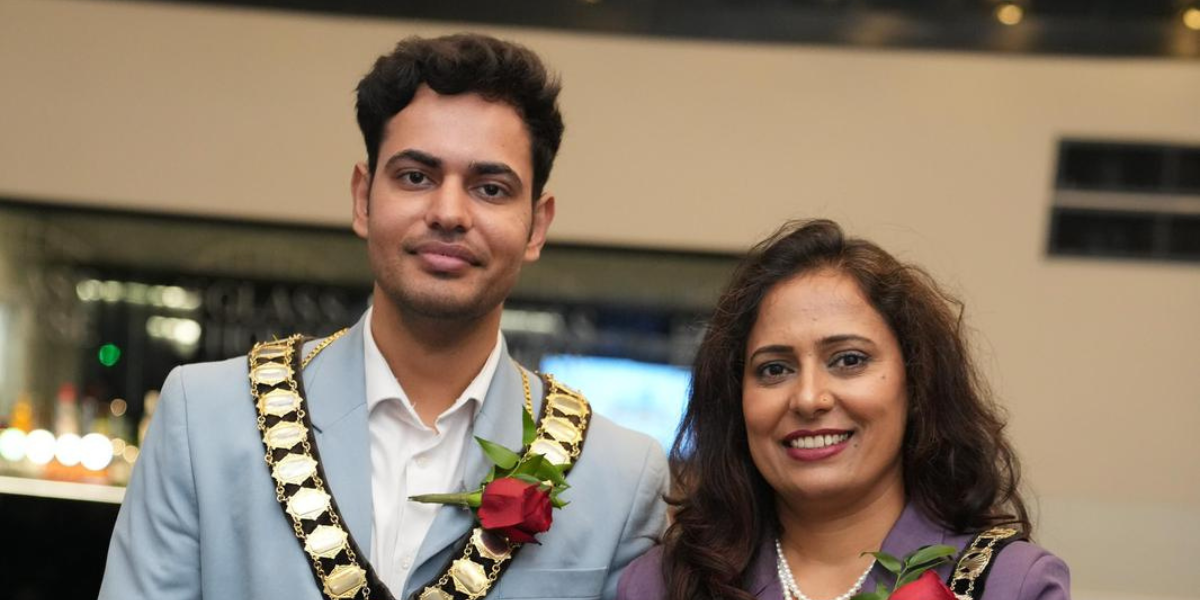
In an extraordinary and historic moment for British politics and the global Indian community, Cllr Parveen Rani has officially been elected as the First Asian Mayor of Hertsmere Borough Council, while her son Cllr Tushar Kumar, aged just 23, has become the Youngest Mayor of the Elstree and Borehamwood Council Indian Origin in the United Kingdom. Together, they are believed to be the first mother-son duo in UK history — and possibly the world — to serve simultaneously as Mayors from different councils. This remarkable achievement has become a proud symbol of diversity, representation, youth leadership, and public service within modern Britain. Adding to the emotional and historic occasion, Mayor Parveen Rani appointed her younger son, Priyanshu Kumar, as her official Mayor’s Escort, making it a truly unforgettable family milestone in British civic history. The prestigious Mayor Making Ceremony was attended by a huge number of distinguished guests. Leader of Hertsmere Borough Council, Cllr Jeremy Newmark, praised Mayor Parveen Rani’s exceptional rise in public life, stating: “What Parveen Rani has achieved in such a short period of time is truly remarkable. Many people spend decades trying to reach this position, but her dedication to public service, hard work, and commitment to the community have brought her to this level.” Mayor Parveen Rani is widely recognised for her work in education, culture, interfaith harmony, women’s empowerment, and strengthening community relations across Hertfordshire and beyond. From founding community initiatives to representing diverse voices in public life, she has become a respected and inspiring figure across the United Kingdom. Meanwhile, Mayor Tushar Kumar’s historic appointment at the age of 23 is already inspiring a new generation of young British Asians to engage in leadership, politics, and civic responsibility.
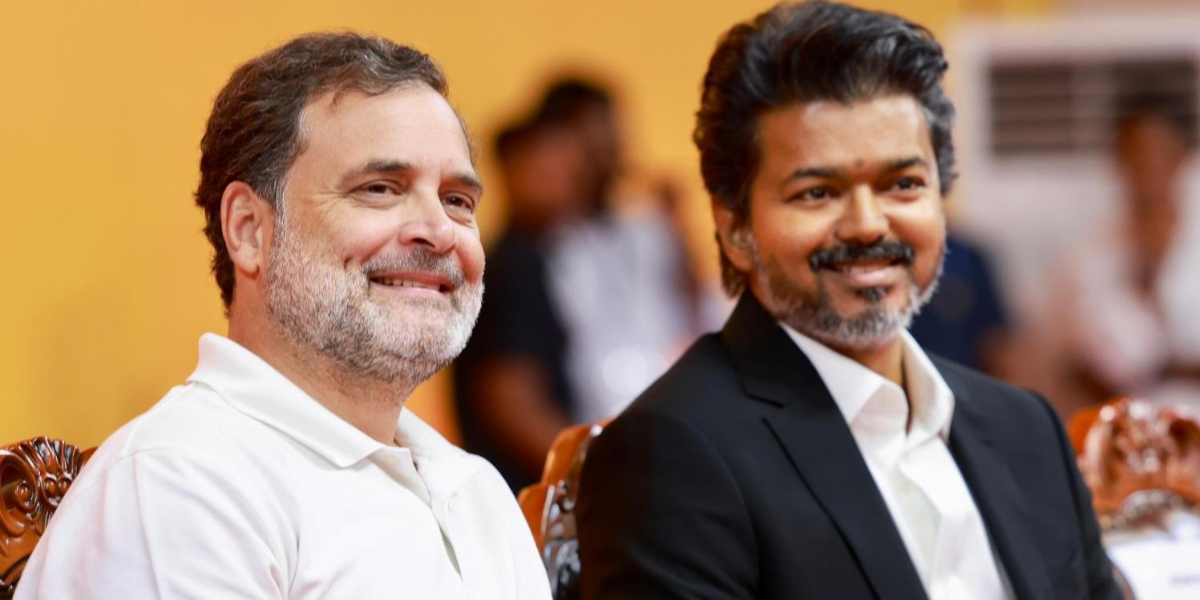
Tamil Nadu chief minister C Joseph Vijay is expanding his cabinet on May 21 which will see his post-poll allies the Congress, VCK and IUML joining his government. Two of the Congress MLAs, K Rajesh Kumar and P Vishwanathan will be part of Vijay’s government. In its official statement, the party said, “This is a historic occasion for us, as the Congress joins the Tamil Nadu cabinet after a long gap of 59 years.” The last Congress government was in 1967. Congress leader Praveen Chakravarty wrote on X “Share in governance, Share in power”. Chief minister Vijay had publicly greeted Praveen as his “friend” in Rahul Gandhi’s presence. It was Praveen who had been pushing for an alliance with the TVK. Will entry of Congress ministers solve Vijay’s problem of managing temples in the state? Difficult to say. Congress sources said the majority of its five MLAs are Christians including Rajesh. Meanwhile, Sivaganaga MP Karti Chidambaram seemed relieved that Vijay had steered clear of rebel AIADMK MLAs. In an article in The Week, he admits that “those who had suggested an alliance with the TVK before the election were proven right…And, the Congress adds great value to the TVK by giving it a national endorsement and a secular sheen. So, in my estimation, it is a win-win situation.” At the same time, he feels that the Congress could have managed DMK exit better. By joining the TVK government will it motivate young people to join the Congress? “The Congress is not going to be their first choice; the TVK is a more logical choice”, feels Chidambaram. He feels, Rahul Gandhi with his rapport among the young will prove positive when it comes to a national election. It will probably work in the 2029 Lok Sabha polls.
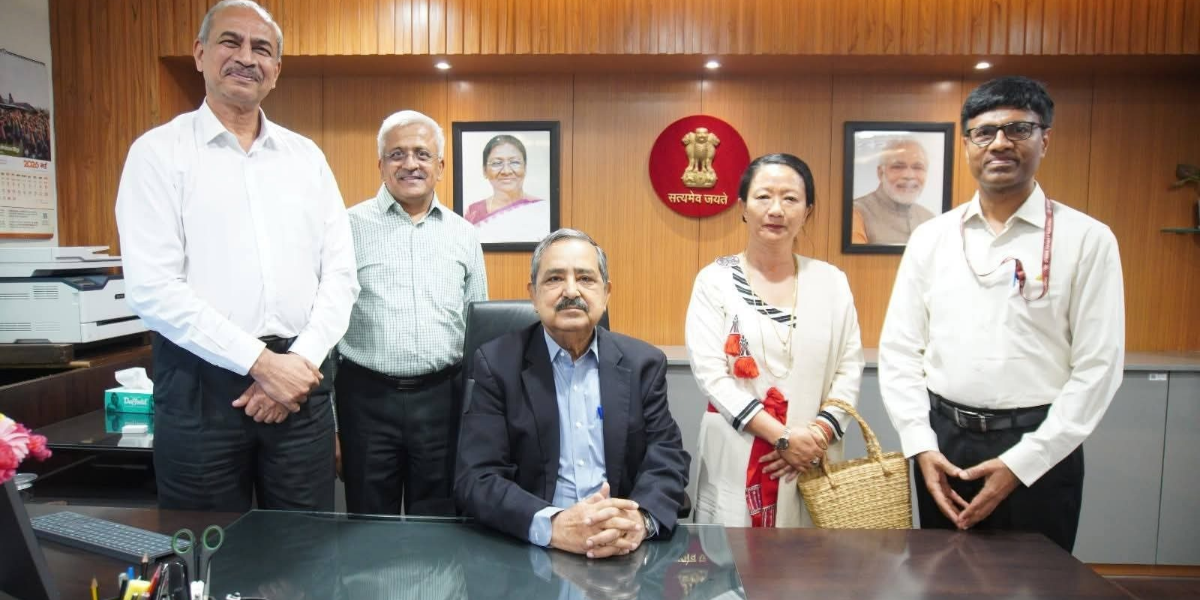
The new vice chairman of NITI Aayog Ashok Lahiri is expected to play a key role to reposition West Bengal as an industrial and manufacturing hub. Lahiri, who won the 2021 Assembly election from Balurghat as a BJP candidate, knows Bengal inside out. The Modi government is expected to rely on his expertise to prepare a long-term industrial revival plan for Bengal. Officials associated with NITI Aayog said preliminary discussions on the roadmap have begun under Lahiri’s leadership. The proposed framework focuses on manufacturing, logistics, infrastructure, river-based trade and employment generation, with Kolkata positioned as a gateway to India’s “Act East” strategy for stronger engagement with Southeast and East Asia. Once India’s second-richest state by GDP after Independence, West Bengal now ranks sixth nationally. Economists have attributed the decline to excessive trade unionism, administrative failures leading to weak industrial investment. Major factory closures during the Left Front era and limited industrial expansion during TMC’s regime also contributed to the downturn. Industry experts also cite the long-term impact of the Singur and Nandigram agitations on investor confidence. Many skilled workers migrated to cities such as Bengaluru and Hyderabad for better opportunities. NITI Aayog’s proposed strategy will focus on logistics, connectivity, manufacturing, ports, freight corridors, skill development and job creation. Policymakers are examining revival measures for engineering, chemicals, textiles and electronics industries, while also exploring a semiconductor corridor linked to eastern India’s mineral belt. Economists, however, caution that land acquisition challenges, weak infrastructure, financially stressed urban bodies and bureaucratic inertia could slow implementation. Analysts said investor confidence may have improved after the political change, but the success of the industrial push will depend on administrative execution and policy delivery.
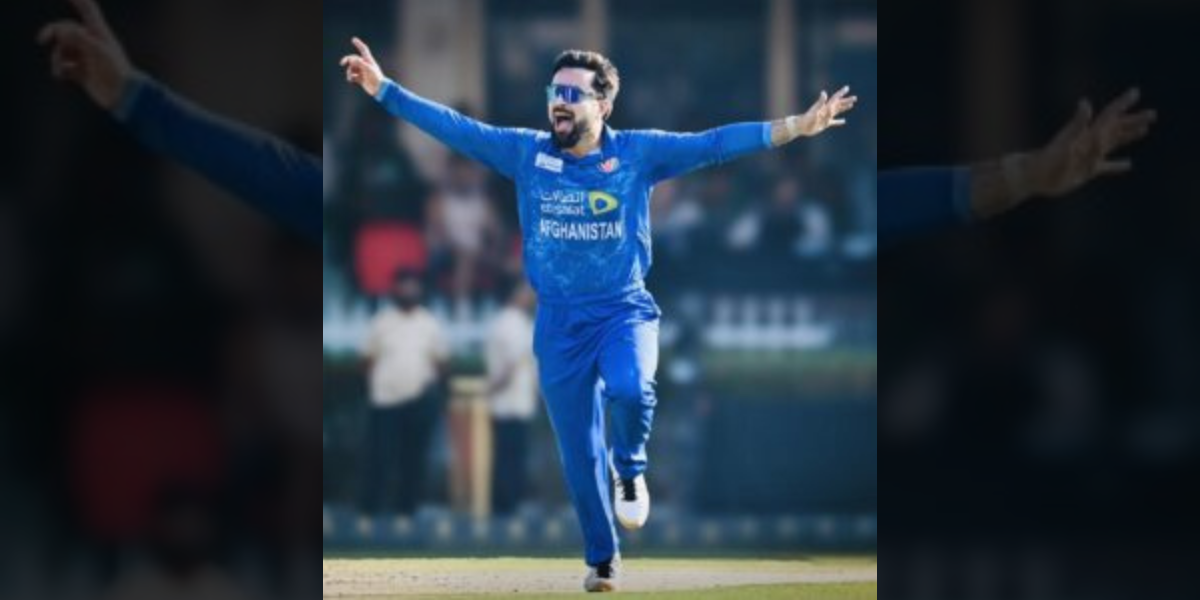
The home international season (2026-2027) is set to start with a one-off Test against Afghanistan in New Chandigarh (Maharaja Yadavindra Singh PCA Stadium at Mullanpur) from June 6 to 10. Strangely though, it will be the only Test Shubman Gill’s team will play this year, and it will not be part of the new ICC World Test Championship cycle. India’s next Test programme is in Sri Lanka in August and in New Zealand in October-November, both included in the WTC programme. It will be Mullanpur’s debut Test and what’s of interest is the kind of surface India will prefer against an attack that will be led by leg-spin googly bowler Rashid Khan who took 11 wickets against Zimbabwe at Bulawayo in January 2025. Khan has 5 x5 wicket hauls including 2 x 7s and 1x 6 and has win four Tests for his side. Eight years ago, India won the only Test played against Afghanistan hands down, and Rashid was not a real force then in multi-day Tests, but the canny leg-spinner is experienced now, though not by much — 6 Tests and 45 wickets. India came a cropper to the spinners in the last two home series against New Zealand and South Africa and lost all five Tests, preparing turning tracks. India were all at sea against the Kiwi left-arm spinners Mitchell Santner and Ajaz Patel and the South African offy Simon Harmer. Rohit Sharma was the captain who lost 0-3 and Gill was the captain against South Africa. It’s not known whether off spinner Allah Ghazanfar will be part of the Afghanistan team, but on a turning surface, Rashid Khan could prove to be a handful to deal with support from Ghazanfar.
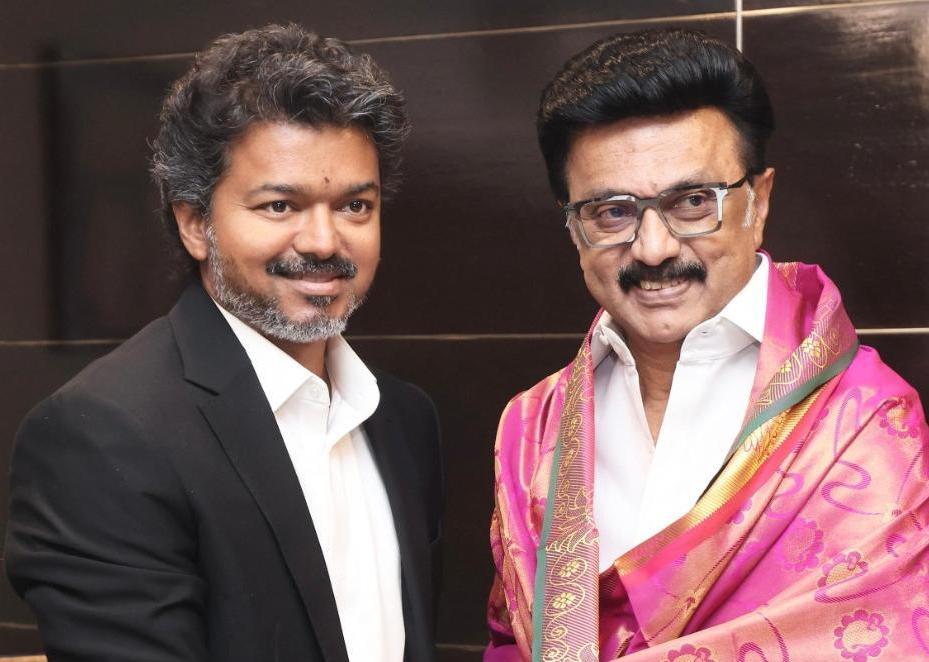
It seems the DMK has still not come to terms with losing elections. Or else why would the former chief minister M K Stalin take a jibe at TVK leader Joseph Vijay. Speaking at a wedding reception in Thanjavur, Stalin said, “TVK leader Vijay became CM by influencing children through Instagram, without even appointing booth agents properly.” Why is the DMK behaving like a sour loser? Is it because CM Vijay has already drawn up a plan to act against corrupt DMK ministers? It is being said that the DMK is very upset not so much with the TVK winning 107 seats but TN voters that had chosen to decisively move away to a different kind of politics after accepting electoral gifts from it. The DMK would have accepted the verdict if the people had voted for the familiar alternative — the AIADMK. What has unsettled the DMK is that the people voted for an untested TVK. Vijay was offering to start afresh with a clean slate and had refused to offer voters any incentive for voting him in, except the freebies such as a whopping unemployment allowance and improving allowance for women. Voters had gladly accepted their electoral gifts from the Dravidian parties and yet voted for TVK. In fact, in an angry outburst, DMK Tiruchendur MLA Anitha Radhakrishnan said the TVK administration would not last six months. He insisted that his DMK boss would return soon. Upset about Stalin’s defeat to a TVK candidate from Kolathur, Radhakrishnan blamed voters for defeating Stalin. “Our boss had changed Kolathur to Singapore,” and called the voters “worthless”. Meanwhile actor Rajinikanth’s clarification that he is not jealous about Vijay having made the cut as CM is a bit odd. Old timers recall his influence on Tamil politics — how his one call vote for DMK-Tamil Maanila Congress alliance in 1996 had brought down J Jayalalithaa government!
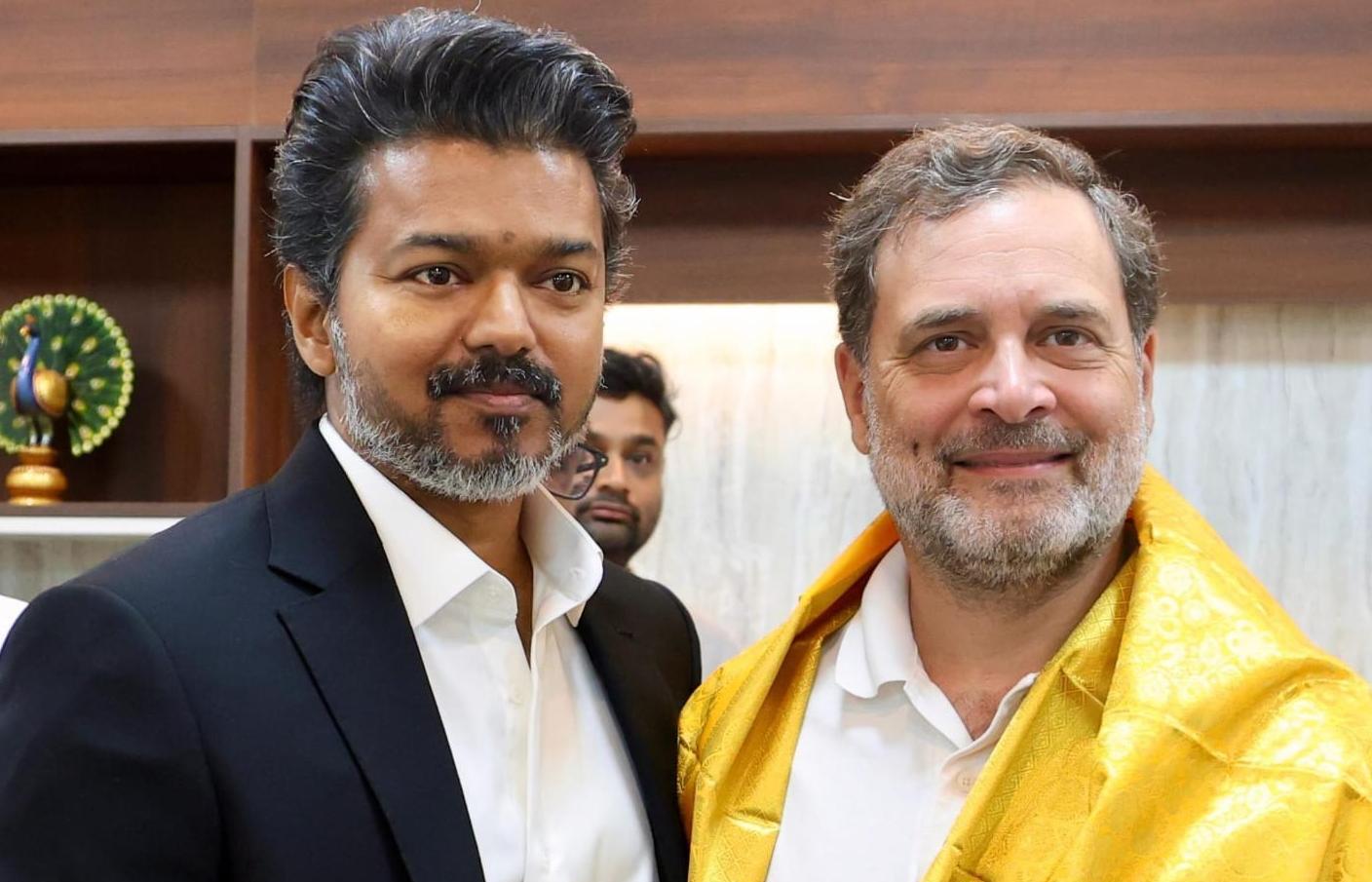
Efforts of the Congress leadership to include Tamil Nadu chief minister C Joseph Vijay in the swearing in ceremony of United Democratic Front CM V D Satheesan in Keralam on May 18 has apparently not succeeded. Taking a cue from PM Modi who makes it a point to showcase NDA strength whenever BJP forms government in a state, the Congress too thought it would showcase the long-standing bond between TVK supremo Vijay and Congress leader Rahul Gandhi. Though Vijay has accepted post-poll support of five Congress MLAs in TN and even visited Satya Murthy Bhawan in Chennai, he is yet to formally expand his cabinet to include those MLAs who backed his government during trust vote. Congress sources said CM Vijay would not be attending the Keralam swearing in. He is clearly too focussed on governance issues. If at all he travels, his first trip will be only to Delhi to meet with PM Modi and other leaders in Delhi. That leaves only three Congress CMs — Siddaramaiah (Karnataka), Revanth Reddy (Telangana) and Sukhvinder Singh Sukku (Himachal Pradesh) — who will be present at the function at Thiruvananthapuram. Both Rahul and his sister Priyanka who is Wayanad Lok Sabha MP will attend, so too Congress President Mallikarjun Kharge. Karnataka’s deputy chief minister D K Shivakumar will also be present.
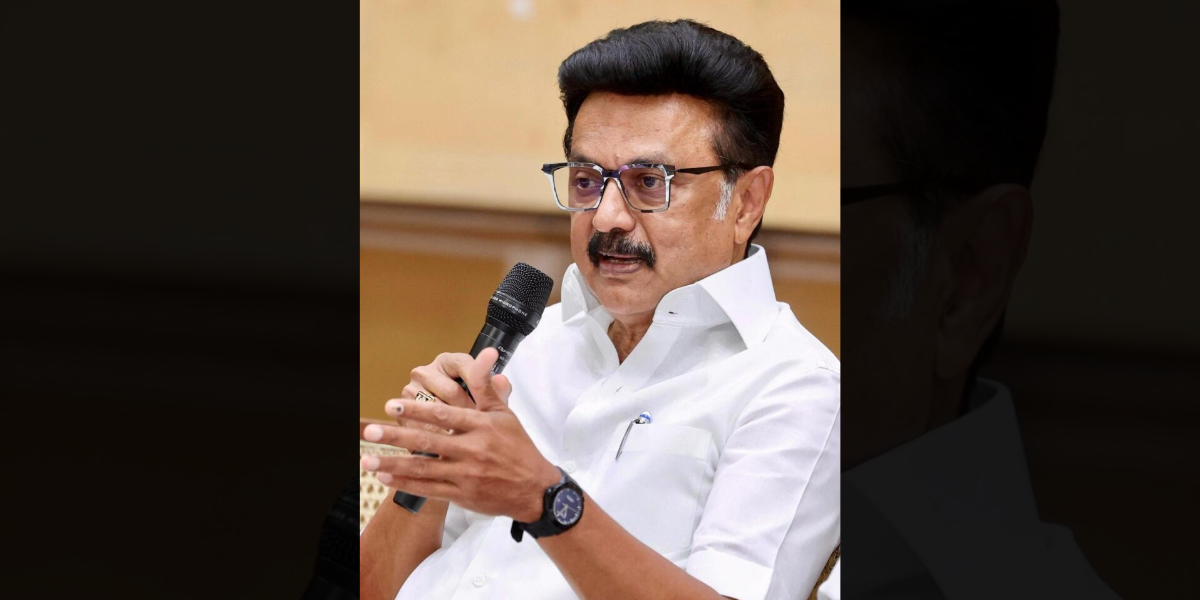
Efforts to get DMK supremo M K Stalin back into Tamil Nadu assembly are reportedly on. But right nowhe is reluctant — more in “once bitten, twice shy mood”. His manager Sekar Babu who got elected from Harbour Constituency and had managed Kolathur seat from where former chief minister Stalin lost by about 8000 votes is reportedly offering his seat for the party boss. Stalin is also being persuaded to contest the Trichy (East) seat — which has been vacated by CM Joseph Vijay. Sources say Stalin is reluctant to try his electoral fortunes — either in Harbour or in Trichy once again. Both he and his wife Durga feel very gamed by all those who were trying to assist them — from Sekar Babu who managed Kolathur to P.E.N, the election management company run by their son-in-law V Sabareesan. When internal assessment of the loss of Kolathur was done within the DMK, one nagging question was: How did Sekar Babu win while Stalin lost? The Stalins were equally stunned that P.E.N also gave wrong inputs about Kolathur. Not just that. Durga Stalin was particularly surprised that P.E.N gave inputs matching with state police feedback and intelligence unit reports –it was as if the professional agency was coordinating with government agencies. On his part, Stalin is resigned to the DMK playing constructive opposition, and did not mind some of his alliance partners like the Left Partners and the IUML extending support to the TVK government. At the same time, he was bitter about the manner in which Congress dumped the DMK. He found its MLAs who were elected as part of the alliance did not visit DMK headquarters Anna Arivalayam after the result and alleged that the party severed ties with DMK within a day.
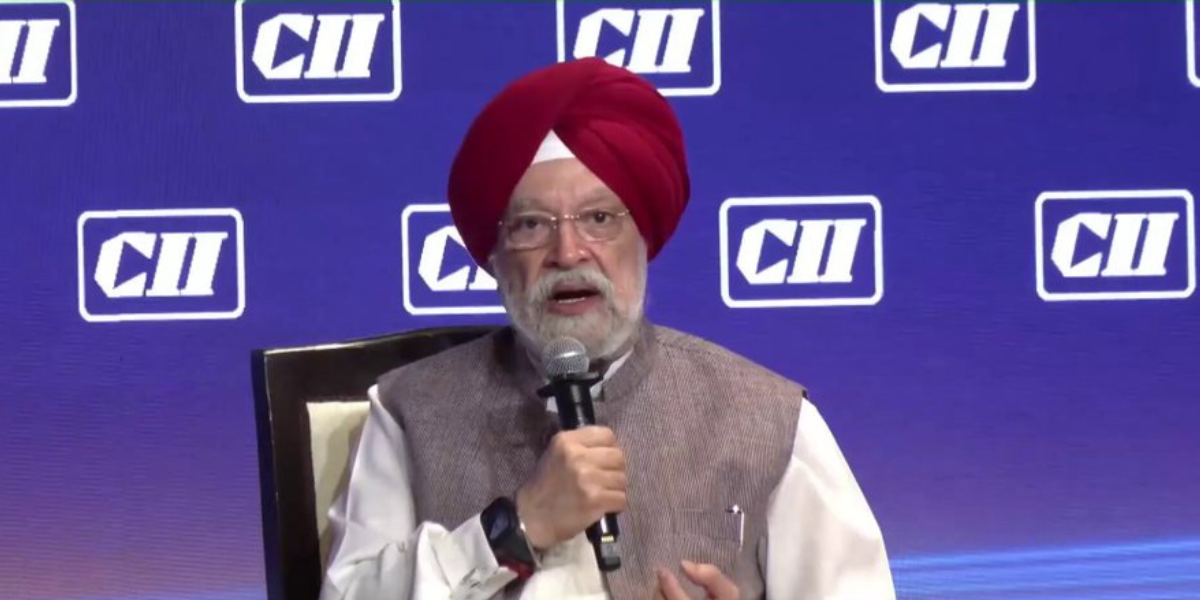
At the CII Annual Business Summit in New Delhi, the Union Minister for Petroleum and Natural Gas Hardeep Singh Puri took a swipe at certain private sector energy players for having done far less than expected during the initial phase of the energy crisis triggered by the Strait of Hormuz disruption that severely distorted crude oil and LPG supply chains into India. While some domestic players failed to ramp up LPG production despite emerging shortages, others allegedly continued exports from India turning a Nelson’s eye to the country’s mounting energy predicament. Puri noted that Indian PSUs were “taking the loss” adding, “I wish I could say this for everyone in the game. I cannot.” An industry source disclosed that India’s normal daily LPG requirement of nearly 50 lakh cylinders suddenly surged to almost 75 lakh amid panic buying and hoarding after the Hormuz closure triggered market anxiety. “Managing this crisis despite a continuing 40% supply deficit was no mean feat either,” the source added. The escalating geopolitical turbulence across West Asia has now pushed the Modi government into a calibrated LPG crisis management mode as delayed cargo movements, tightening inventories and fears of black-marketing impact multiple states. India, the world’s third-largest LPG consumer with over 33 crore active connections, imports nearly 62% of its LPG requirement with almost 90% sourced from West Asia. The present disruption has exposed India’s strategic vulnerability with storage reserves of barely 14.2 lakh MT translating into roughly 17 days of consumption cover. The Centre has directed PSU and private refineries to maximize LPG production while nudging Reliance Industries to enhance domestic output. Fast-tracked spot cargo procurements, utilization of coastal import infrastructure including Petronet LNG facilities and possible Government-to-Government energy arrangements with Nigeria and Malaysia are simultaneously under evaluation even as anti-hoarding enforcement intensifies...
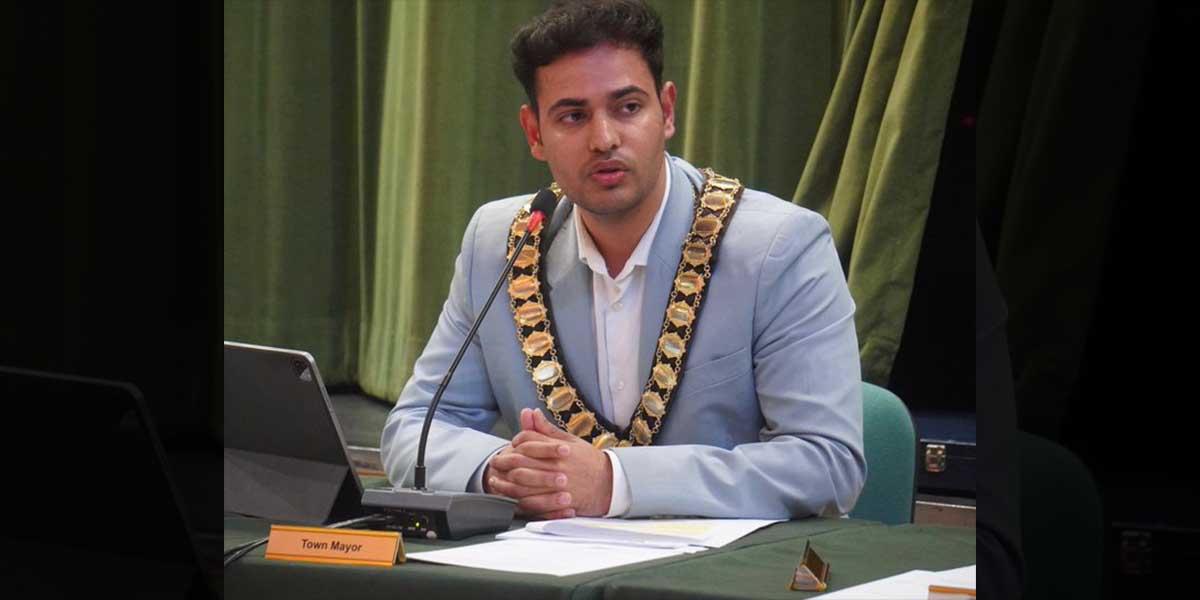
On 13 May 2026, 23-year-old Councillor Tushar Kumar was elected as the new Mayor of Elstree & Borehamwood, thus becoming the youngest ever Indian-origin Mayor in the history of the United Kingdom. His appointment was confirmed during the Council’s annual Mayor Making Ceremony, attended by councillors, civic leaders, faith representatives, community organisations, residents, friends, and family members. Mayor Kumar, who represents the Labour Party, has been widely praised for his dedication to public service and his strong commitment to supporting local residents and community initiatives. Seen by many as a youth icon and role model, he reflected on his political journey during the ceremony, recalling how he was first elected as a councillor at the age of 20 while studying Political Science at King’s College London. Speaking after his appointment, Mayor Kumar said he hoped his achievement would encourage more young people to take an active role in local democracy, community engagement, and public service. He emphasised that age should never be viewed as a barrier to creating positive change within society. His rise in local politics has also been inspired by his mother, Councillor Parveen Rani, a former Deputy Mayor, whom he described as his political mentor and greatest inspiration.
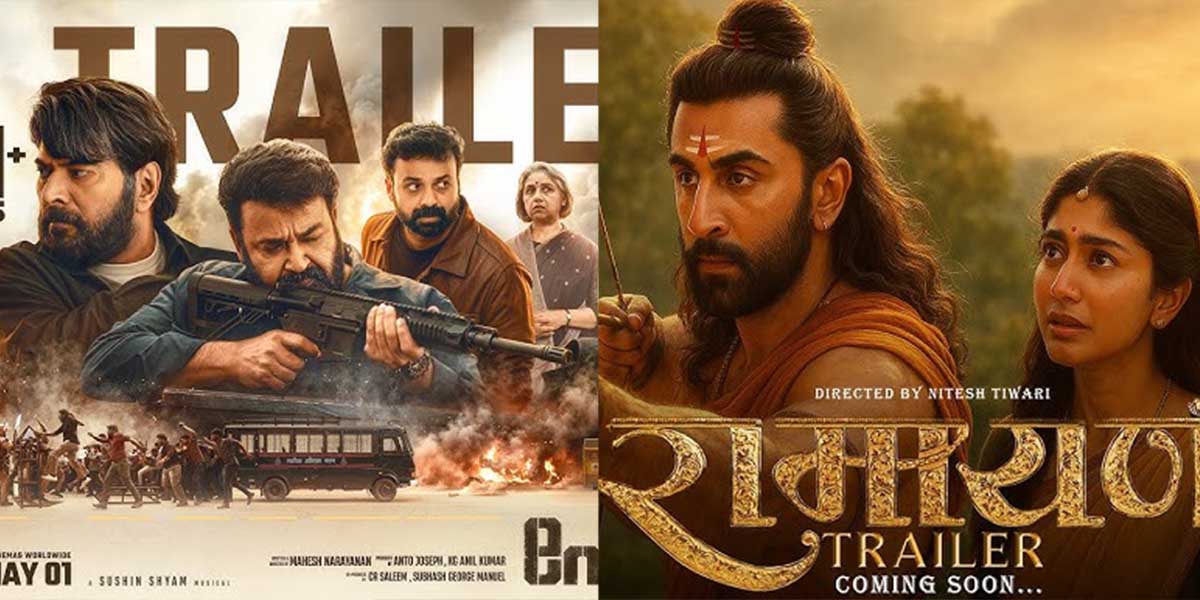
Two films’ trailers…poles apart in setting, content and impact made history even before they hit the big screens. They are: Malayalam film, Patriot and the evergreen epic Ramayanaa in Hindi. The two legends of Malayalam films, Mammootty and Mohanlal will soon be seen in Patriot, a big budget extravaganza directed by Mahesh Narayanan. If you can conjure up Keralam events that are awaited with nail-biting anticipation every year –the Thrissur Pooram and the August Vallam Kali (boat race) – similar to the case with Patriot, expected to hit theatres on May 1. Mammootty viewed Patriot at Raagam cinema in Thrissur even as Mohanlal did at Kavitha theatre in Ernakulam. Not to miss the news that Patriot is the lead trailer of the LA Film Festival, a moment of pride to the Kerala diaspora. Other celebrities to be watched in Patriot are Nayanthara, Fahad Fasil and Kunjappan Boban who raise the star value of a certain to be hit …with Nationalism as the pivot. The other trailer that wowed the audience is Ramayana, the immortal classic that never tires those who watch it with spiritual ardour. This unveiling first look took place in LA where Ranbir Kapoor, who plays Shri Ram moved the audience with his touching introduction. A considerably slimmer and gentle Kapoor played his pivotal role to extreme perfection …the hall reverberated with Jai Shri Ram chant when he said, “Shri Ram is the conscience of a nation/”. The India showing was on Hanuman Jayanthi. The audience were speechless watching the VFX of Ravana’s Palace, Ram Sethu and the Vanara army, filmed with much devotion by Nitesh Tiwari. Sai Pallavi as Sita and Yash as Ravan give gripping portrayals. It will be released this Diwali.
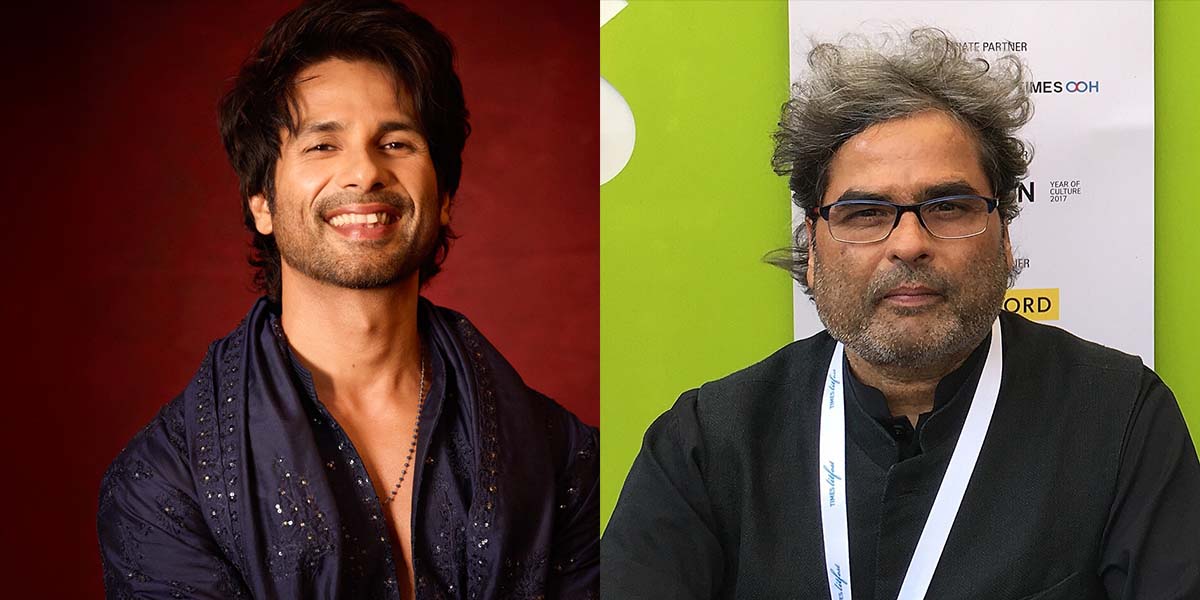
Vishal Bhardwaj and Shahid Kapoor’s collaboration has been a beacon of artistic excellence in Bollywood, yet it consistently grapples with commercial underperformance. Their partnership began with the 2009 caper thriller Kaminey, a film that blended dark humour, gritty realism, and memorable music like the chart-topping Dhan Te Nan. It achieved moderate box office success, grossing around Rs 71 crore worldwide against Rs 35 crore budget, but its niche appeal limited broader mass acceptance. Bhardwaj’s signature style; complex narratives inspired by Shakespeare or real-life grit, often prioritizes intellectual depth over crowd-pleasing masala elements. This pattern persisted in Haider (2014), a haunting adaptation of Hamlet set against Kashmir’s turmoil. Critically acclaimed and award-winning, it earned Rs 70 crore in India on a Rs 24 crore budget. Rangoon (2017), their third outing, was a visual spectacle of wartime romance, yet it bombed spectacularly, collecting just Rs 38 crore against Rs 60 crore budget. Bhardwaj’s films are classy and intellectual, not “mainstream” blockbusters; they demand viewer engagement rather than passive entertainment, resulting in polarized reception. Shahid Kapoor’s choices often lean toward challenging roles, but recent ventures like Deva (2025), underscored this– earning a mere Rs 51.73 crore worldwide on a Rs 50 crore budget, deemed a flop due to weak openings and mixed reviews. Enter O’Romeo (2026), their fourth venture, an action thriller rooted in Mumbai’s underworld, releasing on February 13. Despite a stellar cast including Triptii Dimri and songs like Ishq Ka Fever and Aashiqon Ki Colony, the buzz remains subdued. The film lacks the “high-voltage drama” or explosive marketing hype of mass entertainers. Ultimately, this duo’s inability to deliver consistent hits stems from Bollywood’s long debate of art versus commerce. O’Romeo could break the cycle if word-of-mouth ignites, but without amplified excitement, it risks joining...
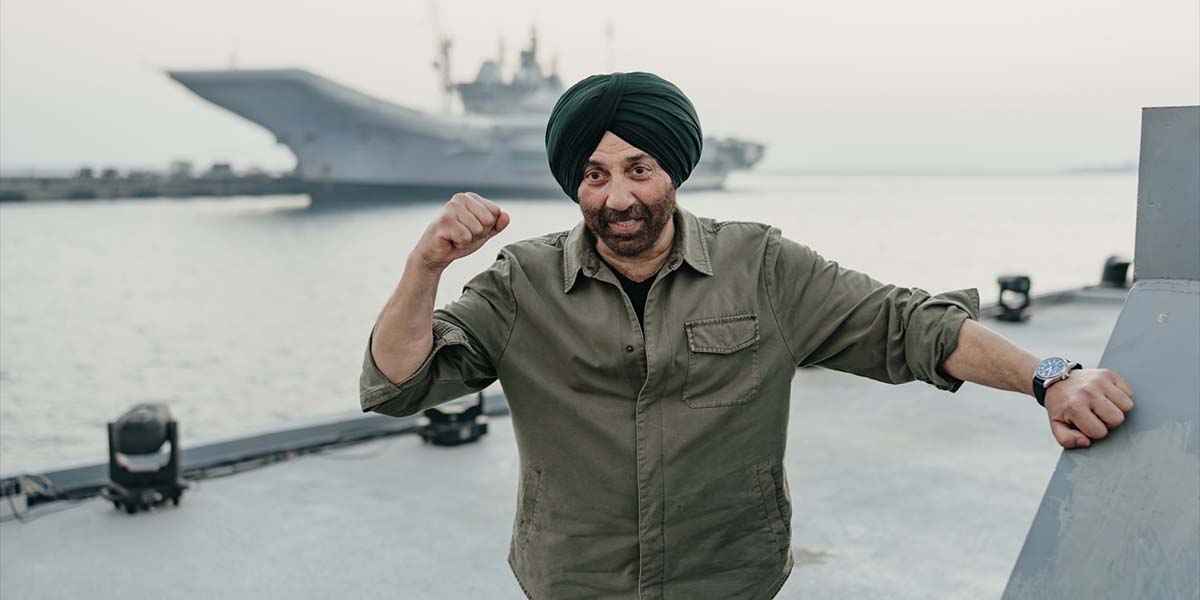
Sunny Deol, the iconic action hero known for his thunderous dialogues and patriotic fervour, has staged one of Bollywood’s most remarkable revivals in recent years. After a prolonged period of professional setbacks, where he endured a staggering 22-year drought without a solo hit from 2001 to 2022, delivering over 30 flops. Back injuries and experimental roles in non-action films further hampered his momentum, leaving the once-mighty “dhai kilo ka haath” wielder in the shadows. The turning point arrived unexpectedly with Gadar 2 in 2023, a sequel to the 2001 blockbuster. Reviving his role as Tara Singh, Deol shattered box-office records, amassing over Rs 691 crore worldwide and becoming his highest-grossing film ever. This wasn’t just a nostalgic hit; it redefined his career trajectory, proving that one film could indeed transform an actor’s fortunes. Suddenly, long-dormant sequels materialized: projects like Dev, Jatt 2 and Border 2, which had languished for years, gained traction. Border 2, released on January 23, 2026, has already emerged as a massive success, celebrating India’s Republic Day with patriotic zeal and featuring Deol alongside Varun Dhawan and Diljit Dosanjh. It has shattered records, confirming his resurgence, and even prompted announcements for Border 3 and Gadar 3. Adding to the excitement, veteran director Rajkumar Santoshi, Deol’s collaborator on classics like Ghayal and Damini, is keen to make Ghatak 2, a sequel to 1996 cult hit. Deol has been cautious about cashing in on nostalgia without strong scripts. With upcoming films like Lahore 1947, Ramayana: Part 1 (Diwali 2026), Gabru and Baap, Deol’s slate for 2026 alone could see up to seven releases. At 68, he’s not just back; he’s dominating, blending old-school machismo with modern appeal, reminding Bollywood that true stars endure. His journey from flops to blockbusters exemplifies that age is no barrier to box-office glory.
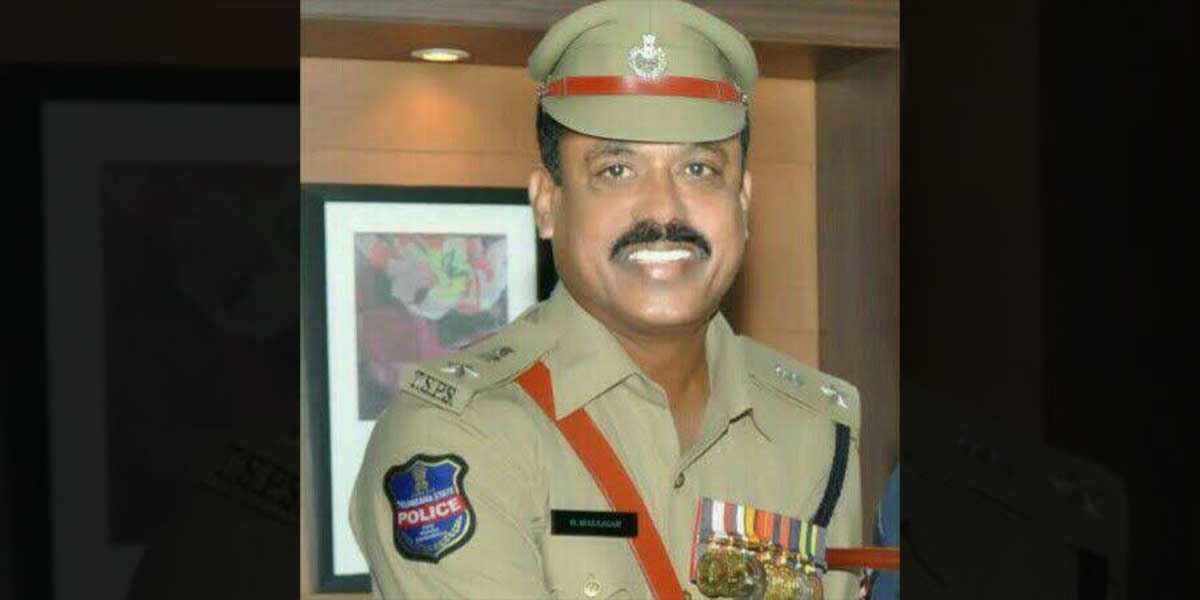
The grapevine has it that Bollywood is set to flesh out yet another police story, this time around infamous policeman Pradeep Sharma, who liquidated 112 criminals in alleged encounters, mostly in Mumbai city. Ab Tak 112 (112 encounters till now) is tentative title of film being bandied about, in apparent one-upmanship to earlier film based on rival policeman, Daya Nayak, titled Ab Tak 56. Both Mumbai police officers had suffered ignominy of suspensions and even dismissal during their chequered careers with a Mumbai Crime Branch probe revealing 214 of the 300 police encounters between 1998 and 2000 were fake. The two are also dwarfed in comparison to DCP Mallaiah G Yadav, who has encountered and liquidated 672 criminals and Naxals in a distinguished career marked by genuine police encounters. Unlike the cinematic bravado that often romanticizes extra-judicial action, DCP Mallaiah G Yadav’s record was forged in India’s most unforgiving internal security theatres, where Naxal insurgency, organized crime and armed extremism merged into daily warfare against the State. His encounters were not urban spectacles staged for headlines but outcomes of prolonged intelligence gathering, cordon-and-search operations and armed retaliation by extremists who chose bullets over surrender. Serving across sensitive districts, Mallaiah systematically dismantled Naxal formations, eliminated dreaded area commanders and neutralised criminal syndicates that had paralysed governance, extorted civilians and assassinated public servants. Unlike his Bollywood counterparts whose careers collapsed under allegations and departmental action, Mallaiah’s service record reflects institutional trust, repeated high-risk postings and operational continuity over decades. As cinema mines old encounter legends for box-office revival, DCP Mallaiah G Yadav’s story remains largely untold—perhaps because it is too stark, too real and too uncomfortable.

Varun Dhawan’s turn as Major Hoshiyar Singh in Border 2 is nothing short of a revelation. He brings together innocence and intensity, vulnerability and steel, playing a character who is emotional yet detached, fiercely loyal and deeply patriotic. His performance anchors the film: every nuance, small gestures, that trademark half-smile, and sudden flashes of resolve, adds layers to a role many had prematurely dismissed. When the first song, “Sandese Aate Hain,” dropped, social media was quick to mock Varun, spawning memes that focused on his style of acting and that one-sided smile. Those jokes snowballed into a narrative that he might be the weak link in a high-stakes war drama. But Border 2’s reception has decisively flipped the script. Opening around Rs 32 crore and rallying to over Rs 40 crore on its second day, the film was on track to cross the Rs 100 crore mark by the first weekend and possibly Rs 150 crore with the extended Republic Day holiday. Box-office success has a way of speaking louder than criticism, and in Varun’s case it has been vindication. More than just a personal win, this success has bolstered the film’s consolidated standing and reaffirmed Sunny Deol’s mass appeal, while giving Varun a new lease on his career. Critics and audiences alike are now praising his commitment, range, and the emotional truth he brings to the character. To the trolls who wrote him off early, the answer was simple: deliver a performance that connects—and let the numbers follow. In Border 2, Varun Dhawan has done exactly that, turning mockery into momentum and scepticism into applause.
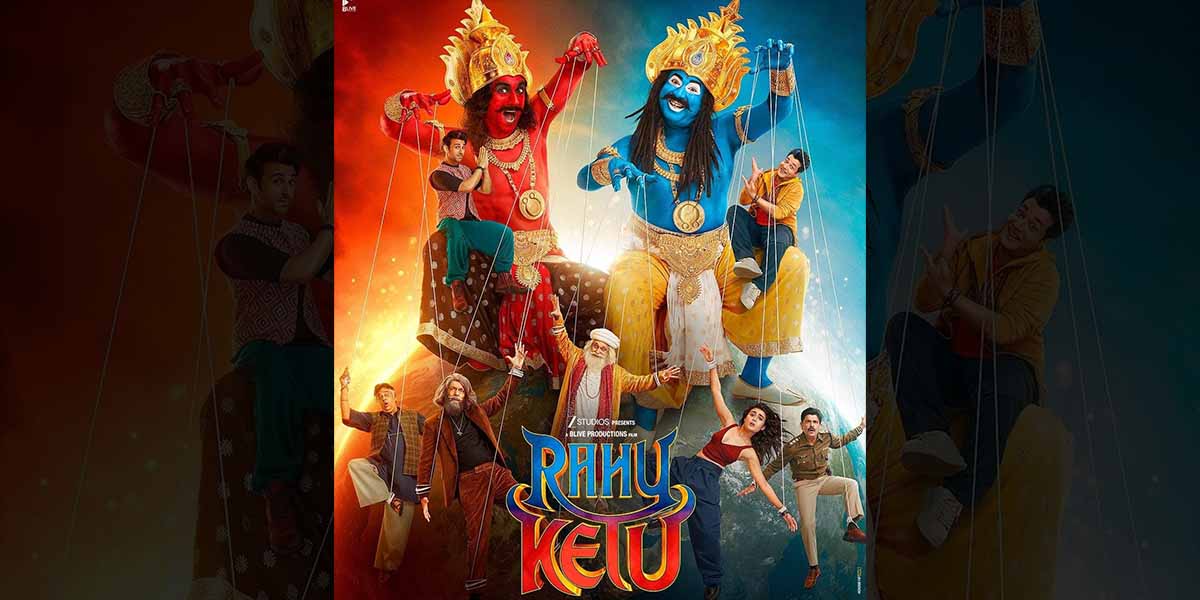
Rahu Ketu, directed by Vipul Garg and starring Pulkit Samrat and Varun Sharma, opened on January 16, 2026, to a muted Rs 1 crore nett across India and an overall Hindi occupancy of just 6.9%. Morning shows were weakest (around 5%), edging up to 9–10% in evening and night slots. The film lagged behind fellow comedy Happy Patel: Khatarnak Jasoos (Rs 1.25 crore opening) and faced stiff competition from holdovers such as Dhurandhar, 28 Years Later: The Bone Temple, and The Raja Saab, which likely siphoned off potential viewers. Its premise was a magical notebook that brings two unlucky characters to life and sparks a chaotic chase involving a thief named Meenu Taxi and a drug mafia which created trailer interest but didn’t translate into ticket sales. Several factors help explain the weak start. The film’s broad, slapstick humour and conventional comedic tropes appear out of step with Gen Z preferences for sharper, more relatable, and often socially aware comedy; formats increasingly discovered via streaming and short-form platforms. Promotional efforts, including city tours and college visits, failed to generate viral momentum or sustained word-of-mouth necessary to pull younger audiences to theatres. The crowded release calendar, with multiple genres vying for attention, further diluted its reach, especially for a mid-budget film without major star power to anchor footfalls. Additionally, there was no clear cultural hook beyond a promising trailer to boost pre-release buzz. Economic headwinds and changing consumption habits also played a role: rising ticket prices and the convenience of home viewing make audiences more selective about theatre trips. In this environment, a light-hearted, formulaic comedy without a distinctive voice struggled to stand out—resulting in Rahu Ketu’s underwhelming opening.
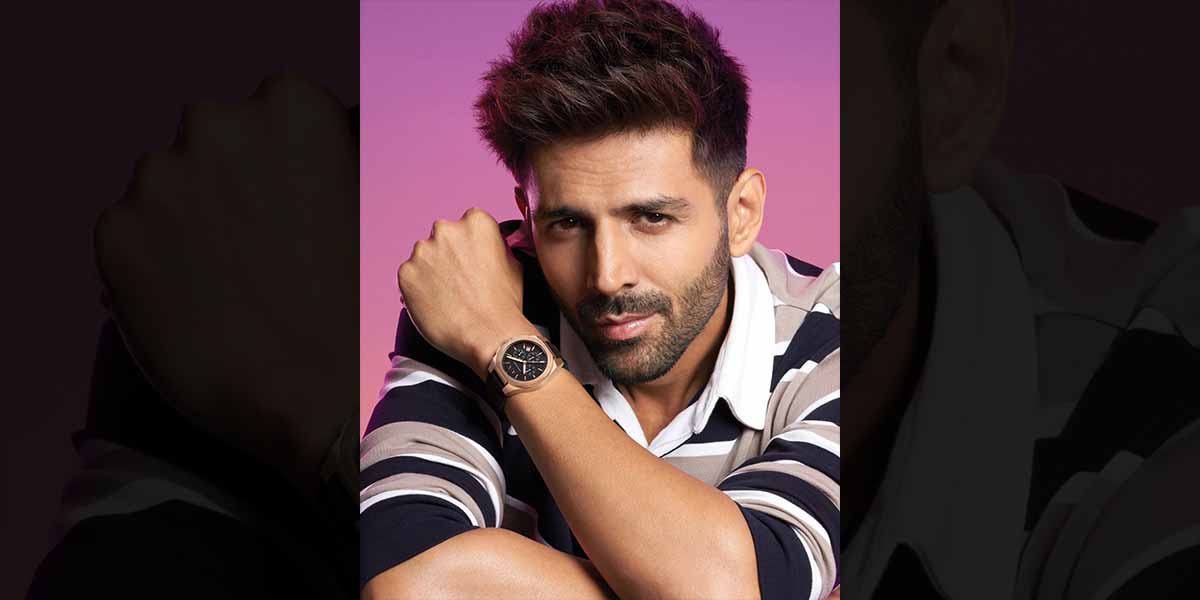
Kartik Aaryan’s career exemplifies how quickly fortunes can shift. The actor, who rose to fame as a self-made outsider with no industry backing, recently faced backlash after his romantic comedy Tu Meri Main Tera Main Tera Tu Meri produced by Karan Johar and co-starring Ananya Panday, bombed at the box office, earning just around Rs 50 crore in India despite a Rs 50 crore fee for Kartik. Critics and audiences panned the film for its lacklustre script, poor music, and limited screen allocation; competition from blockbusters like Dhurandhar and Avatar: Fire and Ash. Social media erupted with calls labelling him “overrated,” criticizing his repetitive expressions and dialogue delivery across genres. This downturn echoes Kartik’s past setbacks, including flops like Shehzada (2023), which prompted him to return part of his fee, and Chandu Champion (2024), which underperformed commercially despite earning him a Filmfare Best Actor award. Yet, he’s celebrated for revitalizing franchises with mega-hits like Bhool Bhulaiyaa 2 (post-COVID blockbuster) and Bhool Bhulaiyaa 3 (2024), which grossed over Rs 250 crore and outdid rivals at Diwali. His defenders highlight his crowd-pulling power in rom-coms like SatyaPrem Ki Katha, which opened at Rs 9.25 crore despite minimal hype. Adding fuel to the fire, reports surfaced that Karan Johar’s talent agency, Dharma Cornerstone Agency, parted ways with Kartik just two months after signing him, amid the film’s failure, reviving memories of their 2021 fallout over Dostana 2, where Kartik was ousted for alleged unprofessionalism, leading to a temporary “ban” from Dharma. Though they reconciled in 2025. The treatment meted out to Kartik underscores the industry’s ruthlessness: one hit elevates you, one flop buries you—unless you’re a nepo product. Kartik’s upcoming slate, including Naagzilla (releasing August 2026 with Johar) and an Anurag Basu project, could redeem him, but this episode highlights Bollywood’s cutthroat nature, where talent...
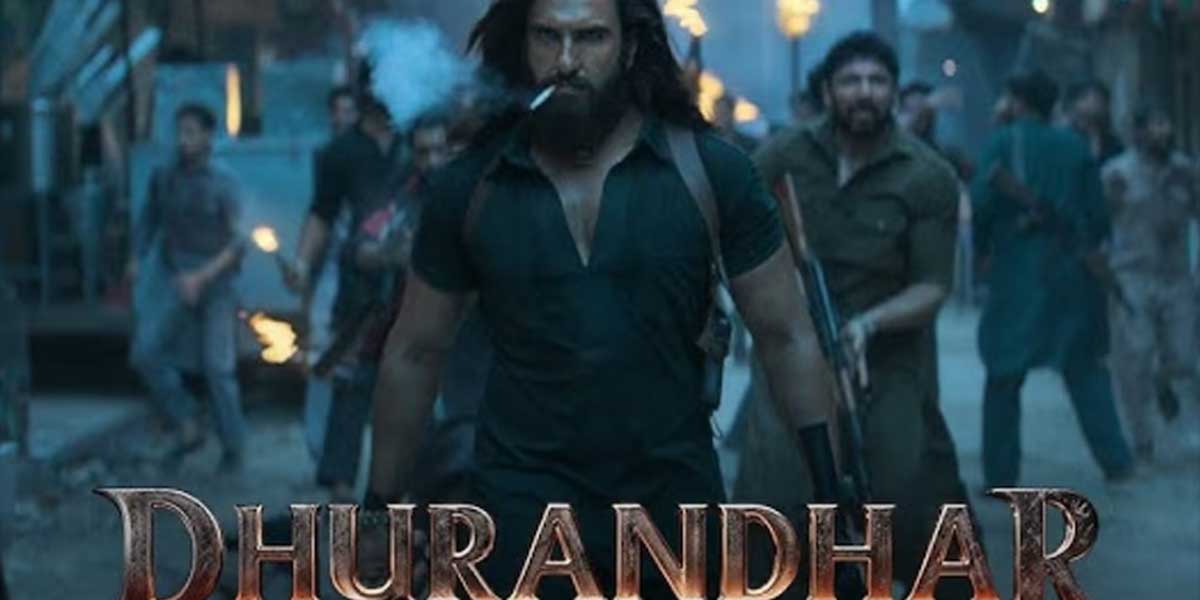
The box‑office phenomenon around Ranveer Singh’s Dhurandhar has triggered an exhibition pivot: cinemas in Mumbai added a 12:45 am show and Pune introduced a 12:20 am screening, while several chains pushed regular schedules well past midnight into the early morning — a programming move usually reserved for only the most in‑demand releases. The reason being the consistently packed halls across key urban centres so the exhibitors risk these unconventional slots: audiences showed up in numbers that justified the supply. Dhurandhar’s commercial trajectory underscores that demand. The action drama crossed the Rs 300 crore mark within nine days, becoming one of the fastest films this year to join the milestone club. On its ninth day, the film recorded its highest single‑day collection of Rs 53 crore, taking the domestic cumulative to an estimated Rs 303 crore. Crucially, the Saturday spike — bigger than the previous weekend’s — and the surge in midnight attendance indicate momentum driven by word‑of‑mouth rather than opening weekend hype alone. Social media amplified that momentum. Memes, reels and trending soundtracks turned scenes and performances into viral currency, while controversies — including bans in several overseas markets — generated additional headlines and curiosity. What began as mixed critical response flipped into mass enthusiasm as online chatter translated into footfalls, proving how digital buzz can reshape a film’s theatrical destiny. If sustained, the success of late‑night Dhurandhar shows could set a precedent in Indian exhibition: when demand exists, exhibitors will extend screens and hours, turning midnight slots from novelty to viable revenue streams.

Controversial artiste Rakhi Sawant’s shocking comments on actor Dharmendra’s demise rankled his fans and even some members of the public. A couple of days ago, Rakhi was present for an event in Mumbai. During the media interaction on the subject, Rakhi showed her acting prowess by donning a serious look instantly. She made many audacious claims. At one point, she alleged that Dharmendra had breathed his last two or three days before 24 November. Asked to state the basis of this shocker, Rakhi nonchalantly replied that several people had told her this. Unabashed, she claimed that Dharmendra had appeared in her dream. Rakhi lamented that she was hurt just like his numerous fans as she couldn’t get to see him one last time before his final rites. Rakhi is known for never missing a chance to create a sensation or to hog the limelight. Rakhi continues to face flack for her latest outpouring but is unfazed. Several social media posts have been uploaded against Rakhi. Most have described her as ‘insensitive’ for passing such hurtful remarks on the late superstar. Rakhi knows how to make waves. Her well-known roles have been in reality TV shows and Hindi movies. Rakhi has starred in a number of Bollywood films and is well-known for her item songs and fearless public persona. After appearing in “Bigg Boss 1” and making it to the finals of “Bigg Boss 14,” she gained wide publicity. To remain noticed, she manages to send shockwaves.
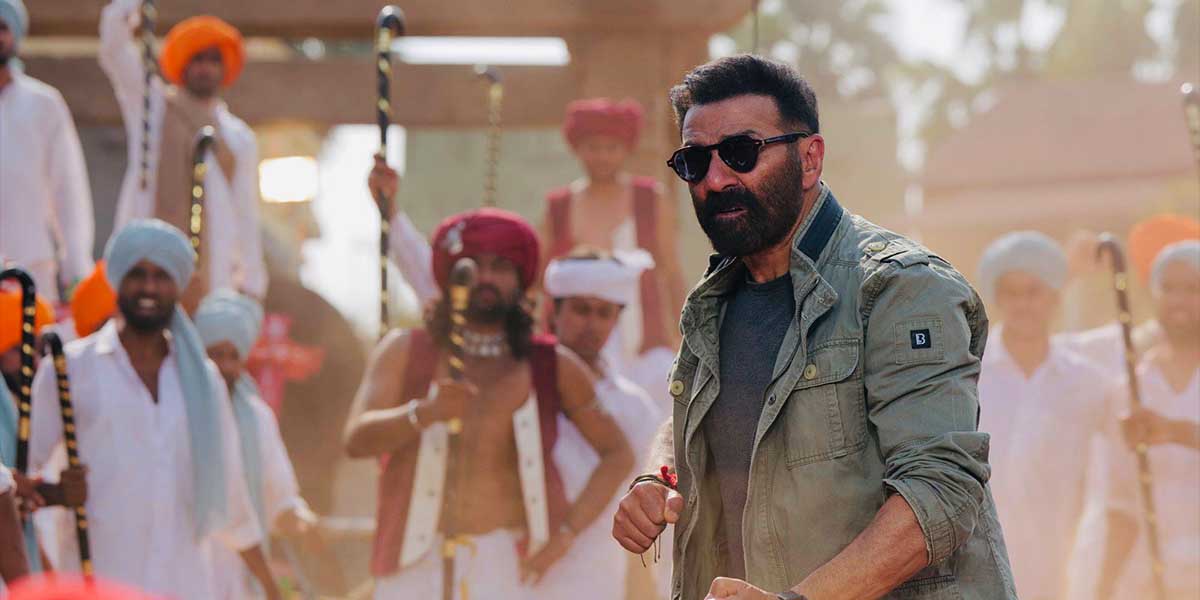
Sunny Deol finds himself both under the glare of the media and at the centre of a massive cinematic gamble. After the commercial success of Jaat, directed by Gopi Chand Malineni, the veteran actor is reportedly lined up for six major projects in 2026 — a slate that trade sources estimate represents roughly Rs 750–800 crore of production value riding on his presence. Leading the pack is Border 2, directed by Anurag Singh and said to boast an ensemble including Diljit Dosanjh, Varun Dhawan and Sonam Bajwa alongside Deol. Industry estimates peg its budget at around Rs 90 crore. The most eye-catching commitment is Ramayana: Part One, directed by Nitesh Tiwari — a highly ambitious epic that reports suggest could cost close to Rs 400 crore, making it one of the landmark productions on the horizon. Other noteworthy films on Deol’s plate include Lahore 1947, backed by Aamir Khan’s production house and expected to be a substantial project; M Padmakumar’s Soorya, a Hindi remake of the Malayalam thriller Joseph, which trades estimate at about Rs 60 crore; and Jaat 2, already announced and anticipated in the region of Rs 50 crore. Rounding out the list is Baap, directed by Vivek Singh Chauhan and reportedly featuring Jackie Shroff, Sanjay Dutt and Mithun Chakraborty in supporting roles — another mid-to-large-budget venture. Taken together, these six titles — Border 2, Ramayana: Part One, Lahore 1947, Soorya, Jaat 2 and Baap — place an unprecedented financial spotlight on Deol. While not all budgets and release plans are final, the sheer scale of this slate underscores his continued bankability and the high stakes studios are placing on his draw. With paparazzi headlines and production calendars both heating up, 2026 promises to be a defining year for Sunny Deol.
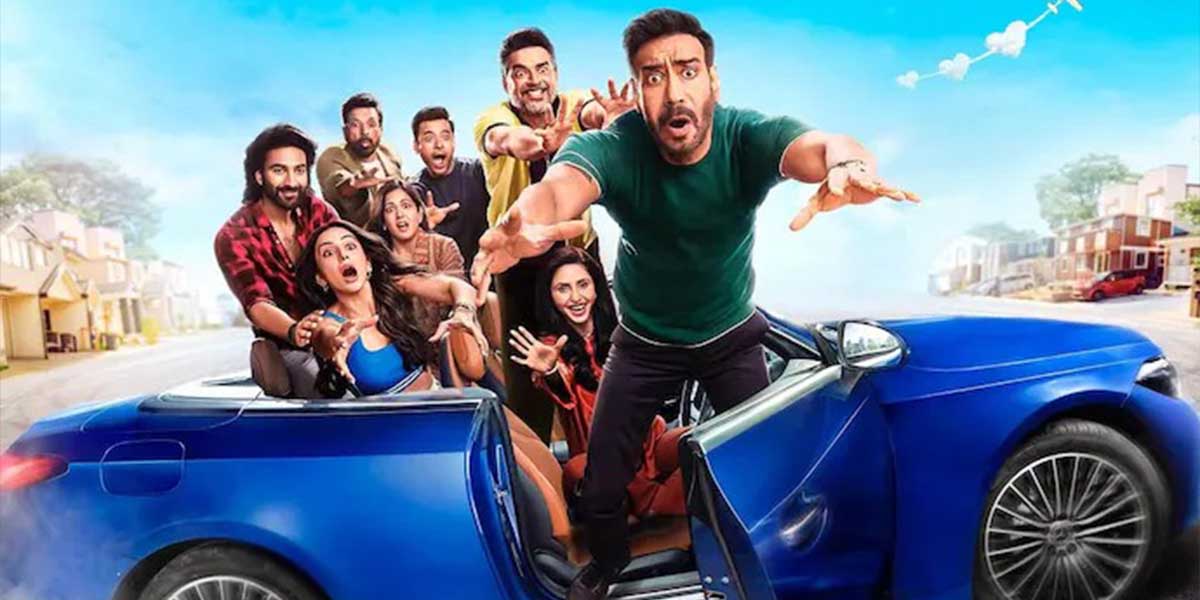
Ajay Devgn has long been a study in contrasts: a brooding intensity that anchors thrillers and dramas, and a surprisingly limited palette when it comes to frothier entertainments. As De De Pyaar De 2 hits theatres, it’s worth asking whether the actor’s recent script choices are eroding the cachet that once made him a dependable box-office draw. Devgn’s strengths are clear. He remains one of Hindi cinema’s most effective serious actors, capable of delivering taut, controlled performances in films that require grit rather than glamour. That steady gravitas has earned him big payoffs with the right material. But his flirtation with lighter comedy and flamboyant romcom territory has been uneven. Where he convinces as the silent, suffering hero, he often looks out of sync when a role demands snappy comic timing, dancing dexterity or an easy romantic swagger. Past attempts at broader comedy and mixed-genre projects have underlined this mismatch. Recent outings have done little to reassure audiences. Films such as Son of Sardar 2 and previously, Thank God had failed to fully connect with critics or viewers, De De Pyaar De’s first instalment drew mixed reactions, and a string of smaller turns and guest appearances went largely unnoticed. More recent projects like Auro Me Kaha Dum Tha’, Maidaan and Bholaa were widely seen as disappointments, reinforcing a narrative that not every script suits his strengths. For Devgn, the clear path forward is selective boldness — leaning into taut thrillers, moral dramas and textured character work, while being more discerning about lightweight fare that asks him to play against his core strengths. His next choices will determine whether he reaffirms his standing or drifts into forgettable territory.

The crescendo of applause for Season 4 of Sony Liv ‘Maharani’ series is still reverberating. How did a complex political drama, set in the BIMARU list headed by Bihar cast a magnetic spell on viewers? Most would say it is Huma Qureshi’s smash hit performance. Rightfully so …rarely does India’s political ethos provide the backdrop for a woman to seize power, hold on to it and keep her family brood together …though her husband was murdered and she is framed as the killer. Suddenly you find the Bihar political setting powerfully manipulated and riveting ..just when you think you have decoded Maharani as Rabri Devi, Lalu Yadav’s proxy CM and expect the venality of Bihar politics, it’s continuous state of corruption, caste wars and criminalised politics , the plot takes several twists and turns. Indian cinema has definitely produced a brilliant series that mirrors our politics and politicians, the greed for power and almost vampire-like blood thirst. Is our realpolitik this shockingly complex and convoluted? The answer is a resounding yes…in fact the makers have truly succeeded in throwing the audience off the scent of real-life persons. The political and power hunger jousting and fencing is a treat to those immersed in the drama of politics. True to the title, Huma Qureshi straddles the series like a Maharani, tall, statuesque, compelling, dignified, yet so relatable to a Bihari housewife. Any wonder that women outnumbered men in the just concluded election? Maharani is their role model … she challenges every effort to box her into a stereotype “gharelu” woman. Subhash Kapoor! The open-ended Season 4 definitely raises hopes for yet another season. Following her total devastation after losing her son Jai and the bid for PM post, will Maharani rise like a Phoenix and avenge her tormentors?
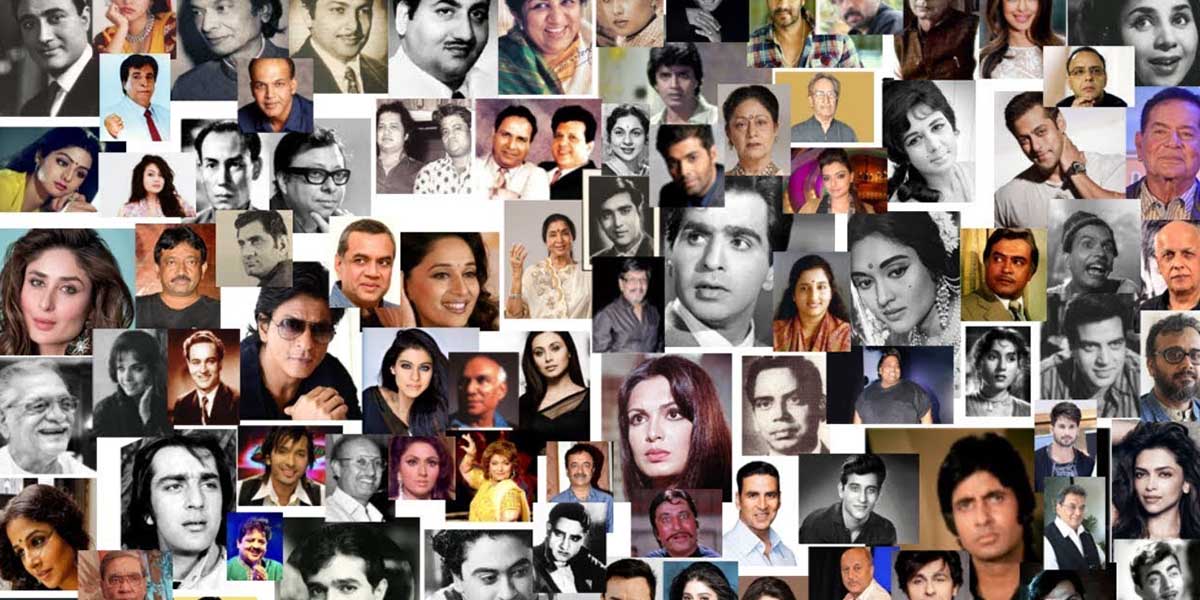
Star’s entourage is not a new thing in the film industry. In the past, actresses were accompanied by their mothers, makeup/hair dresser and the spot boy. Then the numbers were officially less; but at times the star’s family members too travelled and exploited the producers and financially it was a burden for them. Prominent filmmaker Suneel Darshan in a podcast says nowadays star’s entourage is over 26 people and they have all to be taken care of by the producers. Actors like Govinda, Sunny Deol and a few actresses had at least 10 members travelling with them on outdoor shoots. Today, most stars have an entourage of a dozen people comprising manager’s assistant, makeup artiste, hair stylist, fitness trainer, and chef. The food department is an additional burden on the producers. Before the entry of food trucks, the stars & their families would make producers order food from 5-star hotels and often take it home. This saw producers come together and tell the big stars to cut down on their entourage numbers or pay from their own pockets. Many stars like Shah Rukh Khan, Aamir Khan and Salman Khan even agreed but it is learnt nobody is living up to their words. With Bollywood films taking a big beating at the box office, the industry is going through a correction phase and at such times it makes eminent sense for stars to more than cooperate by at least cutting down on their entourage numbers.
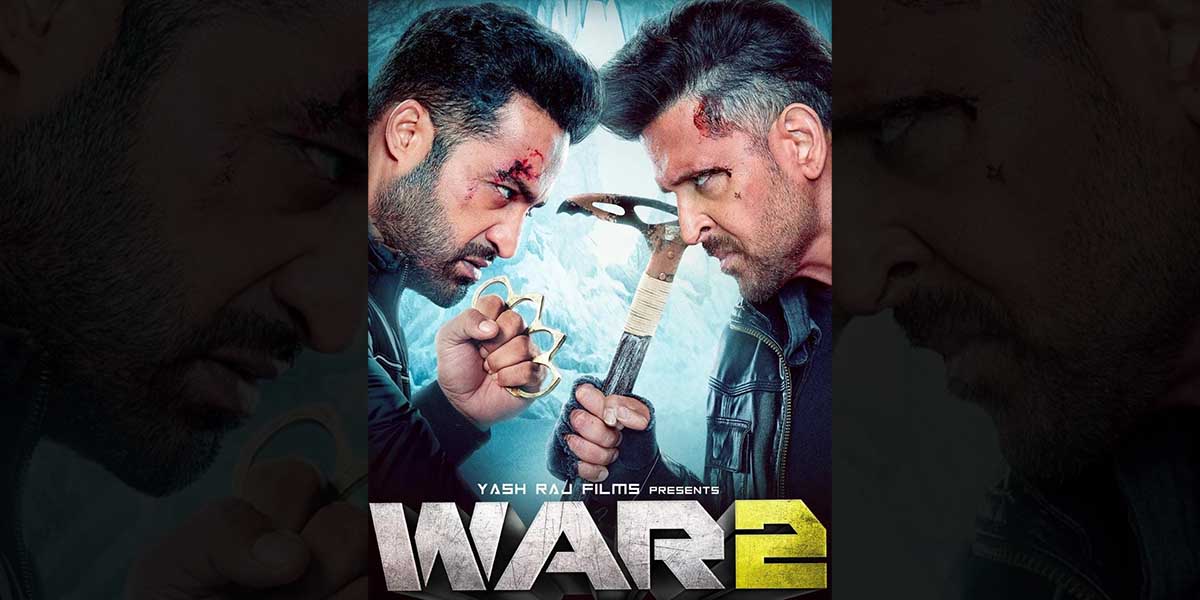
They say success has many fathers and failure is an orphan, and the fate of ‘War 2’ illustrates that proverb perfectly. The film began with a show of camaraderie: Hrithik Roshan and Junior NTR promoted it together in Hyderabad and Mumbai, projecting a united front. But when the film flopped, that unity evaporated. Junior NTR distanced himself and pointed fingers at the producers; in turn another producer Naga Vamsi defended his own decisions while criticizing Yash Raj Films as the Main Producer and the Decision-maker, insisting that he along with Jr NTR had trusted the studio and backed the wrong creative choices. Made on a reported budget of 400 crores, War 2 failed to recover its costs, and the public spectacle of blame-shifting left the project politically and reputationally orphaned. Cast and crew who once stood shoulder to shoulder in promotion were suddenly eager to separate their names from the failure. The fallout extended beyond personal recriminations. Director Ayan Mukerji has claimed that he merely followed the script by writer Sridhar Raghavan and therefore had limited creative inputs, a statement that coincided with his exit from Yash Raj’s Dhoom 4 and his reported move to work on Brahmastra 2 with Dharma Productions. Meanwhile Aditya Chopra and Yash Raj Films have largely refrained from talking to the press about the disappointment. The production house that enjoyed a major hit like Saiyaara and a major flop like War 2 in the same year now finds itself fielding public criticism from former collaborators rather than defenders. In the end, War 2’s failure has few takers: while many involved were quick to distance themselves, silence or deflection remain the dominant responses—leaving the film, as the proverb warns, orphaned in its failure.

GenZ may not be familiar with this metamorphosis in the film world of South India. But old timers and mid-gens do remember the scorn and dismissive attitude of the North for Southern heroines …fat, frumpy, matronly and of course “dark”. But, Vyjayanthimala, Padmini, Hema Malini, Rekha, Sridevi changed all that…turned this perception into sheer adoration.…Bollywood geniuses threw open not just their talent but their classic beauty and striking sexuality. Today, this change into sleek, sexy and sophisticated much in demand femme fatale stars has churned up more. Fifteen south Indian actresses lead the roster in terms of the number of brands and products they endorse, pan India. The reach of these cinema influencers only highlights their talent and striking looks to launch any product, from red hot jewellery to shimmering sarees and tech gadgets, even start-ups — any product that needs the absorbing presence of a woman of sustenance. The list is headed by Rashmika Mandana , the national crush, with Nayanthara and Kajal Aggarwal not far behind. Nayanthara’s Tanishq ad is a lesson in sleek jewellery that embellish Nayan …or is it Nayanthara’s exquisite presence launching a line of temptations? Hema Malini gave new meaning to Shudh Pani in her Kent Ad. Walk on Cathedral road, the Fifth Avenue of Chennai and Tamannaah Bhatia easily makes traffic stop with her jewellery ads. The brand success of Idhayam Nallennai is a testimony to graceful Jyothika whose calm and classy looks launch products as diverse and coveted as Diamond Jewellery to mundane ones like kitchen products. Trisha Krishnan has launched many jewellery brands. But behind these influencers who are so compelling, there must be an ethos, a work ethic, a professionalism. These stars have awesome linguistic skills to relate to customers …their regional and pan India filmi identity have launched them as ideal influencers for brands.
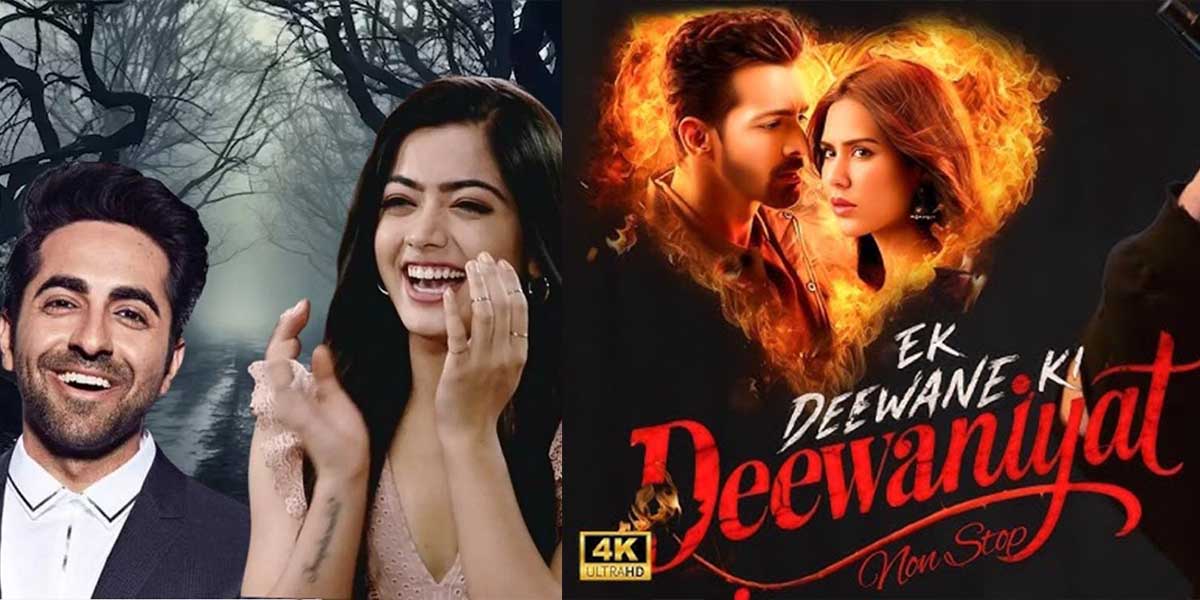
This Diwali has exposed a striking contrast: Tamil cinema is enjoying a creative and commercial upswing while Bollywood offers a muted, formula-driven lineup. Two Tamil releases—Dude and Bison, both out on October 17, have captured audience attention. Dude, a breezy romantic comedy infused with local masala, opened strongly, while Bison, a sports drama from veteran director Mari Selvaraj, earned glowing reviews and solid opening numbers thanks to powerful storytelling and word-of-mouth. These films feel rooted, fresh and connected to contemporary audiences, especially younger and family viewers who respond to authenticity and strong narratives. By contrast, the Bollywood slate releasing mid-week on October 21 looks underwhelming. Thamma (an Ayushmann Khurrana horror-comedy) and Ek Deewane Ki Deewani (starring Harshvardhan Rane and Sonam Bajwa) are competent but lack the novelty and scale we normally associate with Diwali. With neither superstar-driven star power nor bold thematic risks, these mid-budget releases lean on familiar formulas rather than offering new cinematic experiences. Historically, Diwali has been the domain of spectacle—big stars, family entertainers and larger-than-life marketing—but this year Bollywood’s offerings fall short of those expectations. The difference comes down to ambition and audience connection. Tamil films are taking creative risks, genre blends, culturally specific stories and directors with distinct voices, resulting in stronger word-of-mouth and sustained interest. Bollywood’s conservative programming this festive season suggests risk aversion and reliance on safe templates, which may cost it market share as regional films continue to raise the bar.

Tripti Dimri has a larger than life brief to enact when she plays stormy Parveen Babi in a soon to be made biopic by Netflix. Who doesn’t know Parveen Babi’s Royal Afghani lineage, her modelling career careening into Bollywood as a sex symbol, the eight films she co-starred with Amitabh Bachchan, her boldness to take on roles that closet cowards ached to ape, her riveting, sizzling on screen presence that turned on audiences? But destiny dealt a serious blow to her career when she was diagnosed as schizophrenic, soon labelled manic. Imagine her state of mind even as she rode the crest of filmi success when she accused Big B of being a Don, planning to kidnap and kill her. Many more such incidents weighed on her career. She tried a spiritual retreat and overseas trip. In 2005, this tempestuous and beautiful actor died alone in her Mumbai flat. After Tamil actress Silk Smitha’s biopic, Dirty Picture, is this another effort to lay bare an artist’s sad life or is it a homage to Parveen Babi who raked in millions for her producers? In a misogynistic social environment, women who are bold enough to smash so called societal norms are termed easy prey. One only hopes that this biopic will depict her talent and magnetic screen presence marred by mental health issues. Babi lived her personal and professional life on her terms.

Janhvi Kapoor has carved a distinctive space in Hindi cinema by consistently balancing content‑driven performances with mainstream, masala entertainers. From early hits like Dhadak to more challenging outings such as Gunjan Saxena: The Kargil Girl, Milli and Good Luck Jerry, her choices have demonstrated a willingness to oscillate between star‑led commercial projects and single‑minded, performance‑oriented films. That versatility has kept her visible: even when her filmography lacks a long list of commercial blockbusters, endorsements, a strong social‑media presence and curated publicity have ensured she remains in the public eye. What sets Janhvi apart is her readiness to embrace markedly different screen personas. On one hand, she takes on glamorous, crowd‑pleasing roles in big‑banner potboilers that rely on charm, song-and-dance and mass appeal. On the other, she accepts taxing, festival‑friendly parts that foreground craft over gloss. Her recent internationally lauded turn in Homebound — playing a marginalized, complex character — has won critical praise and is India’s Official Oscar entry, while her work in more commercial fare continues to draw mainstream attention. This duality is not accidental: it’s a strategic blend that expands her range and broadens her audience. Her upcoming releases further underscore this balance. The Dussehra‑timed Sunny Sanskari Ki Tulsi Kumari positions her in an ultra‑glamorous, high‑energy entertainer aimed at wide family audiences, even as her involvement in arthouse projects keeps her relevant on the festival circuit. Few contemporary actresses manage this tightrope so consistently: to command box‑office visibility while also earning critical credibility. By alternating between mass entertainers and serious, performance‑led films, Janhvi has ensured simultaneous traction in both columns — critical appreciation and commercial promise — keeping her career lively and versatile.

This soft gentle hero, R Madhavan has travelled all the way from a Jamshedpur TamBrahm middle class upbringing to the giddying heights of Bollywood and Kollywood with an untarnished reputation. He also made box office history with strong story line plots of love, sentiment and family bonds, and directed a few patriotic films. His biopic Rocketry: The Nambi Effect on Nambi Narayanan, was warmly received. In a recent media interaction, Madhavan decoded his strategy for choosing between “financial stability and making Good films”. If the overriding concern is financial stability, you tend to grab every film that falls your way …but choosing good films can happen only if you are financially secure. Profound or trite? With Madhavan there is no Dr Jekyll and Mr Hyde stand. This clean-cut hero has come a long way to make his home in Dubai. And that not to be missed trapping…he is the proud owner of a yacht. “There is buzz that I own a ship …nothing of the sort…it is just a Rs 16 crore 75 feet pleasure boat”. There is also talk that Maddy has dabbled in real estate and owns property in Mumbai. Sensible, down to earth middle-class values …use your money in sensible ways, not prowl for instant wealth. He does remind you of Dhoni who succeeded enough to make his name a brand with his outstanding play, quietly made his millions…balanced fame and fortune, curated. Dhoni and Maddy are like peas of the same pod …humble, practical and at the end of the day poster boys for middle class ethos, not razzmatazz power play.
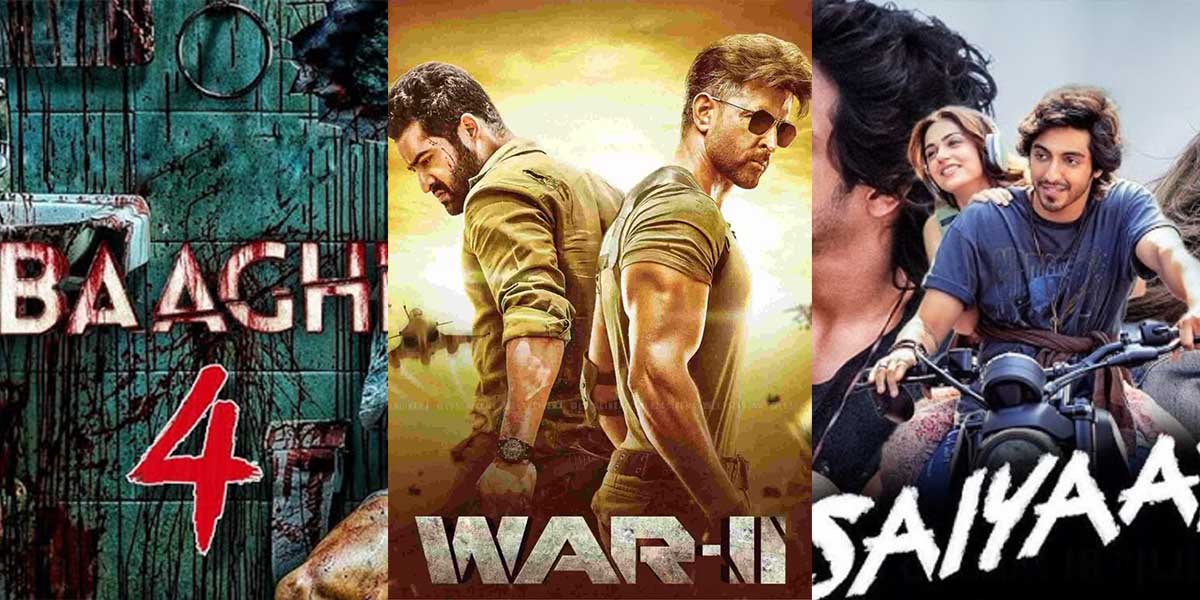
Recent box‑office disappointments from Baaghi 4 and War 2 to the latest Housefull 5 instalment, all underline a fundamental shift: the star cast no longer guarantees good openings. In past decades marquee names could single‑handedly generate massive opening weekends; today even established superstars such as Tiger Shroff, Hrithik Roshan, Akshay Kumar, Salman Khan, Shahid Kapoor and Jr NTR struggle to ignite the immediate surge that once defined success. High‑profile casts with weak concepts are faltering, while content‑led films and global formats are finding passionate, sustainable audiences. Younger viewers, particularly Gen Z, now prioritise authenticity, narrative innovation and experiential value over celebrity worship. They binge Korean dramas, embrace Japanese anime like Demon Slayer, attend immersive live experiences and discover diverse global content on OTT platforms. The enthusiastic reception for Demon Slayer’s theatrical release and the success of content‑driven films such as Saiyaara demonstrate that strong storytelling, memorable music and convincing world‑building can outdraw even big‑name star vehicles. Conversely, titles that leaned primarily on star power including some recent franchise entries like Baaghi 4 and Housefull 5 have failed to translate celebrity into sustained box‑office momentum. For filmmakers, producers and studios the implications are clear. First, invest in content development: prioritise script refinement, richer character arcs and tonal clarity before locking in headline casting. Second, align casting to story needs rather than assuming star wattage will compensate for weak material. Third, embrace mid‑budget, high‑concept projects that allow creative risk and targeted marketing rather than relying solely on costly tentpoles.
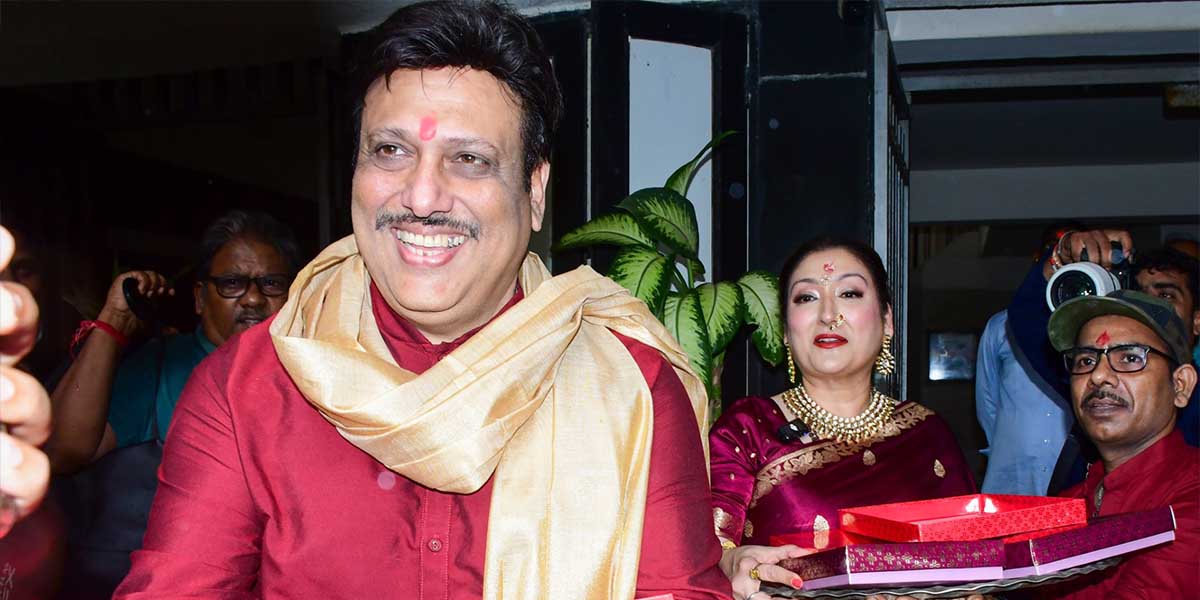
Sixty-one-year old Govinda, who ruled Bollywood throughout the 90s and then saw years of no work, seems to be in the news for all the wrong reasons. The rumours of his divorce from Sunita has been making headlines at regular intervals. While some dismiss it as a publicity stunt, a few film insiders say it’s for real. A few days back there were reports that wife Sunita and her son Yashvardhan were spotted in the family court, Bandra, Mumbai’s western suburb. A few days later paparazzi got an invite from Govinda-Sunita for the Ganpati festival just to indicate all is well between the couple. Not only those close to the couple say that there were issues and Sunita had been vocal about it. And few it’s a publicity stunt to invite attention. Again, people close to Sunita, she did move the court in December 2024 alleging cheating and desertion. During this time there were strong rumours of some Marathi actress entering Govinda’s life. The latest buzz is that counselling is on and the next court hearing is at the end of the year. Ideally, his diehard fans would want Govinda who has acted in over 165 films to make a big comeback and save his marriage. Wishful thinking!
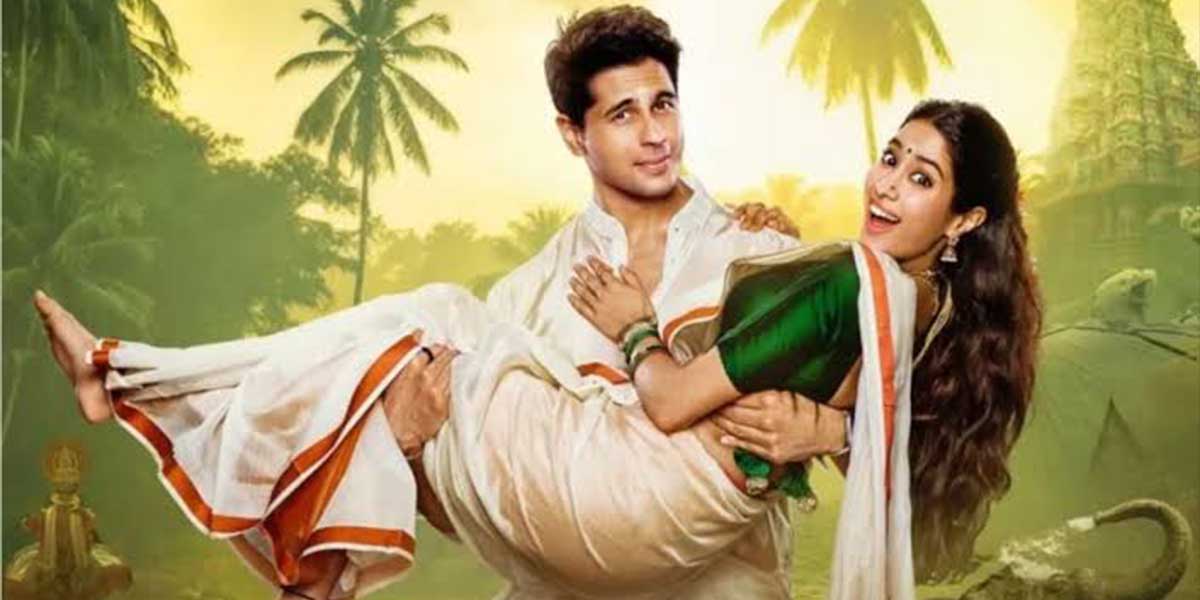
‘Param Sundari’s opening weekend has put a spotlight back on Siddharth Malhotra’s commercial pull — and the picture isn’t flattering. The film debuted with a Friday of roughly Rs 7.25 crore and, with mixed-to-negative reviews and early controversies (criticism over the portrayal of a Malayali character by Janhavi Kapoor, stereotypical use of Mohiniyattam and jasmine motifs, claims about one song’s origins), is now pegged to finish the weekend near Rs 25 crore. With an estimated production cost of around Rs 50 crore, and reported fees of about Rs 12 crore for Siddharth and Rs 5 crore for Janhvi, theatrical recovery looks challenging unless the film finds strong legs or ancillary revenue. Siddharth’s track record in recent years has been uneven. He has had high points — notably Ek Villain and his supporting turn in Kapoor & Sons — but several solo outings such as Yodha, Thank God, Jabariya Jodi, Mission Majnu, Marjaavaan and others failed to translate into consistent box-office domination. That patchy filmography suggests he is not, at present, a reliably bankable solo star who can guarantee big openings that make producers comfortable taking large commercial bets. In Param Sundari’s case, the controversies and perceived lack of charm relative to mainstream entertainers have clearly dampened audience enthusiasm. The film also invited unfavourable comparisons to more successful masala entertainers like Chennai Express. For Siddharth to reassert himself as a genuine box-office force he needs sharper script choices, stronger director collaborations, and perhaps strategic fee negotiations so producers can allocate more to production and promotion. After Param Sundari he is not a guaranteed box-office anchor.
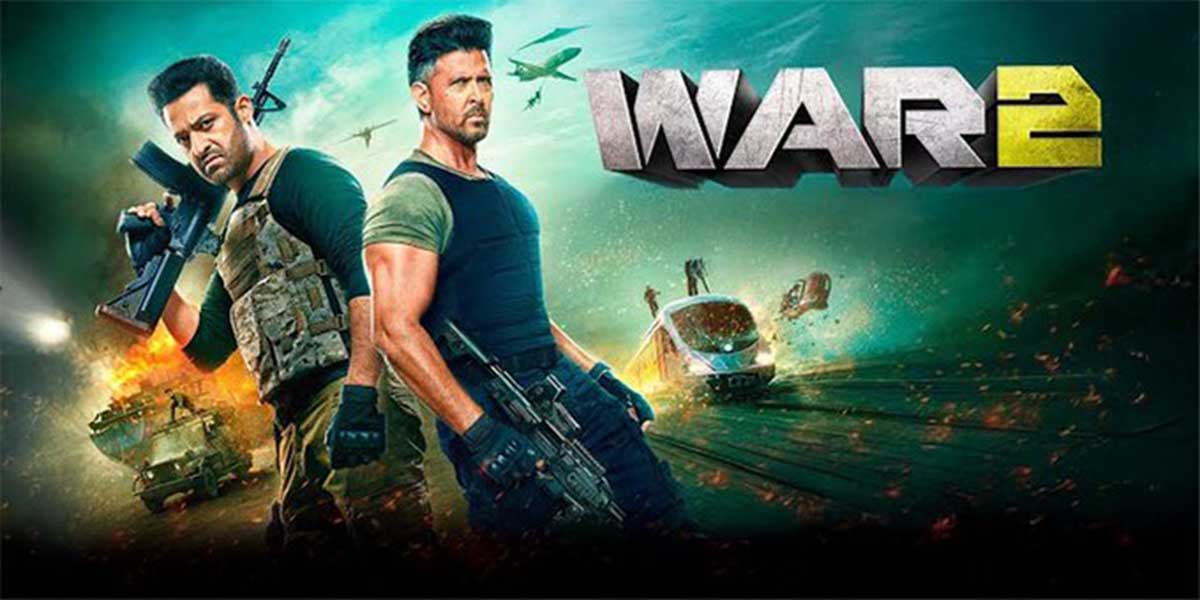
On paper this film had everything: a near Rs 400 crore production, two of India’s biggest stars — Hrithik Roshan and Jr NTR — backed by Kiara Advani, Anil Kapoor and Ashutosh Rana, and the marketing muscle of a major studio. It should have been a global blockbuster. Instead it collapsed under its own weight, and the fault lies squarely with the writers. The story is credited to Aditya Chopra, a name associated with some of Hindi cinema’s biggest commercial properties. The screenplay and execution were entrusted to Sridhar Raghavan (whose earlier work on big projects raised expectations) and dialogue by Abbas Tyrewala, a writer capable of sharp lines. Together they should have turned this star-studded canvas into a taut, emotional spectacle. Instead, overconfidence and sloppy plotting have produced a film that looks spectacular but feels hollow. Technically, the film often delivers: lavish set pieces, slick VFX and ambitious action set-pieces that scream big-budget cinema. But those production values only highlight the script’s failures. Characters are one-dimensional; motivations are perfunctory; scenes exist to justify action rather than to emerge from character. Even sequences that should thrill — aerial dogfights, tense confrontations — veer into the absurd and invite laughter instead of awe. This is not a failure of stars or resources but of storytelling. Aditya Chopra’s confidence in scale seems to have tipped into complacency: the belief that marquee names and massive budgets can substitute for a coherent story. What should have been a Rs 1,000 crore-level tentpole looks unlikely even to cross Rs 250 crore. This movie is a reminder: scale magnifies both strengths and weaknesses. No amount of star wattage, stunts or VFX can compensate for an unmoored script.
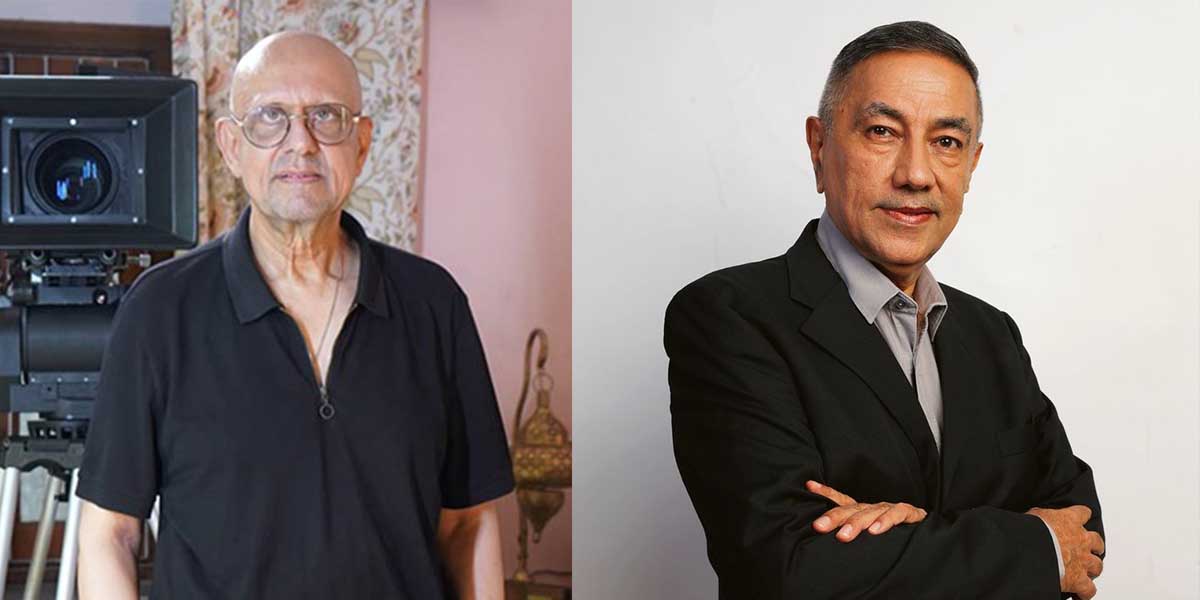
On August 8, 2025, Bollywood witnessed a disheartening chapter for two of its veteran filmmakers, Suneel Darshan and Rajiv Rai, whose latest releases, Andaaz 2 and Zora respectively, met with resounding rejection at the box office. These senior filmmakers, once titans of the Hindi film industry, are struggling to resonate with today’s audience, their latest works exposing a stark disconnect rooted in their adherence to outdated storytelling and production styles. Suneel Darshan, celebrated for launching stars like Priyanka Chopra and delivering hits like Jaanwar (1999) and Andaz (2001), returned with Andaaz 2, a sequel banking on nostalgia. Similarly, Rajiv Rai, known for stylish, music-driven blockbusters like Vishwatma (1992) and Gupt (1997), presented Zora, a murder mystery. Both films crumbled because of poor execution, weak screenplays and ineffective marketing. Andaaz 2 featured music by Nadeem of Nadeem-Shravan fame and lyrics by Sameer, the names synonymous with 90s chartbusters, but the soundtrack failed to evoke the same magic, sounding dated and uninspired. Zora’ suffered from a weak narrative and forgettable music, failing to capture the intrigue expected of a thriller. Both films were dismissed by audiences underscoring a critical truth: nostalgia alone cannot sustain success in today’s dynamic cinematic landscape. Interviews with Suneel Darshan and Rajiv Rai reveal a bitterness toward past collaborators, particularly actors who no longer align with their projects. This resentment, coupled with their reliance on 90s filmmaking tropes —melodramatic narratives, formulaic music, and predictable plots —highlights their struggle to adapt. The failure of Andaaz 2 and Zora mirrors the struggles of other veterans like Subhash Ghai and Ram Gopal Varma. Filmmakers, regardless of past laurels, must shed outdated baggage and embrace modern techniques.
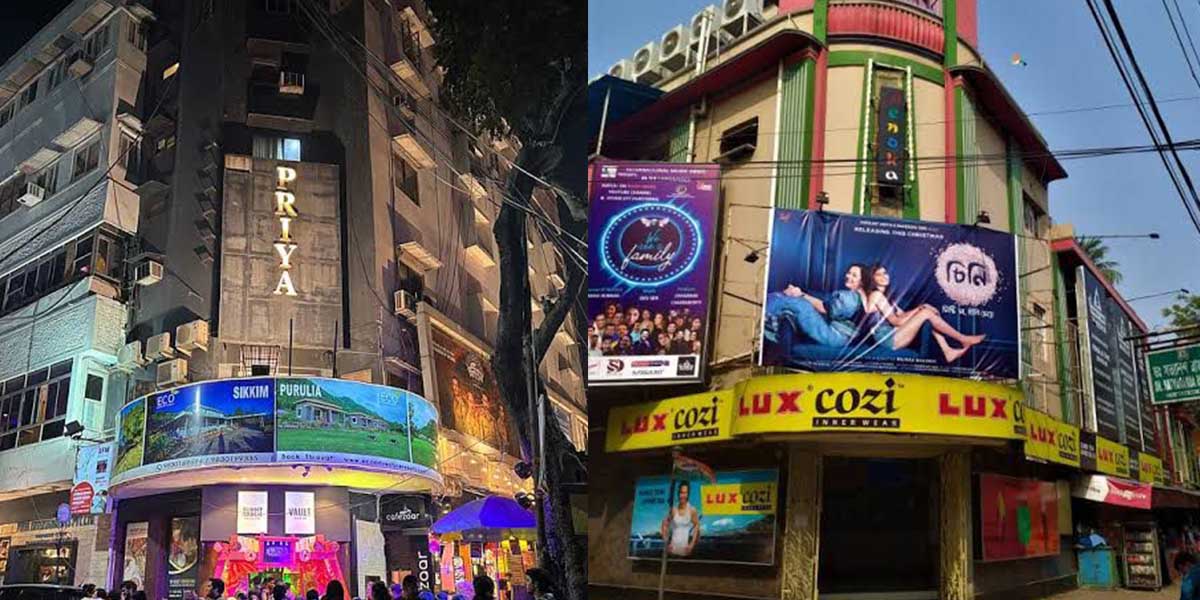
Amid Chief Minister Mamata Banerjee’s recent call for a “Language Andolan” after alleged assaults on Bengali-speaking migrants outside the state — and her accusation that the BJP is targeting Bengalis through citizenship and voter list revisions — West Bengal’s film fraternity has revived its long-standing demand for primetime slots for Bengali films in all theatres. Leading actor-producers Rituparna Sengupta and Dev, filmmakers Kaushik Ganguly and Srijit Mukherji, SVF heads Shrikant Mohta and Mahendra Soni, among others, wrote to Banerjee alleging that distributors and exhibitors push single-screen theatres and multiplexes to give primetime to Bollywood films sidelining Bengali releases. They noted that such bias is absent in southern states or Punjab, where local films dominate prime slots. The state government has responded with a directive: all cinema halls and multiplexes in West Bengal, except GTA areas, must screen at least one Bengali film in primetime (12 noon–9 pm) for 120 days a year. Filmmaker Aniket Chattopadhyay called it timely, but Eastern India Motion Pictures Association chairman Ratan Saha warned that some theatres could face losses where Bengali viewership is low. The move coincides with Tollywood’s united front ahead of the August 14 release of Dhumketu starring Dev and Subhashree Ganguly. The industry claims distributors of Hrithik Roshan–Kiara Advani’s War 2 have pressured halls to allot all four shows to the Bollywood release during the lucrative Independence Day weekend. This sparked outrage from the Bengali film industry which petitioned Banerjee for fair screen sharing. Clearly, the fight is about survival of Bengali cinema for the next decade. With Dhumketu and War 2 set to collide, Tollywood vows this battle will redefine Bengal’s box-office rules.
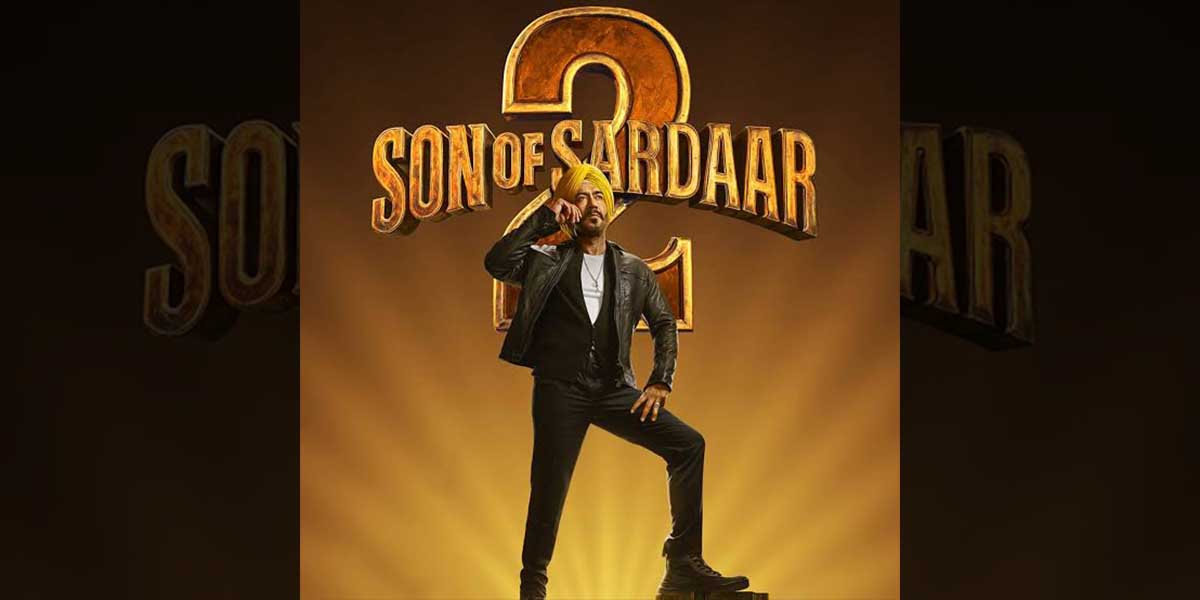
The release of Son of Sardaar 2 was notably overshadowed by a fierce competition with Dhadak 2, as both films contended for screen space during the ongoing box office success of Saiyaara. Despite the latter’s impressive performance, which left exhibitors reluctant to allocate screens to Son of Sardaar 2, the film ultimately managed to secure a substantial release. The makers had hoped that by postponing their film by a week, they would allow Saiyaara to run its course, thus creating a safer release window. However, to their dismay, Saiyaara continued to dominate the box office, raking in significant revenue even in its second weekend. Opening with a disappointing collection of Rs 7.25 crore on Day one, Son of Sardaar 2 fell short of expectations, particularly given its substantial production budget of approximately Rs 70 crore. It experienced a modest increase on Day two at Rs 8.25 crore and Rs 9.25 crore on Day three (Sunday), bringing its weekend collection to around Rs 25 crore. This figure is considered inadequate for a film of its scale, as even the prequel was just an average fare released in 2012. Critics and audiences alike were quick to point out the film’s outdated humor and weak character development, particularly in Ajay Devgn’s portrayal of the titular “Innocent Sardar.” The casting of Devgn in a role that required a more innocent and naïve demeanor felt misaligned, leading to a perception of the character as a caricature rather than a relatable figure. The writing and overall execution suffered from a lack of freshness, which significantly diminished the film’s appeal. Ultimately, the failure of Son of Sardaar 2 can be attributed to a combination of poor script choices by Ajay Devgn , drawing unfavourable comparisons to his past disasters like Bhola and Auro Me Kaha Dum Tha.
The trailer for ‘War 2’ has all the ingredients of a quintessential masala potboiler, promising to deliver an exhilarating cinematic experience. As the sixth instalment in the expansive Spy Universe of Yashraj Studios, this film boasts impressive production values, breathtaking action sequences and a palpable energy that is sure to captivate audiences worldwide. Starring Telugu superstar NTR Jr and Bollywood icon Hrithik Roshan, the film is set to release on August 14th. With simultaneous release in Hindi, Telugu and Tamil, War 2 is expected to make a big impact at the box office. Initial projections suggest that the Hindi box office alone could exceed Rs 50 crore on its opening day, with a global total—encompassing all three languages—expected to surpass Rs 100 crore. If the film crosses the Rs 100-crore mark on its first day, it could potentially gross upwards of Rs 300 crore throughout its theatrical run. Audiences can expect breathtaking visuals, including high-speed chases, intense ground battles, and aerial dogfights, all choreographed to perfection. director Ayan Mukerji, known for his work on Brahmastra brings his visionary approach to the project, while writer-producer Aditya Chopra, celebrated for hits like Tiger 3 and the original War ensures a compelling script. War 2 is shaping up to be the quintessential masala entertainer, blending style, substance and sheer excitement—a formula that has historically resonated with audiences, reminiscent of the fervour generated by the Dhoom franchise for Yash Raj Films.

An increasing number of Bengali actors are heading to Mumbai, reflecting a growing trend of migration from Tollywood to Bollywood. Over the past few years, noted actors like Saswata Chatterjee, Jisshu Sengupta, and Parambrata Chattopadhyay have featured in several Hindi films and web series. Even big names such as Prosenjit Chatterjee and Jeet have stepped into Bollywood. Meanwhile, many TV stars from Bengal are also seeking roles in Hindi serials, hoping to make it big in Mumbai. Casting directors like Mukesh Chhabra have gained prominence, especially with the rise of social media. Known for discovering Sushant Singh Rajput, Chhabra is considered a star-maker. He recently visited the sets of Raktabeej 2 and reportedly selected Mimi Chakraborty to play Dona Ganguly in the upcoming Sourav Ganguly biopic. He recently conducted a three-hour workshop in Kolkata which was hosted by Pritimoy Chakraborty, who runs the Kolkata studio. This open-to- all workshop generated widespread interest, especially among Tollywood actors like Tota Roychowdhury, Debdut Ghosh, Debleena Dutta, and Dibyajyoti Dutta. The initiative aimed to build confidence among Bengali actors. He noted that many actors face challenges in diction and presentation, which are crucial in Mumbai’s competitive industry. The workshop addressed how to audition, develop mental strength, and present oneself effectively. Debleena Dutta stated that Kolkata’s work opportunities have visibly shrunk with nepotism affecting casting decisions. Debdut Ghosh highlighted that TV serials in Kolkata have dropped from 40–50 to around 20, and films have declined from 70–100 to around 20. Likewise, investment has halved from Rs 1,200 crore earlier.

Metro In Dino directed by Anurag Basu, has opened to disappointing box office numbers, grossing approximately Rs3.35 crore, a stark contrast to its hefty production budget of Rs100 crore. Despite the film receiving mixed reviews, with some intellectual critics praising its love story, music, and performances—particularly from the lead actress—audience reception has been lukewarm at best. The disconnect between critical acclaim and public enthusiasm is evident, as mainstream viewers have not resonated with the film, leading to a significant drop in expectations. The film’s three-year production timeline raises questions about its viability in an increasingly saturated market. The concept of love anthologies, once fresh and engaging, has been extensively explored across numerous OTT platforms, diluting its novelty. When “Life in a…Metro” was initially conceived in 2007, it boasted a unique premise and a strong musical score, but the landscape has shifted dramatically. With audiences now inundated with similar narratives, the film struggles to stand out. Moreover, the star cast, featuring Aditya Roy Kapoor, Sara Ali Khan, and Pankaj Tripathi, lacks the mass appeal necessary to draw in larger crowds. While each actor possesses talent, they do not command the box office clout that would ensure a successful opening. The ambitious attempt to revisit a concept after 18 years has proven misguided, as audiences have moved on, leaving the film feeling outdated.
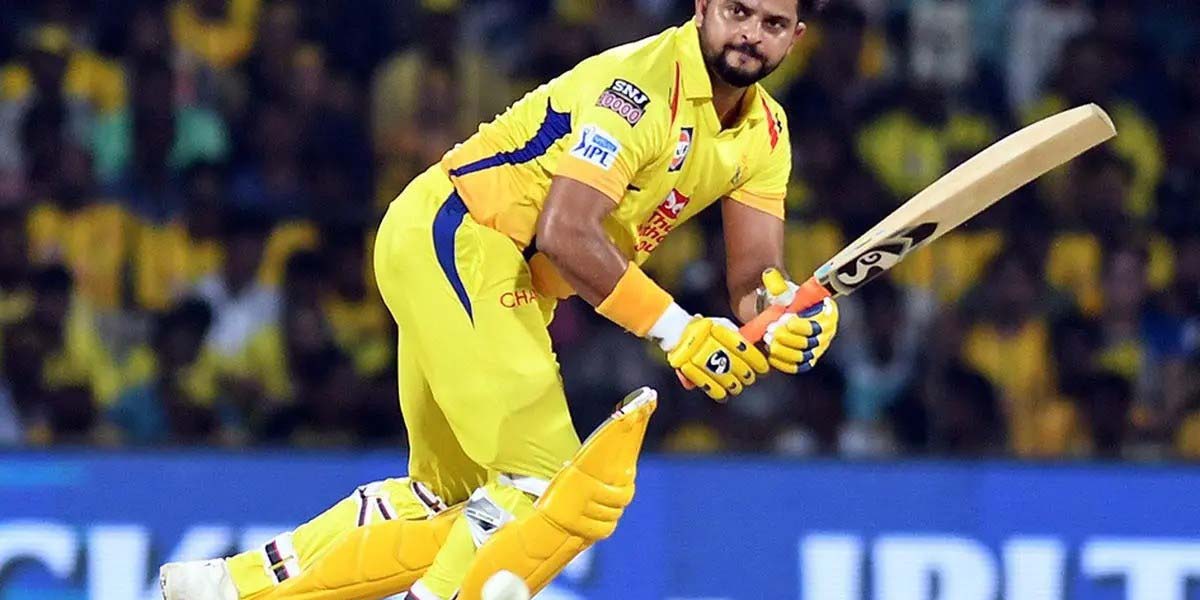
There is a new player in the eternal Indian cycle in which the cricketers want to be actors on screen and actors want to play cricketers on screen. He is Suresh Raina who will be making his debut as the hero in a Tamil film that has just been announced. Considering the former Test, ODI and IPL batsman has had offers from Bollywood that he turned down in life after cricket, his choice of medium is piquant. But then Raina may have found an easy choice in his favourite city Chennai to take a serious offer to don the greasepaint, that too as the protagonist. And he will be playing a role that may come naturally to him as he is a cricketer in the film. No, it is not a biopic, just a story woven around cricket and politics. A close lieutenant of Dhoni who was ‘Thala’ (boss or chief), Raina was known as ‘Chinna Thala’ in his CSK playing days when he was as much a batting super star as his boss. Raina may feel at home in Kollywood where he will take on this new role. The film is being directed by Logan for the Dream Knight Stories banner and will be a medium budget release with big ambitions. There have been movies in which cricketers like Bravo, Irfan Pathan and Harbhajan Singh have also starred. Where Raina and his film may end up is anybody’s guess. But this won’t be the last story you will read on cricketers chasing films and film stars chasing cricketers to play them on screen. This cycle began early with Salim Durrani one of the first to try a hand at becoming a matinee star while others like Sandeep Patil also fell for it.
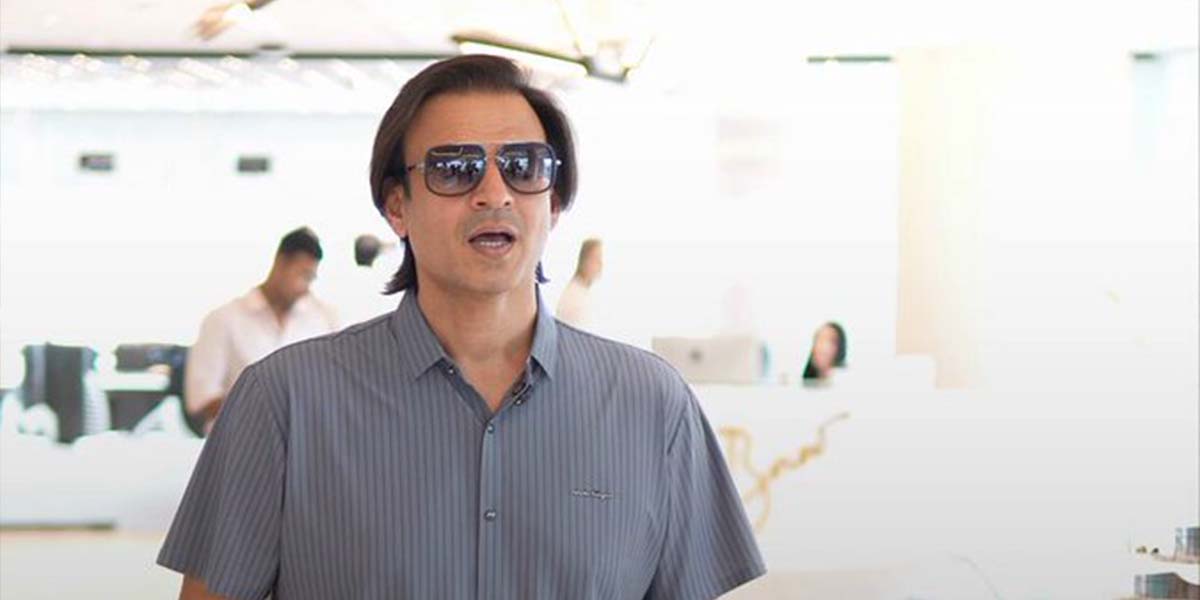
Vivek Oberoi may have been crucified by Bollywood because of his fallout with Salman Khan but the same actor today is a successful entrepreneur and real estate baron in Dubai. The actor’s company has a turnover of Rs 1200cr and many Bollywood stars have bought apartments in Dubai through him. Oberoi’s second act or changing career track has impressed one and all. The 49-year old Vivek, son of actor Suresh Oberoi, made his debut as a gangster in Ram Gopal Varma’s Company which was a runaway hit. More success followed. But his relationship with Aishwaraya Rai seemed to have upset Salman Khan. This rivalry saw him losing out as most producers decided to back Salman and sidelined him. With not many offers coming his way, it is learnt that for a fleeting moment he contemplated what Sushant Singh Rajput did. Then he picked up the gauntlet, moved to Dubai and plunged headlong into the real estate business. He was successful. There is a lesson here for lakhs of people; Vivek did not allow lobbies in Bollywood to decide his future and is now doing films on his terms. He was recently seen in Kesari Veer and will be seen playing vidyutjeeva in Nitesh Tiwari’s Ramayan. The actor now lives in Dubai and shuttles between Mumbai, Delhi and Dubai. Not many are aware of his philanthropic activities in the areas of education (he does not like to talk about it) and healthcare. He helps the underprivileged children of Vrindavan and also cancer patients. Vivek had a reason to change his track and fortunately he was successful. Others have tried but in vain. Rajesh Khanna plunged into politics full time while people like Shatrughan Sinha, Hema Malini, Ravi Kishan managed both the world. Amitabh Bachchan’s eternal regret is his political odyssey.
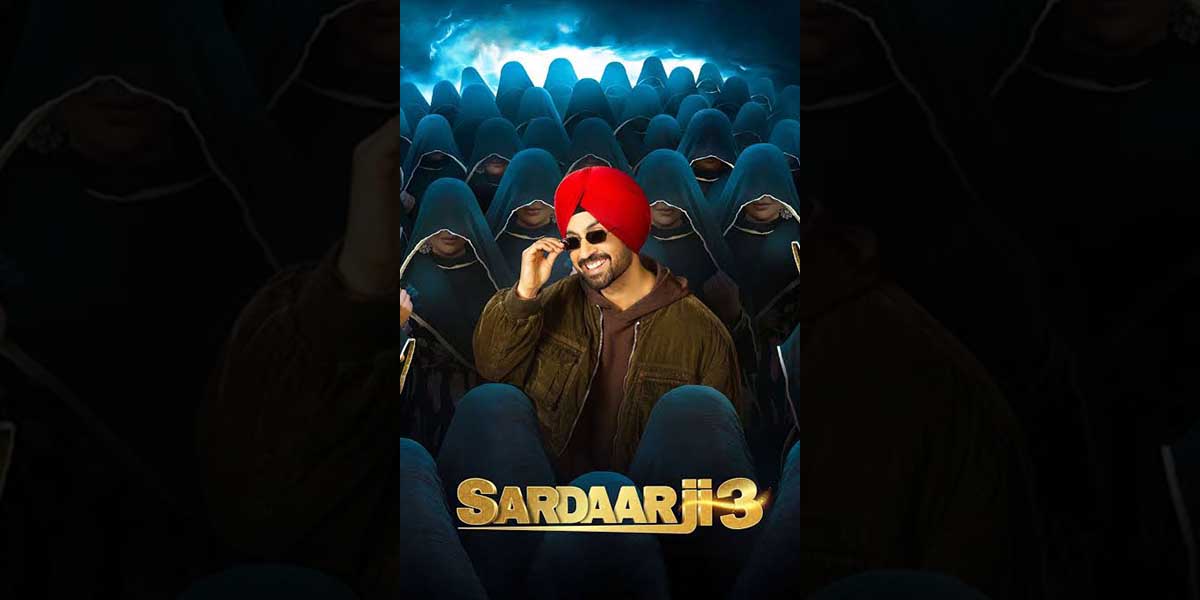
Diljit Dosanjh, a popular figure in the Punjabi music and film industry, finds himself at the centre of a brewing controversy that could significantly impact his career. His film Sardaarji 3, which features Pakistani actress Hania Aamir, has sparked a fierce debate within the Indian film fraternity. It reflects deeper tensions between Indian and Pakistani artists, particularly in light of the ongoing geopolitical issues between the two nations. The Federation of Western India Cine Employees (FWICE), a prominent body representing various stakeholders in the Indian film industry, has voiced its discontent regarding the film’s release. Their concerns stem from a broader sentiment within the industry that seeks to distance itself from Pakistani artists due to past incidents, including provocative social media statements made by some Pakistani celebrities. The FWICE’s opposition is significant, as it holds considerable influence and credibility within the industry, and their stance could lead to serious repercussions for Dosanjh. When confronted with the backlash, Diljit’s dismissive comments about Bollywood raised eyebrows. His apparent indifference to the Indian film industry, which has nurtured his career, could alienate him from a substantial segment of his fanbase. Such behaviour may be viewed as irresponsible, especially for someone in his position, and it poses a risk of escalating tensions further. As the situation unfolds, the potential for a ban on Diljit’s work in India looms large, threatening to overshadow his popularity and success. While he may continue to thrive in international markets, the lack of support from the Indian film community could hinder his growth and acceptance within his home country. While Jasbeer Jassi stood by him, Mika condemned his stand.
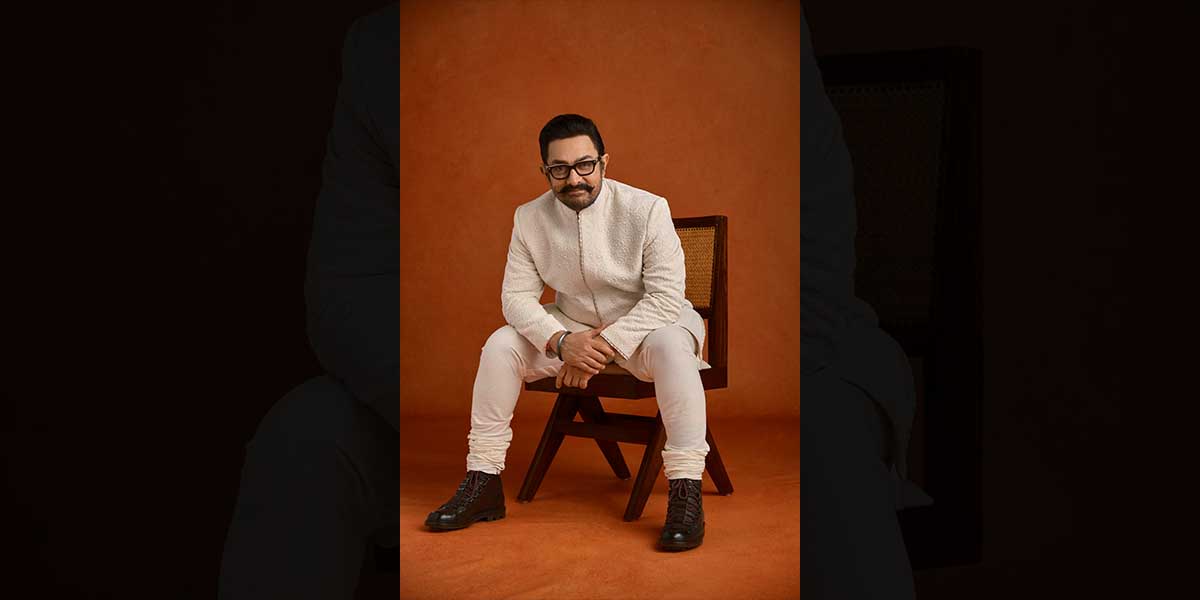
Aamir Khan, hailed as one of Bollywood’s most bankable stars, has consistently pushed the boundaries of Indian cinema with his choice of diverse and thought-provoking roles. However, his latest film, Sitare Zameen Par, which garnered approximately Rs 10.70 crore on its opening day, raises critical questions about the viability of niche cinema in a commercial landscape dominated by mass appeal. While the film showcases Aamir’s commitment to storytelling that resonates with a more elite audience, its limited screen release and lack of mainstream entertainment elements have significantly hampered its box office potential. Unlike his contemporaries, Shah Rukh Khan and Salman Khan, who frequently deliver mass-centric blockbusters, Aamir’s foray into niche narratives may alienate the average moviegoer. The film’s intellectual depth and artistic merit, although commendable, do not cater to the broader audience base that thrives on high-octane entertainment and relatable themes. The expectation for Aamir Khan films to cross the Rs 100-crore mark within the first three days has become a benchmark of success in Bollywood. However, Sitare Zameen Par weekend collections appear to be around Rs35-40 crore, a figure that many industry insiders deem disappointing for a film featuring such a prominent star. This trend raises concerns about the sustainability of niche cinema in a market that increasingly favours commercial viability over artistic expression. As the film fraternity navigates this evolving landscape, it is imperative for stars like Aamir Khan to strike a balance between artistic integrity and audience engagement. While niche films have their place in cinema, the current climate suggests that a more mass-oriented approach may be necessary to foster the growth of Indian cinema as a whole.
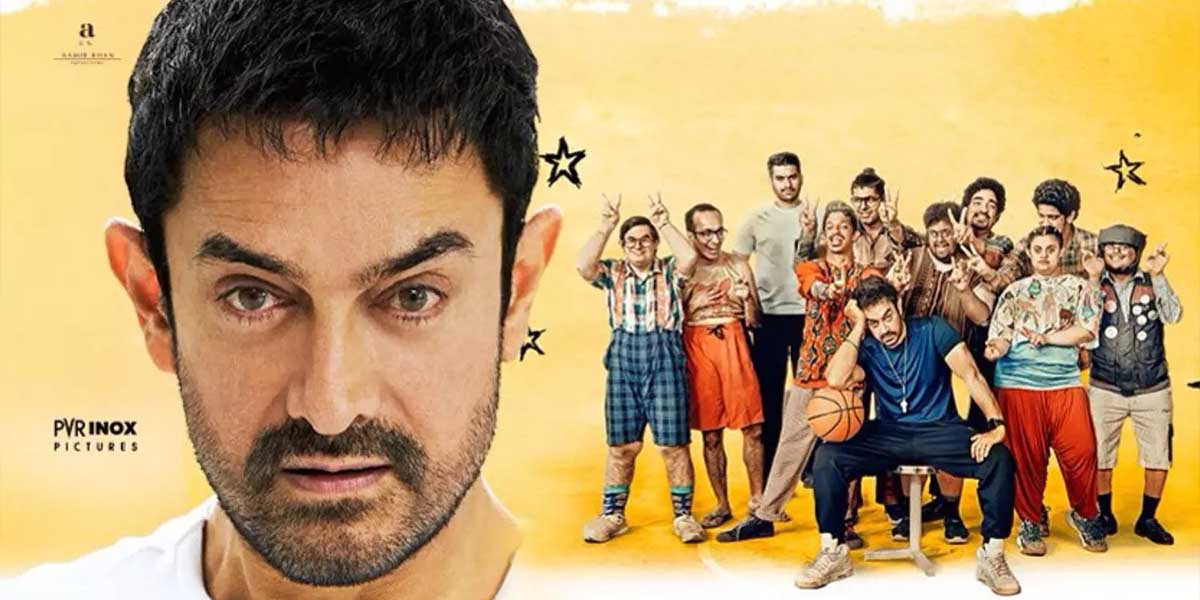
The question of whether Aamir Khan’s overexposure could hinder the success of Sitare Zameen Par is a compelling one. Aamir Khan is not only a celebrated filmmaker but also a masterful marketer. His ability to craft and dictate marketing strategies has played a significant role in the success of many films he has produced and starred in, including Lagaan, Rang De Basanti, Taare Zameen Par, Ghajini and more. He has consistently demonstrated an understanding of what resonates with audiences, employing innovative marketing techniques that have included unique promotional stunts and celebrity engagements. However, with Sitare Zameen Par, Aamir’s omnipresence in the media raises concerns. He is currently everywhere — on podcasts, TV interviews, and social media—actively promoting the film by inviting celebrities and influencers to his home for discussions. While this level of visibility can create buzz, it risks becoming counterproductive. The saturation of Aamir Khan in promotional activities may lead audiences to feel overwhelmed, diluting the film’s impact and excitement. Effective marketing should strike a balance between visibility and intrigue. While traditional methods such as social media campaigns, public relations efforts, and billboard advertisements are essential, they should be complemented by innovative strategies that captivate the audience’s imagination. The current promotional approach for Sitare Zameen Par seems to rely heavily on routine visibility without offering a compelling narrative or unique engagement. Aamir Khan has previously employed similar strategies with his son Junaid’s film Loveyapa where he invited notable personalities like Raj Thackeray, Sachin Tendulkar and Salman Khan for special pre-release screenings. However, despite the visibility, the film did not perform well, highlighting that increased exposure does not guarantee success.
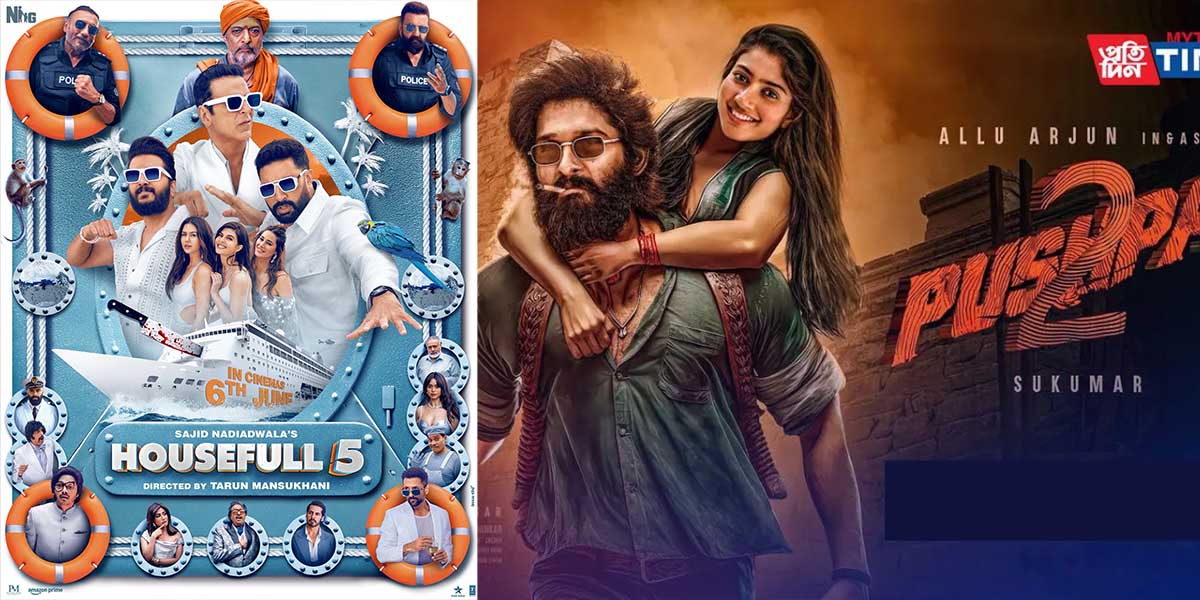
The New Indian Express has a whole op Ed by Prabhu Chawla on titled ‘Bollywood flops as the South shines’. Chawla quotes chapter, verse, stats, stars and spectacle as huge budget films are crashing. Even with the most tantalising attractions, big budget films of cult figures and classic heroes are cringing; in some cases even manipulated data on pre-booking and daily takes are cleverly presented to give an impression all is well. Recently, a top hero seeing how his latest much-touted film tottered, took to “rewarding” influencers for good reviews. The disturbing trend has festered for over three years. Khans and the Punjabi machos have not been able to draw sustained crowds, repeat audiences and clever Pan India plans have failed. Even OTT has built a strong resistance. Take Salman’s Sikander with every trick in the trade to showcase Bhai and Rashmika, fiery action, fierce fights and oodles of glamour could not stave off its tepid reception. SRK at least had a medium hit in Jawan. But it is Akshay Kumar who wears the crown for serial flops. Housefull 5 has fallen flat. It would be unfair to single out Bollywood alone; the South too has had its share of cringeworthy flops of Vikram, Suriya and even Kamal Haasan. The super star Rajini has snagged a new formula …sign up a big name from every “film wood” …it’s bound to draw the fans of the star and the sum of the parts would rake in overflows. It’s not the money spent or the overwhelming star cast, sets and show that have made Tamil films like Parking, Ayodhya, Tourist Family and few others succeed at box office. These engaging movies have all developed strong, relatable plots and gripping story telling which the audience identifies.

Deepika Padukone has acquired significant sass after motherhood. Naturally when she has overtaken all female leads in Bollywood, is the brand ambassador to many snazzy brands and is now able to call the shots and crack the whip, she is a true Diva. Was she shown the door by Sandeep Vanga from the film Spirit or did she toss her regal mane and walk out? Now the buzz is she has walked out of Kalki 2 also? So, what are the reasons for this huff and puff? After the success of Jawan, it is rumoured Deepika has set the base remuneration of Rs 25 crore plus10 % share in profit, and working time restricted to 8 hours. Next…Spirit demanded some risqué scenes and she was not agreeable, so chose to walk out. And walked into SUN Pictures Pan World, under production …#AA 22xA6 (sounds like a rocket out of NASA) directed by Attlee. The lead is iconic star Allu Arjun, a name that has carpetbagged crazy global fans and dizzy fanfare after the twin Pushpas. This blend of mega scale, lead popularity and now Deepika’s electric presence is expected to bring big money to SUN and Kalanithi Maran, he of the gilded golden goose touch. One cannot but help ponder over the pole-vaulting success dynamics of stars …when a lead is unknown, an able director with a strong script and a production house that wagers big money on the project go all out for a hit film. Three or four such hits, the unknown turns Diva…the scales turn, equations spin upside down. This happens so often in cinema …the chronicler of fantasy. Till the next Deepika Padukone.

The Indian cinema landscape is undergoing a transformative phase, characterized by bold choices and innovative storytelling. Aamir Khan’s decision to release his ambitious film, Sitare Zameen Par on YouTube channels instead of traditional OTT platforms exemplifies this shift. This choice aims to reach a broader audience, tapping into the millions who turn to YouTube for entertainment. By opting for this route, Khan seeks to engage a diverse demographic, ensuring that the film’s poignant themes of childhood, creativity, and the nurturing of talent resonate across various backgrounds. Sitare Zameen Par is set to spark conversations and inspire change in societal perceptions regarding education and artistic expression. Conversely, Sajid Khan’s Housefull 5 takes a different approach within the same industry. Renowned for its comedic flair, the Housefull franchise embraces the absurd and entertaining. This latest instalment promises to innovate further by introducing multiple endings, a groundbreaking concept in Indian cinema. This narrative technique will witness different endings in different Cinema and in fact, different screens as well. Such an approach could redefine audience excitement in the suspense genre in Bollywood, encouraging future filmmakers to explore unconventional storytelling methods. Both films, despite their differing genres, highlight the willingness of Indian filmmakers to experiment and take risks. Aamir Khan focuses on socially relevant themes, while Sajid Khan delivers entertaining escapism, showcasing the diverse storytelling that Indian cinema is embracing. As filmmakers navigate the digital landscape, blending traditional and modern distribution methods will likely become more common. With both Sitare Zameen Par and Housefull 5 exemplifying the coexistence of meaningful narratives and entertaining spectacles, audiences are invited to engage with some experiments as well.
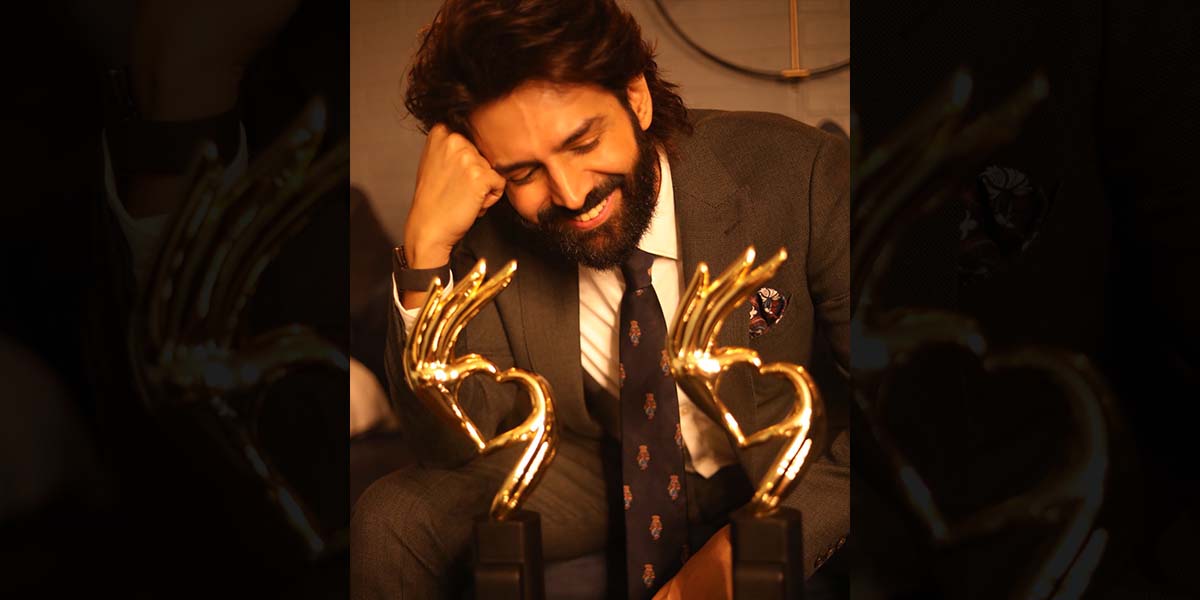
Kartik Aaryan has recently made headlines by clinching two of the most prestigious awards in Indian cinema: the Popular Best Actor for ‘Bhool Bhulaiyaa 3’ and Critics’ Best Actor for ‘Chandu Champion’ at the Zee Cine Awards 2025. This remarkable achievement underscores his versatility as an actor, proving that he is not only adored by fans but also respected by critics. His recent film, Chandu Champion portraying the character of Paralympics Gold Medalist Murlikant Petkar has garnered significant praise, highlighting his ability to take on diverse roles. Additionally, his portrayal of the quirky Rooh Baba in Bhool Bhulaiyaa 3 further solidified his status as a popular actor earning him accolades and recognition. Kartik’s journey has not been without its challenges. He faced a significant setback when he had a public fallout with renowned filmmaker Karan Johar. Reports surfaced claiming that Aaryan was unprofessional, so Johar’s Dharma Production dropped him from Dostana 2. It was followed by Shah Rukh Khan promoted Red Chillies Entertainment dropping him from Good-Bye Freddie. This conflict with such a heavyweight in the industry was a bold move, demonstrating his courage and confidence. Despite the controversy, Kartik managed to deliver hits like Satya Prem Ki Katha and Bhool Bhulaiyaa 2 establishing himself as a bankable star. In an unexpected turn of events, news has emerged that Kartik and Karan are set to collaborate on a new film. This development serves as a reminder that in the film industry, relationships can be complex and ever-changing. It is a testament to Kartik’s maturity that he can mend fences and move forward, proving that in Bollywood like politics there are no permanent friends, no permanent enemies, only permanent interests.

The Indian box office is currently witnessing an exhilarating showdown as two major film franchises go head-to-head this week. First up is Final Destination: Bloodline, the sixth instalment of the iconic horror thriller series, making its much-anticipated return after a 14-year gap since its fifth film. This franchise has built a loyal fan base over the years, thanks to its masterful blend of suspenseful storytelling and innovative horror elements. The captivating narrative and high production values have earned it a cult status, making it one of the most awaited releases in the horror genre. On the flip side, we have Mission: Impossible – The Final Reckoning, the second part of the franchise’s final instalment and the eighth entry in this legendary action series starring Tom Cruise. Initially set for a May 23 release in India, Paramount Studios has opted to advance it to May 15 coinciding with Final Destination: Bloodline. The stakes are high, particularly for Tom Cruise starrer which has previously achieved remarkable box office success in India, demonstrating a strong appetite for action-packed thrillers. Meanwhile, Final Destination: Bloodline is poised to draw horror enthusiasts eager for the next chapter in this beloved saga. As excitement builds among moviegoers, early projections indicate that Mission: Impossible – The Final Reckoning could rake in Rs20 -22 crore on its opening day. However, with both films vying for audience attention, this week promises to be a pivotal moment for Indian cinema.

As the release date of Housefull 5 approaches on June 9, renowned producer Sajid Nadiadwala finds himself at a crucial juncture. This highly anticipated instalment of the successful franchise is expected to be a litmus test for both Nadiadwala and the current state of the Indian film industry, particularly amidst the backdrop of rising political tensions between India and Pakistan. The challenges posed by these tensions could impact audience turnout and overall box office performance. Nadiadwala, who recently faced a string of disappointing releases — including Sikandar, Chandu Champion and Bachchan Pandey — has invested significantly in acquiring the rights to the trending song “Lal Puri” hoping it will resonate with audiences. The recent underperformance of his films, coupled with a generally lacklustre box office climate, has raised questions about the viability of his production house, Nadiadwala Grandson Entertainment. Housefull 5 boasts an impressive ensemble cast featuring Akshay Kumar, Riteish Deshmukh, Abhishek Bachchan, and more, making it one of the biggest films in recent times. The film’s success is not just vital for Nadiadwala; it could also serve as a bellwether for the exhibition sector in India, gauging whether audiences are ready to embrace cinema again after a period of uncertainty. As the film aims to capture the essence of what the Housefull franchise represents—comedy, entertainment, and escapism—its reception will be closely watched. Will it manage to overcome the prevailing sentiment and deliver a blockbuster experience, or will it join the ranks of recent flops? For Nadiadwala, Housefull 5 is not just another film; it’s a pivotal moment that could redefine his career and the future of Bollywood in these testing times.

This year’s Annual Met Gala at the NY Metropolitan Museum of Arts had many celebs from Hollywood and Bollywood flaunting their plumes and blinding the drooling audience with their bling and sass. One Indian actor invited much attention with her drop-dead gorgeous looks and her prominent baby bump. Kiara Advani dazzled and dazed those present, celebrating motherhood in unapologetic terms. Married to Sid Malhotra in 2023, Kiara didn’t think that her pregnant look was an impediment for a ramp walk. On the contrary, she was much appreciated for her panache with which she wore designer Gaurav Gupta’s bold outfit, décolletage and all. But wait, there was a fly in the ointment …there always is especially in the world of show fashion and haute celebrity. Did Kiara’s costume remind the fashionistas about Aishwarya Rai’s last year Cannes costume? The haute monde seemed to think so …Kiara got some trolls too. But hey, who cares …celebs like Aishwarya go on and on, like Dhoni, Rohit Sharma and the aged super stars of filmdom. Aishwarya has walked the Cannes ramp in many bizarre outfits …got trolled too. The fact is India and Indian celebs draw crowds globally…the Met Gala had Shah Rukh Khan, Priyanka Chopra and Alia Bhatt striding stylishly with chic and panache. Kiara has arrived and plans to shine till the next Diva walks on her stilettos.

The first week of May saw the release of six prominent films, each generating substantial buzz across various media platforms. The line-up includes two Hindi films featuring star power — Ajay Devgn’s Raid 2 and Sanjay Dutt’s The Bhootnii. The South Indian film industry saw three noteworthy entries: Retro a Tamil film starring Suriya, Tourist Family also a Tamil movie and Hit 3, a Telugu franchise film featuring the popular actor Nani. Among these films, Hit 3 is projected to perform exceptionally well at the box office, potentially raking in between Rs 90 to Rs 95 crore over its first weekend. This strong showing is indicative of the film’s popularity and the franchise’s established fan base. Meanwhile, Suriya’s Retro is also receiving positive reviews and expected to gross around Rs 80-85 crore in its opening weekend, further solidifying the trend of South Indian films capturing audience attention. Ajay Devgn starrer Raid 2 is expected to earn around Rs70-75 crore over the extended four-day weekend. Meanwhile Sunjay Dutt’s The Bhootni has not fared as well. It is struggling to surpass Rs 5 crore in its opening weekend; a major setback for the filmmakers. Turning to the Hollywood segment, Thunderbolts has also fallen short of expectations. Initial projections indicate it will earn between Rs 10-15 crore over the weekend, a figure that reflects a lukewarm reception from audiences. In summary, the first weekend of May has clearly demonstrated a prevailing trend: South Indian cinema is currently leading the box office race, with three of the six releases performing strongly. As the weekend progresses, it will be intriguing to observe how these films continue to perform and what this means for the future of Indian cinema as a whole.
This week has been particularly bleak for the Indian box office with a series of film releases failing to resonate with audiences and resulting in dismal collections. Ground Zero, featuring Emraan Hashmi and Sai Tamhankar opened with a mere Rs 1.15 crore, and despite a slight uptick to Rs 1.90 crore on its second day, the total collection of Rs 3.05 crore over the weekend is far from impressive. Lack of effective marketing played a significant role as it struggled to gain visibility and attract viewers. With no substantial draw for Emraan Hashmi, the film was destined for disaster. So too was Ananth Mahadevan’s Phule. The film was mired in controversy, particularly due to opposition from certain groups in Pune and an outburst from Anurag Kashyap regarding Brahmin representation. Despite the buzz surrounding these issues, the film starring Prateek Gandhi and Patralekha, opened to a disappointing Rs 21 lakh on its first day. Although the reviews praised the direction and storytelling, the film managed to collect a meagre Rs 47 lakh over the weekend. This is one of the most underwhelming openings in recent memory, especially considering the positive reviews. The re-release of the classic Andaz Apna Apna was anticipated to follow in the footsteps of successful re-releases like Sanam Teri Kasam. However, it too fell flat, opening with just Rs 25 lakh on its first day…culminating in a total of Rs 55 lakh over the weekend. This performance is disappointing for a film with such a legacy, indicating that nostalgia alone is not enough to draw audiences back to theatres. Overall, the fate of these three Hindi films can be described as disastrous. Factors contributing to their lacklustre performance include weak scripts, average brand recall, insufficient visibility, and inadequate marketing strategies.
Action thriller Ground Zero featuring Emraan Hashmi and Sai Tamhankar in the lead roles is set for release. Directed by Tejas Deshkar, known for his work in both Marathi and Hindi cinema, the film has generated a fair amount of buzz, primarily due to its intriguing premise and the involvement of notable producers Ritish Sidhwani and Farhan Akhtar’s Excel Entertainment. Originally, a grand premiere was planned in Kashmir, marking as the first major film event in the region in recent years. However, due to security concerns, this event was cancelled. As the film gets ready for its release, there seems to be a palpable lack of excitement surrounding it, which raises questions about its potential success. Emraan Hashmi, while a recognizable name in Bollywood, has not proven to be a leading man who can shoulder the weight of an entire film. His recent works, such as The Body, Baadshaho, Selfie and Mumbai Saga have not particularly stood out, often blending into the background of a crowded cinematic landscape. Even his much-anticipated role as a villain in Tiger 3 failed to leave a lasting impression, as his character was underdeveloped and did not resonate with audiences. The casting of Hashmi as a Border Security Force (BSF) commander in Ground Zero raises eyebrows as his previous performances suggest he may not possess the gravitas required for such a pivotal role. Hashmi’s track record suggests that he may not bring the necessary passion and dedication to the character of a BSF commander. So, one has to wait and watch to see whether Hashmi will deliver a performance that defies expectations.

The highly anticipated latest Hindi release Jaat which generated considerable excitement with its initial trailer release, ultimately fell short of expectations at the box office. Despite a strong opening, the film’s marketing strategy failed to maintain the momentum created by the initial euphoria. Released on Mahavir Jayanti, Jaat managed to collect Rs 9.5 crore on its opening day (Apr 10), but this figure dropped to Rs 7 crore on Friday (Apr 11). The weekend saw a slight rebound, with Saturday’s collection reaching Rs 9.75 crore and Sunday (Apr 13) peaking at Rs 14 crore, driven by positive word-of-mouth and favorable reviews. However, the following week revealed a decline, with Monday’s (Apr 14) earnings at Rs 7.25 crore and Tuesday dropping to Rs 6 crore, leading to a total domestic box office collection of approximately Rs 53.5 crore within the first six days. Given its production budget of Rs 100 crore, these figures are disappointing, especially since industry expectations were for Jaat to surpass the Rs 100-crore mark during its extended opening weekend. While the film may still prove to be a profitable venture for its lead actors, Sunny Deol and Randeep Hooda, the filmmakers face significant challenges in recouping their investment. The average performance of Jaat highlights the importance of sustained marketing efforts and audience engagement beyond the initial release phase. As the film’s prospects now hinge on OTT platform releases and overseas markets, it underscores the volatile nature of box office success and the critical role of strategic promotion in maximizing a film’s potential.
John Abraham has long struggled to establish himself as a consistent box office draw, and his recent release, The Diplomat, exemplifies this ongoing challenge. Despite the film’s potential, it has failed to recover its production costs, raising serious questions about Abraham’s viability as a producer. The film faced a protracted release timeline of over a year, primarily due to a lack of interest from its production partner, T-Series, and poor marketing strategies. The promotional efforts, which relied heavily on the presence of a real diplomat, did little to enhance visibility or generate audience excitement. Given the backdrop of several recent disappointments, including Veda, Ek Villain Returns and Satyamev Jayate 2, Abraham’s track record at the box office has become increasingly questionable. While Pathaan achieved remarkable success, it is essential to note that this triumph belongs to Shah Rukh Khan rather than Abraham. The disappointing performance of The Diplomat, which received critical acclaim but failed to resonate with mainstream audiences, casts a long shadow over his upcoming project, Tehran. With the fate of The Diplomat likely to influence the reception of Tehran, Abraham faces an uphill battle in securing a successful release. The lack of spectacular content in The Diplomat suggests that Tehran may encounter similar challenges. As audiences continue to demand engaging narratives and compelling performances, John Abraham must reassess his approach to both acting and production if he hopes to revitalize his career and reclaim his status in the competitive landscape of Bollywood.
Ajay Devgn’s recent trajectory at the box office has raised concerns about his ability to draw audiences to cinemas. While films like Shaitan achieved sleeper hit status, others, such as Auro Kahan Dham Tha were significant disappointments. The much-anticipated Maidan which faced numerous delays, also underperformed upon release, further complicating Devgn’s box office appeal. His filmography in recent years reveals a troubling pattern: while Singham was just average at the box office, it too fell short of expectations of the masses. As audiences increasingly gravitate towards larger-than-life spectacles like Pushpa, RRR or the Marvel franchise, there’s a growing sentiment that they prefer to experience such grand narratives on the big screen. In contrast, Raid 2, a sequel to a content-driven film, may struggle to capture the same level of excitement. The film, while part of a successful franchise, lacks the extravagant elements that draw crowds. Today’s viewers are more inclined to enjoy nuanced storytelling and character-driven narratives from the comfort of their homes on OTT platforms rather than making the effort to visit cinemas for films that don’t promise a spectacular experience. The current cinematic landscape is shifting, and Raid 2 may find it challenging to achieve the box office success that Ajay Devgn once enjoyed. The trailer, while satisfactory, does not evoke the mass appeal needed to draw large audiences. It seems that the class-driven appeal of such films may resonate more with multiplex audiences, but this demographic alone may not suffice to meet the financial expectations that filmmakers have for a big box office return.

The recent failure of Sikandar serves as a significant blow to Salman Khan, particularly given its release during the auspicious Eid season — a time when he has historically been a major crowd-puller with hits like Wanted, Bajrangi Bhaijaan and Kick. Unfortunately, the film’s lacklustre performance is just the latest in a string of disappointments that have plagued his recent projects including Dabangg 3, Race 3, Tubelight, Bharat and Kisi Ka Bhai Kisi Ki Jaan. This trend suggests a worrying decline in his box office appeal. Khan’s portrayal in Sikandar has been criticized for its apparent laziness and lack of enthusiasm. His signature mannerisms, which once captivated audiences, now come across as repetitive and uninspired. Even during emotional scenes, his performance fails to resonate, leaving viewers feeling disconnected. This perceived disinterest in his craft raises questions about his commitment to selecting compelling scripts and delivering performances that capture the audience’s imagination. The essence of Khan’s on-screen persona seems to have shifted towards a brand of “toxic masculinity,” where his attempts to appear effortlessly cool have become tiresome and unoriginal. This disconnect between his star power and the expectations of his audience is becoming increasingly evident, as fans seek more meaningful narratives and authentic performances. The unfortunate fate of Sikandar serves as a stark reminder of the consequences of complacency in the film industry. The film has been rejected by both the masses and critics alike, highlighting a growing sentiment that Salman Khan’s current approach to filmmaking and performance is out of sync with contemporary audience preferences. If he hopes to reclaim his status as a box office titan, a re-evaluation of his acting choices and a renewed commitment to the craft may be imperative.

The simultaneous release of three films, Tumko Meri Kasam directed by Vikram Bhatt, Pintu Ki Pappi by Shiv Hare and Baida by Sudhanshu Rai seems to have skidded at the box office. These films are emblematic of a troubling trend in the industry, characterized by poor marketing, lack of visibility, and minimal audience excitement. Tumko Meri Kasam features Adaah Sharma, Ishwak Singh, Isha Deol and Anupam Kher. However, it suffers from a lacklustre promotional strategy that fails to generate buzz. The film’s dark and dull poster does little to entice potential viewers, making it feel like a B-grade production rather than a cinematic offering worth watching. Similarly, Pintu Ki Pappi is struggling with a title that fails to convey its essence, leaving audiences confused and uninterested. With Ganesh Acharya as the producer and newcomers Sushant and Jaanya Joshi in leading roles, this film too lacks the marketing push to draw the audience. A title like Pintu Ki Pappi may be catchy, but without context or appeal, it risks alienating potential viewers. In the case of Baida, a supernatural thriller that despite its intriguing premise, has not garnered attention. Directed by Sudhanshu Rai who also stars in the film, it suffers from a lack of awareness and visibility. All three films represent small-budget productions that have entered the market without effective marketing strategies or brand recall. The absence of excitement and visibility raises serious questions about how these films expect to attract audiences to theatres. The only commonality among these releases is their dismal box office performance, highlighting the urgent need for filmmakers to prioritize marketing and audience engagement if they hope to succeed in an increasingly competitive landscape.
The recent release Mere Husband Ki Biwi has bombed at the box office, collecting less than Rs 5 crore in its opening three days against a hefty making cost of around Rs 60 crore. This underwhelming performance marks yet another flop for producer Vashu Bhagnani. Bhagnani, once celebrated for his successful films, has seen a string of failures such as Ganpat, Mission Raniganj and Bellbottom. He has faced financial setbacks with projects like Bade Miya Chhote Miya and is currently embroiled in a legal dispute with its director. The direction of Mere Husband Ki Biwi was helmed by Mudassar Aziz, known for his earlier works like Khel Khel Mein, Pati Patni Aur Woh and Happy Phirr Bhag Jayegi. The film’s lead actor, Arjun Kapoor, has struggled to find success as a solo performer, with his recent projects—including The Lady Killer, Kuttey and Bhoot Police — failing to make a mark at the box office. Similarly, the leading actresses, including the likes of Bhumi Pednekar, have also faced a streak of underwhelming films like The Lady killer, Afwaah, Bheed, and Rakshabandhan and thus making it difficult for Mere Husband Ki Biwi to generate excitement among viewers. Rakul Preet Singh is known for other disappointments like Thank God, Doctor G, Runway 34, Attack and Marjaawan. With a cast and crew associated with a series of unsuccessful films, the expectations from Mere Husband Ki Biwi were understandably low. Despite attempts to engage audiences with remixed songs, the film has failed to captivate, illustrating that audiences are no longer willing to watch films that lack compelling narratives and star power.
Thirty six year old Vicky Kaushal is rapidly emerging as the new superstar of the Indian film industry, particularly following the phenomenal success of Chhaava directed by Laxman Utekar. The film has made waves at the box office, grossing over Rs 400 crore plus in just 10 days, marking a significant relief for the exhibition industry, which has been in dire need of such a blockbuster. Chhaava’s success reinforces Kaushal’s status as a leading figure in contemporary cinema. Examining his filmography reveals a trajectory of impressive versatility. While his previous film, Bad News was met with average reviews, his performances in Sam Bahadur and Zara HatKe Zara Bachke showcased his ability to connect with audiences. Kaushal’s breakout role in Uri: The Surgical Strike catapulted him to commercial success, and he has since delivered commendable performances in supporting roles in films like Sanju, Dunki and Raman Raghav 2.0. Vicky’s filmography is a testament to his range, encompassing biopics like Sardar Udham Singh anthology films like Lust Stories and commercial ventures such as Govinda Mera Naam. His journey began as an assistant to Anurag Kashyap, and he has since evolved from art-house films to mainstream cinema. As the veteran superstars — Aamir Khan, Shah Rukh Khan and Salman Khan — become increasingly selective with their projects, and with contemporaries like Ranbir Kapoor and Ranveer Singh also taking fewer roles, Vicky Kaushal stands poised to fill that void. His versatility and consistent performances suggest that he is not just a rising star but a potential new pillar of the industry.