 All
All Politics
 Business
 Entertainment
 Sports
 Celebrities

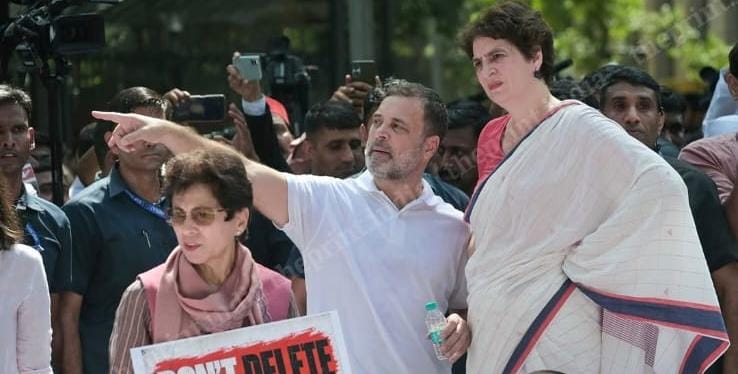
It is now becoming increasingly clear Congress leaders — Rahul Gandhi and Priyanka Gandhi Vadra — stole the show at the INDIA bloc march to the Election Commission’s office in Delhi on October 6 with the sit-in at Akashvani Bhavan. They were simply not bothered about coordinating with other Opposition parties nor were they worried about Opposition unity. They seemed more worried to better the CJP record of protest — which incidentally is going to be held on October 10. Surely, the media focus on Gandhi siblings’ antics on the streets in the past two days so upset Congress’s allies that many leaders felt the mega protest eventually became a Gandhi siblings’ show. Many leaders questioned the Gandhis’ move for a sit-in at Akashvani Bhavan while other Opposition leaders were being detained. Apparently, the sit-in protest was not part of the plan. While Rahul’s aides tried to explain about the Gandhis sit-in protest at Akashvani as a move to get appointment with the CEC, many Opposition leaders found Rahul Gandhi’s insistence on meeting the CEC as very odd. Did the Gandhis take 200 Opposition MPs who had gathered at Parliament’s Makar Dwar on October 6 for granted? So it was not just the DMK that skipped the Opposition event. Even Samajwadi Party not only chose to keep away from the Gandhi show but also skipped the Cong lunch invite at Sagar Ratna. Explaining the many who missed the lunch event, Congress leader Jairam Ramesh in post on X insisted that all INDIA janbandhan parties had been invited for the lunch. However, since the decision for the lunch had been taken late last night and communicated. It was therefore natural that some parties could not be represented.” At the same time, he protested about the Gandhis being arrested once again. Meanwhile there was outrage on X about Rahul Gandhi spotted manhandling a Delhi woman police official.
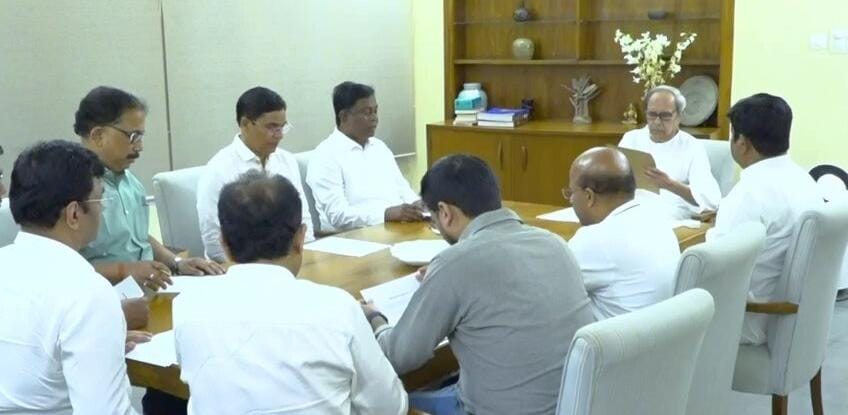
It seems Biju Janata Dal (BJD) President and leader of Odisha opposition Naveen Patnaik is now shifting from his quiet demeanour to an active communication offensive. He and his party members are now getting ready for an all-out media war against Mohan Charan Majhi’s government by having a highly coordinated media and public outreach strategy. The idea is to expose, highlight the state government’s failures, lapses and mis-governance to the people at large. As part of this plan, Naveen Patnaik has already reorganised BJD’s media cell. This means restructuring the party’s communication road map covering digital, print, and electronic media. Objective is to divert growing public discontent of BJP’s administrative failure into a structured, state-wide campaign against Majhi’s government. Political analysts decoding Patnaik’s new strategy say that Naveen babu has realised that his earlier defeat was due to BJD’s weak social media narrative. And the current media strategy is an antidote to the earlier gap. The job ahead for BJD media team is cut out because it’s taking the role of self- managed PR strategy which has its distinct strategic benefits but also challenges with regard to core execution requirements.

Not just in India, particularly South Indian homes but in the U.S. too mornings are ushered in by that magical voice waking up Lord Rama…“Kausalya Supraja Rama Poorva Sandhya Pravarthathe.” The evenings resonate in temples and homes with the legendary Carnatic vocalist M S Subbulakshmi’s sublime recitation of the Vishnu Sahasranamam. Is it then surprising that a production team launched a biopic on her titled M.S. – A Legacy On Screen? The decision to cast Rashmika Mandanna in the title role did not create waves of talk, surprise and surmise. Whoever played that role was bound to draw audience, magnetically, going beyond a heroine to remember Bharat Ratna recipient M S Subbulakshmi and her beauty. MS would come on stage in her custom woven Kanchipuram silk, diamond studded nose and earrings…glinting, glittering and gleaming in the arc lights. When Kamal Haasan sounded the first clap for the official launch of the biopic at Chennai’s music academy, Rashmika Mandanna must have felt goosebumps and trepidation. Can I play this legendary artist? Director Gowtam Tinnanuri must have calculated the gains and risks …knowing fully well that Rashmika or anyone else with the right makeup, jewellery and stunning saris would carry the biopic on her shoulders. Vidya Balan too had been “look tested” earlier. Though Vidya looked stunning, the casting coup did not happen. Rashmika has announced that after the biopic hits the cinemas, she would take a five-year break…to stay home and enjoy family life to the fullest. She would start her second innings after that hiatus ….Rashmika is wise beyond her age …after playing MS, even if she retired she could still cherish the role of her life. Legends come rarely.
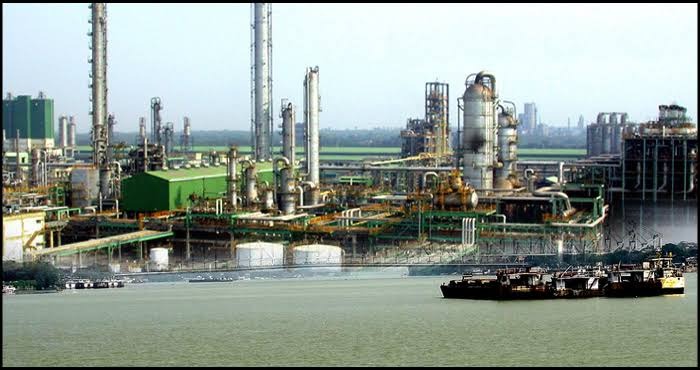
It is learnt that the Modi government which is formulating a new industrial policy is exploring the use of land belonging to PSUs and factories closed for ages for creating space for new industries. The industries department is already inspecting the defunct Hindustan Cables and Hindustan Fertiliser units in the Asansol-Durgapur industrial belt. The government is also consulting the Bengal Chamber of Commerce and Industry (BCCI) and other industry bodies to identify closed industrial units whose land could be reused. According to secretariat sources, the industries department has prepared a preliminary list based on a BCCI report. The list shows at least five closed PSUs in Asansol-Durgapur together hold around 2,095 acres, including water bodies. Hindustan Cables and Hindustan Fertiliser account for nearly 1,488 acres, though parts of some properties are reportedly encroached upon. Other units identified include Cycle Corporation of India, Sen-Raleigh Cycle Company, Mining and Allied Machinery Corporation (MAMC), Bharat Ophthalmic Glass Ltd, Hindustan Pilkington Glass Factory and Kesoram Industries’ Refractories Division. MAMC has 193.67 acres, including 153.4 acres unused, while Cycle Corporation has around 239.1 acres, of which 178.42 acres is unused and 16.81 acres comprises water bodies. Six closed National Jute Mill Corporation together have nearly 400 acres along the Ganga. Moreover, sources said no legal complications have been found so far, while the Centre plans phased auctions. Industry bodies have also identified about 975 acres at Burn Standard’s Howrah and Raniganj units and 70 acres at Jessop in Dum Dum. The Centre and NCLT are moving to sell these properties to promoters. Other properties include 69 acres of NISCO land at Belur and 250 acres of Dunlop land at Sahaganj.
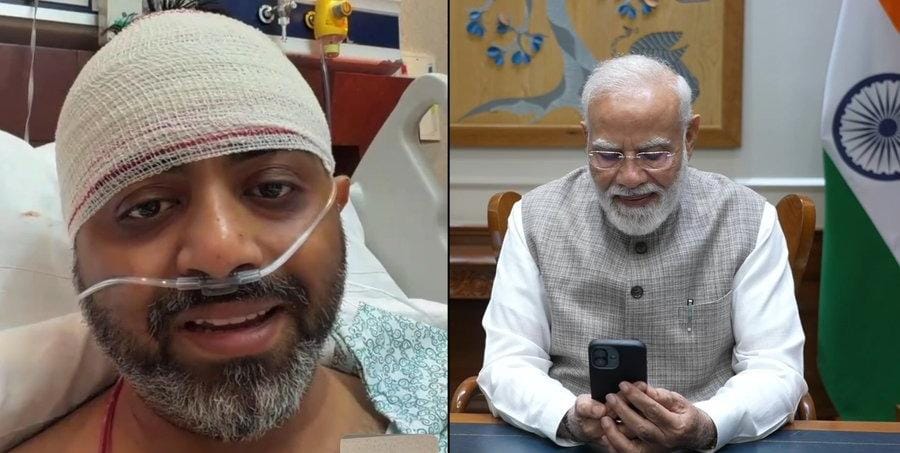
In a heart-warming move, PM Modi had a emotional chat with Captain Smit Machchhar, who survived a savage axe attack inflicted on him by an Omani co-pilot on the ill-fated Flydubai flight on September 30. Incidentally the Modi-Machchhar chat on Oct 2 managed to puncture the opposition protests on the CEC. As the emotional conversation dominated news headlines, slogans at Jantar Mantar became a faint echo. Incidentally, on the day Modi connected with Capt Smit, UAE Presidential Advisor Anwar Gargash described the attempted hijacking of Flydubai flight to Tel Aviv as a “terrorist act”. Gargash also praised Indian Captain Smit Machchhar as a “true hero” for helping avert a potential disaster. Abu Dhabi publicly condemning an attack targeting a flight to Israel was seen as a bid to strengthen Israel-UAE ties. PM Modi praised the captain’s bravery in saving numerous lives. During the video call, Machchhar, who is currently recovering at a hospital in the UAE, shared his personal experience and explained that chanting ‘Hanuman Chalisa’ gave him courage during the incident. “I was fighting for my life. I realised at that time that if I don’t show courage, then 170 passengers will lose their lives.” PM Modi had spoken to Capt’s wife and parents, a day earlier and assured them full support from Indian missions. As the pilot apologised to PM Modi for breaking down mid-call, he said that he never imagined that he would get the opportunity to speak to the PM. Modi and the pilot exchanged a few words in Gujarati. It is perhaps this Gujarat connection that must have made the Congress and Rahul Gandhi go silent on not celebrating a hero toasted by the nation! UAE is also probing if the Omani hijacker had Pak links.
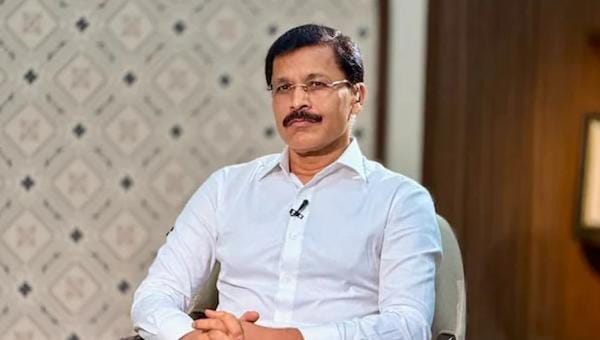
Maharashtra FDA Commissioner Tukaram Mundhe’s squads have seized of tonnes of unsafe and adulterated food items across the state, valued at over Rs 67 crore. Since taking over in May 2026, Mundhe has shaken up India’s food sector and is firmly supported by chief minister Devendra Fadnavis. The judiciary, too, has stood by him except for ordering nesa few corrections. The most drastic action by him was a Thane raid in which the FDA impounded 28,955 kg (nearly 29 tonnes) of raw ingredients and solid foods such as chips, farsan, chivda, flours and wafers as well as stocks of palm oil. In a three-day drive from September 28–30, the FDA suspended 31 licenses and impounded over 3900 kg of substandard sweets, cheese, paneer and oils, including 617 litres of milk. So far, the FDA has conducted over 12,000 inspections, issued over 5200 improvement notices, suspended 603 licenses and recorded 875 arrests. Outlets of some major global fast food chains have faced temporary closures or license suspensions due to pest infestations and poor sanitation. The campaign has hit quick-commerce dark stores, too, and subjected them to temporary shut downs due to hygiene breaches. It has not spared some government canteens also. Mundhe became famous following the implementation of a statewide ban on analogue paneer. The other major action was to ban the common occurrence of street vendors wrapping hot food like vada paav in newspapers due to ink toxicity. A frequently transferred officer, Mundhe’s continuation as FDA chief has become a matter of discussion.
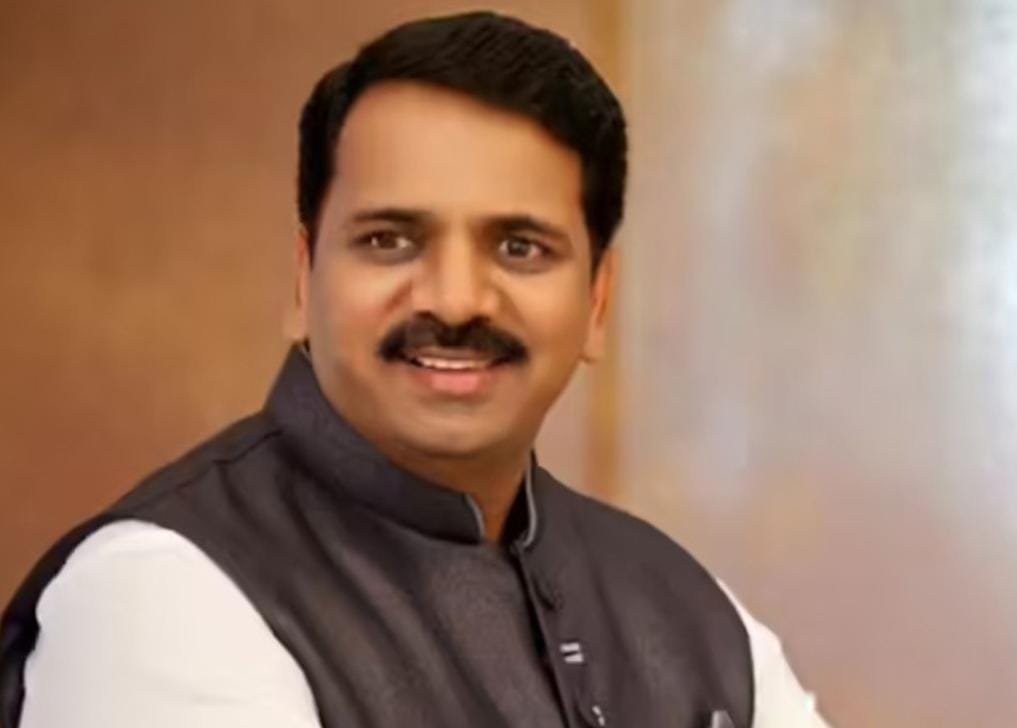
BJP MLA Narendra Mehta has sparked off one more controversy, only to perform another volte face within hours following a huge backlash from almost all quarters. As soon as Mehta described the religious and cultural identity of Mira-Bhayandar, which is on the outskirts of Mumbai, as a “Jain city” and “Mini Rajasthan,” verbal attacks against the claim began. He immediately apologised but the embers of the offensive statement are still felt. In support of his claim, Mehta maintained that the township has more than 33 Jain temples, has nine Jain corporators and the mayor, too, is a Jain. It was just a few days ago that an advisory was issued by Seven Square Academy in Mira Road, a school founded by Mehta, asking students not to bring onion, garlic, potato, beetroot and other leafy vegetables or non-vegetarian food during the Jain Paryushan period. The suggestion was withdrawn following all-out opposition. Mira-Bhayandar is a BJP stronghold for a long time and Mehta is its face. His political enmity with the Shiv Sena (Shinde) is well known and he does not shy expressing it publicly time and again. Realising that his latest claim can become a huge headache for the BJP, Mehta has withdrawn it and emphasised that the city belongs to the Agri-Koli community, the original residents for centuries. He also has lauded Maharashtra and Marathi community, saying, “I am fully aware that Marathi people have elected me as their MLA. I apologise for my statement.” But the after effects of his audacious utterance will be felt for some time, at least.
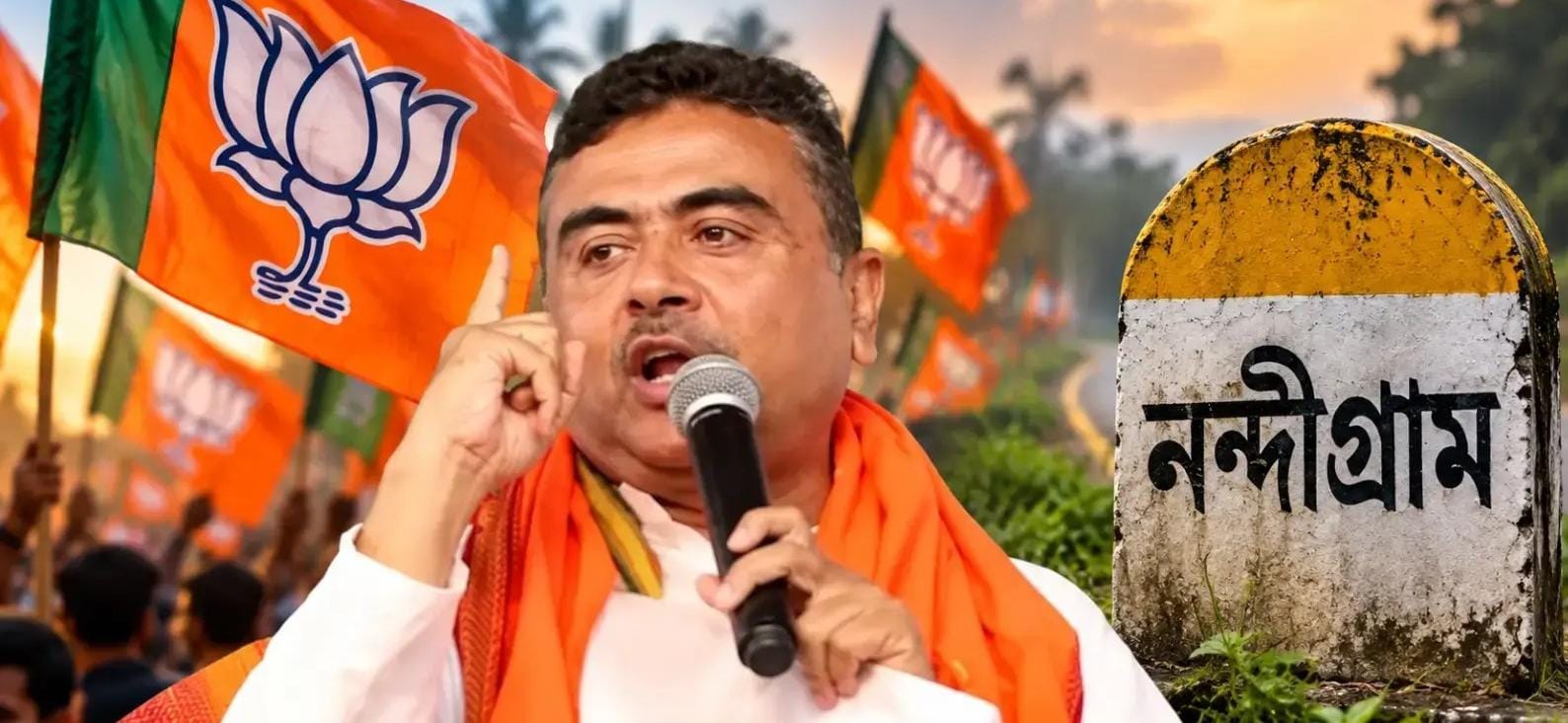
Nandigram is set for its first electoral test since the BJP formed the government in West Bengal earlier this year; the October 6 bypoll carries wider political stakes. It will test the Congress-TMC tactical understanding, put West Bengal chief minister Suvendu Adhikari’s former seat back in focus and offer an early indication of how Bengal’s new political equation is taking shape. Adhikari won Nandigram in the 2026 Assembly election but vacated the seat after also winning Bhabanipur; he had defeated Mamata Banerjee from Nandigram in 2021. The Congress-TMC equation is an unusual one: the two parties are cooperating in Nandigram, but remain electoral rivals in Rejinagar. Banerjee’s faction withdrew its candidate in Nandigram and backed Congress nominee Milan Pradhan. The move followed a meeting between the TMC candidate and Adhikari, after which Banerjee announced her support for Pradhan. Pradhan was subsequently arrested in cases linked to the 2007 Nandigram land agitation and later secured interim bail. That contrast — tactical support in one seat and a direct contest in another — makes Nandigram a closely watched test of whether the two parties can convert limited cooperation into electoral support on the ground. A senior Congress leader said the Nandigram contest would test not just one seat but the extent of coordination among anti-BJP votes. A senior TMC leader said the support for the Congress candidate was aimed at stopping the BJP and should not be equated with the two parties’ separate contest in Rejinagar. The Special Intensive Revision of electoral rolls has emerged as another major issue, with more than 6,000 appeals reportedly pending in Nandigram ahead of polling which will be held on October 6 and counting is scheduled for October 9.
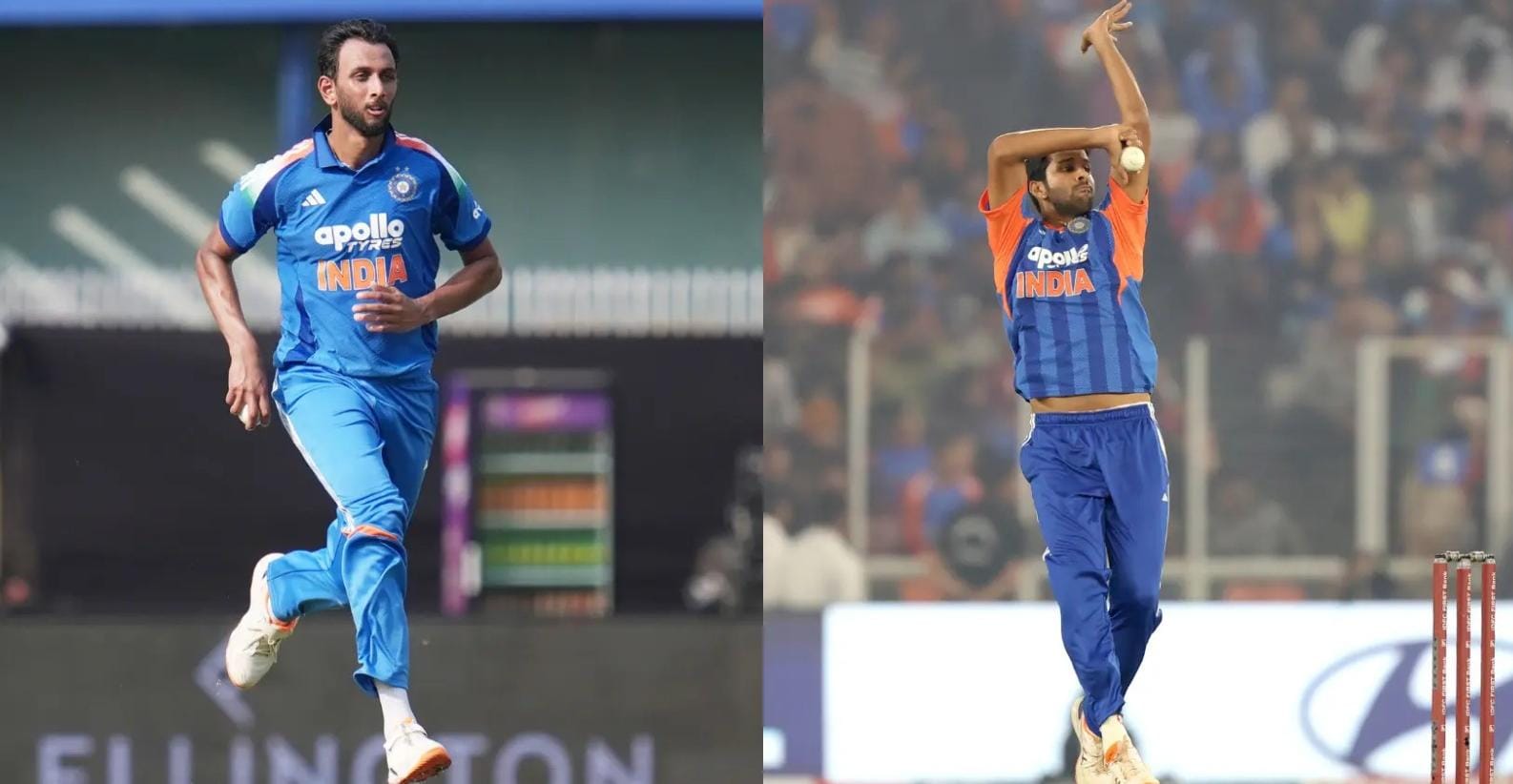
Punching bags, that’s the moniker the fast bowlers and spinners have become in the ongoing One-day series against the West Indies. What transpired in God’s own country in Thiruvananthapuram (Keralam) and around the Brahmaputra (Guwahati, Assam) was nothing short of carnage: the bowlers were put through the shredder. All because of a featherbed of a surface and a team that took the bowlers out of the equation straightaway. Only four Men in Blue batters have stepped out of the dugout; skipper Shubman Gill has piled up 333 in two knocks with a double (223*) at Guwahati, Virat Kohli 168, with an unbeaten 139 near Kovalam and Rohit Sharma 133 with a 101 in the second match. The fourth batter was Ruturaj Gaekwad, who too has an average of 78.57. The authorities cared a fig for the bowlers who were taken apart for 678 runs off 514 balls by the Indian batters. The home team has so far hammered 66x4s and 38x6s. The Men in Maroon have scored 663 off 603 balls with 4x100s. The second ODI was indeed not a good advertisement for the sport; it would be interesting to know how the ICC rates the surface at Guwahati. No wonder India’s head coach Gautam Gambhir described the match as “This is not cricket, this is only batting. If I have to be absolutely honest, I feel there has to be a bit more contest between bat and ball.” The third and final match will be played at New Chandigarh on Saturday (Oct 3). The pitch is unlikely to be any different. So far it’s been a graveyard! India has won the series, its aim will be to lift the numbers to 3-0.
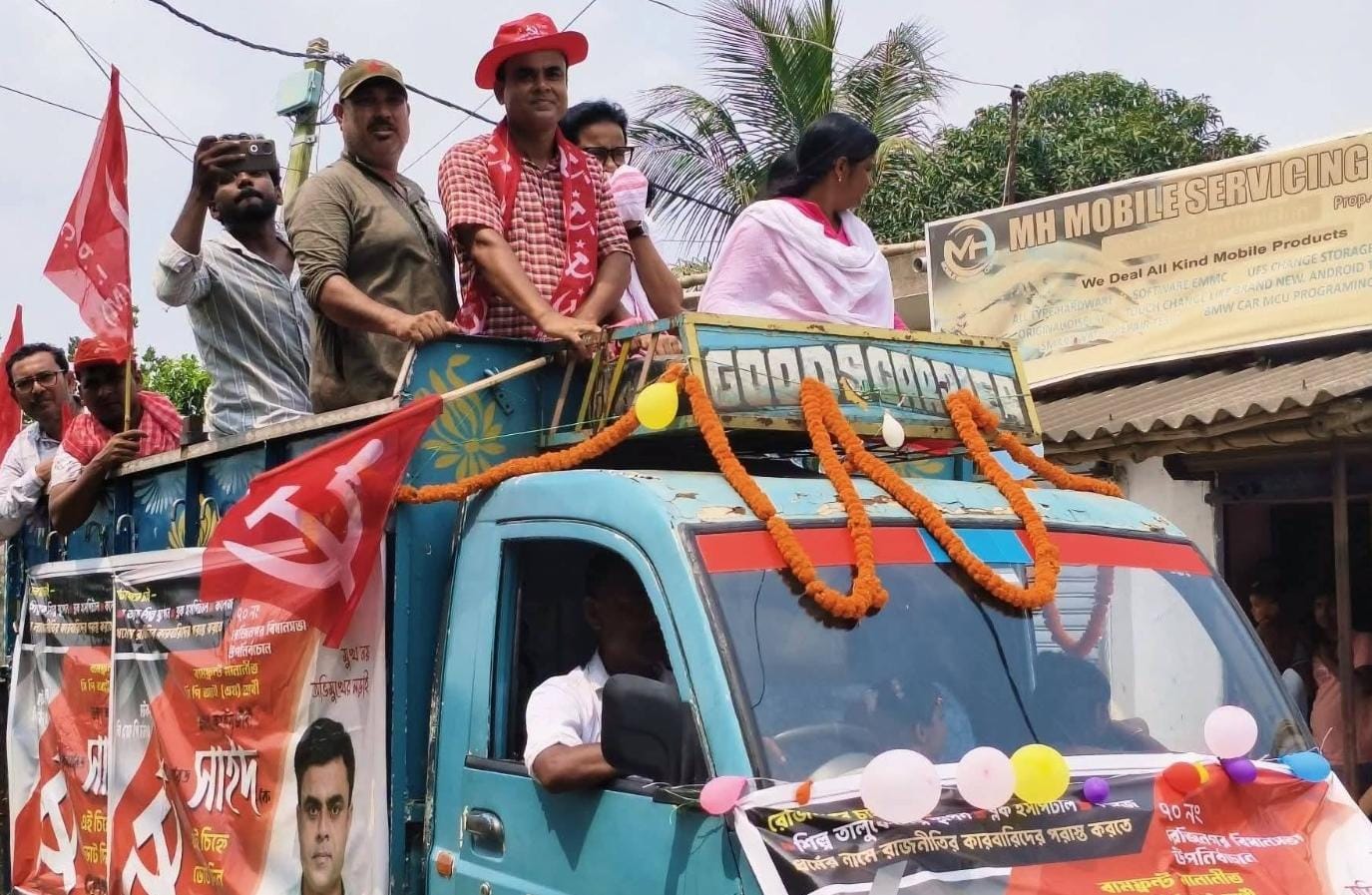
The Bengal CPM’s attempt to put younger leaders in the political spotlight appears to have run into a deeper organisational problem. According to the party’s latest Party Letter No 1, members below 30 constitute just 4.55% of its total membership — a figure the document itself describes as “quite concerning”. The admission, on page three of the document, comes against the backdrop of a sustained effort by the party in recent years to project younger faces in elections as well as organisational positions. Leaders such as Meenakshi Mukherjee, Shatarup Ghosh, Dipita Dhar, Kaltan Dasgupta and Sayan Banerjee have been given greater political visibility over the past five-six years. Mukherjee’s rise has been particularly notable, with her induction into the CPM central committee. The party has also brought in age norms at different levels of its committees, ostensibly to make room for a younger generation. Yet the membership figures suggest that the changes at the leadership level have not translated into a significant shift in the composition of the organisation as a whole. The Party Letter also points to another difficulty: the party continues to struggle to attract members from SC/ST, and minority communities. A state secretariat member attributed the present imbalance to organisational decisions taken two decades or more ago, when, the leader said, the party failed to bring in a number of promising young people because of selective recruitment practices. Over time, that gap widened and became embedded in the organisation. The contrast is particularly significant at a time when a large section of the electorate belongs to Gen Z. For the Bengal CPM, therefore, the challenge is not simply to find younger faces for elections or committees, but to rebuild a wider organisational base that can sustain that transition.
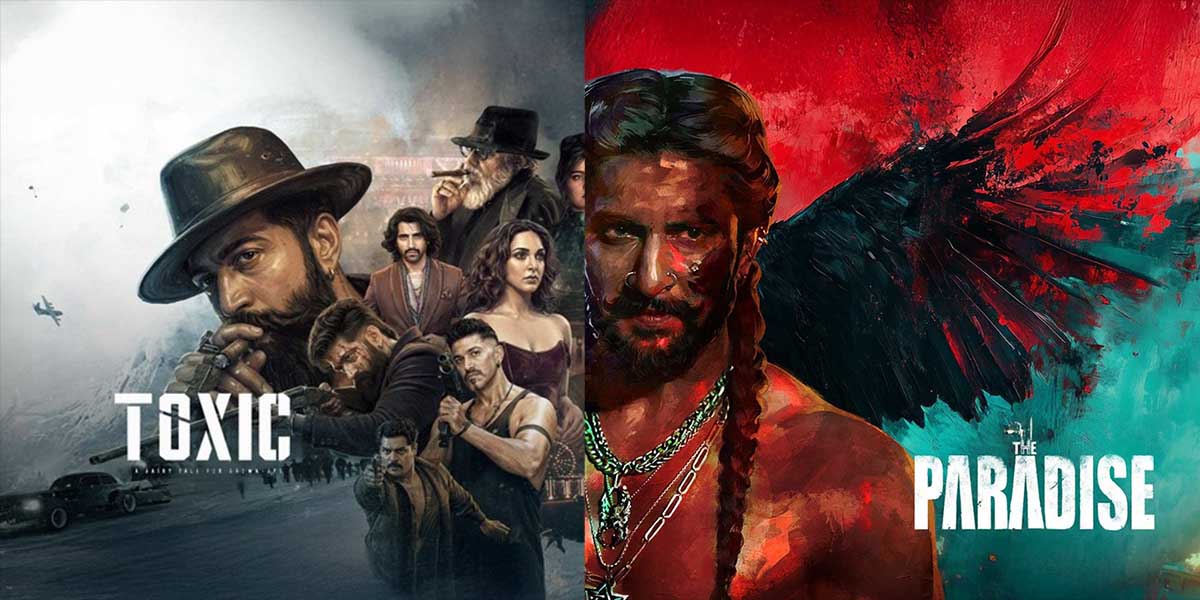
A Bengaluru court has given Nani’s The Paradise an ex-parte interim injunction against specifically listed social-media posts ahead of its September 24 release. The producer, Sri Lakshmi Venkateshwara Cinemas LLP, told the court that after the August 6 teaser a coordinated wave of false and derogatory URLs crossed fair criticism and threatened irreversible commercial harm. The judge agreed on a prima facie basis, ordered platforms not to host those identified links, and said genuine reviews were untouched. Weeks earlier, KVN Productions obtained a similar shield for Yash’s Toxic: an August 22 order restraining “false, malicious, defamatory or derogatory” content before and after release, again without first hearing the speakers. The Toxic sequel to that order is the warning. After the film opened to mixed and poor notices, YouTubers Suraj Kumar and Prashanth Rangaswamy said they received legal notices from Aiplex, acting for the producers, citing their review URLs. The court had not declared those reviews defamatory. The notices arrived anyway. That is how a “limited” injunction becomes a weapon against honest reaction: the reviewer must decide whether a lukewarm verdict, a roast, or a complaint about craft is safe, or whether it will be treated as commercial sabotage. Most small channels cannot afford the answer. They mute themselves. This is not an isolated South experiment. Kannada producers had already used Bengaluru John Doe orders for three Kannada films The Devil, Mark and 45, some of them wide enough to cover reviews, reaction videos, trolling and even “challenging feedback,” with BookMyShow ratings disabled. Telugu campaigns have used the same enforcement firms against critical YouTube channels. Toxic and The Paradise look narrower only because earlier orders were so broad. The playbook is the same: file in Bengaluru, name X and unknown “John Does,” list URLs, obtain an urgent takedown, then let notices travel to whoever still talks.
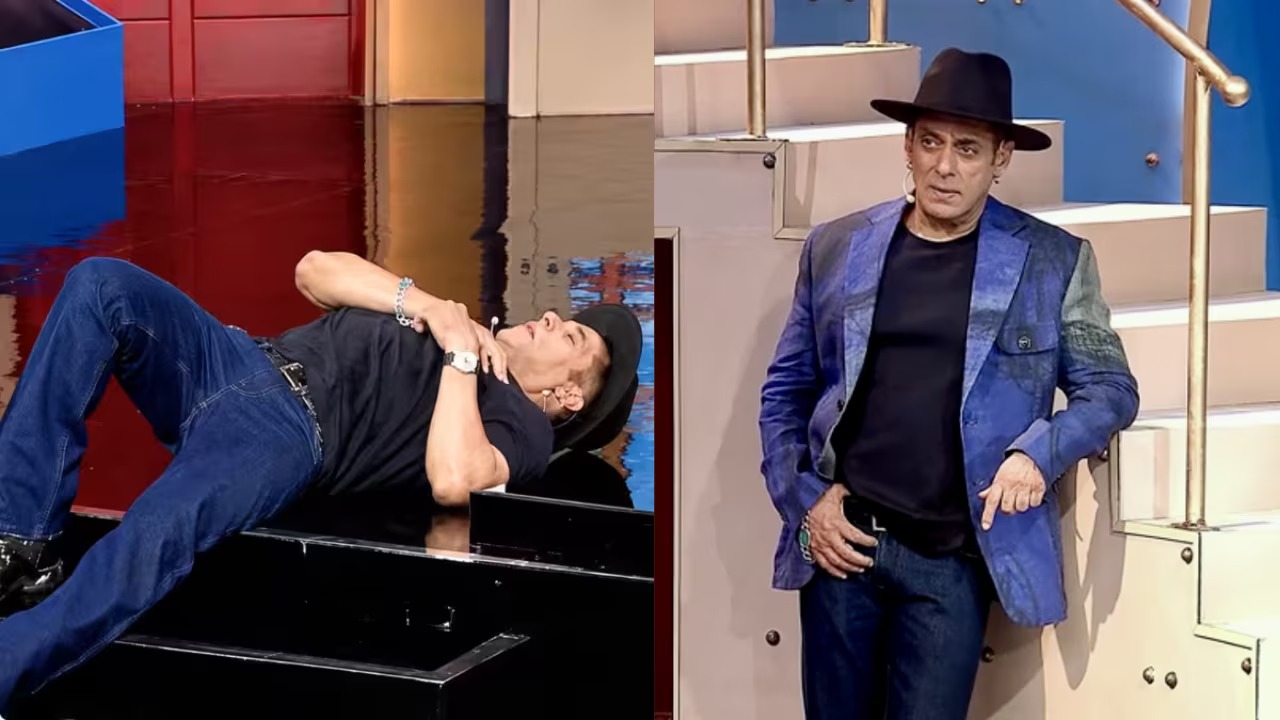
This is not the first time Bigg Boss has treated its own host as raw material. It has happened around Salman Khan before, and around other stars who walked into that house believing the show would protect the line between drama and damage. This time the cut was so clumsy that the superstar himself had to step out and apologise for a promo his own team put on air. The Weekend Ka Vaar promo showed Salman clutching his chest, asking for water, looking breathless, then lying down. Fans did what fans do when they have watched this man for three decades: they panicked. Some thought it was a heart scare. Some thought the show was using his health the way it uses everything else. Within hours Salman was on Instagram saying there was nothing wrong with him, that the pain was staged to show Qazi Touqeer what it feels like when someone fakes illness and 15 people in the house actually worry. Then the line that should shame the edit bay: the promo “should not have been cut like the way it was cut.” It “totally beats the purpose.” He even apologised on their behalf. The least the makers owed him was an edit that did not make his lesson look like the offence. They chose the clip that would travel. He chose the clarification that would stop the rumour. Rectifying the promo after Salman went public is not professionalism. It is damage control after the superstar did their job for them. A show that lectures contestants about using health for entertainment just used its biggest star the same way and then let him say sorry.
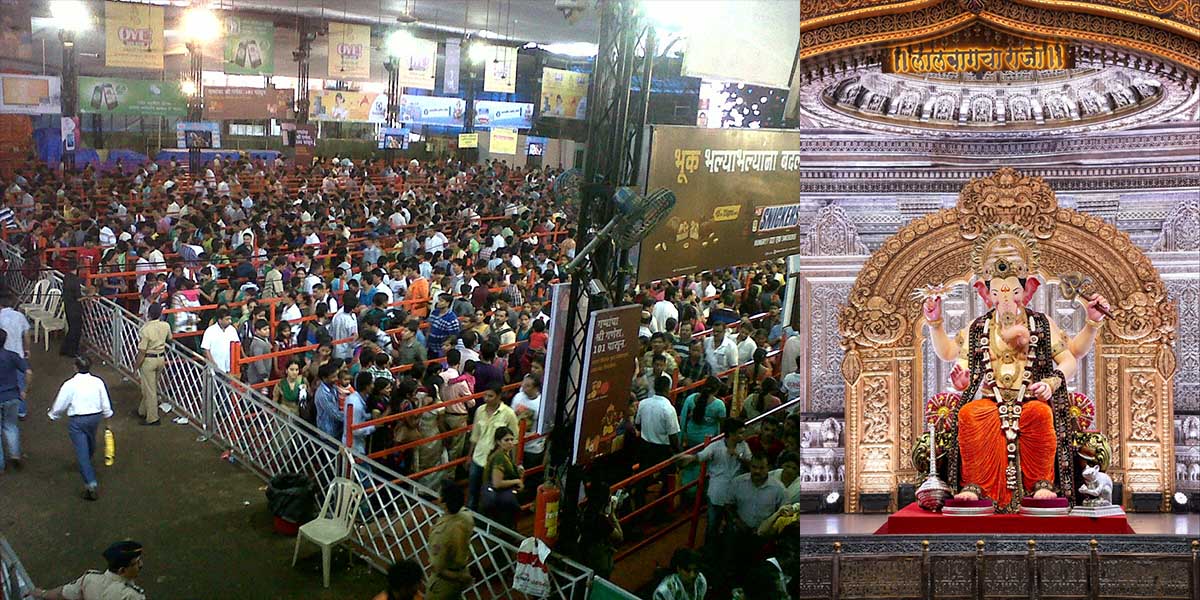
Lalbaugcha Raja was never only an idol. It was a promise: stand long enough, and Bappa will see you. This year that promise looks thinner than the barricade tape. Videos from the Parel queue are doing what official statements will not. People are telling friends to skip Raja. Not out of lost faith. Out of fear of the arrangement. Jaydeep Meghraj Nemade, 25, a Pune engineer with an MBA, came with friends for darshan on September 17. Around 11.40 pm, still in the line, he felt uneasy and could not breathe. He was rushed to Global Hospital. He died there. Police booked an accidental death and spoke of a suspected heart attack. The post-mortem will settle the medical line. It will not settle the other one: a young devotee collapsed in the most photographed queue in Mumbai, and the first public instinct was not surprising. It was recognition. That line has looked unsafe for years. What the videos show is not devotion. It is sorting. The common public is packed, shoved, held, and moved like volume. A few metres away, the paid and the connected walk a cleaner path. Pay more, wait less. The same mandal that sells “Raja of the poor” runs two religions under one shamiana: one for those who can buy speed, one for those who can only buy patience. Promotion gets louder every year. The callousness of the ground gets cheaper. Security looks like crowd control, not care. When regular visitors start saying it is better to avoid Raja, then it’s time organisers must sit up and take notice.

Sydney Sweeney’s “Just Sports” ad for Novig has made the argument unavoidable. The actor appears almost nude, covering herself with footballs, basketballs and hockey sticks while repeating the line “just sports.” India has lived with a quieter version of the same trade. IPL still packages cheerleaders as part of the night’s entertainment. Condom and lubricant spots have run through India–South Africa and India–Pakistan broadcasts, turning family living rooms into an interval of innuendo. On Instagram, a squat filmed from behind still travels farther than a clean cover drive. The contradiction is sharpest around the women who actually win. Smriti Mandhana, Harmanpreet Kaur, Jemimah Rodrigues, Shafali Verma and Deepti Sharma now sell brands that once belonged only to Virat Kohli and Rohit Sharma. P V Sindhu and Saina Nehwal did the same in badminton; Mary Kom, Nikhat Zareen and Lovlina Borgohain in boxing; Vinesh Phogat and Sakshi Malik in wrestling; Mirabai Chanu in weightlifting; Rani Rampal and Savita Punia in hockey. The better work: Nike’s “Da Da Ding,” Gatorade’s sweat-and-gold films with Sindhu, shows the grimace after a long rally, not a pose. The weaker work still frames the same athletes as lifestyle accessories: glowing, smiling, rarely exhausted. Sex sells faster than a late cut or a smash. Brands chasing young male viewers treat sport as a ready-made stage and the athlete as set dressing. Young girls watching Mandhana bat or Sindhu jump see two messages at once: you can win, and you will still be looked at first. Indian sport is growing fast enough to demand better. Sell Harmanpreet’s six, Sindhu’s defence, Mary Kom’s footwork. The contest is enough. The rest is just advertising.

On the day Haiwaan opened to a disastrous Rs 3 crore zone despite Akshay Kumar on the other side of the frame, Filmfare circulated Saif Ali Khan calling Cocktail “100 per cent an inevitable mistake” and a “slightly regressive script choice.” Sacred Games (2018) was the last time Saif felt inevitable. Sartaj Singh gave him gravity on OTT and a second life after the theatrical slump of Phantom, Rangoon, Chef, Kaalakaandi, Baazaar and Laal Kaptaan. The correct next move was to stay a premium second lead and antagonist, the lane that actually worked: Udaybhan in Tanhaji, Bhaira in Devara. Instead he kept testing solo or co-lead theatrical vanity: Jawaani Jaaneman flopped, Bunty Aur Babli 2 collapsed, Vikram Vedha was only average against cost, Adipurush became a national joke even as collections looked large on paper, Jewel Thief went the OTT route with a shrug. Experiments like Go Goa Gone and Kaalakaandi were interesting. They were not openings. Haiwaan is the latest receipt. A Priyadarshan remake of Oppam, Saif as the blind protector, Akshay as the psychopath, and still no buzz, mixed-to-poor reviews, and one of the weakest two-star Fridays of 2026. The reunion after 18 years did not sell tickets. That is not “bad luck.” That is vanished lead pull. After Sacred Games he could have become the reliable second engine. He kept insisting on being the car. The graph is simple. Early-2000s multiplex charm. Mid-career character peak with Omkara, OTT resurrection. Then a string of “I did it so it could get made” choices. Cocktail was a hit despite the role. Haiwaan is a miss because the role is all that’s left. Until the choices get colder and smaller; villain, supporting, one film a year that matters, the openings will keep telling him what the interview already admitted.

For seventy-two years the National Film Awards behaved as if they were, well, national. Instituted in 1954, they lived mostly in Delhi; Vigyan Bhawan, the President, one capital so that Malayalam, Marathi, Bengali, Tamil and Hindi could all take the same train. The one famous exception was 1970 in Madras: awkward, but at least Madras made films. IFFI wandered Mumbai–Delhi–Chennai–Kolkata until someone had the sense to park it in Goa and give the country a Cannes of its own. That was geography in the service of cinema. Now the 72nd ceremony on 22 September 2026 will unfold at Ekta Nagar, formerly Kevadia, under a German aluminium dome in the bus bay of the Statue of Unity. Government has not explained the shift; it has only built the dome. Gujarat’s film industry is not Chennai, not Hyderabad, not Kolkata, and it is certainly not Mumbai. No Indian industry is bigger than Hindi cinema, and no serious map of Indian cinema begins at Narmada district. The last time we moved the awards for cinema, we went to a city that actually produced them. This time we have gone to a monument inaugurated in 2018. The official poetry writes itself. A non-feature on the Statue of Unity wins Best Direction, so the awards will be given in the statue’s shadow. Delhi was national because it belonged to nobody’s industry. Gujarat is “national” because everything else is already moving there. The Swarna Kamal will still shine. It will simply shine next to a souvenir shop. The question is not whether the President can present an award at Ekta Nagar. Of course, she can. The question is why Indian cinema had to become a tourist attraction to receive its own medal.
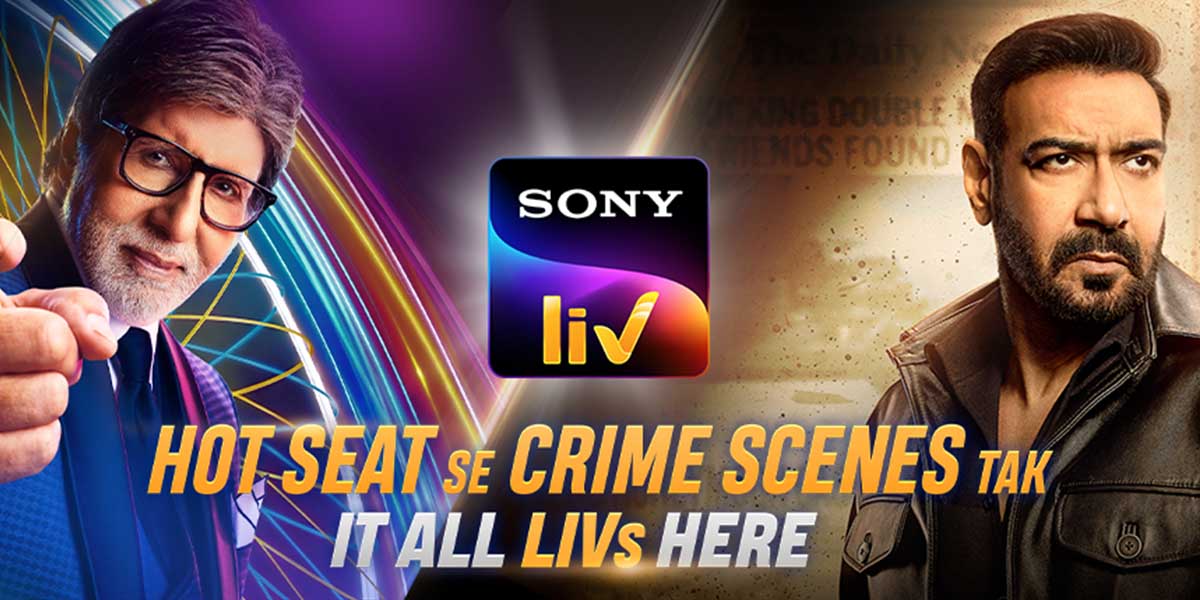
Sony LIV built its reputation on originals that felt bigger than television. Scam 1992 turned Harshad Mehta into a national conversation. Rocket Boys gave Homi Bhabha and Vikram Sarabhai the prestige treatment. Maharani and a handful of other series suggested the platform could invent a new Indian drama grammar.; sharper, slower, more ambitious than the daily soap. For a few years that bet looked right. Then the music stopped. With capital tight, Sony LIV has slowed greenlighting of new web shows. Only a few proven franchises are still being nursed. The rest of the slate is being handed back to the old SET playbook: Kaun Banega Crorepati, a revived Crime Patrol fronted by Ajay Devgn, MasterChef, cricket, and regional non-fiction. The same company that once used streaming to escape linear TV is now using linear TV to rescue streaming. Platforms discovered that prestige series are expensive, hard to market, and easy to abandon after two seasons. What travels cheaper and farther is television’s familiar furniture: game shows, crime procedurals, talent formats, and soaps that already have an audience. That is why The Kapil Sharma Show still works as both Saturday night appointment viewing and clip culture. That is why India’s Got Latent, a roast-and-talent panel that looks like late-night television rebuilt for phones, could premiere on YouTube and Netflix at once and become one of 2026’s most-watched Indian titles. That is why Anupamaa and Taarak Mehta Ka Ooltah Chashmah keep ranking among the most-watched properties on OTT and why JioHotstar treats multiple Bigg Boss editions as core inventory. OTT did not kill television. It absorbed television’s formats, stars, and economics, then added pause and skip. The living-room screen is now a hybrid: KBC and Crime Patrol sitting next to whatever remains of Scam 1992. The platforms that last will be the ones that stop pretending those two worlds were ever separate.
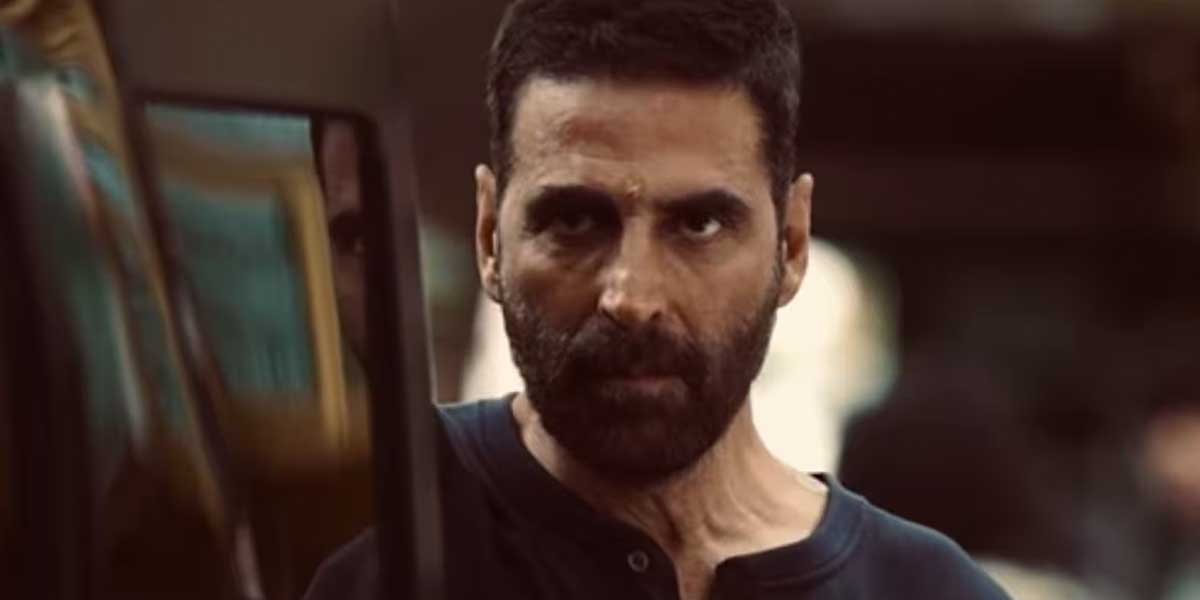
A star of Akshay Kumar’s scale does not lose the mass belt overnight. He leaks it, film by film, until the opening weekend no longer answers to his name. That is the story Haiwaan told on 11 September 2026: a Priyadarshan remake of the Malayalam film Oppam, pairing Akshay with Saif Ali Khan after 18 years, and still opening in the Rs 3.5 crore net zone, one of the weakest Day 1s of the year for two frontline faces. The peak years of 2007 to 2012 were built on rhythm and hunger: big openings as habit, not accident. Then came Action Replayy, Joker, Thank You and the first break with the mass circuit. The 2015 to 2020 revival was real, but it was also the phase of Padman-style “message” cinema that never fully reset the mass contract. Post-Covid, the pattern hardened: remakes and niche bets; Atrangi Re, Cuttputlli, Selfiee, Raksha Bandhan, Mission Raniganj, Sarfira, Khel Khel Mein, and now Haiwaan. Reviews called it stretched, illogical, a frame-to-frame lift that wasted both stars. The trailer had already written the box-office line. Originals that clicked were OMG 2 and Sooryavanshi, and the ensemble franchise lift of Welcome to the Jungle, prove the audience is not dead. What is dead is the solo pull. Ajay Devgn corrected course and started serving fans across genres. Akshay is still signing the same mistake: low-effort remakes, thin promotion, no visible hunger, not even the extra craft a villain role like Parshuram in Haiwaan demanded. He is working. He is not fighting. Haiwaan is not one bad Friday. It is the question the trade has been postponing: is the mass area still his, or is the star now over-exposed as a reliable loss-maker between two clicks? Until that check is honest, the openings will keep answering for him.
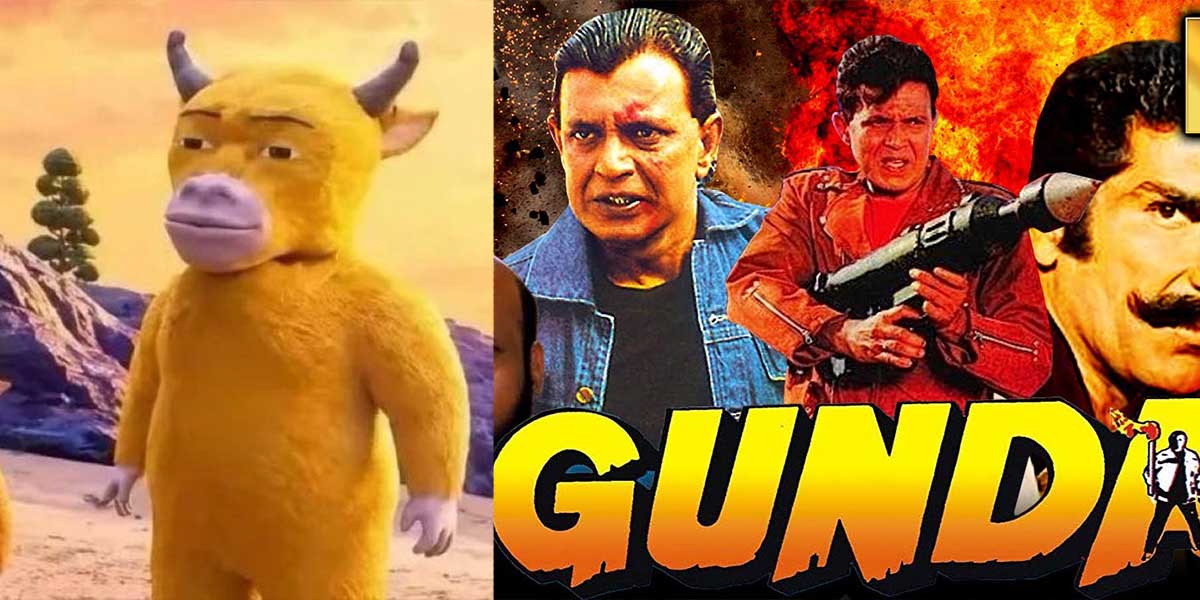
Every film culture eventually produces a movie so clumsy that it becomes immortal. India had Kanti Shah’s Gunda which was released in 1998. China now has Niu Lai (Here Comes the Cow). Gunda was never meant to be high art. Mithun Chakraborty as Shankar, villains named Bulla and Chutiya, rhyming punchlines, and that unforgettable bicycle-and-revolver fight turned a C-grade action film into YouTube folklore. People did not watch it for craft. They watched it to confirm how far a movie could go and still exist. Decades later, the memes still travel. Niu Lai follows the same path, only in 3D. Directed by Xin Yumeng and written by his mother Sun Lifang, the 86-minute animation was made over five years by essentially two people, largely on architectural software. A timid calf faints, dreams of a skylark, a snake, a leopard and wolves, then wakes up braver. The models look like early video-game leftovers. Mouths barely move. Pauses last too long. The plot wanders. Released on 5 August 2026 with almost no marketing, it collected a few thousand yuan in its first 10 days. Then clips hit Chinese social media. Mockery became a pilgrimage. Audiences filled halls to see, with their own eyes, how bad animation could be. The film has since crossed 50 million yuan (approx. 1 yuan= Rs14.16); a freak return on a near-zero budget. Gunda and Niu Lai both became communal jokes that people pay to share. One gave India immortal dialogues; the other gave China a handmade cow that looks like a sleep-paralysis demon. Niu Lai is not China’s Ne Zha. It is China’s Gunda: so pathetically made that it became a phenomenon. Watch it to understand why a bad movie can outlive a good one.
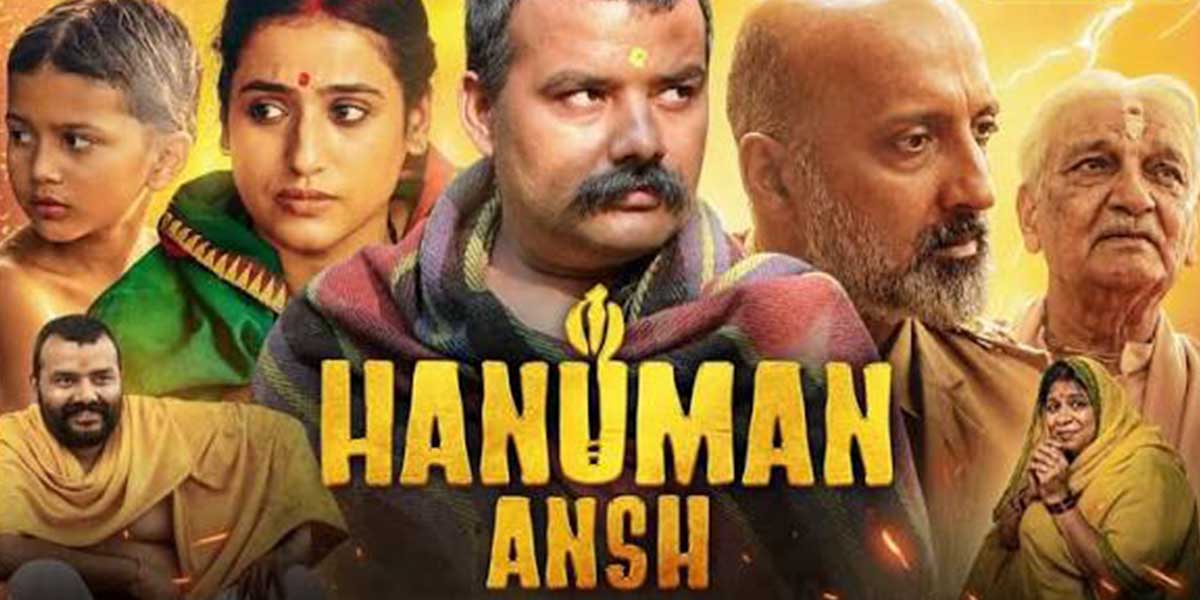
Faith films do not always explode on Friday. They arrive quietly, look finished by week two, and then, through word of mouth that behaves like aarti, they turn theatres into temples. Jai Santoshi Maa did it in 1975. Women removed slippers outside the hall, lit agarbattis, and offered coins and flowers to the screen. Shirdi Ke Sai Baba, with Manoj Kumar, did not dominate the 1977 charts, yet its songs and miracles lived on in homes, video libraries and pilgrim memory. In 2025, Gujarati movie Laalo – Krishna Sada Sahaayate made for Rs 50 lakh, opened to almost nothing and then, from the third week, became the first Gujarati film to cross Rs 100 crore worldwide, roughly Rs 96 crore India net, about Rs 120 crore global. Hanuman Ansh is walking the same path. Released on 7 August 2026, Vishal Chaturvedi’s film on Neem Karoli Baba opened at around Rs 10 lakh and had barely Rs 1.48 crore after two weeks. Then the third week collected over Rs 10 crore. By Day 23, it had Rs 27.38 crore India net and about Rs 32 crore gross, with a Raksha Bandhan Saturday of Rs 9.25 crore and screens multiplying from a few hundred shows to over 4,000. Budget estimates range from Rs 2 crore to Rs 10 crore. Either way, the return is the story. This is not a marketing miracle. It is a traditional one. Devotees do not need a star to carry Hanuman or Krishna; they need belief that survives a weak first Friday. Santoshi Maa taught the industry that a hall can become a shrine. Sai Baba taught that afterlife on song and screen can outlast a lukewarm opening. Laalo proved the model still prints money in 2025. Hanuman Ansh found its crowd late, then refused to leave the box office.
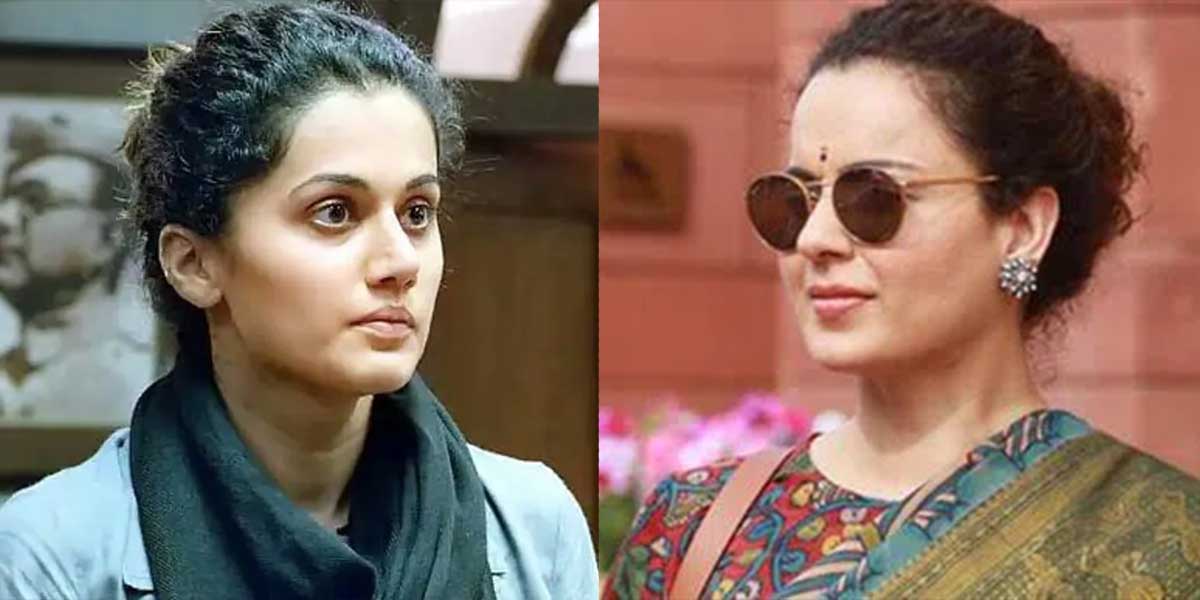
The long-simmering public feud between Kangana Ranaut and Taapsee Pannu flared up once again in August 2026, yet this time Taapsee offered a refreshingly mature way out. At the trailer preview of her Netflix film Gandhari in Mumbai, when reporters asked about Kangana’s latest jibes, Taapsee did not retaliate. Instead she turned the mirror on the media itself. “Aap khatam kyun nahi hone dete yeh baat?” she asked. “Koi question puchna hum dono se band karega jab yeh wala, toh yeh issue bhi khatam ho jayega. Aap sab logon ko maza aa raha hai yeh sab dekh ke, isiliye wahi sawaal puch rahe hain. Aise sawaal puchna agar aap band kar dete, toh yeh baat kab ki khatam ho jati.” In plain words: stop asking the two of us the same questions and the controversy will die a natural death. The roots of this “imaginary conflict,” as Taapsee has often described it, go back to 2019. After she praised the trailer of Kangana’s Judgementall Hai Kya without tagging her, Kangana’s sister Rangoli Chandel branded Taapsee a “sasti copy.” The label stuck and returned repeatedly. In 2020, amid the heated nepotism debate following Sushant Singh Rajput’s death, Kangana publicly labelled Taapsee and other outsiders “B-grade actresses” and “needy.” The two women have never even met, yet the narrative of rivalry has been kept alive for seven years. The latest round began when Taapsee, speaking at the India Today Women Summit, observed that their differing opinions simply reflected different upbringings and worldviews. Kangana took offence, accusing Taapsee of ridiculing her parents and background. In Instagram stories she revived the “sasti copy” dig, dismissed Gandhari as a “B-grade film.” In an industry that thrives on endless drama, Taapsee’s calm insistence that silence is the best answer stands out as genuine maturity.
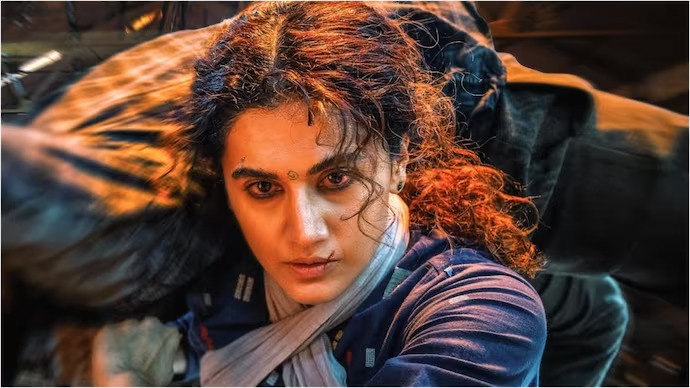
Days before its Netflix premiere, Taapsee Pannu’s Gandhari has exploded into one of the sharpest copyright storms in recent OTT history, and this does not feel like manufactured noise. It feels like a serious allegation that refuses to die. Writer Kalyan Bandi, an IIT Madras alumnus and government inspector, claims he wrote, registered, and pitched a story titled Gandhari as far back as 2019. His concept: a mother who transforms into a fierce, almost divine force while battling a child-trafficking racket. He says he shared the material with Monika Shergill who was then at Voot and now a senior Netflix executive. He registered the treatment with the Screenwriters Association. When Netflix announced Gandhari, written and produced by Kanika Dhillon, with an eerily similar core, Bandi sent a formal legal notice seeking credit and compensation. He has repeatedly said money is secondary; what he wants is acknowledgement that the idea was his. A second writer, Raghav Desai, has also claimed he pitched a near-identical Mahabharata-inspired mother-revenge narrative to the makers in 2024. Two independent claims. Same title. Same emotional spine. Same platform. Kathha Pictures and Kanika Dhillon have issued firm denials, calling the film an original work and the allegations “false and unverified.” Netflix has stated the earlier pitch was “very different.” Yet the optics remain damaging: a registered story, documented outreach to a future Netflix executive, and a high-profile film that lands with the exact same title and thematic DNA. In an industry where ideas routinely circulate without protection, this case cuts deeper. Copyright clarity is rarely black-and-white, but registration, written pitches, and legal notices raise legitimate questions that cannot be dismissed as mere publicity hunger. Whether the film ultimately clears the legal and ethical cloud remains to be seen, but the allegation itself is no longer easy to ignore.
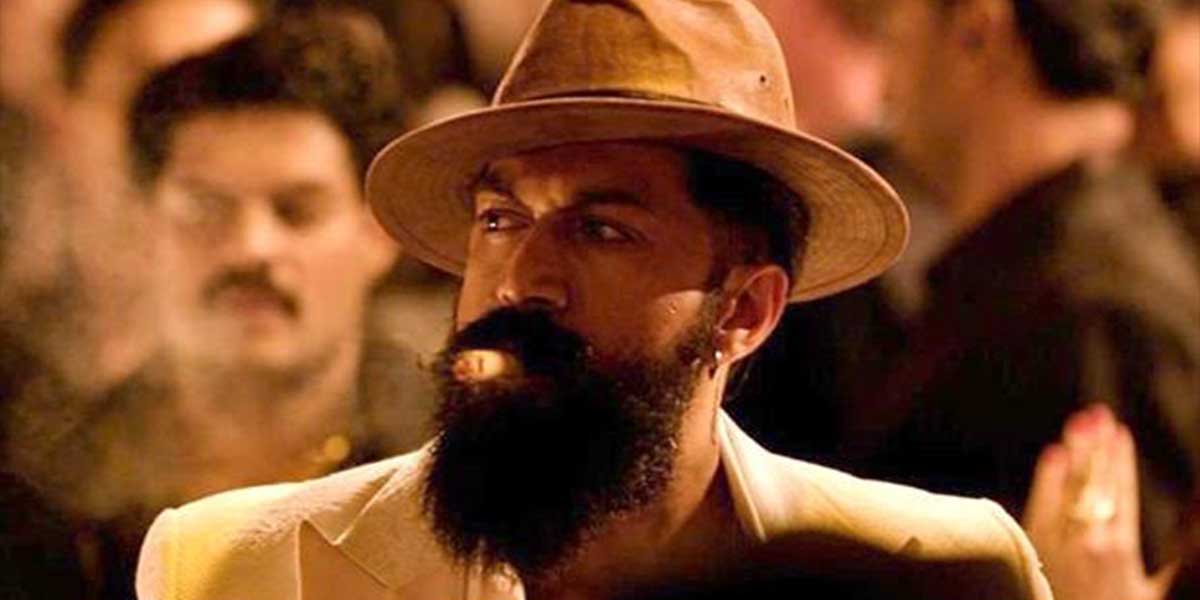
In the high-stakes world of pan-Indian mega films, visibility is oxygen. Yash’s Toxic: A Fairy Tale for Grown-Ups is proving the point. Just days before its worldwide release on 26 August, a pre-release event in Hyderabad turned chaotic when a speaker stand collapsed after fans climbed it for a better view, injuring four people. The mishap made national headlines, yet instead of denting momentum, it amplified the film’s presence. Advance bookings were already strong in India and the US; the incident simply poured fuel on an existing fire. Discussions around competing titles such as Batwara 1947, Awarapan 2 and even Hollywood releases like Spiderman: Brand New Day’ quietened as conversations pivoted to Toxic. The trailer’s striking visuals, the dual-role promise, the multilingual scale, shot in English and Kannada, releasing in Hindi, Tamil, Telugu and Malayalam and the ambitious global rollout had already created curiosity. The unfortunate Hyderabad episode added an extra layer of real-time urgency and human drama that social media and news cycles thrive on. Suddenly everyone is talking about the film, the star’s on-stage concern for the injured. Positive trailer reactions, star power and booking numbers build the base; unexpected events; whether controversies, crowd chaos or viral clips, keep the title trending. History shows that films which dominate the cultural conversation in the last week often convert curiosity into footfalls. The phrase “any publicity is good publicity” is not cynicism here. Toxic entered the final countdown already armed with strong pre-sales. The Hyderabad incident, however regrettable for those hurt, ensured the title remained impossible to ignore. In the business of big-screen spectacles, that kind of sustained visibility is often the difference between a solid opening and a phenomenon.
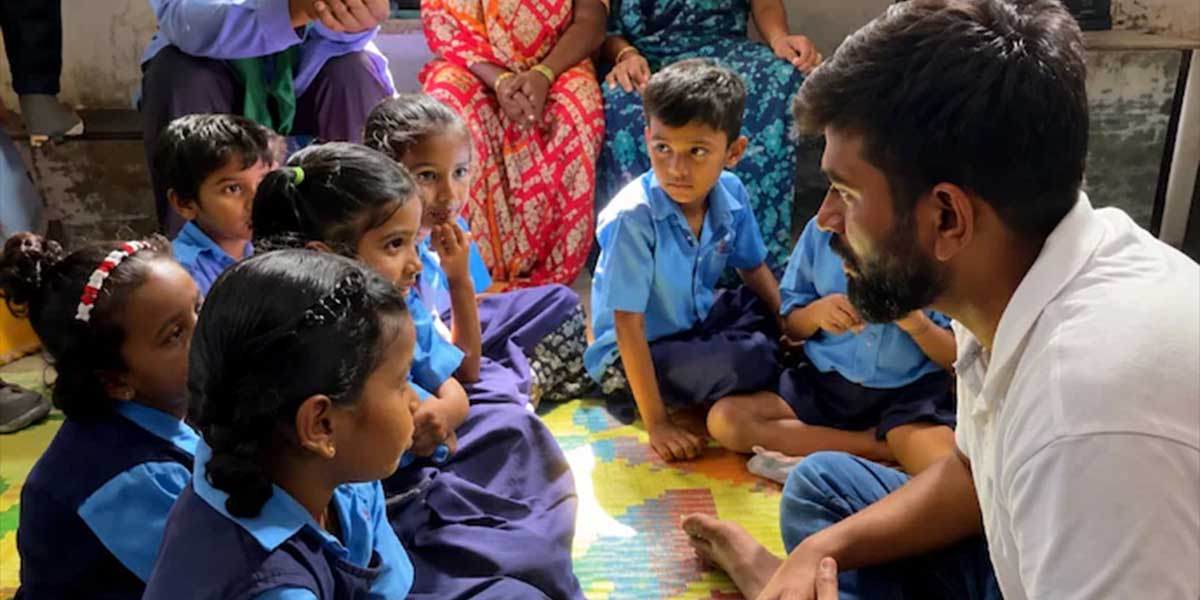
Maharashtra woke up this weekend. Deputy Chief Minister Eknath Shinde summoned School Education Minister Dada Bhuse for a four-hour marathon review at Nandanvan. The message was unambiguous: work in mission mode, deliver a time-bound plan to modernise schools, strengthen infrastructure, teacher training, nutrition, health checks and community participation. The timing was no coincidence. It came amid the intensifying “School Thik Karo” campaign by the Cockroach Janta Party (CJP). CJP’s grassroots audits of government schools; exposing overcrowded classrooms, broken facilities, and basic neglect, have spread from Latur and Hingoli to Mumbai and beyond. In Latur, inspections triggered FIRs and local pushback. An attack on CJP co-convenor Ashutosh Ranka and his team during a Rajasthan school visit further amplified the national glare. Earlier student agitations linked to CJP had already contributed to the resignation of the Union Education Minister over the NEET controversy. Now the same pressure is forcing state-level corrective action. The parallel with figures like IAS officer Tukaram Mundhe is instructive. Mundhe, known for uncompromising enforcement in the food and drug sector, has repeatedly demonstrated that persistent public and administrative pressure can shake entrenched systems. Both the school movement and such accountability drives share a core logic: when ordinary citizens and determined activists refuse to accept decay as normal, even powerful departments are compelled to respond. Maharashtra’s schools may not match the worst conditions seen elsewhere, but the wake-up call is clear, neglect thrives only until it is made politically costly. Student and civic movements do more than generate headlines. They can extract resignations, force marathon reviews, and push for tangible upgrades. “School Thik Karo” is keeping the pressure on. When people insist that public institutions serve the public, the system is left with little choice but to act. That is the real...

Yash Raj Films has long been synonymous with grand romances and socially rooted dramas. From the eternal love of Dilwale Dulhania Le Jayenge to the emotional depth of Kabhi Kabhie, Silsila and Chandni, the banner built its legendary reputation on stories of the heart. Even when it explored other terrains, the core remained elevated emotion and large-scale human drama. Horror was the one major genre it had carefully avoided. That changes now. YRF has announced its first-ever theatrical horror film, with Varun Dhawan in the lead and Abhay Pannu of Rocket Boys fame, directing. The project, slated for a 2027 release, marks a clear policy shift. A production house of this stature does not enter a genre lightly. The decision signals that horror has finally earned mainstream respectability in Indian cinema. The numbers back the move. Recent Hindi successes; Maddock’s Stree franchise, Bhediya, Munjya, Priyadarshan’s Bhoot Bangla and Vikram Bhatt’s Haunted 3D, have proved that audiences, especially the younger generation, are hungry for the genre, whether pure chills or horror-comedy. International hits like Obsession and Backrooms have further elevated the form, moving it into something polished and culturally significant. For YRF, the timing is strategic. After decades of owning romance and emotional storytelling, the studio is adapting to a new audience that finds equal thrill in fear. Pairing a bankable star like Varun Dhawan with a director known for intelligent storytelling shows the banner is not merely chasing a trend but investing in quality within the genre. Horror has always had its loyalists. What is new is its acceptance as a legitimate, commercially viable space that even the most prestigious houses now want to claim. When Yash Raj Films steps into the dark, it is not just a film announcement. It is confirmation that the genre has arrived.
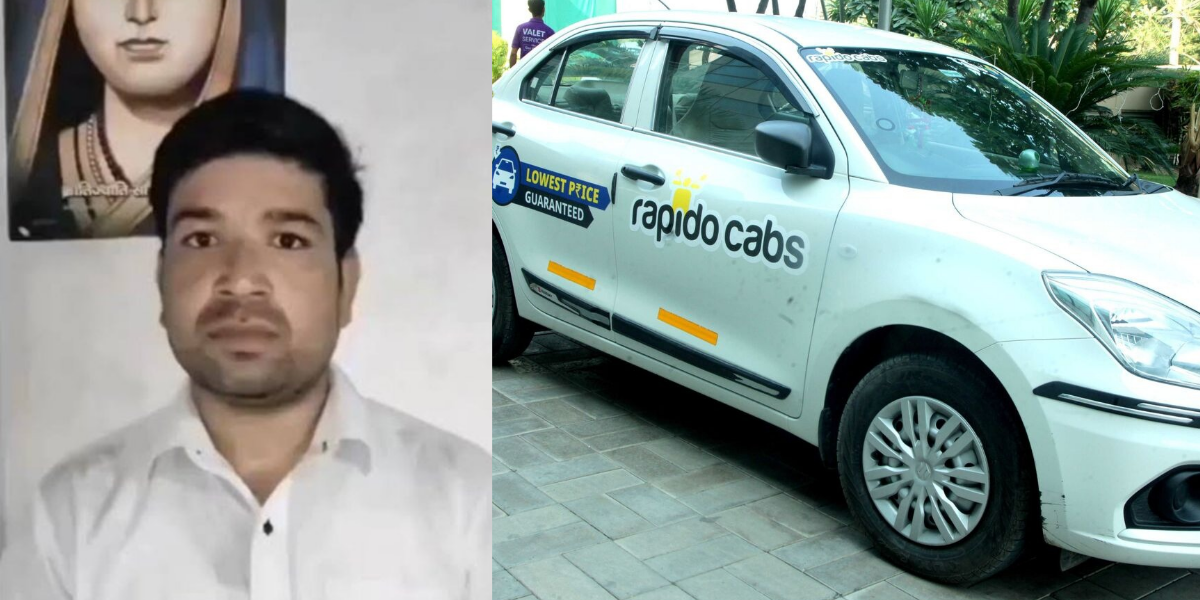
Rapido has crossed a dangerous line. By suspending 30-year-old Dalit driver Ankit Kumar for 99 years and 11 months, until 2126; the company has delivered a chilling message: passenger revenue matters more than human dignity, constitutional morality, and the fight against caste humiliation. Lucknow-based Ankit Kumar did what every self-respecting citizen should do. He objected to alleged casteist remarks that linked a person’s competence to their community. For this act of resistance, Rapido erased his livelihood overnight. No fair hearing. No investigation into the alleged caste abuse. Only a swift, one-sided punishment that protects the paying customer and silences the worker. This is not platform discipline. This is institutional cowardice. By treating a protest against casteist language as “abuse,” Rapido has shown itself completely immune to the cultural and legal weight of the Scheduled Castes and Scheduled Tribes (Prevention of Atrocities) Act. The company failed to understand the deeper context of caste humiliation in India and chose instead to operate at the shallowest, most profitable level—customer ratings and revenue protection. Gig workers, many from SC, ST and OBC communities, already live without social security. Rapido’s extreme corporate callousness deepens that vulnerability. When a platform can destroy a man’s ability to earn for nearly a century without even hearing his side, it ceases to be a neutral technology company. It becomes an active participant in reinforcing hierarchy. India cannot accept platforms that treat the Atrocity Act as optional and dignity as negotiable. Rapido must reverse this punitive ban, order a transparent inquiry, and publicly answer for its priorities. Until then, the message remains clear: in Rapido’s world, revenue comes first; caste justice and constitutional values come nowhere.
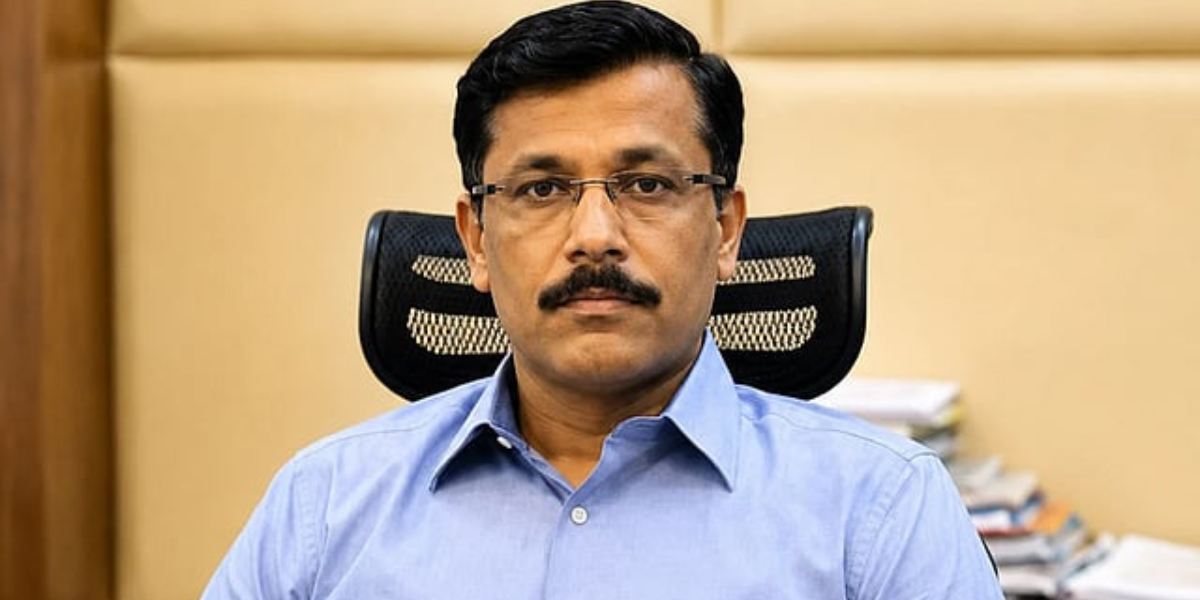
In the rarefied air of Mumbai’s elite clubs, where membership lists read like a who’s who of power and privilege, a strange democracy has arrived. Not through elections, but through the unrelenting clipboard of the Food and Drug Administration under Tukaram Mundhe. First it was the Cricket Club of India, then MIG, Willingdon and the Juhu gymkhanas. Now the axe has fallen on Bandra’s Otters Club. Analogue paneer sold as “regular,” broken flooring, blocked drains, refrigerators that refuse to seal properly; the same violations once reserved for the humble roadside stall or the railway platform eatery. The only difference is the wallpaper and the membership fee. Here lies the delicious satire of Mundhe’s regime. The FDA has declared, with clinical indifference, that a cockroach does not check the social register before crawling across a kitchen counter. A blocked drain does not care whether the diner is a film star, an industrialist or a daily-wage worker buying vada pav. Hygiene, under this commissioner, has become the great leveller. Five-star kitchens and five-rupee stalls now stand equally naked before the same law. For decades, Mumbai’s high-profile clubs operated inside a comfortable bubble of influence. Complaints about unhygienic conditions or questionable ingredients were whispered, never acted upon. Mundhe has punctured that bubble. By treating Otters Club with the same severity once reserved for the small eatery near a local station, he has delivered an uncomfortable truth: public health is not a class privilege. Critics may grumble about overreach. The clubs will appeal and eventually reopen. But the symbolism has already landed. In Mundhe’s Maharashtra, the kitchen floor is the only place where the powerful and the powerless are forced to stand on equal footing. And for once, that footing is being checked for broken tiles.
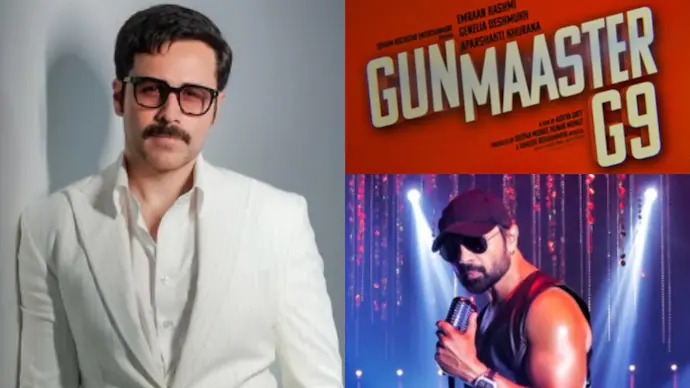
Nothing succeeds like success. Until this morning (Aug 17), GunMaaster G9 was just another Emraan Hashmi project moving quietly through its final stages. Respectable cast, nostalgic team reunion, but no urgency, no locked date, no frenzy. Then Awarapan 2 delivered a blockbuster opening weekend. Official nett figures: Friday Rs 23.40 crore, Saturday Rs 34.09 crore, Sunday Rs 26.82 crore; a three-day total of Rs 84.31 crore. It has emerged as the third-highest opening weekend for a Hindi film in 2026, behind only Dhurandhar 2 and Border 2. More importantly, it comprehensively defeated Sunny Deol’s Batwara 1947 in the Independence Day clash, proving that Emraan’s cult pull still converts into hard numbers, especially in Tier 2, Tier 3 and single-screen centres. By Monday, the same makers who were still discussing late-2026 versus early-2027 had locked 27 November for GunMaaster G9 and announced it with full theatrical confidence. The timing is not subtle. One solid hit, and the entire ecosystem recalibrates. Suddenly every half-finished, half-shelved Emraan project is stirring. Scripts are being reopened. Incomplete shoots are “being revisited.” Producers who were waiting for the right window have discovered that the window is now wide open and facing Emraan. Success has a short memory and a long shopping list. Emraan has already started the victory lap. The industry, ever practical, has taken note. Expect more long-pending announcements in the coming weeks. When a star delivers an Rs 84-crore opening weekend and beats a heavyweight like Sunny Deol, every dormant project wants a share of that heat. Right now, success has a new favourite son and GunMaaster G9 is the first to cash the cheque.
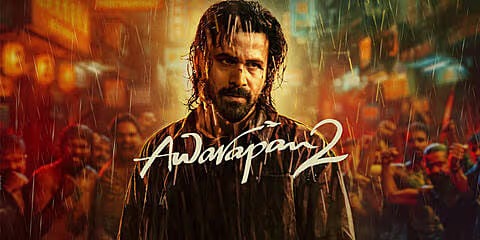
In the grand circus of Bollywood predictions, the trade pundits once more proved they have a special talent for missing the plot. Awarapan 2 was written off before the first show. Promotion was dismissed as lacklustre, the songs labelled dull, and the clash with Batwara 1947 declared a “setback.” The Rajkumar Santoshi–Sunny Deol combination, complete with partition gravity and familiar mass formulas, was anointed the safer, louder bet. Awarapan 2, many declared, stood no chance. Then the Awarapan 2 trailer dropped. Suddenly the room changed. Immersive, nostalgic, emotionally connected, it carried a lived-in intensity that cut through the noise. The same trade that had been busy writing obituaries started hearing a different buzz. Audiences, it turned out, were still capable of responding to atmosphere, character and a certain reckless heart rather than merely to star wattage and theme weight. The numbers delivered the punchline with clinical precision. On Friday, Batwara 1947 opened to approximately Rs 5.5crore net. Awarapan 2 stormed in with around Rs 22 crore net; the highest opening of Emraan Hashmi’s career. On Independence Day Saturday the gap only widened: Awarapan 2 collected roughly Rs 34 crore net while Batwara 1947 managed about Rs 13.5 crore. In two days, the sequel had crossed Rs 55 crore net in India and was racing past Rs 72 crore worldwide, leaving its rival trailing far behind. Once again the audience refused to follow the script written in trade WhatsApp groups. Content, when it connects, still trumps calculation. The film that was supposed to be the underdog shot to the top, embarrassed the entire prediction industry, and reminded everyone of the oldest truth — there is n business like show business. Unpredictability remains the only reliable order of the day. Cinema, as always, had the last laugh.
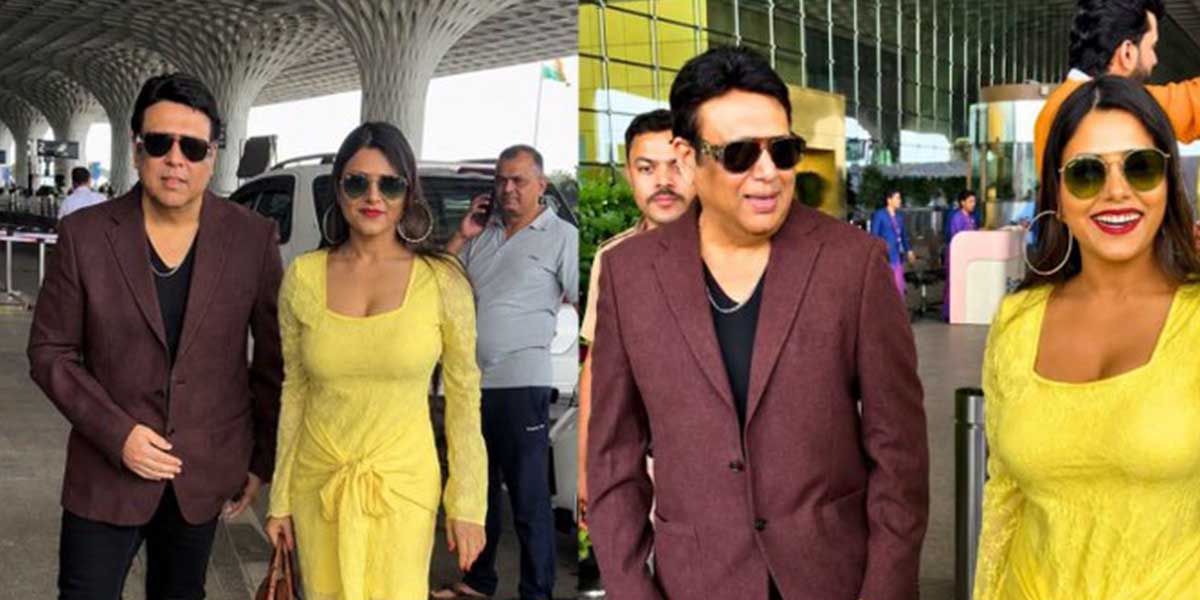
The fall of a star is rarely sudden. For Govinda, once crowned Hero No 1, it has been a prolonged, public unravelling where professional choices collided with domestic fire. He earned his place through pure comic timing and dance that lit up ordinary lives; small-town crowds, school grounds, college campuses and even corporate gatherings. That mass connection was real. Yet the industry that once celebrated him also recorded his chronic lateness and broken commitments. Producers waited in vain, schedules collapsed, and the tag that once meant box-office gold slowly became a warning. The last decade turned the decline dramatic. Film after film failed. The once-unstoppable comic force drifted into obscure stage shows and low-level events that sat uncomfortably with the stature he once commanded. His children never received the carefully planned launches many star kids enjoy. The Sonakshi-Sinha-in-Dabangg moment he had often spoken of for his daughter never materialised. The family that once projected unity now appears fractured and exposed. The sharpest blow is the latest. Govinda has been repeatedly photographed at Mumbai airport with newcomer Komal Rani Swarnkar, the young actress he is launching in Roopa. Wife Sunita Ahuja has answered with open, sustained fury: calling him a “sugar daddy,” accusing him of roaming with a girl of his daughter’s age. Her public, repeatedly derogatory words have turned private bitterness into daily national headlines. Domestic disturbance does more than distract. When a wife paints her husband as unfaithful, classless and lost, the audience that once danced with him begins to look away. Govinda’s own decisions; professional unreliability earlier, and the current public associations, have accelerated the fall. The man who once made India laugh is now watched for the next airport picture and the next angry soundbite. The dance remains, but the stage keeps shrinking.
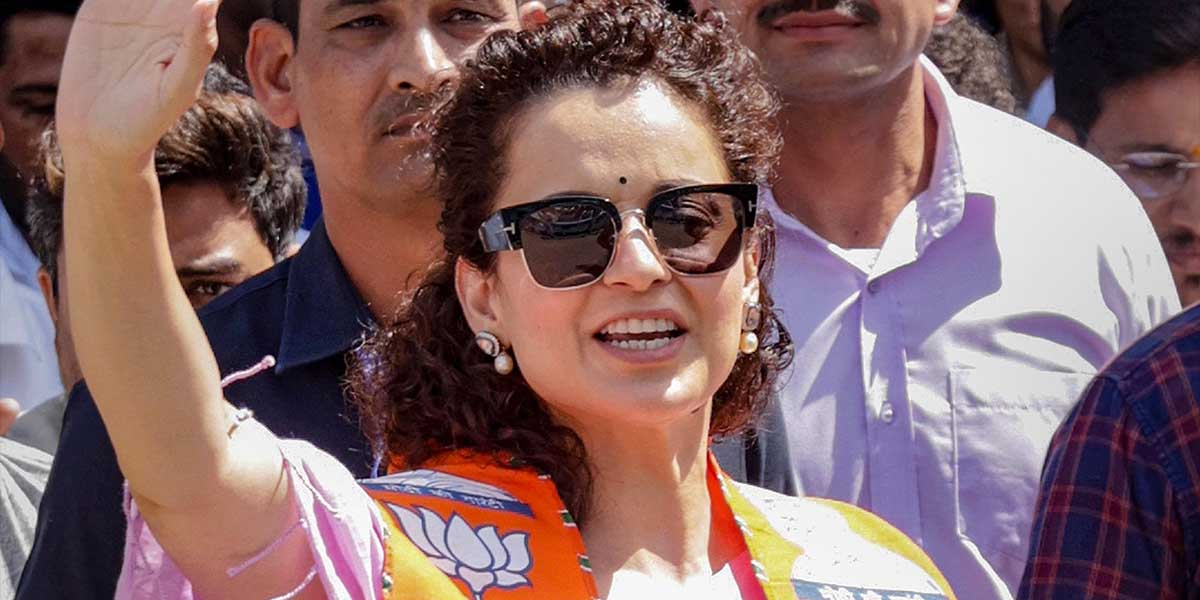
Kangana Ranaut once again allowed her rage to override restraint. Reacting to the CJP student protests, the BJP MP and actor branded young protesters the “gutter generation.” She called their reels “puke-inducing,” their language “crass and jarring,” and questioned “who is birthing and raising them.” Young women were singled out as “ugly and corrupt” for allegedly flaunting drugs, drinks and “endless body counts.” An FIR has now been registered against her in Agra for insulting an entire generation of students and their parents. The political and commercial cost is enormous. This same generation will decide the box office of every film she makes and the fate of every election she contests. They are the future audience of Indian cinema and the decisive voters of the next three decades. To dismiss them as “gutter” merely because some used raw language is not just arrogant—it is strategically suicidal. Kangana’s history is littered with such self-damaging outbursts. In cinema she declared war on the “nepotism mafia,” clashed publicly over ‘Manikarnika’, and watched ‘Emergency’ sink under controversy and poor returns. In politics she has compared Mumbai to Pakistan-occupied Kashmir, labelled farmers’ protesters terrorists, and declared 1947 freedom “bheekh”—remarks that forced even her own party to distance itself. A boisterous, hyper personality can generate headlines, but it also burns bridges that never rebuild. Language alone does not define a generation’s worth. The very people she called “gutter” will remain a bitter pill she is forced to swallow every time her film releases or she seeks votes. In both politics and cinema, words spoken in fury have a long memory and this one may outlast her career.
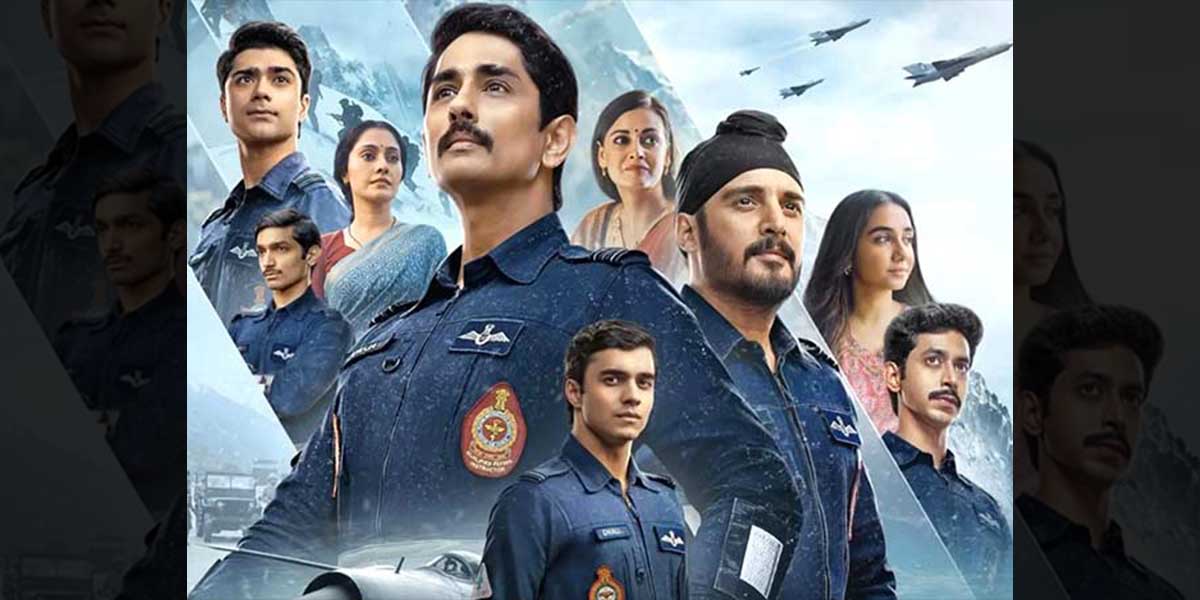
In the age of instant outrage, a single technical slip can threaten to derail an entire tribute to our war heroes. Netflix’s Operation Safed Sagar has been rightly praised for bringing the 1999 Kargil air campaign and the sacrifice of Squadron Leader Ajay Ahuja to life. Yet an Indian Army veteran has flagged the incorrect draping of the Tricolour on Ahuja’s coffin; green visible instead of saffron towards the head, as mandated by the Flag Code. He has gone further, demanding the series be suspended until digitally corrected and an apology issued. Yes, the producers and military advisors missed it. That is an oversight, a technical glitch in an otherwise sincere production. It is not deliberate disrespect. Flags, protocols and symbols matter. But demanding the entire show be yanked offline turns a correctable error into a national crisis. Creative works are not military manuals. Digital fixes exist. An apology can be issued. Pulling a series that honours fallen air warriors does not. We have seen this script before. Just last month, Satluj vanished from Zee5 within 48 hours amid security concerns and political heat. One side saw threat; another saw overreach. The pattern is familiar: a portrayal of history, identity or national symbols triggers instant mobilisation, hashtags, and calls for bans. OTT has become a pressure cooker where every uniform, every dialogue, every historical detail is scrutinised for offence. Respect for the Tricolour and our armed forces is non-negotiable. Mistakes should be pointed out and fixed. But mistaking every error for malice, and every oversight for an insult requiring cancellation, only weakens the culture of storytelling we claim to protect. Operation Safed Sagar is a tribute, not a textbook. Let the correction happen. Let the series continue. And let us stop treating every glitch as grounds for a cultural emergency. Thicker skins make stronger nations; and better cinema.
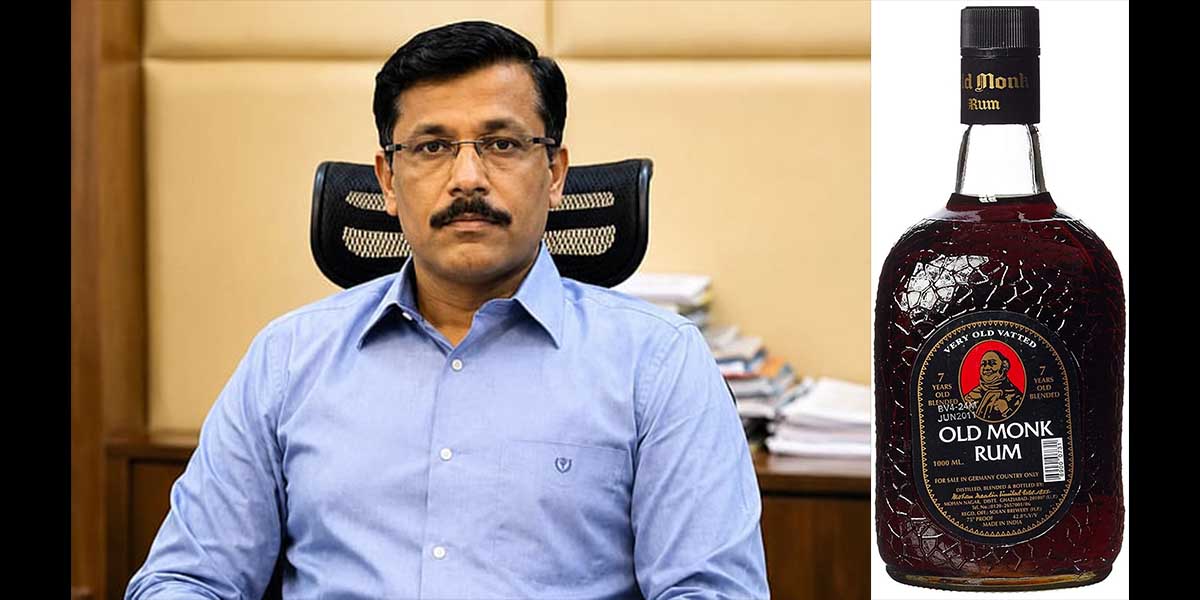
Walk into any Mumbai restaurant, club or bar these days and ask for an Old Monk. The waiter’s face will tell you the story before the words do. The iconic dark rum that once defined monsoon evenings, army canteens and late-night addas has quietly vanished from many shelves. The reason is not a supply-chain glitch. It is Tukaram Mundhe. The 2005-batch IAS officer, Maharashtra’s Food and Drug Administration Commissioner and the man the public now calls “Singham,” has been busy. After more than two decades and 25 transfers that never managed to dilute his spine, Mundhe took charge of the FDA in May and decided public health would no longer be negotiable. Elite clubs that once felt untouchable; Cricket Club of India, MIG Cricket Club in Bandra, Willingdon Sports Club and several other high-end and government-linked establishments, suddenly found their food license suspended. Besides, adulterated milk and synthetic paneer has also come under his glare. Now the net has tightened around liquor standards as well. Certain Old Monk variants, along with a few other popular spirits, ran into FSSAI rules on artificial flavouring and misleading age claims. Maharashtra FDA, under Mundhe, is enforcing those rules without apology. The result is visible on every bar counter: the monk is missing. Mundhe’s style is blunt, consistent and free of the usual bureaucratic theatre. He has made food safety a public conversation instead of a file note. In a city that thrives on shortcuts, an officer who refuses to look away is rare. The empty Old Monk shelf is not a crisis. It is a sign that, for once, someone is actually doing the job. Mumbai is eating and drinking a little more carefully. That is a wonderful start.
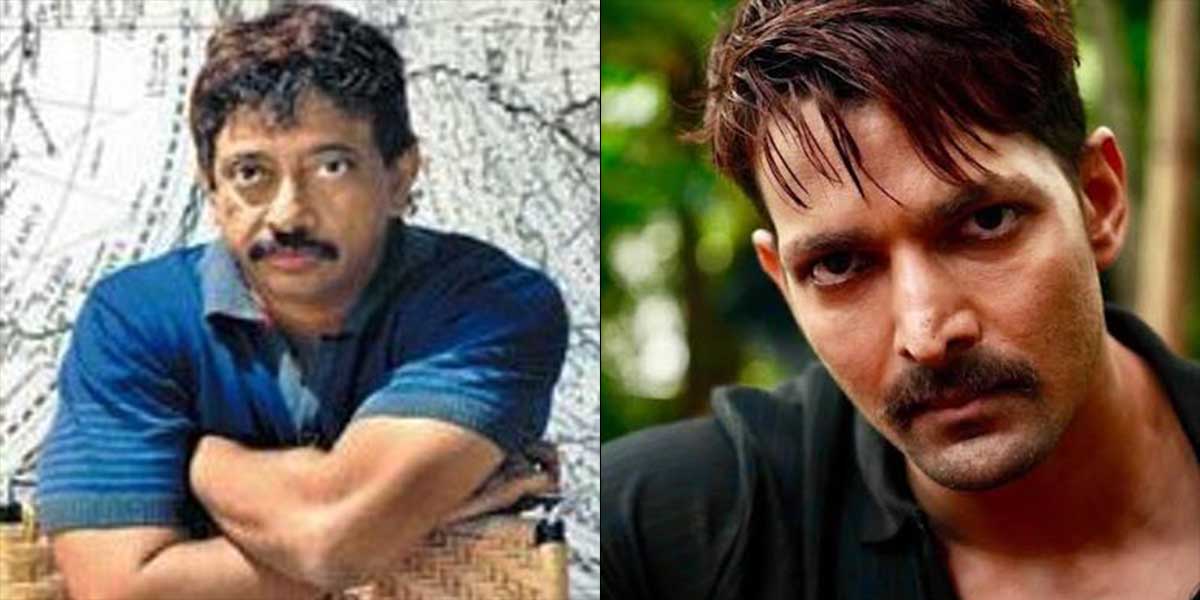
In the grand circus of Bollywood, where originality is a rare guest and recycling is the house specialty, Ram Gopal Varma has once again decided that the Mumbai underworld still has unpaid rent in his imagination. T-Series and RGV have joined hands for Police Company, with Harshavardhan Rane stepping into the shoes of legendary encounter specialist Daya Nayak. Because clearly, the world was starving for yet another film about the man who has already inspired Ab Tak Chhappan, Aan: Men at Work, Risk – a Kannada biopic. RGV has drunk from the underworld so many times that the water must taste like leftover Satya, Company, D, Sarkar, Rakta Charitra and whatever else he poured into the same glass over three decades. The man once made Shiva in Telugu, remade it in Hindi, and then, years later, decided the world needed Shiva again in 2006, purely out of artistic restlessness, or so the legend of his arrogance goes. That third attempt did not exactly set the box office on fire. Yet here we are, watching the same director circle back to the same blood-soaked alleys, this time with the same encounter-cop template he already helped popularise. Recent years have not exactly been kind to the once-feared RGV brand. A string of flops, legal headaches, public spats and the general air of a man still fighting yesterday’s battles have followed him. The same man who once bent the crime film to his will now seems determined to prove that repetition, when done with enough swagger, can pass for reinvention. Whether Police Company will feel like a fresh bullet or just another spent casing remains to be seen. The underworld keeps dying on screen, and somehow Ram Gopal Varma keeps bringing it back to life.
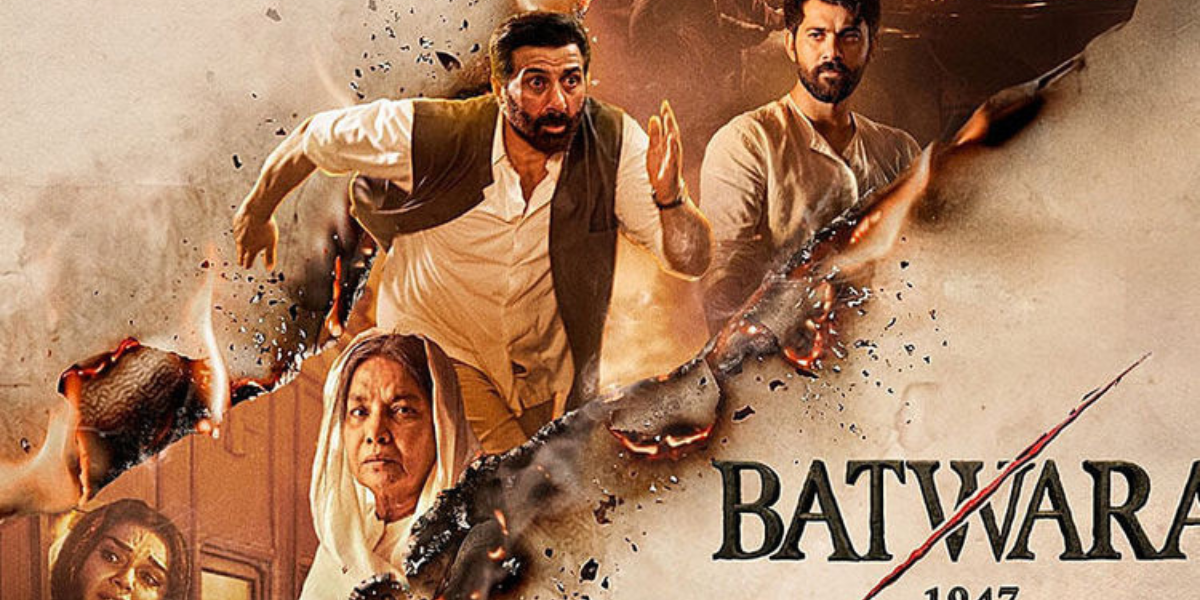
Batwara 1947, which was earlier titled Lahore 1947, reunites the same director-star pair of Sunny Deol and Rajkumar Santoshi after nearly three decades and is scheduled for release on 14th August 2026 as the Independence Day or Partition Day weekend. Produced by Aamir Khan Productions with music by A R Rahman, it is a serious period drama set against the 1947 Partition. The trailer has been widely praised for its scale, emotional weight, and trademark Santoshi–Deol intensity, yet the pre-release buzz remains relatively muted. The heavy, solemn subject matter and Sunny’s casting in a more restrained, principle-driven role, rather than pure action-hero mode like Jaat and Gadar franchise, have so far limited the kind of mass excitement usually associated with an Independence Day release. Current box-office conversation is still dominated by Spider-Man, leaving Batwara needing a sharper final push. Let’s remember the release of Damini which was released on 30th April 1993. Directed by Rajkumar Santoshi and featuring Sunny Deol in a career-defining supporting turn as the fiery lawyer Govind, it became a blockbuster and is remembered as a cult classic for its strong social message, Meenakshi Seshadri’s performance, and iconic dialogues. Audiences responded to the justice-driven courtroom drama, Sunny’s intensity…turning it into a sustained success rather than a pure opening-day phenomenon. The Santoshi–Deol combination delivered the expected high-voltage signature—raw anger, moral force, and memorable lines that amplified the film once people started talking about it. The parallel with Damini is clear. Both films carry the Santoshi–Deol DNA of high-stakes moral drama and potent dialogues. Damini proved that a serious subject can open respectably and then explode on the strength of word of mouth once audiences experience the emotional payoff. Can Batwara 1947 follow the same path, deliver the expected intensity in theatres? One has to wait and watch.
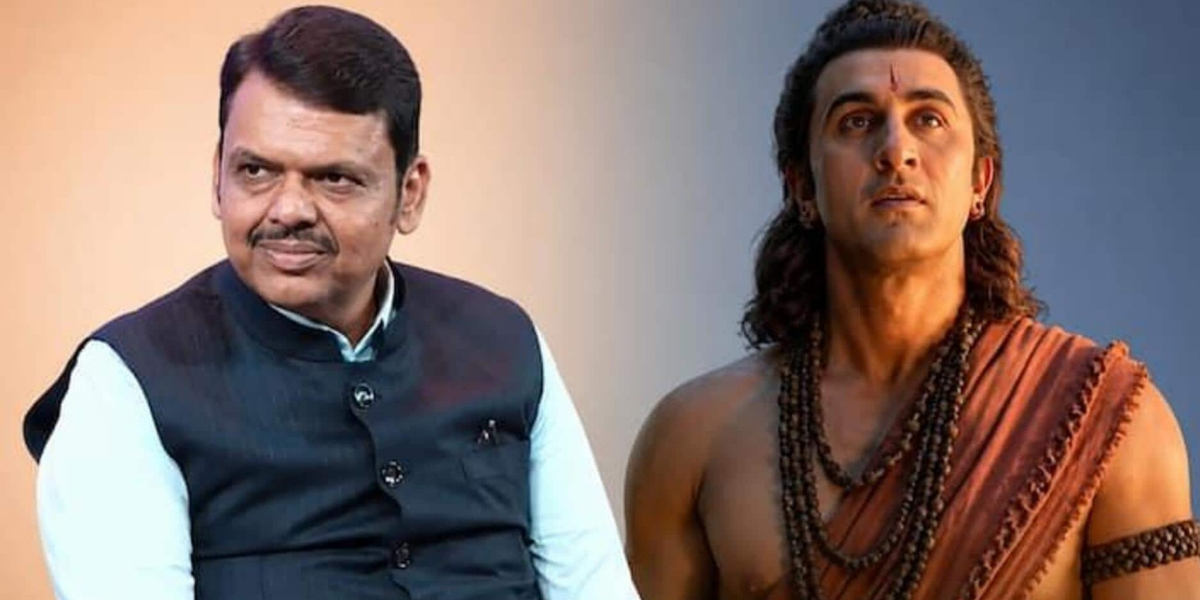
Maharashtra chief minister Devendra Fadnavis has officially joined the film promotion business. At the inauguration of Namit Malhotra’s Prime Focus Studio on 6 August 2026, he declared he would be “very disappointed” if Nitesh Tiwari’s Ramayana, starring Ranbir Kapoor, Sai Pallavi and Yash, fails to win an Oscar. “It’s not a film of a decade,” he announced, “it’s a film of a millennium.” Earlier, at the Waves Summit, he had already been “amazed” by its scale. When a CM starts campaigning this openly, the marketing budget has just received a free government upgrade. This is no isolated outburst. It is the latest evidence of a larger shift: Politicians have become Bollywood’s most enthusiastic publicists. PM Narendra Modi has repeatedly endorsed films like The Kashmir Files, The Kerala Story and Article 370 as correctives to “fake narratives.” Amit Shah has praised select projects from special screenings. Yogi Adityanath has made multiple films tax-free and personally felicitated their teams. Across BJP ruled states, official blessings, tax waivers and photo-ops have become as routine as the interval. History offers precedents. MGR and NT Rama Rao built political careers on their screen images. Karunanidhi wrote scripts from the CM’s office. The difference today is the scale, the coordination, and the open fusion of mythology with nationalism as reliable box-office fuel. Ramayana sits perfectly at this intersection; big, mythological, technologically ambitious, and timed for maximum cultural resonance. By elevating it to a civilisational project, Fadnavis has given the film a halo no conventional campaign can buy. The politicians are no longer silent well-wishers. They are the new faces of the campaign, delivering the soundbites themselves. In today’s India, the red carpet increasingly leads straight to the corridors of power.
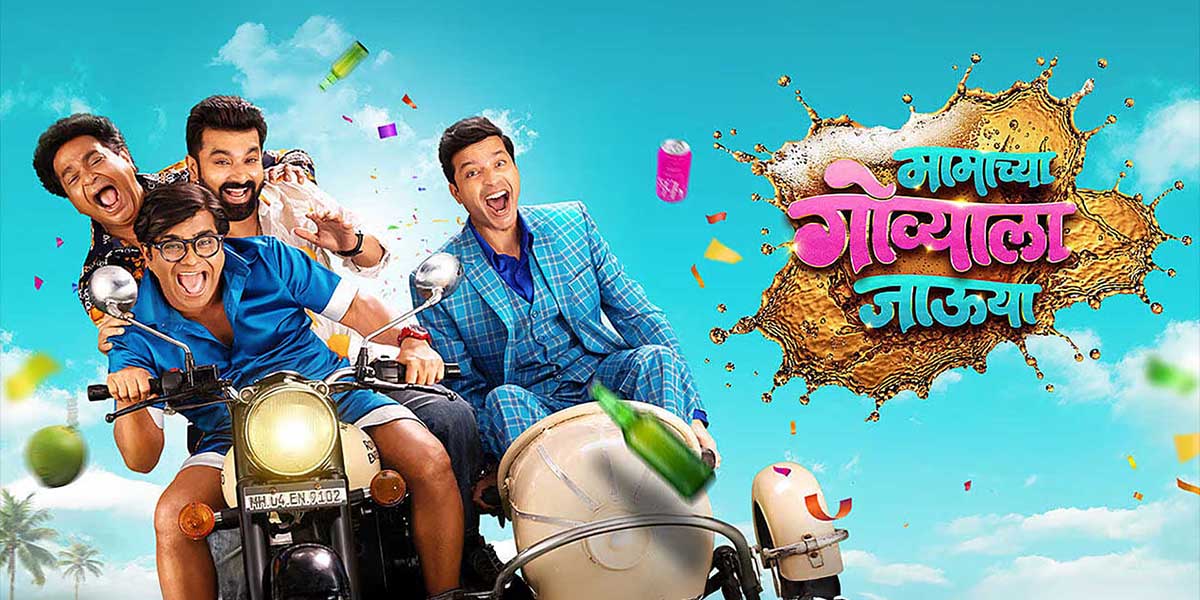
Mamachya Govyala Jauya, directed by Viju Mane and starring Santosh Juvekar, Kushal Badrike, Abhijit Chavan and Ankush Chaudhari, has delivered a modest box-office performance in Maharashtra. Early estimates place its India lifetime collection around Rs 1 crore, with an opening weekend of roughly Rs 72 lakh. In a year when titles like Raja Shivaji and Deool Band 2 have shown Marathi cinema’s commercial potential, these numbers feel underwhelming. More striking than the collections were the promotional tactics. The campaign repeatedly highlighted how Marathi films struggle for multiplex screens and cannot compete with a global franchise like Spider-Man: Brand New Day. There were also claims that Hollywood profits largely leave India, ignoring the substantial benefits that Indian exhibitors and theatre chains gain from such big releases. Adding emotional weight, it was publicised that director Viju Mane had mortgaged his wife’s, sister’s and mother’s gold ornaments to finance the film. While personal sacrifice may evoke sympathy, using it as a primary marketing tool risks coming across as victimhood rather than confidence. Comparing a mid-budget Marathi comedy to a multi-decade international franchise is neither fair nor strategic. Audiences and exhibitors respond to content that delivers, not to complaints about unequal treatment. Emotional rants about lack of shows or family jewellery do not fill seats. Quality does. Marathi cinema has repeatedly proved this with films like Ghabadkund and the Deool Band franchise, which succeeded through strong storytelling and craft. The industry does not need more orthodoxy or self-pity. It needs filmmakers who prioritise making better films. When the product is strong enough, screens and audiences follow.
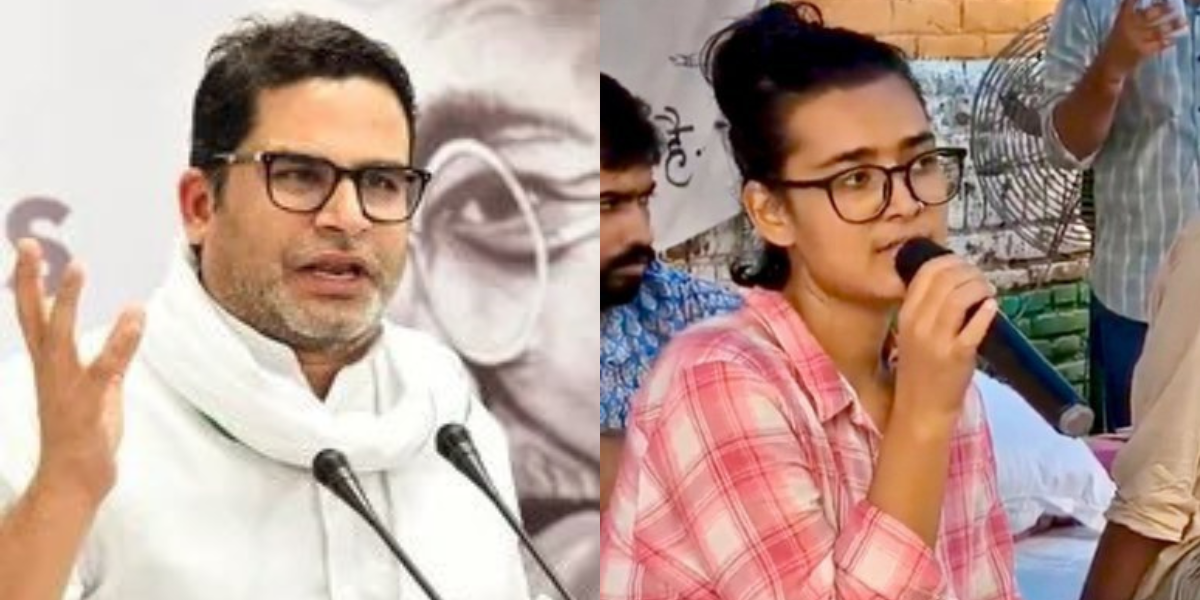
Social media algorithms have rewritten the rules of visibility in Indian public life. They do not reward traditional hierarchy, institutional experience or even consistent ideology. They reward engagement, outrage, novelty, humour, emotion and shareability. The result is a new class of algorithm-born stars who appear everywhere, regardless of a user’s political leanings. Prashant Kishor exemplifies the phenomenon. Once a behind-the-scenes strategist, he is now omnipresent after his Bankipur by-election victory. Short, sharp clips of his speeches, critiques of the status quo and youth-focused messaging travel relentlessly across feeds. Platforms amplify what keeps users scrolling; Kishor’s content delivers high retention, so the algorithm pushes it into timelines of both supporters and sceptics. Neha Bora and the Cockroach Janta Party (CJP) show how the same system can manufacture stars almost from nowhere. Founded by Abhijeet Dipke as satirical pushback against a judicial remark, CJP weaponized memes, AI-generated imagery and youth frustration over unemployment and exam scandals. Within days it amassed millions of followers. Neha Bora, an AISA activist linked to the movement’s hunger strikes and protests, became a recurring face after a viral dance video and protest footage. Algorithms detected the emotional charge and recirculated her content widely, making her unavoidable even for those who never sought her out. The same logic works in reverse. Established BJP-linked celebrities such as Ravi Kishan and Kangana Ranaut, once algorithm favourites, now face meme-driven decline when their content underperforms or invites ridicule. Platforms care little for loyalty; they care about what sustains attention. In the U.S., the 2016 Trump campaign thrived because X’s engagement-driven feed rewarded provocative posts, turning him into a constant presence. Similarly, TikTok’s For You page has elevated obscure creators into political voices, just as Instagram Reels did for CJP....

Bhumi Pednekar’s recent statements on the Cockroach Janta Party protests reveal a deliberate pattern of dual engagement rather than ideological flip-flops. In mid-July, she backed student protesters after the ‘Sansad Chalo’ march, condemning police force, highlighting education system failures like paper leaks, and calling for dialogue while noting she did not agree with everything said at the protests. Soon after, she posted a video criticising the abusive slogans against Prime Minister Narendra Modi, calling such language un-Indian and stressing respect for the highest office and cultural values. The video drew sharp backlash for perceived selective outrage. She followed up by defending a young female protester facing rape and death threats, linking it to broader women’s harassment and her own experiences of online bullying. Pednekar was never a hardcore “Modi Bhakt.” Early in her career she supported aligned government initiatives such as the plastic ban and Swachh Bharat messaging, and donated to PM-CARES. Simultaneously, she condemned police violence during the 2019 anti-CAA/Jamia protests and defended peaceful dissent. Her consistent public focus remains gender equality, climate action, and education. She has also indicated openness to politics, saying national service is “in her blood.” No imminent film release drives the timing. Her major upcoming project, the historical epic The Pride of Bharat: Chhatrapati Shivaji Maharaj, is targeted for 2027. The statements appear aimed at sustaining a broad, responsible-celebrity brand: progressive on social issues, respectful of institutions, and positioned for constructive change rather than confrontation. This keeps her relevant across audiences without locking into one political camp
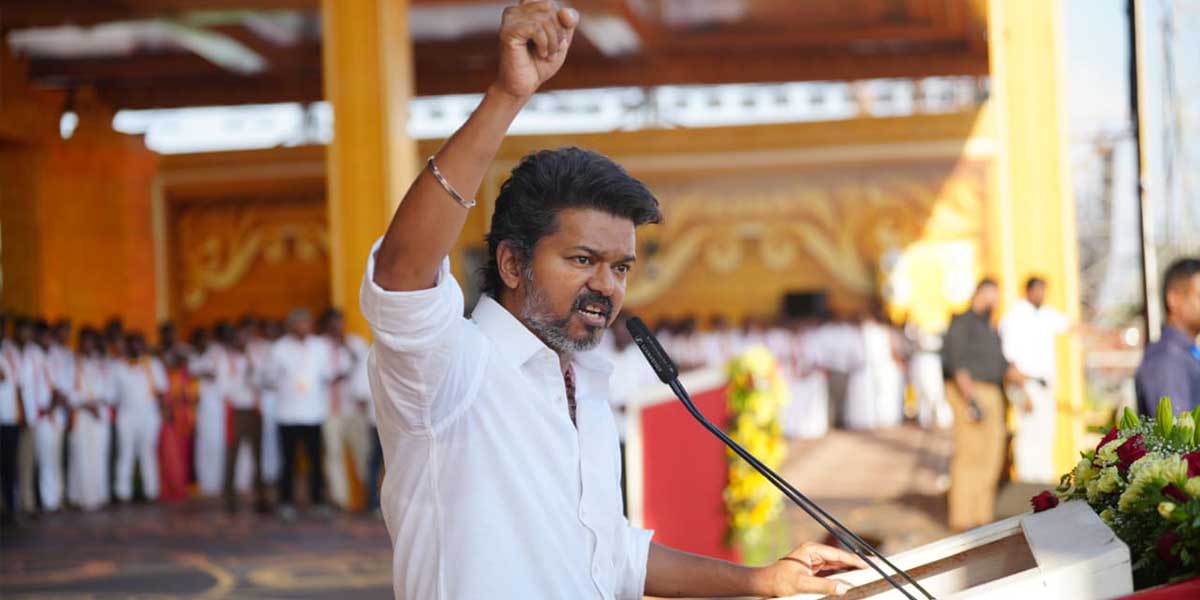
The arrest of former Tamil Nadu deputy CM Udhayanidhi Stalin by the Tamilaga Vettri Kazhagam (TVK) government under chief minister C. Joseph Vijay marks the latest chapter in TN’s long tradition of political vendetta. Booked for alleged sexually suggestive remarks linking Vijay and actor Trisha during a Cauvery protest, Udhayanidhi was detained from his Chennai residence, taken to Thanjavur for questioning, and released on station bail after Madras High Court intervention. The episode reveals how even a fresh political force quickly absorbs the state’s established grammar of power. This pattern is not new. The bitter rivalry between M Karunanidhi and J Jayalalithaa institutionalised revenge as governance. The 1989 Assembly clash, in which Jayalalithaa’s saree was pulled, poisoned relations for decades. After the DMK returned to power in 1996, Karunanidhi’s government filed multiple corruption cases against Jayalalithaa, leading to her arrest and the creation of special courts. In 2001, after AIADMK’s victory, Jayalalithaa repaid the debt with theatrical force: a midnight arrest of the 77-year-old Karunanidhi in a flyover scam case, complete with physical resistance, media cameras, and the detention of Union ministers who tried to intervene. Subsequent regimes followed the same script: raids, selective prosecutions and public humiliation of rivals whenever power changed hands. Vijay’s TVK, which ended nearly six decades of DMK-AIADMK dominance in the 2026 elections, was expected by many to break this cycle. Instead, it has deployed the identical toolkit. In TN, control of the police and prosecution remains the quickest way to assert dominance and settle old scores. Vijay’s early resort to this method shows that star power and outsider status offer no immunity. The train of revenge politics continues, simply with a new driver at the helm.
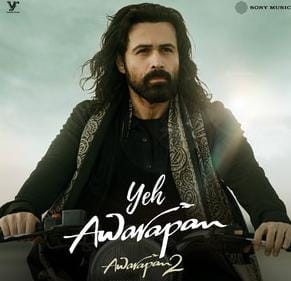
As the Independence Day weekend of 14 August 2026 approaches, two films stand locked in a high-stakes clash: Emraan Hashmi’s Awarapan 2 and Sunny Deol’s Batwara 1947. One rides on 19-year-old cult nostalgia; the other on patriotic scale, Aamir Khan’s production muscle and AR Rahman’s score. Yet trade circles and social chatter note a striking imbalance. While Batwara 1947’s trailer, dropped on 28 July, generated immediate heat and “Gadar vibes,” Awarapan 2 has struggled to sustain comparable mass visibility despite a planned promotional runway. Hashmi’s lead track record largely explains the caution. Since Raaz 3 in 2012, his films have largely underperformed. Selfiee in 2023, Ground Zero and Haq in 2025 were disappointments. Supporting turns in Tiger 3 and the Telugu hit They Call Him OG earned praise and box-office association, but they did not restore the “opening power” once associated with the serial-kisser phase. Audiences have grown selective; nostalgia alone no longer guarantees footfalls when recent leads have disappointed. Against this backdrop, Awarapan 2’s campaign has been steady but restrained. The teaser arrived on 29 June and drew warm fan response for its brooding tone and reworked Toh Phir Aao. Songs followed: Ve Junoon on 7 July and Yeh Awarapan by Arijit Singh on 21 July. A motion poster on 29 July teased the return of Tera Mera Rishta. Vishesh Films had signalled a month-long push centred on music and character. Yet the music has not delivered the expected chart dominance the original album still enjoys. Has Emraan lost hope? Awarapan 2 still holds the advantage of an emotional core and a loyal following that turned the 2007 original into a cult phenomenon long after its theatrical failure. Whether that converts into theatre numbers is a moot point. For now, the marketing gap is real and it mirrors the star-power gap Emraan has been trying to close for over a decade.
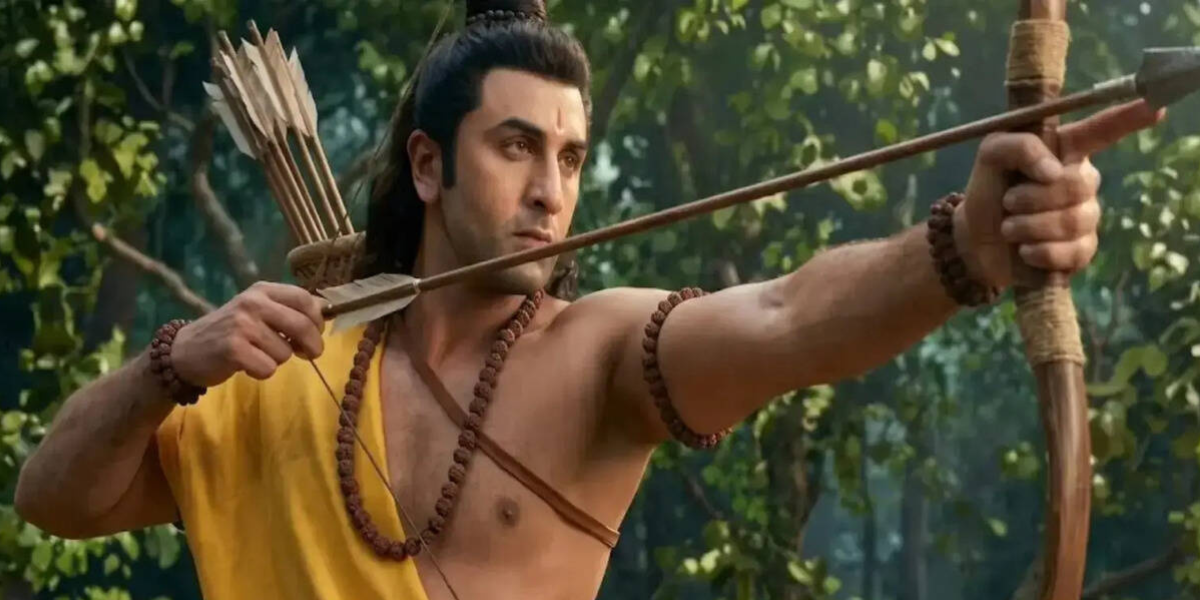
Ranbir Kapoor’s first full look as Lord Rama in the Ramayana trailer has left many feeling underwhelmed. Where the Animal trailer exploded with raw intensity, unforgettable screen presence and a character that lodged itself deep in the audience’s mind, this one feels strangely ordinary. The impact that was expected for a film of this magnitude simply isn’t there. Ranbir looks regular, slightly out of sync and artificial. He does not inhabit the element of Rama. The dialogue delivery stays flat and familiar, carrying no novelty or divine authority. For a project this massive, some experimentation with the character was essential. Instead, the costumes and overall presentation lean into excess artificiality, giving the frames a fake, ordinary sheen that has triggered mixed reactions. The problem is compounded by timing. Audiences are still under the spell of Ranbir’s Animal avatar. That performance was so brilliantly etched and embedded in public memory that anything following it was always going to be measured against that high. Earlier, the shift from romantic hero to intense action figure felt digestible. After Animal, however, this Rama comes across pale and weak. The gravity and quiet power the role demands are missing. Ramayana is ultimately the story of Rama. Technicians, scale, VFX and a formidable Ravana where Yash is clearly commanding attention, will support the film. Yet the central figure must carry the emotional and spiritual weight. Right now, Ranbir’s Rama does not rise to that mark. The trailer has grandeur, but the soul of the protagonist feels diluted, leaving viewers hoping the final film rediscovers the force that Animal delivered so effortlessly.
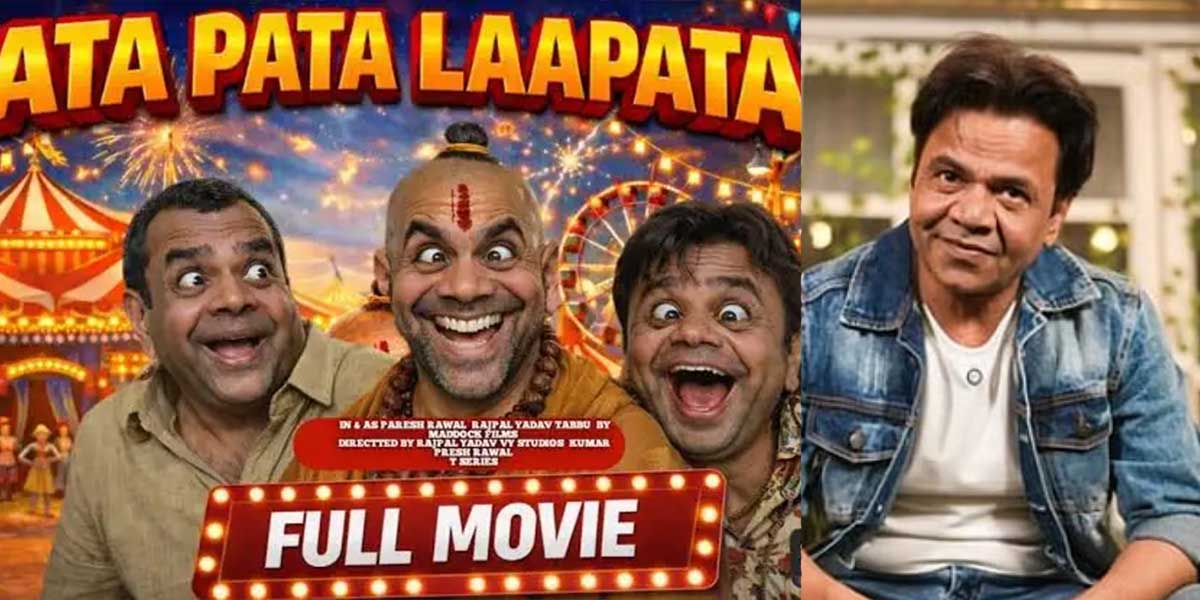
In a stunning case of reel life turning eerily prophetic, the Delhi High Court’s July 10, 2026 verdict upholding Rajpal Yadav’s conviction in a Rs 5 crore cheque-bounce scandal has thrown a harsh spotlight on how his 2012 directorial debut Ata Pata Laapata uncannily predicted his own downfall. Convicted in seven cases but with jail reduced to three months, the actor now faces massive compensation orders; a real-world echo of the film’s satirical chaos. In the film, Yadav’s protagonist sees his house mysteriously vanish and turns to the law for justice, only to become the prime suspect in a web of bureaucracy, corruption, and twisted justice. The bold satire mercilessly lampoons a system that punishes the victim. It was Yadav’s passionate directorial debut, conceived in 2005 amid industry recession and strikes, produced by his wife Radha under their family banner with a massive ensemble cast and heavy personal investment. Yadav secured bank loans for the Rs 20 crore project. In 2010, businessman Madhav Gopal invested Rs 5 crore with repayment agreements in place. However, after a heated argument following the 2011 music launch, Gopal allegedly obtained a pre-release stay order, publicly accused Yadav of fraud, and sabotaged the November 2, 2012 release. Despite over 1,000 screens booked, the film vanished from theatres within days; mirroring the protagonist’s missing house and flopped commercially. Post-dated cheques bounced amid the chaos, dragging Yadav into the very legal ordeal he had mocked on screen. While reducing the latest sentence, the court criticised his conduct, noting the law cannot be “rewritten at the will of an actor.” Yadav claims the investor’s rage destroyed not just his dream but endangered artistes and massive finances. As he eyes an appeal, this prophetic saga blurs fiction and harsh Bollywood reality in the most scandalous way.
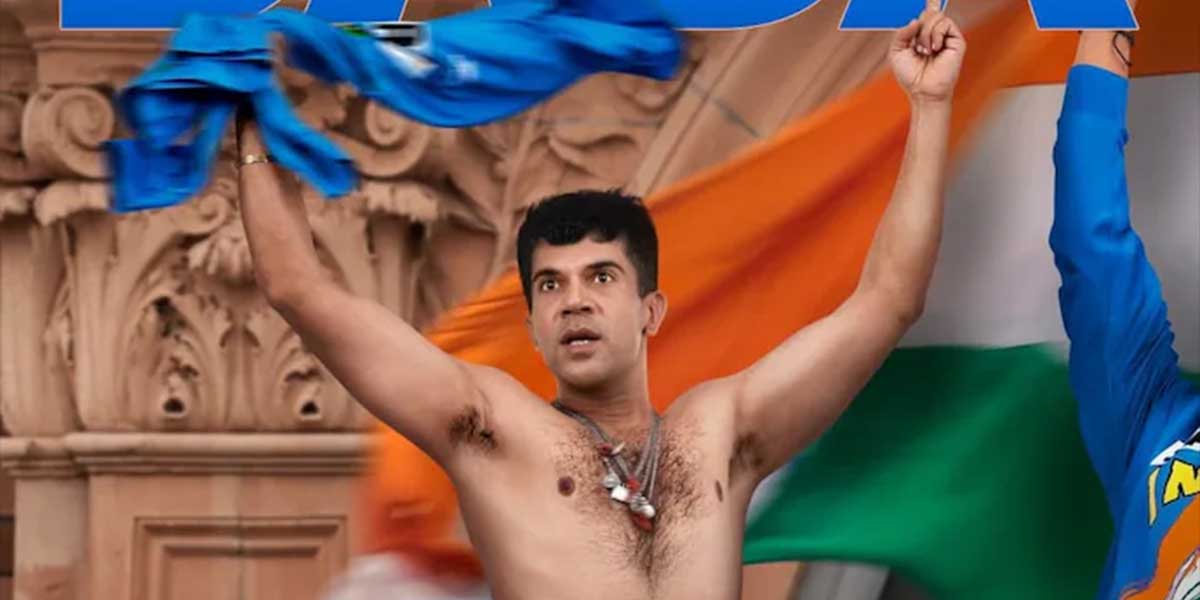
The first poster of Dada: The Sourav Ganguly Story, unveiled on Ganguly’s 54th birthday, recreates his iconic 2002 shirt-waving moment at Lord’s with Rajkummar Rao topless and jersey in hand. Directed by Vikramaditya Motwane for a May 14, 2027 release, the image evokes nostalgia but appears static and restrained, lacking the high-energy drama needed for a mass-appeal cricket biopic. Rajkummar Rao’s recent filmography underscores the risk. While Stree 2 delivered an all-time blockbuster, several projects faltered: Bheed was a major disaster with netting just Rs 2 crore; Mr & Mrs Mahi managed modest numbers around Rs 7 crore; Srikanth crossed Rs 60 crore worldwide but remained a middling performer relative to budget and expectations. Other efforts like Vicky Vidya Ka Woh Wala Video were below average, highlighting inconsistent solo draws despite critical acclaim. Motwane’s own track record adds caution. Films like Bhavesh Joshi Superhero and Lootera earned praise but struggled commercially, while even acclaimed works such as Udaan and Trapped relied more on niche appeal than broad box-office success. Cricket biopics have a dismal history. Azhar flopped commercially, and 83 with Ranveer Singh as Kapil Dev, underperformed domestically due to costs and timing. Ganguly’s tale of aggressive leadership and controversies holds promise, yet biopics frequently face challenges with pacing, dramatization, and audience fatigue. Early signals for Dada suggest a dignified but visually subdued start that may not spark immediate excitement. With Luv Films producing, the team has time for strong marketing, but history indicates star power and nostalgia rarely suffice to overcome the sub-genres curse. Execution will be decisive.
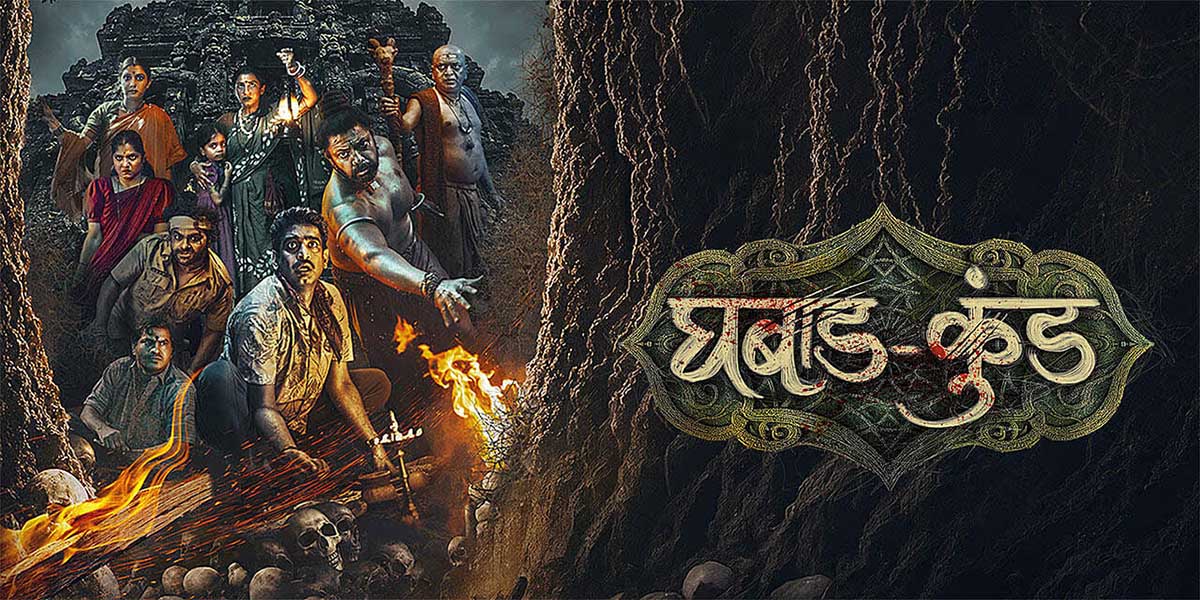
The resounding success of Ghabadkund has ignited a new era in Marathi cinema, marking the birth of its first-ever cinematic universe. Produced by Dr Rasik Kadam and directed by Pritam SK Patil, the film masterfully blends suspense, action and ancient folklore set against a mysterious cursed reservoir in Maharashtra’s untamed heartlands. It introduces an overarching lore of hidden treasures, forbidden rituals, and awakening malevolent forces, not as a standalone tale, but as the foundation for interconnected stories that celebrate the region’s rich mythology and cultural soul. With a reported Rs 6 crore budget, Ghabadkund has delivered a strong verdict, amassing approximately Rs 7.57 crore in total collections by around Day 16 (Maharashtra contributing the lion’s share). In the producer’s visionary words, “We are creating a universe that belongs to our soil, our stories, and our people. This is just the beginning.” Ghabadkund has paved the way, drawing audiences into a shared world where legends intertwine across time and terrain. The narrative now expands organically, with everyday elements like bustling dhabas along rural highways becoming pivotal nexuses. Here, ordinary lives collide with extraordinary secrets, weaving emotional conflicts, treasure hunts, and escalating mysteries that bind future chapters into a grand narrative. Encouraged by good response, Dr Kadam has announced a massive Rs 50 crore investment for the second chapter. This technologically advanced instalment is poised to be one of the biggest in Marathi cinema history, targeting global audiences while staying rooted in local ethos. Spanning six interconnected films overall, the franchise promises unprecedented scale in visuals, storytelling, and production values. As Ghabadkund continues its strong box-office journey, the Marathi cinematic universe stands as a testament to bold Marathi ambition.
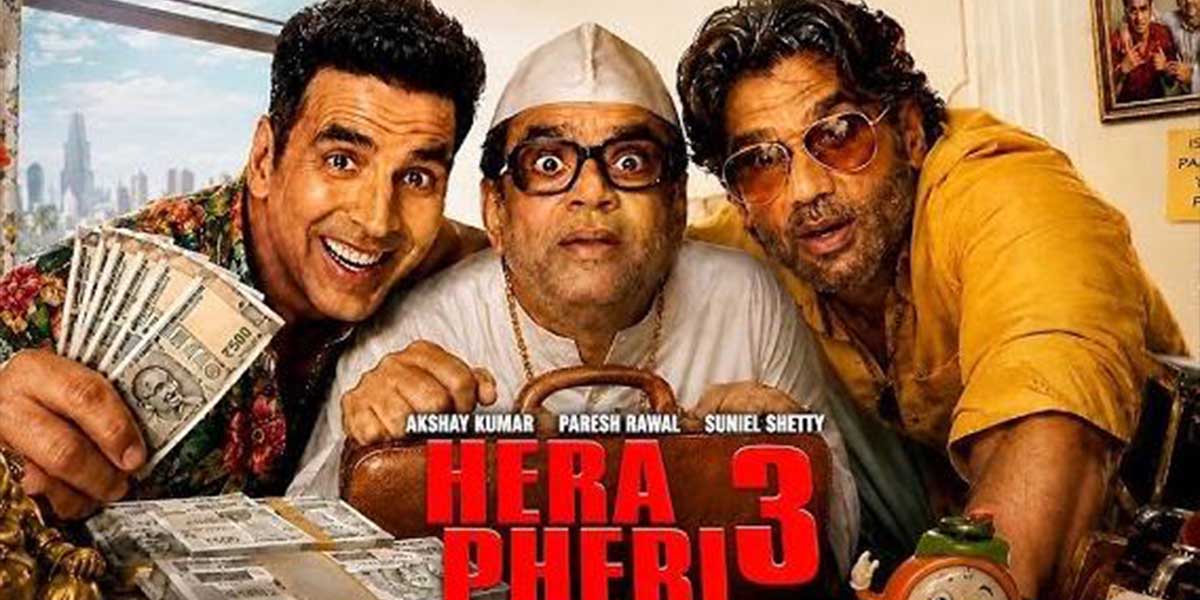
For over a decade, Hera Pheri 3 has resembled its own chaotic plot which was full of twists, betrayals, and shifting alliances. What began as a dream reunion of the iconic trio (Akshay Kumar as Raju, Suniel Shetty as Shyam and Paresh Rawal as Baburao) under director Priyadarshan quickly descended into a messy legal and personal battlefield. Producer Firoz Nadiadwala (linked to the original franchise) fought prolonged rights battles, including clashes with Eros and later South Indian producer Vijay Kumar over copyright claims tied to the source material. Banners shifted when Akshay Kumar’s production house, Cape of Good Films LLP, stepped in and secured key rights from the original producers. This marked Akshay’s transition from star to controlling force. Drama peaked in 2025 when Paresh Rawal exited amid reported fee or creative disputes. Akshay’s company swiftly slapped a Rs 25 crore legal notice for alleged sabotage and unprofessional conduct. The matter was resolved after interventions; Paresh returned, paid dues with interest, and confirmed his participation, proving Bollywood friendships are transactional. Priyadarshan’s recent exit added fuel. He accused Firoz Nadiadwala of repeated insults over years and claimed Firoz allegedly told Akshay never to work with him. Then came the decisive July 4, 2026, public notice in Complete Cinema magazine by Cape of Good Films LLP. It boldly asserted sole, exclusive, irrevocable worldwide rights to produce, distribute, and commercially exploit Hera Pheri 3 across all platforms. This move effectively hands Akshay Kumar full creative and commercial freedom, seemingly sidelining previous partnerships. With the trio reportedly aligned and Akshay asserting dominance, the long-delayed comedy may finally escape development hell. Whether it delivers the laughs or more hera pheri remains to be seen.
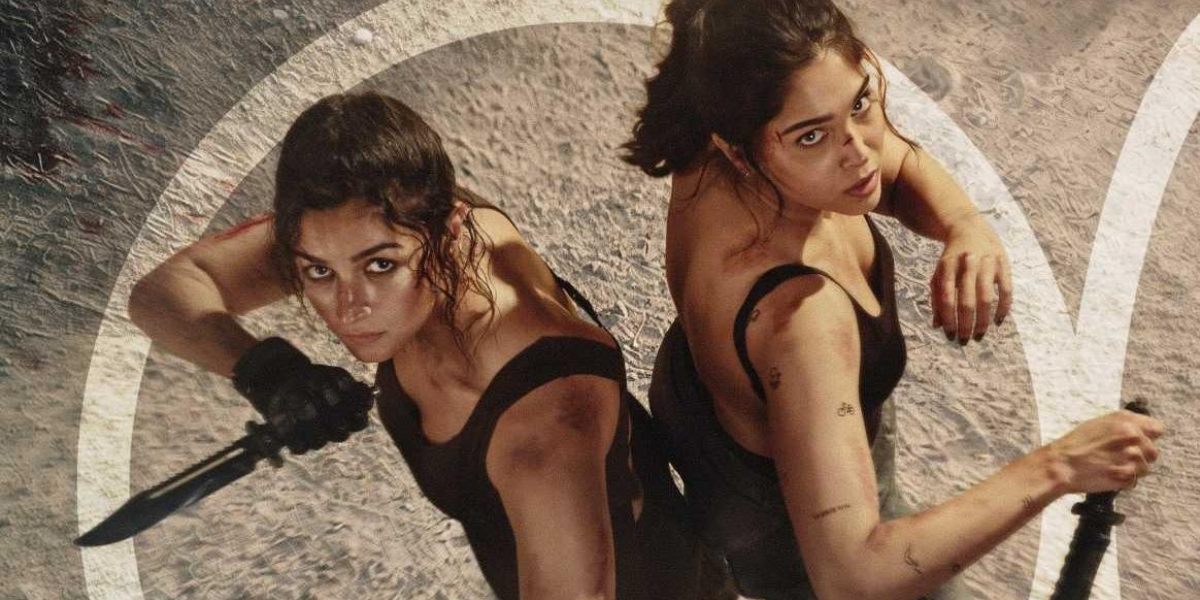
The YRF Spy Universe’s latest outing Alpha, starring Alia Bhatt and Sharvari, has failed to emerge as the massive crowd-puller many anticipated. Despite pre-release hype positioning the two actresses as dynamic, cool young leads ready to anchor a female-driven spy thriller, the film’s opening weekend collections hovered around a modest Rs 34 crore nett in India and approximately Rs 60 crore worldwide; underwhelming figures for a big-budget franchise entry. What began as a seemingly seamless partnership between two young female protagonists quickly soured after release. Word of mouth turned dull, with critics and audiences pointing out that Sharvari’s role felt like little more than a glamorous showpiece with limited depth. Marketing missteps, including a controversial appearance on India’s Got Latent 2, comparisons of the film’s first look to Hollywood’s Nikita, and the perceived forced, superficial cameo by Hrithik Roshan, further dented momentum. The absence of any memorable chart-topping songs, which is a YRF trademark, only compounded the issues. Now, fresh videos of Alia and Sharvari meeting theatre audiences have surfaced, revealing a noticeable shift in their dynamic. While Sharvari appears energetic and engaging, Alia looks visibly upset, subdued, and far from her usual positive, dynamic self. In several clips, she maintains an uncomfortable posture, her expressions hinting at possible jealousy or quiet resentment. The easy camaraderie and playful chemistry showcased during promotions have seemingly evaporated. What was once marketed as a powerful female buddy pairing appears strained in the face of Alpha’s mixed reception. With collections not living up to expectations and personal awkwardness on display, it remains to be seen if Alia and Sharvari can salvage both their professional rapport and the film’s long-term prospects. The early signs, however, suggest everything may not be as picture-perfect as it once seemed.

Cocktail 2 entered its second week on a relatively stable note despite the arrival of a major competitor in the name of heavyweight, Welcome to the Jungle. After a strong first week of Rs. 70.50 crore net, the Shahid Kapoor-Kriti Sanon-Rashmika Mandanna starrer collected Rs 4 crore on Friday (Jun 26) which was the 8th day, followed by Rs 4.25 crore on Saturday (Jun 27) and Rs 4.40 crore on Sunday (Jun 28) i.e. 10th day. These numbers were respectable for a film facing fresh competition, showing it could still command decent screens and audience interest over the weekend. However, Monday, the 11th day, it was a completely different story. Cocktail 2 crashed to just Rs 1.75 crore net from 3,873 shows at a low 16.51% occupancy, taking its domestic collections to Rs 84.90 crore. The nearly 60% drop from Sunday’s Rs 4.40 crore was brutal and exposed the film’s inability to sustain momentum once the new release tightened its grip. In stark contrast, Welcome to the Jungle delivered a blockbuster opening. The Akshay Kumar-Suniel Shetty comedy raked in Rs 15.25 crore net on its first day, jumped to Rs 20 crore on Saturday, Rs 24.75 crore on Sunday, and still posted a solid Rs 8.50 crore on Monday which was its 4th day. In just four days, it amassed Rs 72.25 crore net in India; more than Cocktail 2 managed in its entire first week plus four days of the second. But the moment Monday arrived; the ultimate testing day for every film’s staying power, Cocktail 2 completely surrendered. A Rs 1.75 crore Monday against a competitor’s Rs 8.50 crore is not a hold; it is a rout. The numbers don’t lie; competition killed Cocktail 2’s second week and effectively ended its theatrical momentum far earlier than it deserved.
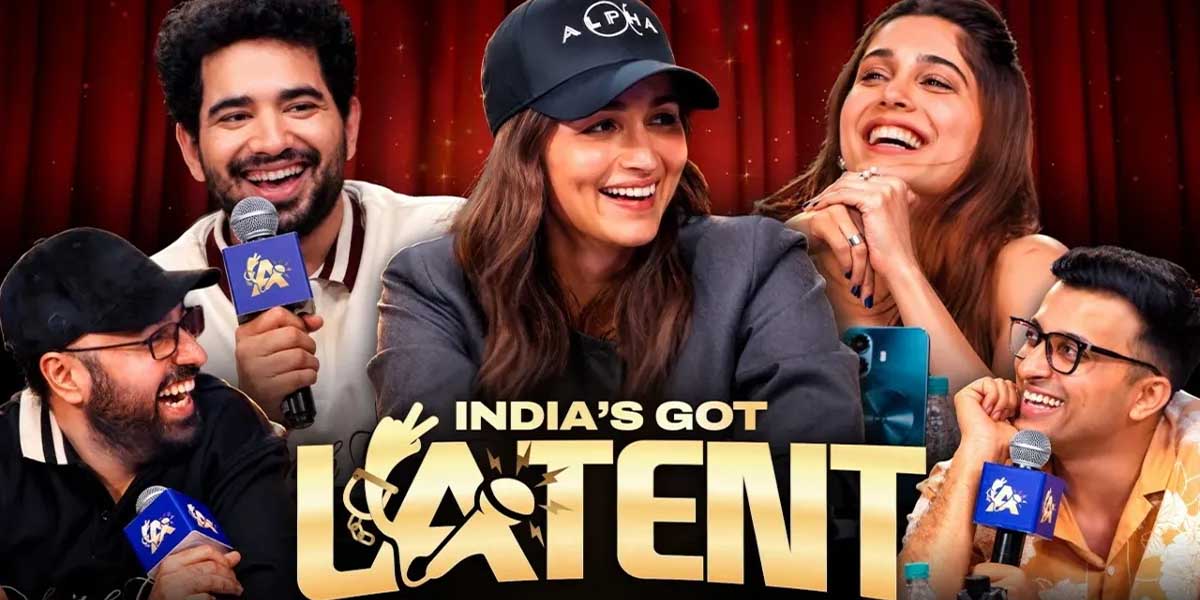
In a jaw-dropping display of corporate desperation, Netflix, the self-proclaimed king of global streaming, has been forced to its knees by comedian Samay Raina. Season 2 of India’s Got Latent premiered on June 20, 2026, at 7 PM IST in a historic simulcast on both Netflix and YouTube. This marks the first time the platform has abandoned its ironclad exclusivity demand for a major title, all because Raina commands a fiercely loyal independent army that no contract could conquer. Raina, with over 9.4 million YouTube subscribers and hundreds of millions of views, built his empire brick by brick on raw, unfiltered chaos. After the explosive 2025 controversy that briefly took the show offline and drew police scrutiny, Raina emerged stronger. Netflix, facing stagnant Indian growth and creator fatigue, reportedly shelled out Rs 20 crore upfront just to get in the room, while Raina shrewdly retained full YouTube control for ad revenue which will roughly go to Rs 60 lakh monthly. Insiders whisper this hybrid deal could net Raina Rs 2 crore per episode through combined streams, brand tie-ins and his strong fanbase. Netflix also greenlit an exclusive stand-up special with him. Here, the giant blinked first. No more “Netflix Original” stranglehold; Raina’s community power forced a revenue-sharing revolution that echoes TVF’s early indie wins but on steroids. This isn’t collaboration; it’s capitulation. In the cut-throat OTT wars, Netflix admitted what Bollywood A-listers and rival streamers won’t: a creator with authentic followers is bigger than the corporate muscle. Raina didn’t just get a deal but he made Netflix share the throne, proving that owning your audience turns even the biggest platforms into desperate suitors.
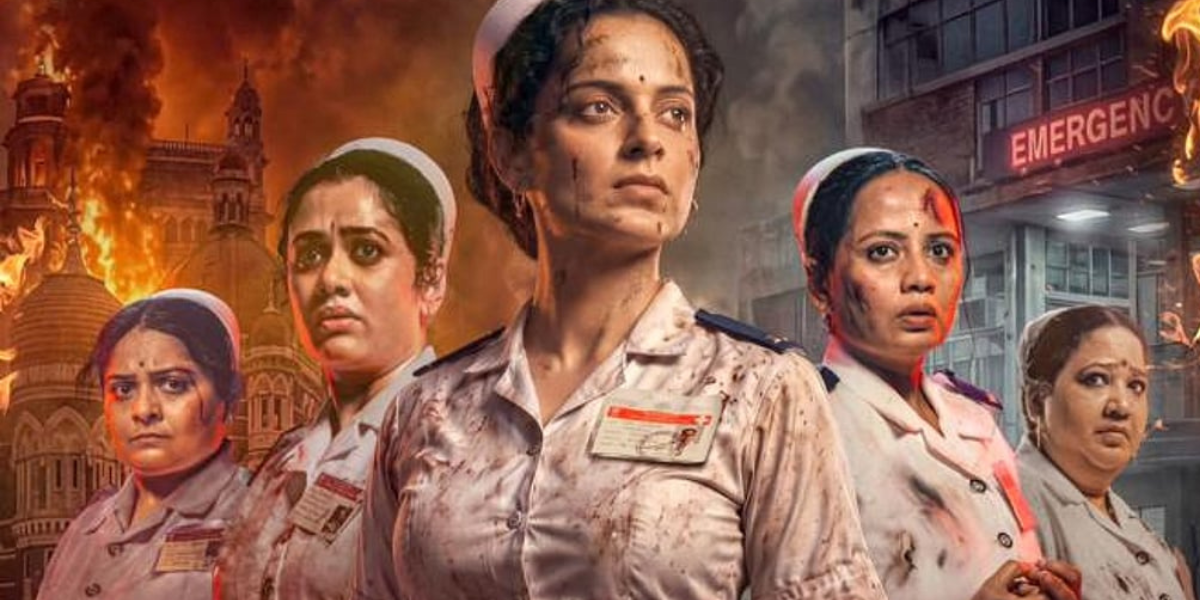
Kangana Ranaut once zoomed through Bollywood like a queen in a sports car; bold, unstoppable, collecting hits and National Awards. But her recent journey has turned into a comedy of errors on four wheels. With Bharat Bhagya Vidhata crashing as the fourth consecutive flop, the highway to silver-screen glory now has a big flashing “Road Closed” sign. It’s time for a playful pit-stop analysis of the last four bumpy rides. First gear: Dhaakad (2022) — Kangana played a slick, gun-toting spy in this high-octane action vehicle. It looked flashy on the trailer highway but the audience took a different route. The film stalled spectacularly; a certified disaster with barely any collections. Flat tyre number one. Second gear: Tejas (2023). She soared as a brave Indian Air Force pilot in a patriotic drama. The emotional highs were there, the aerial stunts impressive, yet the box-office altimeter showed a steep nosedive. Another disaster. The plane of expectations never really left the runway. Third turn: Emergency (2025). Kangana took the director’s seat and played Indira Gandhi in a politically charged drama. It sparked debates and controversies like rush-hour traffic, but multiplex counters saw more tumbleweeds than ticket buyers. Disaster number three: the road was getting narrower. Fourth and final blockade: Bharat Bhagya Vidhata (June 2026). In this intense tribute to the unsung hospital heroes of 26/11, Kangana delivers a sincere, grounded performance as nurse Geeta and even co-produced the film. Noble theme, strong supporting cast, gripping real-life inspiration… yet the audience stayed home. The film city highway looks permanently barricaded for Kangana. Maybe it’s time to take the political exit ramp, where her fiery speeches and larger-than-life persona can still draw crowds and headlines. Or perhaps she’ll do what she does best; go back to the beginning, struggle, fight, and rebuild from scratch.
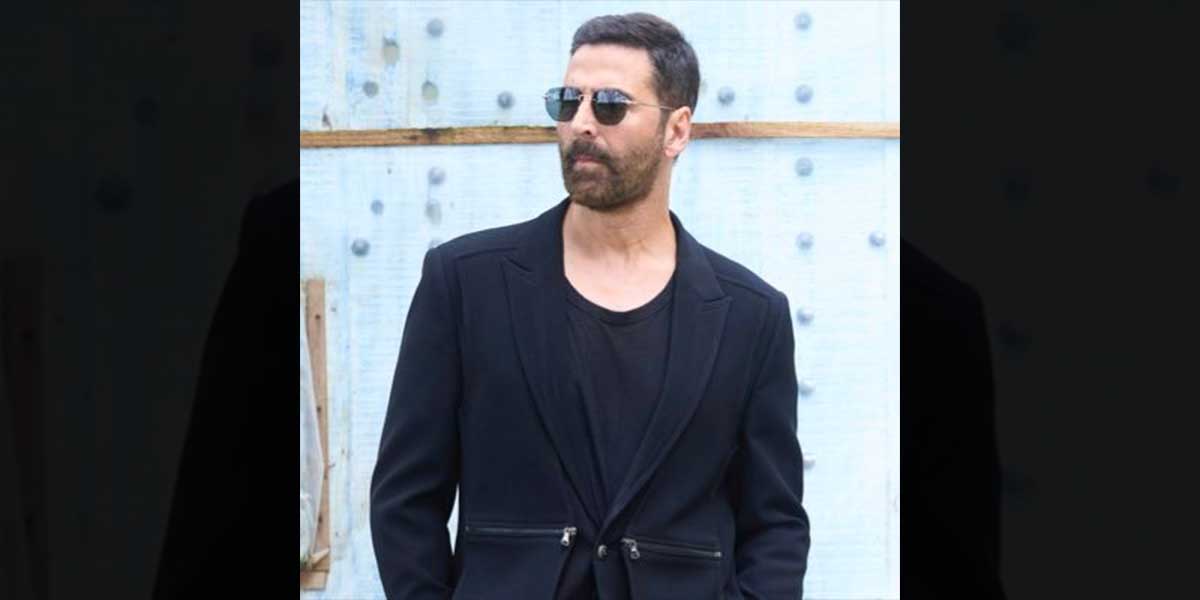
Once Bollywood’s most reliable Khiladi, Akshay Kumar now finds himself in a worrying slump. The new release of Bhooth Bangla, his much-hyped horror-comedy reunion with Priyadarshan after 16 years, has opened to underwhelming numbers. Paid previews fetched Rs 3.5 crore, while Friday’s Day 1 collection stood at Rs 12.25 crore, taking the India net to Rs 15.75 crore so far. Worldwide gross has reached Rs 23.9 crore but these figures fall well below expectations for a big-budget genre film. Mixed-to-negative reviews and weak word-of-mouth have already signalled trouble ahead, with analysts projecting a lifetime India net of just Rs 75 crore at best. This latest disappointment is not the first. Between 2022 and early 2024, Akshay delivered a string of flops: Bachchhan Paandey, Samrat Prithviraj, Raksha Bandhan, Ram Setu, Selfiee, Mission Raniganj, Bade Miyan Chote Miyan, Sarfira, and Khel Khel Mein. A brief 2025 revival with Sky Force and Housefull 5 offered hope, but Bhooth Bangla now threatens to reset the narrative of decline. Industry watchers point to deeper issues. Audiences are increasingly rejecting Akshay’s familiar mannerisms; the same over-the-top energy, predictable comic timing, and larger-than-life hero template that once worked. Overexposure remains a major complaint; the actor’s habit of releasing multiple films a year has led to fatigue. More critically, the storylines and narrations feel non-inventive and recycled, lacking the fresh writing that defined his golden run with Hera Pheri or Bhool Bhulaiyaa. Akshay has acknowledged past criticism and even spoken about audience calls for “kuch alag karo.” Unless he breaks the cycle with genuinely original scripts and reduced output, the once-bankable superstar risks watching his box-office dominance fade further. Bhooth Bangla may still surprise with a miracle hold, but the early signs suggest another chapter in a challenging new phase for the Khiladi.
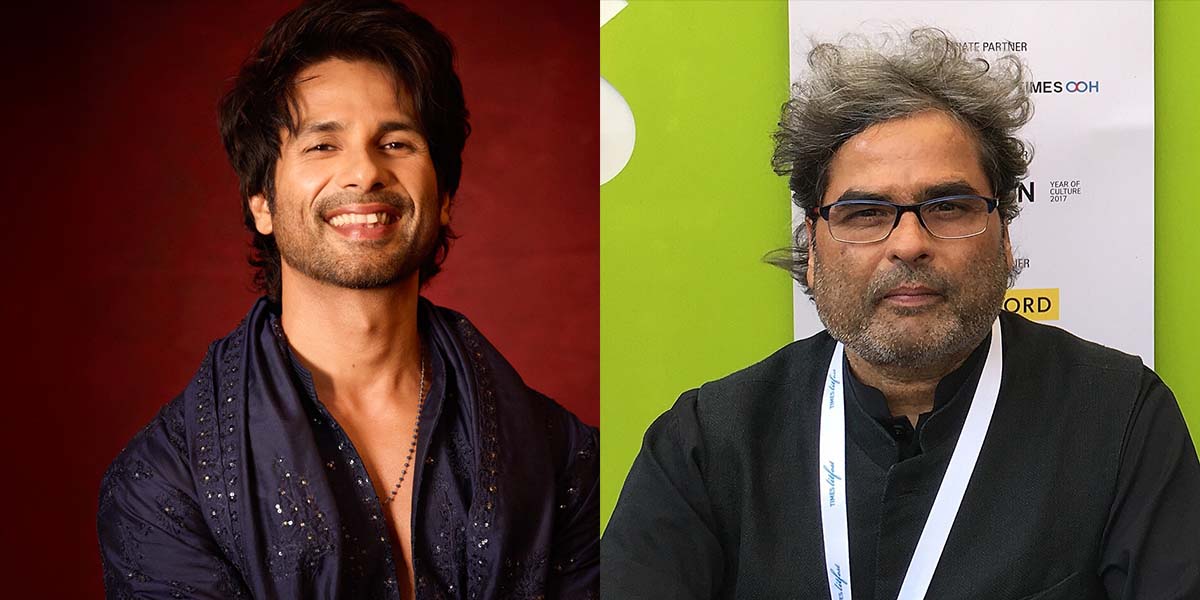
Vishal Bhardwaj and Shahid Kapoor’s collaboration has been a beacon of artistic excellence in Bollywood, yet it consistently grapples with commercial underperformance. Their partnership began with the 2009 caper thriller Kaminey, a film that blended dark humour, gritty realism, and memorable music like the chart-topping Dhan Te Nan. It achieved moderate box office success, grossing around Rs 71 crore worldwide against Rs 35 crore budget, but its niche appeal limited broader mass acceptance. Bhardwaj’s signature style; complex narratives inspired by Shakespeare or real-life grit, often prioritizes intellectual depth over crowd-pleasing masala elements. This pattern persisted in Haider (2014), a haunting adaptation of Hamlet set against Kashmir’s turmoil. Critically acclaimed and award-winning, it earned Rs 70 crore in India on a Rs 24 crore budget. Rangoon (2017), their third outing, was a visual spectacle of wartime romance, yet it bombed spectacularly, collecting just Rs 38 crore against Rs 60 crore budget. Bhardwaj’s films are classy and intellectual, not “mainstream” blockbusters; they demand viewer engagement rather than passive entertainment, resulting in polarized reception. Shahid Kapoor’s choices often lean toward challenging roles, but recent ventures like Deva (2025), underscored this– earning a mere Rs 51.73 crore worldwide on a Rs 50 crore budget, deemed a flop due to weak openings and mixed reviews. Enter O’Romeo (2026), their fourth venture, an action thriller rooted in Mumbai’s underworld, releasing on February 13. Despite a stellar cast including Triptii Dimri and songs like Ishq Ka Fever and Aashiqon Ki Colony, the buzz remains subdued. The film lacks the “high-voltage drama” or explosive marketing hype of mass entertainers. Ultimately, this duo’s inability to deliver consistent hits stems from Bollywood’s long debate of art versus commerce. O’Romeo could break the cycle if word-of-mouth ignites, but without amplified excitement, it risks joining...
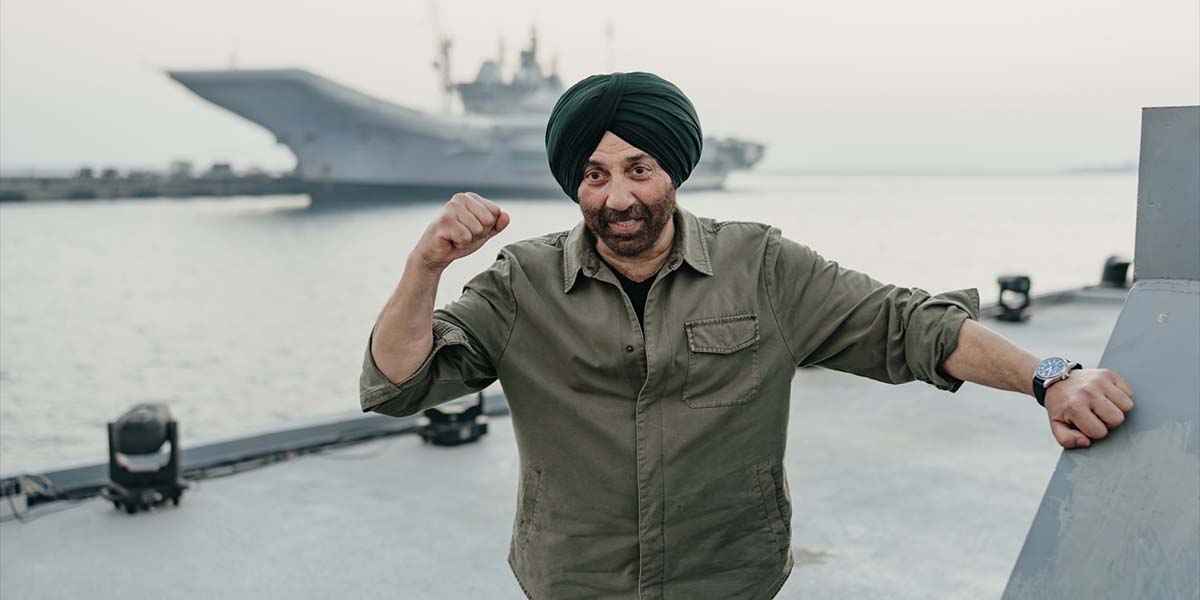
Sunny Deol, the iconic action hero known for his thunderous dialogues and patriotic fervour, has staged one of Bollywood’s most remarkable revivals in recent years. After a prolonged period of professional setbacks, where he endured a staggering 22-year drought without a solo hit from 2001 to 2022, delivering over 30 flops. Back injuries and experimental roles in non-action films further hampered his momentum, leaving the once-mighty “dhai kilo ka haath” wielder in the shadows. The turning point arrived unexpectedly with Gadar 2 in 2023, a sequel to the 2001 blockbuster. Reviving his role as Tara Singh, Deol shattered box-office records, amassing over Rs 691 crore worldwide and becoming his highest-grossing film ever. This wasn’t just a nostalgic hit; it redefined his career trajectory, proving that one film could indeed transform an actor’s fortunes. Suddenly, long-dormant sequels materialized: projects like Dev, Jatt 2 and Border 2, which had languished for years, gained traction. Border 2, released on January 23, 2026, has already emerged as a massive success, celebrating India’s Republic Day with patriotic zeal and featuring Deol alongside Varun Dhawan and Diljit Dosanjh. It has shattered records, confirming his resurgence, and even prompted announcements for Border 3 and Gadar 3. Adding to the excitement, veteran director Rajkumar Santoshi, Deol’s collaborator on classics like Ghayal and Damini, is keen to make Ghatak 2, a sequel to 1996 cult hit. Deol has been cautious about cashing in on nostalgia without strong scripts. With upcoming films like Lahore 1947, Ramayana: Part 1 (Diwali 2026), Gabru and Baap, Deol’s slate for 2026 alone could see up to seven releases. At 68, he’s not just back; he’s dominating, blending old-school machismo with modern appeal, reminding Bollywood that true stars endure. His journey from flops to blockbusters exemplifies that age is no barrier to box-office glory.

Varun Dhawan’s turn as Major Hoshiyar Singh in Border 2 is nothing short of a revelation. He brings together innocence and intensity, vulnerability and steel, playing a character who is emotional yet detached, fiercely loyal and deeply patriotic. His performance anchors the film: every nuance, small gestures, that trademark half-smile, and sudden flashes of resolve, adds layers to a role many had prematurely dismissed. When the first song, “Sandese Aate Hain,” dropped, social media was quick to mock Varun, spawning memes that focused on his style of acting and that one-sided smile. Those jokes snowballed into a narrative that he might be the weak link in a high-stakes war drama. But Border 2’s reception has decisively flipped the script. Opening around Rs 32 crore and rallying to over Rs 40 crore on its second day, the film was on track to cross the Rs 100 crore mark by the first weekend and possibly Rs 150 crore with the extended Republic Day holiday. Box-office success has a way of speaking louder than criticism, and in Varun’s case it has been vindication. More than just a personal win, this success has bolstered the film’s consolidated standing and reaffirmed Sunny Deol’s mass appeal, while giving Varun a new lease on his career. Critics and audiences alike are now praising his commitment, range, and the emotional truth he brings to the character. To the trolls who wrote him off early, the answer was simple: deliver a performance that connects—and let the numbers follow. In Border 2, Varun Dhawan has done exactly that, turning mockery into momentum and scepticism into applause.
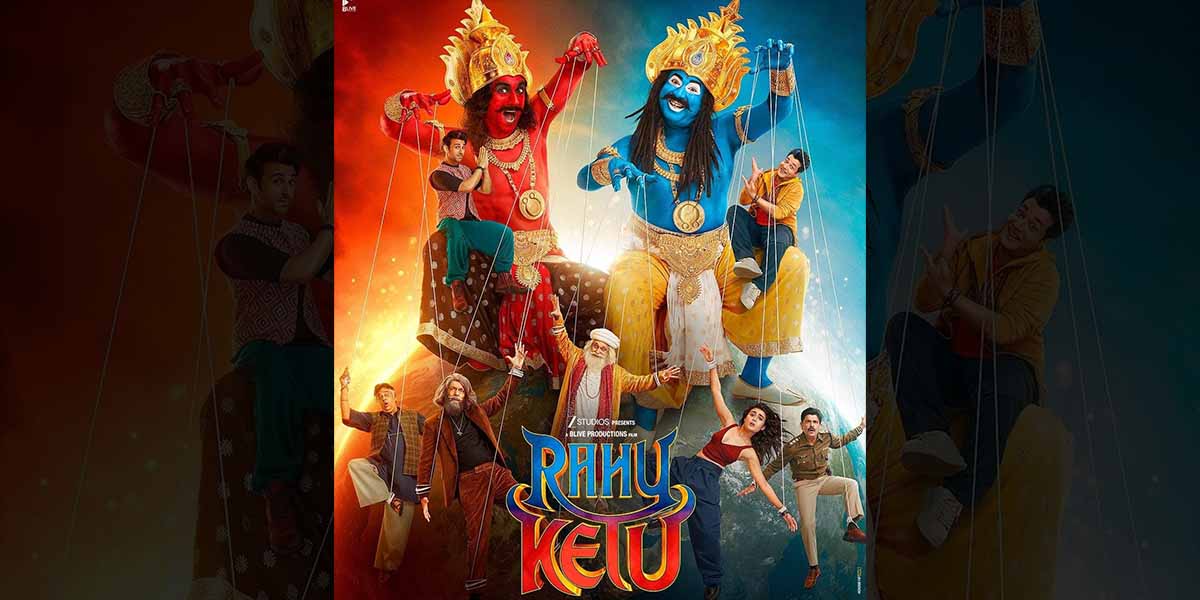
Rahu Ketu, directed by Vipul Garg and starring Pulkit Samrat and Varun Sharma, opened on January 16, 2026, to a muted Rs 1 crore nett across India and an overall Hindi occupancy of just 6.9%. Morning shows were weakest (around 5%), edging up to 9–10% in evening and night slots. The film lagged behind fellow comedy Happy Patel: Khatarnak Jasoos (Rs 1.25 crore opening) and faced stiff competition from holdovers such as Dhurandhar, 28 Years Later: The Bone Temple, and The Raja Saab, which likely siphoned off potential viewers. Its premise was a magical notebook that brings two unlucky characters to life and sparks a chaotic chase involving a thief named Meenu Taxi and a drug mafia which created trailer interest but didn’t translate into ticket sales. Several factors help explain the weak start. The film’s broad, slapstick humour and conventional comedic tropes appear out of step with Gen Z preferences for sharper, more relatable, and often socially aware comedy; formats increasingly discovered via streaming and short-form platforms. Promotional efforts, including city tours and college visits, failed to generate viral momentum or sustained word-of-mouth necessary to pull younger audiences to theatres. The crowded release calendar, with multiple genres vying for attention, further diluted its reach, especially for a mid-budget film without major star power to anchor footfalls. Additionally, there was no clear cultural hook beyond a promising trailer to boost pre-release buzz. Economic headwinds and changing consumption habits also played a role: rising ticket prices and the convenience of home viewing make audiences more selective about theatre trips. In this environment, a light-hearted, formulaic comedy without a distinctive voice struggled to stand out—resulting in Rahu Ketu’s underwhelming opening.
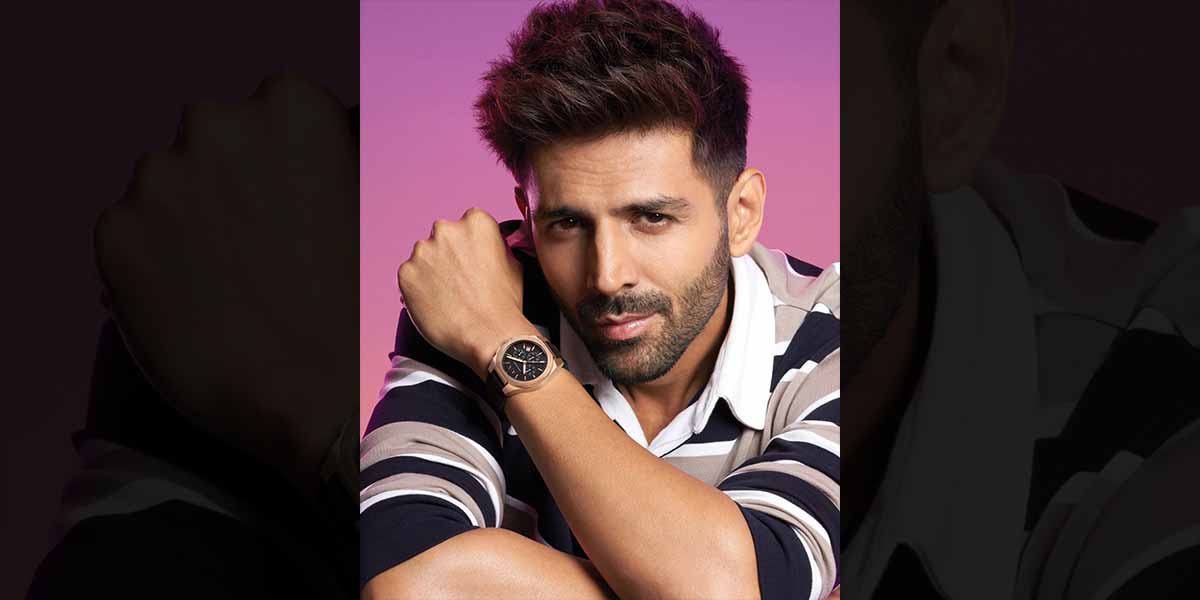
Kartik Aaryan’s career exemplifies how quickly fortunes can shift. The actor, who rose to fame as a self-made outsider with no industry backing, recently faced backlash after his romantic comedy Tu Meri Main Tera Main Tera Tu Meri produced by Karan Johar and co-starring Ananya Panday, bombed at the box office, earning just around Rs 50 crore in India despite a Rs 50 crore fee for Kartik. Critics and audiences panned the film for its lacklustre script, poor music, and limited screen allocation; competition from blockbusters like Dhurandhar and Avatar: Fire and Ash. Social media erupted with calls labelling him “overrated,” criticizing his repetitive expressions and dialogue delivery across genres. This downturn echoes Kartik’s past setbacks, including flops like Shehzada (2023), which prompted him to return part of his fee, and Chandu Champion (2024), which underperformed commercially despite earning him a Filmfare Best Actor award. Yet, he’s celebrated for revitalizing franchises with mega-hits like Bhool Bhulaiyaa 2 (post-COVID blockbuster) and Bhool Bhulaiyaa 3 (2024), which grossed over Rs 250 crore and outdid rivals at Diwali. His defenders highlight his crowd-pulling power in rom-coms like SatyaPrem Ki Katha, which opened at Rs 9.25 crore despite minimal hype. Adding fuel to the fire, reports surfaced that Karan Johar’s talent agency, Dharma Cornerstone Agency, parted ways with Kartik just two months after signing him, amid the film’s failure, reviving memories of their 2021 fallout over Dostana 2, where Kartik was ousted for alleged unprofessionalism, leading to a temporary “ban” from Dharma. Though they reconciled in 2025. The treatment meted out to Kartik underscores the industry’s ruthlessness: one hit elevates you, one flop buries you—unless you’re a nepo product. Kartik’s upcoming slate, including Naagzilla (releasing August 2026 with Johar) and an Anurag Basu project, could redeem him, but this episode highlights Bollywood’s cutthroat nature, where talent...
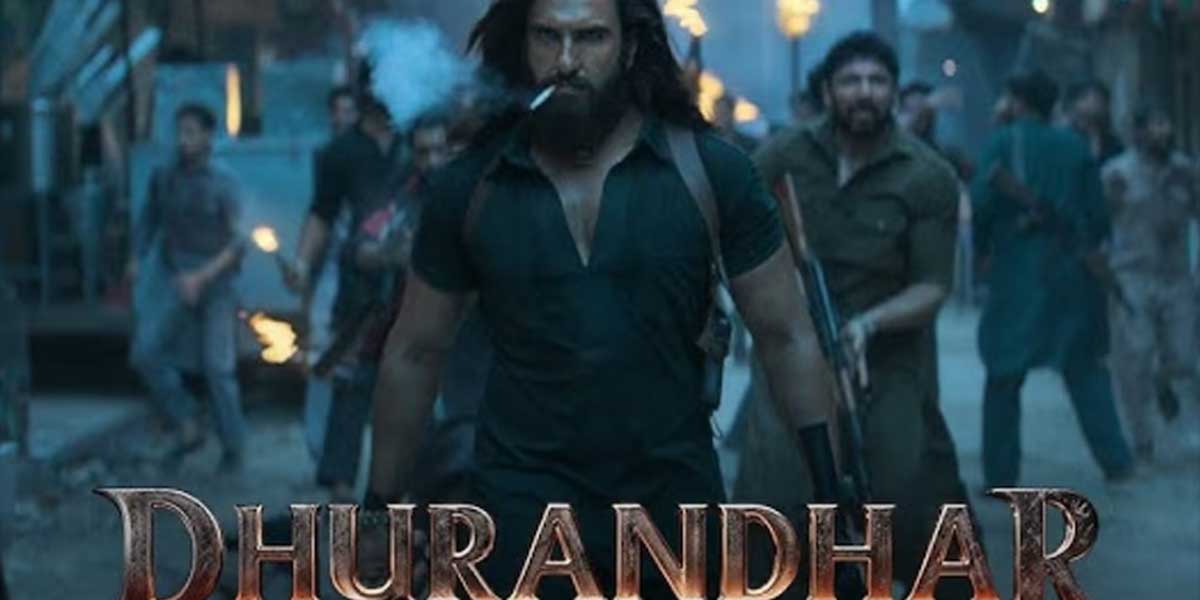
The box‑office phenomenon around Ranveer Singh’s Dhurandhar has triggered an exhibition pivot: cinemas in Mumbai added a 12:45 am show and Pune introduced a 12:20 am screening, while several chains pushed regular schedules well past midnight into the early morning — a programming move usually reserved for only the most in‑demand releases. The reason being the consistently packed halls across key urban centres so the exhibitors risk these unconventional slots: audiences showed up in numbers that justified the supply. Dhurandhar’s commercial trajectory underscores that demand. The action drama crossed the Rs 300 crore mark within nine days, becoming one of the fastest films this year to join the milestone club. On its ninth day, the film recorded its highest single‑day collection of Rs 53 crore, taking the domestic cumulative to an estimated Rs 303 crore. Crucially, the Saturday spike — bigger than the previous weekend’s — and the surge in midnight attendance indicate momentum driven by word‑of‑mouth rather than opening weekend hype alone. Social media amplified that momentum. Memes, reels and trending soundtracks turned scenes and performances into viral currency, while controversies — including bans in several overseas markets — generated additional headlines and curiosity. What began as mixed critical response flipped into mass enthusiasm as online chatter translated into footfalls, proving how digital buzz can reshape a film’s theatrical destiny. If sustained, the success of late‑night Dhurandhar shows could set a precedent in Indian exhibition: when demand exists, exhibitors will extend screens and hours, turning midnight slots from novelty to viable revenue streams.
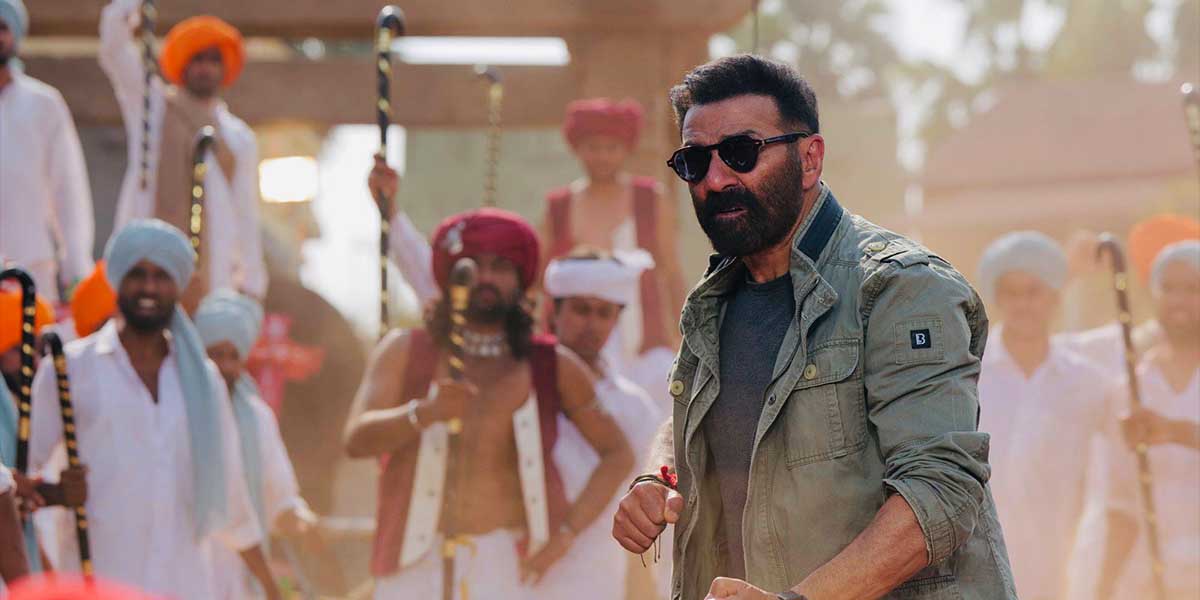
Sunny Deol finds himself both under the glare of the media and at the centre of a massive cinematic gamble. After the commercial success of Jaat, directed by Gopi Chand Malineni, the veteran actor is reportedly lined up for six major projects in 2026 — a slate that trade sources estimate represents roughly Rs 750–800 crore of production value riding on his presence. Leading the pack is Border 2, directed by Anurag Singh and said to boast an ensemble including Diljit Dosanjh, Varun Dhawan and Sonam Bajwa alongside Deol. Industry estimates peg its budget at around Rs 90 crore. The most eye-catching commitment is Ramayana: Part One, directed by Nitesh Tiwari — a highly ambitious epic that reports suggest could cost close to Rs 400 crore, making it one of the landmark productions on the horizon. Other noteworthy films on Deol’s plate include Lahore 1947, backed by Aamir Khan’s production house and expected to be a substantial project; M Padmakumar’s Soorya, a Hindi remake of the Malayalam thriller Joseph, which trades estimate at about Rs 60 crore; and Jaat 2, already announced and anticipated in the region of Rs 50 crore. Rounding out the list is Baap, directed by Vivek Singh Chauhan and reportedly featuring Jackie Shroff, Sanjay Dutt and Mithun Chakraborty in supporting roles — another mid-to-large-budget venture. Taken together, these six titles — Border 2, Ramayana: Part One, Lahore 1947, Soorya, Jaat 2 and Baap — place an unprecedented financial spotlight on Deol. While not all budgets and release plans are final, the sheer scale of this slate underscores his continued bankability and the high stakes studios are placing on his draw. With paparazzi headlines and production calendars both heating up, 2026 promises to be a defining year for Sunny Deol.
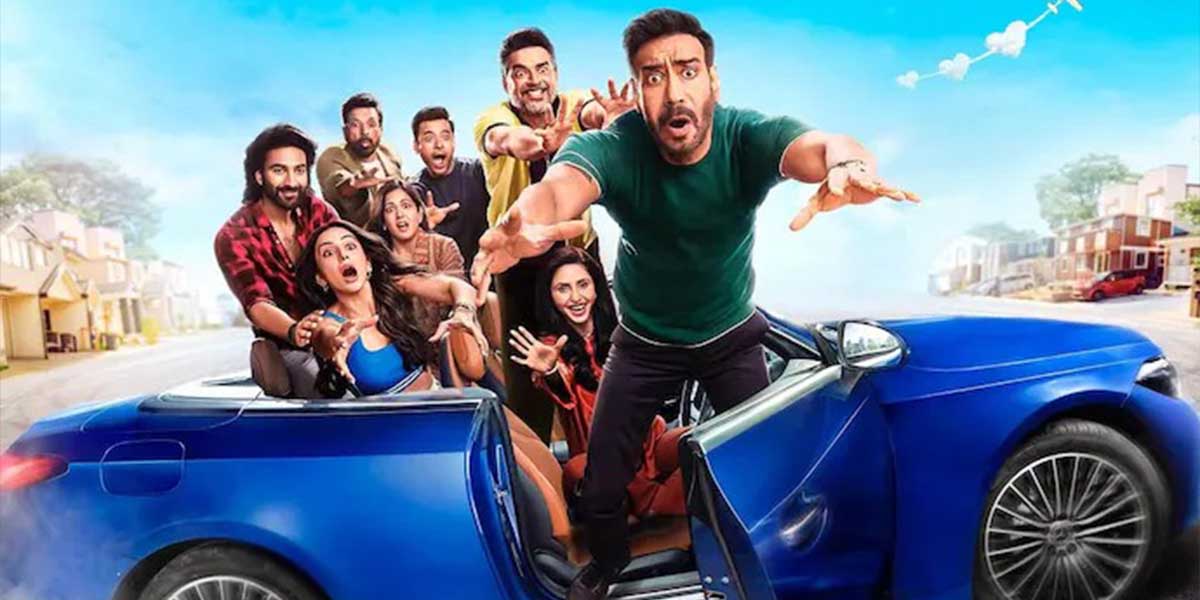
Ajay Devgn has long been a study in contrasts: a brooding intensity that anchors thrillers and dramas, and a surprisingly limited palette when it comes to frothier entertainments. As De De Pyaar De 2 hits theatres, it’s worth asking whether the actor’s recent script choices are eroding the cachet that once made him a dependable box-office draw. Devgn’s strengths are clear. He remains one of Hindi cinema’s most effective serious actors, capable of delivering taut, controlled performances in films that require grit rather than glamour. That steady gravitas has earned him big payoffs with the right material. But his flirtation with lighter comedy and flamboyant romcom territory has been uneven. Where he convinces as the silent, suffering hero, he often looks out of sync when a role demands snappy comic timing, dancing dexterity or an easy romantic swagger. Past attempts at broader comedy and mixed-genre projects have underlined this mismatch. Recent outings have done little to reassure audiences. Films such as Son of Sardar 2 and previously, Thank God had failed to fully connect with critics or viewers, De De Pyaar De’s first instalment drew mixed reactions, and a string of smaller turns and guest appearances went largely unnoticed. More recent projects like Auro Me Kaha Dum Tha’, Maidaan and Bholaa were widely seen as disappointments, reinforcing a narrative that not every script suits his strengths. For Devgn, the clear path forward is selective boldness — leaning into taut thrillers, moral dramas and textured character work, while being more discerning about lightweight fare that asks him to play against his core strengths. His next choices will determine whether he reaffirms his standing or drifts into forgettable territory.
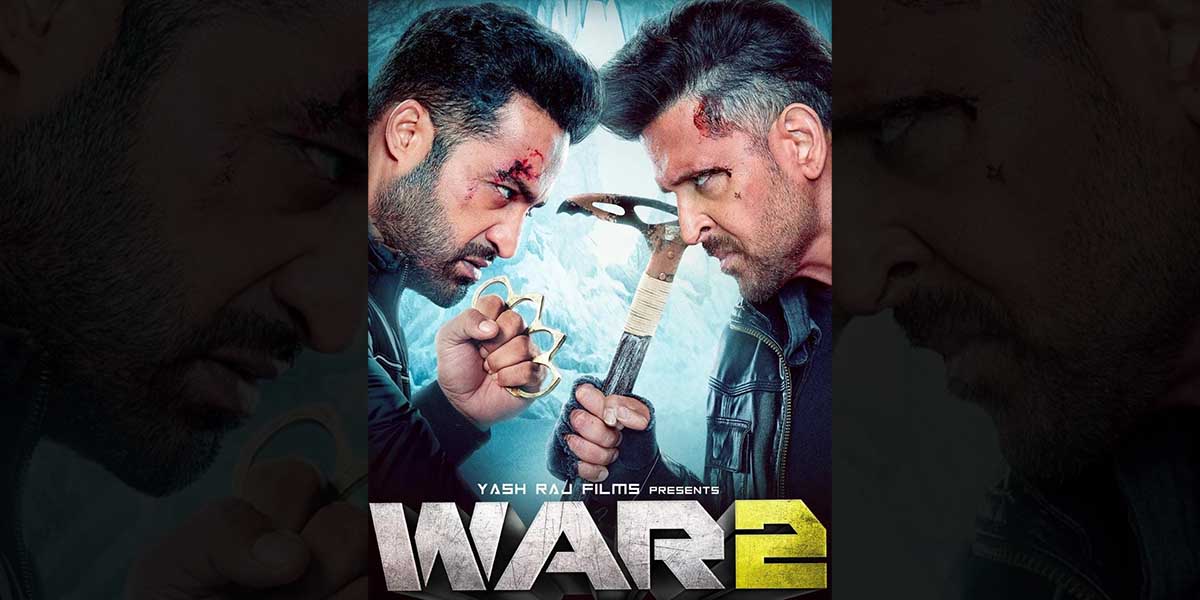
They say success has many fathers and failure is an orphan, and the fate of ‘War 2’ illustrates that proverb perfectly. The film began with a show of camaraderie: Hrithik Roshan and Junior NTR promoted it together in Hyderabad and Mumbai, projecting a united front. But when the film flopped, that unity evaporated. Junior NTR distanced himself and pointed fingers at the producers; in turn another producer Naga Vamsi defended his own decisions while criticizing Yash Raj Films as the Main Producer and the Decision-maker, insisting that he along with Jr NTR had trusted the studio and backed the wrong creative choices. Made on a reported budget of 400 crores, War 2 failed to recover its costs, and the public spectacle of blame-shifting left the project politically and reputationally orphaned. Cast and crew who once stood shoulder to shoulder in promotion were suddenly eager to separate their names from the failure. The fallout extended beyond personal recriminations. Director Ayan Mukerji has claimed that he merely followed the script by writer Sridhar Raghavan and therefore had limited creative inputs, a statement that coincided with his exit from Yash Raj’s Dhoom 4 and his reported move to work on Brahmastra 2 with Dharma Productions. Meanwhile Aditya Chopra and Yash Raj Films have largely refrained from talking to the press about the disappointment. The production house that enjoyed a major hit like Saiyaara and a major flop like War 2 in the same year now finds itself fielding public criticism from former collaborators rather than defenders. In the end, War 2’s failure has few takers: while many involved were quick to distance themselves, silence or deflection remain the dominant responses—leaving the film, as the proverb warns, orphaned in its failure.
This Diwali has exposed a striking contrast: Tamil cinema is enjoying a creative and commercial upswing while Bollywood offers a muted, formula-driven lineup. Two Tamil releases—Dude and Bison, both out on October 17, have captured audience attention. Dude, a breezy romantic comedy infused with local masala, opened strongly, while Bison, a sports drama from veteran director Mari Selvaraj, earned glowing reviews and solid opening numbers thanks to powerful storytelling and word-of-mouth. These films feel rooted, fresh and connected to contemporary audiences, especially younger and family viewers who respond to authenticity and strong narratives. By contrast, the Bollywood slate releasing mid-week on October 21 looks underwhelming. Thamma (an Ayushmann Khurrana horror-comedy) and Ek Deewane Ki Deewani (starring Harshvardhan Rane and Sonam Bajwa) are competent but lack the novelty and scale we normally associate with Diwali. With neither superstar-driven star power nor bold thematic risks, these mid-budget releases lean on familiar formulas rather than offering new cinematic experiences. Historically, Diwali has been the domain of spectacle—big stars, family entertainers and larger-than-life marketing—but this year Bollywood’s offerings fall short of those expectations. The difference comes down to ambition and audience connection. Tamil films are taking creative risks, genre blends, culturally specific stories and directors with distinct voices, resulting in stronger word-of-mouth and sustained interest. Bollywood’s conservative programming this festive season suggests risk aversion and reliance on safe templates, which may cost it market share as regional films continue to raise the bar.