All
All Politics
 Business
 Entertainment
 Sports
 Celebrities

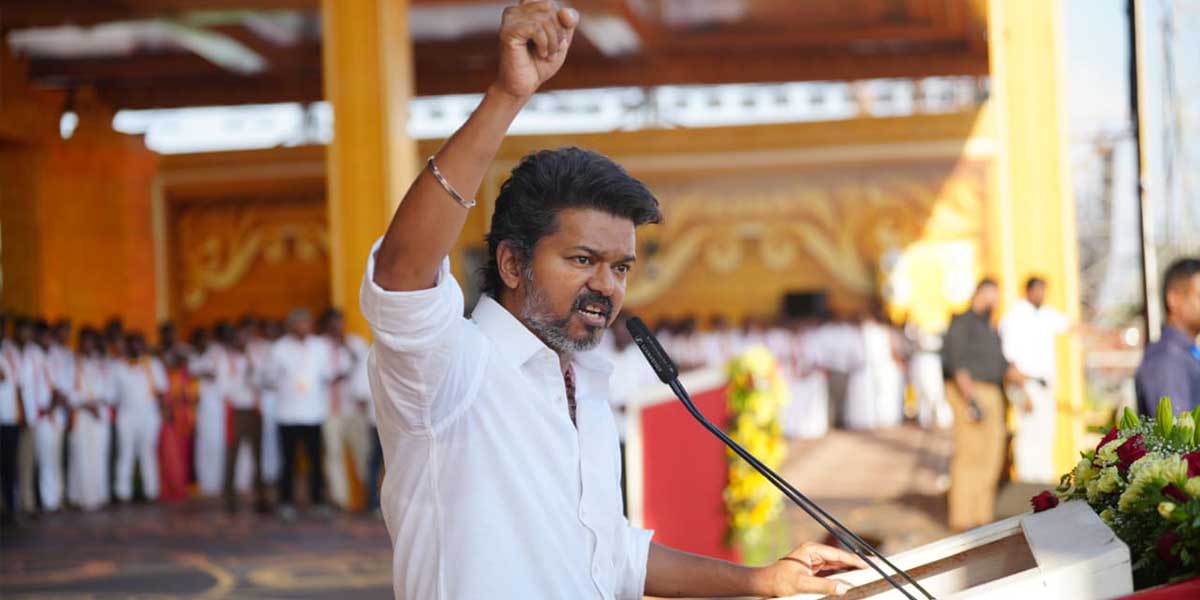
The arrest of former Tamil Nadu deputy CM Udhayanidhi Stalin by the Tamilaga Vettri Kazhagam (TVK) government under chief minister C. Joseph Vijay marks the latest chapter in TN’s long tradition of political vendetta. Booked for alleged sexually suggestive remarks linking Vijay and actor Trisha during a Cauvery protest, Udhayanidhi was detained from his Chennai residence, taken to Thanjavur for questioning, and released on station bail after Madras High Court intervention. The episode reveals how even a fresh political force quickly absorbs the state’s established grammar of power. This pattern is not new. The bitter rivalry between M Karunanidhi and J Jayalalithaa institutionalised revenge as governance. The 1989 Assembly clash, in which Jayalalithaa’s saree was pulled, poisoned relations for decades. After the DMK returned to power in 1996, Karunanidhi’s government filed multiple corruption cases against Jayalalithaa, leading to her arrest and the creation of special courts. In 2001, after AIADMK’s victory, Jayalalithaa repaid the debt with theatrical force: a midnight arrest of the 77-year-old Karunanidhi in a flyover scam case, complete with physical resistance, media cameras, and the detention of Union ministers who tried to intervene. Subsequent regimes followed the same script: raids, selective prosecutions and public humiliation of rivals whenever power changed hands. Vijay’s TVK, which ended nearly six decades of DMK-AIADMK dominance in the 2026 elections, was expected by many to break this cycle. Instead, it has deployed the identical toolkit. In TN, control of the police and prosecution remains the quickest way to assert dominance and settle old scores. Vijay’s early resort to this method shows that star power and outsider status offer no immunity. The train of revenge politics continues, simply with a new driver at the helm.