 All
All Politics
 Business
 Entertainment
 Sports
 Celebrities

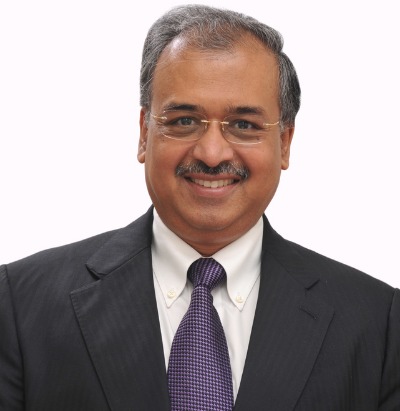
Sun Pharmaceutical’s ambitious $11.75 billion acquisition of U.S.-based Organon & Co has effectively reset the benchmarks for the Indian pharma sector. As the largest outbound acquisition in the industry’s history, the Dilip Shanghvi-founded company has solidified its global footprint across Europe, China, Canada, Brazil, and the U.S. through the newly formed Sun Pharma America Inc. Beyond doubling revenue and enhancing EBITDA margins, the deal is a strategic play to position Sun Pharma as a top-three global leader in women’s health and a top-ten player in biosimilars. This shift significantly diversifies Sun’s revenue stream, reducing its dependence on the domestic Indian market, with U.S. revenues projected to rise by $1.4 billion. Industry insiders note that the “easy win” era of small molecules and standard generics has ended. To remain competitive, the sector is pivoting toward heavy investment in complex generics, specialty medicines, and branded products. Analysts predict Sun’s move will trigger a wave of reactionary M&A activity as other Indian giants eye their own global acquisitions.
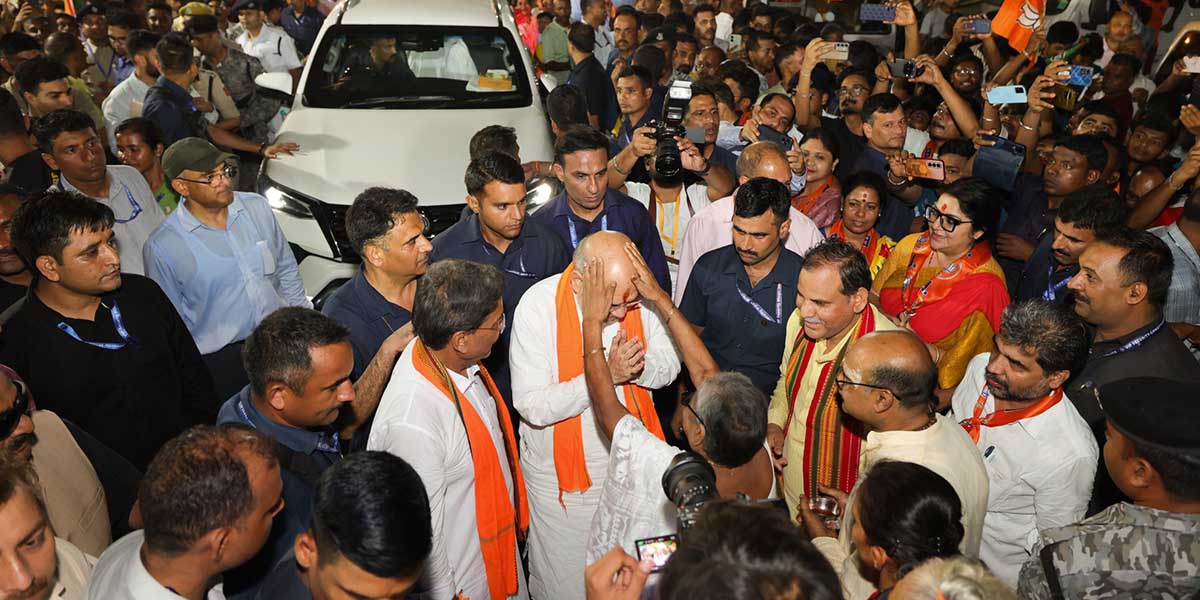
There’s a fear of post-poll violence in West Bengal! That is why around 50,000 central forces will remain in the state till counting day on May 4. Yet home ministry mandarins acknowledge that their deployment will remain a constitutional challenge without the state government requisition as law and order are state subjects. The CAPF’s operational powers will be legally limited, creating federal tension. Under Article 324, the ECI requisitions central forces to ensure free and fair polling. But once the ballot boxes are unsealed and votes counted that authority begins to fade. The BJP is confident of winning Bengal but fears post-verdict violence, which Amit Shah wants to prevent. A party source said the Union Home Minister who is likely to arrive in Bengal after the election results are announced on May 4, would monitor the situation to avoid a replay of 2021. Shah has already announced that the central forces would remain in Bengal for two months after the election results to prevent post-poll violence. He has sent his deputy and Union minister of state, Nityananda Rai to Bengal even before the exit poll results were announced. BJP Bengal poll manager and Union minister Bhupender Yadav will reach Kolkata by May 2. Apart from administrative vigilance, Shah asked party workers and leaders to refrain from violence during victory celebrations. State BJP president Samik Bhattacharya said, “We want to ensure that what happened to our workers and supporters in 2021 does not happen to anyone this time. We are afraid that TMC workers will attack their own party workers once the BJP wins.,” Both the BJP and Trinamool have issued warnings to each other’s alleged goons over what might happen after the results are declared on May 4. Shah has warned that Trinamool goons will be “hung upside down and straightened out”.
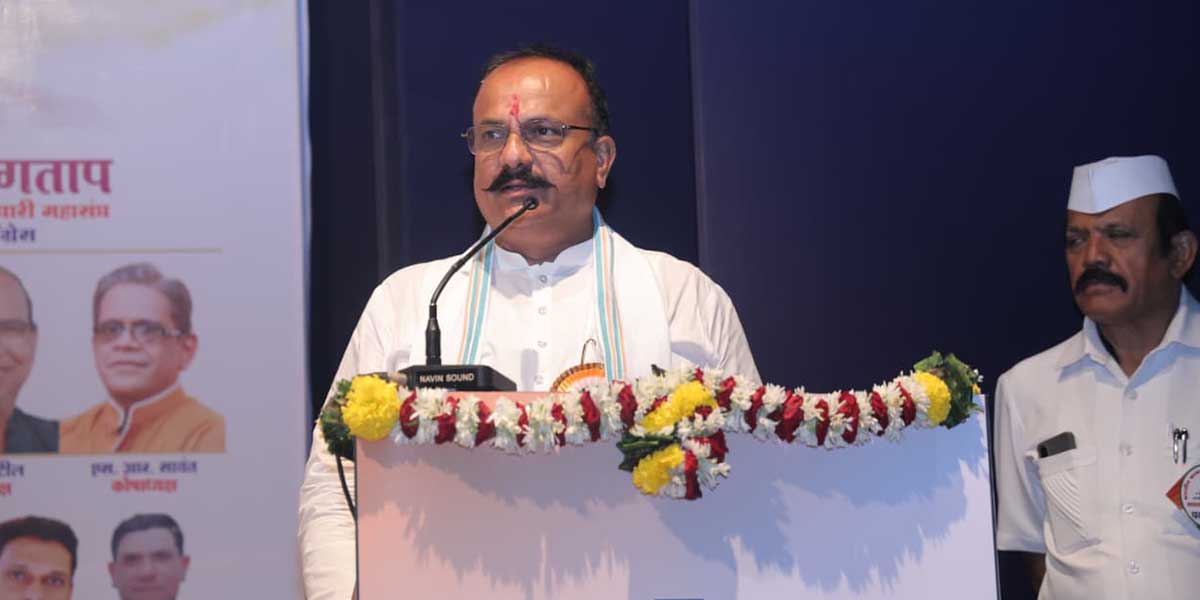
The Congress party in Maharashtra has become a laughing stock since it is facing the ignominy of withdrawing from an electoral contest for the third consecutive time in a span of just a couple of months. Senior Congress leaders are feeling embarrassed since the party has been forced to eat its own words without extracting any concrete promise from the Nationalist Congress party (NCP) or the Shiv Sena (UBT) about the forthcoming elections in 2028. The focus of the ridicule is state Congress president Harshwardhan Sapkal, who has fallen flat on his face after showing bravado every time. So much so that many of his party workers openly ask if he is making such important announcements on his own or without getting the high command’s clearance. Sapkal had to announce withdrawal of his party candidate from the Rajya Sabha fray earlier this year, to make way for unopposed election of NCP boss Sharad Pawar. Soon thereafter, he was compelled to declare that the Congress party will not contest against deputy CM Sunetra Pawar for the Baramati assembly byelection. He was made to change his stand immediately after warning the ruling Mahayuti that no walkover will be given to Sunetra. The latest insult Sapkal has suffered has happened in the biannual Vidhan Parishad election in which Sena leader Uddhav Thackeray unilaterally announced the candidature of his party Ambadas Danve. This caught Sapkal totally unprepared as even his own party leaders distanced themselves from his hasty behaviour. Thus, the Congress that ruled Maharashtra for decades till just a dozen years ago is considered a fringe party now, with Sapkal facing the blame for its decline.
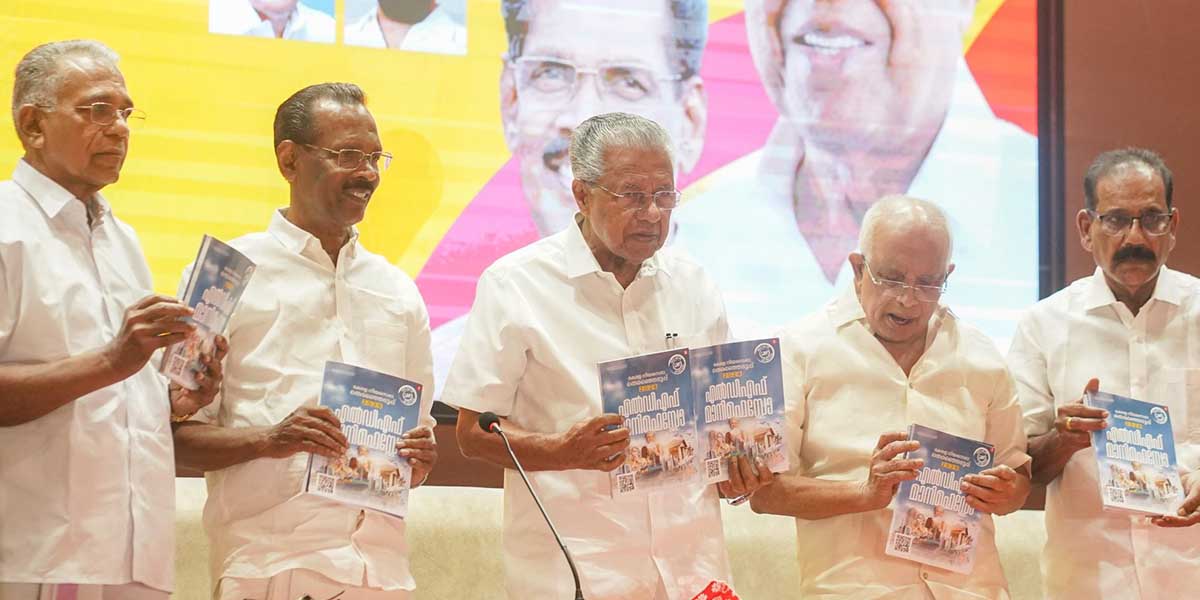
One question that is haunting chattering classes in Delhi is whether Kerala polls will sound the death knell of the Left Parties in India? Will the Left Democratic Front be voted out of its last safe haven from India? After being voted out of Tripura, Bengal, will the Left lose its bastion in Kerala after a successful two-term run under CPI(M) stalwart Pinaryi Vijayan? Or maybe survive to last a third term on a slender margin. Many Communist leaders are worried! In spite of many scandals, Left leaders are hoping that LDF is voted back. As far as the Lok Sabha is concerned, the Left Parties had their best showing in the 2004 election winning over 60 seats. Today, their strength lies less in widespread electoral success and more in isolated strongholds, alliances, and cadre-based networks. If there is one state where the Left still governs with authority, it is Kerala. The state has a long history of communist politics, dating back to 1957 when the world’s first democratically elected Communist government was formed under EMS Namboodiripad. Five exit polls’ results show the United Democratic Front (UDF), a coalition led by the Congress in Kerala, dethroning the LDF government led by Vijayan, who ruled the state for the last 10 years. In fact, Vijayan’s victory in 2021 was an aberration of sorts. Kerala has had the long-standing practice of alternating between voting for the LDF and the UDF. Kerala’s Left has sustained itself through welfare governance, strong public health and education systems, and disciplined party organisation. Even if it loses ground in the assembly election, the CPI(M) still has a chance of returning to power, given the state’s electoral history.
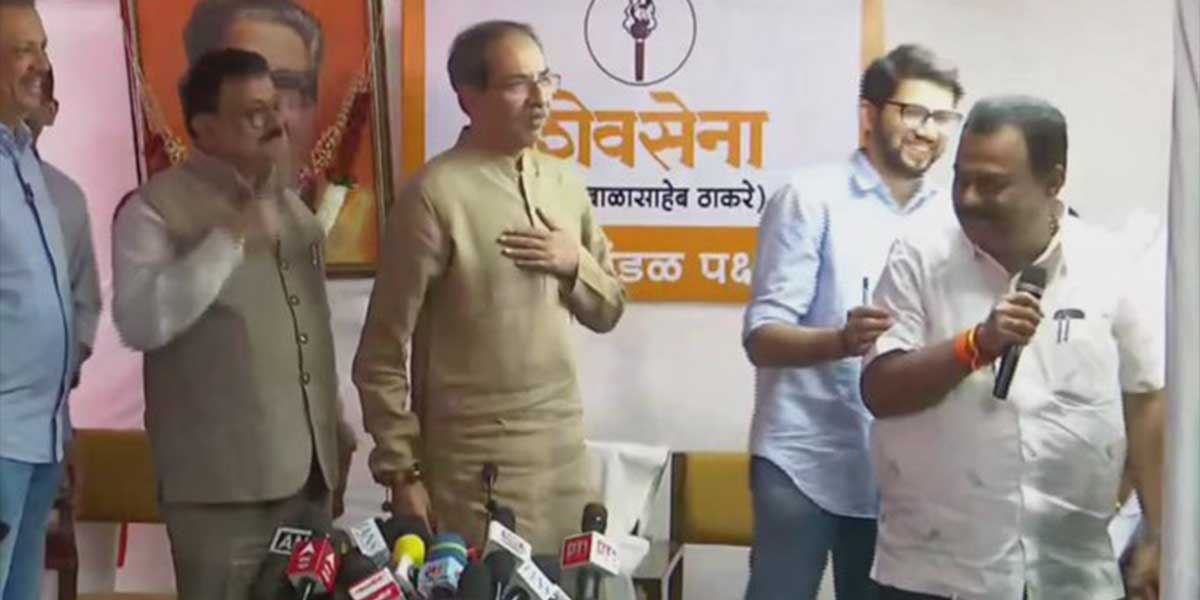
Despite frequent news stories suggesting that Shiv Sena (UBT) leader Uddhav Thackeray is inching closer to chief minister Devendra Fadnavis, the possibility has been discounted outright by the latter, once again. The CM said in an interview that the Mahayuti led by him already has 235 MLAs in the 288-member state assembly. “Hence, there is no scope to accommodate anymore,” Fadanvis said. As the Maharashtra Vidhan Parishad election concluded on April 29 by electing all nine candidates unopposed, the talk got traction once again that a post-midnight meeting between the two leaders had led to this momentous development. However, Fadnavis said no such meeting had taken place. On the other hand, Uddhav appears to have softened his criticism of Fadnavis in particular and the Mahayuti in general. This is linked with the conflicting policies adopted by the other two Maha Vikas Aghadi parties – the NCP led by Sharad Pawar and the Congress. Over the past several months, no convergence is seen within MVA. Even within the Sena (UBT), discontent is noticed over the candidature of former council LoP Ambadas Danve for another term of the upper house. In fact, Uddhav himself was urged by MVA leaders to contest but he did not. Deputy CM Eknath Shinde was making preparations to field a candidate against him in case Uddhav chose to face the election. After Uddhav declared that Danve will be the candidate, Shinde taunted him by saying, “Some people make others fight.” After the lacklustre performance in the assembly and local body elections in Maharashtra, the Sena (UBT) has witnessed a steady outgoing from its ranks. Uddhav and son Aaditya Thackeray are thus facing the prospect of rebuilding the party organisation, considered an uphill task in the given political frame.
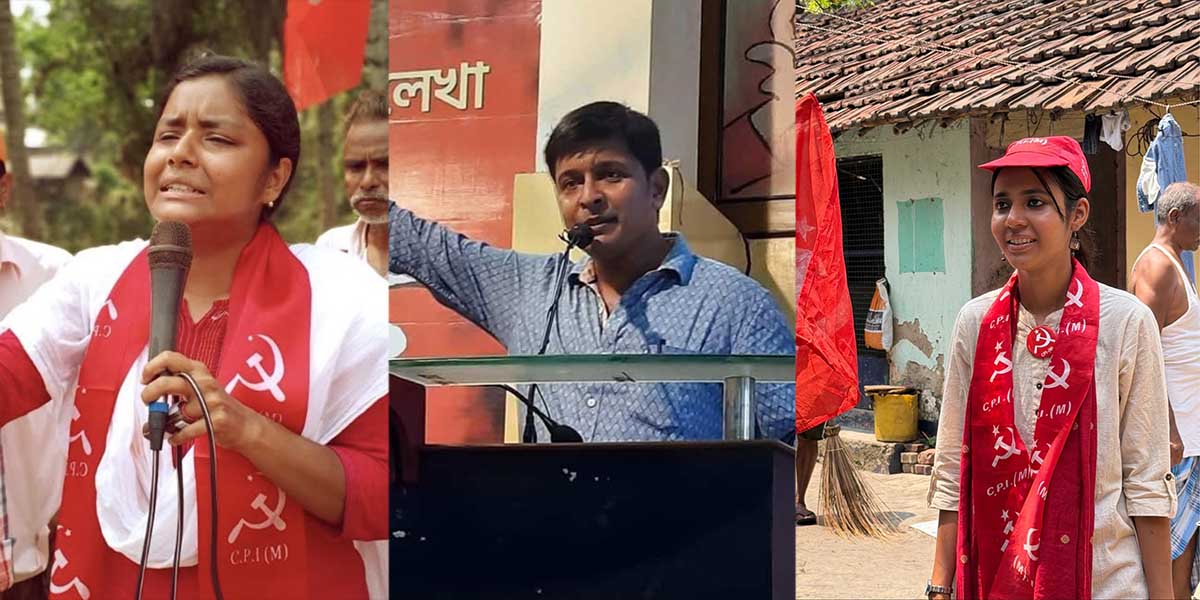
In the 2026 assembly elections CPI (M) in West Bengal is banking on the youth brigade to win a few seats and re-enter the Assembly. It is trying to woo the youth with a development plank, deviating from the TMC, BJP and Congress focus on freebies and doles. It has fielded young leaders across key constituencies, signalling a generational shift. Candidates include Minakshi Mukherjee from Uttarpara, Kalatan Dasgupta in Panihati, Dipsita Dhar in Dum Dum Uttar, Mayukh Biswas in Dum Dum, and Afreen Begum in Ballygunge. Many emerged from student and youth movements with strong organisational work. The party is shifting discourse from identity and welfare politics to issues like inflation, unemployment, education, healthcare and civic amenities. Leaders say the campaign engages youth through direct outreach. Postcard campaign urges voters to reject religion-based appeals and economic and civic issues. Candidates target BJP for polarisation and TMC for corruption and governance failures. The Left Front contests with the Indian Secular Front and CPI(ML) Liberation, with CPI(M) in 195 of 294 seats. Yet Bengal remains seen as a TMC-BJP bipolar contest. CPI(M) says its development focus is on real issues. It notes both rivals attack the Left, signalling relevance. However, it faces an uphill task. After 34 years in power, it lost in 2011, with seats falling from 40 in 2011 to 26 in 2016 and zero in 2021. Vote share dipped, despite minor local recoveries. The defection of Pratikur Rahman to TMC adds pressure. Senior leaders like Biman Bose join padayatras, backing grassroots mobilisation and youth strategy to regain ground. Whether this yields gains is uncertain, but the final push shows CPI(M)’s bid to reinsert itself in Bengal’s contest.
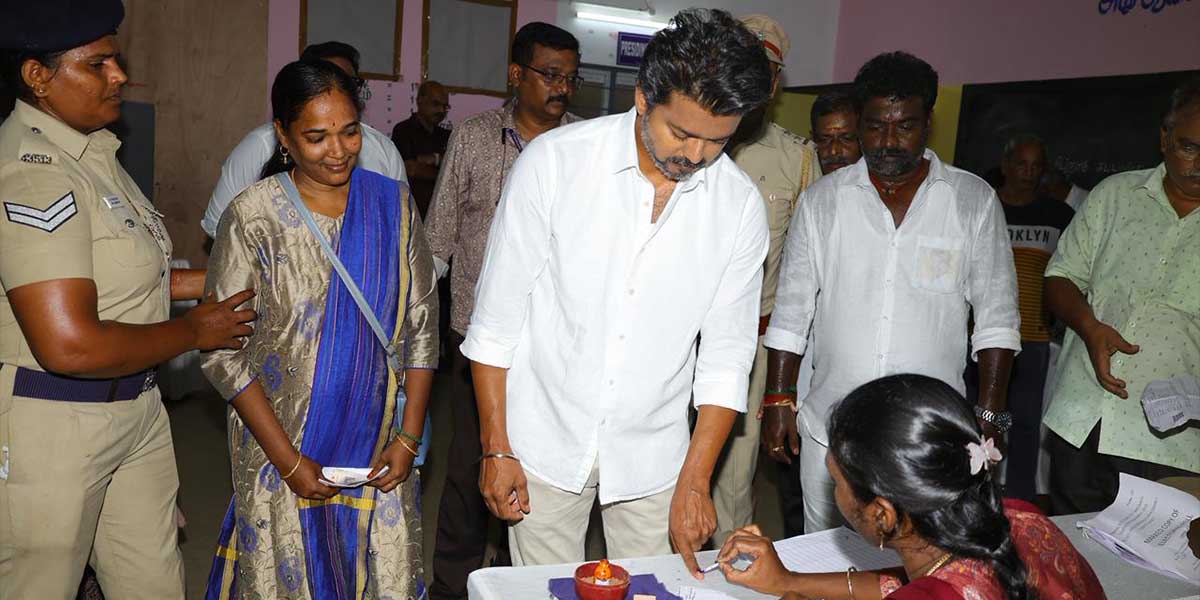
In Tamil Nadu, the voter’s turnout was massive…a roaring phenomenon never seen before, defying psephologists, political analysts and journalists of every hue, even defiant astrologists. Whichever party is stacked and predicted as the winner, one personality is evading categorisation and classification. The Johnny-come-lately superstar Vijay who managed to cover his Christian calling artfully. Even as vote counting day nears like the apocalypse for many candidates and parties, TVK’s Vijay is the subject of reams of analyses and paralysis of who he really is. One article in a well-known Tamil digital site by Rajan Kurai Krishnan (a PhD in anthropology from Columbia University, NY) is an eye-opener. Enigma or canny pretence to political sagacity? Will the huge crowd pulling translate into a messiah has arrived? Is he fooling the people all the time or is he fooling himself about his draw? Is our politics and governance so simple that any Tom, Dick or Ramaswamy can blow a conch and anoint himself as Lord Krishna. Vijay has cleverly managed to keep off the nosey press and artsy analysts from getting him to talk seriously about his agendas. Does he think he is the second coming of MGR? The DMK and AIADMK powered by the sagacity and wisdom of leaders like Annadurai and Karunanidhi, parties that have amassed staying power are not to be easily unseated by a greenhorn. But who knows…may be TN is that litmus test to prove all logic wrong, to usher in a showman ….let the show go on, the audience is impatient.
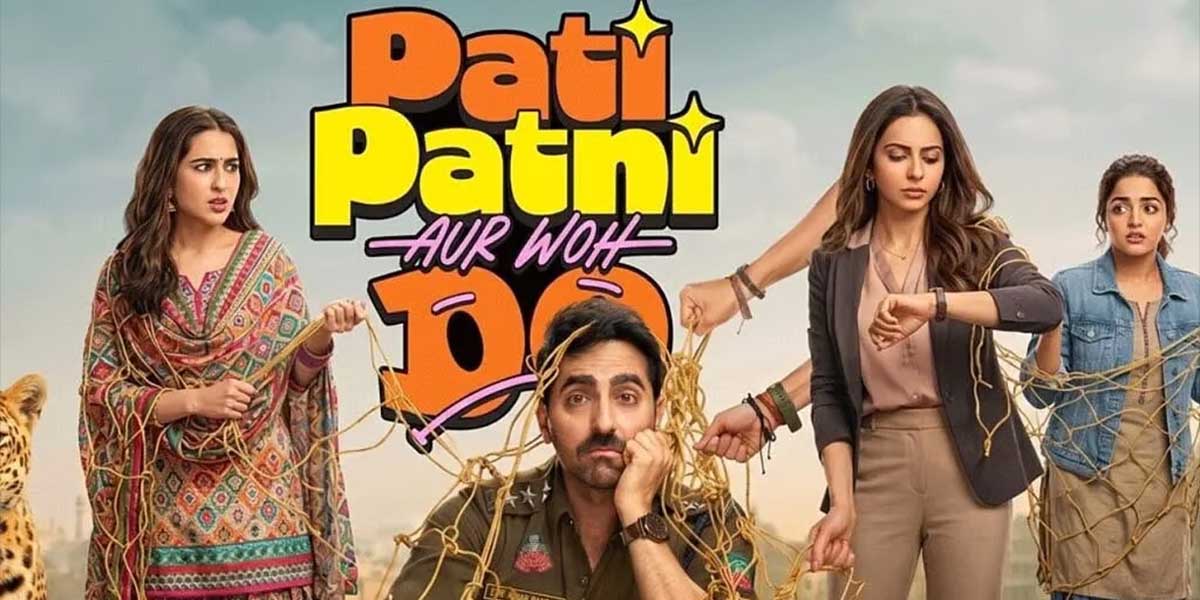
April 20 raised the summer heat some notches higher when the teaser of Ayushmann Khurrana’s Pati Patni Aur Woh Doh was unveiled. The expectation and salivation promised to stay charged with a teaser focused on a zany comic and clandestine cat escapade. Whatever changes in the world, men straying in marital bonds and coveting parayadhan is not going to change. Khurana not only juggles one temptation, but teaches how to juggle a third one too…reminding us of the Hollywood 1967 Tony Curtis, Claudia Cardinale comedy Don’t Make Waves …“one in the air, one landing and a third, pending”. Prajapathi Pandey is the lucky hero who gets to romance three ladies …Sara Ali Khan, Wamika Gabbi and the delightful Rakul Preet Singh who fight like cats on a hot tin roof over him, yet want to tear him to pieces for this talent. Vijay Raaz, playing the police officer, is bound to bring the roof down with his tongue in cheek interrogation of Pandey ..“You got caught with one, the other rushed in to extricate you..the third bird, is she a friend too?” Tigmanshu Dhulia and Vishal Vashishtha play interesting characters as foils. A Mudassar Aziz directed comedy of errors, T Series and PR Studios have collaborated to bring this Zany Zappy complicated three-cornered love triangle. You will have to wait till May 15 to get lessons on how to stray even as you remain married.
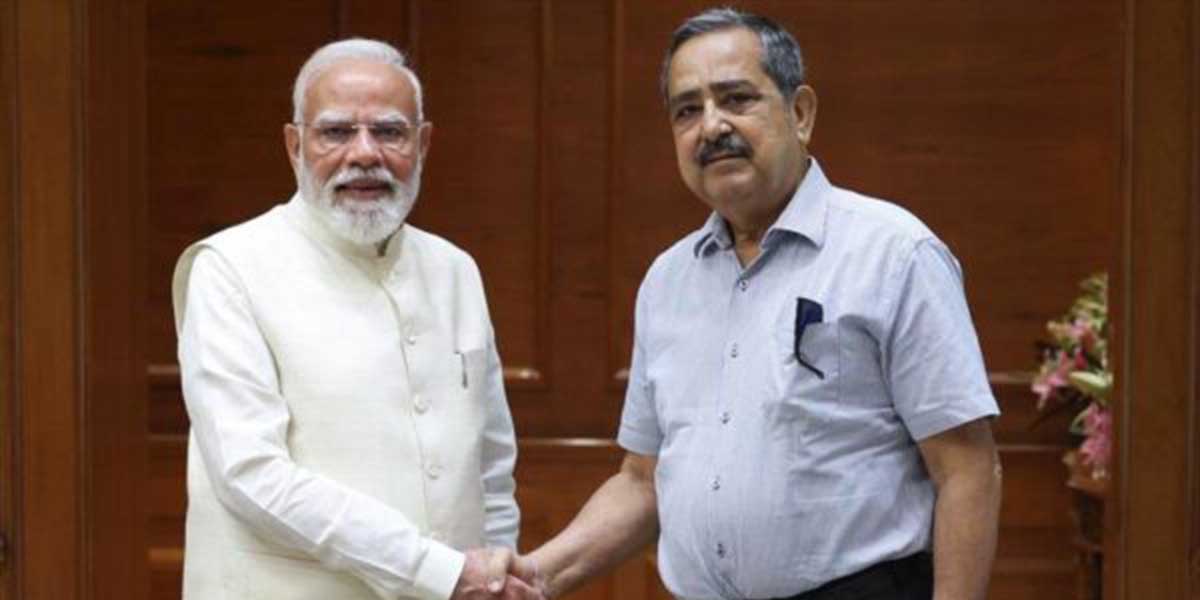
It is understood that Ashok Kumar Lahiri—the distinguished economist and BJP MLA from Balurghat, West Bengal—informed the party high command of his wish not to contest the 2026 Assembly polls. Instead, he expressed a desire to move to Delhi, where his core strengths, talent, and skills could be put to better use. Prime Minister Narendra Modi appears to agree. Lahiri has been appointed as the Vice Chairman of NITI Aayog, replacing Suman Bery. As the Prime Minister serves as the Chairperson of NITI Aayog, this move places the “right man in the right job.” PM Modi reportedly feels that a proven performer like Lahiri can contribute more effectively from Delhi than by nursing his Balurghat constituency. In a recent tweet the PM noted: “His rich experience in economics and public policy will further strengthen the path of reforms in India and the journey towards becoming a ‘Viksit Bharat’.” Seems like PM Modi has gone for a major overhaul of the think tank since 2015. Along with Lahiri, the government has already added four new members: M Srinivas, Abhay Karandkar, Gobardhan Das and KV Raju. Lahiri boasts an impressive track record, including tenures at the World Bank, the IMF, and the ADB, as well as serving as India’s Chief Economic Advisor. Despite these high-profile roles, colleagues describe him as remarkably grounded. Endorsing the selection, Rajat Nag, the former ADB Managing Director, stated: “Ashok Lahiri is a very competent economist with vast experience and international recognition.” Lahiri has shifted to Delhi, met with the Prime Minister, and immediately reported for duty. He has already indicated that his primary focus will be on meaningful policy changes in the healthcare and education sectors—areas he views as essential to achieving the vision of a Viksit Bharat.
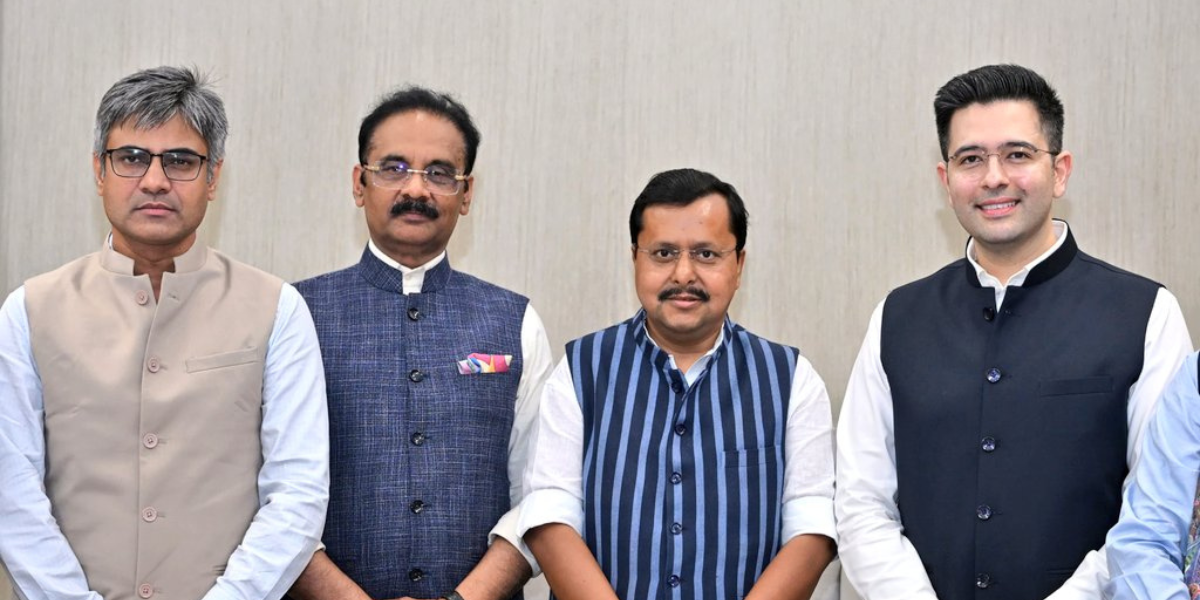
AAP MP Raghav Chadha who split two-third members belonging to the AAP in Rajya Sabha and helped party MPs in merging themselves with the BJP, is most likely to get a berth in the Union government. It is being said Chadha’s switch to the BJP had been in the works for some time. With Punjab assembly elections slated to be held early next year, the BJP wanted Chadha to be on its side to prepare for the elections. At the same time the BJP wanted to ensure that the defectors did not lose much. Or at least they remained as MPs. With more than two-thirds — 7 out of 10 — of the AAP MPs defecting, a figure needed for the MPs to retain their membership in the upper house, Chadha ensured he and his colleagues were safe for the time being. Meanwhile, it is being said Chadha’s continuation in AAP had become difficult ever after Arvind Kejriwal began to take an active interest in Punjab. Particularly after he had lost power in Delhi in February 2025 assembly polls. Besides, Kejriwal also did not want Chadha to play any advisory role to Bhagwant Mann government as he himself had begun to take an active interest in Punjab. It is in this backdrop that reports of Chadha cozying up to the BJP began to do the rounds. Kejriwal removed Chadha as the deputy leader in the Rajya Sabha over allegations of not raising key issues against the Modi government and doing “soft PR” instead. Ironically, when Chadha walked out of the AAP – he had two more MPs as part of the merger — Ashok Mittal and Sandeep Pathak, a former IIT professor. Interestingly, Mittal was the AAP replacement for Chadha’s Rajya Sabha deputy leader post.
There’s a fear of post-poll violence in West Bengal! That is why around 50,000 central forces will remain in the state till counting day on May 4. Yet home ministry mandarins acknowledge that their deployment will remain a constitutional challenge without the state government requisition as law and order are state subjects. The CAPF’s operational powers will be legally limited, creating federal tension. Under Article 324, the ECI requisitions central forces to ensure free and fair polling. But once the ballot boxes are unsealed and votes counted that authority begins to fade. The BJP is confident of winning Bengal but fears post-verdict violence, which Amit Shah wants to prevent. A party source said the Union Home Minister who is likely to arrive in Bengal after the election results are announced on May 4, would monitor the situation to avoid a replay of 2021. Shah has already announced that the central forces would remain in Bengal for two months after the election results to prevent post-poll violence. He has sent his deputy and Union minister of state, Nityananda Rai to Bengal even before the exit poll results were announced. BJP Bengal poll manager and Union minister Bhupender Yadav will reach Kolkata by May 2. Apart from administrative vigilance, Shah asked party workers and leaders to refrain from violence during victory celebrations. State BJP president Samik Bhattacharya said, “We want to ensure that what happened to our workers and supporters in 2021 does not happen to anyone this time. We are afraid that TMC workers will attack their own party workers once the BJP wins.,” Both the BJP and Trinamool have issued warnings to each other’s alleged goons over what might happen after the results are declared on May 4. Shah has warned that Trinamool goons will be “hung upside down and straightened out”.
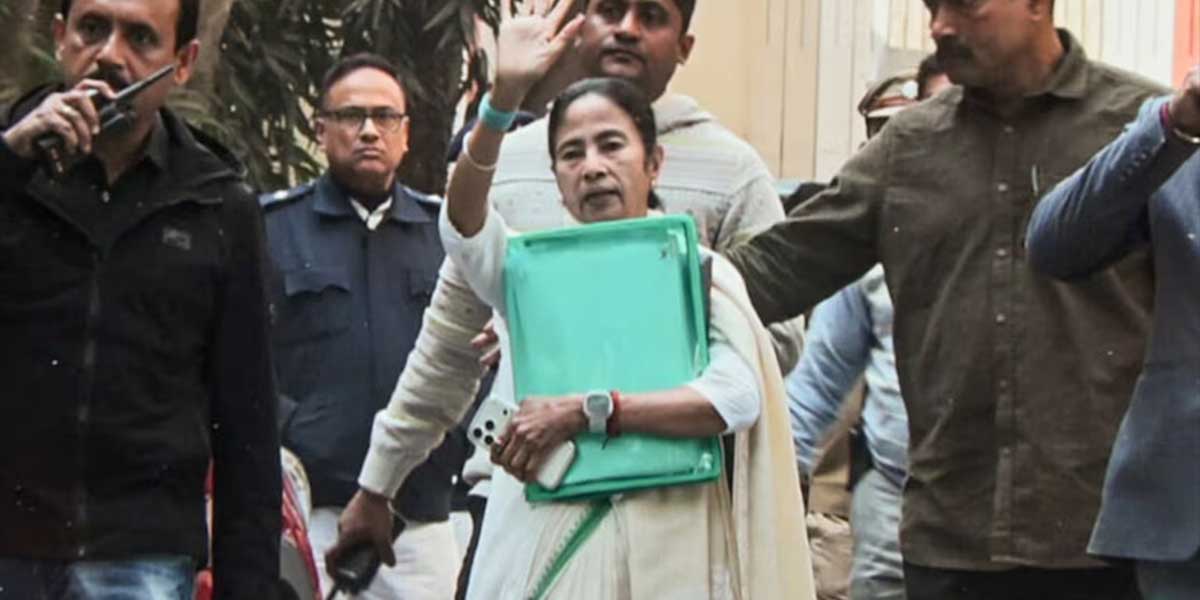
Will I-PAC’s decision to pause operations in West Bengal impact the Trinamool Congress? The question looms large as chief minister Mamata Banerjee battles anti-incumbency while seeking a fourth consecutive term. With the first phase of polling scheduled for April 23, the TMC faces fresh turbulence after political consultancy firm I-PAC paused its official operations in Bengal citing legal complications. In an internal communication on April 20, I-PAC asked employees to pause field activities, limit external communication, and avoid official emails, with several teams shifting to remote work amid legal concerns and repeated summons. The situation stems from an ED probe that began as a money-laundering investigation into alleged financial irregularities linked to a 2020 coal smuggling case. Searches were conducted at I-PAC offices in Kolkata and Delhi. While the ED maintained that the investigation was routine and not election-related. The matter escalated after Didi physically intervened during a raid at co-founder Pratik Jain’s residence. The agency claimed that documents and electronic evidence were removed—an allegation denied by the TMC. Mamata accused central agencies of targeting her party and attempting to seize sensitive political data, directly attacking Union Home Minister Amit Shah. The probe has led to the arrest of I-PAC co-founder Vinesh Chandel and questioning of director Rishi Raj Singh. Amid disruptions, TMC supremo has termed the ED’s action a “conspiracy” to intimidate the TMC ahead of the April 23 and April 29 polls. Notably, despite past differences with I-PAC after strategist Prashant Kishor exited the organisation, the TMC leadership—particularly Abhishek Banerjee—had continued relying on I-PAC. In recent months, however, Abhishek’s office has developed an in-house structure mirroring the consultancy’s functions, potentially cushioning the impact of the current disruption.
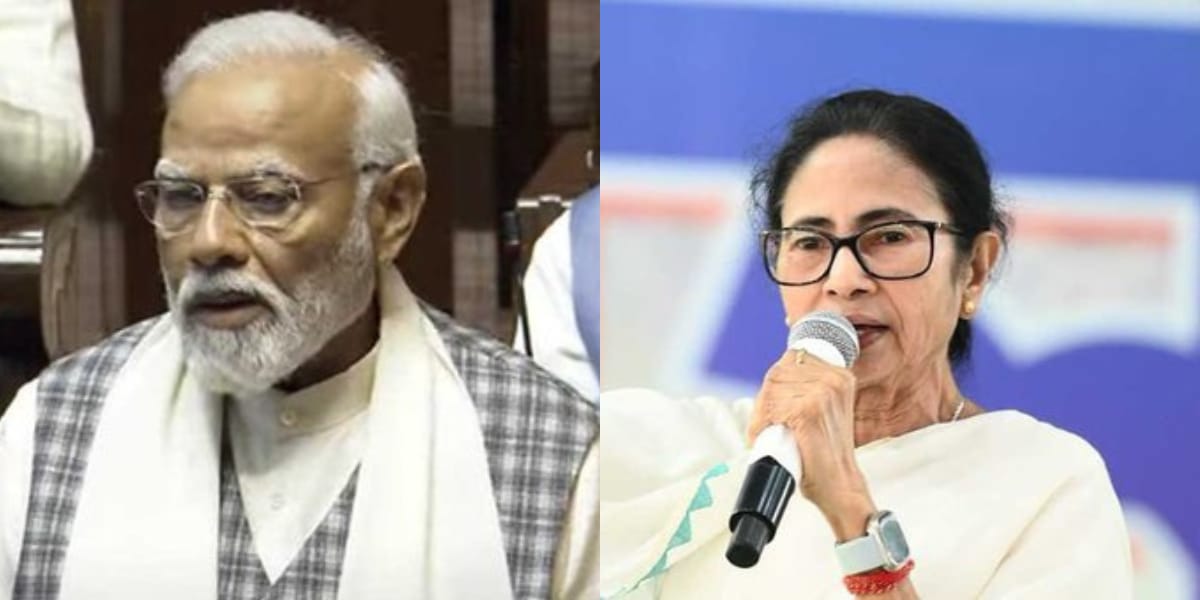
The fall of the 131st Constitutional Amendment (Women Reservation Bill) in the Lok Sabha last week and the BJP ratcheting up attack on the Opposition for not helping in its passage — complete with PM Modi’s address to the nation, street protests in Delhi and outside Congress leader Rahul Gandhi’s residence – is not helping ordinary BJP karykarta in Bengal fighting the Trinamool Congress (TMC). In fact, BJP sources are quite puzzled as to why PM Modi tried to even bring a women’s quota bill at this juncture in the midst of Bengal polls. That too, when the government was aware it was set to fall? What was the big idea? Atleast in Tamil Nadu, AIADMK chief Edappadi K Palaniswami (EPS) is able to take pot shots at DMK leader M K Stalin for putting the state at a disadvantage in the delimitation gamble. In Bengal, TMC supremo Mamata Banerjee has gone on a disinformation overdrive. It was as if the defeat of the women’s quota bill had given a new lease of life to the TMC. Her campaign has naturally upset the BJP leaders and workers. Mamata, who was fighting with her back to the wall as she had begun to sense hostilities to the TMC among the Hindus, used the defeat of the Bill to describe it as “beginning of BJP’s downfall”. At a rally in Howrah, Didi went on to portray that the BJP had been “defeated” and was surviving in office only with the support of its allies. She was clearly trying to scare potential BJP voters by portraying that the national party no longer mattered in Delhi. Meanwhile senior Congress leader Ashok Gehlot too suggested that the government ought to seek a fresh mandate on the gender issue.

With just a week to go before the first phase of the two-phase West Bengal Assembly elections, the Trinamool Congress has rolled out an aggressive, data-driven campaign under its 250-Seat Strategy, aiming to expand beyond the 215 seats it won in 2021. Chief Minister Mamata Banerjee has set a target of 226 seats, while party insiders say Abhishek Banerjee is pushing for around 250 seats in the 294-member Assembly. The strategy is based on granular analysis of past election data, focusing on 30–35 constituencies across 29 Lok Sabha seats won in 2024 and over 100 Assembly segments where 2021 margins were within 15,000 votes. At least 34 seats had margins below 5,000 votes, with BJP winning 21 and TMC 13. The narrowest margin was 273 votes in Balarampur, while Cooch Behar Dakshin saw just over 4,300. Similar trends appeared in 2024, including Balurghat at 9,673 votes and TMC wins in Arambagh and Bishnupur by 6,308 and 6,172. The Special Intensive Revision (SIR) has intensified focus, with 44 constituencies seeing deletions exceeding past margins. Seats with 5,000-10,000 margins numbered 33 with TMC winning 24 and BJP nine. The campaign emphasises booth-level management, with war rooms in all 294 constituencies staffed by about 20 Trinamool members. Over one lakh shadow agents monitor electoral rolls, while leaders hold three to four rallies daily and micro meetings of 250–300 people weekly per booth. The approach reflects a shift from charisma-driven campaigns to structured mobilisation, daily voter engagement, and continuous monitoring of outreach, grievances and constituency-level electoral dynamics across the state overall.
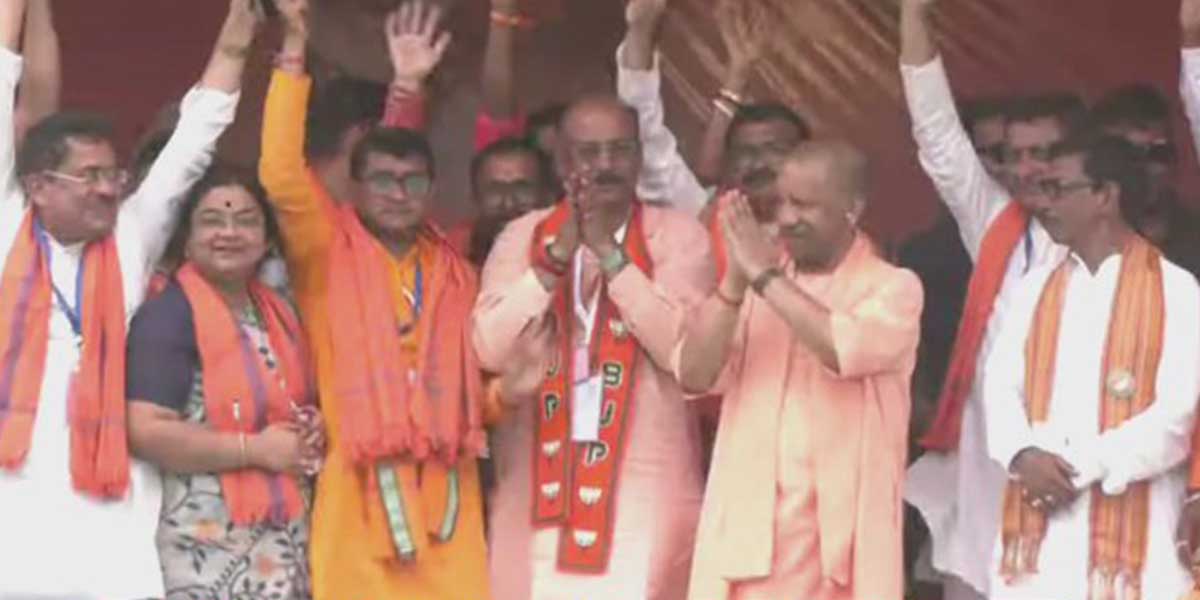
The BJP has intensified its Bengal campaign in the run-up to the April 23 polling, unveiling what party insiders describe as an “all-out strategy” to flood the ground with messaging, mobilisation and leadership presence. Almost 500 rallies, roadshows and meetings will be held across 152 constituencies voting in the first phase, with at least one event in each seat addressed by a senior leader to push last-mile outreach. Union minister and election observer Bhupender Yadav said a Bengal leader will also address at least one rally in every constituency, reinforcing coordination between central and state units. The campaign is led by Prime Minister Narendra Modi and Union home minister Amit Shah, who together anchor the high-decibel push. Modi is addressing around 11 rallies for this phase, while Shah is addressing about 30. Chief ministers from BJP-ruled states, including Himanta Biswa Sarma and Yogi Adityanath, have been deployed to target regions such as border belts and tribal areas. Alongside physical outreach, the party has launched a structured media offensive from April 15, aligning with the Bengali New Year, with daily press conferences focused on manifesto themes and governance critiques of the Trinamool Congress government. The messaging marks a calibrated shift, avoiding direct personal attacks on Chief Minister Mamata Banerjee after backlash in 2021, and instead focusing on governance, economic distress and agrarian concerns. A central campaign issue is the potato crisis, highlighting price crashes, export restrictions and inadequate storage. This year, supply disruptions in Kolkata and price spikes halted inter-state sales. Combined with bumper output, this has hurt farmers even as consumers face volatility. The BJP argues this reflects administrative failure, promising market access and fair prices, while deploying over 700 external personnel to manage campaigns despite factional challenges.
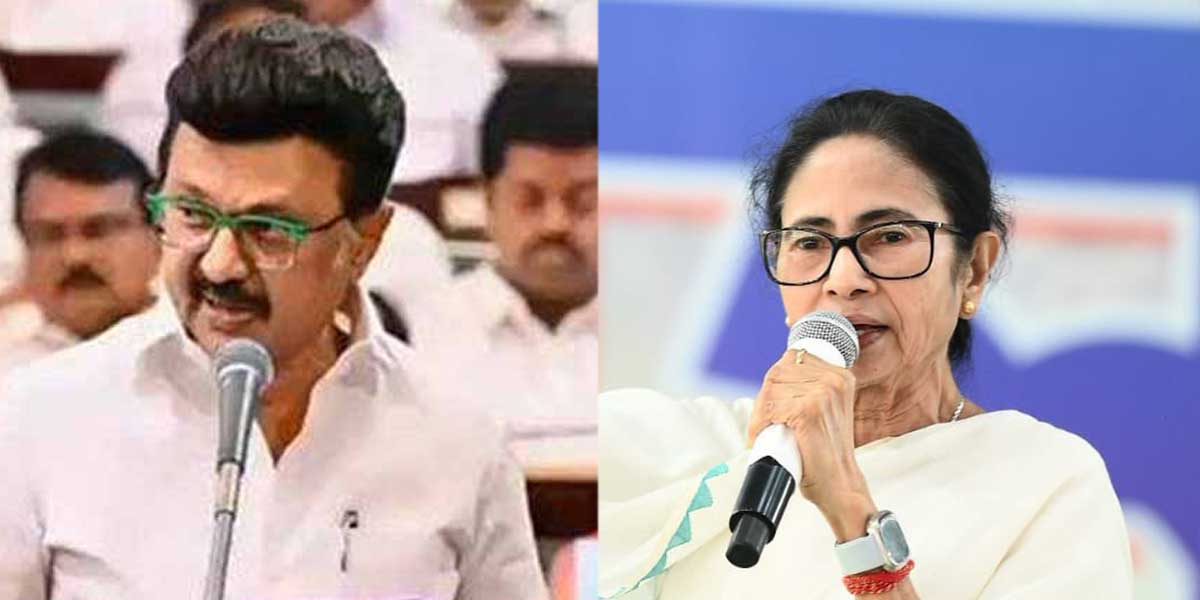
In an interesting move TMC supremo Mamata Banerjee charged DMK chief M K Stalin of having tacit understanding with the BJP. This is outrageous, considering the DMK is part of the anti-BJP INDIA bloc that Mamata associates with according to her convenience. The West Bengal CM has been an all-weather friend of the BJP when it suits her. Like she was part of the Vajpayee government. Maybe just as the DMK too was. However, Mamata felt quite comfortable taking a swipe at Stalin at a public rally in her state this week. The moot point is why did Didi suddenly find Stalin to be BJP friendly? While four states and a Union Territory headed to the hustings in the next few weeks, Mamata feels the Election Commission which she terms as “BJP stooge”, had only targeted bureaucrats close to her for punitive action. The EC had sent many of Bengal’s IAS and IPS officers to TN. She found that several officers including those instrumental in local law enforcement and development initiatives, had been sent to TN as observers. She alleged that out of 510 officers removed as observers across five poll-bound territories, a staggering 500 (approximately) were drafted from Bengal alone. “What are you thinking? Outsiders from Madhya Pradesh and Uttar Pradesh will come and (conduct the) vote?” she asked. Meanwhile, as the DMK-led Secular Progressive Alliance and the AIADMK-led NDA battle it out in TN, DMK surprised political watchers by the way it handled the SIR exercise in the state. It did not make a song and dance of SIR, the DMK simply took it in its stride. This may have led an old ally like the TMC to suspect it of being a friend of the BJP!
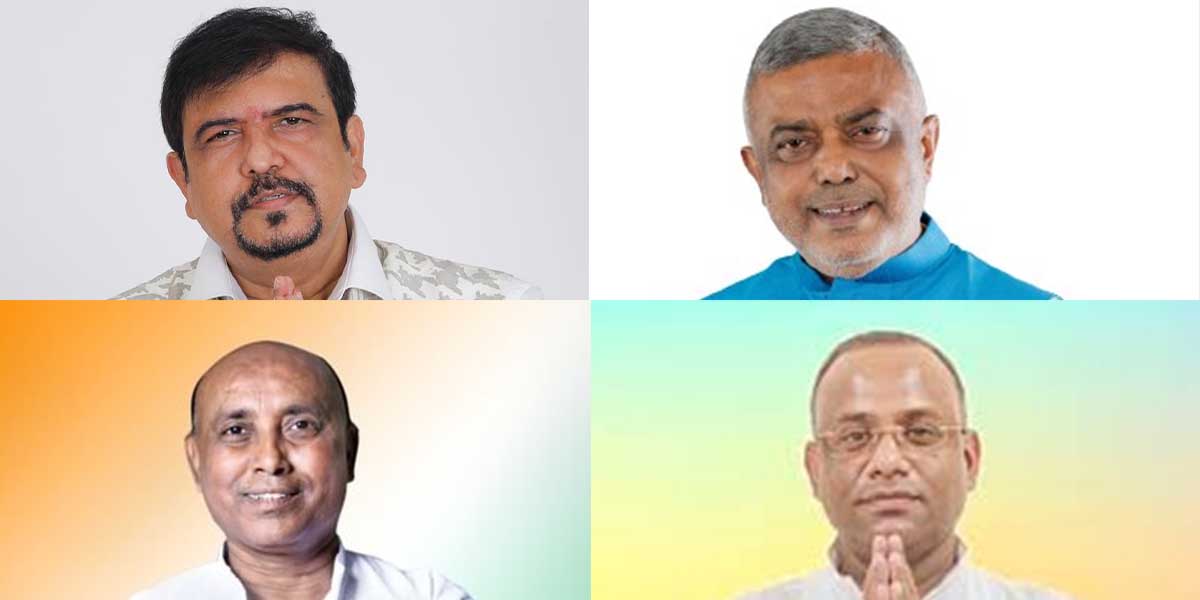
With polling date fast approaching for the West Bengal Assembly elections, the central investigative agencies have got into their act, summoning candidates from the ruling Trinamool Congress (TMC). Polling for all 294 seats is scheduled in two phases on April 23 and 29. Both the Enforcement Directorate (ED) and the National Investigation Agency (NIA) have intensified probes in respect of four TMC candidates in cases linked to alleged recruitment scams, land-grabbing and a blast investigation. Among those summoned are: Sujit Bose, state’s Fire Minister, contesting from Bidhannaga. He has been asked to appear before the ED on April 6 in connection with alleged irregularities in municipal recruitments. Bose won the Bidhannagar seat in 2021 by around 8,000 votes. The case relates to alleged multi-crore irregularities across 123 municipalities and seven municipal corporations, including South Dum Dum, Kamarhati, Panihati, North Dum Dum and Baranagar, based on a CBI FIR alleging illegal recruitments between 2014 and 2018 in exchange for money. In a separate case, Debasish Kumar, TMC candidate from Rashbehari and a member of the Kolkata Municipal Corporation’s Mayor-in-Council, has been summoned three times within 15 days by the ED in an alleged land-grabbing case. He was questioned for several hours on March 30 and April 3. Senior TMC leader Rathin Ghosh, contesting from Madhyamgram, was summoned on April 9 in connection with 1,500 alleged illegal municipal recruitments during 2014–2018. Manab Kumar Parua, candidate from Bhagabanpur, appeared before the NIA in the 2022 Bhupatinagar blast case. TMC spokesperson Arup Chakraborty accused the BJP of using central agencies to target candidates. He claimed leaders like Tapas Roy, Suvendu Adhikari who joined the BJP are not being investigated.
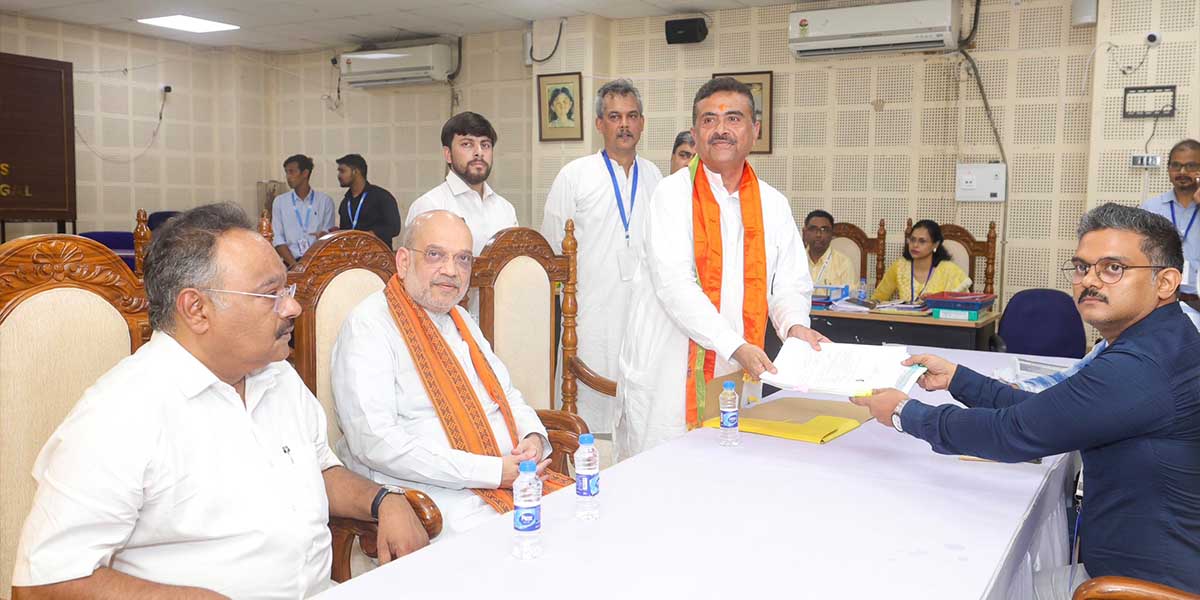
Union Home Minister Amit Shah is so convinced that the BJP is in a position to defeat Mamata Banerjee’s Trinamool Congress (TMC) in Bengal that he wants to concentrate more on the state than in Tamil Nadu. Once elections are over in Assam, Kerala and Puducherry on April 9, Shah will spend more than two weeks in Bengal. PM Modi is likely to address two rallies within a week. The BJP has pressed a battery of leaders into action, hoping to unseat the TMC government. “A number of our senior leaders are camping in the state, and more are set to join once the elections in Assam are over…” says a senior BJP leader. Work is being carried out in silos — at the level of both assembly and Lok Sabha constituencies. The BJP has divided West Bengal into nine zones, each zone is being handled by senior leaders, including ministers such as Dharmendra Pradhan, Nityanand Rai, Gajendra Singh Shekhawat, Sanjay Jaiswal, and Nishikant Dubey. Most of the leaders deployed so far are from Chhattisgarh, Bihar, Jharkhand, Uttar Pradesh, Tripura, among others.”The fact that Amit Shah ji has himself announced that he will campaign and stay in West Bengal for 15 days shows the party’s commitment and seriousness,” a senior leader said. The BJP is also making sure to counter any ‘negative narrative’ by the TMC to ensure such a depiction does not affect its prospects. For instance, soon after Mamata Banerjee claimed that the BJP would ban fish, meat, and even eggs if it came to power, Union Minister Sukanta Majumdar claimed that Bengal’s next CM from the BJP will be a ‘non-vegetarian’ when it comes to food habits. Shah has said, “I have a shortcut for bringing change to the state. Just make Suvendu Adhikari win from Bhabanipur (against Mamata), and the change is bound to happen.”
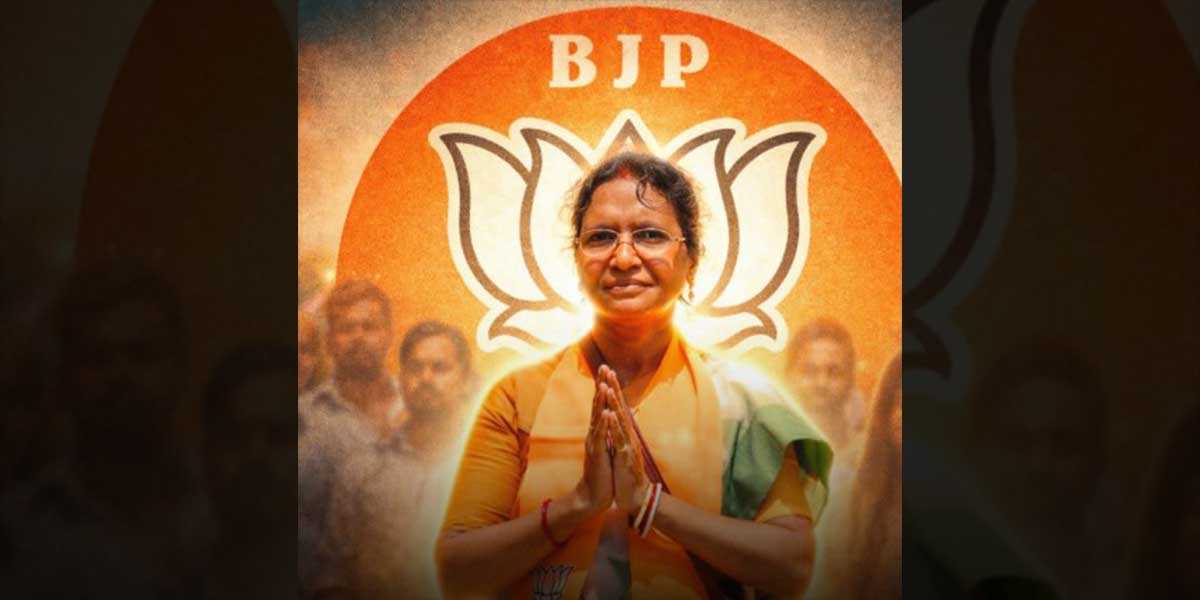
This Assembly elections, the BJP has launched a focused outreach to women voters, crafting a candidate list featuring women activists and public figures to challenge West Bengal chief minister Mamata Banerjee’s strong hold over the women vote bank. Over 15 years in power, Didi has built a strong rapport with women through welfare schemes such as Lakshmir Bhandar and Kanyashree. Notably, ahead of the elections, the TMC government increased monthly assistance under Lakshmir Bhandar. In a strategic shift, the BJP has fielded candidates directly associated with protests against alleged violence or injustice, particularly in cases linked to individuals associated with the ruling TMC. Ratna Debnath, mother of the RG Kar Hospital rape victim, has been fielded from Panihati. Rekha Patra, a key figure in the 2024 Sandeshkhali protests will contest from Hingalganj. Tumpa Kayal, known for leading protests after the 2013 Kamduni rape and murder case in North 24 Parganas, has joined the BJP. Together, Ratna, Rekha and Tumpa represent the BJP’s effort to foreground real-life experiences of violence against women and are expected to campaign across the state, including Bhabanipur, where Opposition leader Suvendu Adhikari is contesting against Mamata. The BJP has also fielded women candidates such as actors Roopa Ganguly, Sarbori Mukherjee, Papiya Adhikary, and advocate Priyanka Tibrewal, who contested against Didi in the 2021 Bhabanipur bypoll after her defeat in Nandigram. Meanwhile, TMC has raised concerns over a reported drop of nearly 57 lakh women voters after the SIR. It claims numbers rose from 3.59 crore (2021) to 3.73 crore (2024), before falling to 3.16 crore (2026), alleging many women were marked “under adjudication” due to marriage, address, or surname changes, effectively excluding them and weakening participation.
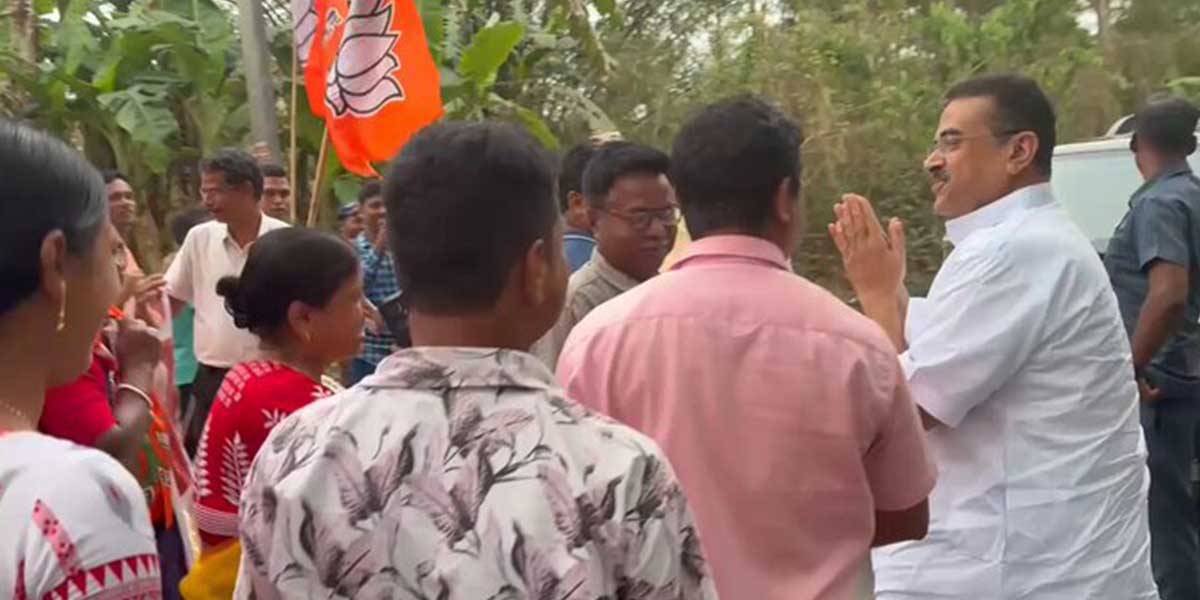
Nandigram has once again become a key political battleground. Unlike 2021, the focus this time is on Opposition leader Suvendu Adhikari. Former close aide of Suvendu, Pabitra Kar, switched to Trinamool Congress (TMC) and was given ticket to contest from Nandigram. The defection — timing, messaging and disruption — is a masterstroke by West Bengal chief minister Mamata Banerjee and her nephew Abhishek Banerjee. TMC leaders interpret Pabitra’s candidature as an indication that political equations in Nandigram are changing. The move raises questions about Suvendu’s organisational strength and internal stability. Kar poses a serious threat as he knows the local terrain and Suvendu’s political network from within. BJP leaders acknowledge the challenge admitting that the contest in Nandigram has become more uncertain due to this development, but maintain that Suvendu retains a strong voter base. Kar has grassroots connections, family political presence, and links with local religious organisations. Local BJP unit has admitted that the timing of the defection has hurt perception, though its real impact will depend on ground-level translation. Defections like this can influence booth management, cadre morale, and voter perception. A section of the party believes that local workers may face confusion due to Kar’s shift, affecting campaign coordination. Nandigram has a history of tight elections—Didi lost by just 1,956 votes against Suvendu in 2021. Nandigram remains politically symbolic and emotionally significant in Bengal politics. Political observers believe that elections here are decided by booth management, local equations, and last-mile outreach—not rallies. Kar’s insider knowledge could influence these micro-level dynamics. For Suvendu, 2026 elections is a different test as he must not only defend Nandigram but also Bhabanipur where he challenges Mamata Banerjee.
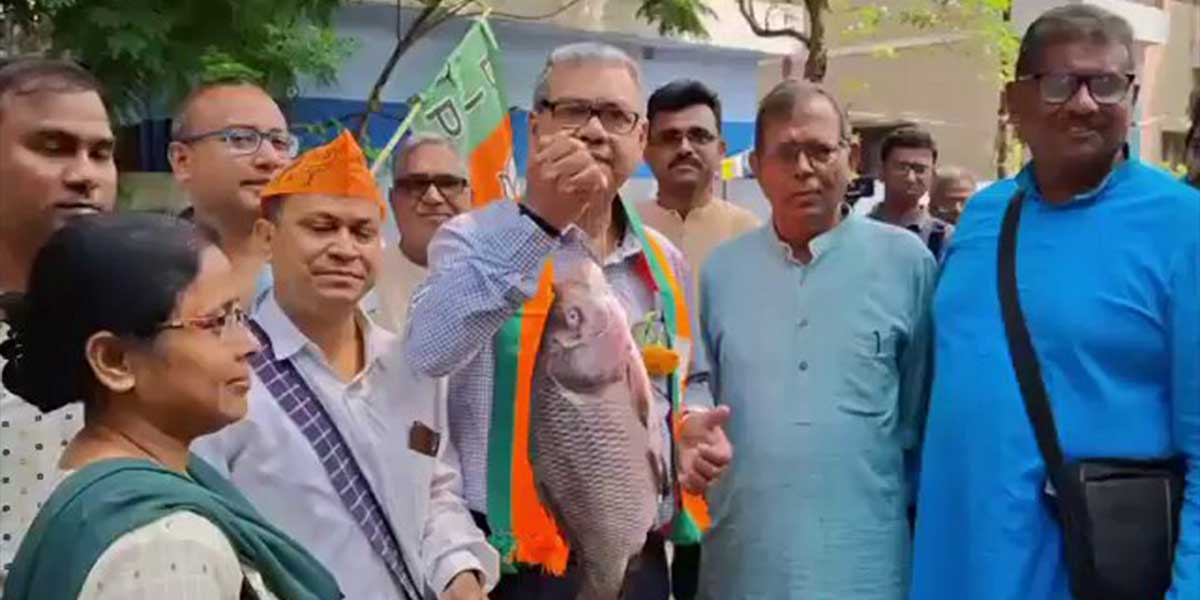
Food culture has emerged as a parallel campaign theme in the current West Bengal assembly election. The phrase “Mache Bhaate Bangali”, signifying the deep-rooted connection between Bengalis and fish-rice cuisine, has gained prominence in the political discourse. Chief Minister Mamata Banerjee had earlier foregrounded “Bengali asmita” in her campaign. Food habits are now being projected as an extension of that identity. The ruling Trinamool Congress (TMC) has sought to frame dietary practices as part of the state’s cultural fabric, raising concerns that these may come under threat with the BJP’s possible rise in influence. TMC leaders have repeatedly portrayed the BJP as an “outsider” force and flagged issues around “vegetarianism” and restrictions on meat consumption in BJP-ruled states. They have suggested that similar policies could affect Bengal’s established culinary traditions. Mamata Banerjee has alleged “food control politics”, warning that dietary freedoms, including the consumption of fish and meat, may be at risk. The BJP in West Bengal has responded by rejecting allegations of imposing dietary restrictions. State BJP president Samik Bhattacharya said fish and meat would remain part of daily life, while indicating that certain regulatory positions on beef would continue. BJP candidates have also sought to emphasise their connection with local food culture. Campaign activities have included public displays of consuming fish and carrying staple varieties such as katla and rohu during outreach programmes. Leaders including Swapan Dasgupta and Rudranil Ghosh have highlighted their preference for traditional Bengali meals. Bidhannagar candidate Sharadwat Mukhopadhyay drew attention by carrying a raw katla fish during campaigning. With campaigning intensifying, the TMC is expected to sharpen its “outsider versus insider” narrative, focusing on cultural identity. The BJP, meanwhile, is attempting to recalibrate its messaging to counter perceptions of cultural disconnect...
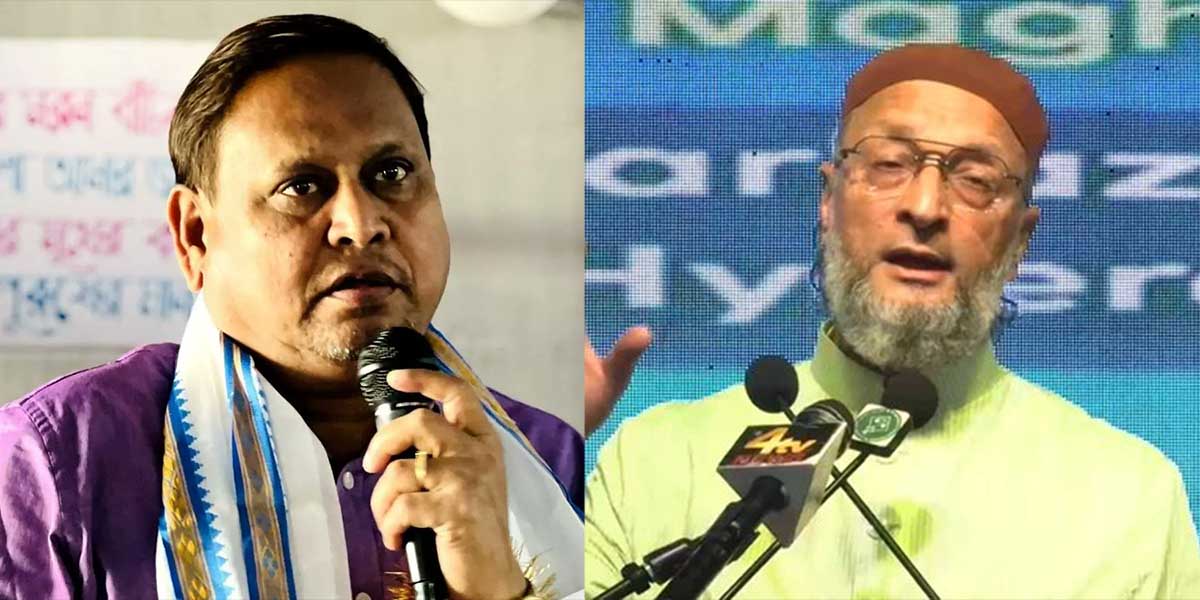
The Muslim factor remains the trump card of West Bengal chief minister Mamata Banerjee as they constitute around 27% of state’s population. Despite persistent criticism of “appeasement politics” from the BJP, Didi has shown little inclination to respond, instead has positioned herself as a source of trust among Muslim voters. Consequently, her recent “special community” remark drew criticisms from the Congress and Left parties along with protests by the BJP. It elicited little concern within the TMC. Naturally, since 2011, Didi has focused on this voter base which has favoured the TMC. Before 2011, Muslim votes were divided between the Left Front and Congress. Banerjee consolidated this base over time, using the Sachar Committee Report to highlight socio-economic deprivation under Left rule. The Singur and Nandigram movements marked turning points, with many affected farmers being Muslims, strengthening her support and prompting shifts of Congress and Left workers to the TMC. The government introduced targeted schemes, including monthly allowance for imams in 2012, madrasa modernisation, the Aikyashree scholarship and the Kanyashree scheme. In the 2026 interim budget, Rs 5,713 crore was allocated to minority affairs. These measures contributed to the emergence of a Muslim middle class seen as supportive of the TMC. Her assertion that communities are “safe” under her government signals that policies like NRC and CAA could return if the TMC weakens. Analysts note that BJP-led polarisation has strengthened Muslim consolidation behind the TMC while limiting space for the Left. Electoral data reflects this shift. In 2021, of about 85 constituencies with significant Muslim voters, the TMC won around 75. Congress and the Left declined sharply. For 2026, in the 294-seat Assembly, the TMC aims to secure around 75 seats through Muslim consolidation and another 75 through welfare support. This time there could be an upset as AIMIM headed by Asaduddin Owaisi has entered the fray...
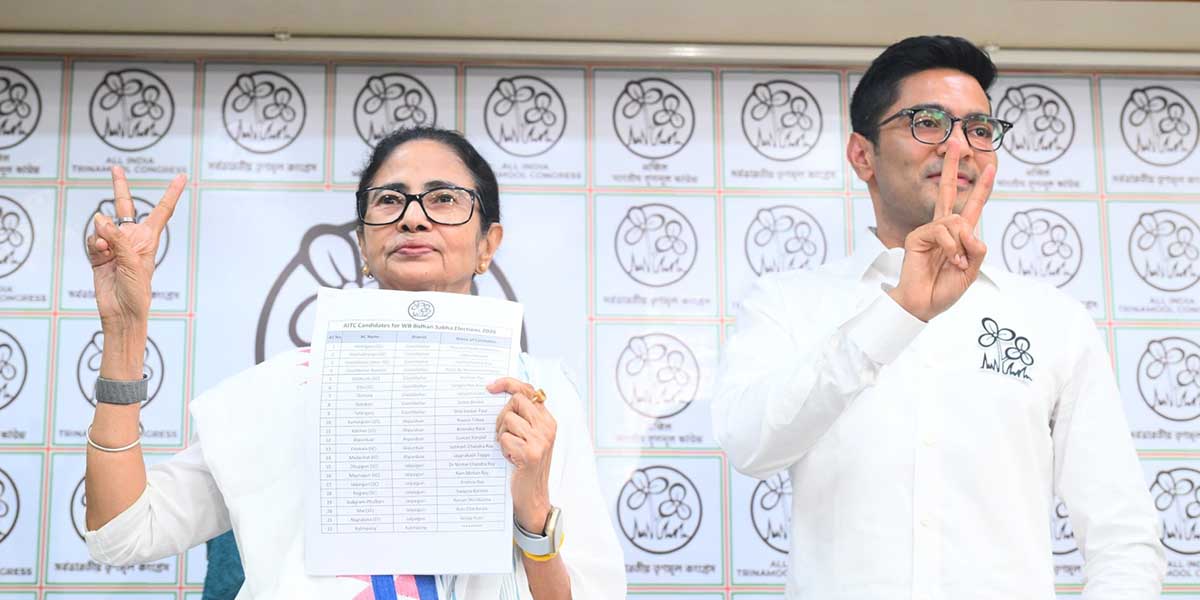
Seeking a fourth consecutive term, West Bengal chief minister Mamata Banerjee who released a 291-seat candidate list clearly signalled a sweeping organisational reset. Defined by a “three-generation balance” strategy, the list represents a calculated gamble by Mamata and her nephew Abhishek Banerjee to neutralise anti-incumbency through a mix of youthful energy and seasoned stability. Didi’s focus this time has been on younger faces, increased representation of women, and caste & community equations. Party insiders describe a “three-generation balance”, an idea pushed by Abhishek. Of 291 candidates, 219 or 75% are under 60, 45% around 50, 72 above 60 and 25 over 70 — marking a clear shift from 2021. To address anti-incumbency, 74 sitting MLAs have been dropped. Veterans like Samar Mukherjee (83), Sobhandeb Chattopadhyay (82), Firhad Hakim, Madan Mitra, Jyotipriya Mallick have been retained. Younger faces include Madhuparna Thakur (27), Rituparna Adhya (28), Debangshu Bhattacharya (29), and Rajib Biswas (29). Thirteen recent entrants have been fielded immediately that includes Pabitra Kar against his mentor Opposition leader Suvendu Adhikari in Nandigram. Meanwhile, Partha Chatterjee, Chiranjeet Chakraborty, Kanchan Mullick, Paresh Pal and Swarnakamal Saha, Vivek Gupta have been dropped. Several second-generation leaders have been fielded, including Shreya Pandey (daughter of Sadhan Pandey), Sirsanya Bandopadhyay, Tirthankar Ghosh, Basundhara Goswami, Shubhankar Singh and Sandipan Saha; however, the exclusion of late Mukul Roy’s son Subhranshu Roy signals a selective legacy politics. The list includes 52 women, 40 Muslims, 78 Scheduled Caste and 17 Scheduled Tribe candidates. Interestingly, the TMC appears to have moved away from its earlier reliance on inducting fresh faces from the Bengali film industry.
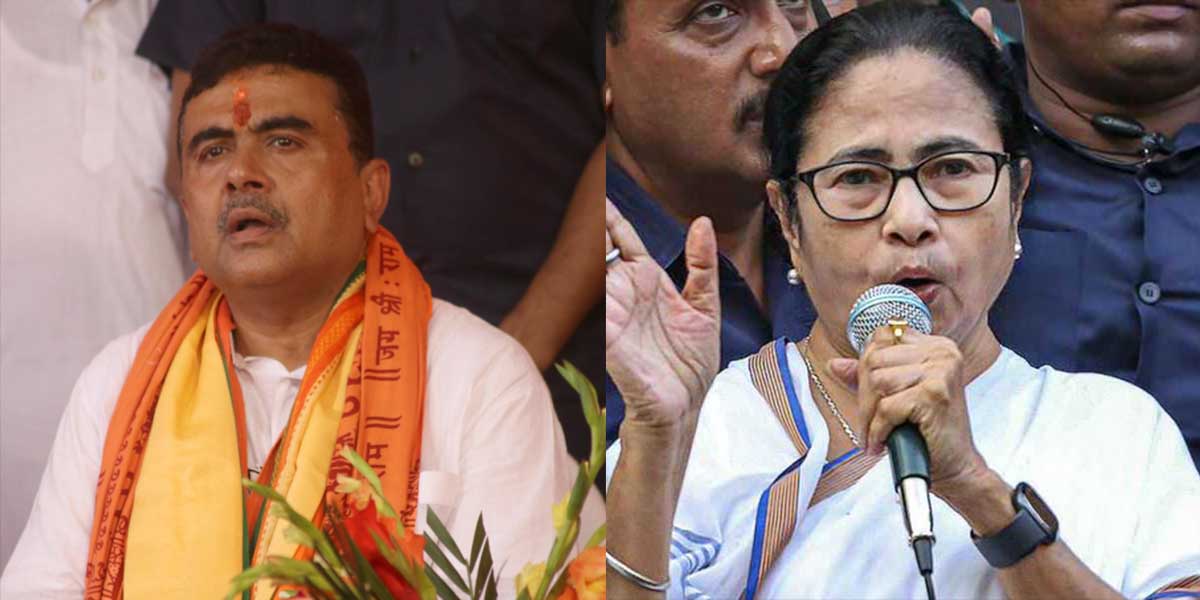
It’s a high stakes battle in Bhabanipur between West Bengal chief minister Mamata Banerjee and Leader of Opposition Suvendu Adhikari. Didi will do everything to defend her urban stronghold, while Adhikari — former TMC heavyweight turned BJP leader defeated her in the 2021 Nandigram contest — has entered the fray to challenge her once again. Interestingly, Adhikari will also contest from Nandigram as well. Observers say this could be BJP’s strategy to pin down Mamata to a gruelling local fight in Bhabanipur so as to limit her ability to lead a state-wide campaign. Her presence remains vital for TMC candidates across West Bengal’s closely contested districts. The constituency itself, often called “mini Bharat,” features a diverse demographic where nearly 40% of voters are from non-Bengali communities—including Gujaratis, Marwaris, Punjabis, and Odias—alongside a 20% Muslim electorate. While the seat has leaned toward the TMC since 2011, the BJP is aggressively courting the business community to bridge the gap. The build-up to the April 23 and April 29 two-phase elections has been marked by a fierce dispute over the electoral rolls. Reports indicate over 47,000 names were removed during a special intensive review, with another 14,000 under scrutiny. While the BJP justifies the deletions as a clean-up of duplicate entries, the TMC alleges a conspiracy involving the Election Commission to disenfranchise genuine voters. Despite these tensions, Didi enters the race with a formidable record, having won her 2021 by-election by over 58,000 votes. Her party’s broader list reflects a push for representation, featuring 52 women, 95 SC/ST candidates, and 47 minority representatives.
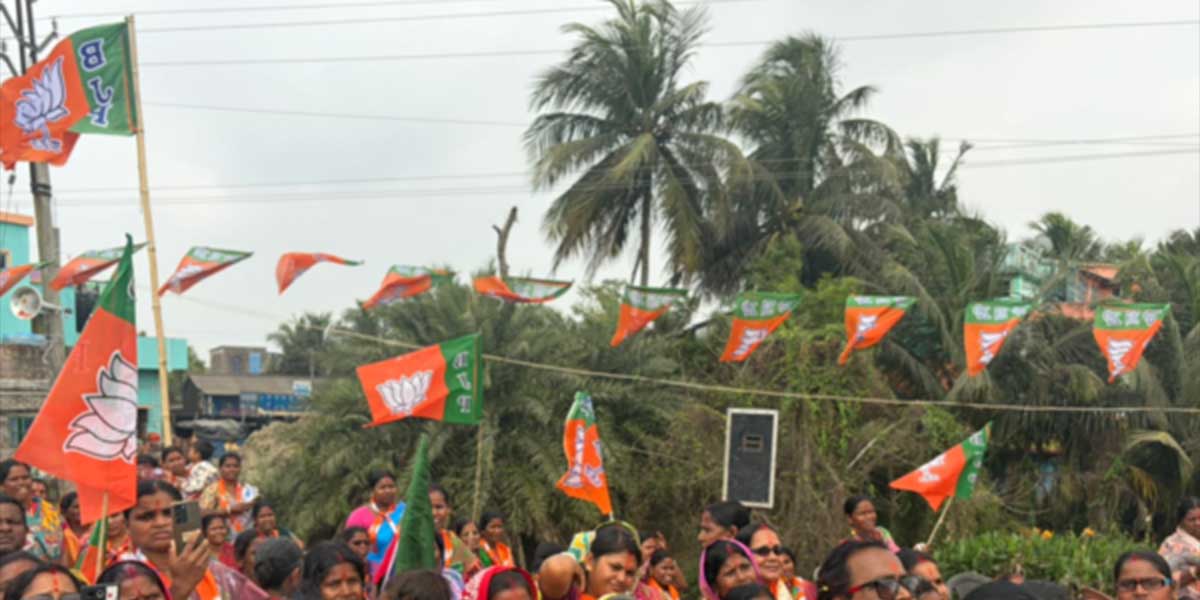
In a strategic move to turf out West Bengal chief minister Mamata Banerjee in the upcoming Assembly poll, the BJP is focussing on her stronghold – women voters. Didi’s Lakshmir Bhandar scheme has proved to be very popular. As a counter to that the BJP has launched Labharthi Sampark Abhiyan scheme which promises to top Didi’s scheme which is currently paying Rs 1,500– Rs 1,700 per month to Rs 3,000 if voted to power. Complementing this, Union Home Minister Amit Shah announced a separate Rs 5,700-crore special fund dedicated to women’s safety, education, skill development, and self-help groups. BJP manifesto committee members emphasize that this fund is an additional empowerment initiative distinct from the monthly cash transfers. To popularise its Labharthi Sampark Abhiyan, BJP has embarked on a massive door-to-door campaign targeting approximately 64 lakh families, or nearly 2 crore voters. Under this strategy, a dedicated committee and district-level teams have appointed a Labharthi Sampark Pramukh at 1,060 booths. Workers are instructed to show that while Lakshmir Bhandar provides roughly Rs 60,000 over five years, central schemes like the Pradhan Mantri Awas Yojana, Ujjwala LPG connections, and PM-Kisan provide benefits worth up to Rs 4 lakh per family over the same period. The BJP’s internal data highlights a significant reach, noting that 82 lakh families in Bengal have received central benefits, including 18 lakh minority and 64 lakh Hindu households. Within the Hindu demographic, 42 lakh families have accessed at least three schemes, while 35 lakh families have benefited from five. By focusing on direct individual benefits—such as housing, toilets, and piped water—and excluding general infrastructure like roads, the party aims to prove its efficacy. BJP leaders are betting that this “beneficiary-first” model will finally yield a breakthrough in West Bengal.
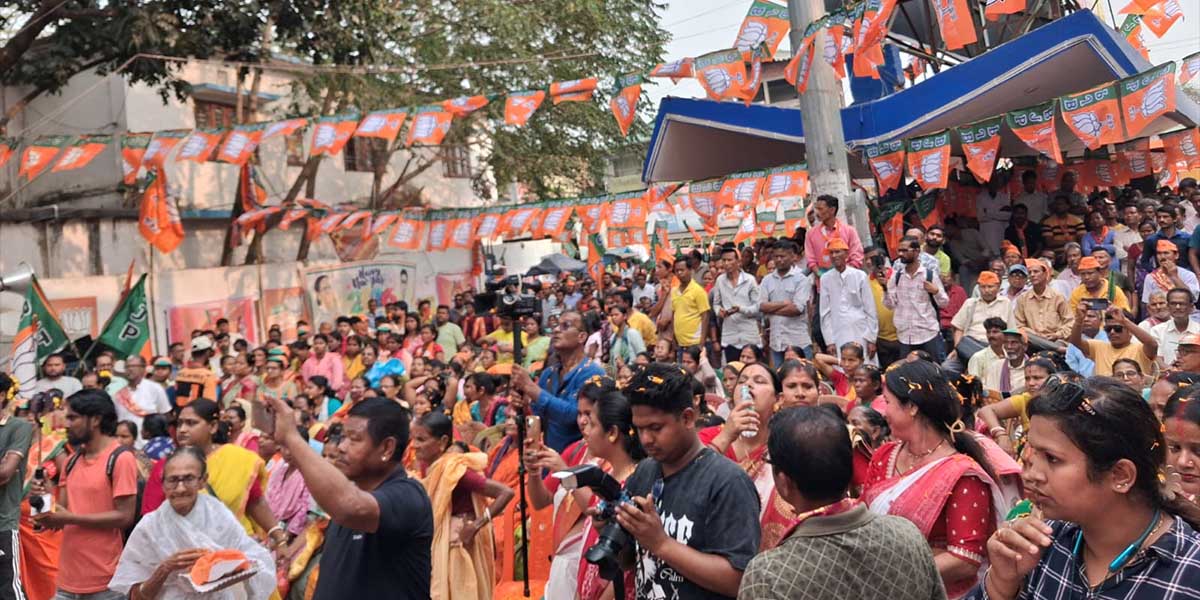
As the BJP revs up its engine with the high-decibel “Parivartan Yatra”, its ideological backbone, the RSS, is quietly weaving a different tapestry on the ground. Through a strategic public awareness campaign, RSS volunteers are navigating the state’s neighbourhoods in small, discreet groups. Their mission is a classic ground-game manoeuvre: speaking directly to residents about the perceived excesses of West Bengal CM Mamata Banerjee’s administration and the urgent need for Hindu voter mobilisation. This quiet storm aims to challenge the Didi’s long-standing dominance by ensuring a maximum turnout among the Hindu electorate. The narrative being pushed by right-wing leadership, including the Vishwa Hindu Parishad, centres on a dual grievance of economic stagnation and a controversial “appeasement” policy. Sangh members argue that this shift stems from a growing perception that the TMC has favoured a small circle of influential leaders over the broader Muslim community, leaving many to feel like a neglected vote bank. This discontent is reportedly spreading across the socio-economic spectrum, from tribal communities to the traditional Bhadralok class. To capitalise on this, right-wing organisations are eyeing the upcoming Ram Navami celebrations as a pivotal moment for further mobilization. However, a strategic shadow hangs over the saffron camp’s momentum: the lack of a projected Chief Ministerial face. While the BJP central leadership often favours a “faceless” campaign to avoid internal factionalism—a tactic seen in Rajasthan and Chhattisgarh—many within the RSS believe this could be a tactical error in Bengal. They argue that entering the fray without a leader of sufficient public stature leaves the party at a disadvantage against a formidable opponent like Didi.
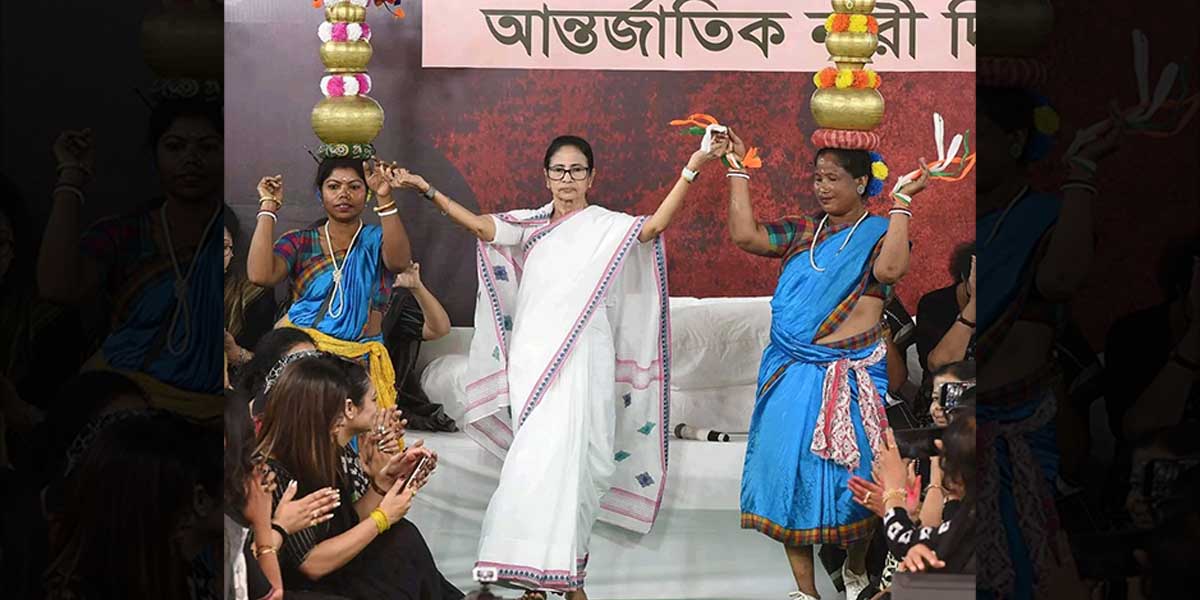
An unprecedented political confrontation between the President Droupadi Murmu and West Bengal chief minister Mamata Banerjee has become an election campaign issue with both BJP and TMC framing the debate around tribal identity ahead of the Assembly elections. The BJP has attacked the ruling TMC over what it calls an “insult” to President Murmu, India’s first tribal woman President while Mamata has accused the BJP of exploiting the President politically for electoral gains. The focus has shifted from the SIR issue to tribal representation. The BJP is targeting tribal-dominated constituencies, where it had made gains in the 2019 Lok Sabha poll in Jangalmahal but lost ground to TMC in the 2021 Assembly elections. In the 2024 Lok Sabha election, TMC recovered three seats in western West Bengal — Bankura, Jhargram, and Medinipur. While only 16 of West Bengal’s 294 Assembly constituencies are reserved for Scheduled Tribes, at least 52 constituencies across Birbhum, Hooghly, Purba Bardhaman and Paschim Bardhaman have significant tribal populations, making the issue electorally relevant beyond reserved seats. Some TMC leaders feel Didi’s strong reaction against President Murmu, might have been better measured, as it risks alienating some tribal voters at a time when BJP is actively capitalising on every opportunity. Political analysts predict the confrontation will continue. Other issues, including the SIR debate and rising cooking gas prices, may fade as the President-CM dispute will dominate West Bengal’s political narrative.
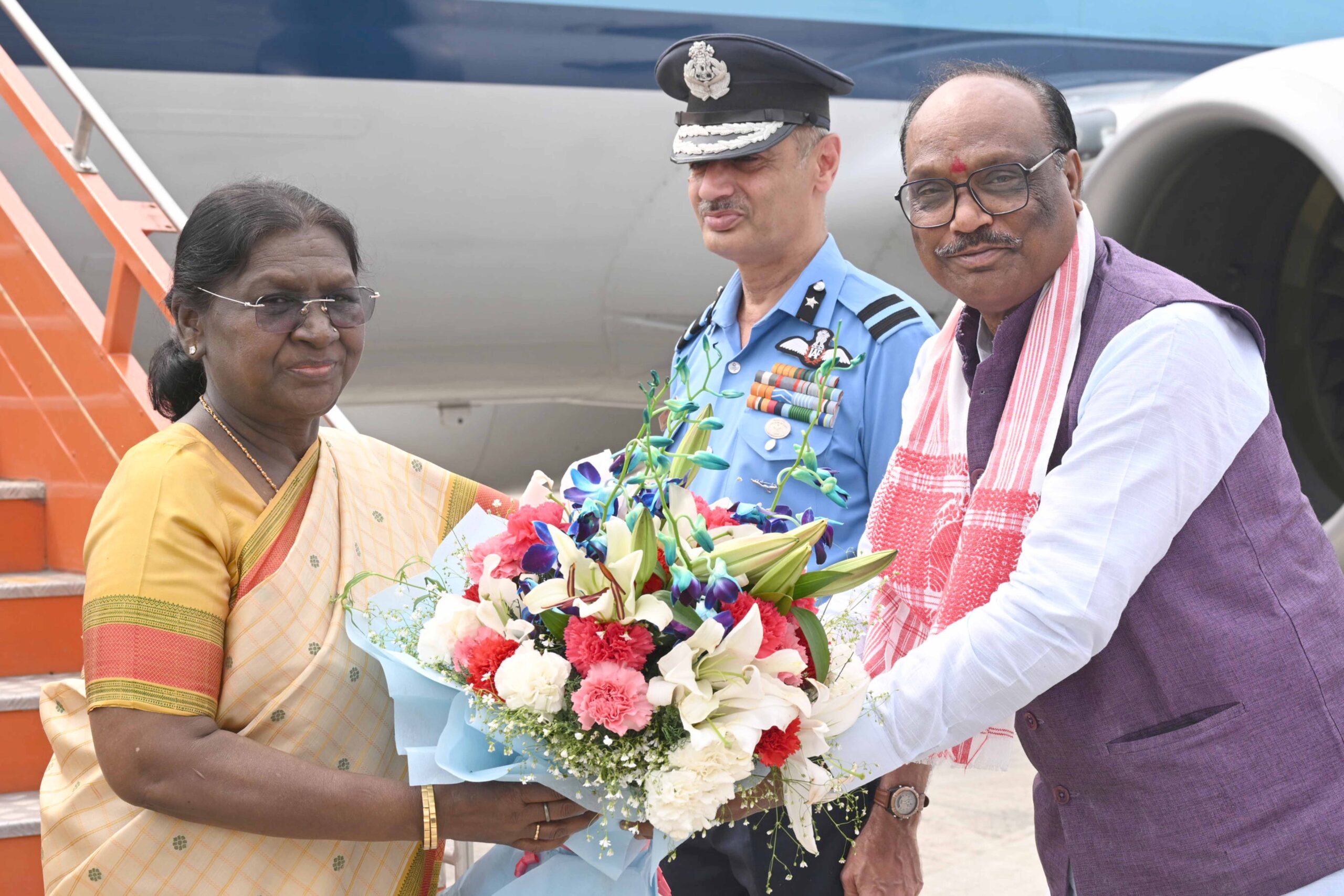
In an unusual move on March 7, President Droupadi Murmu visited Bidhannagar in Phansidewa, Darjeeling district and planted a tree at Bidhannagar Santoshini Vidyachakra School Gate. It was to be the venue of the International Santal Conference. For some reason the West Bengal Govt refused to give permission for the Conference to be held in the Adivasi majority area and wanted it to be held at a distant congested site near Bagdogra airport. President Murmu travelled more than 30km to Bidhannagar to meet with the Adivasi people. Refusing to get bogged down by the lack of protocol — President Murmu was not received by the CM or Chief Secretary or a senior minister, President Murmu aired her anguish over the manner in which she was humiliated among her very own people — the Santals in Bengal. She attacked the state apparatus that changed the venue of the Santal Conference at the last minute so that fewer people could attend. Exposing anti-Adivasi mindset of the Bengal Govt, President said, “They chose a place for the conference where the Santal people couldn’t go. Protocol demands that if the President visits a place, she should be accompanied by the CM or ministers. “It is still not clear why Mamata was discourteous to President Murmu? Is it because of the buzz that the state could be placed under President’s Rule ahead of the assembly polls? What set off the buzz is that the state has got a no-nonsense new governor, R N Ravi from Tamil Nadu where he was being made a hot poll issue by the DMK. But then a President Rule is exactly what Mamata will want. As it will help her play the victim card. Like her broken limb had helped her swing the last elections. But then why would the Centre fall for her bait?
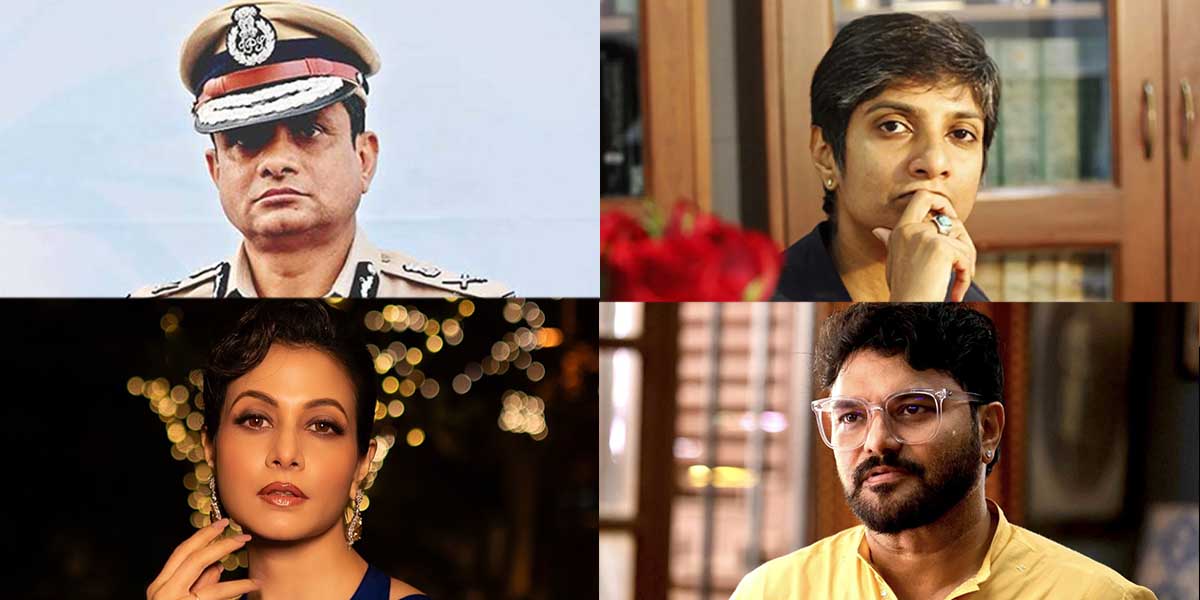
In West Bengal’s political theatre, chief minister Mamata Banerjee’s latest Rajya Sabha nominations signal calibrated messaging. The elevation of former Kolkata Police commissioner Rajeev Kumar, former BJP leader-turned-TMC minister Babul Supriyo, actor Koel Mallick and senior advocate Menaka Guruswamy blends loyalty, optics, accommodation and ideology. Recently retired IPS officer Rajeev Kumar’s nomination is the most politically charged. Central to the Saradha chit fund investigation, he became a symbol of the state-versus-Centre standoff when CBI officers reached his residence, prompting Didi’s dharna in his defence. He was recently seen with Banerjee at the I-PAC office during an ED raid, reinforcing perceptions of proximity. If Kumar’s elevation signals loyalty and confrontation, Babul Supriyo’s move reflects internal management. It became clear he would not contest the upcoming Assembly election from Ballygunge. Though reportedly offered Asansol South, he is said to have had reservations. Supriyo has indicated plans to refocus on his music career. A Rajya Sabha seat preserves stature and visibility without constituency pressures, balancing politics and personal priorities. Koel Mallick’s nomination is symbolic. A leading Tollywood actor, daughter of Ranjit Mallick and married to producer Nispal Rane of Surinder Films, she belongs to a film family seen as close to Banerjee. A recent meeting between Abhishek Banerjee and Ranjit Mallick strengthened perceptions of continued engagement with the film fraternity. Menaka Guruswamy adds an ideological dimension. Known for her role in the 2016 constitutional challenge leading to Supreme Court recognition of LGBTQ+ rights, she also represented Banerjee in the I-PAC case. Openly gay and partnered with Arundhati Katju, she represents liberal constitutionalism. Her induction signals inclusivity and LGBTQ+ outreach, positioning the party within a progressive national discourse amid deepening polarisation.
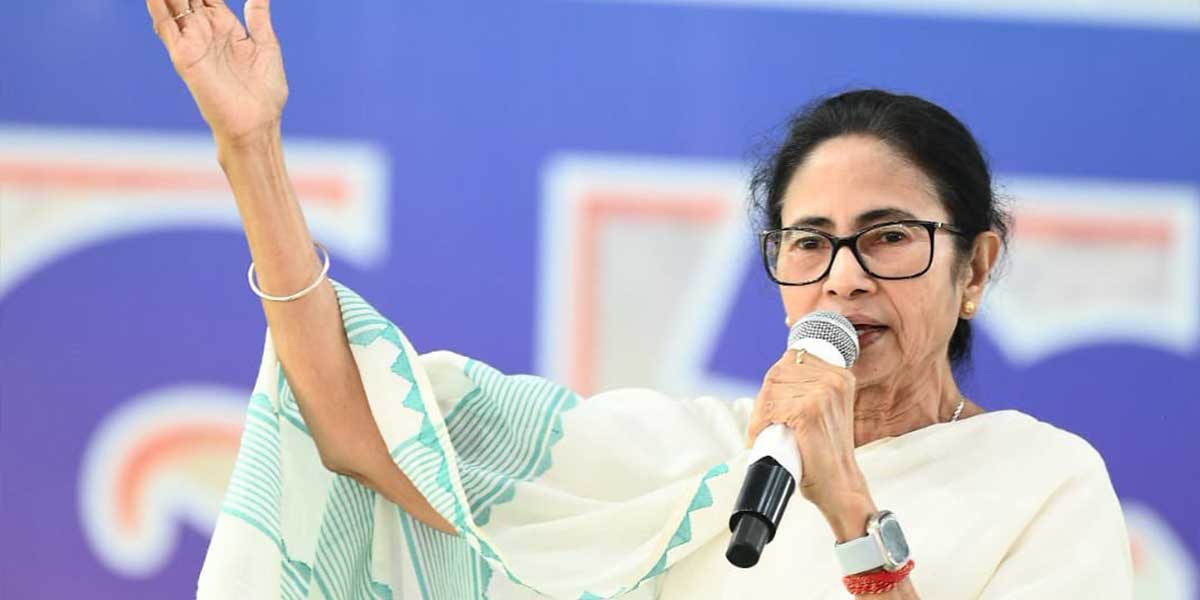
With the renaming of Kerala to Keralam, West Bengal chief minister Mamata Banerjee has turned the issue into a significant political flashpoint ahead of the state election due in a couple of months. Didi termed the BJP “anti-Bengal” and accused the CPI(M) of maintaining a tacit understanding with the saffron party. She alleged that Prime Minister Narendra Modi and Union Home Minister Amit Shah remember West Bengal only during election season, while consistently blocking the state’s longstanding demand for a name change. The issue dates back to 1999 when the Left Front government led by chief minister Jyoti Basu first proposed renaming the state “Paschim Bangla”. After coming to power in 2011, Mamata revived the effort. In 2016, her government suggested “Bengal” in English, “Bangla” in Bengali, and “Bangal” in Hindi, but the Centre rejected the proposal, citing the use of three different names. A later suggestion to adopt “Bangla” as the sole name was also turned down, reportedly because it sounded similar to Bangladesh, potentially causing confusion in international forums. The controversy has put both the BJP and the CPI(M) on the defensive. The state CPI(M) leaders have reacted cautiously as prominent CPI(M) leader Pratik Ur Rahaman defected to the TMC. Local BJP leaders have dismissed Mamata’s claims as politically motivated, accusing her of sidelining the legacy of Shyama Prasad Mukherjee and using the issue to polarise voters as campaigning gathers pace..
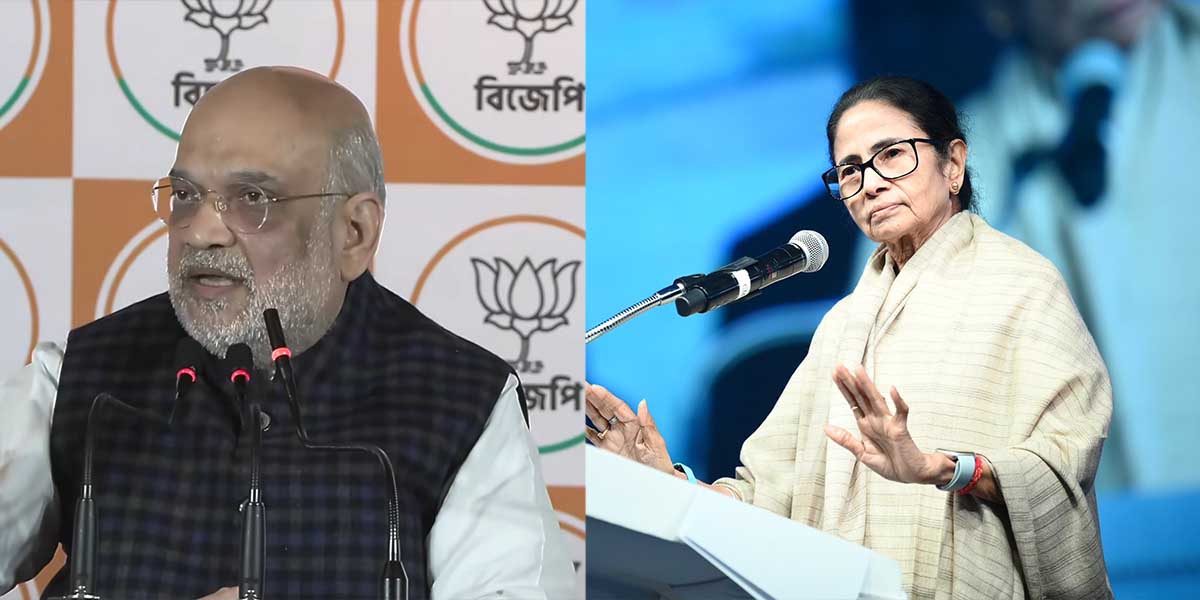
The BJP’s much-publicised Parivartan Yatra in West Bengal will be flagged off on March 1 by the Union Home Minister Amit Shah from Raidighi in South Bengal, a stronghold of the ruling TMC. The two-day mobilisation –March 1—2 — will span nine of the BJP’s 10 organisational divisions in the state. The Kolkata Metropolitan division has been excluded, as it is tasked with organising the party’s concluding Brigade rally. The decision to have Shah launch the yatra from Raidighi is politically significant. The area falls within South 24 Parganas, a district that has stood firmly behind TMC supremo Mamata Banerjee since 2008 — even before she came to power in 2011. In the 2008 panchayat polls, the TMC wrested the South 24 Parganas Zilla Parishad from the Left Front. In the last Assembly elections, the party won 30 of the district’s 31 seats; only Bhangar went to the ISF. Raidighi is under the Mathurapur Lok Sabha constituency, while TMC national general secretary Abhishek Banerjee represents neighbouring Diamond Harbour in Parliament. Joining this yatra will be eight central leaders and nationally prominent BJP faces marking an unprecedented concentration of the party’s top leadership in West Bengal. The two-day event will be attended by Union ministers like Rajnath Singh, Shivraj Singh Chauhan, Jagat Prakash Nadda, Dharmendra Pradhan, Annapurna Devi including Maharashtra CM Devendra Fadnavis. Newly elected BJP national president Nitin Nabin will be present on both days. Five years after its high-profile “joining fairs” ahead of the 2021 polls, the BJP is avoiding mass inductions. Instead, it is banking on a concentrated show of organisational strength to signal its intent to breach what the ruling party calls its most impregnable fortress.
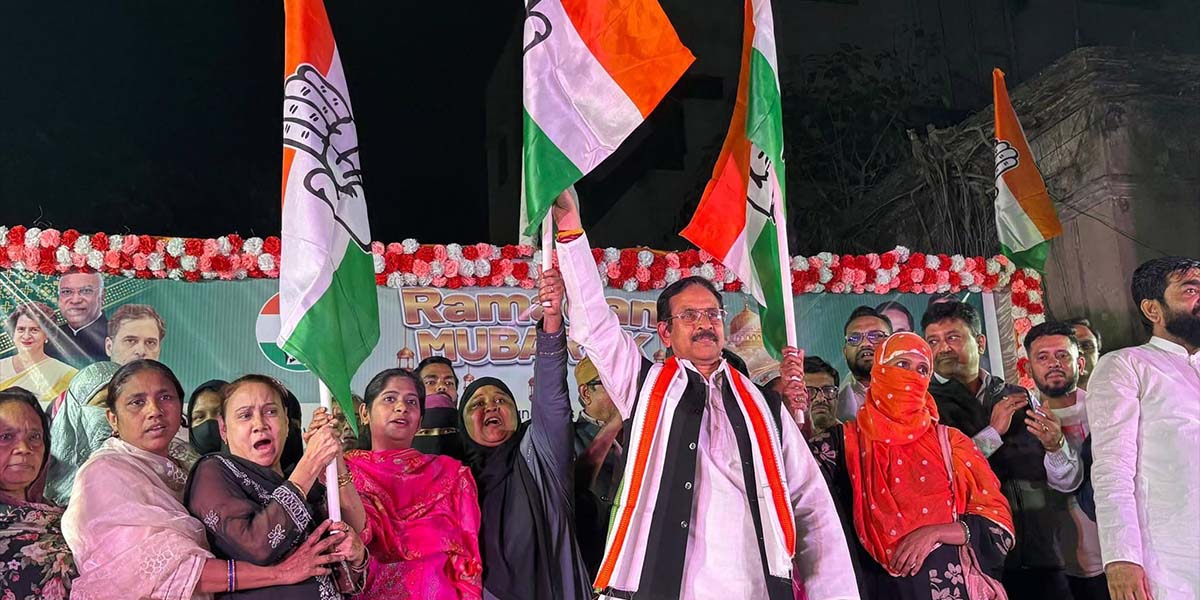
The Bengal Pradesh Congress has decided to contest the forthcoming West Bengal Assembly elections independently, ending nearly a decade of electoral coordination with the Left. Since the 2016 state polls, Congress and the CPI(M) had worked in tandem in a bid to challenge chief minister Mamata Banerjee and her party – TMC. That partnership, however, failed to yield significant gains, culminating in a washout for both sides in 2021 when neither secured a single seat. Party leaders say the decision to go solo is aimed at rebuilding the organisation in a state where Congress has not governed on its own since the Left Front came to power in 1977 under the CPI (M). Strategists argue that fighting alone may help the party reclaim political space and prepare for the 2029 Lok Sabha elections. The move also reflects an effort to disrupt the entrenched TMC-versus-BJP narrative that has dominated Bengal politics since 2019. Questions persist over whether Congress possesses the organisational depth and resources to field candidates across all 294 constituencies. Its limited booth-level presence during the Election Commission’s voter roll revision exercise has raised concerns internally about campaign preparedness. In traditional strongholds such as Murshidabad and Malda, once associated with leaders like A B A Ghani Khan Choudhury and Adhir Ranjan Chowdhury, the party is attempting to regain lost ground. The recent return of former TMC MP Mausam Benazir Noor to Congress has provided a morale boost. Political observers suggest that as the CPI(M) works to assemble a broader front excluding both the TMC and the BJP. The Congress opting out of alliance with CPI(M) will lead to fragmented opposition that could ultimately benefit the ruling TMC.
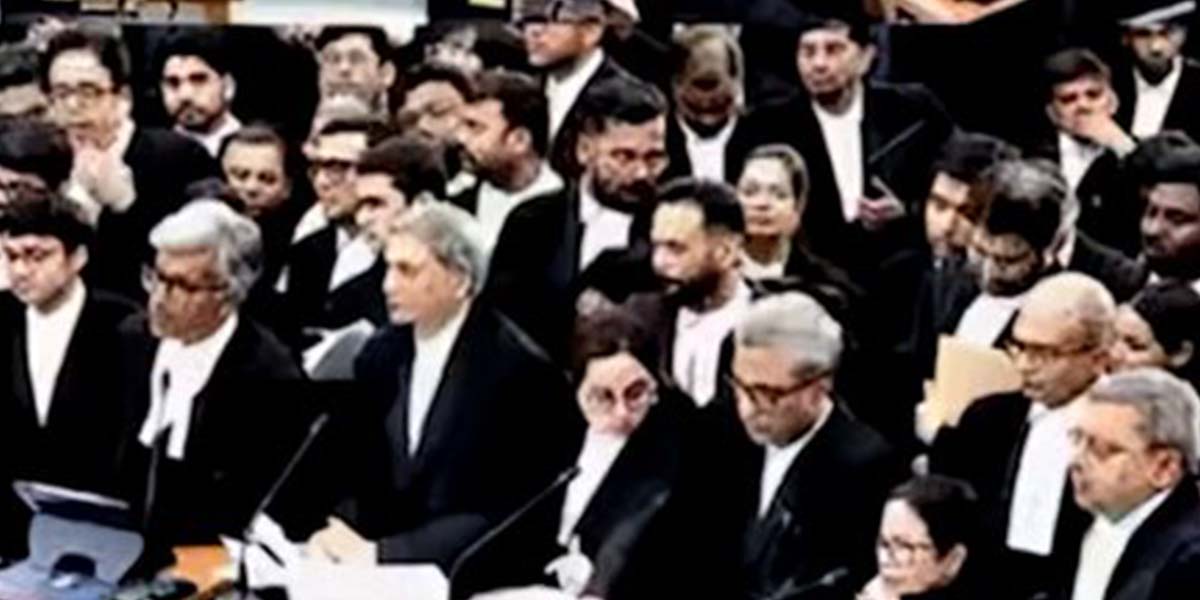
West Bengal Chief Minister Mamata Banerjee’s in-person appearance at the Supreme Court in the SIR matter has put her party Trinamool Congress on a strong footing. Her party leaders and workers see Didi’s Supreme Court intervention as scoring brownie points. It reinforces her as the principal face against the BJP in Bengal while squeezing CPM and Congress, rebuilding minority trust where resentment had emerged over Waqf amendments and new political formations, protecting base amid BJP polarisation. Since the Election Commission’s SIR drive to update West Bengal’s 7.62 crore elector rolls began, 58 lakh entries were removed due to relocation, duplication or death. Also, 1.26 crore individuals received notices for verification hearings over “logical inconsistencies” or missing 2002 SIR linkages, with nearly 60 lakh awaiting proceedings. Initially BJP stayed silent, adopting a wait-and-watch line and avoiding social media sarcasm, but later circulated clips of the court proceedings showing judges suggesting her senior lawyer argue and rejecting her claim. Bengal BJP leaders mocked Mamata’s courtroom conduct as political drama. Political analysts say appearance may hold no legal value but produces two effects. By cultivating a solitary fighter image, Didi strengthens core support. Repeated confrontations with central institutions sharpen her political identity. As a woman leader, she contrasts with the Centre’s pro-Hindutva posture, projecting a less aggressive image than a regional party like the TMC, hence Mamata brand is difficult to counter. By aligning her legal battles with voters dealing with discrepancy notices, Didi positions the 2026 election to focus less on governance outcomes and more on instinctive politics of protection.
With eye on Assembly polls, the West Bengal CM Mamata Banerjee’s interim Budget focuses on women and youth voters. In the interim budget amounting to Rs 4.06 lakh crore, Mamata’s government announced a Rs 500 increase in the monthly Lakshmi Bhandar scheme from the current Rs 1000/1200. The scheme is now being viewed as a response to the NDA’s Ladki Bahin Yojana scheme, which contributed to positive outcomes for the NDA in states such as Maharashtra, Madhya Pradesh and Delhi. According to the electoral roll published in January 2025, West Bengal has approximately 3,76,00,611 female voters and 3,87,93,743 male voters. The Lakshmi Bhandar scheme currently reaches around 2.2 crore women beneficiaries. In another welfare measure, Didi’s government announced that gig workers will be brought under existing social security programmes, including Swasthyasathi. Additionally, the state declared that wages of Anganwadi workers and Anganwadi Sahayaks will be raised by Rs 1,000 starting April 2026. The government has also proposed a new Rs 5,000 crore initiative called “Banglar Yuba-Sathi” for educated unemployed youth to be launched from 15 August 2026. Under this scheme, unemployed individuals aged 21 to 40 who have passed Madhyamik (Class10), are not covered by other government social security schemes (except educational benefits or scholarships), will receive Rs 1,500 per month. This support will continue until they secure employment or for a maximum period of five years, whichever comes first. Earlier, during the day, following an order from a division bench of the Supreme Court directing the Mamata Banerjee government to promptly pay 25% of the pending DA to state employees and to release the first instalment of the remaining dues by March 31, the CM has declared a 4% hike in DA for state government staff.
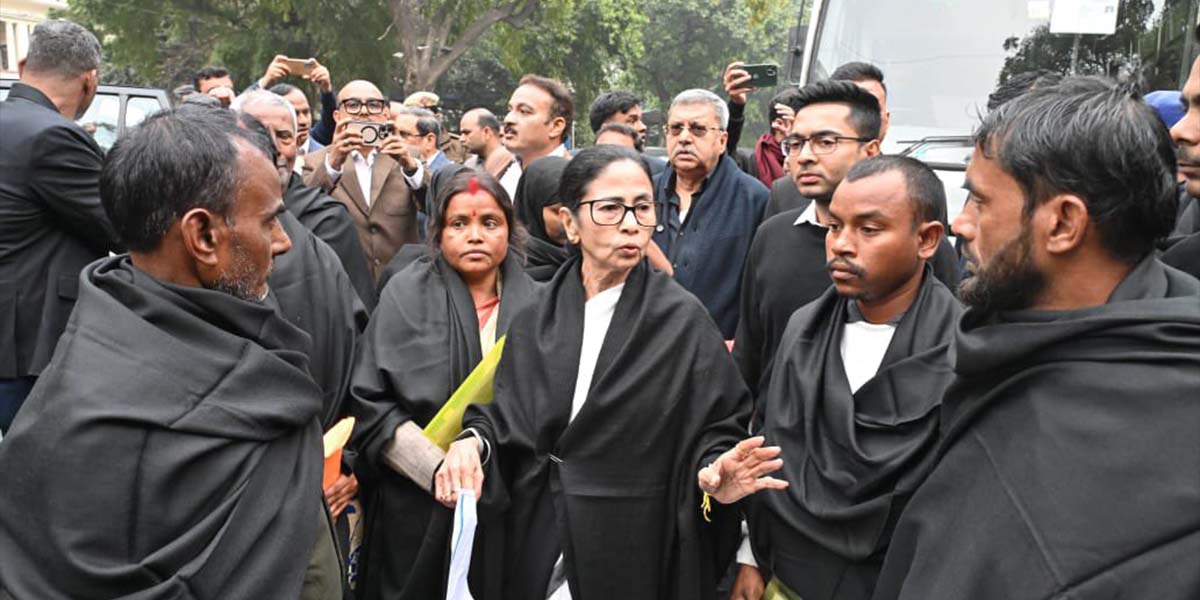
The meeting between West Bengal chief minister Mamata Banerjee and Chief Election Commissioner Gyanesh Kumar at Nirvachan Sadan, New Delhi ended midway after sharp exchanges, with Didi walking out in a huff. She accused CEC Kumar of arrogant behaviour, misconduct and acting at the behest of the BJP. She described the ongoing Special Intensive Revision (SIR) of electoral rolls as unplanned and arbitrary. The nearly hour-long meeting was convened to discuss the SIR process in West Bengal. She led a delegation comprising her nephew and second in command of the party Abhishek Banerjee and TMC MP Kalyan Banerjee, along with 12 individuals affected by the exercise, including families alleging deaths due to SIR-related stress and voters reportedly marked as dead despite being alive. According to TMC sources, tensions escalated soon after Mamata questioned the conduct of the SIR, raising issues such as reported deaths and hospitalisations, the absence of SIR in Assam, publication of anomalous voter lists in Bengal and the appointment of micro-observers. Abhishek raised detailed objections, while Kalyan Banerjee pointed to legal concerns and Supreme Court directions. The TMC alleged that Kumar repeatedly interrupted the delegation and used dismissive language, leading to walk out of the meeting. The TMC highlighted that among the 12 affected individuals, two were from minority communities and 10 were Hindus, countering BJP claims linking objections to illegal immigrants. Didi warned of intensified protests if the EC did not change its approach and said she would continue the political fight on the streets. The EC rejected the allegations, stating that all questions were answered and warning that the rule of law would be enforced strictly. It accused some TMC legislators of threatening election officials and alleged obstruction of SIR work and non-payment of honorariums to booth-level officers by the Bengal government.
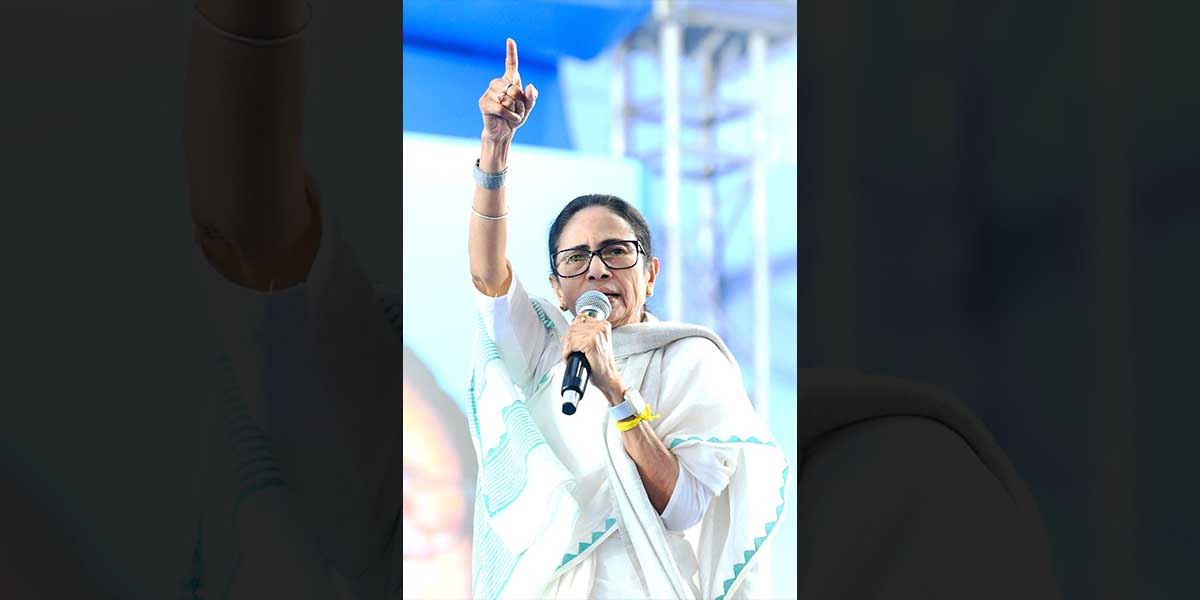
With Assembly elections around the corner, the idea of a minority-led alliance has introduced a fresh layer of uncertainty for the West Bengal chief minister Mamata Banerjee and her party the Trinamool Congress (TMC). While there is little concrete evidence to suggest an imminent erosion of the TMC’s minority vote base, emerging formations and alliance talks could complicate electoral arithmetic in select pockets of the State. The most visible symbol of this mobilisation has emerged along National Highway 12 in Beldanga, Murshidabad district, where suspended TMC MLA Humayun Kabir has begun constructing a replica of the Babri Masjid. Kabir, who has floated the Janata Unnayan Party (JUP), has accused the TMC of pursuing policies harmful to minorities and is seeking to politically consolidate Muslim voters. Early January, Indian Secular Front (ISF) MLA Naushad Siddiqui called for a minority party alliance against TMC and BJP. The ISF, linked to the Furfura Sharif shrine in Hooghly, has held discussions with the JUP, alongside talks involving the SDPI, the political wing of the banned Popular Front of India. Muslims constitute about 27% of West Bengal’s population. Minority and women voters have been central to the TMC’s dominance since 2011. Minority leaders cite discontent over OBC list exclusions, Waqf law amendments, and the return of TMC MP Mausam Benazir Noor to the Congress in Malda. Yet, many Muslims continue to see Mamata as the most credible bulwark against the BJP, which is banking on minority vote fragmentation and Hindu consolidation. Kabir met CPI(M) State secretary Mohammed Salim in Kolkata to explore the possibility of contesting the elections together with the ISF. The meeting has sparked unease within sections of the CPI(M), particularly in refugee-dominated and urban areas of south Bengal. Some leaders fear that association with Babri Masjid symbolism could be electorally damaging.
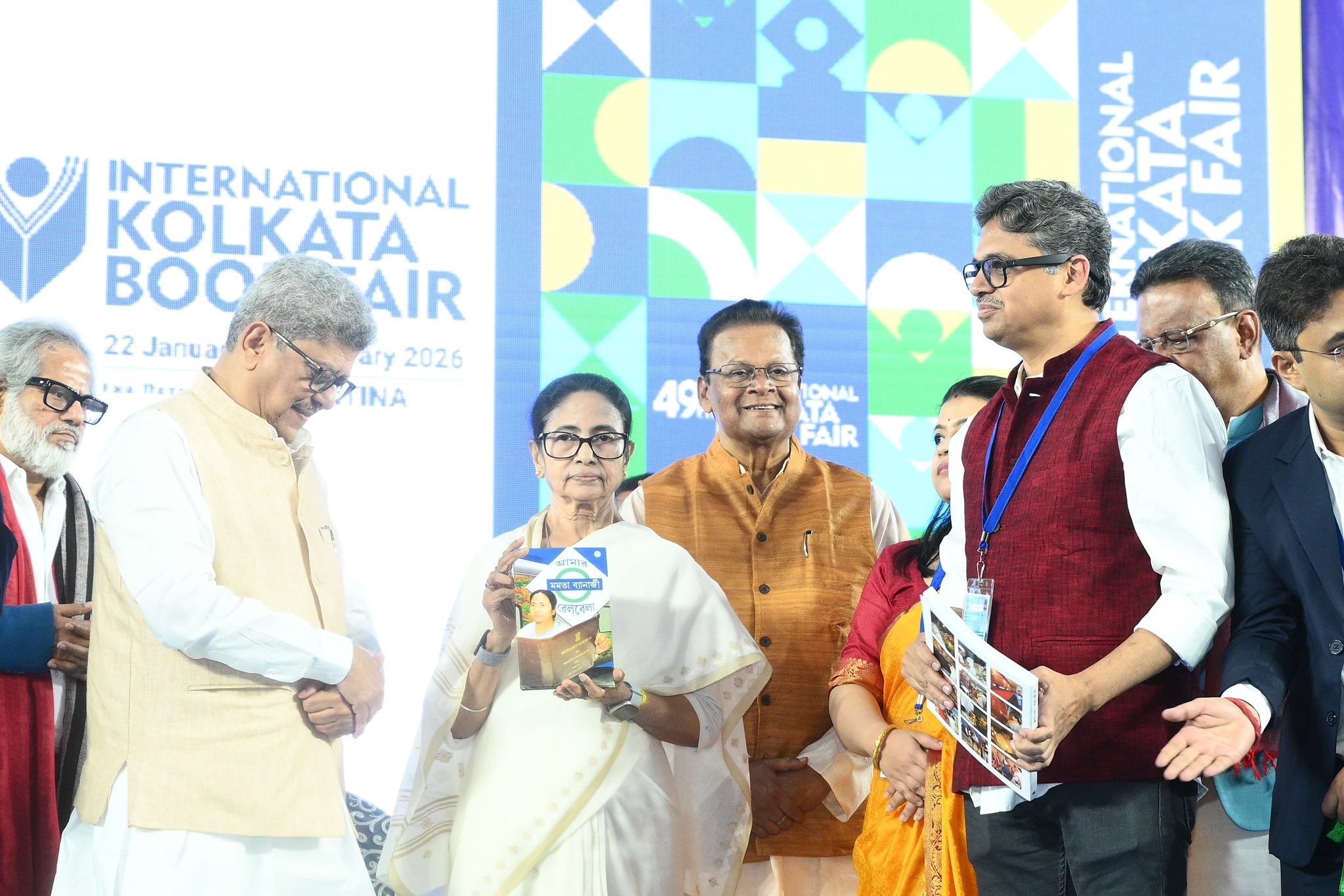
West Bengal Chief Minister Mamata Banerjee has intensified her cultural outreach to the state’s traditional bhadralok — the educated, intellectually inclined middle class — by foregrounding her persona as an author and artist. This strategy was prominently displayed at the ongoing Kolkata International Book Fair, where she released several new works and announced plans for “Boi Tirtha”, a permanent Book Pilgrimage Centre. These efforts underscore how her prolific literary and artistic output runs parallel to her political career. This year, nine of Banerjee’s books are being sold at the fair, bringing her lifetime total to 162 published works. Over the years, she has consistently expressed herself through songs, poems, paintings, and literature, cultivating a distinct artistic identity. During Saraswati Puja, she shared a song on X, with lyrics and music composed by her. She is also a fixture of Durga Puja, often composing theme songs and devotional numbers like ‘Maa Go Tumi Sarbojanin’. Her creative work frequently blends cultural pride with political messaging. Recently, she penned 26 poems opposing the Special Intensive Revision (SIR) of electoral rolls. Her past works have addressed the Singur and Nandigram movements, as well as critiques of central policies like demonetisation, GST, CAA, and NRC. Unlike her predecessor, Buddhadeb Bhattacharjee, who embodied a refined, elite intellectualism, Banerjee is often seen as outside the traditional bhadralok mould. She turns this perceived lack of polish into an advantage, presenting simplicity and emotional honesty as strengths. Boi Tirtha project for which she has assigned Rs 10 crore is envisioned as a museum-cum-mall for rare books, Banerjee has already sketched its design, aiming to provide Kolkata with a permanent literary landmark before the book fair’s 50th edition.
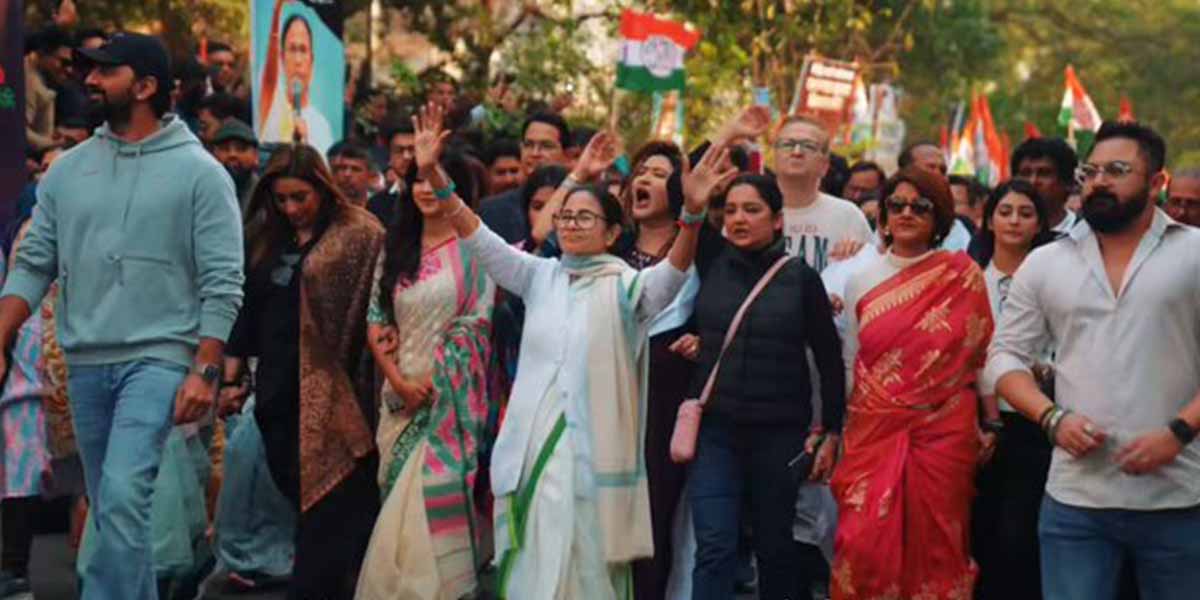
West Bengal Chief Minister and TMC supremo Mamata Banerjee once again placed confrontation at the centre of her politics on January 8, when she entered the residence of political strategist Pratik Jain just as the Enforcement Directorate began a search. Jain is the director of I-PAC, the political consultancy that has advised the TMC since 2021 and is widely credited with playing a key role in the party’s landslide Assembly victory that year. According to Mamata, the agency’s objective was not law enforcement but the seizure of confidential TMC poll material, including candidate lists, campaign strategy documents, SIR-related papers and electronic data. The episode reinforced an image Banerjee has cultivated over decades as a political “street fighter”. Supporters point to her early days as a Youth Congress worker protesting against Jayaprakash Narayan, her emergence as a “giant-killer” after defeating Left heavyweight Somnath Chatterjee in the 1984 Lok Sabha elections, and decades of street battles against the Left that culminated in the Singur and Nandigram movements and the fall of the 34-year Left Front government in 2011. Senior TMC insiders cite precedents where confrontation brought political dividends: her February 3, 2019 dharna after a CBI raid on then police commissioner Rajeev Kumar in the Saradha scam case; her February 23, 2021 confrontation with a CBI team probing a coal smuggling case involving Abhishek Banerjee and his wife; and her May 17, 2021 six-hour stay at the CBI office as several TMC leaders were arrested in the Narada sting operation case. Leaders argue such confrontations help counter anti-incumbency, mask internal factional rifts and deflect attention from economic management and alleged scams. As elections approach, Didi has returned to the mode that has long defined her career: fighting her battles on the street.
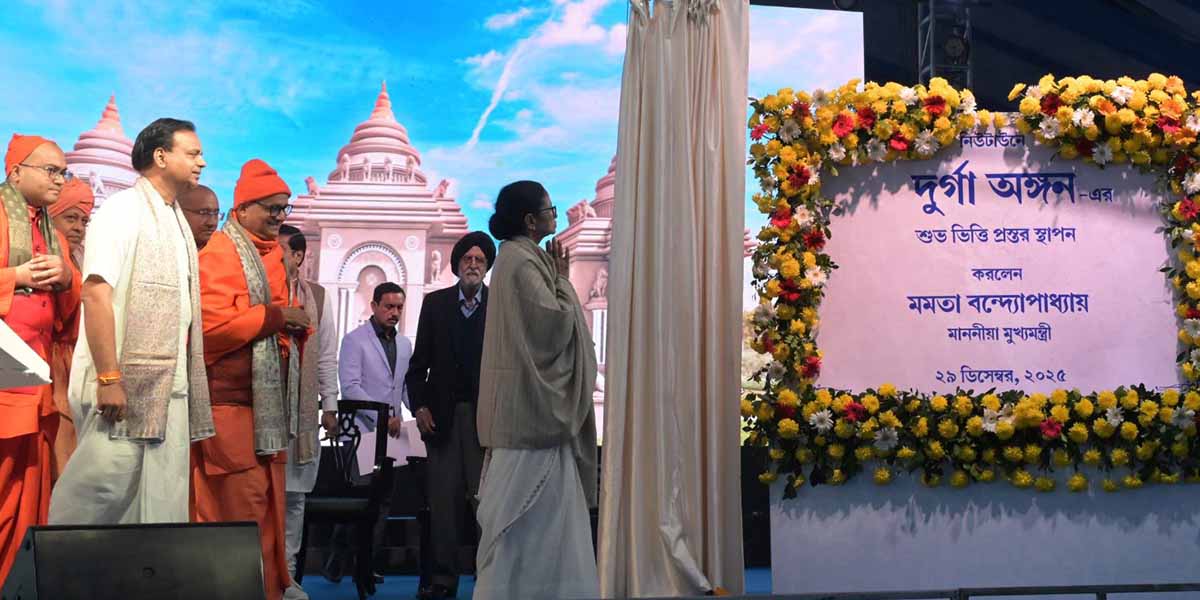
After inaugurating the Jagannath Dham in Digha earlier this year, West Bengal chief minister Mamata Banerjee laid the foundation stone of the Durga Angan project in Kolkata and reiterated that the Mahakal Temple in Siliguri will be inaugurated in the second week of January. Envisioned as a permanent, year-round space for the worship of Goddess Durga, Durga Angan project spread over 17 acres will cost Rs 262-crore. It is being developed by the West Bengal Housing Infrastructure Development Corporation in partnership with the state government. According to the project blueprint, the complex will span over two lakh square feet and include a temple courtyard capable of accommodating 1,000 devotees at a time, a 20-foot-wide circumambulatory path, 1,008 pillars and a main sanctum rising to a height of 54 metres. Along with the principal mandap, the complex will feature a Singhadwar and several auxiliary mandaps. The government has projected infrastructure to handle up to one lakh visitors daily, with additional facilities for art, heritage studies and cultural activities, positioning it as a major cultural and tourism hub. Linking the project to UNESCO’s 2021 recognition of Durga Puja in Bengal as an ‘Intangible Cultural Heritage of Humanity’, Didi believes that the state had a responsibility to preserve and pass on the honour to future generations. However, the initiative has triggered sharp political reactions. BJP MP Jyotirmoy Singh Mahato alleged that projects like Durga Angan are driven by Mamata’s personal political agenda, claiming religious symbolism would not yield electoral gains.. BJP IT cell head Amit Malviya alleged financial irregularities, claimed protests over the land earmarked for the project and accused the CM of undermining religious sanctity for political gains.
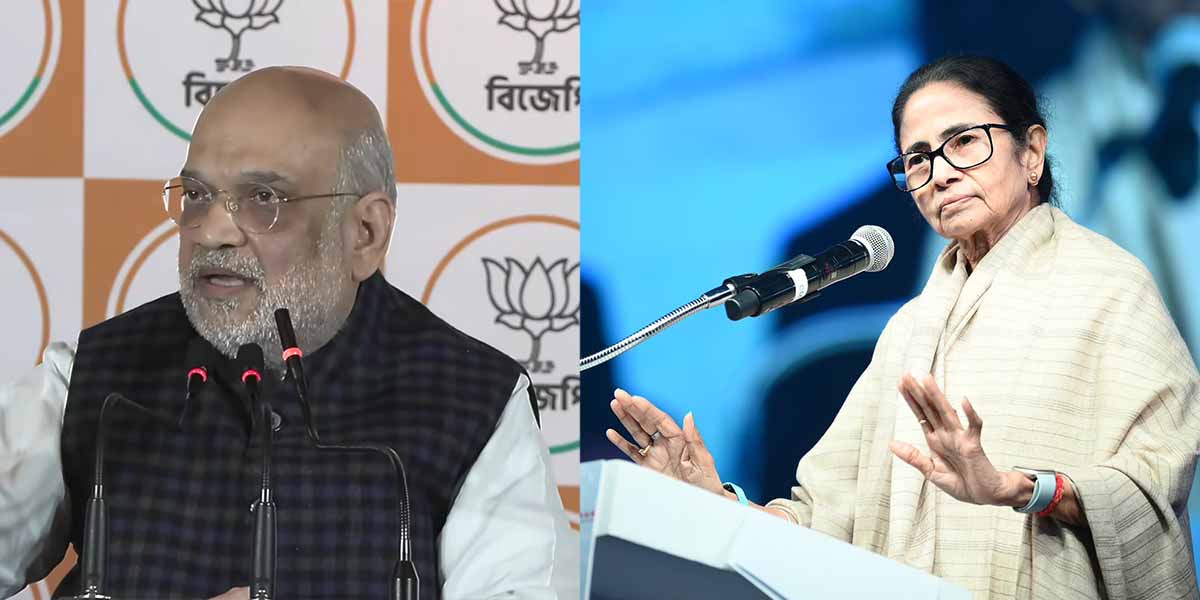
Ahead of the 2026 West Bengal Assembly elections, a sharp political divide is emerging. Chief Minister Mamata Banerjee is foregrounding Bengali language, asmita, and secularism, projecting her government as pro-people through social welfare schemes and friendly governance. Conversely, the BJP is centring its campaign on illegal infiltration, corruption, misgovernance and a “climate of fear,” as outlined by Union Home Minister Amit Shah. During a three-day Kolkata tour, Shah intensified attacks on the Trinamool Congress, alleging that 15 years of rule have been paralysed by “syndicate-driven practices” and corruption, hindering development and central scheme implementation. Shah accused Mamata of nepotism, claiming power concentrated around her nephew, Abhishek Banerjee. He further criticised the appointment of senior police officials, alleging deviations from norms via the use of retired officers as proxy heads. On national security, Shah labelled illegal immigration a critical concern. He alleged the state failed to provide land for border fencing, claiming while infiltration dropped in Assam and Tripura, it persists in Bengal due to “vote-bank considerations.” He cited the BJP’s growth from 17 % vote share and two Lok Sabha seats in 2014 to 39 % vote share and 12 seats in 2024 as evidence of momentum. Banerjee launched a counterattack by questioning why the Centre focuses on Bengal while ignoring security issues in regions like Jammu and Kashmir. Finally, she questioned the timing of BJP’s deportation promises, noting that Bengal and Punjab bore the historical brunt of 1947’s Partition displacement.
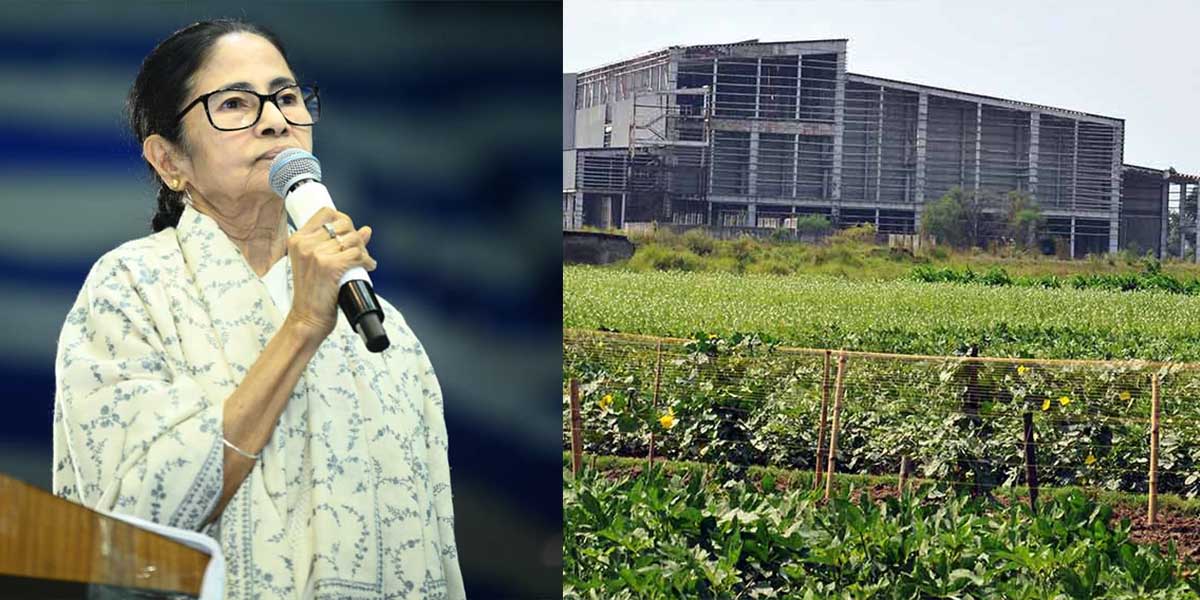
More than a decade after the Tata Group exited Singur following protests led by then Opposition leader Mamata Banerjee, the Trinamool Congress (TMC) supremo, now West Bengal chief minister, has cleared a Rs 500-crore investment proposal for the same area, signalling a renewed push for industrial development. Political observers see this as an effort to reinforce her government’s pro-industry image and revive Singur ahead of the 2026 Assembly elections. The Mamata Banerjee-led Cabinet approved a large warehouse and logistics project at Singur, marking a symbolic turnaround for a site central to her political rise. Minister of State for Finance Chandrima Bhattacharya said Nahar Industrial Enterprises Ltd will invest Rs 500 crore, with 11.35 acres allotted on a 99-year lease. The facility is expected to bolster logistics and delivery operations for major e-commerce players such as Amazon and Flipkart, generate employment, and strengthen supply-chain infrastructure. Singur gained national prominence in 2006–08 after protests against land acquisition for the Tata Motors Nano factory under the CPI(M)-led Left Front government. The agitation, led by Didi, ended with Tata Motors pulling out in October 2008, and the Left branding her “anti-industry.” More than 14 years after assuming power in 2011, Mamata has now facilitated major private investment at the same site. This follows a 2016 Supreme Court verdict directing the TMC government to take possession of about 1,000 acres and return it to farmers, declaring the earlier acquisition illegal.
With the West Bengal Assembly elections just months away, veteran politician Humayun Kabir’s decision to launch his own outfit, Janata Unnayan Party and openly challenge chief minister Mamata Banerjee has added an unexpected twist to an already heated political season. Kabir announced that his party will contest 135 of Bengal’s 294 Assembly seats. There is speculation that he could split the Muslim votes in the state. If that happens, it could seriously hurt Didi’s Trinamool Congress party, which draws significant support from Bengal’s 27% Muslim population. The TMC has downplayed the move as a sideshow. The development has invited comparisons with Banerjee’s own break from the Congress in 1998, when she formed the Trinamool Congress, eventually ending the Left Front’s long rule. According to a section of political observers, Kabir’s situation is different as he does not command a mass following, nor have a statewide organisational structure or a clear ideological pitch that can cut across regions and communities. However, his move cannot be dismissed entirely since his criticism of the Trinamool’s leadership style — particularly its highly centralised decision-making — have quietly circulated within party ranks. By stepping out, Kabir has brought these murmurs into the open. From an electoral perspective, the immediate impact on the ruling party is likely to be limited as Trinamool remains firmly deep-rooted across most of the state. A section of party sources, however, feel that in tightly contested constituencies, even a marginal split in votes — especially among minorities — could tilt the balance. For the opposition, including the BJP, Kabir’s entry not only highlights cracks within the ruling camp but may also split the anti-Trinamool vote further.
West Bengal chief minister Mamata Banerjee’s latest attack on GST has exposed visible strain between her and the Chief Financial Adviser and former Finance Minister Dr Amit Mitra. She has questioned his role in backing the indirect tax regime and blamed the Centre for substantial losses to the state. She accused the Centre of collecting GST on behalf of states while withholding their legitimate share, alleging West Bengal has been deprived of Rs 20,000 crore. In an unusually direct reference to her adviser, Mamata questioned Dr Mitra’s support for GST during its formulation and rollout, when he chaired the drafting committee and advocated a uniform tax structure as economically beneficial. She said his position must now be explained in light of continued deductions from GST revenues and the scale of losses claimed by the state. Dr Mitra has pointed to parliamentary statements in which the Centre acknowledged GST fraud amounting to Rs 2 lakh crore. Mamata has countered that while the figure has been officially stated, there is no credible evidence establishing the actual scale of fraud, raising doubts over whether GST has resulted in net gains or losses for states. The remarks come weeks after Mamata publicly admitted that her government erred in accepting GST. She also said that during the GST rollout, Dr Mitra explained the concept of a uniform tax structure to her, an explanation she has since described as misguided, adding that it was based on this understanding that the TMC became the first party to support GST. The public questioning of Mitra highlights growing tensions within the state’s economic leadership amid intensifying Centre-state fiscal confrontations.
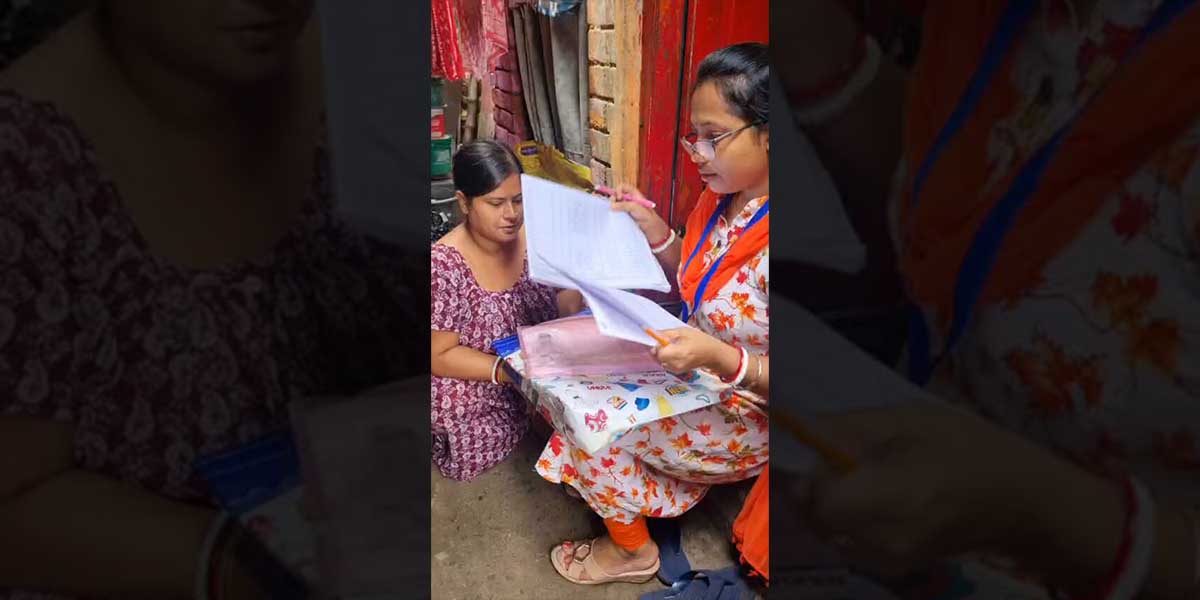
With the Election Commission releasing West Bengal’s draft electoral rolls following the SIR exercise, which saw over 58 lakh voters removed across the state on grounds including death and migration, and voter profiles redrawn across districts and border belts ahead of the 2026 assembly elections, there is a disquiet in the ruling Trinamool Congress. What has particularly upset West Bengal CM Mamata Banerjee is voter deletion in her Bhabanipur constituency – nearly 44,787 voters have been deleted. The CM is also surprised that no complaints are forthcoming since the draft rolls were published. That is why the TMC leadership decided to deploy its booth-level agents for a fresh, door-to-door verification of deleted voters’ names in her constituency. Bhabanipur had 206,295 voters as of January 2025. The newly published draft rolls list has 161,509 names. TMC leaders are particularly upset over a large number of voters being marked “dead”, “shifted” or “absent”. “The party leadership made it clear that no valid voter’s name should be deleted under any circumstances. Every deleted name must be physically verified,” a TMC source said. Bhabanipur is a dense urban seat with many residents originally from Uttar Pradesh, Bihar and Odisha. Mamata is also surprised that maximum deletion of voters, 74,533 has happened in Chowringhee constituency of her close friend Naina Bandhopadhya. In contrast, voter deletion from Nandigram — from where she lost – is just 10,550. The seat is now represented by her BJP rival Suvendu Adhikari. Reacting to names deleted in the SIR exercise, BJP leader Amit Malviya says the process has revealed that TMC chief Mamata Banerjee has stayed in power due to votes cast in the names of illegal Bangladeshis and Rohingyas.

West Bengal chief minister Mamata Banerjee sacked state Sports & Youth Welfare Minister Aroop Biswas following the inept handling of the legendary footballer Lionel Messi event which turned ugly leading to chaos and vandalism at the Salt Lake stadium. The CM who has instituted an inquiry will handle his portfolio for now. Thousands of fans had bought costly tickets but failed to get a glimpse of GOAT Messi. The visuals of the vandalised parts of the stadium shown worldwide embarrassed the ruling Trinamool Congress. Biswas came under sharp criticism after images of him accompanying Messi at the stadium went viral, with football fans alleging that he remained in close proximity to the footballer during the event. Though Biswas wrote to Banerjee expressing his willingness to step down till the probe was completed, sources said the chief minister did not speak to him during two high-level meetings. Some of his associates had expected the controversy to be eclipsed by the publication of the draft voter list. The inquiry committee submitted its preliminary report to Nabanna on Monday (Dec 15) night. Acting on its recommendations, Chief Secretary Manoj Pant on Tuesday issued show-cause notices to DGP,police commissioner, principal secretary etc. Apparently, there has been a turf war between two TMC ministers — Sujit Bose and Aroop Biswas –over access to Messi. Bose has deep roots in Bengal’s sports administration and enjoys high visibility at major events, while Biswas, as Sports Minister, has overseen marquee tournaments, giving him clear institutional authority over visiting athletes. Beyond sports, the two are also perceived as rivals in Durga Puja — Sujit’s Sribhumi versus Aroop’s Suruchi Sangha. While Sujit’s interactions with Messi unfolded in the controlled confines of the hotel, Aroop sought to reclaim visibility at the stadium, where mass crowds and public attention mattered more. As a result the public anger focused on Biswas and Didi had to...
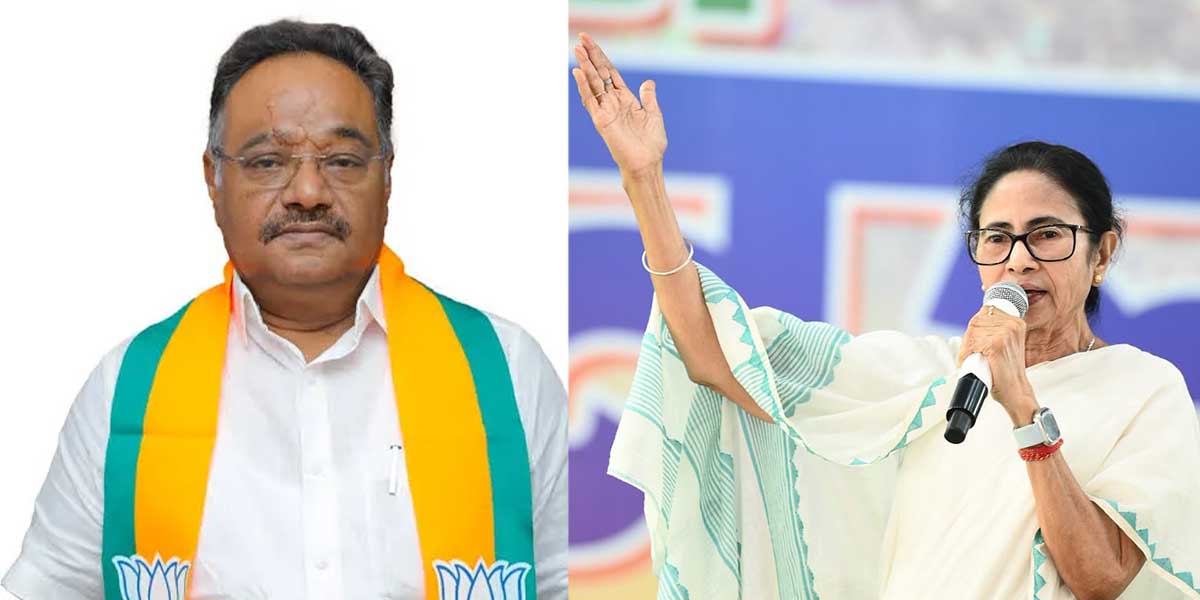
The Bengal BJP is recalibrating from its earlier hardline Hindutva stance to adopt a more measured political tone, even as chief minister Mamata Banerjee intensifies her charge that the party is anti-Bengali, communal, and attempting to bring the NRC into the state through indirect means. The shift became most evident when Leader of the Opposition Suvendu Adhikari softened his long-held claim that the BJP neither expects nor needs minority votes. After months of asserting that minorities never support the BJP and that a 5-6% rise in Hindu votes would be enough to form government, he has now reinterpreted his stance, saying the party simply does not receive minority votes rather than rejecting them. There is no indication that the BJP’s central leadership has instructed the state unit to soften its tone, and even central leaders acknowledge that polarisation has helped the party perform better in rural regions. Trinamool Congress leaders argue that Adhikari has realised Hindutva alone will not secure victory for the party. Party insiders see the shift as a strategic effort to weaken the strong perception that a BJP government would threaten minorities and instead minority votes may fragment rather than consolidate behind the Trinamool. Adhikari has recently suggested that AIMIM and ISF could draw minority support and predicted that the Trinamool may not win any seat in Malda, with the BJP securing a significant share. The BJP’s choice of Shamik Bhattacharya, viewed as a moderate, as state president was aimed at appealing to the liberal urban middle-class Bengali electorate that is harder to draw with hardline rhetoric.
With the state headed for the 2026 Assembly elections, the Mamata Banerjee government is pushing aggressively to showcase industrial progress through the MSME sector. Seeking to counter anti-incumbency and reinforce its prospects for a fourth straight term—an outcome the Trinamool Congress believes is likely—the administration is leaving no stones unturned to project West Bengal as an industry-friendly state. The effort is widely seen as an attempt by the CM to shed her long-standing anti-industry image, with the Opposition frequently alleging that despite annual editions of the Bengal Global Business Summit and repeated announcements of investment proposals, the state continues to lag behind in credible, large-scale industrial growth. Ahead of the major state industrial summit scheduled for December 18, significant investment proposals have already come in across four districts, MSME Department officials have indicated. The flow of investments into the Junglemahal region—particularly Purulia and Bankura—is being seen as a major breakthrough. Despite years of road expansion, new industrial parks, logistics hubs, and policy incentives, attracting major industries to this region remained a challenge. With fresh commitments now in hand, the government believes the industrial landscape of Junglemahal is set for a notable shift. Bankura has received investment proposals worth Rs 4,590 crore, East Burdwan Rs 590 crore, West Burdwan Rs 350 crore and Purulia Rs 90 crore. All projects are expected to be implemented within the next 18 months and could generate 18,000 to 20,000 direct jobs. Indirect employment is also expected to rise across transport, food supply, hospitality, energy, services and ancillary sectors. According to Nabanna, an improved business environment, faster licensing, the single-window clearance system and recent Synergy and Business Enablement meetings have played critical roles in accelerating these investments.
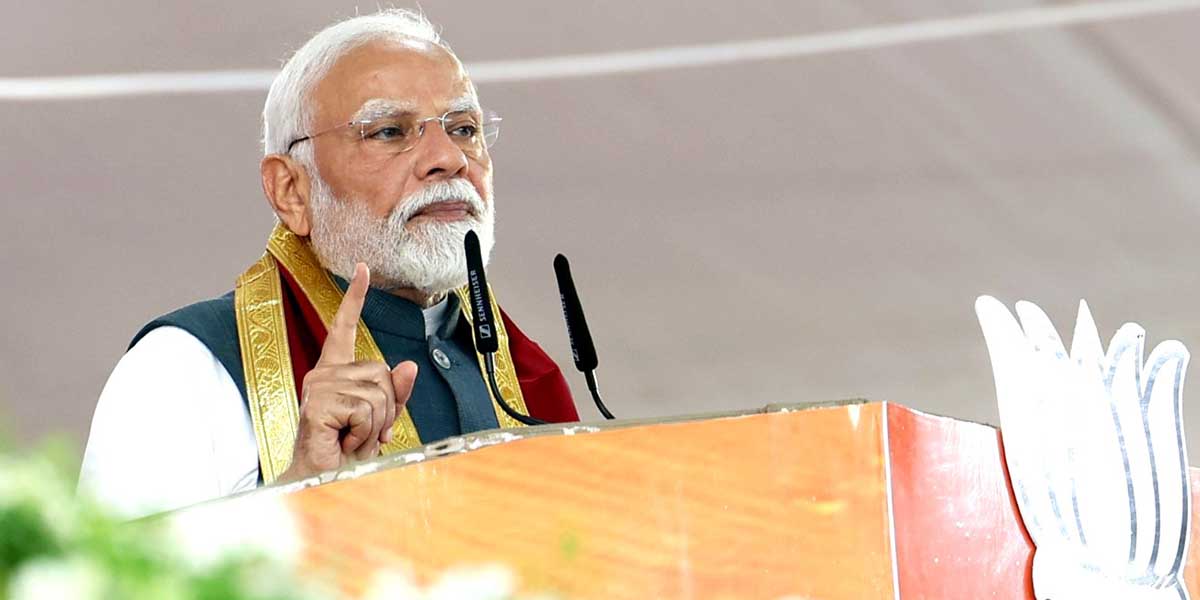
Prime Minister Narendra Modi will remain the Bengal BJP’s main campaign face for the 2026 West Bengal Assembly polls, but the party is consciously limiting his appearances to avoid “overuse” of its most popular leader. State unit insiders believe Modi’s speeches and announcements at select rallies will shape the state-wide narrative, with the party machinery ensuring these messages resonate across districts. Modi is expected to begin his Bengal campaign later in December. BJP sources said he may address his first rally on a Saturday or Sunday during Parliament’s winter session. From December until the end of the campaign, he is likely to hold 14–15 rallies across the state, according to a senior party source. With the election announcement still at least three months away and the polling process expected to stretch two to two-and-a-half months, the campaign period could run nearly five months. Sources further informed that under the current plan, Modi will not exceed 15 rallies. This marks a shift from 2021, when the BJP’s campaign was heavily Modi-centric. Despite the high-voltage campaign, the BJP could not breach Mamata Banerjee’s stronghold. Since then the party has adopted a restrained approach in other states. In Maharashtra, Modi addressed only nine rallies during the 2024 polls, compared to far more in 2014 and 2019. In Haryana, he reduced from 10 rallies in 2014 to four in 2024. State BJP president Shamik Bhattacharya said no formal decision had been taken on Modi’s rally count. He maintained that whether Modi holds 21 rallies or 12, the BJP is confident of the Trinamool Congress’s exit in 2026.
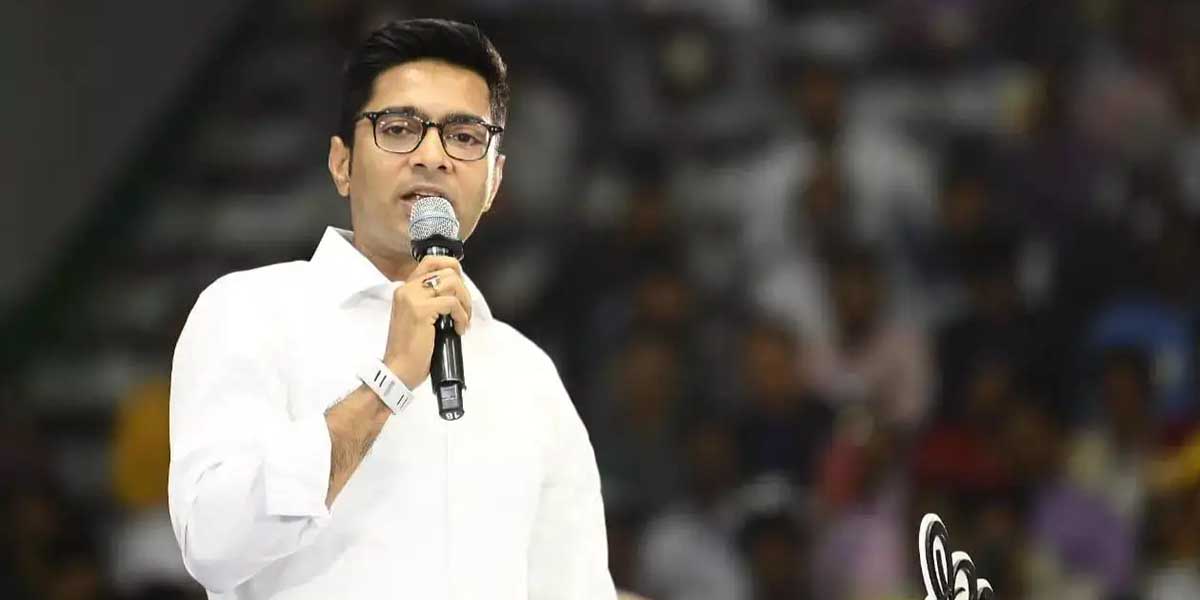
The Trinamool Congress’ internal dynamics have once again brought its simmering generational rifts into sharp focus. A routine review of the Special Intensive Revision (SIR) exercise has instead revived questions about the shifting balance of authority within the party. TMC’s National General Secretary Abhishek Banerjee’s pointed remarks have taken on significance beyond administrative evaluation, highlighting renewed tension with the so-called Didi faction — Kolkata’s influential old guard long viewed as chief minister Mamata Banerjee’s core circle. The party had earlier instructed booth-level agents (BLAs) to coordinate with the Election Commission–appointed booth-level officers (BLOs) and update daily enumeration progress on the ‘Didir Doot’ app. Abhishek’s sharp reprimand came during a massive virtual meeting with around 25,000 leaders, where he identified eight Assembly constituencies as the poorest performers in voter-list verification. Six of these are in Kolkata — traditionally the base of Mamata’s closest lieutenants. The numbers were strikingly low: BLA activity was only 22% in Kolkata Port (represented by Firhad Hakim), 24% in Kashipur–Belgachhia (Atin Ghosh), 34% in Ballygunge (Babul Supriyo), and similarly low in Beleghata, Entally, Madhyamgram and Chowringhee. His assertion that performance was “non-negotiable” — along with the mention that Mamata Banerjee reviews his reports every 15 days — signalled that his expanding organisational authority carries the Chief Minister’s sanction. His decision to explicitly name certain leaders, including ministers Malay Ghatak and Manoj Tiwary, separate conversations with Hakim and Biswas, and plans for a follow-up meeting with Kolkata MLAs and councillors have reinforced the perception that the National General Secretary is tightening oversight over a region historically dominated by Mamata’s earliest loyalists. As the party shifts toward a data-driven, app-based organisational culture under Abhishek, Kolkata...
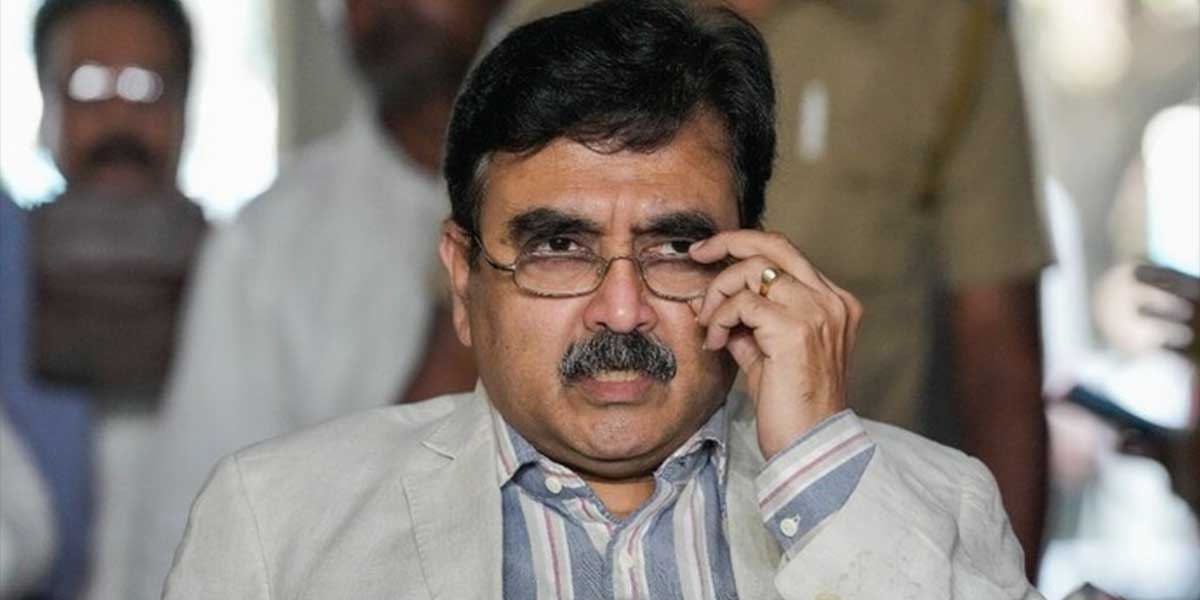
In a stinging public rebuke that has unsettled the Bengal BJP unit, Tamluk MP and former Calcutta High Court judge Abhijit Gangopadhyay has said he is “disillusioned” with the party barely 18 months after joining politics, declaring that the BJP is “nowhere close” to removing chief minister Mamata Banerjee. Gangopadhyay, who quit the judiciary last year to contest the Lok Sabha polls on a BJP ticket, said his “only purpose” in entering electoral politics was to “remove Didi from power”. Holding the Modi government, central agencies and the Election Commission for their collective to make headway, and questioned the Centre’s intent toward Bengal. The former judge also stated that Mamata Banerjee who leverages the “anti-Bengali sentiment” issue as a poll plank, as the BJP continues to “misread Bengal’s sentiment”. Expressing “discontent” over the dominance of “non-Bengali leadership” in the state unit, he said the “mindset of North India does not match that of West Bengal” and that the party cannot import leaders from the Hindi belt and expect to win. Delhi-based leaders, he added, do not grasp the “mentality, temperament or sentiments” of Bengal’s electorate. Gangopadhyay further criticised central agencies for “failing” on matters such as the teachers’ recruitment scams and the RG Kar Medical College rape case, alleging that sections were influenced by ruling party leaders for the teachers’ recruitment scam. As a judge, he had once handled recruitment scam cases before resigning to join the BJP. He also accused the Election Commission of failing to enforce FIRs it ordered against officials for alleged irregularities, saying the state instead issued suspensions. His remarks have left the Bengal BJP in an awkward position, with state leaders privately expressing discomfort over his public doubts about the party.

The 31st Kolkata International Film Festival (KIFF) opened with a strong focus on migration and displacement — themes at the heart of its newly introduced section, ‘Beyond Borders.’ Running from November 6 to 13, the festival will screen 315 films from 39 countries across 21 venues, with Poland as this year’s partner nation. The new segment presents nine films probing the emotional and political dimensions of migration, including Tales of the Wounded Land by Iraqi-French filmmaker Abbas Fahdel, Aisha Can’t Fly Away by Egyptian director Morad Mostafa, Passing Dreams by Palestinian filmmaker Rashid Masharawi, and Palestine 36 by another Palestinian filmmaker Annemarie Jacir. Festival chairperson and filmmaker Goutam Ghose described the new section as a response to the global displacement crisis. He noted that migration has emerged as one of the world’s defining challenges, and that filmmakers chronicling such realities take creative and political risks deserving both applause and empathy. West Bengal chief minister Mamata Banerjee was all praise for the inclusion of ‘Unheard India – Rare Language Films,’ a category honouring voices from linguistic peripheries such as Bodo, Santhali, and Konkani, remarking that cinema without grassroots connections cannot mirror ordinary lives. Mamata also announced the Bangabibhusan — West Bengal’s highest civilian honour — for legendary singer Arati Mukherjee and actor Shatrughan Sinha.

Political controversy has intensified in West Bengal over the ongoing Special Intensive Revision (SIR) of electoral rolls after a report in Jago Bangla, the official mouthpiece of the Trinamool Congress (TMC), claimed that chief minister Mamata Banerjee had personally accepted the SIR Enumeration Form. In response, Didi clarified that she had not personally received the form. In a social media post, she explained that the designated Booth Level Officer had visited her neighbourhood and residential office, made routine inquiries about the number of voters in the household, and left the forms accordingly. She added that she had not filled out her form and that she would do so only after every eligible person in Bengal had completed theirs. Earlier this week, Didi led a protest march from Red Road to Jorasanko Thakurbari, terming the ongoing process “SIR terror” and urging citizens to remain cautious. The Opposition BJP criticised Mamata’s clarification, accusing her of double standards. Former state BJP president and Union Minister of State Sukanta Majumder stated that the CM’s actions contradicted her public position and claimed that she had accepted several forms despite urging people not to cooperate with the process. Senior TMC leaders rejected the allegations, describing them as politically motivated attempts to discredit the CM’s campaign against the SIR. Party functionaries said the report about Didi personally receiving the form was misleading and aimed at undermining the ongoing movement. According to party sources, Mamata is planning to take the issue beyond Bengal and raise it at the national level. TMC national general secretary Abhishek Banerjee has already indicated that the party will intensify its protests in the coming weeks.

Barely a month after his closed-door meeting with Trinamool Congress national general secretary Abhishek Banerjee in September, former Kolkata Mayor and ex-Minister Sovan Chatterjee has once again stirred Bengal’s political cauldron. This time, he reportedly held a two-hour long private meeting with West Bengal chief minister Mamata Banerjee during her recent visit to Darjeeling to oversee the aftermath of a natural disaster. Interestingly, while Sovan’s earlier meeting with Abhishek took place in the presence of his long-time companion Baisakhi Banerjee, his latest conversation with Mamata happened privately — despite Baisakhi being in Darjeeling on vacation. Though both camps have remained tight-lipped, sources close to Sovan claim he may re-enter active politics within the next couple of months, marking a potential return to the TMC fold. Speculation about Sovan’s comeback has surfaced multiple times. But, this time, insiders say the talks appear far more serious. Political observers believe the timing is crucial — hinting at possible internal rebalancing, especially amid mounting criticism of Kolkata Mayor and State Urban Development Minister Firhad Hakim, who is one of the closest aides of Didi. Hakim faced severe backlash, even within the party, over the city’s September deluge that killed 10 people and left large parts of Kolkata waterlogged for nearly 48 hours. His removal as HIDCO Chairman and his uneasy equation with Abhishek Banerjee have further fuelled speculation. Sovan’s history with Hakim is well-known. As Kolkata Mayor in 2010, Sovan worked alongside Hakim, then his deputy, but their relationship remained strained. Later, as Mamata consolidated power, Hakim rose to a cabinet position overseeing municipal bodies — including KMC. After resigning from both posts in 2018, Sovan briefly joined the BJP but soon withdrew from politics. Now, it is learnt that ‘ghar wapsi’ has begun, Sovan has been inducted as NKDA chairman which is basically under...

BJP has escalated the recent attack on its Maldaha Uttar MP Khagen Murmu and Siliguri MLA Shankar Ghosh in flood-hit North Bengal into a major political narrative, framing it as violence against a tribal leader. The party plans to use the image of Murmu’s bloodied face to highlight what it calls the TMC’s failure to protect elected representatives and to question the INDIA Bloc’s commitment to tribal welfare. While BJP has accused TMC supporters of carrying out the assault, West Bengal chief minister Mamata Banerjee visited Murmu in a Siliguri hospital. According to BJP sources, the state leadership had recently submitted a report assessing its North Bengal strength, predicting 44–48 wins out of 54 Assembly seats, up from 30 in 2021. The report highlighted TMC’s weak position, except in a few minority-dominated areas in Malda and the Dinajpurs, and suggested the Murmu incident could further consolidate BJP support. In 2021, BJP won 30 seats, TMC 23, and the Tamang faction of GJM one; by-elections have since adjusted the tally to 25 for BJP and 28 for TMC. In the last Lok Sabha polls, BJP led in 32 segments, TMC 15, and Congress-backed candidates seven. State general secretary Deepak Barman said relief may not sway rural votes but can influence urban middle-class sentiment. The party intends to nationalize the Murmu attack, highlighting tribal issues in Jharkhand, Bihar and Odisha, aiming to weaken Mamata’s national stature and put Congress and JMM in a difficult position within the INDIA Bloc. Interestingly, BJP believes this campaign could influence tribal voters in Bihar’s border areas.
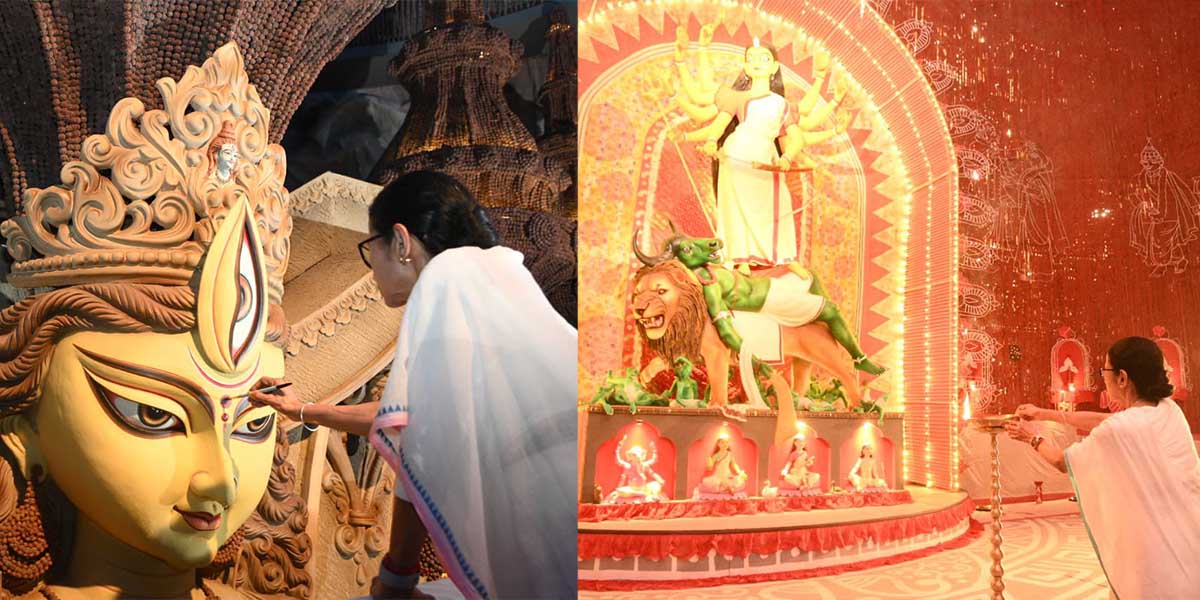
West Bengal chief minister Mamata Banerjee has once again turned Durga Puja into a campaign arena and cultural outreach, leaving Opposition parties scrambling to match her scale. While the BJP views the festival as a potential political weapon, Mamata has neutralised it, ensuring the celebrations remain firmly under her influence. Over the past seven years, the number of Puja committees spanning Kolkata and remote districts has grown from 28,000 to 45,000. Likewise, the financial support during the same period has also scaled up from Rs 10,000 to Rs 110,000 this year alongside electricity bill waivers. In effect, Mamata expanded her reach from Cooch Behar to Kakdwip as chief patron of the festivities. During the Left Front era, the CPI(M) maintained organisational control in several spheres but deliberately kept a distance from Puja. Leaders like late Subhash Chakraborty occasionally engaged, but the party never made the festival a political stage. This allowed Mamata, post-2011, to steadily enlarge her presence, transforming Puja inaugurations into high-visibility public relations opportunities. Even Opposition leaders like BJP’s Suvendu Adhikari seldom attended Puja inaugurations in Kolkata or districts, leaving the party largely absent from major events. Apart from Sajol Ghosh in Kolkata, BJP has no significant foothold. Initially questioned in courts, these grants have been strategically tied to Bengali cultural identity, intertwining Durga Puja with heritage and pride recognized by UNESCO, effectively transforming the festival into both a cultural and political instrument. Didi has also expanded the Puja arena not only through grants but the puja idol immersion carnival inspired by Brazil’s Rio de Janeiro, now institutionalised and set for Red Road on October 5.

The Singur movement not only altered Bengal’s industrial trajectory but also marked one of the biggest power shifts in the state’s history — from the Left Front to Mamata Banerjee’s Trinamool Congress. Yet, the Nano car exit in 2008 left an enduring scar, branding Didi as “anti-industry” despite her repeated efforts to change that perception. Seventeen years later, the narrative seems to be coming full circle, with electric vehicle manufacturer Cynosure announced plans to launch a four-wheeler priced below Rs 1 lakh from Sugandha in Hooghly district — just 17 km away from Singur, where Ratan Tata’s dream project had collapsed in 2008. Cynosure revealed its plan at the launch of its electric three-wheeler in Kolkata and the prototype of the car would be unveiled after Diwali, with a commercial rollout targeted for January 2026. According to co-founder Sampurna Ghosh, the fully battery-operated vehicle will seat four passengers, including the driver with an aim to make personal cars affordable for the middle and lower-middle-class families. Sources said that the car’s final name would be decided by the chief minister. Political observers have pointed out that the announcement carries political undertones just ahead of the 2026 Assembly elections, as it can be recalled that in 2008, Tata Motors withdrew from Singur after completing 80% of the factory, blaming Mamata then opposition leader. The project later shifted to Gujarat. Didi has since maintained that her fight was against the Left’s forcible land acquisition policy, not against Tata.
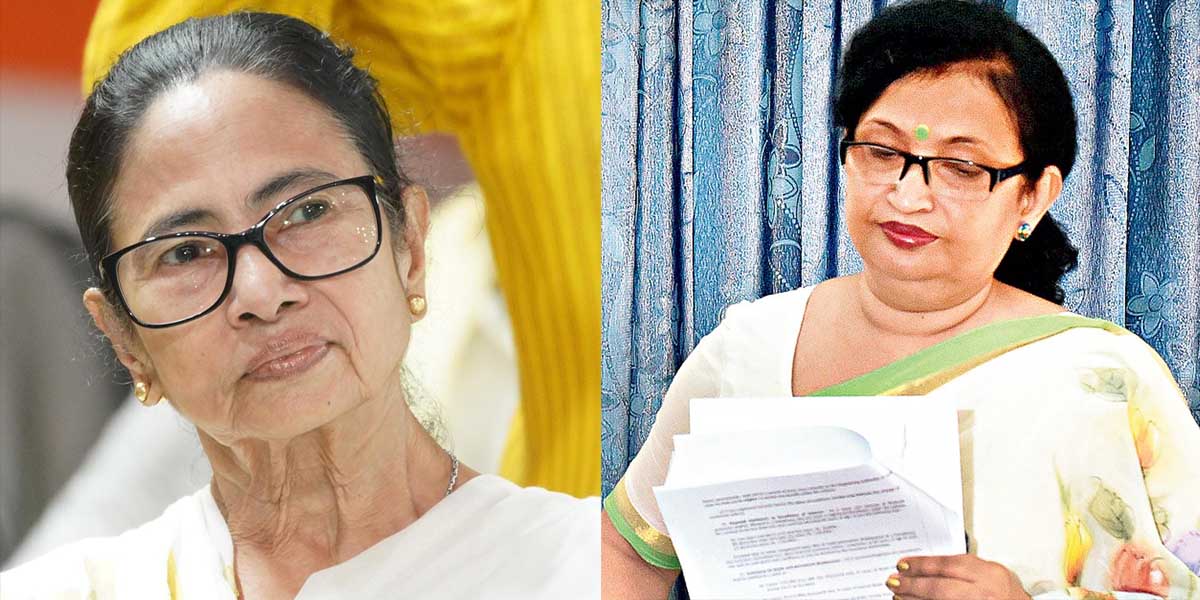
The elevation of Chandrima Bhattacharya, Minister of State for Finance and Health, as chairperson of the Housing Infrastructure Development Corporation (HIDCO) is being read as more than a routine appointment. Within the Trinamool Congress (TMC) and administrative circles, the move is seen as part of West Bengal chief minister Mamata Banerjee’s strategy to recalibrate responsibilities among her trusted lieutenants, thereby reinforcing her grip on key institutions. Incidentally, Didi is the head of the departments of both health and finance. Already managing the party’s women’s wing, Chandrima now assumes control of an agency instrumental in developing Kolkata’s fringes — New Town and Rajarhat and other major urban infrastructure projects. HIDCO’s chairmanship has been a hot seat in recent years, with another close aide of Mamata and senior cabinet minister for Urban Development, Firhad Hakim heading it since 2021. However, in December 2024 the cabinet shifted HIDCO out of his department and placed it under Administrative Reforms and Personnel, overseen directly by Mamata. Hakim was removed from the chairmanship and the state’s former chief secretary Harikrishna Dwivedi temporarily held the fort. At the time, Hakim publicly maintained that it was solely Didi’s decision and a matter of cabinet prerogative, brushing aside speculation of alleged fallout with Mamata. Observers point out that such shifts underline the political weight HIDCO carries and several allegations and rumours of corruption in land distribution by the Opposition. By handing over the reins to Chandrima, Mamata has underscored both her close scrutiny of government functioning and her intent to silence any speculation around administrative decisions.
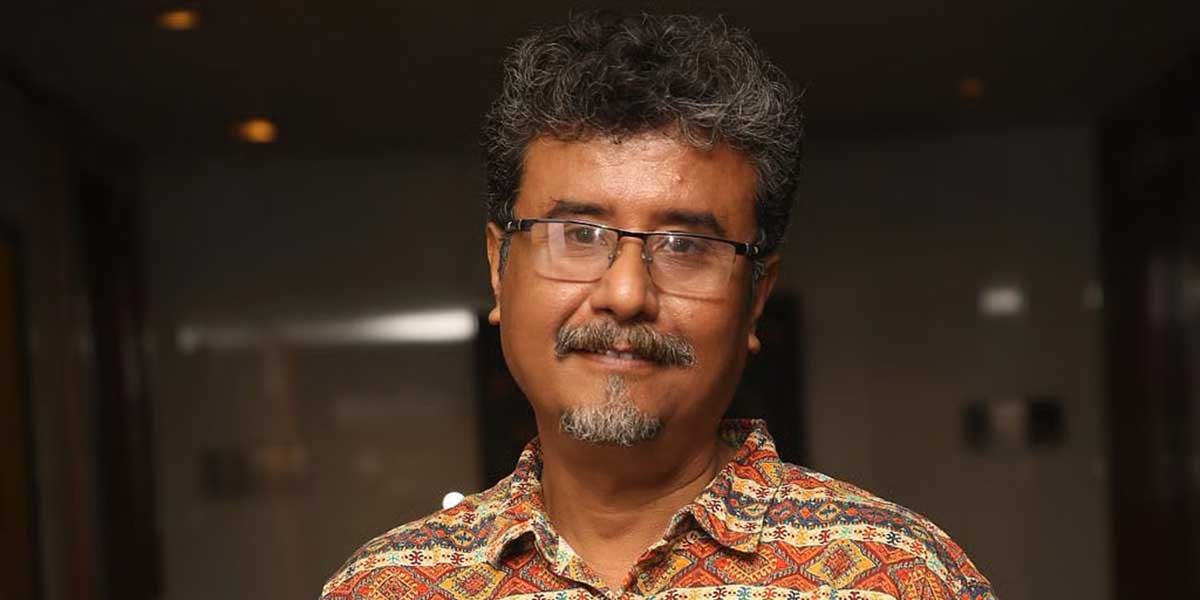
A fresh controversy has erupted in Tollywood with the list of names proposed for the Bengali film review committee, to be submitted in the High Court as part of an ongoing case between a section of filmmakers and the Federation of Cine Technicians and Workers of Eastern India (FCTWEI). The proposed panel has left out practicing Bengali directors, sparking sharp discontent within the industry. The development comes close on the heels of West Bengal chief minister Mamata Banerjee’s directive to single screen and multiplexes to screen Bengali films in primetime. While the order was widely welcomed, insiders now argue that the celebratory mood is being eclipsed by what they describe as a snub to local talent. One of the petitioners, director Indranil Roychowdhury maintained that Kolkata insiders could be influenced and therefore only nationally reputed figures from outside Bengal should be included. The proposed list features directors Dibakar Banerjee, Konkona Sen Sharma, Nandita Das, Adil Hussain, Nagraj Manjule and Hansal Mehta. A senior director, requesting anonymity, pointed out that earlier committees had stalwarts like Prabhat Roy and Haranath Chakraborty, but the new list excludes Tollywood filmmakers. He questioned whether Bengali directors were being treated as outsiders in their own industry. The Calcutta High Court has requested a final committee list by September 8. Information & Broadcasting Secretary Shantanu Basu has been tasked with drawing it up, based on names submitted separately by the 13 petitioner directors and the Federation. Questions have also arisen over whether institutions like SRFTI can serve as committee members, and who will bear the costs of bringing in outstation experts.
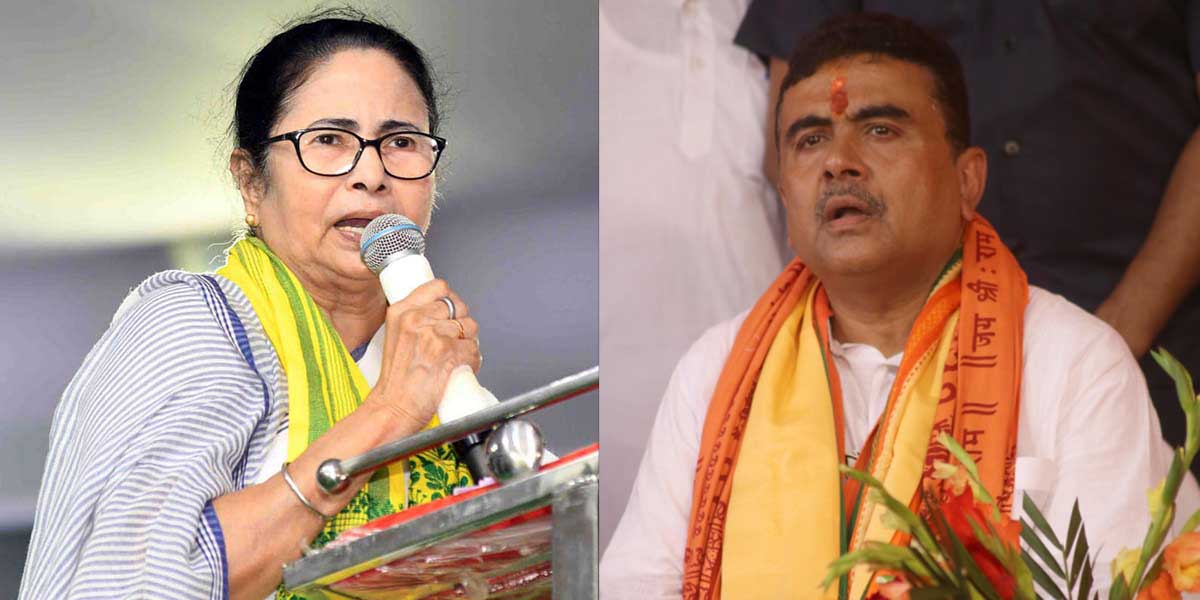
As Bengal gears up for the 2026 Assembly elections, Nandigram has once again returned to the political spotlight. The constituency, which staged the dramatic face-off between Mamata Banerjee and Suvendu Adhikari in the last polls, is already buzzing with speculation and strategy. The controversy from the previous election still lingers. Trinamool Congress (TMC) had accused the BJP of manipulating votes through orchestrated power cuts, and the case continues in court. Yet, long before a verdict, the battlefield is being readied for the next round. The central question remains whether Mamata Banerjee would contest from Nandigram in 2026 or not. The BJP seems convinced. Pralay Pal, Tamluk district vice-president, declared on social media that “confidential sources” and a “secret report” by TMC’s National General Secretary and Mamata’s nephew Abhishek Banerjee, confirm the West Bengal chief minister’s candidature from Nandigram in 2026. He went further, asserting that the BJP would repeat its victory. The TMC camp, however, is striking back with confidence. However, Bappaditya Garg, president of Nandigram Block 1 TMC, dismissed the BJP’s claims and stressed that the party’s candidate would be revealed in due course. Yet, he was emphatic on one point: Suvendu Adhikari will not fight from Nandigram again. Garg buttressed his claim with electoral data—TMC’s win in Adhikari’s own booth at Nandanayekbari during the cooperative polls, a 412-vote lead in his locality in the Lok Sabha election, and a 2,500-vote lead from Panchayat Samiti voters in the same.

Can Opposition leaders like Trinamool Congress Supremo Mamata Banerjee or Congress CM Siddaramaiah or AAP CM Bhagwant Mann shun a high-level panel being set up by the Centre to prepare for the centennial birth anniversary of former PM Atal Bihari Vajpayee? Just because they are politically opposed to PM Modi. Of course, not. The Ministry of Culture has notified three high-level committees for the commemoration of 150th birth anniversaries of Sardar Vallabhbhai Patel and Birsa Munda, and the centennial birth anniversary of Vajpayee. PM Modi will chair each committee which as members have several CMs as well as union ministers. The committee for Sardar Patel will have 124 members is top heavy panel and includes former Presidents Pratibha Patil, Ramnath Kovind, Rajya Sabha deputy chairman Harivansh Singh, Lok Sabha Speaker Om Birla, Defence Minister Rajnath Singh, Home Minister Amit Shah, Finance Minister Nirmala Sitharaman, and has 21 CMs, including Opposition CMs Siddaramaiah, Omar Abdullah, Sikhvinder Singh Sukkhu, MK Stalin and Revanth Reddy. The committee also has Patel’s family members Nandini and Diribhai Patel. The committee on Birsa Munda has 118 members, including President Patil and President Kovind, Lok Sabha Speaker Om Birla, several cabinet ministers and 20 Governors and L-Gs. The committee also has over 20 CMs, including Opposition CMs Hemant Soren, Pinarayi Vijayan and Revanth Reddy, besides Naidu and Advani. The Committee on Vajpayee has 124 members, and in addition to the former Presidents and Cabinet ministers, Advani and Naidu, 19 Governors and L-Gs and 17 CMs including Mamata Banerjee and Bhagwant Mann, besides Soren and Siddaramaiah. This committee also has as members Ranjan Gogoi, spiritual guru Ravi Shankar, Vinay Sahasrabuddhe, Ram Madhav, Suresh Prabhu, Kapil Dev, Azim Premji as well as Advani’s daughter Pratibha Advani.

Once again filmmaker Vivek Agnihotri has been mired in controversy. This time it’s over his soon-to-be-released The Bengal Files. Since the launch of its trailer in Kolkata, it has been locked in legal disputes, political allegations, clarifications from lead actors and objections from freedom fighter Gopal Mukherjee’s grandson. Agnihotri has accused the Mamata Banerjee government of trying to stall the release. He claimed actors Saswata Chatterjee and Sourav Das were compelled by Didi’s government to issue media statements. The Bengali actors distanced themselves, saying they were unaware of the full script and were only briefed on their roles. Saswata Chatterjee, who plays the antagonist, clarified his role was limited to acting, with no involvement in political or historical debates. He admitted he had not read the complete script—describing this as common in the industry—and learned of the title change from The Delhi Files to The Bengal Files only after shooting ended. Santana Mukherjee, grandson of freedom fighter Gopal Mukherjee (Gopal Patha), filed a FIR objecting to the portrayal of his grandfather as a butcher. He described this as distortion, stressing that Patha, a member of Anushilon Samity, owned two goat-meat shops, was a wrestler, and had taken up arms in 1946 to protect civilians from Muslim League attacks. He alleged misrepresentation without consulting the family. Sourav Das, who plays Gopal Patha, distanced himself too, saying he was only briefed on his role. Amid the uproar, National award-winning filmmaker Goutam Ghose released a video statement, noting Bengal’s pioneering role in India’s independence but also its scars from Partition. Ghose insisted films on Partition or communal riots must rest on rigorous research rather than political or emotional motives.