 All
All Politics
 Business
 Entertainment
 Sports
 Celebrities

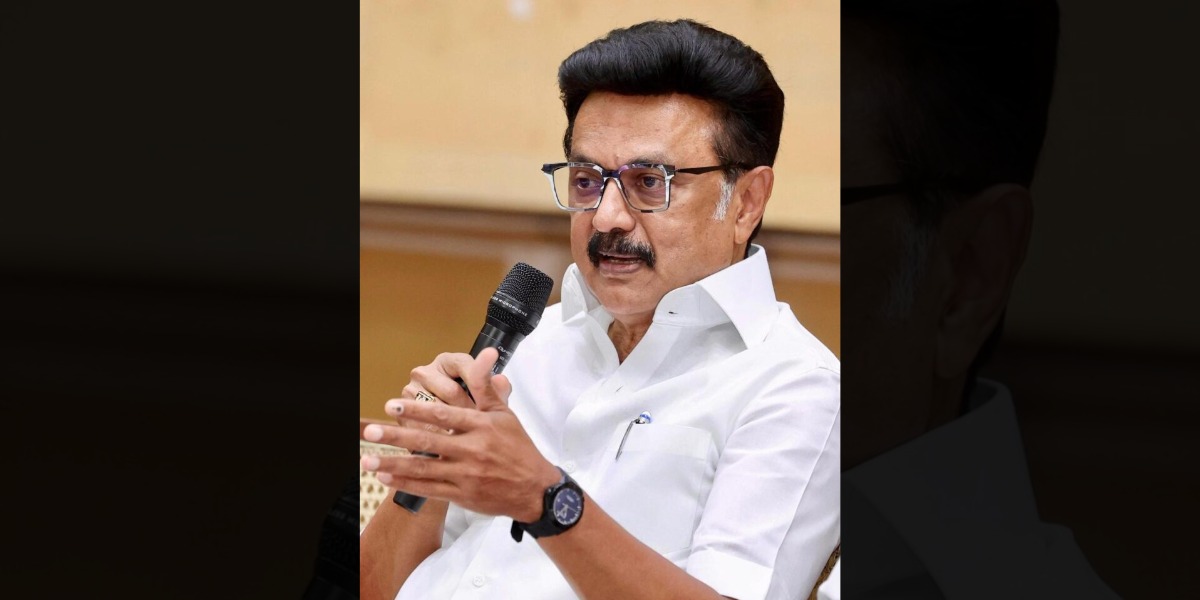
The Cockroach Janata Party (CJP) may not have gained much traction with their recent protests in Delhi against CEC Gyanesh Kumar, however, one hears the DMK is planning to use the CJP to reconnect with the youth in Tamil Nadu. With the ruling TVK consolidating its position in the TN, the DMK one hears is feeling a compulsion to distance itself from the Congress that has been spearheading the political protest against the poll body. The political positioning was spelt out at a meeting of DMK MPs chaired by former chief minister MK Stalin over the weekend. Interestingly, the party not only demanded removal of CEC but also scrapping of the very SIR — that the DMK regime — had presided over before it was voted out of office early this year. Political analysts find DMK objections to SIR in TN rather odd. In fact, everyone is asking — if the TVK headed by Vijay was voted in post-SIR, why is DMK making a fuss about it now? It is being said that DMK MP A Raja has been tasked with the responsibility of reaching out to CJP leader Abhijeet Dipke and invite him to Chennai to create nuisance in streets against SIR. That means DMK is bent on creating a false storm in Chennai against Vijay and the TVK government. The moot point is will people of Chennai really have a short memory and flock to the Dipke’s show? Will the CJP be allowed to run amok in Chennai attacking the cops like the way they hit the Delhi cops on July 20? One thing is certain, the courts may not give a long rope to either the roaches or the DMK this time round.
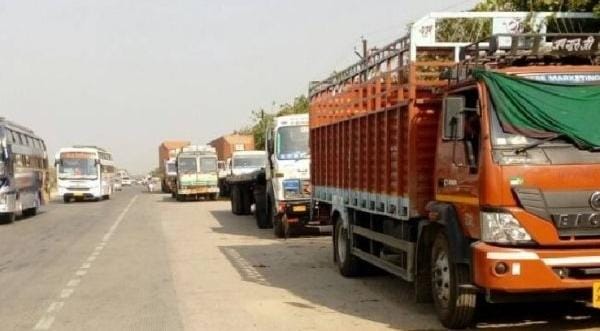
Senior BJP MP and former Union Education Minister Dharmendra Pradhan always had one eye on his home state Odisha. Forced to resign over NEET exam paper leak, he now seems to be taking more active interest in his state. Sources say that Pradhan being a national level BJP leader is now seen nurturing a new weapon “formal letter politics”. His objective being to improve state level administration since trackable letter will force state authorities to take actionable steps spread over collectors, police and others rather than letting the issue stay confined to a private conversation. Speculation is Pradhan may succeed in his plan since he has substantial backing by ruling BJP MLA’s and ministers. Pradhan, it is learnt, has written formal request letters to both the Odisha chief minister Mohan Charan Majhi and Union Minister Road Transport and Highways Nitin Gadkari demanding stringent crackdown on illegal and hazardous parking of heavy commercial trucks along the state and national highways. He has mooted the idea of having a designated parking place for trucks, levying heavy penalty on violators including seizure of vehicles, and launching public awareness campaigns. To support his views Pradhan has highlighted Supreme Court ruling regarding vehicle seizure provision. He has also urged the Odisha government to invoke Section 76 against industrial and mining companies whose transport logistics contributed to trafficking congestion and unsafe parking. Apart from this Pradhan is already pushing for having dedicated truck bays and logistics hubs in Odisha.
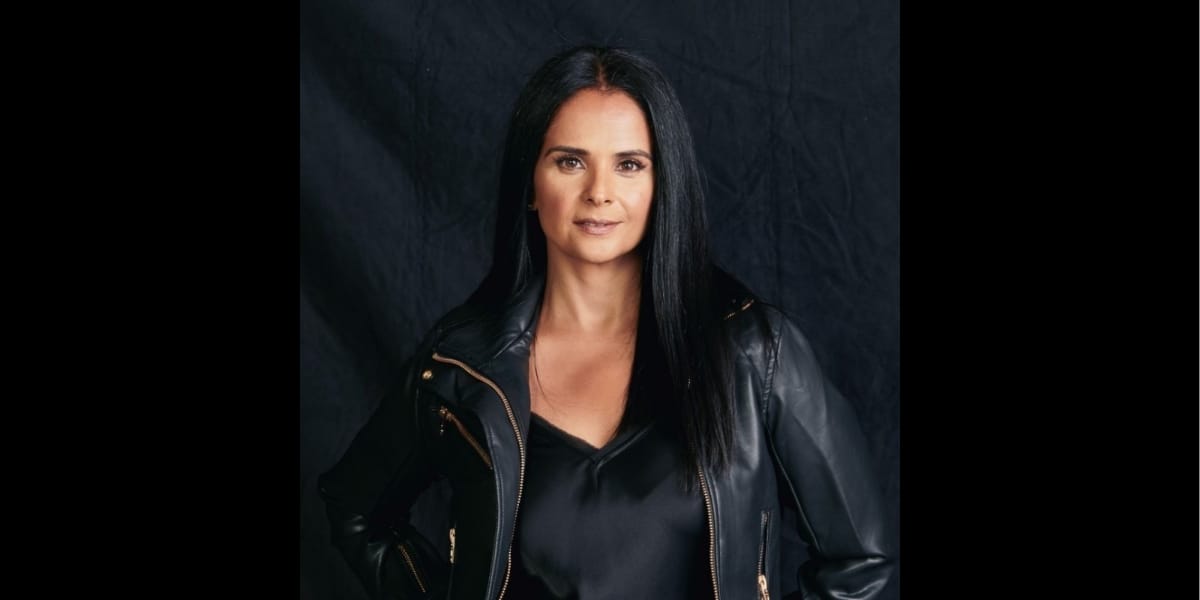
In a move that has stunned Hollywood, Netflix has removed Bela Bajaria, the Indian-origin executive widely credited with transforming the streamer into a true global powerhouse. After nearly a decade of championing international stories, expanding unscripted programming, live events and sports, and turning local-language hits into worldwide sensations, Bajaria learned she was being replaced while still helping the company execute major layoffs. Reports describe a chilling sequence. According to multiple outlets, Bajaria spent much of October 14 conducting painful staff cuts and reassuring anxious employees during a restructuring that eliminated roughly 1,000 jobs. Unaware of her own fate, she approached co-CEO Ted Sarandos later that evening, only to be told she was out. Sources claim she had been reassured weeks earlier that her position was secure. Instead, she was blindsided hours before a VIP screening, with her successor, former Disney and Fox executive Peter Rice, already lined up. The timing is brutal. Netflix faces slowing engagement, pressure to deliver the next cultural phenomenon, and a sharp drop in its share price amid a failed Warner Bros. Discovery bid. Industry whispers suggest someone had to “pay for the rough patch” and Bajaria, despite public thanks from Sarandos for a “decade of dedication, innovation, creativity and leadership” became the high-profile casualty. This is the dark side of modern streaming: the executive who helped Netflix think beyond Hollywood and embrace accessible yet ambitious content can still be discarded overnight when Wall Street demands a reset. Rice inherits the empire she helped construct, while the woman who expanded Netflix’s ambitions processes an exit that unfolded while she was still managing the company’s crisis. Even the architects of success are not immune to the machine they built.
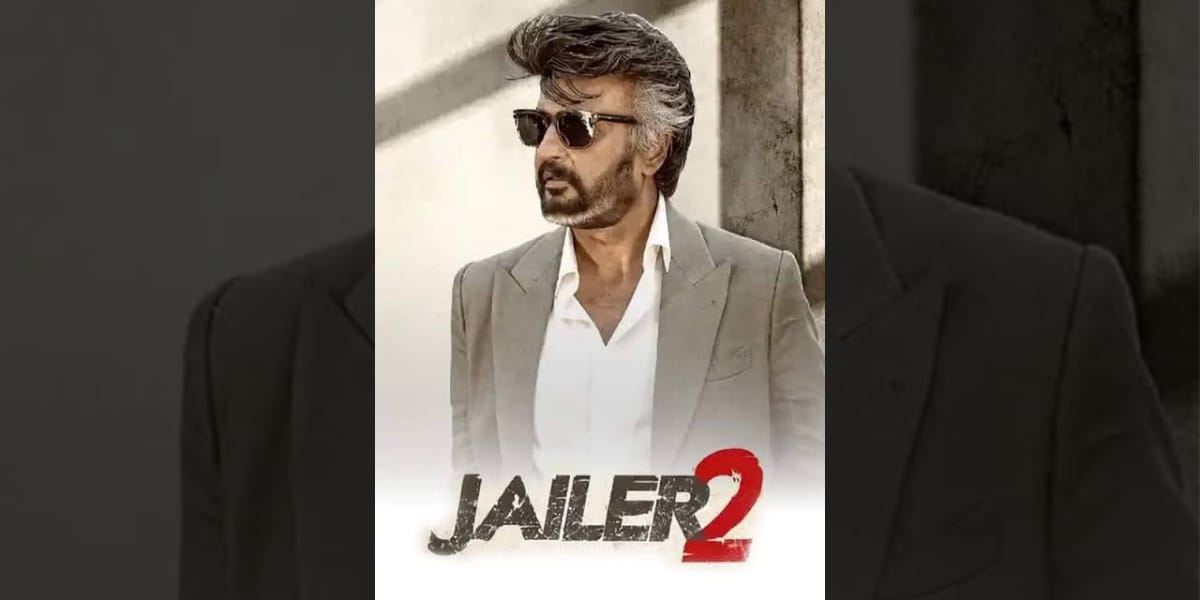
Jailor 2, the Rajinikanth sequel released worldwide on 15 October 2026, is largely absent from major multiplex chains such as EnPVR INOX and Cinepolis in North India. The reason is a clear standoff over the theatrical-to-OTT window. Sun Pictures, led by Kalanithi Maran, signed an OTT deal (reportedly with Amazon Prime Video worth around Rs 160 crore) that places all language versions of the film on streaming platforms after only a four-week theatrical run. Major multiplex chains, however, insist on a minimum eight-week exclusive theatrical window for Hindi-market releases to protect cinema revenues. They have extended this stance more broadly and refused to screen the film when the producers stuck to the shorter window. As a result, Jailor 2 is mainly available on single screens and some smaller or non-national multiplexes in the North, not in the big national chains. The makers and North India distributor Pen Marudhar Entertainment confirmed that a Hindi theatrical release was still happening on the same date, but this does not include PVR INOX or Cinepolis. Post-release trade reports confirmed that the chains stayed out. A separate local dispute in the Salem area of Tamil Nadu saw multiplexes skip the film over a high revenue-share demand (reportedly 70%), but the national multiplex absence is driven by the OTT window conflict. In short, the producers prioritised a larger and faster OTT deal over the longer theatrical exclusivity that multiplexes require, leading the big chains to opt out.
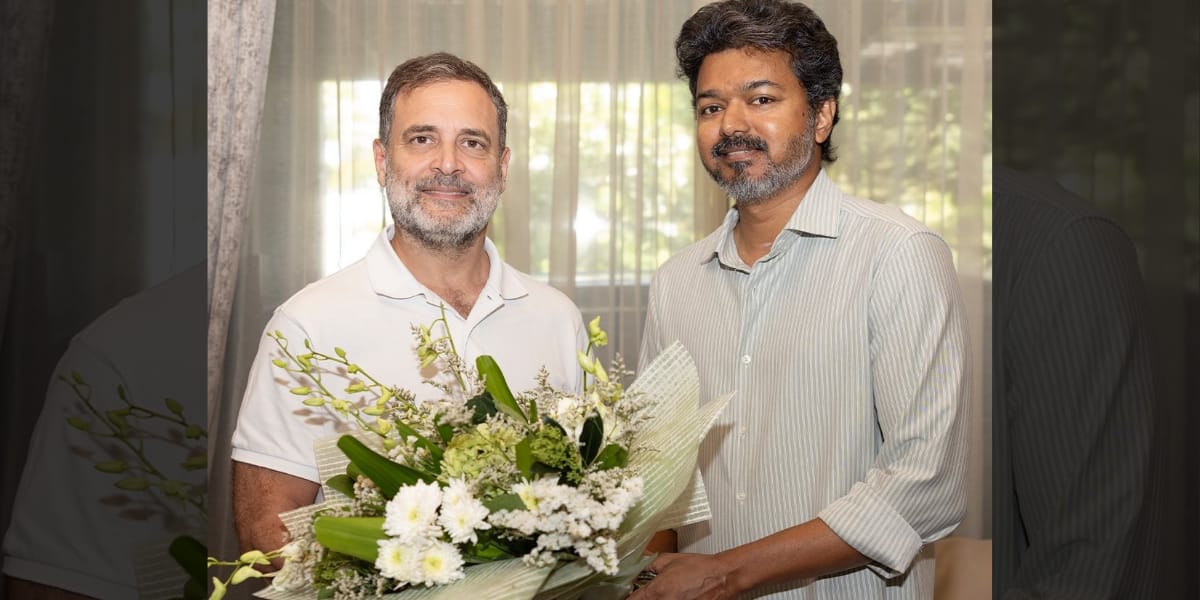
Tamil Nadu chief minister C Joseph Vijay has been taking pride in providing a corruption free govt in the short while that his party — the TVK — has been in office. At the same time, he has also vociferously been attacking the DMK for its corruption legacy. It seems Vijay’s political theme of a “corruption free govt” has made no impact at least on its post poll ally — the Congress– which switched sides after the TVK came to power. In fact, the Congress with 5 MLAs and 2 ministers in the TVK government, has been quite an embarrassment– in the manner in which its leaders were found conducting themselves. It is being said that conduct of Congress MP Manickam Tagore has been particularly worrisome — the way he raised funds to organise a grand welcome for Rahul Gandhi in Chennai early this month. It was Rahul’s first visit after the TVK had come to power. Congress leaders used their proximity to government to collect funds. CM Vijay didn’t know how to put a stop to the way the Congress was going about its “collection” drive to organise “Chatron ki goonj” or interaction with students. In his one-to-one meeting with CM Vijay, Rahul had apparently warned Vijay about PM Modi. On his part, Vijay wisely followed protocol and did what was in the best interest of the state. Striking the right notes with PM Modi helped Vijay sort out pending issues. Soon he was off to Vijaywada for a meeting with Andhra CM Chandrababu Naidu where he discussed Krishna-Godavari river linking issue and also investment plans for the state.
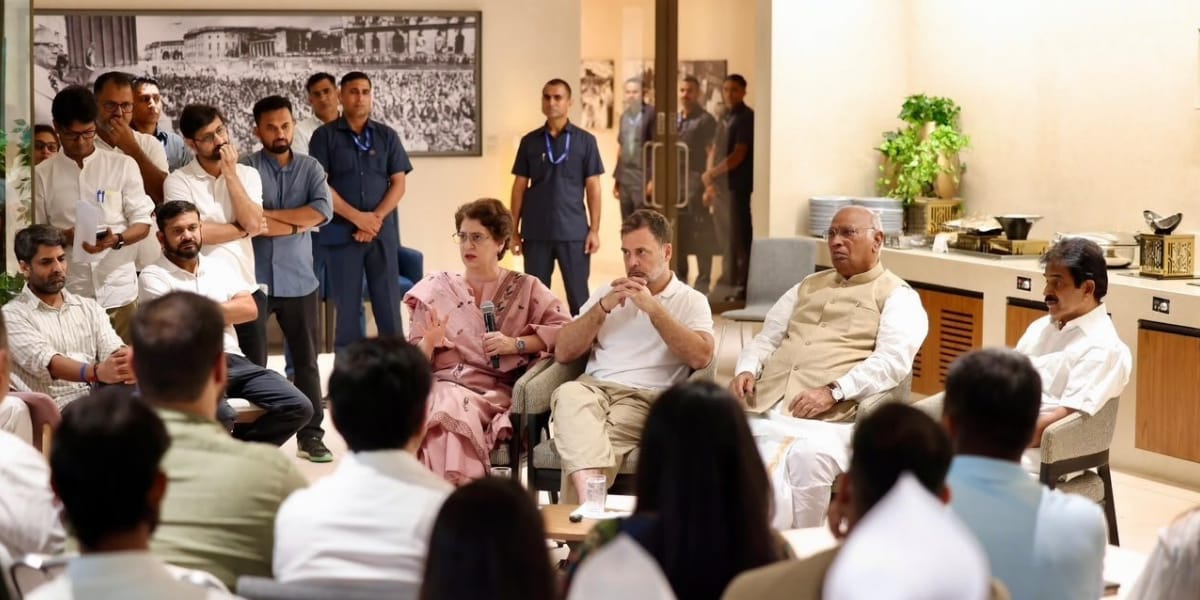
It seems Congress President Mallikarjun Kharge is perhaps the only leader who can dare speak a few home truths to Rahul Gandhi. That’s precisely what he did given his stature and age. During a recent casual discussion at the Congress headquarters in Indira Bhawan, Gandhi as the LoP in the Lok Sabha was taking pot shots at Cong leaders who had quit the party and praised those who stayed back to take on the BJP and the RSS. Rahul said he had always believed that party workers were Babbar Sher (lions)who were not afraid of political pressure or cases. He said those who had remained with the Cong had continued to fight the BJP and RSS rather than give in to intimidation. Taking a swipe at those who had left, Gandhi described them as “cowards” and “greedy”, suggesting that some had quit under pressure or in pursuit of personal interests. He cited the exits of leaders including Jyotiraditya Scindia, RPN Singh and Jitin Prasada. Kharge did not keep quiet; he reportedly remarked that all those who had quit to join the BJP were all Rahul’s friends–“your friends”. They were all Doon School elites just as Rahul was. Scindia left the party in 2020 and joined the BJP. So did RPN Singh and Jitin Prasada switching to the BJP. The political significance of Kharge’s remark lay in its timing: Gandhi was drawing a contrast between those who had left and those who had continued to stand by the Congress, while the party president reminded him of the personal associations some of the departing leaders had once shared with him.
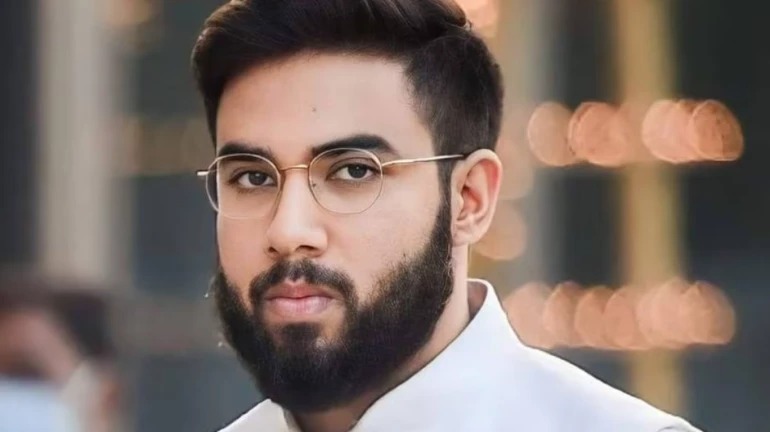
While the Shiv Sena (UBT) led by Uddhav Thackeray is fighting in the Supreme Court to regain its name and symbol, a soft launch of another Thackeray scion appears to be gaining traction unobtrusively. The youngest member of the Thackeray clan, Tejas (31), has so far maintained a low profile, standing behind elder brother Aaditya. But that phase appears to be getting over. The Thackeray family’s love for birds and exotic fish is quite known. Tejas too has inherited it. The Thackeray Wildlife Foundation led by Tejas has begun his public posturing by writing a letter to Union environment minister Bhupender Yadav to urge immediate intervention to prevent the rampant poaching and illegal selling of the endemic Borna Snakehead (𝘊𝘩𝘢𝘯𝘯𝘢 𝘢𝘮𝘱𝘩𝘪𝘣𝘦𝘶𝘴) fish found in the Chel river in West Bengal. The Foundation has discovered several rare fish species, many of them from India and Nepal. A student of Bombay Scottish School, Mahim in Mumbai, Tejas is seen off and on publicly. His latest appearance was a few days ago with Aaditya leading a protest demonstration against the Modi government at Dadar. Thus, both Thackeray cousins, Uddhav and Raj, as well their sons are now in active politics. It is said that his mother Rashmi was keen for the entry of Tejas in politics since the health of Uddhav has remained indifferent for some time. Tejas himself is known for his reticence. Hence, some statement from him is awaited eagerly.
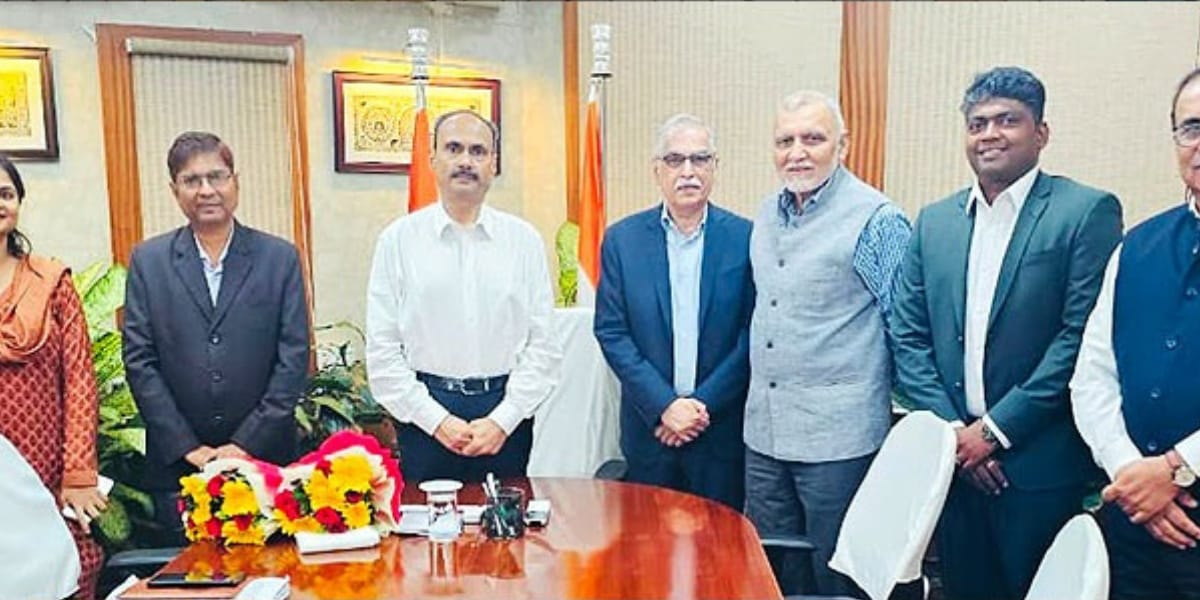
For every chief minister a hospital project is a highly coveted aspiration. This is because it delivers immense electoral returns, visual proof of development and a powerful emotional connect with voters. But one cannot say that of Odisha chief minister Mohan Charan Majhi. He could not capitalise on the hospital project being set up in his state as it was agreement between two private parties. The Rs 9129-crore Fortis Healthcare has tied-up with Bhubaneswar-based real estate and infrastructure developer Dion Group to establish a 300-bed greenfield multi-speciality hospital in Cuttack-Bhubaneswar corridor. There was no splash in the newspapers – full page ad – with CM lighting the lamp etc and in his speech asking other health care players to invest in Odisha. It was a quiet affair since it was an asset light expansion strategy instead of buyout. However Odisha-based Ad guru says “effective communication pitch at the right time is the glue”. However, some people say Odisha CM could still have released ads in the local and mainstream media welcoming Fortis entry and asking other healthcare players to invest in Odisha even if it was a private investment. Maybe a missed PR opportunity!
Tamil Nadu chief minister C Joseph Vijay had politically a significant week –back-to-back visits by Congress leader Rahul Gandhi and PM Narendra Modi. Communicating in fluent English with Rahul Gandhi (who would not even “posture” in a Tamil identity), then pleasing the PM in both English and Tamil. The PM at least attempts to please the crowd…Vanakkam Tamizh Nadu, and by now the oft-rehearsed reference to Thiruvalluvar and the Kural. So, what is Vijay’s return gift? Vijay proved that he could be just as comfortable addressing the crowd in English as his Tamil fluency …an attempt to reiterate subtly that TN is firm on its two-language policy, no Hindi agenda. P Chidambaram was all praise for Vijay’s skill in addressing in English, “His fluent English speech on the states two language policy impressed me. His clear pronunciation of English words made me very happy”. Vijay, the Brown Saab has already learnt leverage. Tamilians are particular that their children learn to converse in the colonial Lingua Franca…they may not be polyglots but in Public if they struggle to converse in English, it is a blow to their self-esteem. Any wonder that Shashi Tharoor is admired as an English walkie- talkie and his esoteric words often send people scurrying for a dictionary? Has the CM Vijay passed the first test of the Congress? Keep the pressure on the BJP that any attempt to impose Hindi is not welcome in TN. But then the BJP uses ingenious ways to bring Hindi and make people learn basics …many a public sector bank’s branch has Biharis, Madhya Pradeshis and UPites in authority. They communicate only in Hindi and the staff are “forced” to learn basics of Hindi.
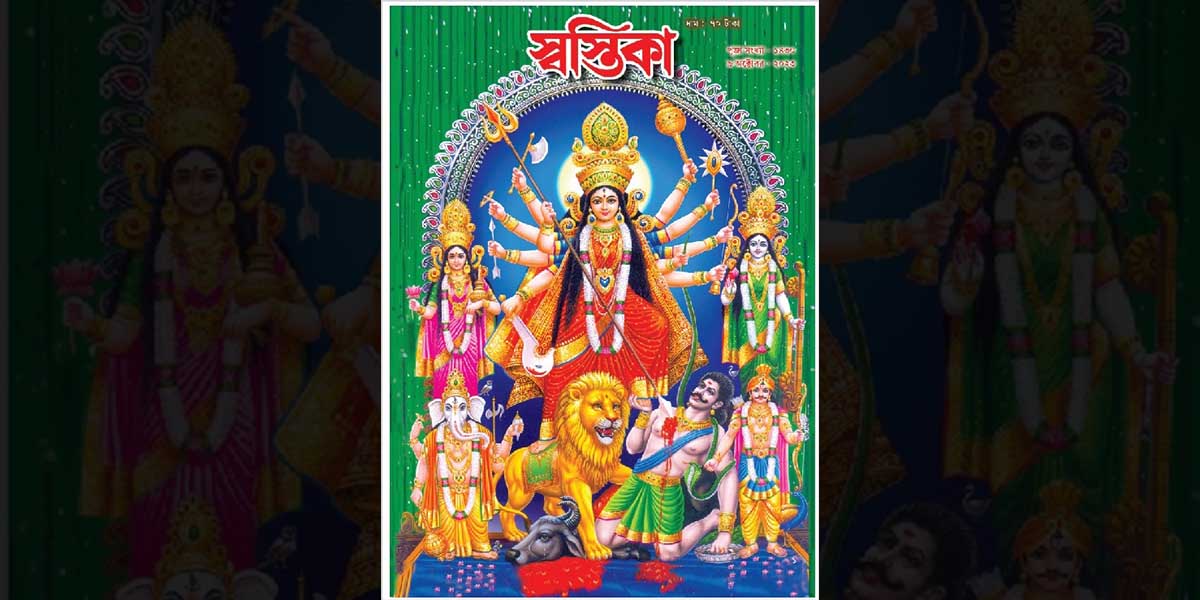
The RSS Bengali weekly Swastika has cautioned the BJP against inducting former Trinamool Congress (TMC) members in West Bengal, alleging that some new entrants are damaging the party’s image. In its October 12 issue, the magazine urged the BJP to remove what it described as “garbage” from its ranks. The warning comes amid allegations of extortion and anti-party activities involving some BJP workers. The magazine alleged that unruly elements from the TMC were joining the BJP and tarnishing its reputation. The article mentions BJP as a party of “bhadraloks” (gentlemen), which has dislodged thieves from office clearly implying TMC. However, there is a concerted effort to break that image of BJP, the article claimed. Cautioning senior BJP leadership against the entry of “rowdies”, Swastika claimed these elements were exploiting the restraint shown by party leaders and workers to undermine the organisation’s standing. Concerns have also been raised over whether chief minister Suvendu Adhikari’s government is taking adequate measures to promote its developmental work, amid Opposition parties allegedly spreading propaganda against it. The magazine had issued a similar warning in August, cautioning that the BJP risked losing voter support if people began viewing it as another version of the TMC. It was then claimed that even if 2% voters feel that the present BJP is a replica of the Trinamool thugs who governed the state for 15 years, 90% voters will shift from BJP. The article urged the BJP to remove the five per cent of “thugs” who had allegedly entered its ranks. The warnings indicate that the RSS is closely monitoring the BJP’s functioning. The organisation played a pivotal role in spreading Hindutva ideology across the state through its shakhas.
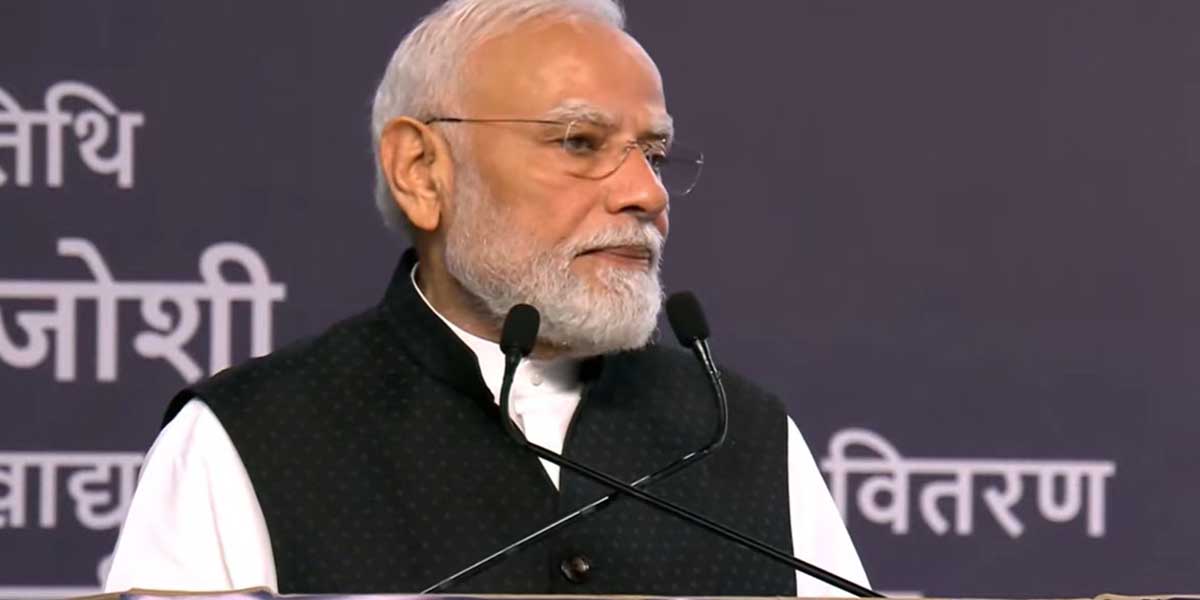
PM Narendra Modi is not someone who will easily let his critics think he has lost his connection with the youth — because of the rise of a new brand of student leaders upset with the system. So, on September 5, Modi returned to Delhi’s 100-year-old Shri Ram College of Commerce (SRCC), 13 years after his first high-profile address there as Gujarat CM. He used the occasion to deliver something more than a political speech. It was part economic defence, part political broadside, and part appeal to India’s teachers and young people to think beyond the classroom. The SRCC, founded in 1926, was celebrating its centenary, bringing together generations of students, teachers and alumni. Modi used the occasion to draw a dramatic contrast between the India he encountered at the college in 2013 and the India that exists today. At the centre of his argument was the latest growth number: India’s economy expanded by 7.8% in the first quarter of 2026. Modi presented the figure as evidence of economic resilience at a particularly difficult moment, with war and instability in West Asia disrupting trade, energy markets and global confidence. Modi wanted the students to see the contrast for themselves. His message was essentially this: judge the transformation not merely by political rhetoric but by where the country was in 2013 and where it stands today. That comparison is central to Modi’s political narrative. His government, he argued, replaced what he called “policy paralysis” with “policy dynamism”. Whether Modi’s SRCC address will work depends heavily on which audience is evaluating it. As a core piece of political messaging, it aims to reinforce his economic track record and capture the imagination of Gen Z voters. More importantly, the BJP cadres are upbeat that Modi has shown he is in full command.
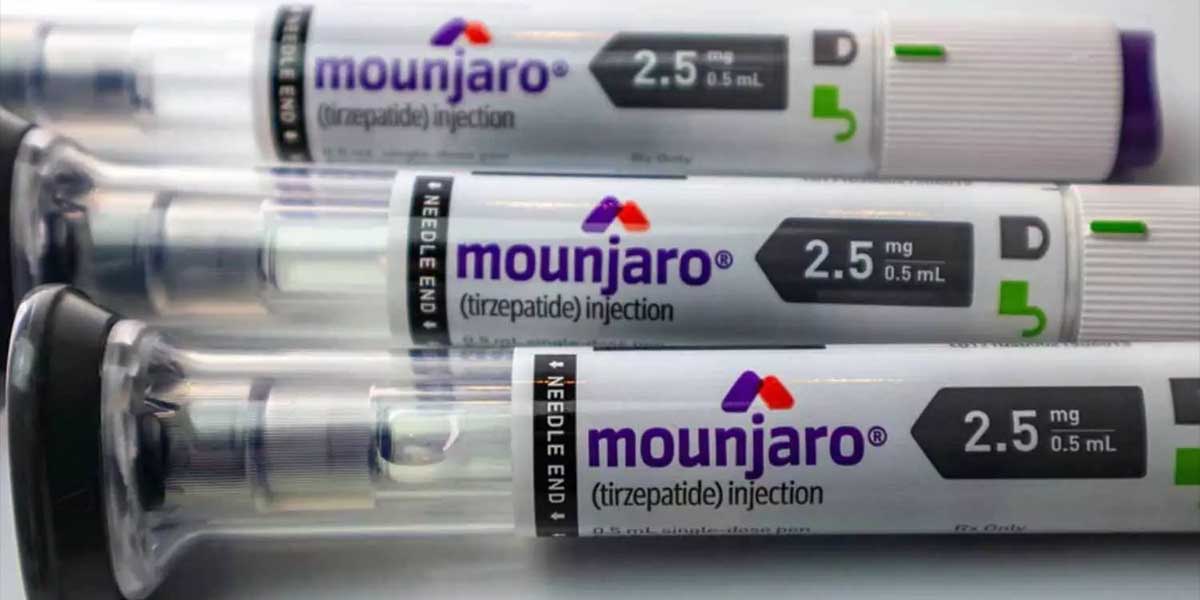
India now has its second medical breakthrough everyone wished for (after Metformin). What if a drug waved a magic wand and transformed a person from fat and frumpy to slim and svelte, without the heartbreak of punishing diets and endless gym visits? When U.S.-based Novo Nordisk launched the wondrous Ozempic—a semaglutide used to treat Type 2 diabetes as well as reduce cardiovascular and kidney disease risks—the world sat up in excitement and anticipation. Is the Holy Grail for weight loss finally in our hands? A landmark white paper published by the Leonard D Schaefer Center for Health Policy & Economics at the University of Southern California highlights that highly effective obesity treatments are now available. Yet, in an ironic twist, the U.S.—which has a very high obesity rate—makes only 1% of its obese population eligible for treatment coverage. Research offers remarkable evidence that treating obesity directly yields immense trickle-down benefits, projecting an estimated $1 trillion in overall healthcare savings over the next 10 years, including $245 billion for the federal taxpayer during the first decade of coverage. In India, often dubbed the diabetes capital of the world, Eli Lilly launched its own weight-loss drug, Mounjaro, to compete alongside Novo Nordisk’s Ozempic. These drugs, originally intended to treat Type 2 diabetes, also suppress appetite by slowing gastric emptying. The rich, heavy fare of big Indian weddings can no longer tempt someone to overeat past the point of satiety. As social media catapults Ozempic to the top of weight-loss trends, Medicare and insurance providers must crunch the cost-benefit numbers to evaluate expanding coverage beyond just Type 2 diabetes.
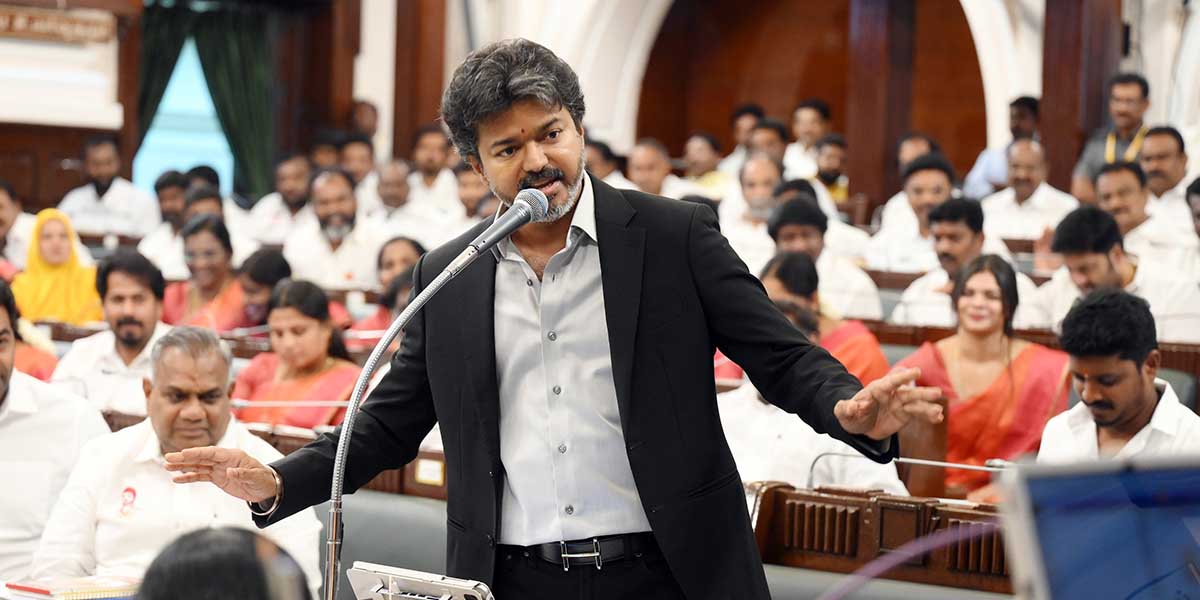
Political analysts in Chennai were quite taken aback by the public reception to Tamil Nadu chief minister C Joseph Vijay’s speech in the state assembly on September 7 when he made a stinging attack on the DMK leadership. He had after all only pieced together old corruption stories and narrated them. So “why make a big deal?” was their dismissive reaction. We’ll tell you what’s new about it. Clearly, the younger generation was not clued into these old stories. The beauty of what Vijay did was to string all the old deeds of DMK crimes or pearls of action together and serve them with fire and brimstone to his audience.”Ennadhu, ivlo corrupta!” is the reaction he wanted from his virtual warriors and Gen Z supporters. The DMK thought the Sarkaria Commission story was long forgotten. The party had also assumed its MISA sacrifice during the Emergency would never be pooh-poohed. They never, in their wildest imagination, expected to be called out for taking commissions in the name of a “party fund”. For the first time Vijay dared to change rules of the game. Now that Thalapathy has given them the synopsis, the faithful will add their mirch-namak and make it spicier. The mythology of DMK corruption will reach every nook and corner. Honestly, the DMK doesn’t know how to react. The AIADMK, being a pangali or partner in crime, never gave them a hard time. TVK is a very different kettle of fish. They’re out to paint the DMK as “thooya sakthi” (evil force). How is the DMK going to come out of this phase? No one in the party knows.