All
All Politics
 Business
 Entertainment
 Sports
 Celebrities

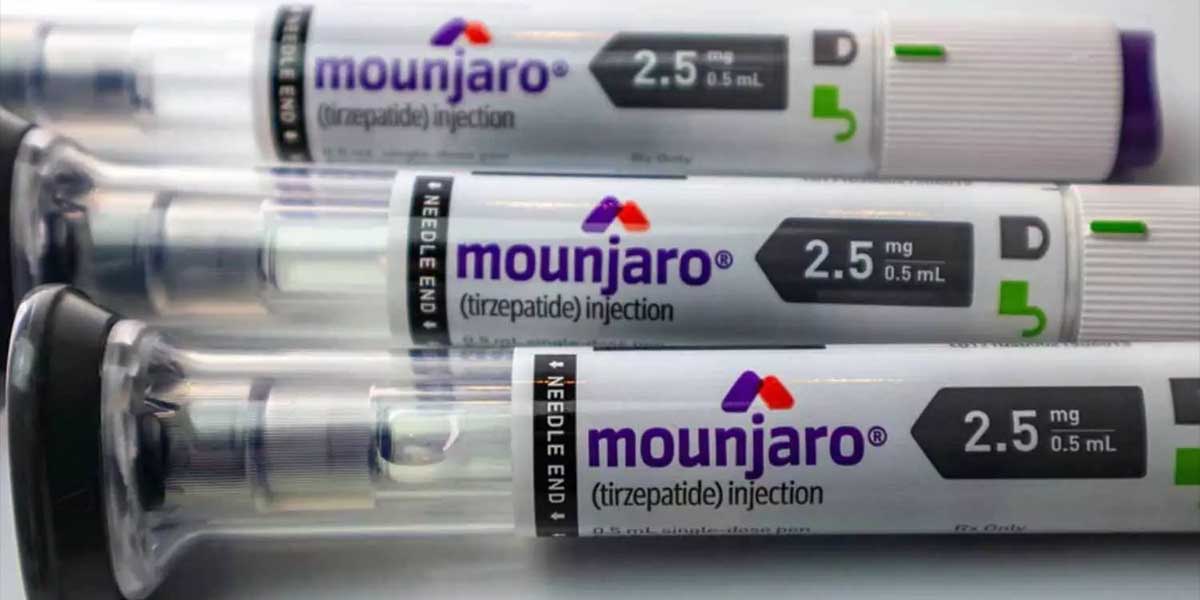
India now has its second medical breakthrough everyone wished for (after Metformin). What if a drug waved a magic wand and transformed a person from fat and frumpy to slim and svelte, without the heartbreak of punishing diets and endless gym visits? When U.S.-based Novo Nordisk launched the wondrous Ozempic—a semaglutide used to treat Type 2 diabetes as well as reduce cardiovascular and kidney disease risks—the world sat up in excitement and anticipation. Is the Holy Grail for weight loss finally in our hands? A landmark white paper published by the Leonard D Schaefer Center for Health Policy & Economics at the University of Southern California highlights that highly effective obesity treatments are now available. Yet, in an ironic twist, the U.S.—which has a very high obesity rate—makes only 1% of its obese population eligible for treatment coverage. Research offers remarkable evidence that treating obesity directly yields immense trickle-down benefits, projecting an estimated $1 trillion in overall healthcare savings over the next 10 years, including $245 billion for the federal taxpayer during the first decade of coverage. In India, often dubbed the diabetes capital of the world, Eli Lilly launched its own weight-loss drug, Mounjaro, to compete alongside Novo Nordisk’s Ozempic. These drugs, originally intended to treat Type 2 diabetes, also suppress appetite by slowing gastric emptying. The rich, heavy fare of big Indian weddings can no longer tempt someone to overeat past the point of satiety. As social media catapults Ozempic to the top of weight-loss trends, Medicare and insurance providers must crunch the cost-benefit numbers to evaluate expanding coverage beyond just Type 2 diabetes.