All
All Politics
 Business
 Entertainment
 Sports
 Celebrities

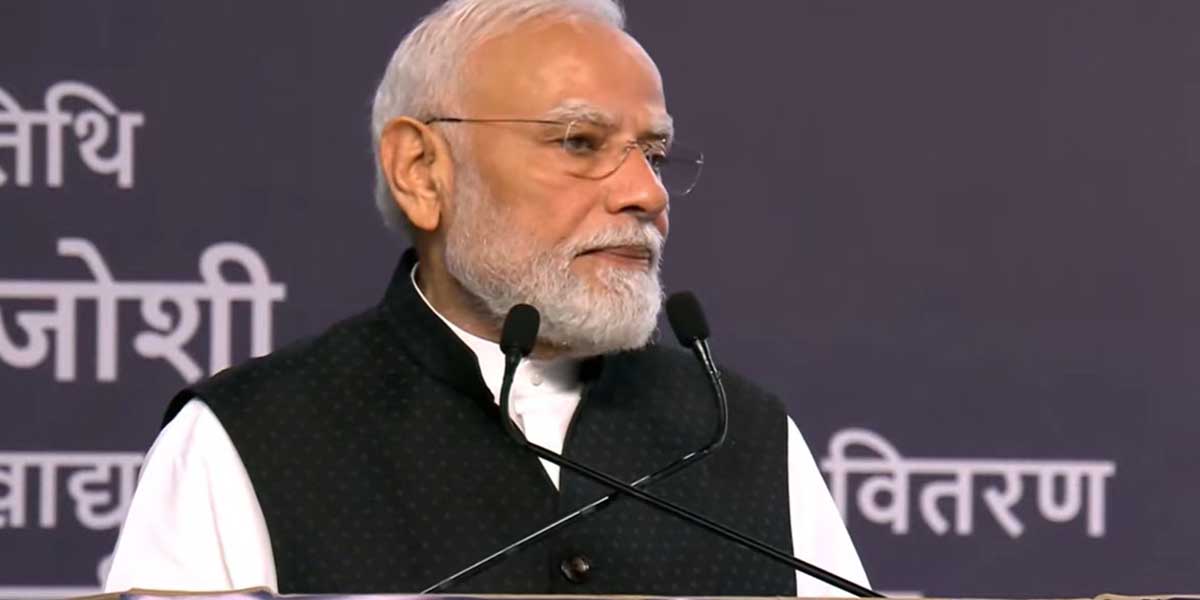
PM Narendra Modi is not someone who will easily let his critics think he has lost his connection with the youth — because of the rise of a new brand of student leaders upset with the system. So, on September 5, Modi returned to Delhi’s 100-year-old Shri Ram College of Commerce (SRCC), 13 years after his first high-profile address there as Gujarat CM. He used the occasion to deliver something more than a political speech. It was part economic defence, part political broadside, and part appeal to India’s teachers and young people to think beyond the classroom. The SRCC, founded in 1926, was celebrating its centenary, bringing together generations of students, teachers and alumni. Modi used the occasion to draw a dramatic contrast between the India he encountered at the college in 2013 and the India that exists today. At the centre of his argument was the latest growth number: India’s economy expanded by 7.8% in the first quarter of 2026. Modi presented the figure as evidence of economic resilience at a particularly difficult moment, with war and instability in West Asia disrupting trade, energy markets and global confidence. Modi wanted the students to see the contrast for themselves. His message was essentially this: judge the transformation not merely by political rhetoric but by where the country was in 2013 and where it stands today. That comparison is central to Modi’s political narrative. His government, he argued, replaced what he called “policy paralysis” with “policy dynamism”. Whether Modi’s SRCC address will work depends heavily on which audience is evaluating it. As a core piece of political messaging, it aims to reinforce his economic track record and capture the imagination of Gen Z voters. More importantly, the BJP cadres are upbeat that Modi has shown he is in full command.