 All
All Politics
 Business
 Entertainment
 Sports
 Celebrities

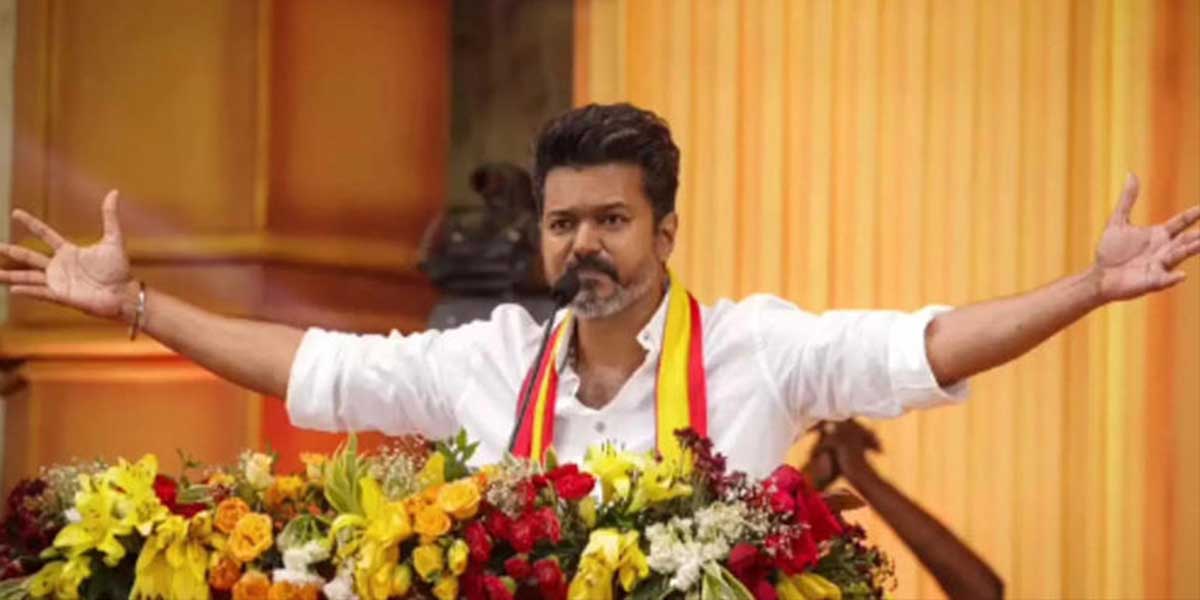
It has been barely six months since the TVK rode to power on an anti-corruption plank against the DMK in Tamil Nadu. Yet, chief minister C Joseph Vijay has managed to keep his poll promise of penalising the corrupt; he put the corrupt DMK leader — Anbil Mahesh Poyyamozhi — behind bars soon after he lost his anticipatory bail plea. Anbil, former TN Education Minister, was arrested by the Greater Chennai Police in connection with an alleged Rs100 crore private schools scam. The DMK claimed Vijay’s government arrested Anbil to clinch a by-poll in Trichy East. The complaint against Anbil was lodged by DC Ilangovan, secretary of the Federation of Associations of Private Schools in Tamil Nadu, alleging that money was collected from private school managements on the promise of securing government approvals, including permanent recognition, school upgradation, clearances and other permissions. According to the police, around 177 private schools were linked to the alleged collection of more than Rs 100 crore. Several prominent people including techies like Sridhar Vembu of Zoho fame had spoken about difficulties in getting permission to open schools under the DMK regime. Four months back, Vembu had posted on X how the DMK “ecosystem” had made it difficult for him to run/ manage schools in rural TN. “We run two rural schools, both free NIOS schools under the Kalaivani Kalvi Maiyam umbrella. The Theni school was originally started and run by a retired IPS officer, an honest and upright man. He built very nice facilities but had to shut down his CBSE school because the state government demanded too much money to issue the NOC.” Today, Vembu must be happy. So must be many others like him. Also, Vijay’s approach to fighting corruption starkly differs from PM Modi’s who has so far not acted against the Gandhis!

The Mohan Charan Majhi-led government in Odisha now faces a new dilemma. There is no settlement on the territorial dispute with Andhra Pradesh has been reached even after BJP came to power in the state three years back. The territorial dispute relates to Kotia villages which has been historically recognised as part of Odisha since 1936. Resolving the territorial dispute with Andhra was the poll promises of the BJP. Now it is learnt that Andhra Pradesh has announced Panchayat Elections date for three villages in the controversial Kotia will be held on November 3. This festering issue has now rekindled the decades-long territorial claim against Odisha, for which a solution has not been found even at the Supreme Court level. While historically Kotia was recognized as a part of Odisha since 1936, the region has been contested by Andhra Pradesh since 1971. Can the Odisha government resolve the issue without escalating into inter-state conflict? Odisha’s Opposition party Biju Janata Dal led by Naveen Patnaik has targeted CM Majhi for his failure to resolve the issue.
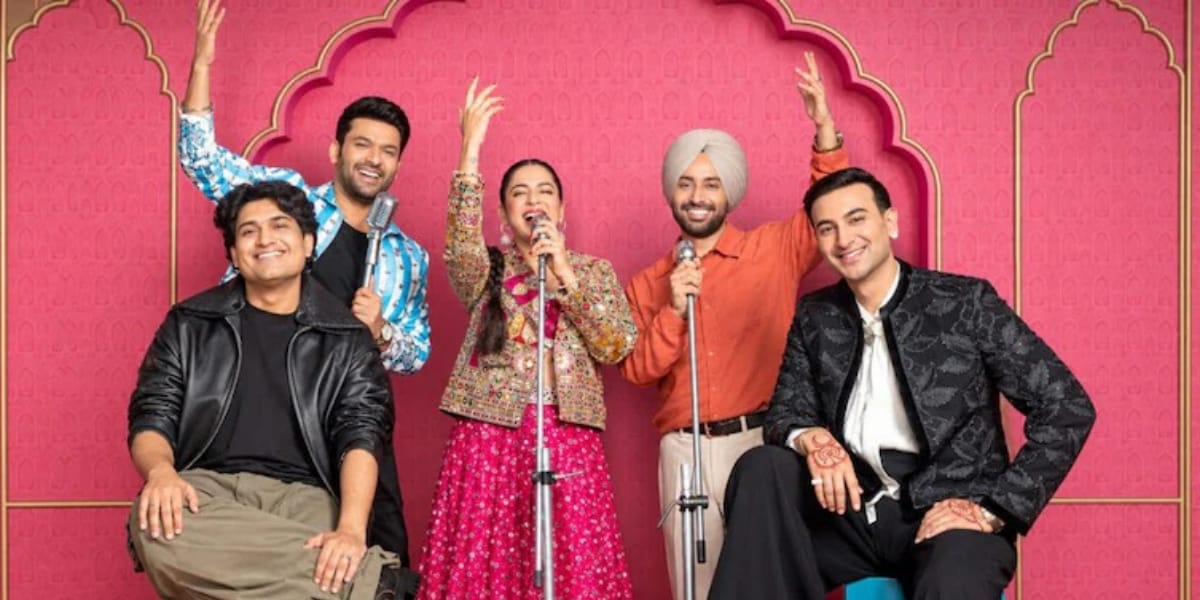
In the latest episode of The Great Indian Kapil Show (Season 5, Music Ke Dhurandhar streaming on Netflix from 24 October 2026), Kapil Sharma hosted a musical night featuring Dhurandhar’s composer Shashwat Sachdev, singers Satinder Sartaaj and Jasmine Sandlas, and sitarist Rishab Rikhiram Sharma. While introducing a saxophone player who had contributed to the iconic 1978 film Don, Kapil stated that the musician had played the saxophone piece from Don and attributed the film’s music direction to RD Burman. This is a clear and basic factual error. The music of the original Don (starring Amitabh Bachchan) was composed by the legendary duo Kalyanji-Anandji, not RD Burman. Songs such as “Khaike Paan Banaras Wala,” “Yeh Mera Dil,” “Are Diwano Mujhe Pehchano,” and the film’s unforgettable theme music all carry Kalyanji-Anandji’s signature. Crediting RD Burman instead is not a minor slip of the tongue; it is a fundamental misattribution of one of Bollywood’s most recognisable soundtracks. What makes the mistake especially unacceptable is the context. Kapil was hosting working musicians and singers closely associated with a current film’s soundtrack. When professionals of music are on the stage, casual ignorance about classic film music becomes more jarring. Don is not an obscure title; it remains one of the most quoted and sampled films in Hindi cinema. Confusing its composers with RD Burman (whose own body of work is distinct and equally celebrated) shows a lack of basic preparation. The Great Indian Kapil Show has a team of writers. Attributing the music of Don to the wrong composer is precisely the kind of error a writers’ room should catch. This was a needless blunder on a stage that otherwise celebrated music.
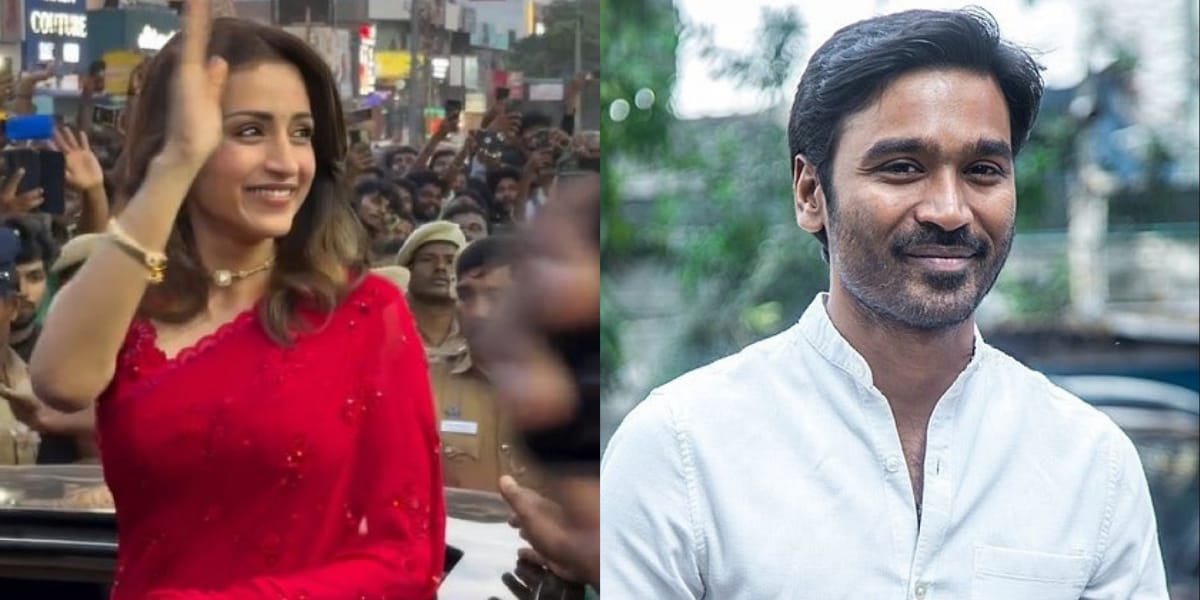
Actor Trisha Krishnan generated a lot of political interest as she visited Coimbatore on a private engagement over the weekend. There were fangirl moments among TVK supporters as the actor arrived at the airport. She also pulled crowds when she went on a brief roadshow after opening a mobile store. Her sway over the crowd naturally led the media to wonder whether she would enter politics just as former AIADMK supremo J Jayalalithaa had done. Would Trisha enter Rajya Sabha? Trisha merely smiled and walked away without responding. Did Trisha deliberately make a public appearance just a day ahead of actor Dhanush’s possible launch of a political party? At this stage, it is not clear if the TVK is merely hoping to take attention away from Dhanush’s political entry via Trisha. Visuals of Trisha in a bright red sari waving to an enthusiastic crowd on a roadshow could briefly cloud out some serious political stuff. Yet that may not be enough. It must be said that the TVK is under pressure to perform and deliver. More so because ever since chief minister C Joseph Vijay had the courage and imagination to end the rule of duopoly of the DMK and AIADMK in Tamil Nadu, a number of Tamil film stars are reportedly planning to enter politics. In the forefront is actor Dhanush, former son-in-law of Rajnikanth. He held a meeting with his fan club office bearers in Chennai on October 25. Dhanush made many trips to Delhi and has been consulting political pundits on how to launch a political party. Another Tamil film star who also imagines he can make the transition is Shivakartikeyan. Like Vijay, he too has been invoking MGR’s legacy in his public utterances.
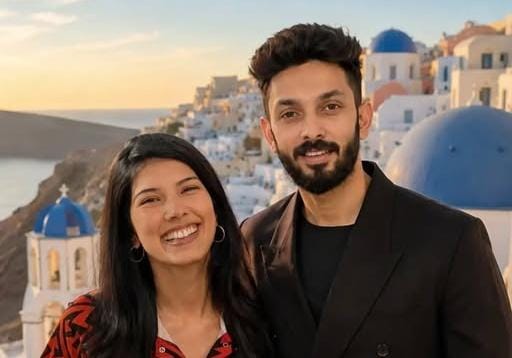
Cinema fans, corporate czars, and political heavyweights are buzzing about the upcoming destination wedding of Kavya Maran (net worth ~Rs 500 crore) — daughter of billionaire media tycoon Kalanithi Maran (net worth ~Rs 30,000 crore)—to turbo-charged music director Anirudh (net worth ~Rs 60 crore) in Barcelona, Spain. The private ceremony will bring together four major celebrity families. Anirudh’s aunt, Lata Rajinikanth, is married to superstar Rajinikanth, who played Cupid to the famous duo…the groom’s parents are celebrities too, Ravichander and Lakshmi. Ravichander, a co-founder of YES Bank, is a popular TV star, while Lakshmi comes from a well-known family too…niece of Bharatnatyam exponent Padma Subramaniam, a successful event planner, and the driving force behind Anirudh’s rocking career. Naturally, the bride’s stellar pedigree is dialing up the curiosity quotient. The Maran brothers are great-grandnephews of Kalaignar, with Murasoli Maran serving as the patriarch’s lifelong political alter ego. Growing up in this high-octane ecosystem of wealth and influence, Kalanithi Maran inherited a ringside seat to power. Building the Sun Network empire took immense grit, but the Midas-touched media mogul expanded aggressively into Sun Pictures and beyond. Daughter Kavya, born with multiple gold spoons, effortlessly transitioned from her MBA into her role as CEO of the IPL franchise Sunrisers Hyderabad. With this high-voltage mix of media, political, and cinematic DNA, it’s no wonder public necks are craning to catch a glimpse of the spectacle. Barcelona is officially setting a new benchmark for ultra-rich Indian weddings.
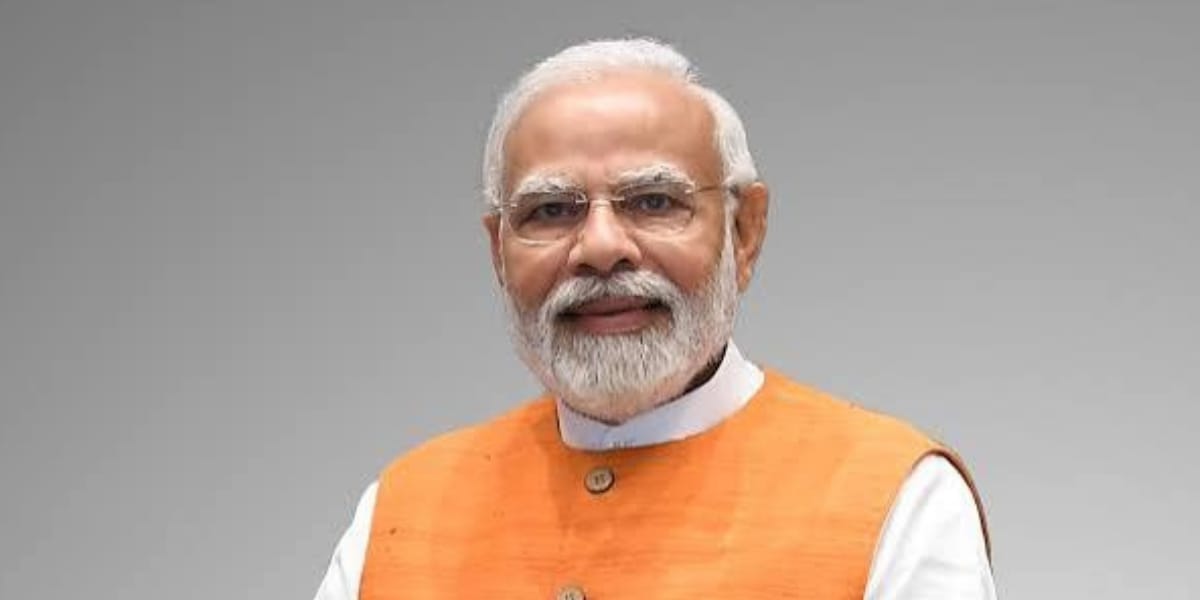
Prime Minister Narendra Modi’s Baramati visit has been postponed one more time, though not cancelled. Modi was to reach NCP boss Sharad Pawar’s home town on 3rd November. The earlier scheduled date was in October. That was revised and now changed again. Pawar’s grandson Yugendra Pawar, a trustee of Vidya Pratishthan, said the PM’s visit has been postponed. There is no official communication confirming the probable next date, 16 November 16. Modi was scheduled to inaugurate Prerna Sthal, a structure developed within the Vidya Pratishthan campus in Baramati. The friendly relations between Modi and Pawar are no secret. Both have repeatedly asserted that these are on a personal level and there is no political angle. Still, Pawar’s supporters and detractors are equally befuddled about his future moves. This includes his own daughter Supriya Sule, who has described her father as unpredictable. Pawar has stood by Modi, not caring about the Congress stand though his party is a member of the INDIA bloc. Another sore point for the Congress party is Pawar’s steadfast amity with industrialist Gautam Adani. When the business giant was the focus of some serious allegations, Pawar had dismissed the demand to set up a joint parliamentary committee (JPC) to probe them. As far as Maharashtra is concerned, chief minister Devendra Fadnavis and his ministers have treated Pawar with utmost respect. This sweet relationship is needling the state Congress but Pawar has remained unfazed. As and when Modi lands in Baramati, the knot of friendship between the two will become tighter, it is said.
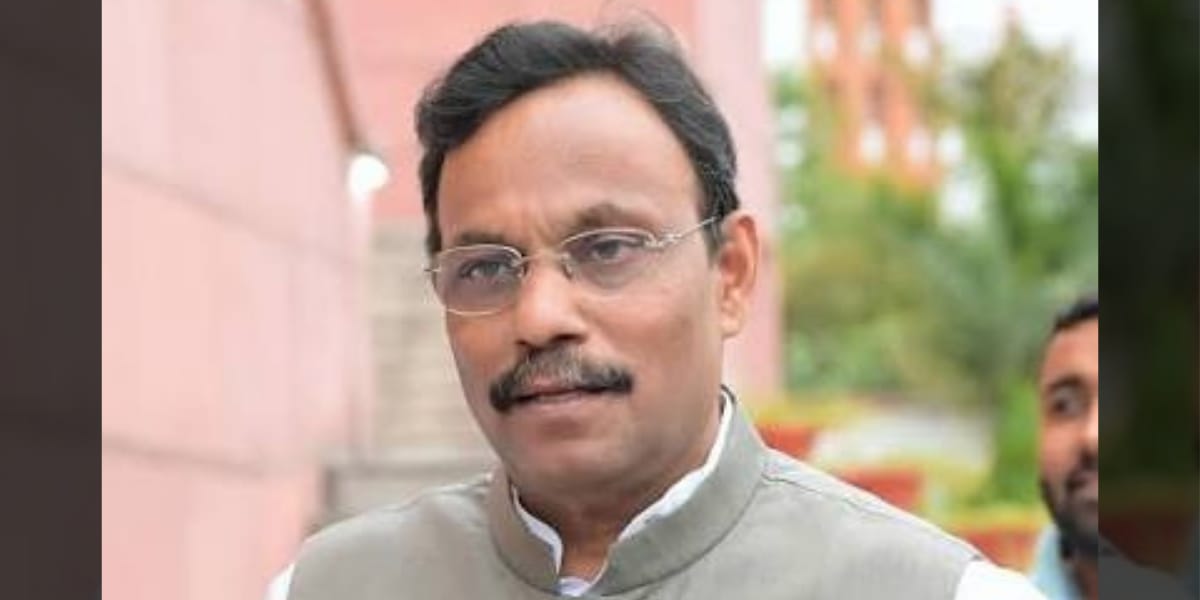
BJP general secretary Vinod Tawde has been entrusted with the task of looking for party aspirants for the UP-2027 assembly election. So far, his team has completed survey of about 125 assembly constituencies as part of a study to finalise party candidates. Tawde’s has been a classic case of loyalty and reward, the BJP formula that has been tested time and again. An influential leader in Maharashtra BJP, Tawde’s name off and on figured in the list of potential CM aspirants. But everybody was shocked when he was refused the 2019 assembly election candidature. Tawde maintained a stiff upper lip and did not utter a word about the party decision. In the days to come, he was asked by the high command to shift base to Delhi and was entrusted with one task after another. The most prominent of these was the Bihar assembly election, for which Tawde had toiled tirelessly. His stock grew after the BJP emerged the winner and finally installed its own CM in Patna. Uttar Pradesh being the largest state, it is important for every political party. It has been ruled by the BJP for the past decade under Yogi Adityanath. Still, not to take any chance, the BJP has appointed Tawde to make preparations for the assembly election scheduled to take place in early 2027. As the election is dubbed as a dress rehearsal for the 2029 Lok Sabha election, Tawde’s responsibility has increased manifold since he will have to recommend some new faces in the 403-seat UP assembly.
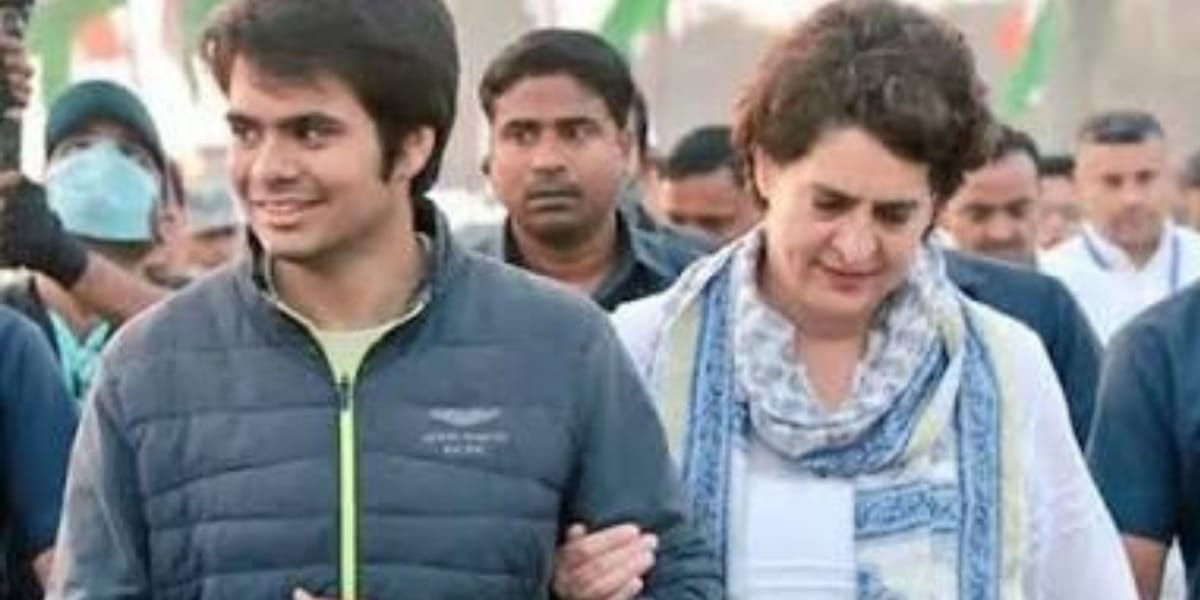
Was raising last-minute objections to photo exhibits of Raihan Vadra, 26-year old son of Congress leader Priyanka Gandhi-Vadra by the Bikaner House in New Delhi serve any purpose? Apparently, it did. Bikaner House is the seat of Rajasthan government in Delhi. When Rajasthan government officials objected to display of some “political photographs” of recent protests among Raihan’s exhibits, citing “current tense” situation, it naturally brought forth a protective mother in Priyanka in defence of her son. Raihan himself said he had held around 12–15 shows at the same venue over the past six years and described it as one of his favourite places. The Wayanad MP took a swipe at PM Modi saying “when someone with power becomes afraid of the expression of another, he doesn’t know it but he has already lost the very power he is trying to protect.” Meanwhile Kerala chief minister V D Satheeshan offered to host Rahihan’s photo exhibition in Keralam. Ordinary Congress leaders however found it odd that Priyanka should come out battling for her son.”Priyanka ji should have made no reference to this issue. These days people don’t like nepotism. Everyone was asking why is she promoting her son now? Is Raihan going to contest UP assembly elections? Whether we like it or not, Modi has shown the way of not promoting family, ” said a Muslim Congress leader. In fact, speaking at an NDTV event, PM Modi took a dig at the Gandhi family’s many attempts to launch Rahul Gandhi as PM material. He also charged Rahul of trying to take foreign help — he is currently in Vietnam — to organise protests in the country.
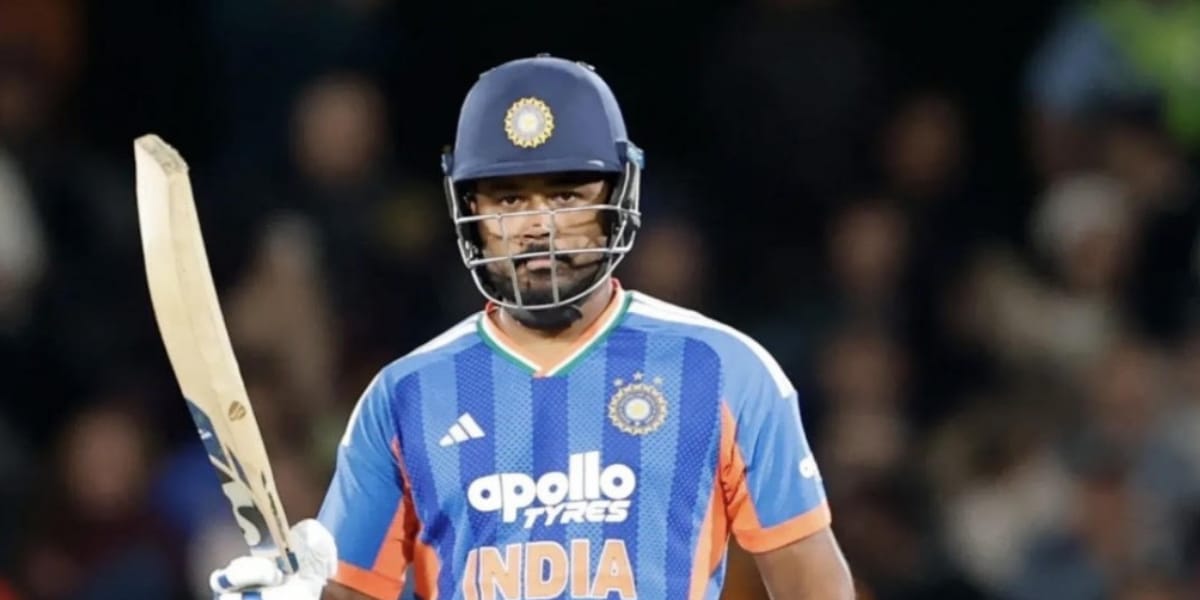
Has Sanju Samson put an end to the narrative that often questioned his place in the men in blue Twenty20 team, especially after the arrival of teenage prodigy Vaibhav Sooryavanshi? Known for his breezy knocks in the first six-over powerplay and even beyond, the right-handed one-person demolition squad is currently in the second-best phase of his career in the shortest form of the game, with a collection of 770 runs in 26 innings at 10.87 an over, including the 33-ball 67 with 8x 4s and 4x 6s against New Zealand in Christchurch. His best was two years ago when he made 436 runs in 12 innings at 10.81 an over. Samson went through a lean phase in 2025, scoring just 222 runs in 11 innings. Samson has been erratic even after a brilliant run of 97*, 89 and 89 in the last three matches of the ICC Twenty20 World Cup in February-March this year; 5 x 50s in 16 innings after the World Cup final against New Zealand in Ahmedabad. Samson has somewhat changed the trend with three half-centuries in the last five internationals against the West Indies and New Zealand. Whenever he has scored 40+ runs, India has won 13 matches. These are not great numbers, but when one looks at the 1126 runs he and Abhishek Sharma have amassed for the first wicket – India’s third best after Shikhar Dhawan and Rohit Sharma’s 1743 and KL Rahul and Rohit Sharma’s 1412 – one can understand the value of his hitting in the first half of the innings. Samson has struck 158x 4s and 107x 6s – only the sixth Indian to smash 100 + 6s – and it is his boundary-hitting consistency and quality that have made him an asset at the top.
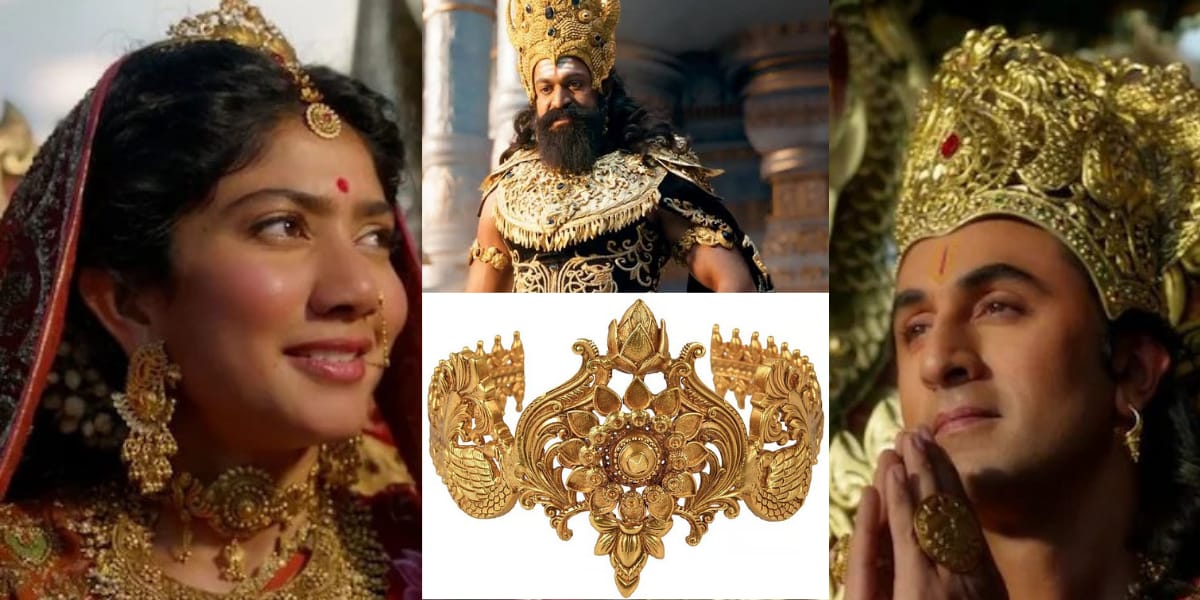
Nitesh Tiwari directed magnum opus Ramayana is about to stun audience not just by the scale of this epic but by the sheer visual appeal of 4000 pieces of period jewellery worn by the main artists. CEO Tarang Arora of Amrapali Jewels has spent 18 months in executing the exotic, intricate and amazing jewels worn by Ram, Sita and Ravana. Brand Amrapali is not new to period and royal jewellery design. Their body of work was seen in Bahubali, Manikarnika and Tumbbad. The talk is Ravana may just cause the most visual impact with the kind of ornaments adorning him. Ravana’s powerful personality is personified in his jewels without being brash and brassy. Older generations may remember the visual treat of Spartacus and Gone With The Wind —Hollywood classics that swept audience attention for jewellery and costumes. Jewels play a critical role in the epic; Sita throws her jewels from Ravan’s Pushpaka Vimanam as she is abducted. Some question the veracity of this incident asking since Sita left Ayodhya for the forest why would she wear her jewellery? Valmiki has a response…they visit the Ashram of Sage Atri and Anasuya, who lovingly decks Sita with a few jewels …even as Jatayu tries to fight Ravan, Sita scatters the keepsakes. But anyone who has delved deep into this classic is fully aware that Hanuman has to prove to himself that it is Sita in the Ashoka Vatika. She hands over the intricate piece of jewellery on her hair. In turn Hanuman hands over Rama’s signet ring to establish his identity. Ramayana’s visual and aesthetic appeal is sure to sweep the audience. We predict the jewellery may set a fashion trend in Indian motifs and intricate design. Ram is a Suryavanshi…the Sun is the leitmotif of this immortal epic.
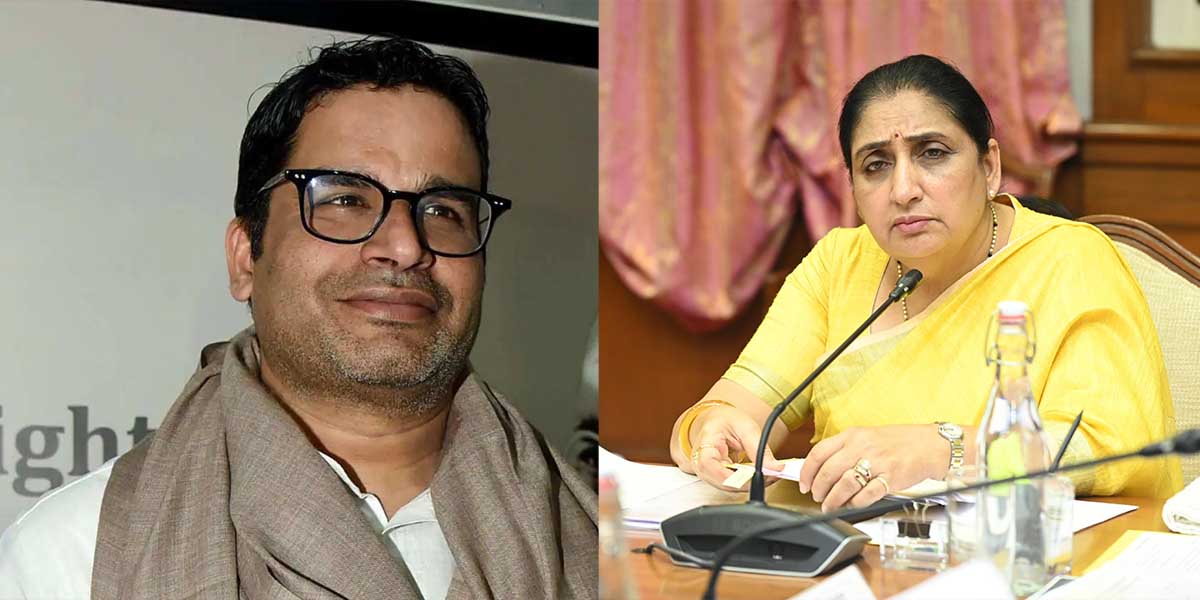
Bankipur MLA and political strategist Prashant Kishor’s unannounced meeting with Nationalist Congress Party (NCP) leader and Maharashtra’s deputy chief minister Sunetra Pawar Thursday (Aug 6) night has once again highlighted the internecine unrest within the organisation. Ever since the demise of then deputy CM Ajit Pawar in an air crash in Baramati, the party is witnessing one jolt after another. Soon after the six-hour meeting with Kishor was over, reports began surfacing that Kishor had advised her to replace state NCP president Sunil Tatkare, a staunch loyalist of the late leader. Hurriedly, NCP spokesman Suraj Chavan clarified that there was no truth in the whispers about Tatkare. However, Sunetra’s son Parth, Rajya Sabha member, is said to be dead against Tatkare and another party heavyweight Praful Patel. Incidentally, Parth was present at the meeting with Kishor, who has advised Sunetra not to give importance to criticism against her, especially to remarks like ‘Goongi Gudiya’ and to concentrate on rebuilding the party organisation as well as focus on her governmental work. Kishor has been in touch with Sunetra after Ajit Pawar’s death. This is their second meeting in two months. There was a gap in meetings since Kishor was busy with electioneering at Bankipur, Bihar. At the Thursday meet, Kishor told Sunetra that he will undertake a survey across the state to assess the NCP’s potential and submit his recommendations, based on its findings. Their next meeting will take place soon, according to a party leader.
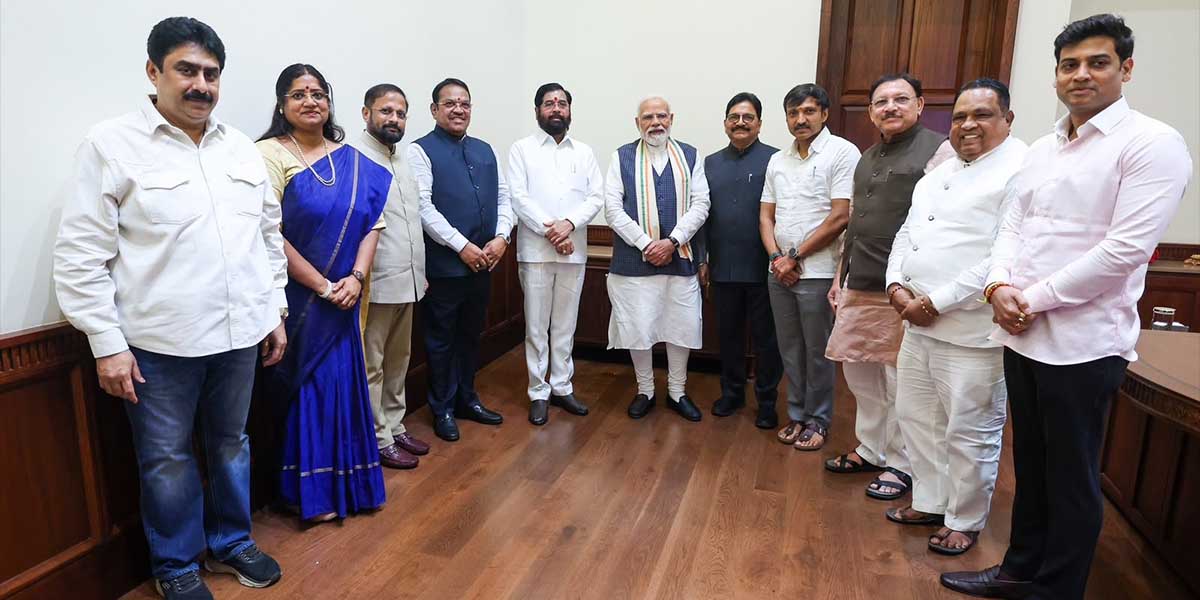
Prime Minister Narendra Modi’s reassurance to the six MPs who have defected from the Shiv Sena (UBT) to the ruling NDA that “not to worry, I am with you” has boosted their morale to another level. After meeting NDA MPs today in New Delhi, Modi made it a point to meet the half dozen former Sena (UBT) Lok Sabha members separately. This came as a pleasant surprise for them as it is interpreted as a guarantee for their political course. Modi told them, “You are now part and parcel of the NDA.” Modi hosted over 40 new and first-time NDA Lok Sabha members, inviting those MPs, which included the members who have left the Trinamool Congress as well. The six Maharashtra MPs have joined the faction led by state deputy CM Eknath Shinde. Besides the promise to ‘to take care’ of them, Modi also asserted on good governance. The Prime Minister advised the ‘new’ members on public outreach, parliamentary conduct and effective implementation of government schemes in their constituencies. Of late, the political scene in Maharashtra is witnessing various permutations and combinations, giving rise to speculation that major changes in the government and the organisation of each constituent of the ruling triumvirate is likely very soon. Frequent and unscheduled trips by CM Devendra Fadnavis and Eknath Shinde have been adding fodder to the gristmill. Against this backdrop, Modi’s direct communication with the breakaway Sena (UBT) MPs is considered significant.
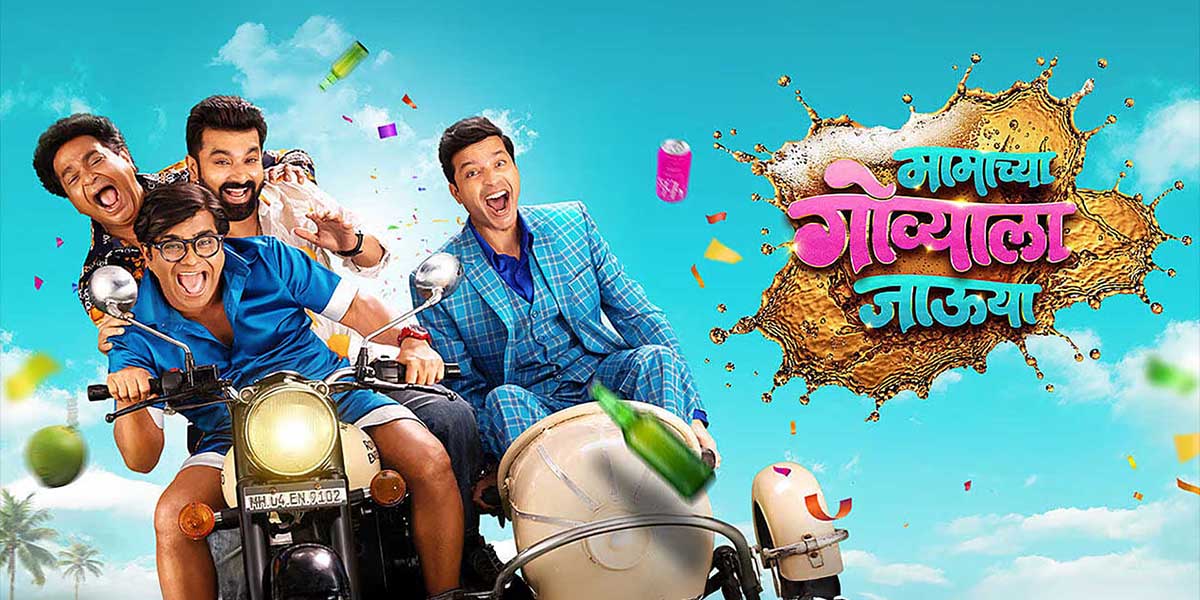
Mamachya Govyala Jauya, directed by Viju Mane and starring Santosh Juvekar, Kushal Badrike, Abhijit Chavan and Ankush Chaudhari, has delivered a modest box-office performance in Maharashtra. Early estimates place its India lifetime collection around Rs 1 crore, with an opening weekend of roughly Rs 72 lakh. In a year when titles like Raja Shivaji and Deool Band 2 have shown Marathi cinema’s commercial potential, these numbers feel underwhelming. More striking than the collections were the promotional tactics. The campaign repeatedly highlighted how Marathi films struggle for multiplex screens and cannot compete with a global franchise like Spider-Man: Brand New Day. There were also claims that Hollywood profits largely leave India, ignoring the substantial benefits that Indian exhibitors and theatre chains gain from such big releases. Adding emotional weight, it was publicised that director Viju Mane had mortgaged his wife’s, sister’s and mother’s gold ornaments to finance the film. While personal sacrifice may evoke sympathy, using it as a primary marketing tool risks coming across as victimhood rather than confidence. Comparing a mid-budget Marathi comedy to a multi-decade international franchise is neither fair nor strategic. Audiences and exhibitors respond to content that delivers, not to complaints about unequal treatment. Emotional rants about lack of shows or family jewellery do not fill seats. Quality does. Marathi cinema has repeatedly proved this with films like Ghabadkund and the Deool Band franchise, which succeeded through strong storytelling and craft. The industry does not need more orthodoxy or self-pity. It needs filmmakers who prioritise making better films. When the product is strong enough, screens and audiences follow.
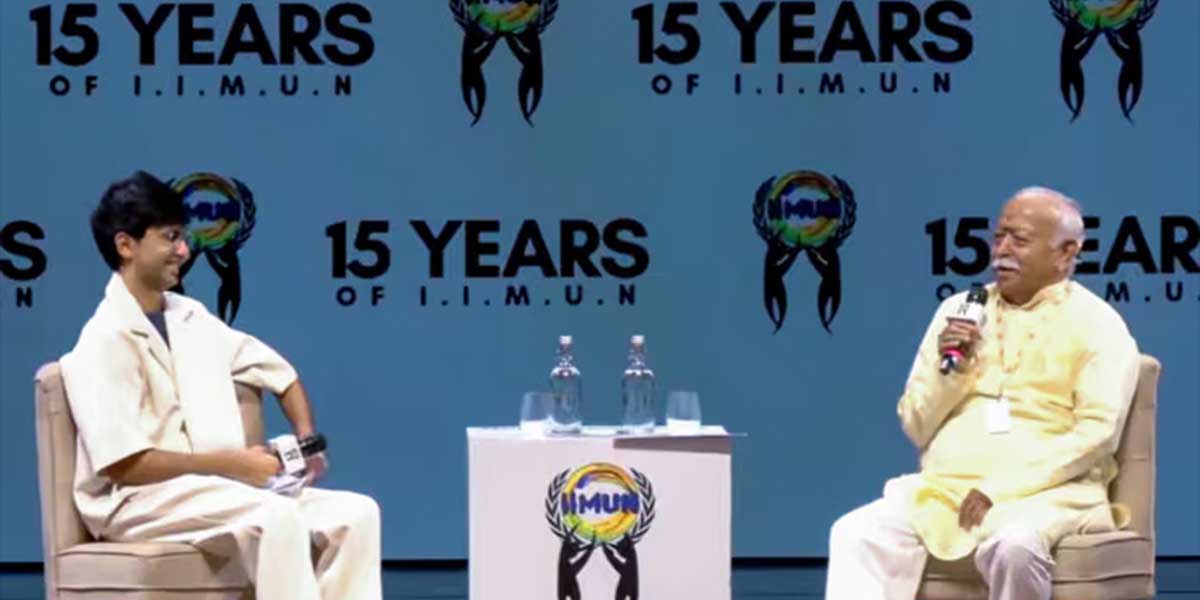
RSS chief Mohan Bhagwat’s remarks in Mumbai on August 6 at an interaction with Gen Z is bound to make the top BJP leadership take note. The Sangh appears to be taking the lead over the Modi government in starting a dialogue with the youth, before PM Modi does. Bhagwat stated that Gen Z protests over issues like exam paper leaks are a legitimate form of dialogue. He has asserted that youth grievances are genuine and should not be labelled anti-national. Observers view his remarks as a nudge toward constructive engagement and systemic reform rather than confrontation. He emphasised that the era of blind obedience is over, and today’s youth demand logic, discussion, and reasoning. Coming amid youth-led agitations and public debates, his comments are widely interpreted as advocating an empathetic, communicative approach rather than an adversarial response. Were the RSS Chief’s remarks a wake-up call for the BJP? The statement places the RSS directly inside the debate over how India’s political establishment engages with a generation often dismissed as unserious or confined to social media. The message is clear: disagreement is not disloyalty, and young people taking to the streets cannot automatically be portrayed as enemies of the nation. Bhagwat has pushed back against attempts by many government and BJP leaders to brand protesting youngsters as anti-national. He said Gen Z is more honest than earlier generations and has the right to question those in power. The “wake-up call” narrative is built on several key interventions by Bhagwat over the past few years.. Amid intense student protests over NEET paper leaks—which forced the resignation of Union Education Minister Dharmendra Pradhan—Bhagwat asserted that “if Gen Z is protesting, they are not anti-nationals” and that the government must address grievances using logic and dialogue rather than dismissal. This directly contrasted with aggressive rhetoric from several BJP leaders.
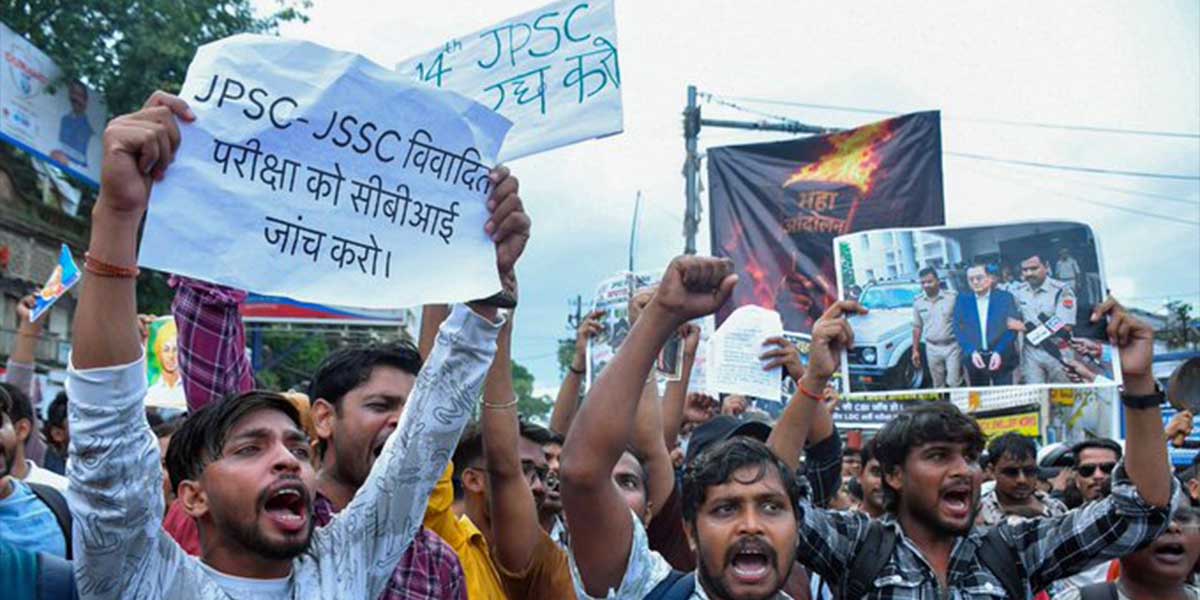
Well it is not only PM Modi and the BJP who have been troubled by the youth agitations. Even LoP Rahul Gandhi too, following which he reached out to students, on August 6, protesting in Jharkhand over alleged irregularities in government recruitment examinations. He assured them that their concerns would be raised with the JMM-Congress state government and expressed support for their demands. The conversation comes amid the continuing agitation by JPSC-JSSC aspirants in Ranchi demanding the cancellation of the disputed exam, a fair investigation into the irregularities and comprehensive reforms in the recruitment process. Rahul and Opposition leaders did not expect the Ranchi protests to become such a huge embarrassment like the Jantar Mantar protests did to PM Modi. At Ranchi’s Jaipal Singh Munda Stadium, student leader Devendra Nath Mahto has been on an indefinite hunger strike and has drawn the same attention as activist Sonam Wangchuk’s in Jantar Mantar. On August 5, following a video call with Wangchuk, Mahto agreed to at least take water while continuing his fast. The demands of protesters were to cancel the disputed 14th Combined Civil Services Preliminary Examination, order a CBI probe and restore public faith in Jharkhand’s recruitment system. It started on July 2, when the JPSC announced the examination results, naming 2,204 successful candidates for recruitment to 103 civil service posts. More damagingly, the JPSC failed to publish category-wise cut-off marks, a basic requirement of transparency. On July 21, the Jharkhand CID arrested eight persons of TSR Data Processing Pvt Ltd (TDPL) which was entrusted with the examination process. Days later, JPSC chairman L Khiangte resigned. Nine competitive examinations, including the Civil Services Mains, have been postponed indefinitely. What began as a protest against one disputed examination has evolved into a movement demanding structural reform of Jharkhand’s recruitment machinery. CJP...
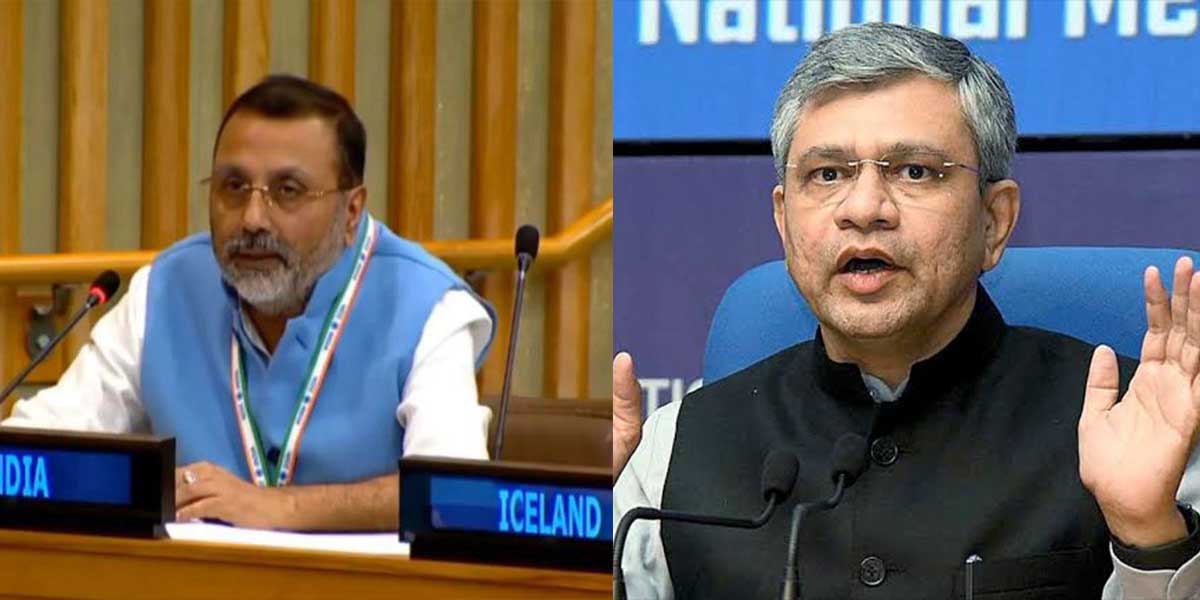
Who got the Meta top officials, including CEO Mark Zuckerberg, to tender an apology to the government of India? Was it IT Minister Ashwini Vaishnaw’s deft approach or BJP MP Nishikant Dubey’s aggressive posture as head of the Parliamentary Committee, who issued a three-day ultimatum to apologise for the brief removal of PM Modi’s July 23 video, and take action against those responsible for it? Or did Meta think it risked losing business in India if the government got very tough? Not only did Zuckerberg apologise for the temporary removal of Modi’s Facebook post, but his top executives also admitted to significant “content moderation” failures, including issues with child sexual abuse material, deepfakes, and the paid boosting of certain content. Meta’s global affairs head, Joel Kaplan, flew in from the U.S. for meetings with Vaishnaw. The IT Minister apparently grilled Meta global policy officials during the August 5 meeting. Vaishnaw knew Meta India’s gross advertising revenue reached Rs 29,392 crore ($3.5 bn) in fiscal year 2025. Meta needs India. Meta is one of the world’s most powerful companies, but its CEO had to accept its mistakes and tender an apology. This reflects the might of Indian laws. During the recent Jantar Mantar students’ protest, thousands of deepfake videos were circulated, rumours were spread through AI-generated content, inciting posts were sent from handles based in Pakistan, objectionable messages through Facebook, Instagram and WhatsApp became viral. Meta did not take corrective action. Those who support Dubey think that it was he who forced the IT Minister to act tough. Dubey warned in a letter that protection and immunity available to Meta could be withdrawn if no apology was forthcoming. That is, the protection it receives under the ‘safe harbour clause’ would be withdrawn. Had the protection been withdrawn, the way to file a FIR against Meta officials could have been cleared.