All
All Politics
 Business
 Entertainment
 Sports
 Celebrities

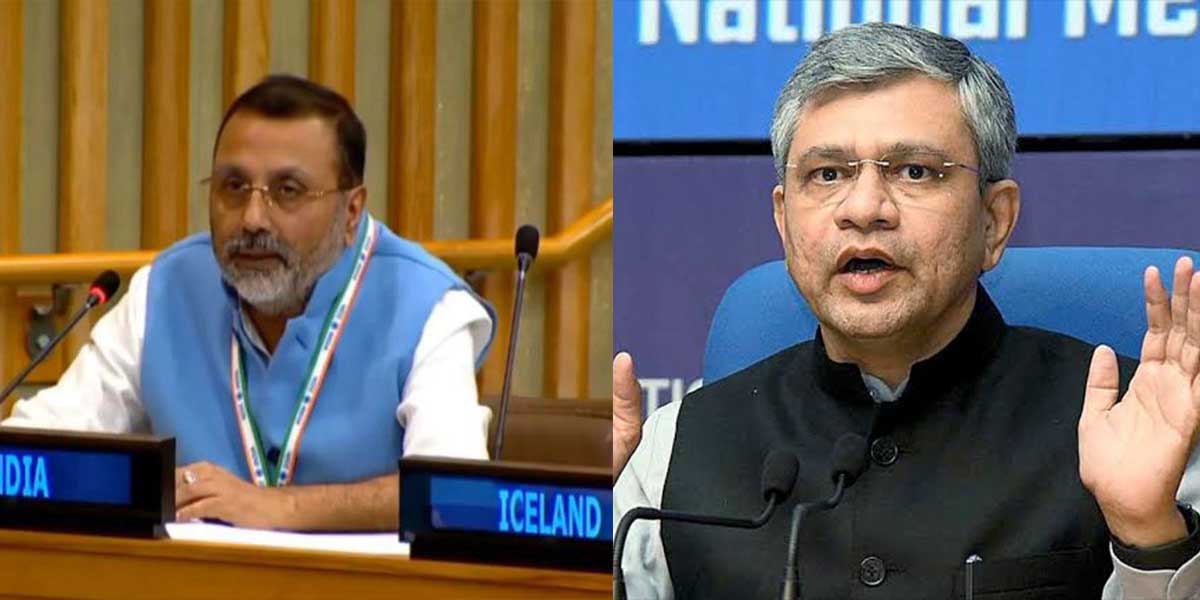
Who got the Meta top officials, including CEO Mark Zuckerberg, to tender an apology to the government of India? Was it IT Minister Ashwini Vaishnaw’s deft approach or BJP MP Nishikant Dubey’s aggressive posture as head of the Parliamentary Committee, who issued a three-day ultimatum to apologise for the brief removal of PM Modi’s July 23 video, and take action against those responsible for it? Or did Meta think it risked losing business in India if the government got very tough? Not only did Zuckerberg apologise for the temporary removal of Modi’s Facebook post, but his top executives also admitted to significant “content moderation” failures, including issues with child sexual abuse material, deepfakes, and the paid boosting of certain content. Meta’s global affairs head, Joel Kaplan, flew in from the U.S. for meetings with Vaishnaw. The IT Minister apparently grilled Meta global policy officials during the August 5 meeting. Vaishnaw knew Meta India’s gross advertising revenue reached Rs 29,392 crore ($3.5 bn) in fiscal year 2025. Meta needs India. Meta is one of the world’s most powerful companies, but its CEO had to accept its mistakes and tender an apology. This reflects the might of Indian laws. During the recent Jantar Mantar students’ protest, thousands of deepfake videos were circulated, rumours were spread through AI-generated content, inciting posts were sent from handles based in Pakistan, objectionable messages through Facebook, Instagram and WhatsApp became viral. Meta did not take corrective action. Those who support Dubey think that it was he who forced the IT Minister to act tough. Dubey warned in a letter that protection and immunity available to Meta could be withdrawn if no apology was forthcoming. That is, the protection it receives under the ‘safe harbour clause’ would be withdrawn. Had the protection been withdrawn, the way to file a FIR against Meta officials could have been cleared.