 All
All Politics
 Business
 Entertainment
 Sports
 Celebrities

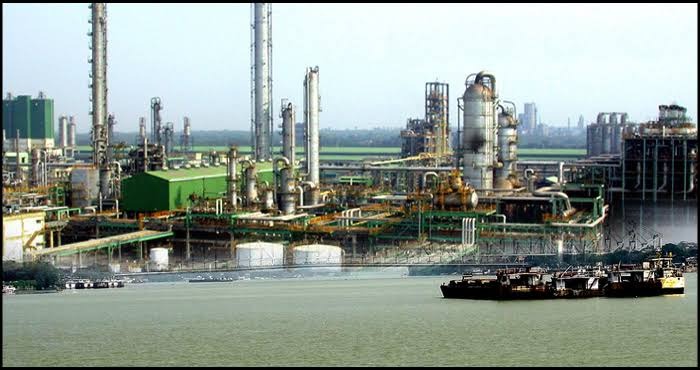
It is learnt that the Modi government which is formulating a new industrial policy is exploring the use of land belonging to PSUs and factories closed for ages for creating space for new industries. The industries department is already inspecting the defunct Hindustan Cables and Hindustan Fertiliser units in the Asansol-Durgapur industrial belt. The government is also consulting the Bengal Chamber of Commerce and Industry (BCCI) and other industry bodies to identify closed industrial units whose land could be reused. According to secretariat sources, the industries department has prepared a preliminary list based on a BCCI report. The list shows at least five closed PSUs in Asansol-Durgapur together hold around 2,095 acres, including water bodies. Hindustan Cables and Hindustan Fertiliser account for nearly 1,488 acres, though parts of some properties are reportedly encroached upon. Other units identified include Cycle Corporation of India, Sen-Raleigh Cycle Company, Mining and Allied Machinery Corporation (MAMC), Bharat Ophthalmic Glass Ltd, Hindustan Pilkington Glass Factory and Kesoram Industries’ Refractories Division. MAMC has 193.67 acres, including 153.4 acres unused, while Cycle Corporation has around 239.1 acres, of which 178.42 acres is unused and 16.81 acres comprises water bodies. Six closed National Jute Mill Corporation together have nearly 400 acres along the Ganga. Moreover, sources said no legal complications have been found so far, while the Centre plans phased auctions. Industry bodies have also identified about 975 acres at Burn Standard’s Howrah and Raniganj units and 70 acres at Jessop in Dum Dum. The Centre and NCLT are moving to sell these properties to promoters. Other properties include 69 acres of NISCO land at Belur and 250 acres of Dunlop land at Sahaganj.
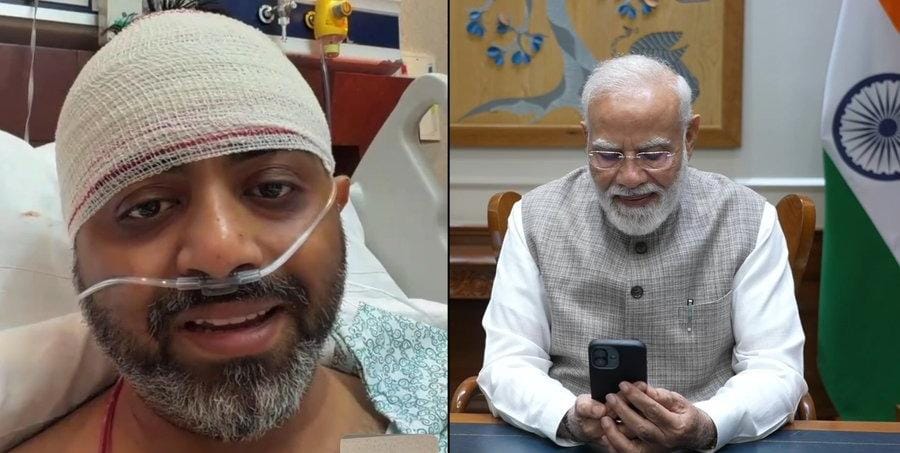
In a heart-warming move, PM Modi had a emotional chat with Captain Smit Machchhar, who survived a savage axe attack inflicted on him by an Omani co-pilot on the ill-fated Flydubai flight on September 30. Incidentally the Modi-Machchhar chat on Oct 2 managed to puncture the opposition protests on the CEC. As the emotional conversation dominated news headlines, slogans at Jantar Mantar became a faint echo. Incidentally, on the day Modi connected with Capt Smit, UAE Presidential Advisor Anwar Gargash described the attempted hijacking of Flydubai flight to Tel Aviv as a “terrorist act”. Gargash also praised Indian Captain Smit Machchhar as a “true hero” for helping avert a potential disaster. Abu Dhabi publicly condemning an attack targeting a flight to Israel was seen as a bid to strengthen Israel-UAE ties. PM Modi praised the captain’s bravery in saving numerous lives. During the video call, Machchhar, who is currently recovering at a hospital in the UAE, shared his personal experience and explained that chanting ‘Hanuman Chalisa’ gave him courage during the incident. “I was fighting for my life. I realised at that time that if I don’t show courage, then 170 passengers will lose their lives.” PM Modi had spoken to Capt’s wife and parents, a day earlier and assured them full support from Indian missions. As the pilot apologised to PM Modi for breaking down mid-call, he said that he never imagined that he would get the opportunity to speak to the PM. Modi and the pilot exchanged a few words in Gujarati. It is perhaps this Gujarat connection that must have made the Congress and Rahul Gandhi go silent on not celebrating a hero toasted by the nation! UAE is also probing if the Omani hijacker had Pak links.
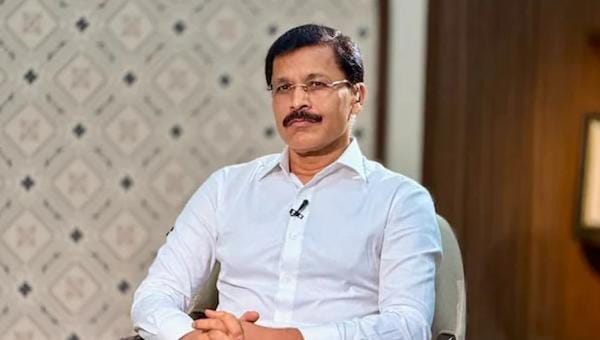
Maharashtra FDA Commissioner Tukaram Mundhe’s squads have seized of tonnes of unsafe and adulterated food items across the state, valued at over Rs 67 crore. Since taking over in May 2026, Mundhe has shaken up India’s food sector and is firmly supported by chief minister Devendra Fadnavis. The judiciary, too, has stood by him except for ordering nesa few corrections. The most drastic action by him was a Thane raid in which the FDA impounded 28,955 kg (nearly 29 tonnes) of raw ingredients and solid foods such as chips, farsan, chivda, flours and wafers as well as stocks of palm oil. In a three-day drive from September 28–30, the FDA suspended 31 licenses and impounded over 3900 kg of substandard sweets, cheese, paneer and oils, including 617 litres of milk. So far, the FDA has conducted over 12,000 inspections, issued over 5200 improvement notices, suspended 603 licenses and recorded 875 arrests. Outlets of some major global fast food chains have faced temporary closures or license suspensions due to pest infestations and poor sanitation. The campaign has hit quick-commerce dark stores, too, and subjected them to temporary shut downs due to hygiene breaches. It has not spared some government canteens also. Mundhe became famous following the implementation of a statewide ban on analogue paneer. The other major action was to ban the common occurrence of street vendors wrapping hot food like vada paav in newspapers due to ink toxicity. A frequently transferred officer, Mundhe’s continuation as FDA chief has become a matter of discussion.
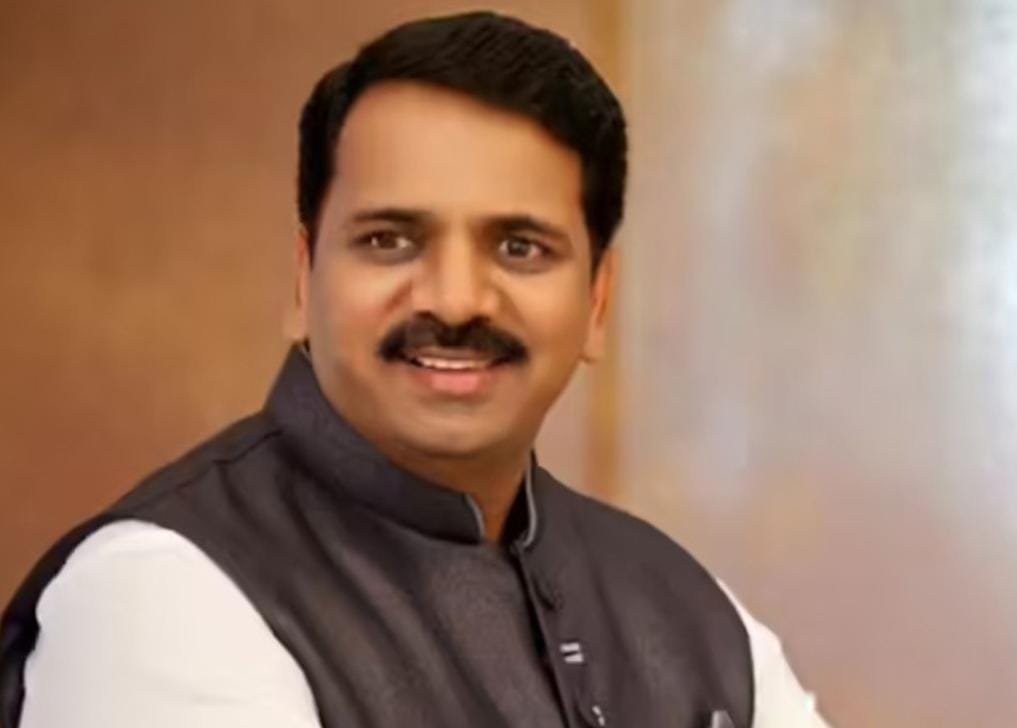
BJP MLA Narendra Mehta has sparked off one more controversy, only to perform another volte face within hours following a huge backlash from almost all quarters. As soon as Mehta described the religious and cultural identity of Mira-Bhayandar, which is on the outskirts of Mumbai, as a “Jain city” and “Mini Rajasthan,” verbal attacks against the claim began. He immediately apologised but the embers of the offensive statement are still felt. In support of his claim, Mehta maintained that the township has more than 33 Jain temples, has nine Jain corporators and the mayor, too, is a Jain. It was just a few days ago that an advisory was issued by Seven Square Academy in Mira Road, a school founded by Mehta, asking students not to bring onion, garlic, potato, beetroot and other leafy vegetables or non-vegetarian food during the Jain Paryushan period. The suggestion was withdrawn following all-out opposition. Mira-Bhayandar is a BJP stronghold for a long time and Mehta is its face. His political enmity with the Shiv Sena (Shinde) is well known and he does not shy expressing it publicly time and again. Realising that his latest claim can become a huge headache for the BJP, Mehta has withdrawn it and emphasised that the city belongs to the Agri-Koli community, the original residents for centuries. He also has lauded Maharashtra and Marathi community, saying, “I am fully aware that Marathi people have elected me as their MLA. I apologise for my statement.” But the after effects of his audacious utterance will be felt for some time, at least.
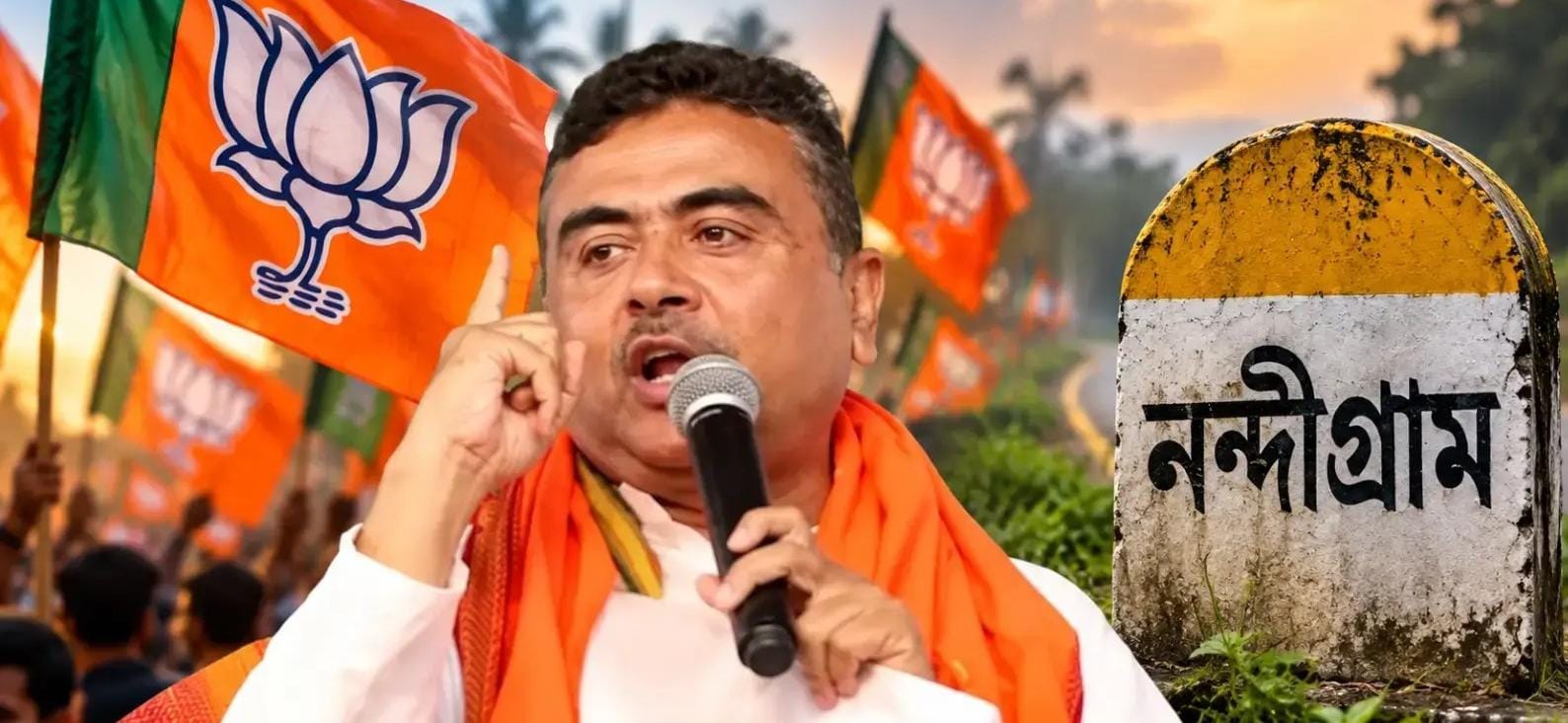
Nandigram is set for its first electoral test since the BJP formed the government in West Bengal earlier this year; the October 6 bypoll carries wider political stakes. It will test the Congress-TMC tactical understanding, put West Bengal chief minister Suvendu Adhikari’s former seat back in focus and offer an early indication of how Bengal’s new political equation is taking shape. Adhikari won Nandigram in the 2026 Assembly election but vacated the seat after also winning Bhabanipur; he had defeated Mamata Banerjee from Nandigram in 2021. The Congress-TMC equation is an unusual one: the two parties are cooperating in Nandigram, but remain electoral rivals in Rejinagar. Banerjee’s faction withdrew its candidate in Nandigram and backed Congress nominee Milan Pradhan. The move followed a meeting between the TMC candidate and Adhikari, after which Banerjee announced her support for Pradhan. Pradhan was subsequently arrested in cases linked to the 2007 Nandigram land agitation and later secured interim bail. That contrast — tactical support in one seat and a direct contest in another — makes Nandigram a closely watched test of whether the two parties can convert limited cooperation into electoral support on the ground. A senior Congress leader said the Nandigram contest would test not just one seat but the extent of coordination among anti-BJP votes. A senior TMC leader said the support for the Congress candidate was aimed at stopping the BJP and should not be equated with the two parties’ separate contest in Rejinagar. The Special Intensive Revision of electoral rolls has emerged as another major issue, with more than 6,000 appeals reportedly pending in Nandigram ahead of polling which will be held on October 6 and counting is scheduled for October 9.
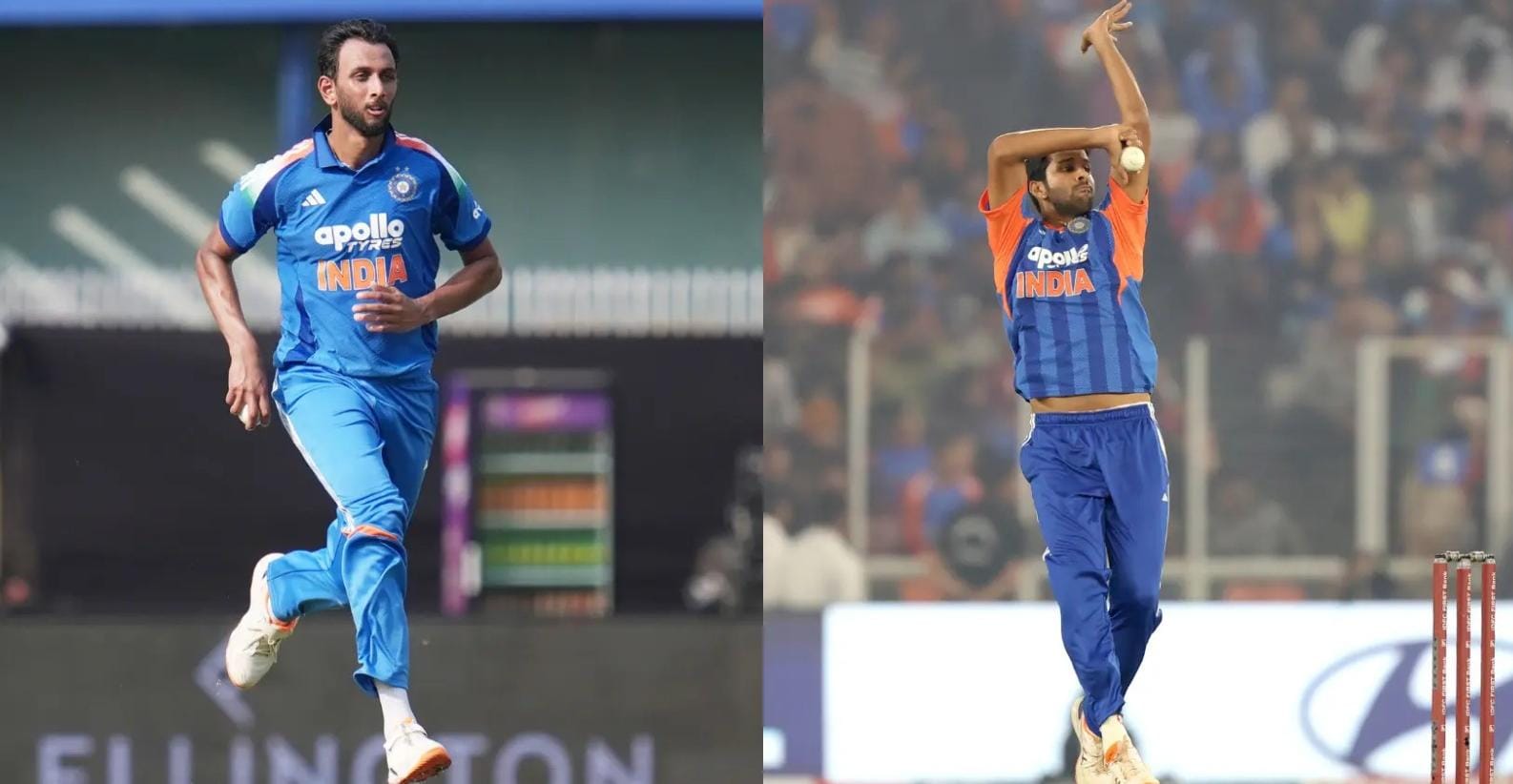
Punching bags, that’s the moniker the fast bowlers and spinners have become in the ongoing One-day series against the West Indies. What transpired in God’s own country in Thiruvananthapuram (Keralam) and around the Brahmaputra (Guwahati, Assam) was nothing short of carnage: the bowlers were put through the shredder. All because of a featherbed of a surface and a team that took the bowlers out of the equation straightaway. Only four Men in Blue batters have stepped out of the dugout; skipper Shubman Gill has piled up 333 in two knocks with a double (223*) at Guwahati, Virat Kohli 168, with an unbeaten 139 near Kovalam and Rohit Sharma 133 with a 101 in the second match. The fourth batter was Ruturaj Gaekwad, who too has an average of 78.57. The authorities cared a fig for the bowlers who were taken apart for 678 runs off 514 balls by the Indian batters. The home team has so far hammered 66x4s and 38x6s. The Men in Maroon have scored 663 off 603 balls with 4x100s. The second ODI was indeed not a good advertisement for the sport; it would be interesting to know how the ICC rates the surface at Guwahati. No wonder India’s head coach Gautam Gambhir described the match as “This is not cricket, this is only batting. If I have to be absolutely honest, I feel there has to be a bit more contest between bat and ball.” The third and final match will be played at New Chandigarh on Saturday (Oct 3). The pitch is unlikely to be any different. So far it’s been a graveyard! India has won the series, its aim will be to lift the numbers to 3-0.
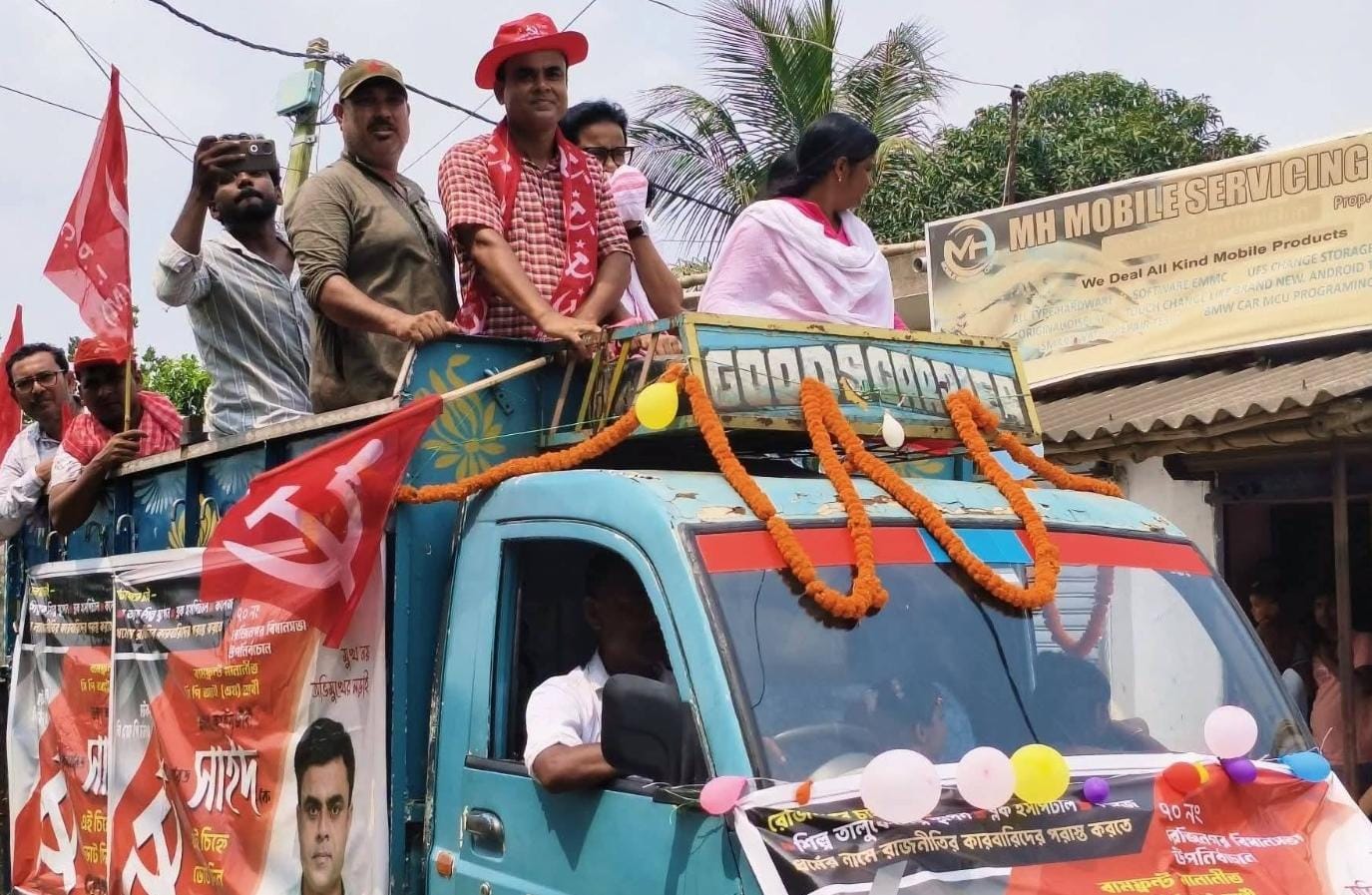
The Bengal CPM’s attempt to put younger leaders in the political spotlight appears to have run into a deeper organisational problem. According to the party’s latest Party Letter No 1, members below 30 constitute just 4.55% of its total membership — a figure the document itself describes as “quite concerning”. The admission, on page three of the document, comes against the backdrop of a sustained effort by the party in recent years to project younger faces in elections as well as organisational positions. Leaders such as Meenakshi Mukherjee, Shatarup Ghosh, Dipita Dhar, Kaltan Dasgupta and Sayan Banerjee have been given greater political visibility over the past five-six years. Mukherjee’s rise has been particularly notable, with her induction into the CPM central committee. The party has also brought in age norms at different levels of its committees, ostensibly to make room for a younger generation. Yet the membership figures suggest that the changes at the leadership level have not translated into a significant shift in the composition of the organisation as a whole. The Party Letter also points to another difficulty: the party continues to struggle to attract members from SC/ST, and minority communities. A state secretariat member attributed the present imbalance to organisational decisions taken two decades or more ago, when, the leader said, the party failed to bring in a number of promising young people because of selective recruitment practices. Over time, that gap widened and became embedded in the organisation. The contrast is particularly significant at a time when a large section of the electorate belongs to Gen Z. For the Bengal CPM, therefore, the challenge is not simply to find younger faces for elections or committees, but to rebuild a wider organisational base that can sustain that transition.
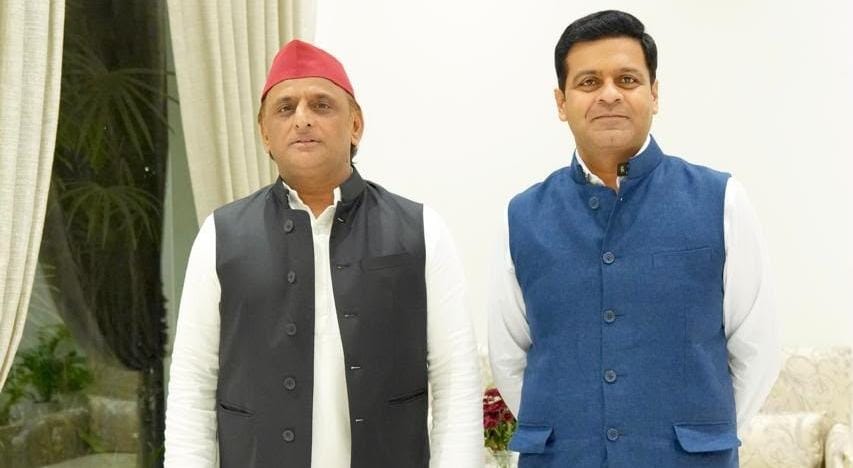
In an interesting move ahead of Uttar Pradesh assembly elections early next year, Samajwadi Party chief Akhilesh Yadav was found nominating Dhanraj Nathwani, son of a close Reliance aide Parimal Nathwani to Rajya Sabha from Uttar Pradesh. It is being said Dhanraj and Anant Ambani are very close buddies. Apparently, Delhi dispensation also gave its quiet nod. Congress leader Rahul Gandhi was however kept out of the loop. It is also being said Dimple Yadav and Nita Ambani apparently settled the Rajya Sabha matter in London. Picking a Nathwani for Rajya Sabha was deemed to be useful for the Samajwadi Party which was looking to pad up in an election year. The buzz is Dhanraj Nathwani is said to be close to Union Home Minister Amit Shah’s son Jay. With his entry into the RS, Dhanraj will be teaming up with his father Parimal who got elected to the RS from Jharkhand as an independent candidate backed by the NDA and the JMM in June 2026. Parimal Nathwani had defeated Congress candidate Pranav Jha much to the consternation of the Congress. Dhanraj’s entry into the Rajya Sabha means the father-son duo will remain on the opposite side of political divide. As for Akhilesh Yadav, his high sounding PDA formula for reaching out to Muslim-Yadav-Dalit vote bank will certainly go for a toss.
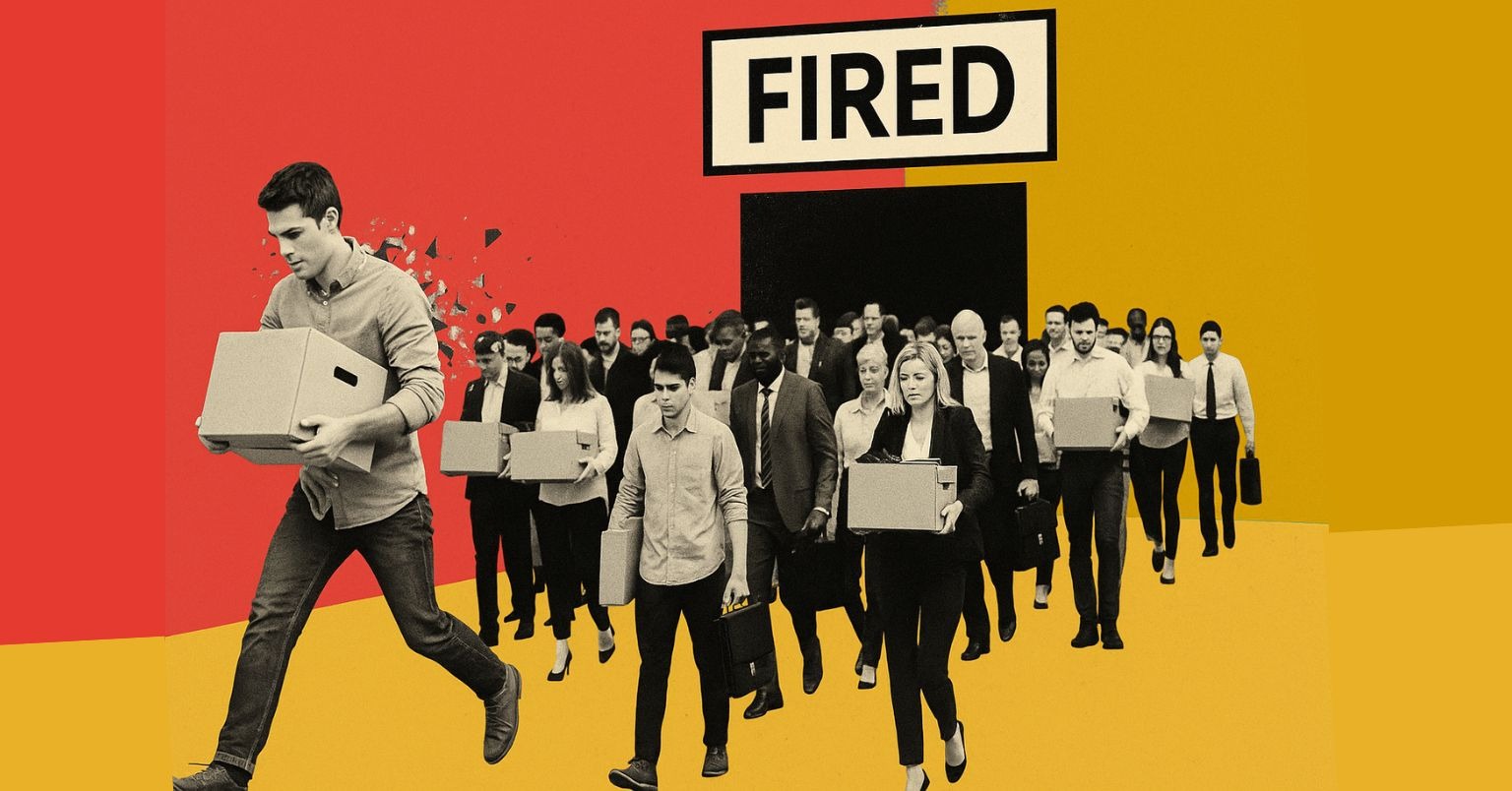
When this techie returned to his desk after lunch, he felt a sudden punch to the solar plexus: the dreaded pink slip was waiting for him. Welcome to the AI world. Here are you pink-slip proof? No, say a majority working 24X7. Career cushioning, a side hustle and pink slip insurance are not just mandatory but a survival skill in this age of overwhelming AI. Every survey rings the death knell to job permanencies. Devotion to your company and the bosses who mentored you? You must be joking! The sweeping storm of AI has churned up the job market…it’s a tech revolution that shakes and stirs every norm that we held sacred. A long list of surveys only confirms what is feared. Deloitte’s survey is ominous. It says 63 % of Gen Z and 65% of millennials fear generative AI may wipe out jobs. At the same time, they are convinced that acquiring generative AI skills are de rigueur to go up the tech ladder. Then there are the wise owls who adopt a new scheme to pink slip proof their jobs. So what options are there for a side hustle? One, consultancy or advisory research data hustles. Two, start an online business of boutique style snacks, services and on call HR or temps. Three, mine data for multiple domains, especially medical fields heavily dependent on past validated research for writing grants …funding for grants makes you an entrepreneur. Four, start local or neighbourhood clubs, golf, book discussion, parenting, coaching for exams. Five, generate surveys for any domain, boost business plans providing statistics. Astrology platforms attract big money …one has turned Unicorn! Who is overwhelmed by AI? Not the savvy career cushioned, side hustlers who are smart to pink slip proof their futures. Are you ready?
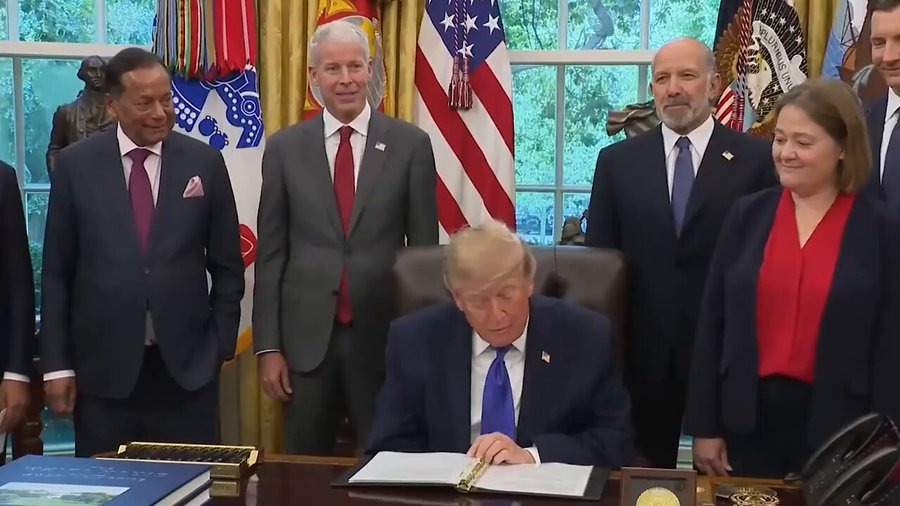
The Ruias-controlled Essar Group after exiting most of its steel assets years ago to clear debts is now more confident and assertive today than ever before. In fact, Essar is now firing on all cylinders for big ticket investment plans spread across the U.S., Saudi Arabia, India and others. Recently, the conglomerate captured major international headlines when the U.S. President Donald Trump announced that Essar-backed Mesabi Metallics will invest $18 billion to build America’s largest integrated steel plant complex in Iowa, America — producing 10 MTPA of steel annually using iron ore from Essar mines in Minnesota, USA. Similarly, in Saudi Arabia also, Essar is said to be gearing up to set up 4 MTPA green steel plant in Ras Al-Khair to capture the Middle Eastern industrial boom. And in India, Essar is executing a Rs 12,000 crore project to build a 14 million tonne iron ore pellet complex in Keonjhar in Odisha and a slurry pipeline to Paradip port. Essar’s aspiration does not end here, it is now going back to its roots Gujarat. Sources say Essar is also exploring an investment of $ 5 billion in the next few years to set up a 8-million tonne steel manufacturing plant in Gujarat. It may be mentioned Essar Steel was among the first list of the largest 12 stressed accounts that the RBI had drawn up in June 2017. The company was acquired by ArcelorMittal in 2019 under the NCLT and a final Supreme Court ruling.
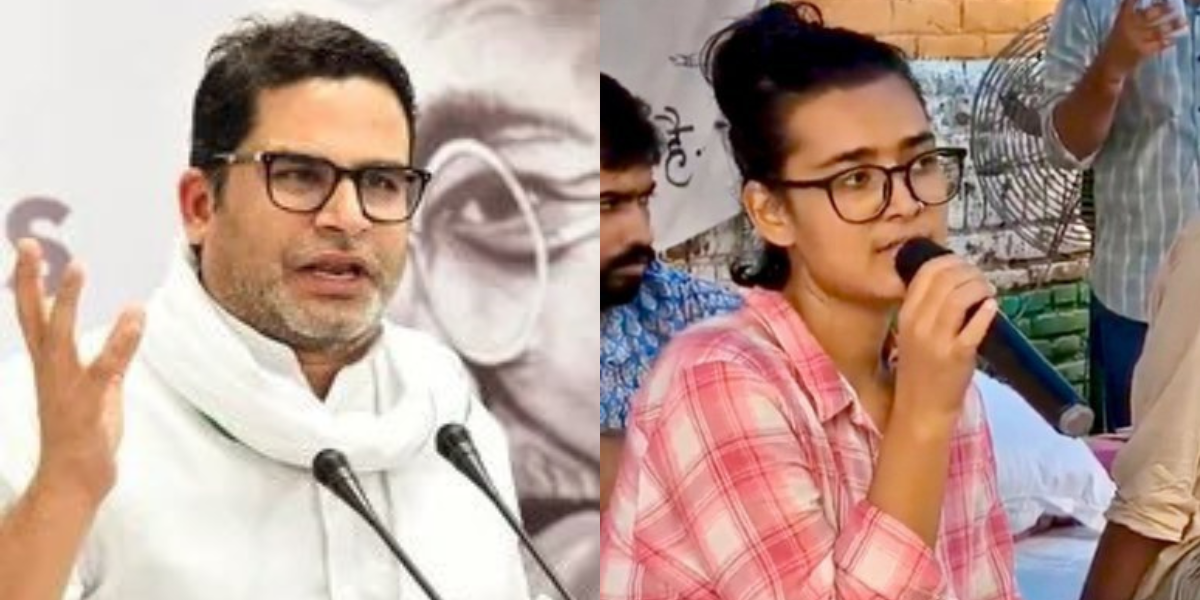
Social media algorithms have rewritten the rules of visibility in Indian public life. They do not reward traditional hierarchy, institutional experience or even consistent ideology. They reward engagement, outrage, novelty, humour, emotion and shareability. The result is a new class of algorithm-born stars who appear everywhere, regardless of a user’s political leanings. Prashant Kishor exemplifies the phenomenon. Once a behind-the-scenes strategist, he is now omnipresent after his Bankipur by-election victory. Short, sharp clips of his speeches, critiques of the status quo and youth-focused messaging travel relentlessly across feeds. Platforms amplify what keeps users scrolling; Kishor’s content delivers high retention, so the algorithm pushes it into timelines of both supporters and sceptics. Neha Bora and the Cockroach Janta Party (CJP) show how the same system can manufacture stars almost from nowhere. Founded by Abhijeet Dipke as satirical pushback against a judicial remark, CJP weaponized memes, AI-generated imagery and youth frustration over unemployment and exam scandals. Within days it amassed millions of followers. Neha Bora, an AISA activist linked to the movement’s hunger strikes and protests, became a recurring face after a viral dance video and protest footage. Algorithms detected the emotional charge and recirculated her content widely, making her unavoidable even for those who never sought her out. The same logic works in reverse. Established BJP-linked celebrities such as Ravi Kishan and Kangana Ranaut, once algorithm favourites, now face meme-driven decline when their content underperforms or invites ridicule. Platforms care little for loyalty; they care about what sustains attention. In the U.S., the 2016 Trump campaign thrived because X’s engagement-driven feed rewarded provocative posts, turning him into a constant presence. Similarly, TikTok’s For You page has elevated obscure creators into political voices, just as Instagram Reels did for CJP....
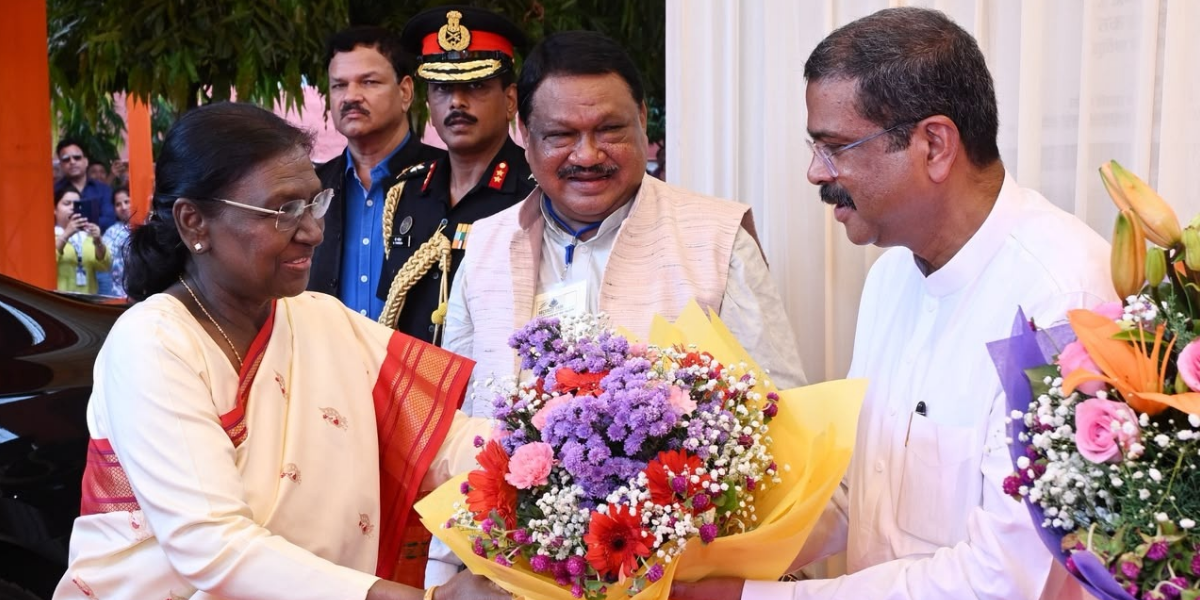
After facing intense heat from the student community, Opposition parties, and the media, Union Education Minister Dharmendra Pradhan was left with little choice but to step down following the NEET paper leak controversy, despite retaining the support of PM Narendra Modi and Home Minister Amit Shah. His resignation was the core demand of the student-led Cockroach Janta Party to end their 36-day agitation at Jantar Mantar. Following his exit, rumour mills went into overdrive. Would he be assigned a new ministry, or roped in as an election strategist for the upcoming Punjab and Uttar Pradesh polls? Against this backdrop, his recent visits to his home state of Odisha—where he received a rousing welcome from local BJP leaders—are raising eyebrows. Was it a routine visit, or is he planning to base himself back in the state? Immediate speculation suggests an organizational shake-up in Odisha, where Pradhan could be handed a larger regional mandate focused on bolstering the BJP’s grassroots presence. With state elections less than three years away, political analysts believe Pradhan could well emerge as the BJP’s Chief Ministerial candidate for Odisha.

Bhumi Pednekar’s recent statements on the Cockroach Janta Party protests reveal a deliberate pattern of dual engagement rather than ideological flip-flops. In mid-July, she backed student protesters after the ‘Sansad Chalo’ march, condemning police force, highlighting education system failures like paper leaks, and calling for dialogue while noting she did not agree with everything said at the protests. Soon after, she posted a video criticising the abusive slogans against Prime Minister Narendra Modi, calling such language un-Indian and stressing respect for the highest office and cultural values. The video drew sharp backlash for perceived selective outrage. She followed up by defending a young female protester facing rape and death threats, linking it to broader women’s harassment and her own experiences of online bullying. Pednekar was never a hardcore “Modi Bhakt.” Early in her career she supported aligned government initiatives such as the plastic ban and Swachh Bharat messaging, and donated to PM-CARES. Simultaneously, she condemned police violence during the 2019 anti-CAA/Jamia protests and defended peaceful dissent. Her consistent public focus remains gender equality, climate action, and education. She has also indicated openness to politics, saying national service is “in her blood.” No imminent film release drives the timing. Her major upcoming project, the historical epic The Pride of Bharat: Chhatrapati Shivaji Maharaj, is targeted for 2027. The statements appear aimed at sustaining a broad, responsible-celebrity brand: progressive on social issues, respectful of institutions, and positioned for constructive change rather than confrontation. This keeps her relevant across audiences without locking into one political camp
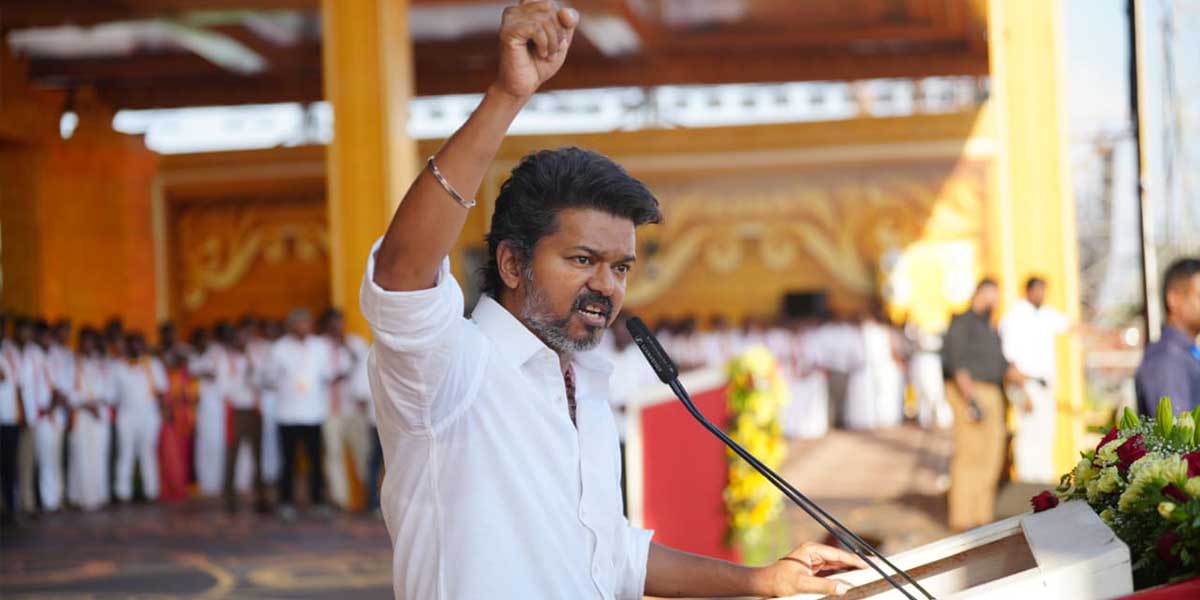
The arrest of former Tamil Nadu deputy CM Udhayanidhi Stalin by the Tamilaga Vettri Kazhagam (TVK) government under chief minister C. Joseph Vijay marks the latest chapter in TN’s long tradition of political vendetta. Booked for alleged sexually suggestive remarks linking Vijay and actor Trisha during a Cauvery protest, Udhayanidhi was detained from his Chennai residence, taken to Thanjavur for questioning, and released on station bail after Madras High Court intervention. The episode reveals how even a fresh political force quickly absorbs the state’s established grammar of power. This pattern is not new. The bitter rivalry between M Karunanidhi and J Jayalalithaa institutionalised revenge as governance. The 1989 Assembly clash, in which Jayalalithaa’s saree was pulled, poisoned relations for decades. After the DMK returned to power in 1996, Karunanidhi’s government filed multiple corruption cases against Jayalalithaa, leading to her arrest and the creation of special courts. In 2001, after AIADMK’s victory, Jayalalithaa repaid the debt with theatrical force: a midnight arrest of the 77-year-old Karunanidhi in a flyover scam case, complete with physical resistance, media cameras, and the detention of Union ministers who tried to intervene. Subsequent regimes followed the same script: raids, selective prosecutions and public humiliation of rivals whenever power changed hands. Vijay’s TVK, which ended nearly six decades of DMK-AIADMK dominance in the 2026 elections, was expected by many to break this cycle. Instead, it has deployed the identical toolkit. In TN, control of the police and prosecution remains the quickest way to assert dominance and settle old scores. Vijay’s early resort to this method shows that star power and outsider status offer no immunity. The train of revenge politics continues, simply with a new driver at the helm.