All
All Politics
 Business
 Entertainment
 Sports
 Celebrities

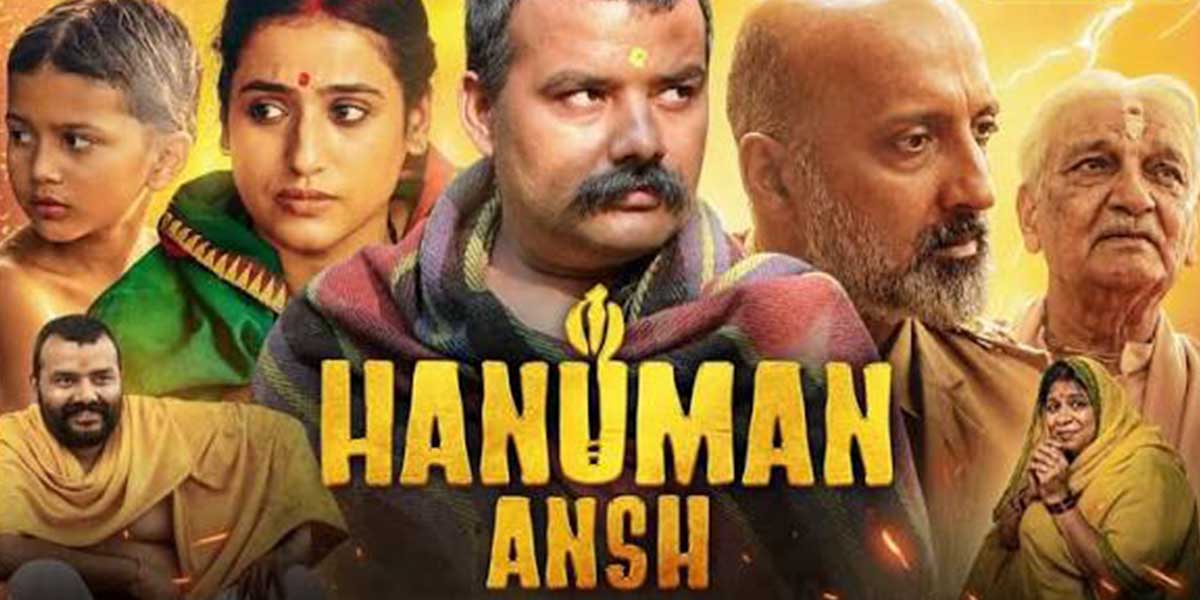
Faith films do not always explode on Friday. They arrive quietly, look finished by week two, and then, through word of mouth that behaves like aarti, they turn theatres into temples. Jai Santoshi Maa did it in 1975. Women removed slippers outside the hall, lit agarbattis, and offered coins and flowers to the screen. Shirdi Ke Sai Baba, with Manoj Kumar, did not dominate the 1977 charts, yet its songs and miracles lived on in homes, video libraries and pilgrim memory. In 2025, Gujarati movie Laalo – Krishna Sada Sahaayate made for Rs 50 lakh, opened to almost nothing and then, from the third week, became the first Gujarati film to cross Rs 100 crore worldwide, roughly Rs 96 crore India net, about Rs 120 crore global. Hanuman Ansh is walking the same path. Released on 7 August 2026, Vishal Chaturvedi’s film on Neem Karoli Baba opened at around Rs 10 lakh and had barely Rs 1.48 crore after two weeks. Then the third week collected over Rs 10 crore. By Day 23, it had Rs 27.38 crore India net and about Rs 32 crore gross, with a Raksha Bandhan Saturday of Rs 9.25 crore and screens multiplying from a few hundred shows to over 4,000. Budget estimates range from Rs 2 crore to Rs 10 crore. Either way, the return is the story. This is not a marketing miracle. It is a traditional one. Devotees do not need a star to carry Hanuman or Krishna; they need belief that survives a weak first Friday. Santoshi Maa taught the industry that a hall can become a shrine. Sai Baba taught that afterlife on song and screen can outlast a lukewarm opening. Laalo proved the model still prints money in 2025. Hanuman Ansh found its crowd late, then refused to leave the box office.