All
All Politics
 Business
 Entertainment
 Sports
 Celebrities

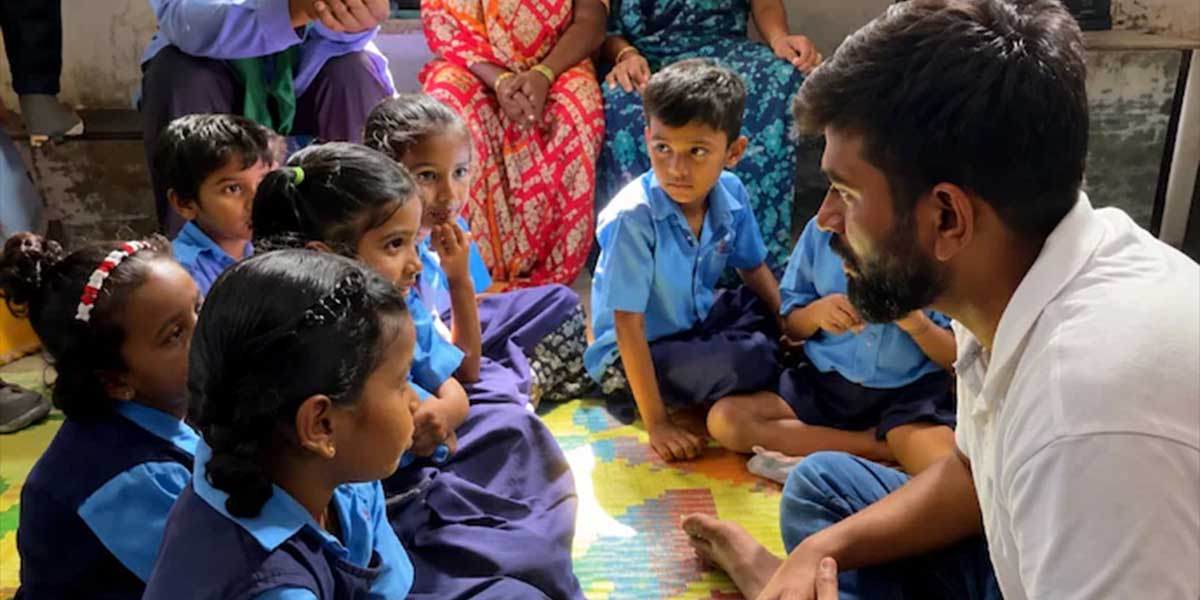
Maharashtra woke up this weekend. Deputy Chief Minister Eknath Shinde summoned School Education Minister Dada Bhuse for a four-hour marathon review at Nandanvan. The message was unambiguous: work in mission mode, deliver a time-bound plan to modernise schools, strengthen infrastructure, teacher training, nutrition, health checks and community participation. The timing was no coincidence. It came amid the intensifying “School Thik Karo” campaign by the Cockroach Janta Party (CJP). CJP’s grassroots audits of government schools; exposing overcrowded classrooms, broken facilities, and basic neglect, have spread from Latur and Hingoli to Mumbai and beyond. In Latur, inspections triggered FIRs and local pushback. An attack on CJP co-convenor Ashutosh Ranka and his team during a Rajasthan school visit further amplified the national glare. Earlier student agitations linked to CJP had already contributed to the resignation of the Union Education Minister over the NEET controversy. Now the same pressure is forcing state-level corrective action. The parallel with figures like IAS officer Tukaram Mundhe is instructive. Mundhe, known for uncompromising enforcement in the food and drug sector, has repeatedly demonstrated that persistent public and administrative pressure can shake entrenched systems. Both the school movement and such accountability drives share a core logic: when ordinary citizens and determined activists refuse to accept decay as normal, even powerful departments are compelled to respond. Maharashtra’s schools may not match the worst conditions seen elsewhere, but the wake-up call is clear, neglect thrives only until it is made politically costly. Student and civic movements do more than generate headlines. They can extract resignations, force marathon reviews, and push for tangible upgrades. “School Thik Karo” is keeping the pressure on. When people insist that public institutions serve the public, the system is left with little choice but to act. That is the real power of sustained, focused citizen action