 All
All Politics
 Business
 Entertainment
 Sports
 Celebrities

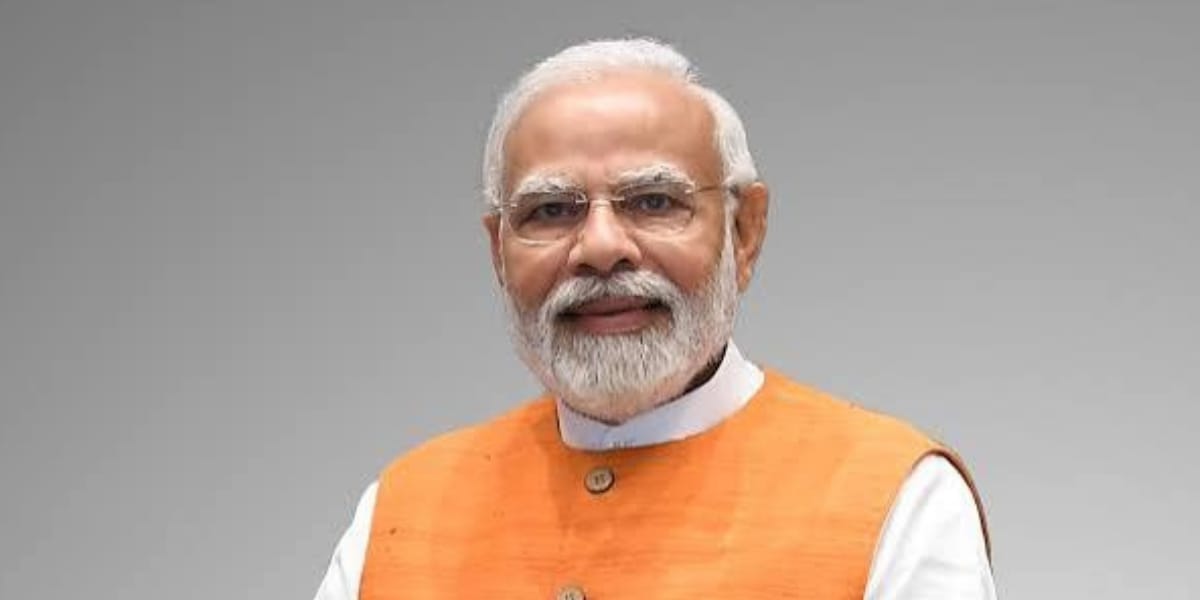
Prime Minister Narendra Modi’s Baramati visit has been postponed one more time, though not cancelled. Modi was to reach NCP boss Sharad Pawar’s home town on 3rd November. The earlier scheduled date was in October. That was revised and now changed again. Pawar’s grandson Yugendra Pawar, a trustee of Vidya Pratishthan, said the PM’s visit has been postponed. There is no official communication confirming the probable next date, 16 November 16. Modi was scheduled to inaugurate Prerna Sthal, a structure developed within the Vidya Pratishthan campus in Baramati. The friendly relations between Modi and Pawar are no secret. Both have repeatedly asserted that these are on a personal level and there is no political angle. Still, Pawar’s supporters and detractors are equally befuddled about his future moves. This includes his own daughter Supriya Sule, who has described her father as unpredictable. Pawar has stood by Modi, not caring about the Congress stand though his party is a member of the INDIA bloc. Another sore point for the Congress party is Pawar’s steadfast amity with industrialist Gautam Adani. When the business giant was the focus of some serious allegations, Pawar had dismissed the demand to set up a joint parliamentary committee (JPC) to probe them. As far as Maharashtra is concerned, chief minister Devendra Fadnavis and his ministers have treated Pawar with utmost respect. This sweet relationship is needling the state Congress but Pawar has remained unfazed. As and when Modi lands in Baramati, the knot of friendship between the two will become tighter, it is said.
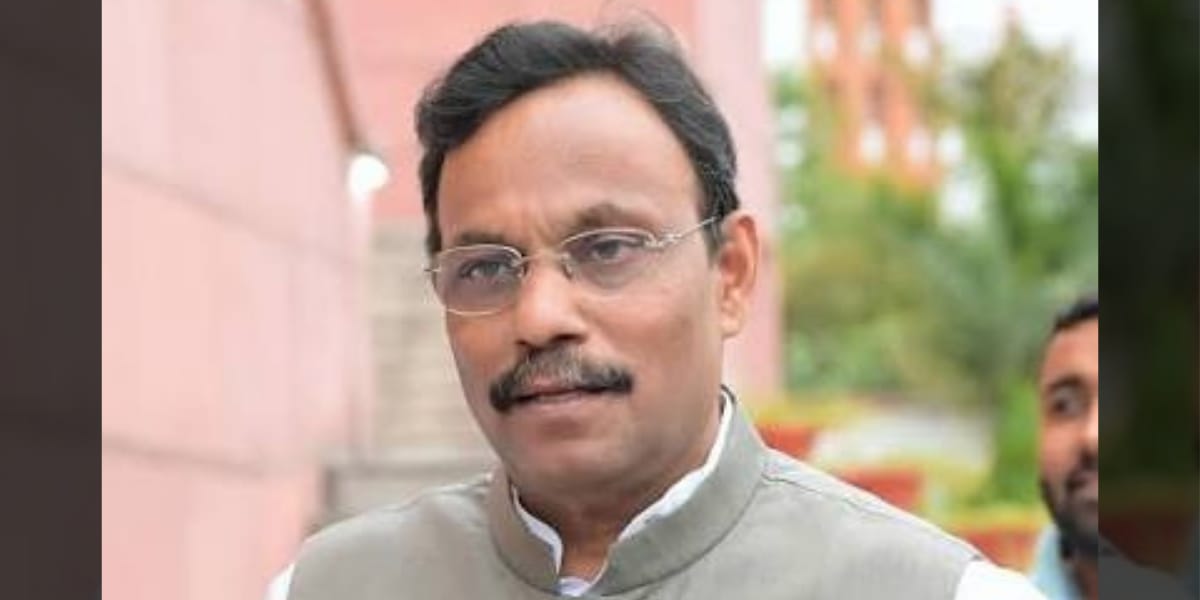
BJP general secretary Vinod Tawde has been entrusted with the task of looking for party aspirants for the UP-2027 assembly election. So far, his team has completed survey of about 125 assembly constituencies as part of a study to finalise party candidates. Tawde’s has been a classic case of loyalty and reward, the BJP formula that has been tested time and again. An influential leader in Maharashtra BJP, Tawde’s name off and on figured in the list of potential CM aspirants. But everybody was shocked when he was refused the 2019 assembly election candidature. Tawde maintained a stiff upper lip and did not utter a word about the party decision. In the days to come, he was asked by the high command to shift base to Delhi and was entrusted with one task after another. The most prominent of these was the Bihar assembly election, for which Tawde had toiled tirelessly. His stock grew after the BJP emerged the winner and finally installed its own CM in Patna. Uttar Pradesh being the largest state, it is important for every political party. It has been ruled by the BJP for the past decade under Yogi Adityanath. Still, not to take any chance, the BJP has appointed Tawde to make preparations for the assembly election scheduled to take place in early 2027. As the election is dubbed as a dress rehearsal for the 2029 Lok Sabha election, Tawde’s responsibility has increased manifold since he will have to recommend some new faces in the 403-seat UP assembly.
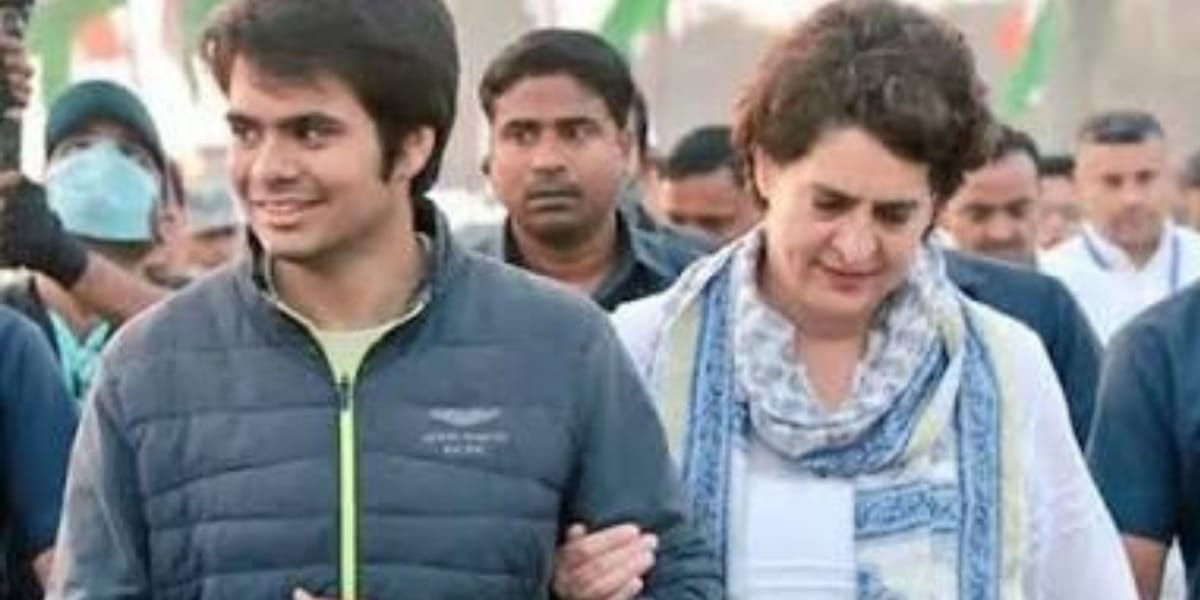
Was raising last-minute objections to photo exhibits of Raihan Vadra, 26-year old son of Congress leader Priyanka Gandhi-Vadra by the Bikaner House in New Delhi serve any purpose? Apparently, it did. Bikaner House is the seat of Rajasthan government in Delhi. When Rajasthan government officials objected to display of some “political photographs” of recent protests among Raihan’s exhibits, citing “current tense” situation, it naturally brought forth a protective mother in Priyanka in defence of her son. Raihan himself said he had held around 12–15 shows at the same venue over the past six years and described it as one of his favourite places. The Wayanad MP took a swipe at PM Modi saying “when someone with power becomes afraid of the expression of another, he doesn’t know it but he has already lost the very power he is trying to protect.” Meanwhile Kerala chief minister V D Satheeshan offered to host Rahihan’s photo exhibition in Keralam. Ordinary Congress leaders however found it odd that Priyanka should come out battling for her son.”Priyanka ji should have made no reference to this issue. These days people don’t like nepotism. Everyone was asking why is she promoting her son now? Is Raihan going to contest UP assembly elections? Whether we like it or not, Modi has shown the way of not promoting family, ” said a Muslim Congress leader. In fact, speaking at an NDTV event, PM Modi took a dig at the Gandhi family’s many attempts to launch Rahul Gandhi as PM material. He also charged Rahul of trying to take foreign help — he is currently in Vietnam — to organise protests in the country.
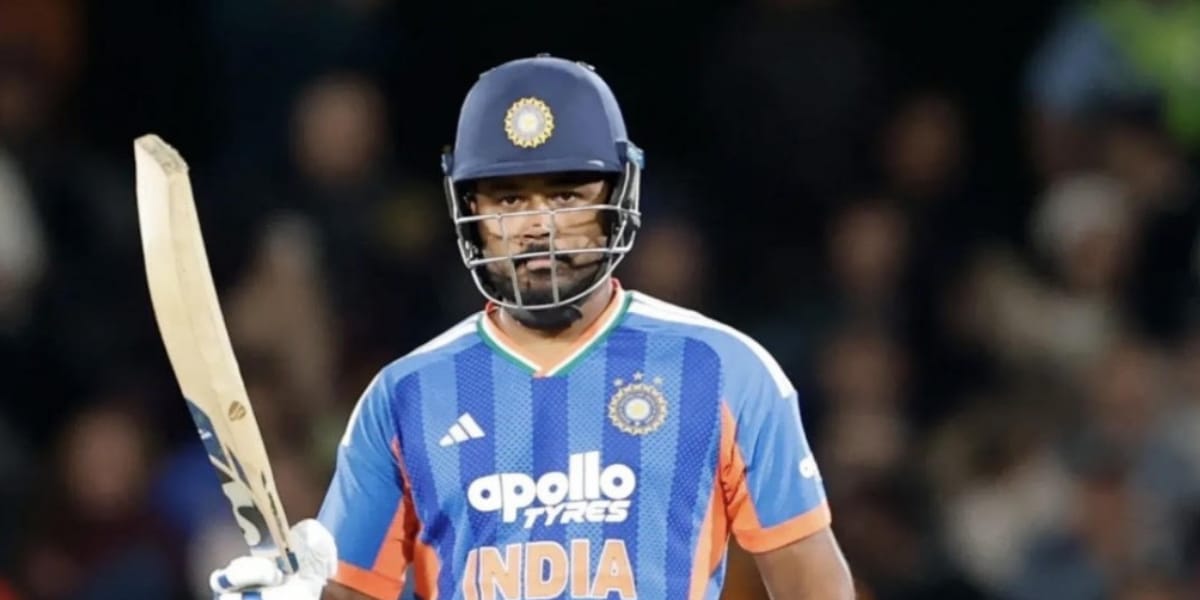
Has Sanju Samson put an end to the narrative that often questioned his place in the men in blue Twenty20 team, especially after the arrival of teenage prodigy Vaibhav Sooryavanshi? Known for his breezy knocks in the first six-over powerplay and even beyond, the right-handed one-person demolition squad is currently in the second-best phase of his career in the shortest form of the game, with a collection of 770 runs in 26 innings at 10.87 an over, including the 33-ball 67 with 8x 4s and 4x 6s against New Zealand in Christchurch. His best was two years ago when he made 436 runs in 12 innings at 10.81 an over. Samson went through a lean phase in 2025, scoring just 222 runs in 11 innings. Samson has been erratic even after a brilliant run of 97*, 89 and 89 in the last three matches of the ICC Twenty20 World Cup in February-March this year; 5 x 50s in 16 innings after the World Cup final against New Zealand in Ahmedabad. Samson has somewhat changed the trend with three half-centuries in the last five internationals against the West Indies and New Zealand. Whenever he has scored 40+ runs, India has won 13 matches. These are not great numbers, but when one looks at the 1126 runs he and Abhishek Sharma have amassed for the first wicket – India’s third best after Shikhar Dhawan and Rohit Sharma’s 1743 and KL Rahul and Rohit Sharma’s 1412 – one can understand the value of his hitting in the first half of the innings. Samson has struck 158x 4s and 107x 6s – only the sixth Indian to smash 100 + 6s – and it is his boundary-hitting consistency and quality that have made him an asset at the top.

Nitesh Tiwari directed magnum opus Ramayana is about to stun audience not just by the scale of this epic but by the sheer visual appeal of 4000 pieces of period jewellery worn by the main artists. CEO Tarang Arora of Amrapali Jewels has spent 18 months in executing the exotic, intricate and amazing jewels worn by Ram, Sita and Ravana. Brand Amrapali is not new to period and royal jewellery design. Their body of work was seen in Bahubali, Manikarnika and Tumbbad. The talk is Ravana may just cause the most visual impact with the kind of ornaments adorning him. Ravana’s powerful personality is personified in his jewels without being brash and brassy. Older generations may remember the visual treat of Spartacus and Gone With The Wind —Hollywood classics that swept audience attention for jewellery and costumes. Jewels play a critical role in the epic; Sita throws her jewels from Ravan’s Pushpaka Vimanam as she is abducted. Some question the veracity of this incident asking since Sita left Ayodhya for the forest why would she wear her jewellery? Valmiki has a response…they visit the Ashram of Sage Atri and Anasuya, who lovingly decks Sita with a few jewels …even as Jatayu tries to fight Ravan, Sita scatters the keepsakes. But anyone who has delved deep into this classic is fully aware that Hanuman has to prove to himself that it is Sita in the Ashoka Vatika. She hands over the intricate piece of jewellery on her hair. In turn Hanuman hands over Rama’s signet ring to establish his identity. Ramayana’s visual and aesthetic appeal is sure to sweep the audience. We predict the jewellery may set a fashion trend in Indian motifs and intricate design. Ram is a Suryavanshi…the Sun is the leitmotif of this immortal epic.
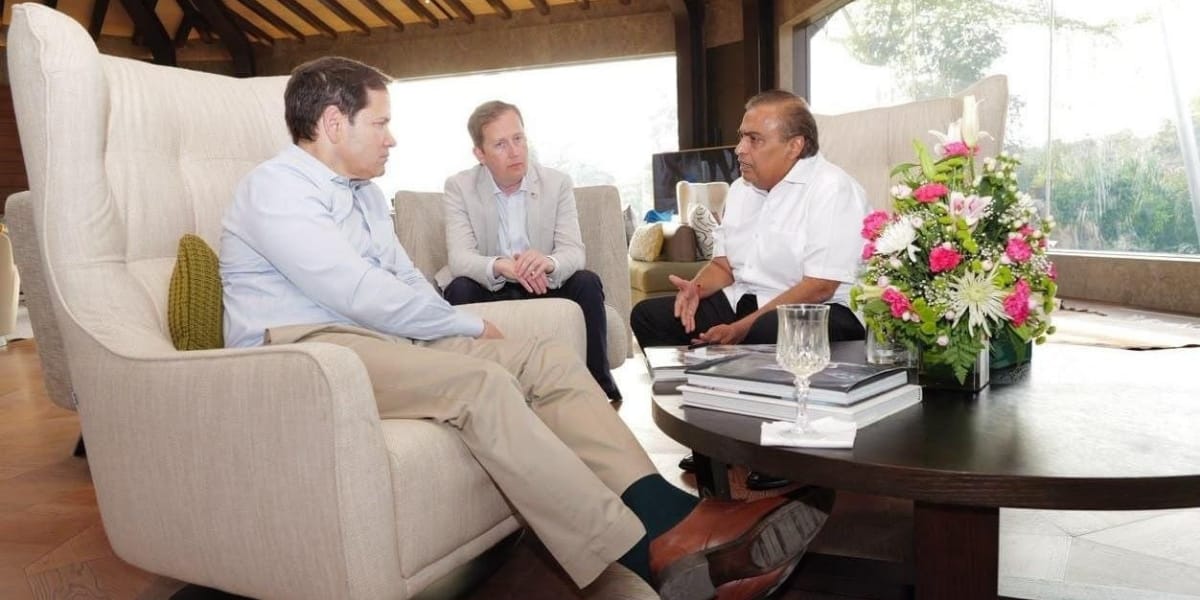
Twenty-six years ago, when the U.S. President Bill Clinton visited India in March 2000, Reliance Industries founder Dhirubhai Ambani enjoyed unusual access to the world’s most powerful leader. Dhirubhai Ambani then reportedly hosted the U.S. President Clinton a private breakfast at The Oberoi Towers in Mumbai. It was attended by his two sons Mukesh and Anil. This private breakfast of four people was facilitated by the Congress leader Murli Deora, a close friend of both Ambanis and Clintons. A year later, Clinton, now a former President, was hosted to a private lunch by Dhirubhai at his Mumbai residence. Fast-forward to 2026, and you have Mukesh Ambani and his son meeting senior American officials at Jamnagar. The Ambanis are once again playing host to America’s powerful political establishment. This time, it was the U.S. Secretary of State Marco Rubio, accompanied by the U.S. Ambassador to India Sergio Gor, who visited Reliance’s sprawling Jamnagar complex. Mukesh Ambani and his youngest son Anant welcomed the American delegation. What makes the visit significant is that Jamnagar is home to the world’s largest single-site refining complex, processing around 1.4 million barrels of crude daily. Washington is keen to leverage Reliance’s capabilities, particularly for processing Venezuelan crude. Clearly, the Ambanis’ influence extends far beyond India’s corporate corridors. From Dhirubhai’s personal relationships with global political leaders to Mukesh’s strategic importance in international energy markets, the family has maintained remarkable access across generations. The message from Jamnagar is unmistakable: the Ambanis are not merely meeting global power. Global power is coming to their doorstep.
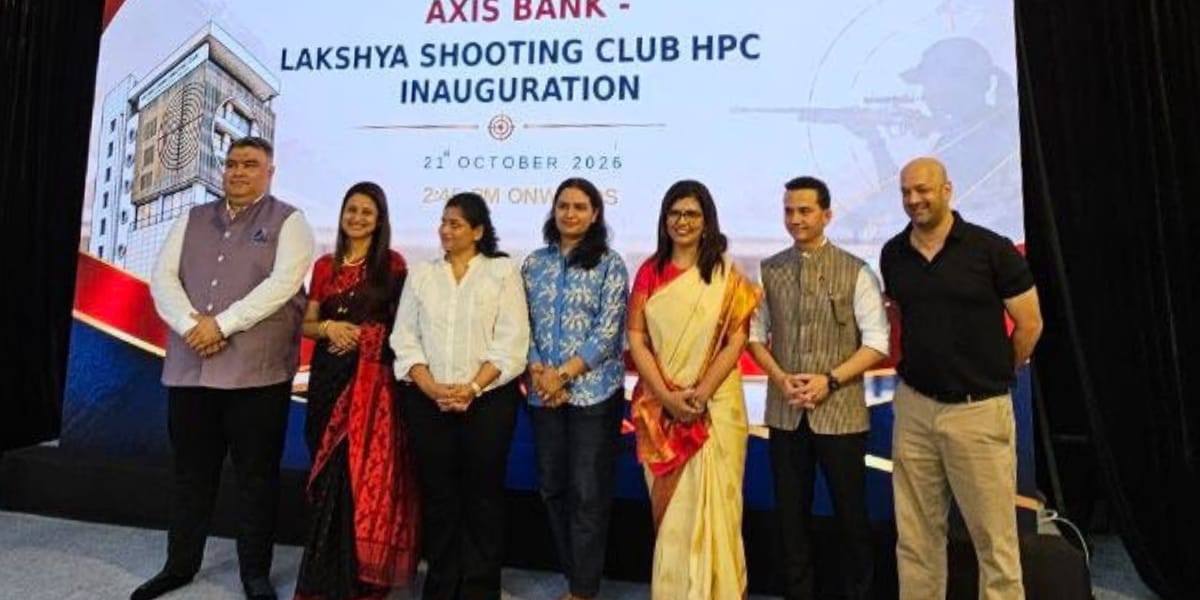
Axis Bank has chosen a unique way to utilise its CSR funds—by wholeheartedly supporting the Lakshya Shooting Club High Performance Centre in CBD Belapur, Navi Mumbai. How many banks, public or private, would go that extra mile and commit Rs 24 crore over three years to back a sport that is not fashionable, but quite popular across the world, is an Olympic, continental and Commonwealth medal sport? The bagful of medals in gold, silver and bronze hues bring fame to athletes and the country. Axis Bank’s super decision has to be seen as a fresh start-up in India’s deprived non-cricket sports environment, placing faith in the “Dream Girl” Suma Shirur and her architect and pillar of strength hubby Siddharth, who have created an integrated infrastructure described by London Olympics medallist Gagan Narang as the second private enterprise in India after JSW Sports. Suma is an acclaimed shooter and coach, winning medals at the Commonwealth Games, Asian Games and Asian Championships from 2002 to 2010. She equalled a world record at an Asian meet in the 10-metre rifle event and has coached others to realise their full potential. She has won the Arjuna and Dronacharya Awards. She has sweated for two decades, but creating a facility dedicated to the Elite in the 10-metre rifle category is an admirable achievement. It’s one of a kind in the world, said Suma, who has travelled widely to compete and coach India’s brightest talents, including in the para category. Gagan and Suma averred that the idea isn’t just to win medals, but to become better spokespersons and human beings. All in all, Axis Bank’s decision to back Suma, Siddharth, and shooting sport is a terrific call.
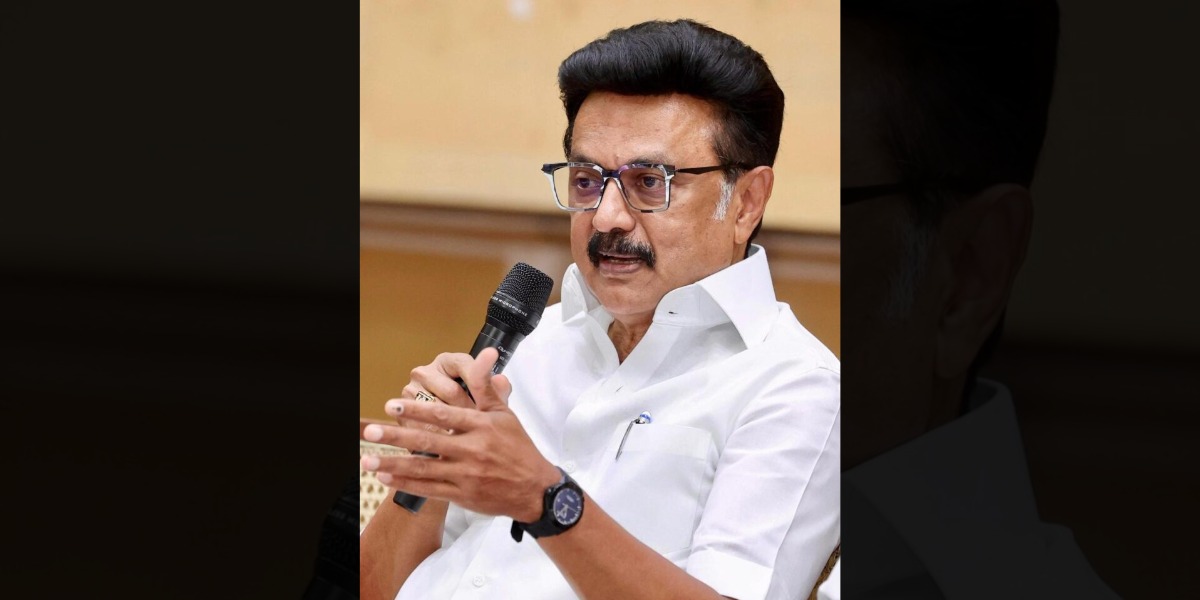
The Cockroach Janata Party (CJP) may not have gained much traction with their recent protests in Delhi against CEC Gyanesh Kumar, however, one hears the DMK is planning to use the CJP to reconnect with the youth in Tamil Nadu. With the ruling TVK consolidating its position in the TN, the DMK one hears is feeling a compulsion to distance itself from the Congress that has been spearheading the political protest against the poll body. The political positioning was spelt out at a meeting of DMK MPs chaired by former chief minister MK Stalin over the weekend. Interestingly, the party not only demanded removal of CEC but also scrapping of the very SIR — that the DMK regime — had presided over before it was voted out of office early this year. Political analysts find DMK objections to SIR in TN rather odd. In fact, everyone is asking — if the TVK headed by Vijay was voted in post-SIR, why is DMK making a fuss about it now? It is being said that DMK MP A Raja has been tasked with the responsibility of reaching out to CJP leader Abhijeet Dipke and invite him to Chennai to create nuisance in streets against SIR. That means DMK is bent on creating a false storm in Chennai against Vijay and the TVK government. The moot point is will people of Chennai really have a short memory and flock to the Dipke’s show? Will the CJP be allowed to run amok in Chennai attacking the cops like the way they hit the Delhi cops on July 20? One thing is certain, the courts may not give a long rope to either the roaches or the DMK this time round.
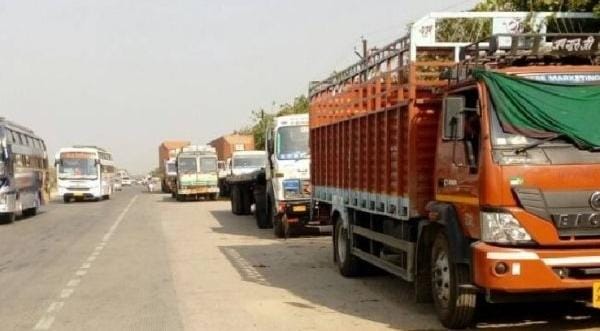
Senior BJP MP and former Union Education Minister Dharmendra Pradhan always had one eye on his home state Odisha. Forced to resign over NEET exam paper leak, he now seems to be taking more active interest in his state. Sources say that Pradhan being a national level BJP leader is now seen nurturing a new weapon “formal letter politics”. His objective being to improve state level administration since trackable letter will force state authorities to take actionable steps spread over collectors, police and others rather than letting the issue stay confined to a private conversation. Speculation is Pradhan may succeed in his plan since he has substantial backing by ruling BJP MLA’s and ministers. Pradhan, it is learnt, has written formal request letters to both the Odisha chief minister Mohan Charan Majhi and Union Minister Road Transport and Highways Nitin Gadkari demanding stringent crackdown on illegal and hazardous parking of heavy commercial trucks along the state and national highways. He has mooted the idea of having a designated parking place for trucks, levying heavy penalty on violators including seizure of vehicles, and launching public awareness campaigns. To support his views Pradhan has highlighted Supreme Court ruling regarding vehicle seizure provision. He has also urged the Odisha government to invoke Section 76 against industrial and mining companies whose transport logistics contributed to trafficking congestion and unsafe parking. Apart from this Pradhan is already pushing for having dedicated truck bays and logistics hubs in Odisha.

In a move that has stunned Hollywood, Netflix has removed Bela Bajaria, the Indian-origin executive widely credited with transforming the streamer into a true global powerhouse. After nearly a decade of championing international stories, expanding unscripted programming, live events and sports, and turning local-language hits into worldwide sensations, Bajaria learned she was being replaced while still helping the company execute major layoffs. Reports describe a chilling sequence. According to multiple outlets, Bajaria spent much of October 14 conducting painful staff cuts and reassuring anxious employees during a restructuring that eliminated roughly 1,000 jobs. Unaware of her own fate, she approached co-CEO Ted Sarandos later that evening, only to be told she was out. Sources claim she had been reassured weeks earlier that her position was secure. Instead, she was blindsided hours before a VIP screening, with her successor, former Disney and Fox executive Peter Rice, already lined up. The timing is brutal. Netflix faces slowing engagement, pressure to deliver the next cultural phenomenon, and a sharp drop in its share price amid a failed Warner Bros. Discovery bid. Industry whispers suggest someone had to “pay for the rough patch” and Bajaria, despite public thanks from Sarandos for a “decade of dedication, innovation, creativity and leadership” became the high-profile casualty. This is the dark side of modern streaming: the executive who helped Netflix think beyond Hollywood and embrace accessible yet ambitious content can still be discarded overnight when Wall Street demands a reset. Rice inherits the empire she helped construct, while the woman who expanded Netflix’s ambitions processes an exit that unfolded while she was still managing the company’s crisis. Even the architects of success are not immune to the machine they built.
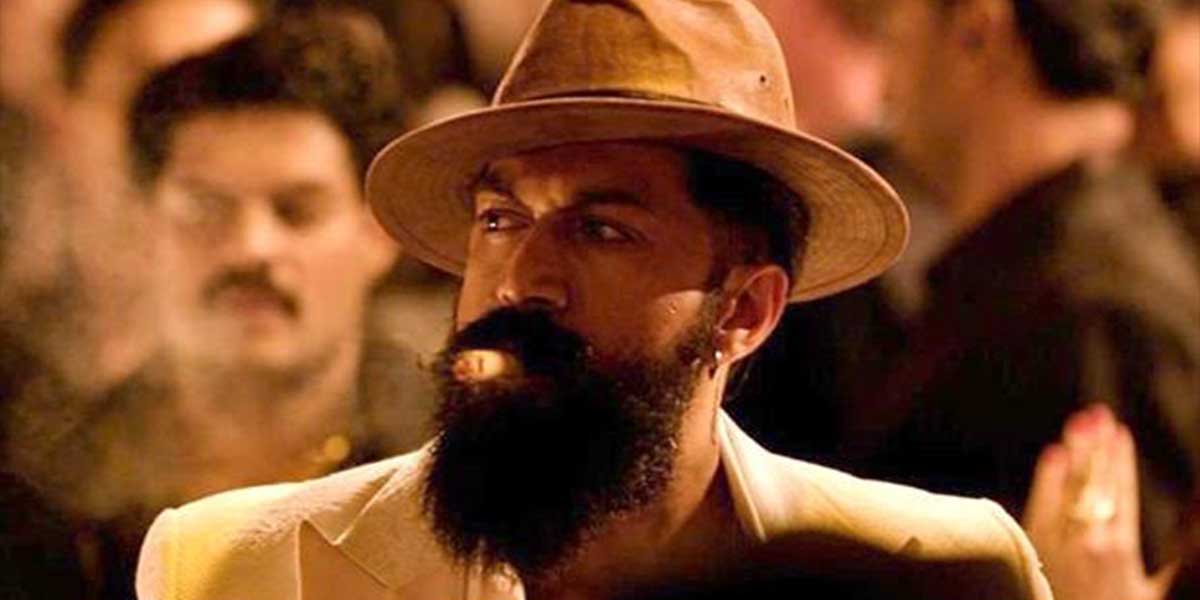
In the high-stakes world of pan-Indian mega films, visibility is oxygen. Yash’s Toxic: A Fairy Tale for Grown-Ups is proving the point. Just days before its worldwide release on 26 August, a pre-release event in Hyderabad turned chaotic when a speaker stand collapsed after fans climbed it for a better view, injuring four people. The mishap made national headlines, yet instead of denting momentum, it amplified the film’s presence. Advance bookings were already strong in India and the US; the incident simply poured fuel on an existing fire. Discussions around competing titles such as Batwara 1947, Awarapan 2 and even Hollywood releases like Spiderman: Brand New Day’ quietened as conversations pivoted to Toxic. The trailer’s striking visuals, the dual-role promise, the multilingual scale, shot in English and Kannada, releasing in Hindi, Tamil, Telugu and Malayalam and the ambitious global rollout had already created curiosity. The unfortunate Hyderabad episode added an extra layer of real-time urgency and human drama that social media and news cycles thrive on. Suddenly everyone is talking about the film, the star’s on-stage concern for the injured. Positive trailer reactions, star power and booking numbers build the base; unexpected events; whether controversies, crowd chaos or viral clips, keep the title trending. History shows that films which dominate the cultural conversation in the last week often convert curiosity into footfalls. The phrase “any publicity is good publicity” is not cynicism here. Toxic entered the final countdown already armed with strong pre-sales. The Hyderabad incident, however regrettable for those hurt, ensured the title remained impossible to ignore. In the business of big-screen spectacles, that kind of sustained visibility is often the difference between a solid opening and a phenomenon.
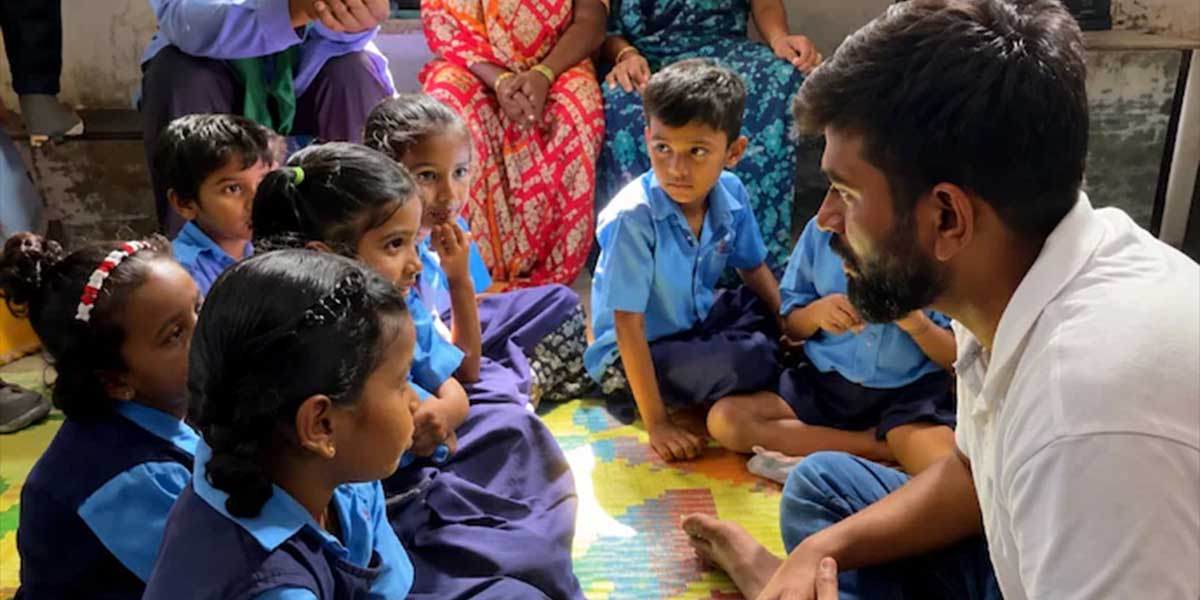
Maharashtra woke up this weekend. Deputy Chief Minister Eknath Shinde summoned School Education Minister Dada Bhuse for a four-hour marathon review at Nandanvan. The message was unambiguous: work in mission mode, deliver a time-bound plan to modernise schools, strengthen infrastructure, teacher training, nutrition, health checks and community participation. The timing was no coincidence. It came amid the intensifying “School Thik Karo” campaign by the Cockroach Janta Party (CJP). CJP’s grassroots audits of government schools; exposing overcrowded classrooms, broken facilities, and basic neglect, have spread from Latur and Hingoli to Mumbai and beyond. In Latur, inspections triggered FIRs and local pushback. An attack on CJP co-convenor Ashutosh Ranka and his team during a Rajasthan school visit further amplified the national glare. Earlier student agitations linked to CJP had already contributed to the resignation of the Union Education Minister over the NEET controversy. Now the same pressure is forcing state-level corrective action. The parallel with figures like IAS officer Tukaram Mundhe is instructive. Mundhe, known for uncompromising enforcement in the food and drug sector, has repeatedly demonstrated that persistent public and administrative pressure can shake entrenched systems. Both the school movement and such accountability drives share a core logic: when ordinary citizens and determined activists refuse to accept decay as normal, even powerful departments are compelled to respond. Maharashtra’s schools may not match the worst conditions seen elsewhere, but the wake-up call is clear, neglect thrives only until it is made politically costly. Student and civic movements do more than generate headlines. They can extract resignations, force marathon reviews, and push for tangible upgrades. “School Thik Karo” is keeping the pressure on. When people insist that public institutions serve the public, the system is left with little choice but to act. That is the real...
Yash Raj Films has long been synonymous with grand romances and socially rooted dramas. From the eternal love of Dilwale Dulhania Le Jayenge to the emotional depth of Kabhi Kabhie, Silsila and Chandni, the banner built its legendary reputation on stories of the heart. Even when it explored other terrains, the core remained elevated emotion and large-scale human drama. Horror was the one major genre it had carefully avoided. That changes now. YRF has announced its first-ever theatrical horror film, with Varun Dhawan in the lead and Abhay Pannu of Rocket Boys fame, directing. The project, slated for a 2027 release, marks a clear policy shift. A production house of this stature does not enter a genre lightly. The decision signals that horror has finally earned mainstream respectability in Indian cinema. The numbers back the move. Recent Hindi successes; Maddock’s Stree franchise, Bhediya, Munjya, Priyadarshan’s Bhoot Bangla and Vikram Bhatt’s Haunted 3D, have proved that audiences, especially the younger generation, are hungry for the genre, whether pure chills or horror-comedy. International hits like Obsession and Backrooms have further elevated the form, moving it into something polished and culturally significant. For YRF, the timing is strategic. After decades of owning romance and emotional storytelling, the studio is adapting to a new audience that finds equal thrill in fear. Pairing a bankable star like Varun Dhawan with a director known for intelligent storytelling shows the banner is not merely chasing a trend but investing in quality within the genre. Horror has always had its loyalists. What is new is its acceptance as a legitimate, commercially viable space that even the most prestigious houses now want to claim. When Yash Raj Films steps into the dark, it is not just a film announcement. It is confirmation that the genre has arrived.