All
All Politics
 Business
 Entertainment
 Sports
 Celebrities

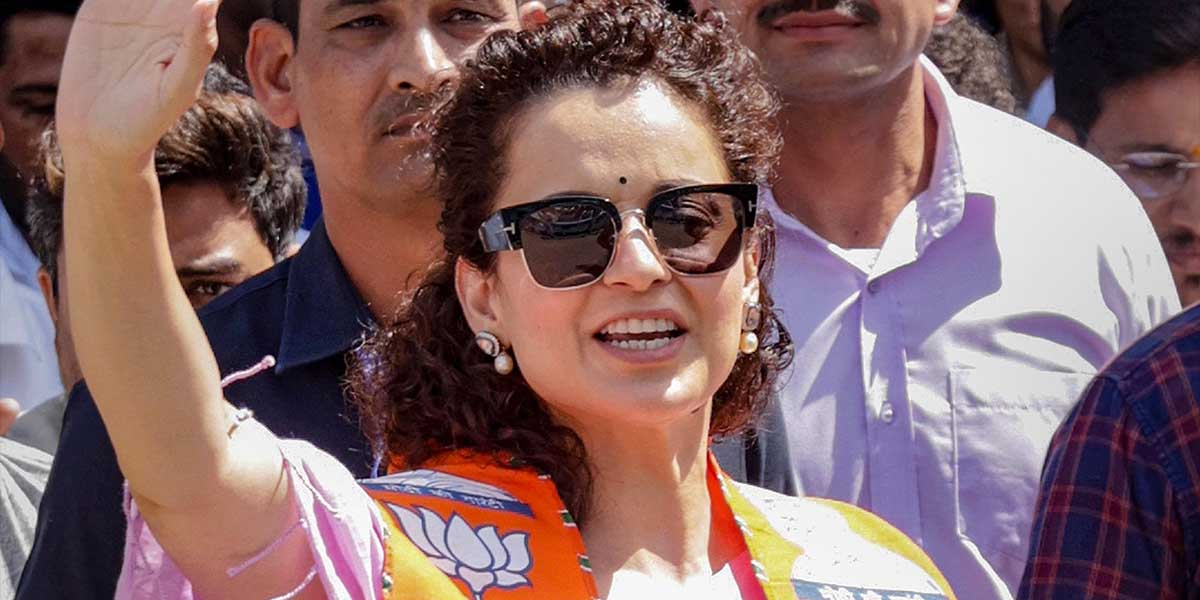
Kangana Ranaut once again allowed her rage to override restraint. Reacting to the CJP student protests, the BJP MP and actor branded young protesters the “gutter generation.” She called their reels “puke-inducing,” their language “crass and jarring,” and questioned “who is birthing and raising them.” Young women were singled out as “ugly and corrupt” for allegedly flaunting drugs, drinks and “endless body counts.” An FIR has now been registered against her in Agra for insulting an entire generation of students and their parents. The political and commercial cost is enormous. This same generation will decide the box office of every film she makes and the fate of every election she contests. They are the future audience of Indian cinema and the decisive voters of the next three decades. To dismiss them as “gutter” merely because some used raw language is not just arrogant—it is strategically suicidal. Kangana’s history is littered with such self-damaging outbursts. In cinema she declared war on the “nepotism mafia,” clashed publicly over ‘Manikarnika’, and watched ‘Emergency’ sink under controversy and poor returns. In politics she has compared Mumbai to Pakistan-occupied Kashmir, labelled farmers’ protesters terrorists, and declared 1947 freedom “bheekh”—remarks that forced even her own party to distance itself. A boisterous, hyper personality can generate headlines, but it also burns bridges that never rebuild. Language alone does not define a generation’s worth. The very people she called “gutter” will remain a bitter pill she is forced to swallow every time her film releases or she seeks votes. In both politics and cinema, words spoken in fury have a long memory and this one may outlast her career.