 All
All Politics
 Business
 Entertainment
 Sports
 Celebrities

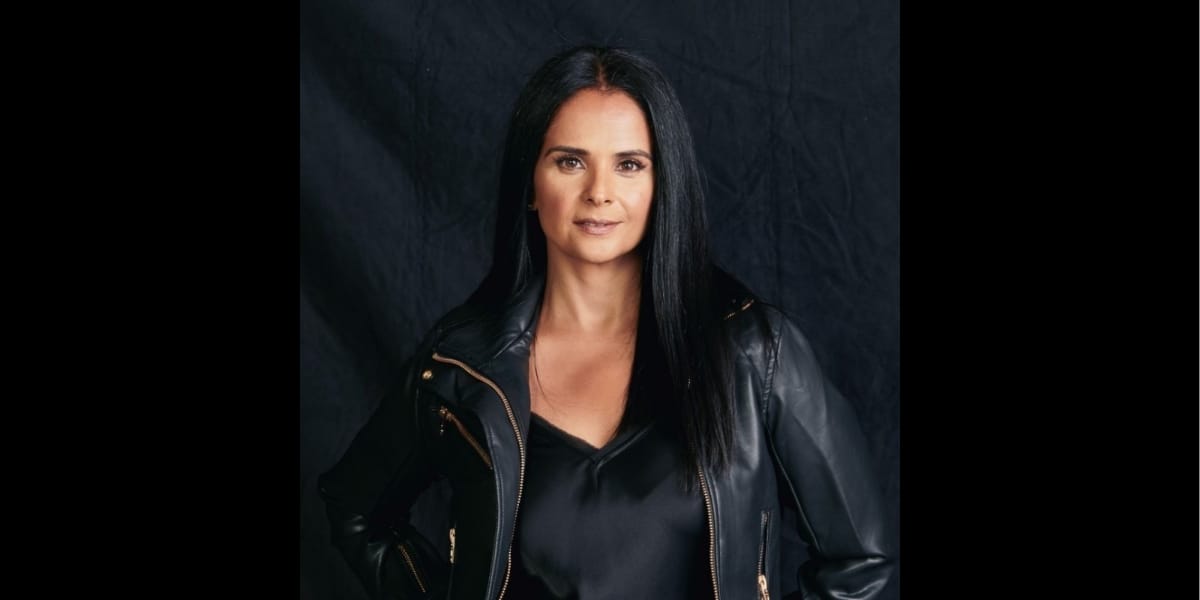
In a move that has stunned Hollywood, Netflix has removed Bela Bajaria, the Indian-origin executive widely credited with transforming the streamer into a true global powerhouse. After nearly a decade of championing international stories, expanding unscripted programming, live events and sports, and turning local-language hits into worldwide sensations, Bajaria learned she was being replaced while still helping the company execute major layoffs. Reports describe a chilling sequence. According to multiple outlets, Bajaria spent much of October 14 conducting painful staff cuts and reassuring anxious employees during a restructuring that eliminated roughly 1,000 jobs. Unaware of her own fate, she approached co-CEO Ted Sarandos later that evening, only to be told she was out. Sources claim she had been reassured weeks earlier that her position was secure. Instead, she was blindsided hours before a VIP screening, with her successor, former Disney and Fox executive Peter Rice, already lined up. The timing is brutal. Netflix faces slowing engagement, pressure to deliver the next cultural phenomenon, and a sharp drop in its share price amid a failed Warner Bros. Discovery bid. Industry whispers suggest someone had to “pay for the rough patch” and Bajaria, despite public thanks from Sarandos for a “decade of dedication, innovation, creativity and leadership” became the high-profile casualty. This is the dark side of modern streaming: the executive who helped Netflix think beyond Hollywood and embrace accessible yet ambitious content can still be discarded overnight when Wall Street demands a reset. Rice inherits the empire she helped construct, while the woman who expanded Netflix’s ambitions processes an exit that unfolded while she was still managing the company’s crisis. Even the architects of success are not immune to the machine they built.
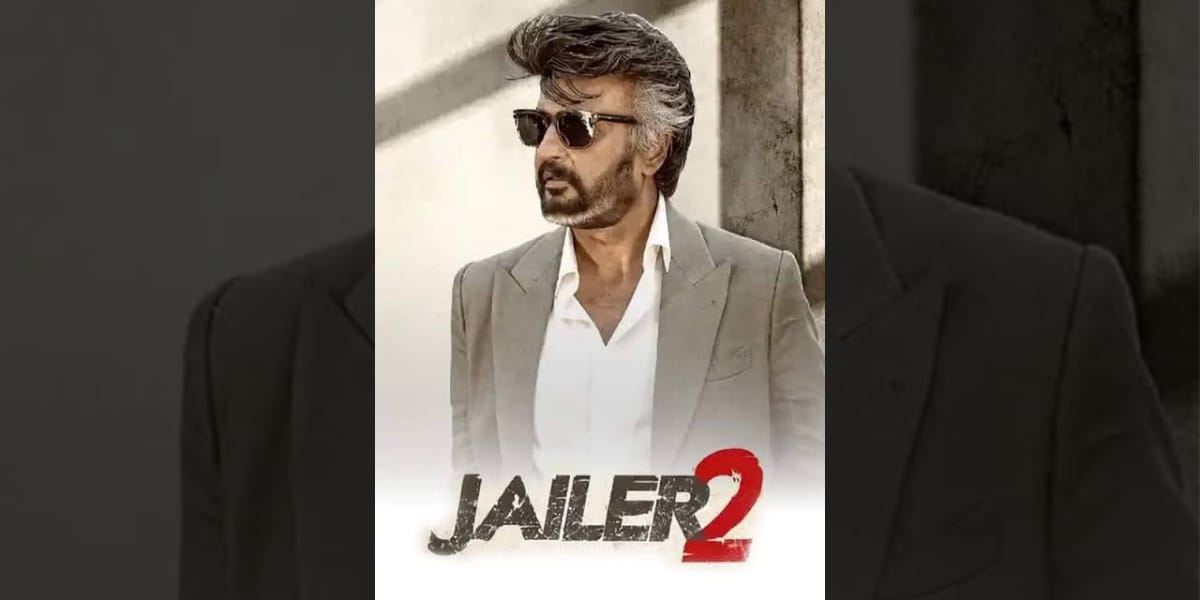
Jailor 2, the Rajinikanth sequel released worldwide on 15 October 2026, is largely absent from major multiplex chains such as EnPVR INOX and Cinepolis in North India. The reason is a clear standoff over the theatrical-to-OTT window. Sun Pictures, led by Kalanithi Maran, signed an OTT deal (reportedly with Amazon Prime Video worth around Rs 160 crore) that places all language versions of the film on streaming platforms after only a four-week theatrical run. Major multiplex chains, however, insist on a minimum eight-week exclusive theatrical window for Hindi-market releases to protect cinema revenues. They have extended this stance more broadly and refused to screen the film when the producers stuck to the shorter window. As a result, Jailor 2 is mainly available on single screens and some smaller or non-national multiplexes in the North, not in the big national chains. The makers and North India distributor Pen Marudhar Entertainment confirmed that a Hindi theatrical release was still happening on the same date, but this does not include PVR INOX or Cinepolis. Post-release trade reports confirmed that the chains stayed out. A separate local dispute in the Salem area of Tamil Nadu saw multiplexes skip the film over a high revenue-share demand (reportedly 70%), but the national multiplex absence is driven by the OTT window conflict. In short, the producers prioritised a larger and faster OTT deal over the longer theatrical exclusivity that multiplexes require, leading the big chains to opt out.
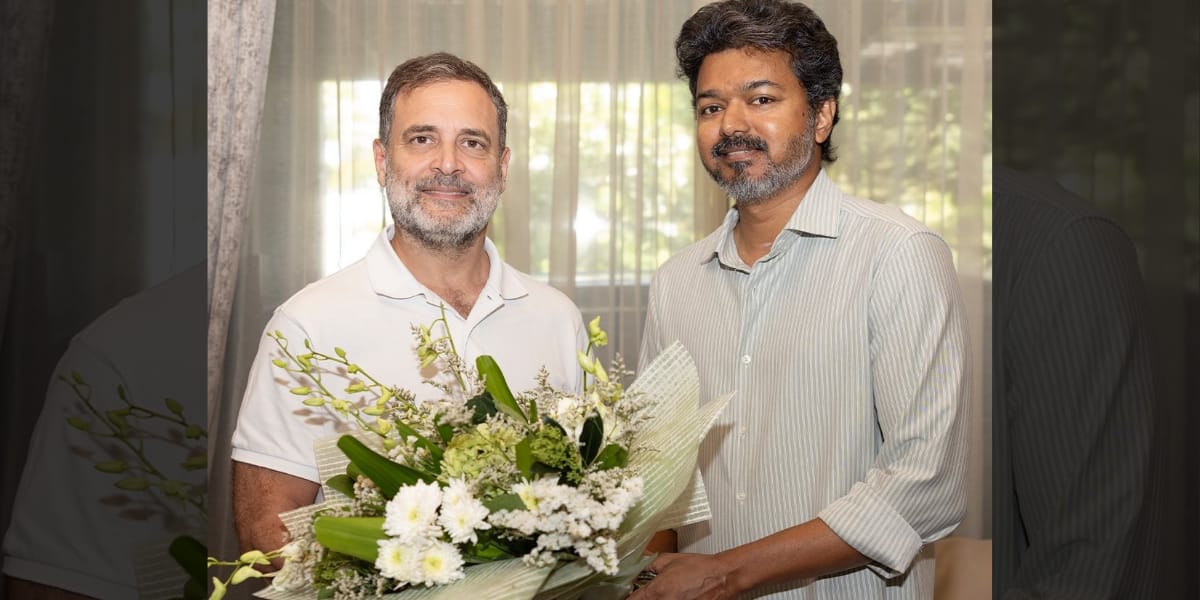
Tamil Nadu chief minister C Joseph Vijay has been taking pride in providing a corruption free govt in the short while that his party — the TVK — has been in office. At the same time, he has also vociferously been attacking the DMK for its corruption legacy. It seems Vijay’s political theme of a “corruption free govt” has made no impact at least on its post poll ally — the Congress– which switched sides after the TVK came to power. In fact, the Congress with 5 MLAs and 2 ministers in the TVK government, has been quite an embarrassment– in the manner in which its leaders were found conducting themselves. It is being said that conduct of Congress MP Manickam Tagore has been particularly worrisome — the way he raised funds to organise a grand welcome for Rahul Gandhi in Chennai early this month. It was Rahul’s first visit after the TVK had come to power. Congress leaders used their proximity to government to collect funds. CM Vijay didn’t know how to put a stop to the way the Congress was going about its “collection” drive to organise “Chatron ki goonj” or interaction with students. In his one-to-one meeting with CM Vijay, Rahul had apparently warned Vijay about PM Modi. On his part, Vijay wisely followed protocol and did what was in the best interest of the state. Striking the right notes with PM Modi helped Vijay sort out pending issues. Soon he was off to Vijaywada for a meeting with Andhra CM Chandrababu Naidu where he discussed Krishna-Godavari river linking issue and also investment plans for the state.
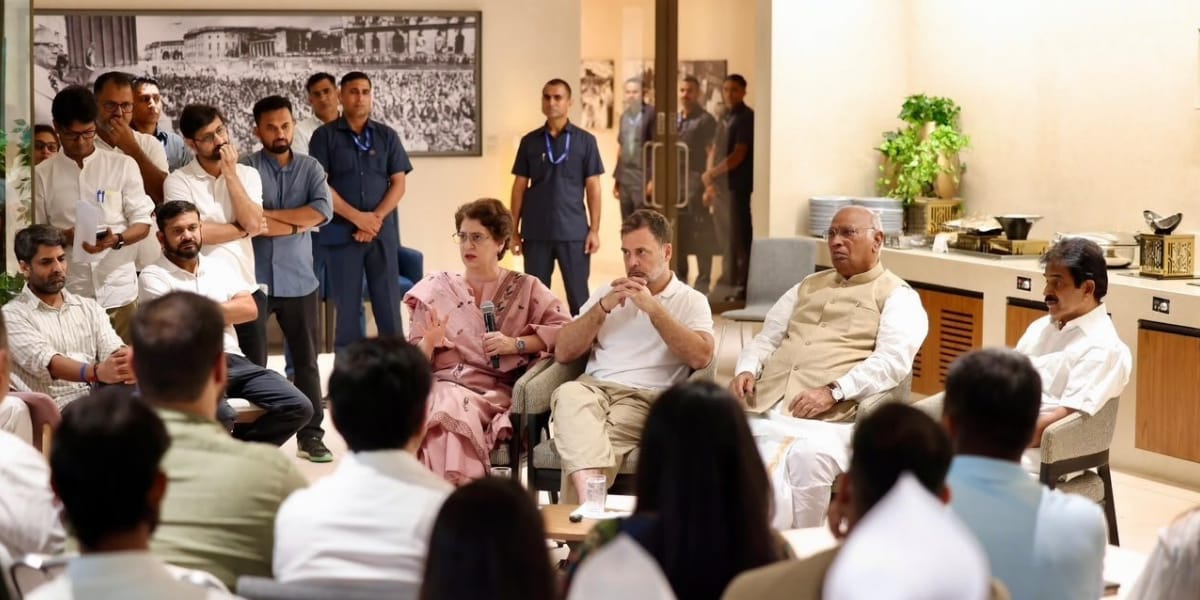
It seems Congress President Mallikarjun Kharge is perhaps the only leader who can dare speak a few home truths to Rahul Gandhi. That’s precisely what he did given his stature and age. During a recent casual discussion at the Congress headquarters in Indira Bhawan, Gandhi as the LoP in the Lok Sabha was taking pot shots at Cong leaders who had quit the party and praised those who stayed back to take on the BJP and the RSS. Rahul said he had always believed that party workers were Babbar Sher (lions)who were not afraid of political pressure or cases. He said those who had remained with the Cong had continued to fight the BJP and RSS rather than give in to intimidation. Taking a swipe at those who had left, Gandhi described them as “cowards” and “greedy”, suggesting that some had quit under pressure or in pursuit of personal interests. He cited the exits of leaders including Jyotiraditya Scindia, RPN Singh and Jitin Prasada. Kharge did not keep quiet; he reportedly remarked that all those who had quit to join the BJP were all Rahul’s friends–“your friends”. They were all Doon School elites just as Rahul was. Scindia left the party in 2020 and joined the BJP. So did RPN Singh and Jitin Prasada switching to the BJP. The political significance of Kharge’s remark lay in its timing: Gandhi was drawing a contrast between those who had left and those who had continued to stand by the Congress, while the party president reminded him of the personal associations some of the departing leaders had once shared with him.
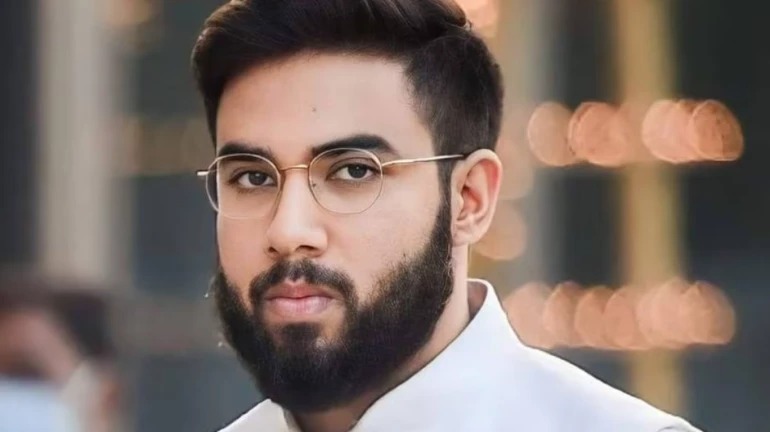
While the Shiv Sena (UBT) led by Uddhav Thackeray is fighting in the Supreme Court to regain its name and symbol, a soft launch of another Thackeray scion appears to be gaining traction unobtrusively. The youngest member of the Thackeray clan, Tejas (31), has so far maintained a low profile, standing behind elder brother Aaditya. But that phase appears to be getting over. The Thackeray family’s love for birds and exotic fish is quite known. Tejas too has inherited it. The Thackeray Wildlife Foundation led by Tejas has begun his public posturing by writing a letter to Union environment minister Bhupender Yadav to urge immediate intervention to prevent the rampant poaching and illegal selling of the endemic Borna Snakehead (𝘊𝘩𝘢𝘯𝘯𝘢 𝘢𝘮𝘱𝘩𝘪𝘣𝘦𝘶𝘴) fish found in the Chel river in West Bengal. The Foundation has discovered several rare fish species, many of them from India and Nepal. A student of Bombay Scottish School, Mahim in Mumbai, Tejas is seen off and on publicly. His latest appearance was a few days ago with Aaditya leading a protest demonstration against the Modi government at Dadar. Thus, both Thackeray cousins, Uddhav and Raj, as well their sons are now in active politics. It is said that his mother Rashmi was keen for the entry of Tejas in politics since the health of Uddhav has remained indifferent for some time. Tejas himself is known for his reticence. Hence, some statement from him is awaited eagerly.
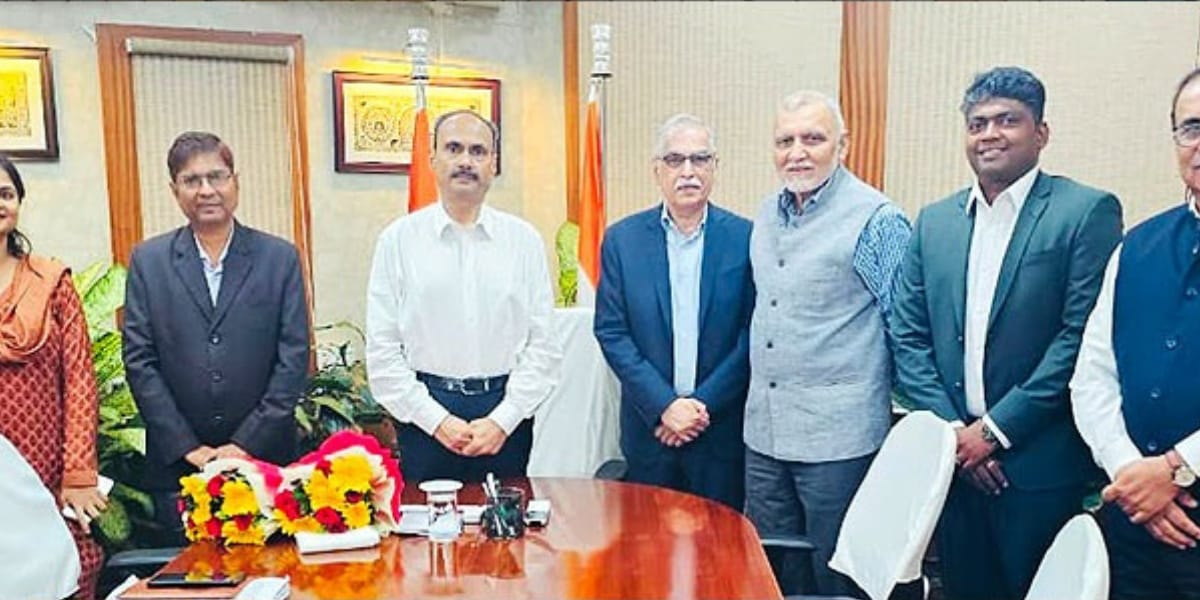
For every chief minister a hospital project is a highly coveted aspiration. This is because it delivers immense electoral returns, visual proof of development and a powerful emotional connect with voters. But one cannot say that of Odisha chief minister Mohan Charan Majhi. He could not capitalise on the hospital project being set up in his state as it was agreement between two private parties. The Rs 9129-crore Fortis Healthcare has tied-up with Bhubaneswar-based real estate and infrastructure developer Dion Group to establish a 300-bed greenfield multi-speciality hospital in Cuttack-Bhubaneswar corridor. There was no splash in the newspapers – full page ad – with CM lighting the lamp etc and in his speech asking other health care players to invest in Odisha. It was a quiet affair since it was an asset light expansion strategy instead of buyout. However Odisha-based Ad guru says “effective communication pitch at the right time is the glue”. However, some people say Odisha CM could still have released ads in the local and mainstream media welcoming Fortis entry and asking other healthcare players to invest in Odisha even if it was a private investment. Maybe a missed PR opportunity!
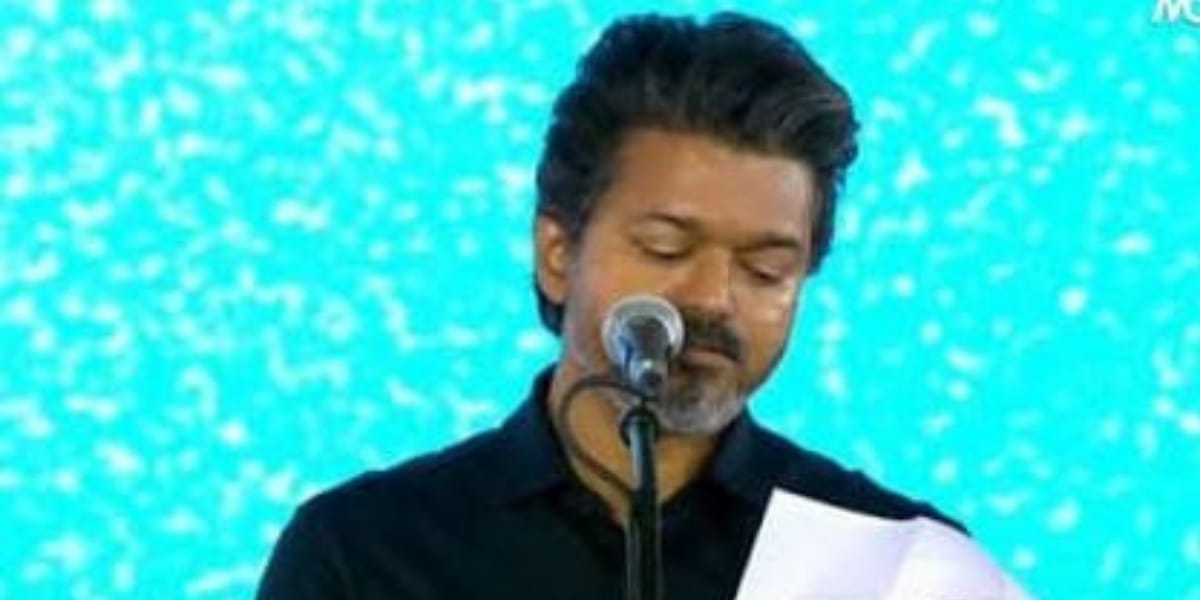
Tamil Nadu chief minister C Joseph Vijay had politically a significant week –back-to-back visits by Congress leader Rahul Gandhi and PM Narendra Modi. Communicating in fluent English with Rahul Gandhi (who would not even “posture” in a Tamil identity), then pleasing the PM in both English and Tamil. The PM at least attempts to please the crowd…Vanakkam Tamizh Nadu, and by now the oft-rehearsed reference to Thiruvalluvar and the Kural. So, what is Vijay’s return gift? Vijay proved that he could be just as comfortable addressing the crowd in English as his Tamil fluency …an attempt to reiterate subtly that TN is firm on its two-language policy, no Hindi agenda. P Chidambaram was all praise for Vijay’s skill in addressing in English, “His fluent English speech on the states two language policy impressed me. His clear pronunciation of English words made me very happy”. Vijay, the Brown Saab has already learnt leverage. Tamilians are particular that their children learn to converse in the colonial Lingua Franca…they may not be polyglots but in Public if they struggle to converse in English, it is a blow to their self-esteem. Any wonder that Shashi Tharoor is admired as an English walkie- talkie and his esoteric words often send people scurrying for a dictionary? Has the CM Vijay passed the first test of the Congress? Keep the pressure on the BJP that any attempt to impose Hindi is not welcome in TN. But then the BJP uses ingenious ways to bring Hindi and make people learn basics …many a public sector bank’s branch has Biharis, Madhya Pradeshis and UPites in authority. They communicate only in Hindi and the staff are “forced” to learn basics of Hindi.
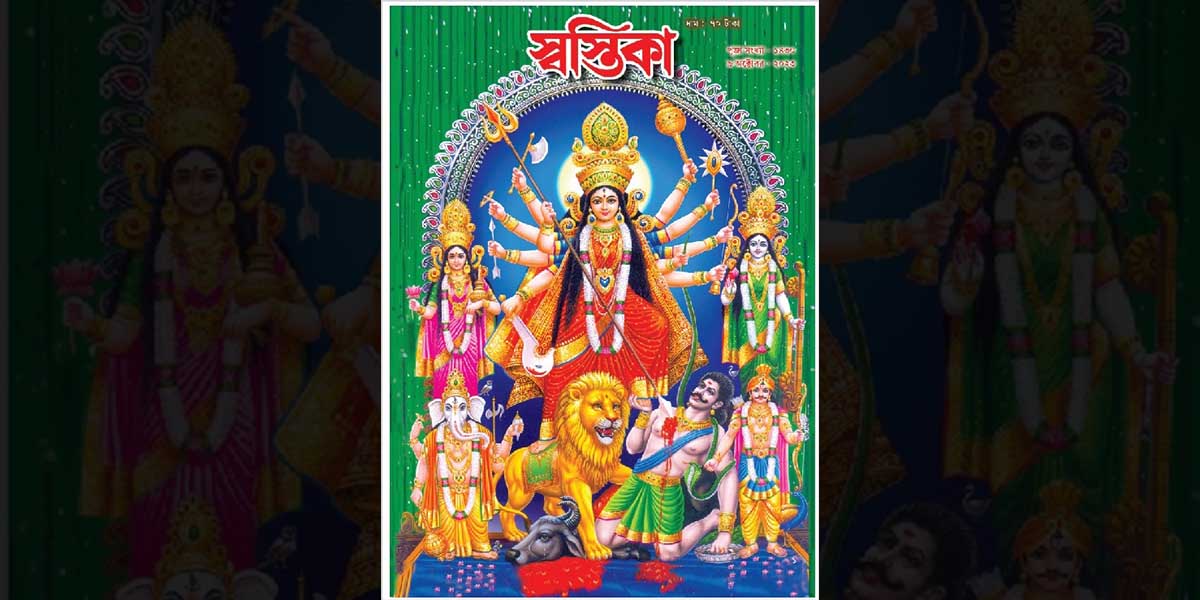
The RSS Bengali weekly Swastika has cautioned the BJP against inducting former Trinamool Congress (TMC) members in West Bengal, alleging that some new entrants are damaging the party’s image. In its October 12 issue, the magazine urged the BJP to remove what it described as “garbage” from its ranks. The warning comes amid allegations of extortion and anti-party activities involving some BJP workers. The magazine alleged that unruly elements from the TMC were joining the BJP and tarnishing its reputation. The article mentions BJP as a party of “bhadraloks” (gentlemen), which has dislodged thieves from office clearly implying TMC. However, there is a concerted effort to break that image of BJP, the article claimed. Cautioning senior BJP leadership against the entry of “rowdies”, Swastika claimed these elements were exploiting the restraint shown by party leaders and workers to undermine the organisation’s standing. Concerns have also been raised over whether chief minister Suvendu Adhikari’s government is taking adequate measures to promote its developmental work, amid Opposition parties allegedly spreading propaganda against it. The magazine had issued a similar warning in August, cautioning that the BJP risked losing voter support if people began viewing it as another version of the TMC. It was then claimed that even if 2% voters feel that the present BJP is a replica of the Trinamool thugs who governed the state for 15 years, 90% voters will shift from BJP. The article urged the BJP to remove the five per cent of “thugs” who had allegedly entered its ranks. The warnings indicate that the RSS is closely monitoring the BJP’s functioning. The organisation played a pivotal role in spreading Hindutva ideology across the state through its shakhas.
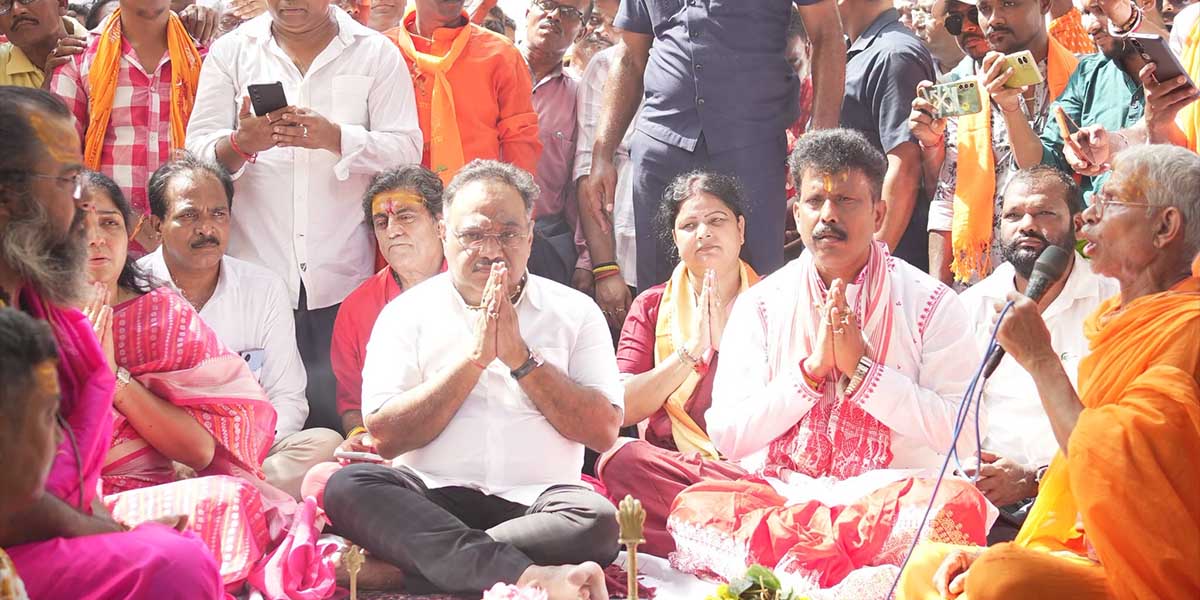
In a major push to consolidate its political footprint across West Bengal, the BJP has set in motion an ambitious infrastructure expansion drive, focusing primarily on its newly carved strongholds in the southern districts. To accommodate its growing cadre base following recent gains in the state Assembly elections, senior leaders launched foundational bhoomi pujan ceremonies across seven organizational districts. The organisational push is strategically aligned with the 2029 Lok Sabha elections, where the party views West Bengal as vital to securing a fourth term for Prime Minister Narendra Modi. Party state president Samik Bhattacharya and Bengal observer Sunil Bansal presided over foundation ceremonies in Howrah Rural and Asansol, respectively. Simultaneously, State General Secretary (Organisation) Amitava Chakraborty led the rituals in Hooghly’s Chinsurah. Similar events were conducted by Union Minister of State Sukanta Majumdar in Barrackpore, Rajya Sabha MP Rahul Sinha in Kolkata North Suburban, State General Secretary Jyotirmoy Singh Mahato in Jhargram, and Vice-President Ramapada Das in Behrampore. Confirming the initiative, Bhattacharya stated that plots acquired years ago are finally being developed after election-related delays. Emphasizing the party’s rapid growth since assuming power in the state, he revealed that all 43 organizational districts would soon feature upgraded premises. Party insiders noted that while district units currently operate out of existing spaces, these have proven inadequate for scaled-up political operations since the BJP’s breakthrough performance in the 2019 parliamentary polls. Each proposed district headquarters will feature a modern five-storey complex complete with state-of-the-art amenities, expansive conference halls, dedicated spaces for affiliate wings, and private quarters for visiting leadership. The infrastructural scaling comes amid heightened political ambitions. Both Chief Minister Suvendu Adhikari and Bhattacharya...
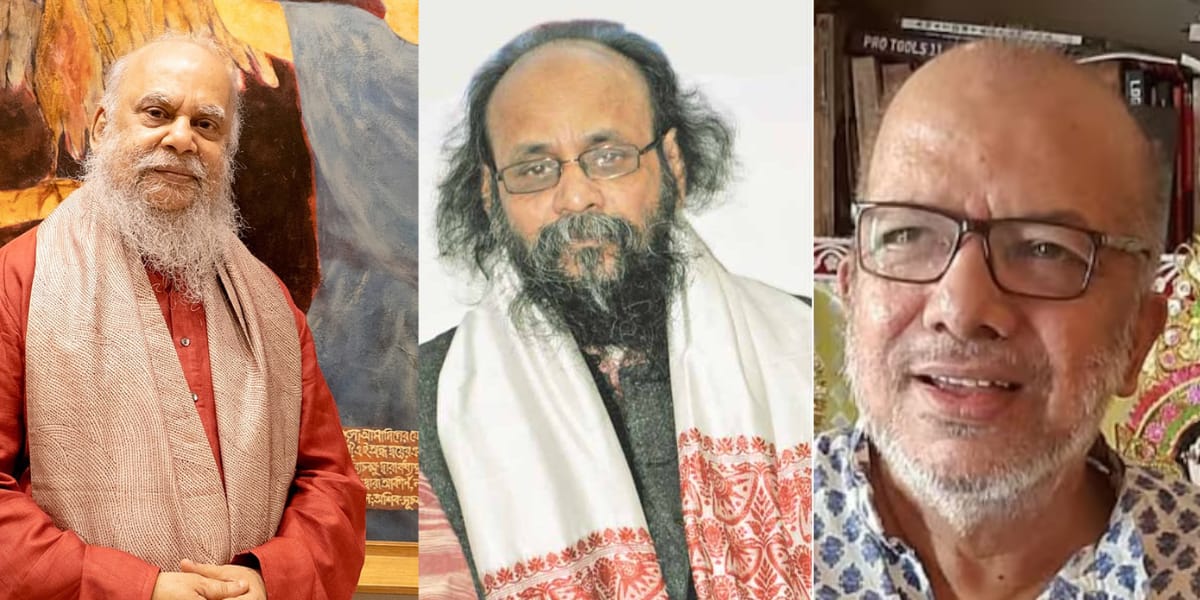
Five months after West Bengal’s political change, silence has descended on several artists, writers and intellectuals who once stood firmly behind Mamata Banerjee. From Kabir Suman and Jogen Chowdhury to Abul Bashar, many familiar faces from her political platforms have largely disappeared from public view. Artist Shuvaprasanna has stayed largely out of the public eye since May. A pivotal figure during the 2006–07 Singur-Nandigram movements, he hosted strategy meets at his Salt Lake residence—attended by Kabir Suman, Joy Goswami, Jogen Chowdhury, Shaoli Mitra and Bibhas Chakraborty. After halting in 2011 upon Trinamool’s rise, these gatherings resumed in 2018 with the BJP’s emergence. Shuvaprasanna taught Mamata painting, coordinated her exhibitions, held railway and Heritage Commission posts, received the Bangabibhushan award, and vigorously defended her 2022 Bangla Akademi award. However, on September 20, he inaugurated an exhibition alongside BJP minister Dilip Ghosh and leader Bishwapriya Roy, a month after BJP minister Agnimitra Paul attended his wife Shipra Bhattacharya’s exhibition. Nationally-acclaimed painter and former Trinamool Rajya Sabha MP Jogen Chowdhury (88) has also receded from public life. Singer Kabir Suman (78), who experienced a volatile relationship with Mamata—once predicting a temple in her honour before distancing himself and considering backing a compassionate Left party—refused direct comment. Yet, an October video showed him thanking local BJP MLA Papiya Adhikari for civic improvements in local infrastructure, water, and power. Author Abul Bashar, who once declared that leaders like Mamata are born only once in a while, deferred his remarks. Meanwhile, poet Joy Goswami—who once lauded Mamata’s humanity but later sparked debate by exiting an RSS-linked event over Taslima Nasrin’s presence—remains the sole voice expressing sorrow over her plight.

There is something almost absurd about India’s latest coal crisis: the problem isn’t a supply shortage. Domestic production and imports are both up, and coal is piling up at the pitheads. What is missing is last-mile connectivity—specifically, the railway rakes needed to carry it to power stations. By September 9, as many as 59 thermal power plants across India were operating with critically low coal stocks, some holding barely three days of generation fuel. Maharashtra is right at the centre of this logistics crunch. Plants at Butibori and GMR Warora were down to a single day’s supply, while Dahanu, Amravati, Dhariwal, and Adani Tiroda held roughly three days’ stock, with Khaparkheda and Solapur at four. The Union Coal Ministry notes that rake loading for the power sector actually rose 20% in four days—from 370 rakes a day on September 3 to 444 on September 6. This raises an obvious question: if supplies are stepping up, why are generating stations still running on fumes? The official rationale points to seasonal logistics—heavy rains, evacuation delays, and a bottleneck in rake availability. Coal India itself acknowledged that several subsidiaries have ample coal but cannot move it due to rainfall and transport constraints. Yet monsoons are an annual affair. India has the coal; it simply needs the railways to deliver it. Adding to the drama, Gujarat has reportedly reached out to Maharashtra asking how the state is managing its thermal power operations without major disruptions. With stocks running thin, the question remains: will the Union Coal Secretary step up with answers?

It could prove to be a masterstroke by 69-year-old Noel Tata, chairman of Tata Trusts, which holds 66% in Tata Sons, the holding company of the $180-billion Tata Group. Noel, who has strongly opposed the listing of Tata Sons, seems to have found a possible way out of this vexatious issue. Tata Sons had earlier sought regulatory relief from the Reserve Bank of India as it tried to avoid a mandatory listing. Initially, there appeared to be broad alignment within the Tata establishment. But after Noel expressed reservations about a third term for N Chandrasekaran as chairman of Tata Sons, two camps seem to have emerged. Now Noel has made a bold move. Tata Trusts has proposed a strategic reorganisation of Tata Sons through the merger of Tata Electronics Systems Solutions Pvt Ltd and Tata Consulting Engineers with the holding company. The objective is clear: after the restructuring, Tata Sons would seek to operate neither as a NBFC nor as a Core Investment Company. If the restructuring achieves that regulatory status, the very basis for the RBI-mandated listing could disappear. The ball is now in the RBI’s court. But Noel has another battle on his hands — N Chandrasekaran’s third term. Chandra had announced on August 12 that he would not seek another term after his current tenure ends in February 2027. But the September 17 Tata Sons board meeting dramatically reversed that position, approving his reappointment for another five years by a majority vote. Noel was the sole dissenter. So, far from ending, the battle for Bombay House may only have entered its next round. In some ways, Noel Tata appears to be going through the same grind that his elder half-brother, the late Ratan Tata, faced after taking charge of Tata Sons in 1991.