All
All Politics
 Business
 Entertainment
 Sports
 Celebrities

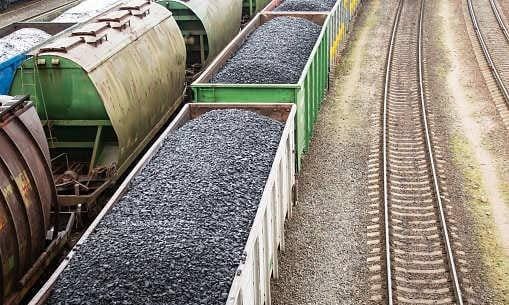
There is something almost absurd about India’s latest coal crisis: the problem isn’t a supply shortage. Domestic production and imports are both up, and coal is piling up at the pitheads. What is missing is last-mile connectivity—specifically, the railway rakes needed to carry it to power stations. By September 9, as many as 59 thermal power plants across India were operating with critically low coal stocks, some holding barely three days of generation fuel. Maharashtra is right at the centre of this logistics crunch. Plants at Butibori and GMR Warora were down to a single day’s supply, while Dahanu, Amravati, Dhariwal, and Adani Tiroda held roughly three days’ stock, with Khaparkheda and Solapur at four. The Union Coal Ministry notes that rake loading for the power sector actually rose 20% in four days—from 370 rakes a day on September 3 to 444 on September 6. This raises an obvious question: if supplies are stepping up, why are generating stations still running on fumes? The official rationale points to seasonal logistics—heavy rains, evacuation delays, and a bottleneck in rake availability. Coal India itself acknowledged that several subsidiaries have ample coal but cannot move it due to rainfall and transport constraints. Yet monsoons are an annual affair. India has the coal; it simply needs the railways to deliver it. Adding to the drama, Gujarat has reportedly reached out to Maharashtra asking how the state is managing its thermal power operations without major disruptions. With stocks running thin, the question remains: will the Union Coal Secretary step up with answers?