 All
All Politics
 Business
 Entertainment
 Sports
 Celebrities

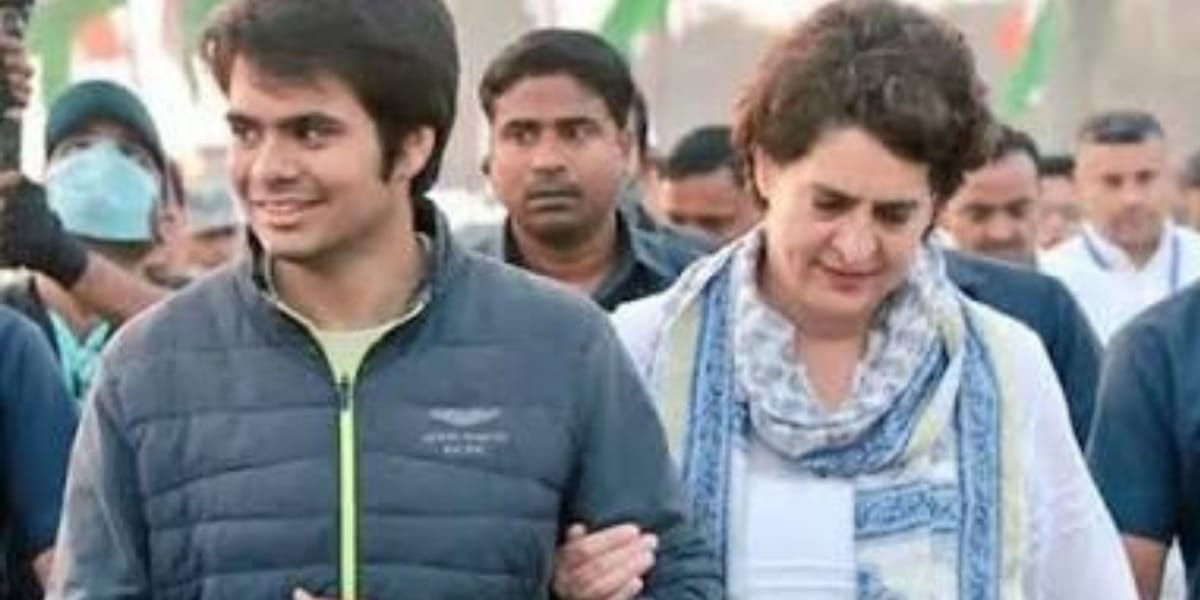
Was raising last-minute objections to photo exhibits of Raihan Vadra, 26-year old son of Congress leader Priyanka Gandhi-Vadra by the Bikaner House in New Delhi serve any purpose? Apparently, it did. Bikaner House is the seat of Rajasthan government in Delhi. When Rajasthan government officials objected to display of some “political photographs” of recent protests among Raihan’s exhibits, citing “current tense” situation, it naturally brought forth a protective mother in Priyanka in defence of her son. Raihan himself said he had held around 12–15 shows at the same venue over the past six years and described it as one of his favourite places. The Wayanad MP took a swipe at PM Modi saying “when someone with power becomes afraid of the expression of another, he doesn’t know it but he has already lost the very power he is trying to protect.” Meanwhile Kerala chief minister V D Satheeshan offered to host Rahihan’s photo exhibition in Keralam. Ordinary Congress leaders however found it odd that Priyanka should come out battling for her son.”Priyanka ji should have made no reference to this issue. These days people don’t like nepotism. Everyone was asking why is she promoting her son now? Is Raihan going to contest UP assembly elections? Whether we like it or not, Modi has shown the way of not promoting family, ” said a Muslim Congress leader. In fact, speaking at an NDTV event, PM Modi took a dig at the Gandhi family’s many attempts to launch Rahul Gandhi as PM material. He also charged Rahul of trying to take foreign help — he is currently in Vietnam — to organise protests in the country.
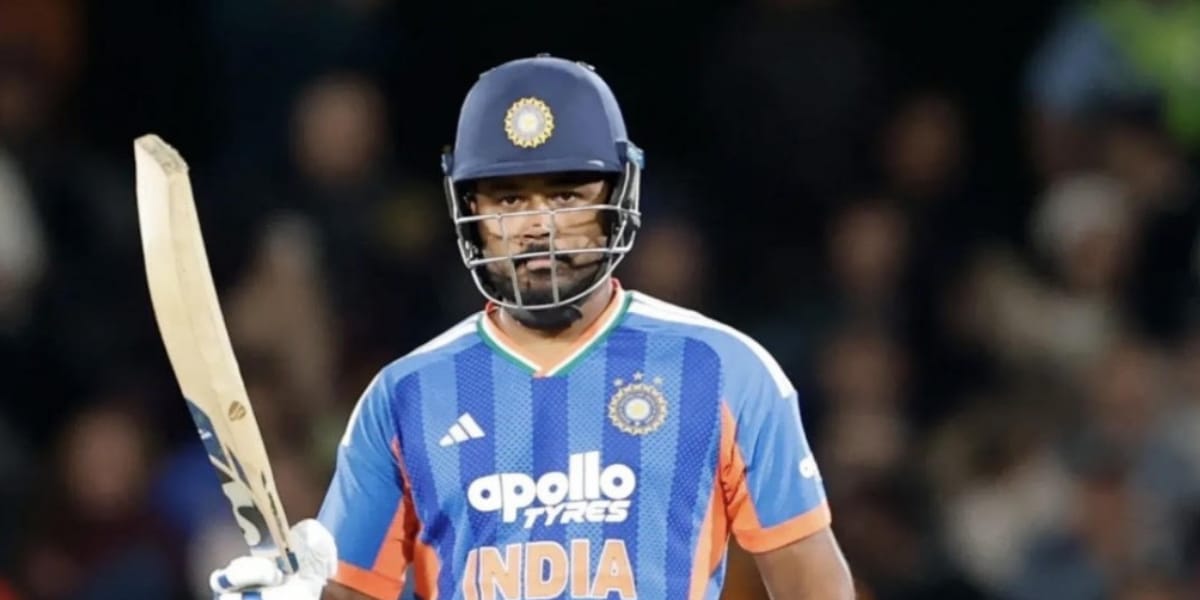
Has Sanju Samson put an end to the narrative that often questioned his place in the men in blue Twenty20 team, especially after the arrival of teenage prodigy Vaibhav Sooryavanshi? Known for his breezy knocks in the first six-over powerplay and even beyond, the right-handed one-person demolition squad is currently in the second-best phase of his career in the shortest form of the game, with a collection of 770 runs in 26 innings at 10.87 an over, including the 33-ball 67 with 8x 4s and 4x 6s against New Zealand in Christchurch. His best was two years ago when he made 436 runs in 12 innings at 10.81 an over. Samson went through a lean phase in 2025, scoring just 222 runs in 11 innings. Samson has been erratic even after a brilliant run of 97*, 89 and 89 in the last three matches of the ICC Twenty20 World Cup in February-March this year; 5 x 50s in 16 innings after the World Cup final against New Zealand in Ahmedabad. Samson has somewhat changed the trend with three half-centuries in the last five internationals against the West Indies and New Zealand. Whenever he has scored 40+ runs, India has won 13 matches. These are not great numbers, but when one looks at the 1126 runs he and Abhay Sharma have amassed for the first wicket – India’s third best after Shikhar Dhawan and Rohit Sharma’s 1743 and KL Rahul and Rohit Sharma’s 1412 – one can understand the value of his hitting in the first half of the innings. Samson has struck 158x 4s and 107x 6s – only the sixth Indian to smash 100 + 6s – and it is his boundary-hitting consistency and quality that have made him an asset at the top.

Nitesh Tiwari directed magnum opus Ramayana is about to stun audience not just by the scale of this epic but by the sheer visual appeal of 4000 pieces of period jewellery worn by the main artists. CEO Tarang Arora of Amrapali Jewels has spent 18 months in executing the exotic, intricate and amazing jewels worn by Ram, Sita and Ravana. Brand Amrapali is not new to period and royal jewellery design. Their body of work was seen in Bahubali, Manikarnika and Tumbbad. The talk is Ravana may just cause the most visual impact with the kind of ornaments adorning him. Ravana’s powerful personality is personified in his jewels without being brash and brassy. Older generations may remember the visual treat of Spartacus and Gone With The Wind —Hollywood classics that swept audience attention for jewellery and costumes. Jewels play a critical role in the epic; Sita throws her jewels from Ravan’s Pushpaka Vimanam as she is abducted. Some question the veracity of this incident asking since Sita left Ayodhya for the forest why would she wear her jewellery? Valmiki has a response…they visit the Ashram of Sage Atri and Anasuya, who lovingly decks Sita with a few jewels …even as Jatayu tries to fight Ravan, Sita scatters the keepsakes. But anyone who has delved deep into this classic is fully aware that Hanuman has to prove to himself that it is Sita in the Ashoka Vatika. She hands over the intricate piece of jewellery on her hair. In turn Hanuman hands over Rama’s signet ring to establish his identity. Ramayana’s visual and aesthetic appeal is sure to sweep the audience. We predict the jewellery may set a fashion trend in Indian motifs and intricate design. Ram is a Suryavanshi…the Sun is the leitmotif of this immortal epic.
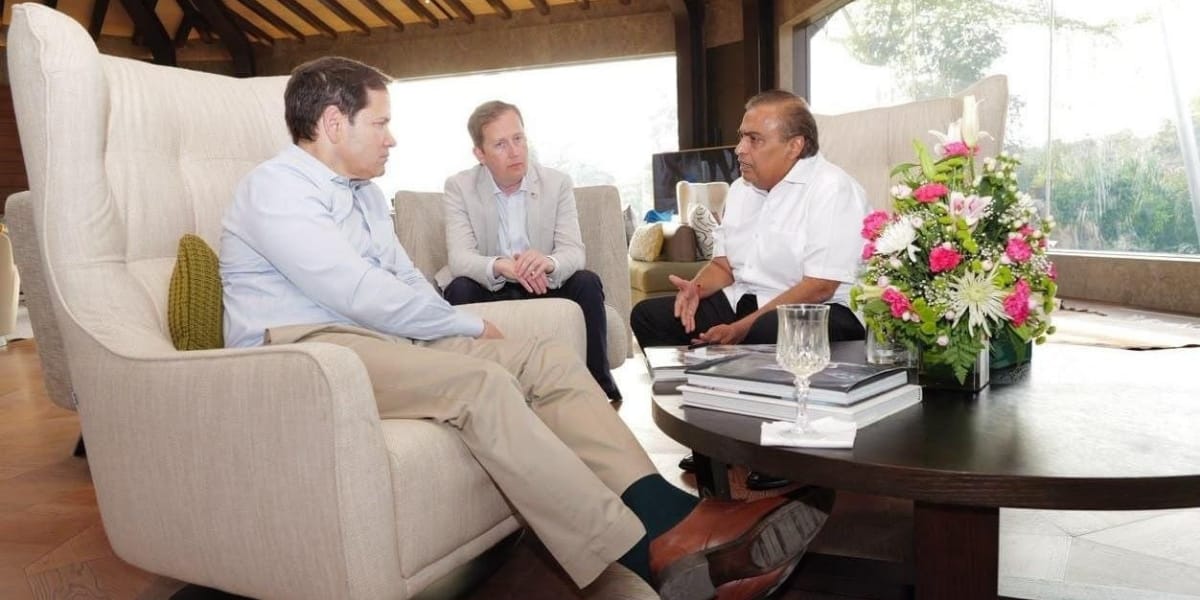
Twenty-six years ago, when the U.S. President Bill Clinton visited India in March 2000, Reliance Industries founder Dhirubhai Ambani enjoyed unusual access to the world’s most powerful leader. Dhirubhai Ambani then reportedly hosted the U.S. President Clinton a private breakfast at The Oberoi Towers in Mumbai. It was attended by his two sons Mukesh and Anil. This private breakfast of four people was facilitated by the Congress leader Murli Deora, a close friend of both Ambanis and Clintons. A year later, Clinton, now a former President, was hosted to a private lunch by Dhirubhai at his Mumbai residence. Fast-forward to 2026, and you have Mukesh Ambani and his son meeting senior American officials at Jamnagar. The Ambanis are once again playing host to America’s powerful political establishment. This time, it was the U.S. Secretary of State Marco Rubio, accompanied by the U.S. Ambassador to India Sergio Gor, who visited Reliance’s sprawling Jamnagar complex. Mukesh Ambani and his youngest son Anant welcomed the American delegation. What makes the visit significant is that Jamnagar is home to the world’s largest single-site refining complex, processing around 1.4 million barrels of crude daily. Washington is keen to leverage Reliance’s capabilities, particularly for processing Venezuelan crude. Clearly, the Ambanis’ influence extends far beyond India’s corporate corridors. From Dhirubhai’s personal relationships with global political leaders to Mukesh’s strategic importance in international energy markets, the family has maintained remarkable access across generations. The message from Jamnagar is unmistakable: the Ambanis are not merely meeting global power. Global power is coming to their doorstep.
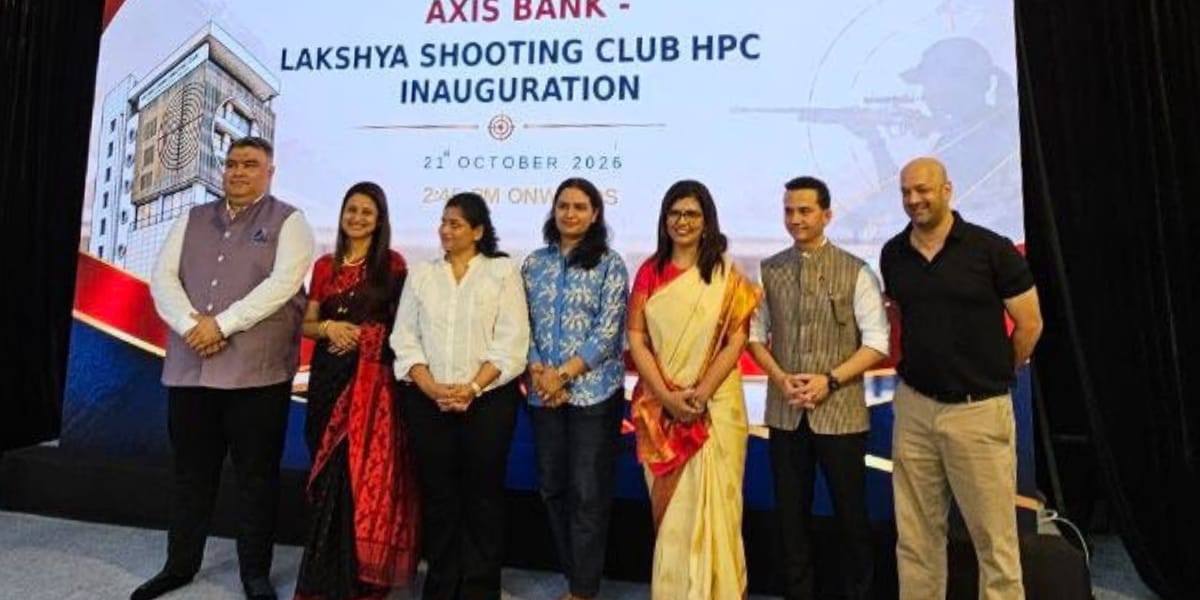
Axis Bank has chosen a unique way to utilise its CSR funds—by wholeheartedly supporting the Lakshya Shooting Club High Performance Centre in CBD Belapur, Navi Mumbai. How many banks, public or private, would go that extra mile and commit Rs 24 crore over three years to back a sport that is not fashionable, but quite popular across the world, is an Olympic, continental and Commonwealth medal sport? The bagful of medals in gold, silver and bronze hues bring fame to athletes and the country. Axis Bank’s super decision has to be seen as a fresh start-up in India’s deprived non-cricket sports environment, placing faith in the “Dream Girl” Suma Shirur and her architect and pillar of strength hubby Siddharth, who have created an integrated infrastructure described by London Olympics medallist Gagan Narang as the second private enterprise in India after JSW Sports. Suma is an acclaimed shooter and coach, winning medals at the Commonwealth Games, Asian Games and Asian Championships from 2002 to 2010. She equalled a world record at an Asian meet in the 10-metre rifle event and has coached others to realise their full potential. She has won the Arjuna and Dronacharya Awards. She has sweated for two decades, but creating a facility dedicated to the Elite in the 10-metre rifle category is an admirable achievement. It’s one of a kind in the world, said Suma, who has travelled widely to compete and coach India’s brightest talents, including in the para category. Gagan and Suma averred that the idea isn’t just to win medals, but to become better spokespersons and human beings. All in all, Axis Bank’s decision to back Suma, Siddharth, and shooting sport is a terrific call.
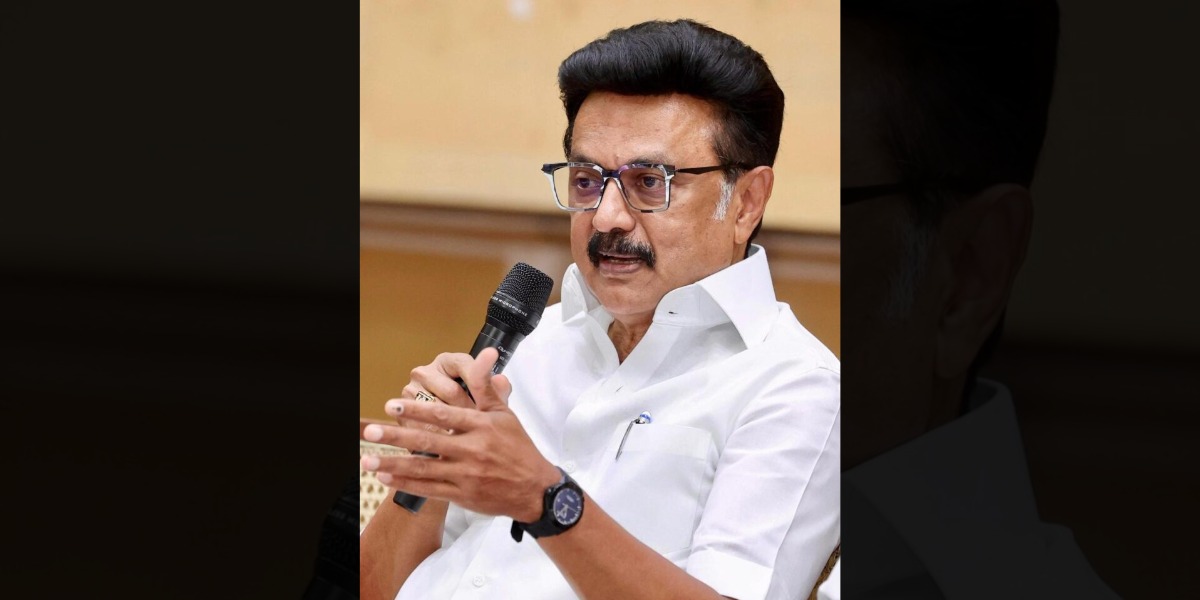
The Cockroach Janata Party (CJP) may not have gained much traction with their recent protests in Delhi against CEC Gyanesh Kumar, however, one hears the DMK is planning to use the CJP to reconnect with the youth in Tamil Nadu. With the ruling TVK consolidating its position in the TN, the DMK one hears is feeling a compulsion to distance itself from the Congress that has been spearheading the political protest against the poll body. The political positioning was spelt out at a meeting of DMK MPs chaired by former chief minister MK Stalin over the weekend. Interestingly, the party not only demanded removal of CEC but also scrapping of the very SIR — that the DMK regime — had presided over before it was voted out of office early this year. Political analysts find DMK objections to SIR in TN rather odd. In fact, everyone is asking — if the TVK headed by Vijay was voted in post-SIR, why is DMK making a fuss about it now? It is being said that DMK MP A Raja has been tasked with the responsibility of reaching out to CJP leader Abhijeet Dipke and invite him to Chennai to create nuisance in streets against SIR. That means DMK is bent on creating a false storm in Chennai against Vijay and the TVK government. The moot point is will people of Chennai really have a short memory and flock to the Dipke’s show? Will the CJP be allowed to run amok in Chennai attacking the cops like the way they hit the Delhi cops on July 20? One thing is certain, the courts may not give a long rope to either the roaches or the DMK this time round.
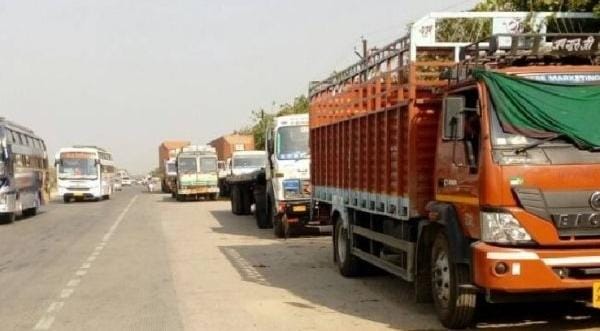
Senior BJP MP and former Union Education Minister Dharmendra Pradhan always had one eye on his home state Odisha. Forced to resign over NEET exam paper leak, he now seems to be taking more active interest in his state. Sources say that Pradhan being a national level BJP leader is now seen nurturing a new weapon “formal letter politics”. His objective being to improve state level administration since trackable letter will force state authorities to take actionable steps spread over collectors, police and others rather than letting the issue stay confined to a private conversation. Speculation is Pradhan may succeed in his plan since he has substantial backing by ruling BJP MLA’s and ministers. Pradhan, it is learnt, has written formal request letters to both the Odisha chief minister Mohan Charan Majhi and Union Minister Road Transport and Highways Nitin Gadkari demanding stringent crackdown on illegal and hazardous parking of heavy commercial trucks along the state and national highways. He has mooted the idea of having a designated parking place for trucks, levying heavy penalty on violators including seizure of vehicles, and launching public awareness campaigns. To support his views Pradhan has highlighted Supreme Court ruling regarding vehicle seizure provision. He has also urged the Odisha government to invoke Section 76 against industrial and mining companies whose transport logistics contributed to trafficking congestion and unsafe parking. Apart from this Pradhan is already pushing for having dedicated truck bays and logistics hubs in Odisha.
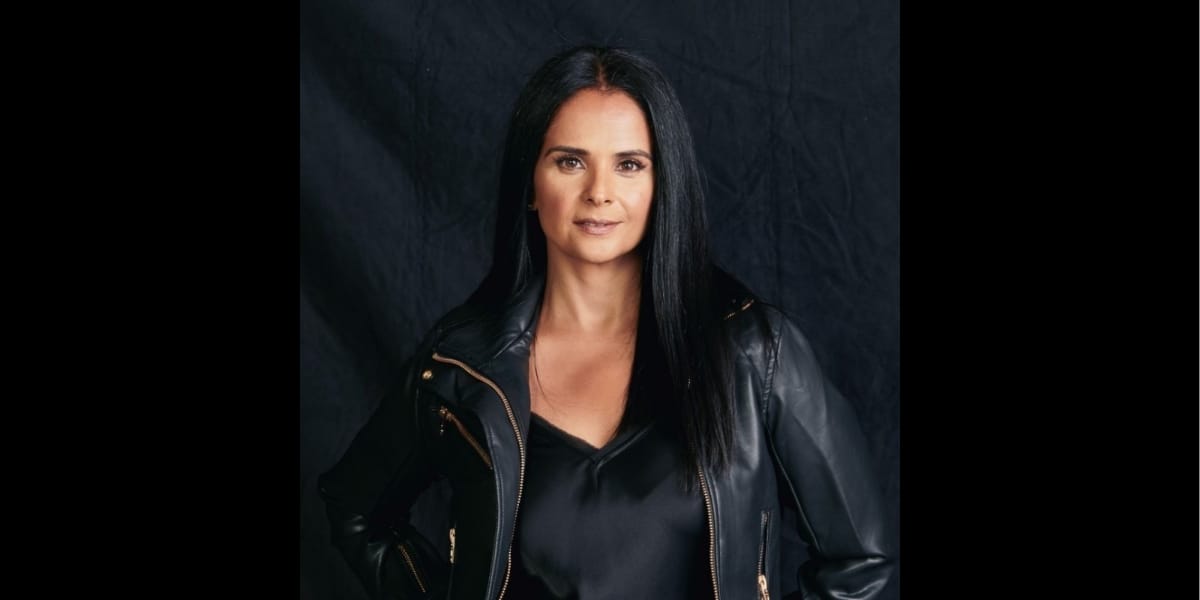
In a move that has stunned Hollywood, Netflix has removed Bela Bajaria, the Indian-origin executive widely credited with transforming the streamer into a true global powerhouse. After nearly a decade of championing international stories, expanding unscripted programming, live events and sports, and turning local-language hits into worldwide sensations, Bajaria learned she was being replaced while still helping the company execute major layoffs. Reports describe a chilling sequence. According to multiple outlets, Bajaria spent much of October 14 conducting painful staff cuts and reassuring anxious employees during a restructuring that eliminated roughly 1,000 jobs. Unaware of her own fate, she approached co-CEO Ted Sarandos later that evening, only to be told she was out. Sources claim she had been reassured weeks earlier that her position was secure. Instead, she was blindsided hours before a VIP screening, with her successor, former Disney and Fox executive Peter Rice, already lined up. The timing is brutal. Netflix faces slowing engagement, pressure to deliver the next cultural phenomenon, and a sharp drop in its share price amid a failed Warner Bros. Discovery bid. Industry whispers suggest someone had to “pay for the rough patch” and Bajaria, despite public thanks from Sarandos for a “decade of dedication, innovation, creativity and leadership” became the high-profile casualty. This is the dark side of modern streaming: the executive who helped Netflix think beyond Hollywood and embrace accessible yet ambitious content can still be discarded overnight when Wall Street demands a reset. Rice inherits the empire she helped construct, while the woman who expanded Netflix’s ambitions processes an exit that unfolded while she was still managing the company’s crisis. Even the architects of success are not immune to the machine they built.
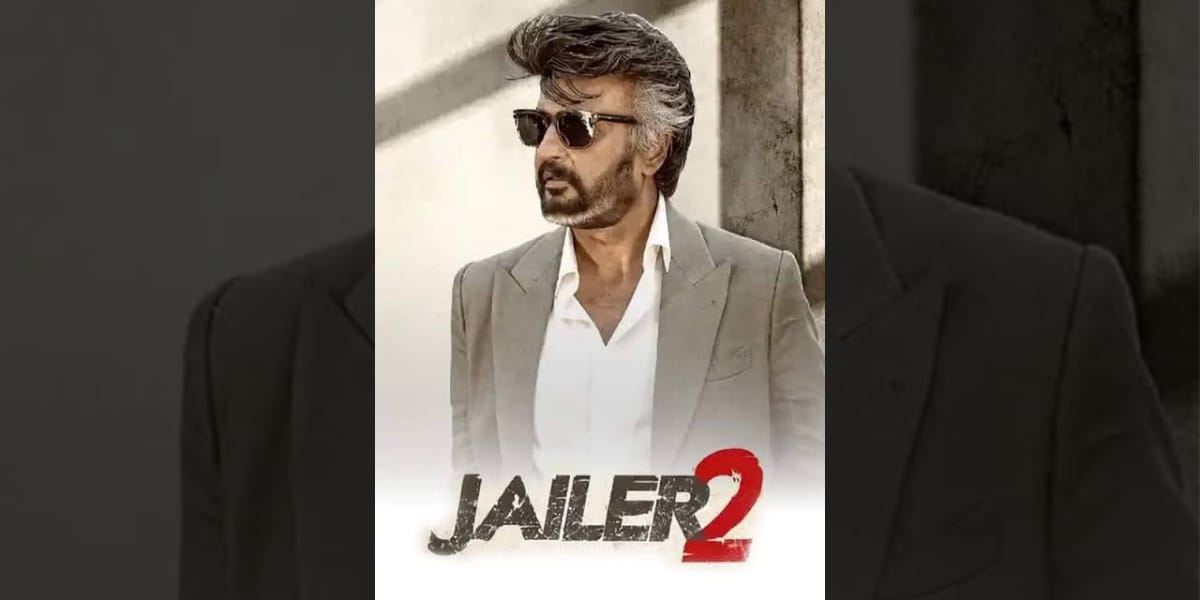
Jailor 2, the Rajinikanth sequel released worldwide on 15 October 2026, is largely absent from major multiplex chains such as EnPVR INOX and Cinepolis in North India. The reason is a clear standoff over the theatrical-to-OTT window. Sun Pictures, led by Kalanithi Maran, signed an OTT deal (reportedly with Amazon Prime Video worth around Rs 160 crore) that places all language versions of the film on streaming platforms after only a four-week theatrical run. Major multiplex chains, however, insist on a minimum eight-week exclusive theatrical window for Hindi-market releases to protect cinema revenues. They have extended this stance more broadly and refused to screen the film when the producers stuck to the shorter window. As a result, Jailor 2 is mainly available on single screens and some smaller or non-national multiplexes in the North, not in the big national chains. The makers and North India distributor Pen Marudhar Entertainment confirmed that a Hindi theatrical release was still happening on the same date, but this does not include PVR INOX or Cinepolis. Post-release trade reports confirmed that the chains stayed out. A separate local dispute in the Salem area of Tamil Nadu saw multiplexes skip the film over a high revenue-share demand (reportedly 70%), but the national multiplex absence is driven by the OTT window conflict. In short, the producers prioritised a larger and faster OTT deal over the longer theatrical exclusivity that multiplexes require, leading the big chains to opt out.
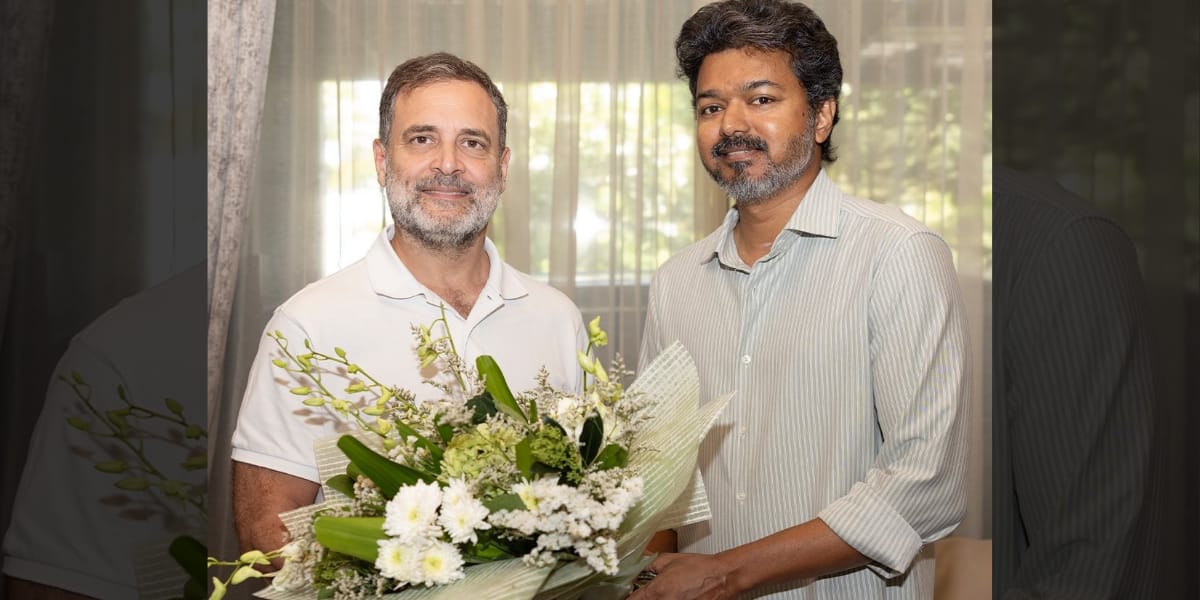
Tamil Nadu chief minister C Joseph Vijay has been taking pride in providing a corruption free govt in the short while that his party — the TVK — has been in office. At the same time, he has also vociferously been attacking the DMK for its corruption legacy. It seems Vijay’s political theme of a “corruption free govt” has made no impact at least on its post poll ally — the Congress– which switched sides after the TVK came to power. In fact, the Congress with 5 MLAs and 2 ministers in the TVK government, has been quite an embarrassment– in the manner in which its leaders were found conducting themselves. It is being said that conduct of Congress MP Manickam Tagore has been particularly worrisome — the way he raised funds to organise a grand welcome for Rahul Gandhi in Chennai early this month. It was Rahul’s first visit after the TVK had come to power. Congress leaders used their proximity to government to collect funds. CM Vijay didn’t know how to put a stop to the way the Congress was going about its “collection” drive to organise “Chatron ki goonj” or interaction with students. In his one-to-one meeting with CM Vijay, Rahul had apparently warned Vijay about PM Modi. On his part, Vijay wisely followed protocol and did what was in the best interest of the state. Striking the right notes with PM Modi helped Vijay sort out pending issues. Soon he was off to Vijaywada for a meeting with Andhra CM Chandrababu Naidu where he discussed Krishna-Godavari river linking issue and also investment plans for the state.

Sony LIV built its reputation on originals that felt bigger than television. Scam 1992 turned Harshad Mehta into a national conversation. Rocket Boys gave Homi Bhabha and Vikram Sarabhai the prestige treatment. Maharani and a handful of other series suggested the platform could invent a new Indian drama grammar.; sharper, slower, more ambitious than the daily soap. For a few years that bet looked right. Then the music stopped. With capital tight, Sony LIV has slowed greenlighting of new web shows. Only a few proven franchises are still being nursed. The rest of the slate is being handed back to the old SET playbook: Kaun Banega Crorepati, a revived Crime Patrol fronted by Ajay Devgn, MasterChef, cricket, and regional non-fiction. The same company that once used streaming to escape linear TV is now using linear TV to rescue streaming. Platforms discovered that prestige series are expensive, hard to market, and easy to abandon after two seasons. What travels cheaper and farther is television’s familiar furniture: game shows, crime procedurals, talent formats, and soaps that already have an audience. That is why The Kapil Sharma Show still works as both Saturday night appointment viewing and clip culture. That is why India’s Got Latent, a roast-and-talent panel that looks like late-night television rebuilt for phones, could premiere on YouTube and Netflix at once and become one of 2026’s most-watched Indian titles. That is why Anupamaa and Taarak Mehta Ka Ooltah Chashmah keep ranking among the most-watched properties on OTT and why JioHotstar treats multiple Bigg Boss editions as core inventory. OTT did not kill television. It absorbed television’s formats, stars, and economics, then added pause and skip. The living-room screen is now a hybrid: KBC and Crime Patrol sitting next to whatever remains of Scam 1992. The platforms that last will be the ones that stop pretending those two worlds were ever separate.
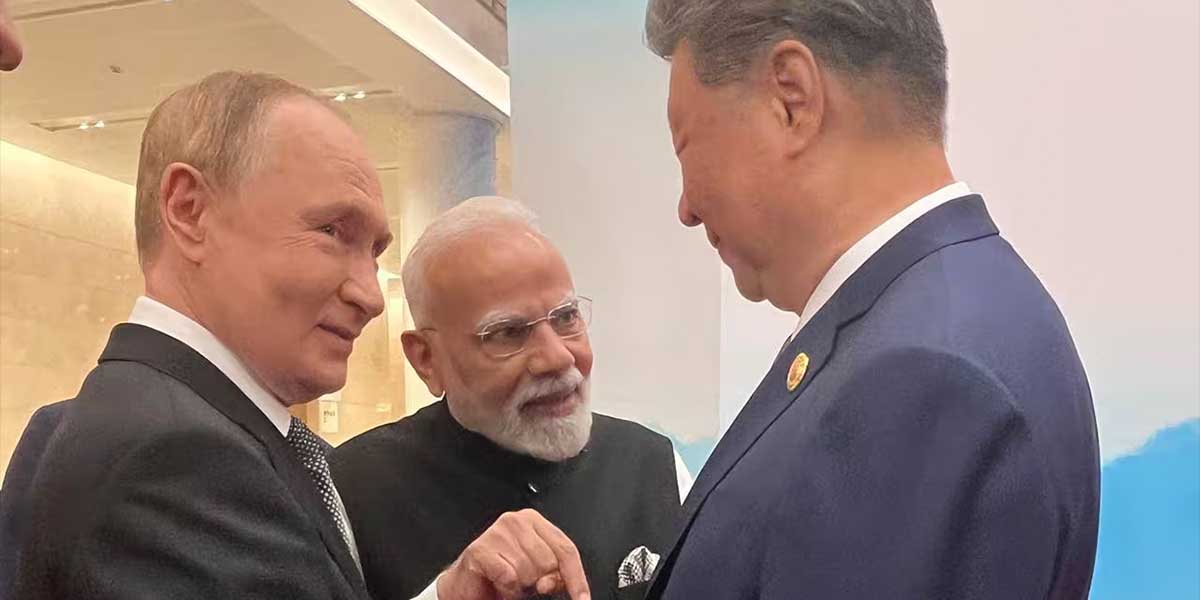
Chinese President Xi Jinping’s India visit on Saturday (Sept 12) and his bilateral meeting with Prime Minister Narendra Modi acquired significance beyond the BRICS summit, coming at a time when Russian President Vladimir Putin has been actively pushing for a thaw between the two Asian powers. Putin’s private message to Modi had been unequivocal: India must move beyond the bitterness over Chinese incursions and anti-India posturing that had strained ties for the present, notwithstanding the personal equation Modi had painstakingly built with Jinping over the years—first as Gujarat Chief Minister and subsequently as Prime Minister. The Russian President’s intervention assumes greater significance against the backdrop of Moscow’s own strategic calculations. With Russia seeking stronger relations with both India and China, Putin has an obvious interest in preventing the two major Asian powers from remaining locked in confrontation. There is also an intriguing economic dimension to this triangular relationship. Chinese shipping vessels have been deployed to carry Russian crude to India, underscoring how geopolitical compulsions can override the otherwise adversarial India-China relationship. For New Delhi, Russian energy remains strategically important; for Beijing, facilitating the movement of Russian crude to the Indian market demonstrates the complexities of its relationship with both Moscow and New Delhi. For Modi, however, forgiving Beijing is hardly a question of forgetting. The relationship carries the baggage of the border dispute and China’s incursions, even as economic and geopolitical realities demand engagement. Xi’s visit—the first to India in seven years—therefore provides an opportunity to reopen a channel that had effectively narrowed after the military tensions on the Line of Actual Control. For Putin, a Modi-Xi rapprochement strengthens the larger Eurasian equation. For Modi, it offers strategic space to engage Beijing without surrendering India’s position...
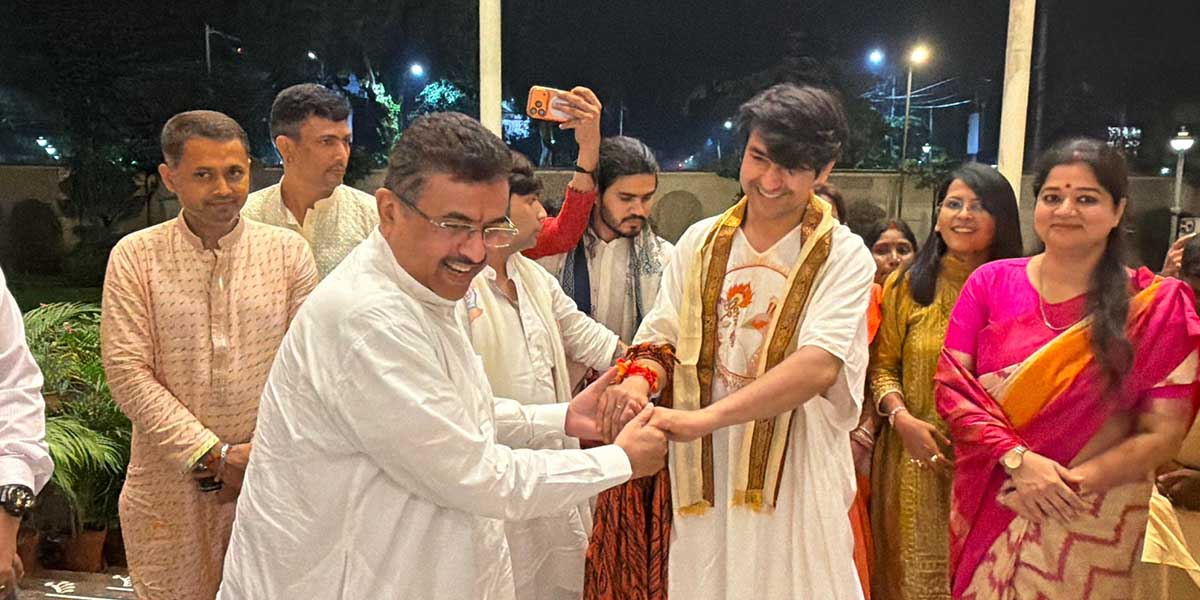
Four months into its first government in West Bengal, the BJP is confronting a political battle it may have expected to fight outside government — over what constitutes Bengali culture. The immediate flashpoint is Durga Puja, the state’s defining festival that featured prominently in the BJP’s electoral pitch around Bengali identity. The fault line has sharpened over attempts by sections of the hardline camp advocating vegetarian food during the five-day festivities. To add to this, the state government hosted self-styled godman Dhirendra Shastri aka Bageshwar Baba who has not only professed vegetarianism during Durga Puja, but also terming non-veg eating Bengalis as “pakhandi”. He was welcomed by chief minister Suvendu Adhikari and his Cabinet and a gala dinner was hosted for him. The ruling party had to address growing discontent over Baba’s term as well as “food diktat”, arguing that such prescriptions run against the lived cultural practices of Bengal and risk turning “Bangaliana” into an electoral slogan rather than a political commitment. The CM has announced restrictions on DJs, liquor sales and road blockades, alongside financial assistance for smaller puja committees and plans for a major Mahalaya programme at Eden Gardens with Prime Minister Narendra Modi and Union Home Minister Amit Shah. The political optics have been complicated further by the government’s decision to discontinue the Durga Puja carnival on Kolkata’s Red Road, the brainchild of former CM Mamata Banerjee. The carnival had evolved into a major public spectacle, showcasing award-winning idols and puja committees. The irony is hard to miss. In 2021, UNESCO recognised Durga Puja in Kolkata as an intangible cultural heritage. For BJP that campaigned on reclaiming Bengal’s cultural identity, the question is no longer merely who controls Durga Puja — but who gets to define Bengal.
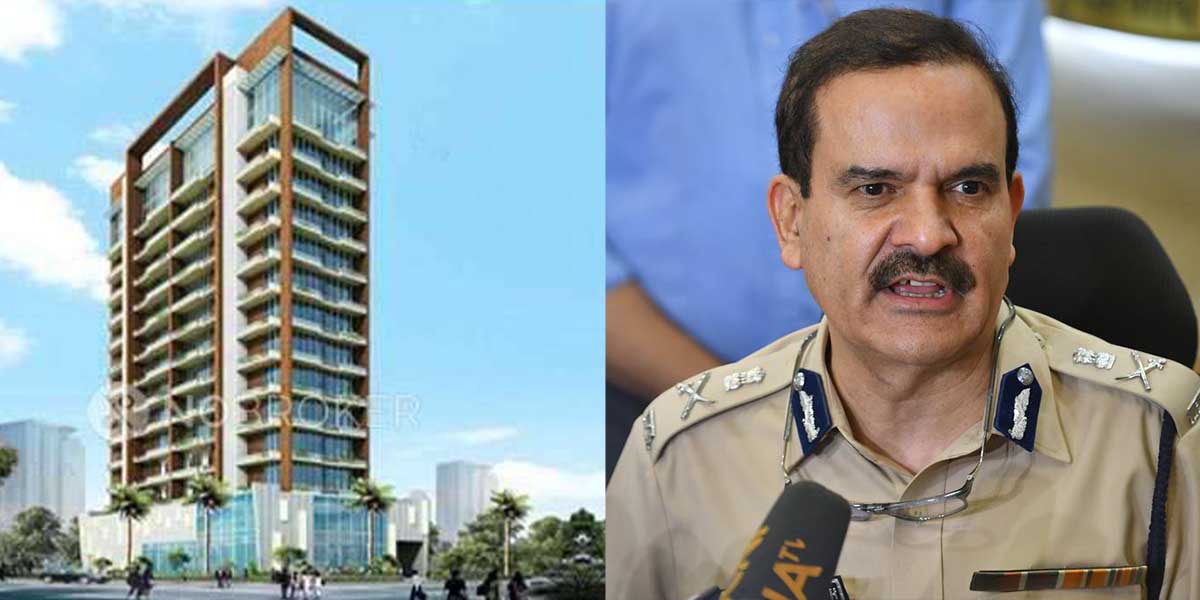
Maharashtra’s most controversial former police commissioner, Parambir Singh, has done it again — and again. But this time, karma appears to have caught up with one of the controversial legacies of his policing years. The BMC, now administered by the BJP with Maharashtra CM Devendra Fadnavis mandating an end to ‘corruption raj’ witnessed under erstwhile Uddhav Thackeray, issued a demolition notice two months ago to Vasundhara Cooperative Housing Society in Mumbai’s plush JVPD Scheme for its 10th, 11th and 12th floors, bringing back into focus the controversial 2008 episode surrounding the property. The Vasundhara saga had its origins in a plot earmarked for police housing. Instead of potentially accommodating around 250 policemen’s families, the project reportedly benefited just 36 IPS officers, including a CBI official. The reported deal — around 3,000 sq ft flats for merely Rs 25 lakh — looks particularly startling against the lakhs of rupees per square foot commanded by property in the JVPD neighbourhood. Now, another high-profile property has landed on the BMC’s demolition radar. Kutch Terrace, owned by Mrs Rohini Devi Jadeja (who resides in the first three floors), a princess from Gujarat’s Kutch region, has been served a notice covering four allegedly illegal floors — the 10th through the 13th. But the real question is not merely why these floors were allowed to come up. It is why the civic administration is suddenly reluctant to talk about them. Ward officer Chakrapani Alle directed Short Post to Building Proposals Department officer Sachin Ghevde. Ghevde confirmed the notices and promised further details. Thereafter, however, calls and messages went unanswered. Additional Municipal Commissioner Vipin Sharma has similarly maintained radio silence despite repeated efforts of due diligence. Chakrapani too is suddenly silent. Why is the BMC officialdom holding back on details related to these high-profile societies?
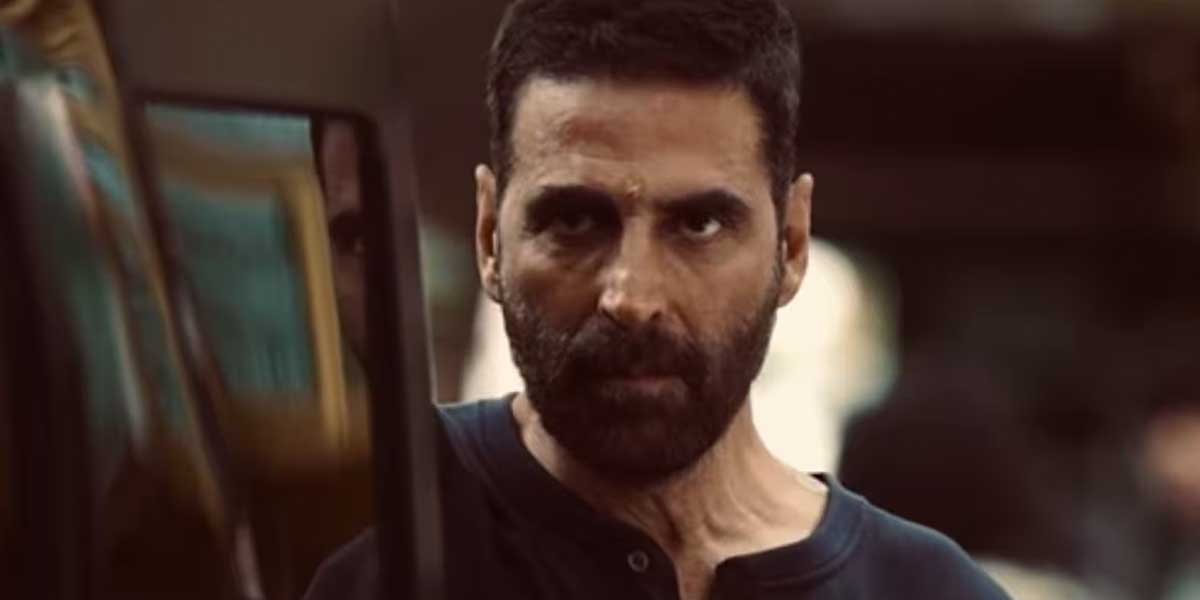
A star of Akshay Kumar’s scale does not lose the mass belt overnight. He leaks it, film by film, until the opening weekend no longer answers to his name. That is the story Haiwaan told on 11 September 2026: a Priyadarshan remake of the Malayalam film Oppam, pairing Akshay with Saif Ali Khan after 18 years, and still opening in the Rs 3.5 crore net zone, one of the weakest Day 1s of the year for two frontline faces. The peak years of 2007 to 2012 were built on rhythm and hunger: big openings as habit, not accident. Then came Action Replayy, Joker, Thank You and the first break with the mass circuit. The 2015 to 2020 revival was real, but it was also the phase of Padman-style “message” cinema that never fully reset the mass contract. Post-Covid, the pattern hardened: remakes and niche bets; Atrangi Re, Cuttputlli, Selfiee, Raksha Bandhan, Mission Raniganj, Sarfira, Khel Khel Mein, and now Haiwaan. Reviews called it stretched, illogical, a frame-to-frame lift that wasted both stars. The trailer had already written the box-office line. Originals that clicked were OMG 2 and Sooryavanshi, and the ensemble franchise lift of Welcome to the Jungle, prove the audience is not dead. What is dead is the solo pull. Ajay Devgn corrected course and started serving fans across genres. Akshay is still signing the same mistake: low-effort remakes, thin promotion, no visible hunger, not even the extra craft a villain role like Parshuram in Haiwaan demanded. He is working. He is not fighting. Haiwaan is not one bad Friday. It is the question the trade has been postponing: is the mass area still his, or is the star now over-exposed as a reliable loss-maker between two clicks? Until that check is honest, the openings will keep answering for him.