 All
All Politics
 Business
 Entertainment
 Sports
 Celebrities

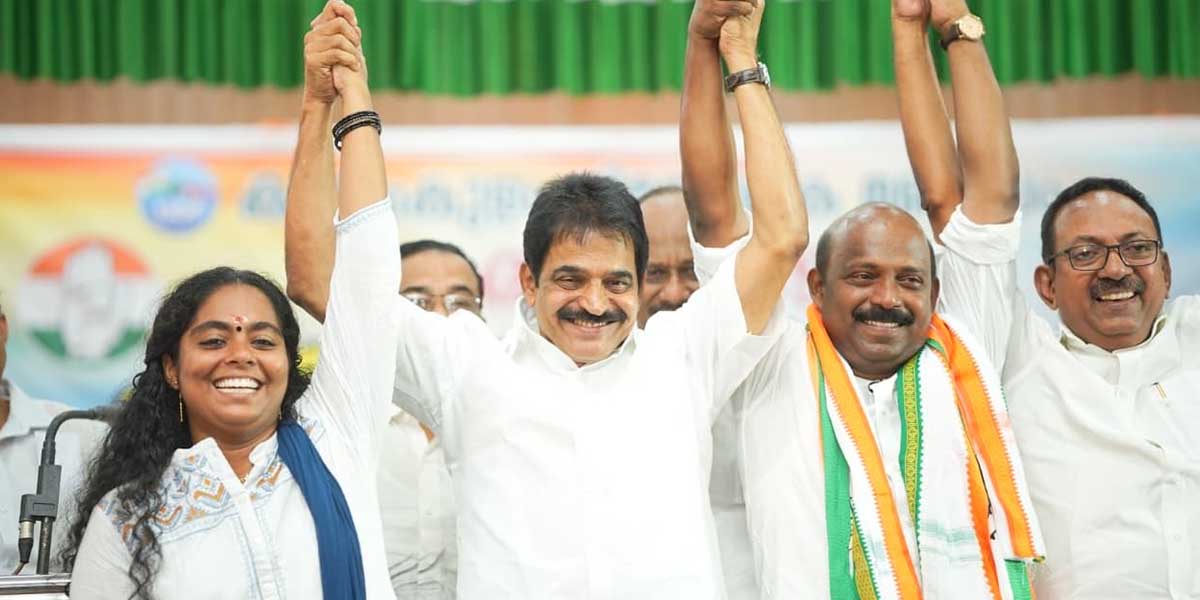
With less than two weeks to go for the Kerala Assembly polls on April 9, party workers are intensely praying in Delhi that the Congress decisively wins this election. Prayers for a UDF win is to ensure that powerful AICC General Secretary K C Venugopal — perceived to be the root cause of all problems plaguing the party — moves to his home turf as CM. The Alappuzha Lok Sabha MP had reportedly paved the way for his own career switch by dominating the state candidate list. Majority of the 95 Congress MLAs for 140 assembly seats were picked by him. A sizable section also owe loyalty to senior leader Ramesh Chennithala. A handful of tickets have been given to the most popular CM face — LoP, V D Satheesan. Party sources said if Congress wins, Venugopal is likely to persuade Rahul Gandhi to send him to Thirvanathapuram as CM. “The only thing that may deny Congress a sweep is that we fear Muslims are still not comfortable with us. They suspect we have a pro-Christian bias. Of course, this time all our CM contenders are Nairs. Era of A K Anthony, Oomen Chandy, the league of Christian leaders from Congress is over…yet we found the Muslims were moving away and falling back on Pinarayi Vijayan,” conceded a top Cong source. Of course, the UDF has a long standing alliance with IUML. Besides there is a tacit understanding between the BJP and CPI(M) with the former relying on its NDA ally in Kerala —Twenty20 Party (active in Ernakulam)—to take on the UDF. Meanwhile, former Rajya Sabha deputy chairman P J Kurian stirred some interest by suggesting that Ramesh Chennithala would be the CM. Later Kurian conceded that he had made the remark as Chennithala had just walked into the meeting. “I am aware everything will be decided by Rahulji,” he said.
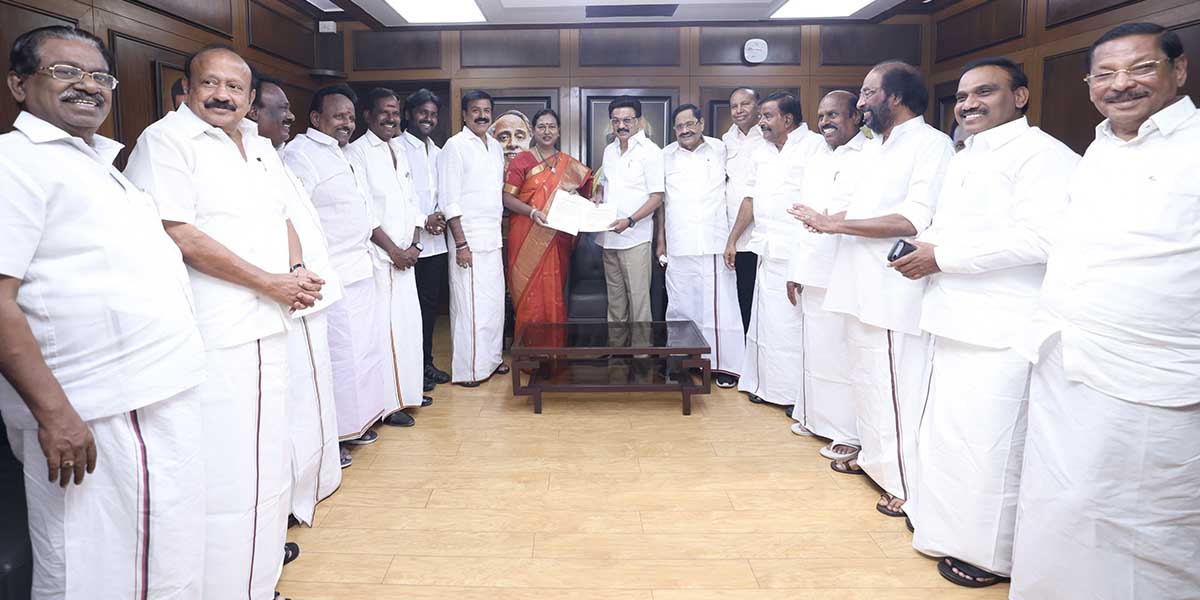
Tamil Nadu’s run up to this election has been quite surprising, often quite shocking …the attitude, demands and ego trips of alliance partners could have upset any other politician but chief minister MK Stalin. There is a popular Hindi song Bade Miyan To Bade Miyan Chhote Miyan Subhan Allah. Exactly how Rahul Gandhi’s whimsical demands rocked the alliance in Puducherry; he suggested that Congress could fight in the same constituencies as the alliance party, calling it a “friendly fight”. Fortunately for the party, Mallikarjun Kharge took over the seat sharing talks in TN with Stalin but insisted on taking three favoured seats, one being Velachery. In the last election DMK sacrificed this high-profile seat to Congress. The Congress candidate neglected Velachery. Stalin did not relent on this one. The tail wagging the dog took an even more comical yet irritable negotiation turn when DMDK supremo, Premalatha(wife of the late Vijayakanth ) walked in to meet the old DMK warhorse T R Baalu, for seat sharing talks. Baalu has seen many such grandstanding alliance party heads. But Premalatha’s impossible seat demands made Baalu see red. She wanted three DMK winnable seats …Vikravandi, Virugambakkam and one more. Baalu’s reference to the Rajya Sabha seat already in the DMDK bag made Premalatha see a more crimson red. “What Rajya Sabha? You can keep it …we shall resign now”. Stalin is seen as a punching bag by desperate allies, even as the DMK put on a brave front.
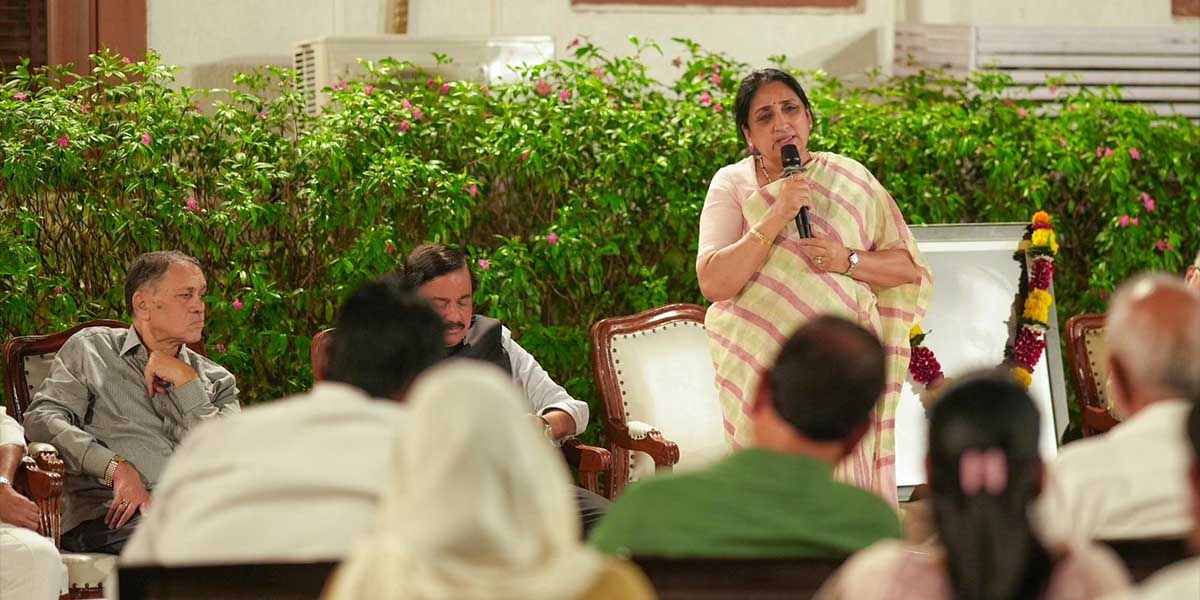
The Nationalist Congress Party (Ajit), a partner of ruling Mahayuti alliance, is again finding itself in a corner. The latest embarrassment is a video clip, allegedly showing minister Narhari Zirawal in a questionable position in company of a transgender at his official ministerial residence. A former deputy speaker of the state assembly, Zirawal is a tribal and a long-time follower of the late Ajit Pawar. Even earlier, Zirawal was found embroiled in a controversy when his personal assistant was caught accepting bribes in Mantralaya. Before that, Zirawal had jumped into the safety net from the sixth floor of Mantralaya to press some demands of the tribal sections in the state. As the pressure is mounting on chief minister Devendra Fadnavis to sack the minister, the delicate power balance is facing a litmus test. Ajit’s widow, Sunetra Pawar is burdened with deciding the fate of Zirawal. Already facing the impending assembly byelection challenge, Sunetra will have to show her leadership qualities. The NCP (A) is finding itself caught in a web over the exposes concerning Nasik Godman Ashok Kharat. At the centre of the scandal is Rupali Chakankar, even now president of the women’s wing of the state unit of the party. Rupali was compelled to resign her post as chairperson of the State Women’s Commission following the shocking disclosures concerning Kharat. All in all, the NCP (A) will have to wade through a political challenge soon.
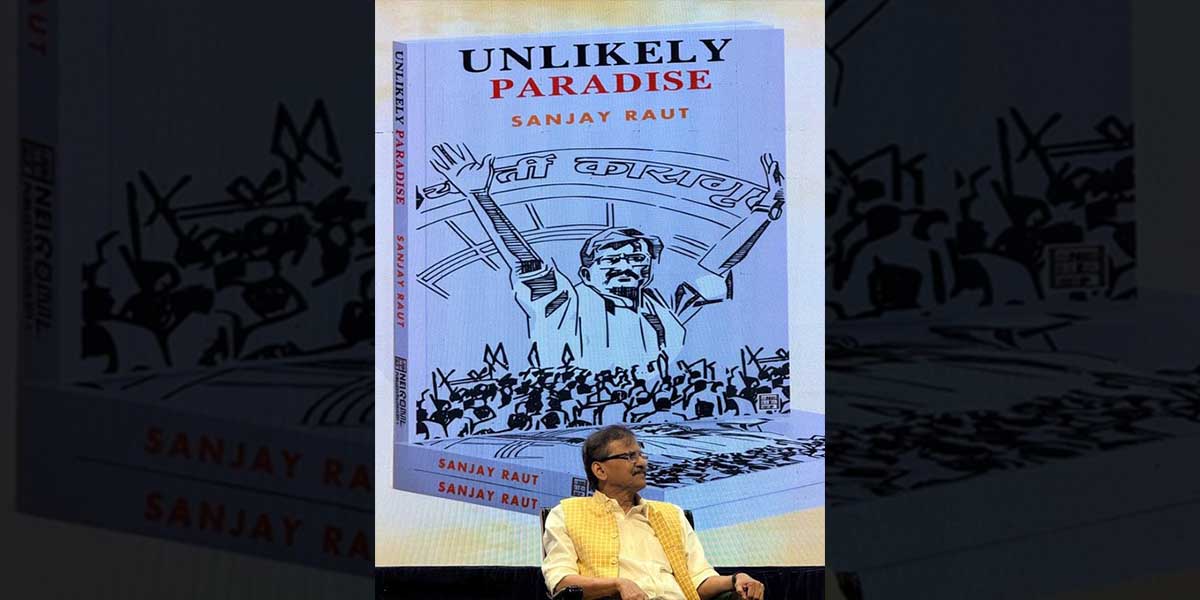
Shiv Sena (UBT) scion Aaditya Thackeray’s reported tiff with party MP Sanjay Raut over the earlier decision to yield the lone Rajya Sabha seat to veteran leader Sharad Pawar is the talk of the town, even after the spokesman has discounted any such development. As the term of party MP Priyanka Chaturvedi is over, the suspense over her renomination has ended but the internal differences over the issue are having an echo even now. Aaditya’s opposition to Pawar’s new Rajay Sabha term on the strength of the Sena (UBT) had surfaced when Priyanka’s future was being discussed. At the time, Raut had vehemently asserted that Pawar will be in the Rajya Sabha for another six years and Aaditya had expressed his unhappiness at the outcome. Over the past few days, news speculation about the recurrence of ‘Operation Tiger’ in Maharashtra began afresh, with whispers that certain Sena (UBT) MPs were likely to defect to the NDA. In the wake of their increasing frequency, Uddhav Thackeray summoned the MPs to Matoshri to understand their mind. Coincidentally, Raut was not present for the meeting as his book ‘Unlikely Paradise’ was being released in New Delhi the same day. Finding himself at the receiving end, Raut now has refuted the media coverage of the reported tiff. At the same time, he has declared that he will never leave the Shiv Sena (UBT). Uddhav is yet to comment on the matter.
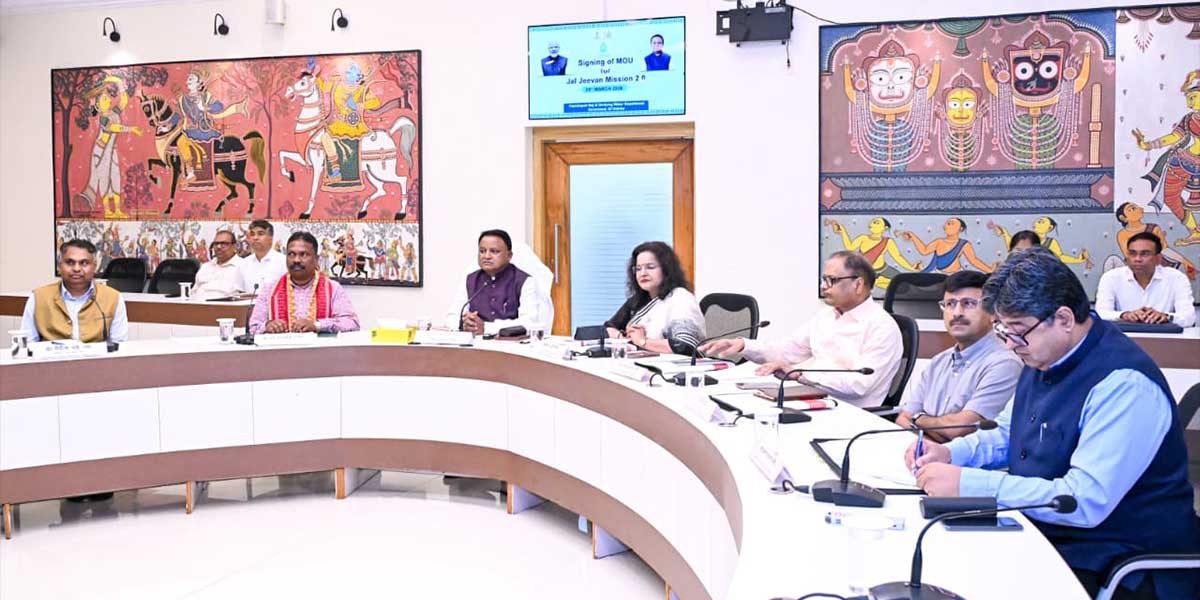
Amidst West Asia war crises and disruptions in energy supply and emerging geopolitical risks, the BJP-led government in Odisha is now making international headlines. After steel and mining prowess, the Odisha government is seriously contemplating to set up the world’s largest underground 4 million tonne crude oil storage facility at Chandikhole, Jajpur district entailing an investment of Rs 8,743 crore. This project was conceived during Naveen Patnaik times. But, it remained only on paper…gathering dust for the last seven years. The current war in West Asia has triggered of energy crises globally and this gave the current chief minister of Odisha Mohan Charan Majhi to relook at the project. The main issue now is to quickly allot 400 acres of land to Indian Strategic Petroleum Reserve Ltd. It is learnt that the BJP’s Education Minister Dharmendra Pradhan nudged both the Odisha CM and Petroleum Minister Hardeep Singh Puri to fast track the strategic underground crude oil storage facility terming it as a national project which has been delayed for 7 years because of land issue and bureaucratic delays. Sources say 286 acres are now being processed while the remaining land may take another two months. Only when the entire 400 acres of land parcel is handed over to ISPRL will the project take off?
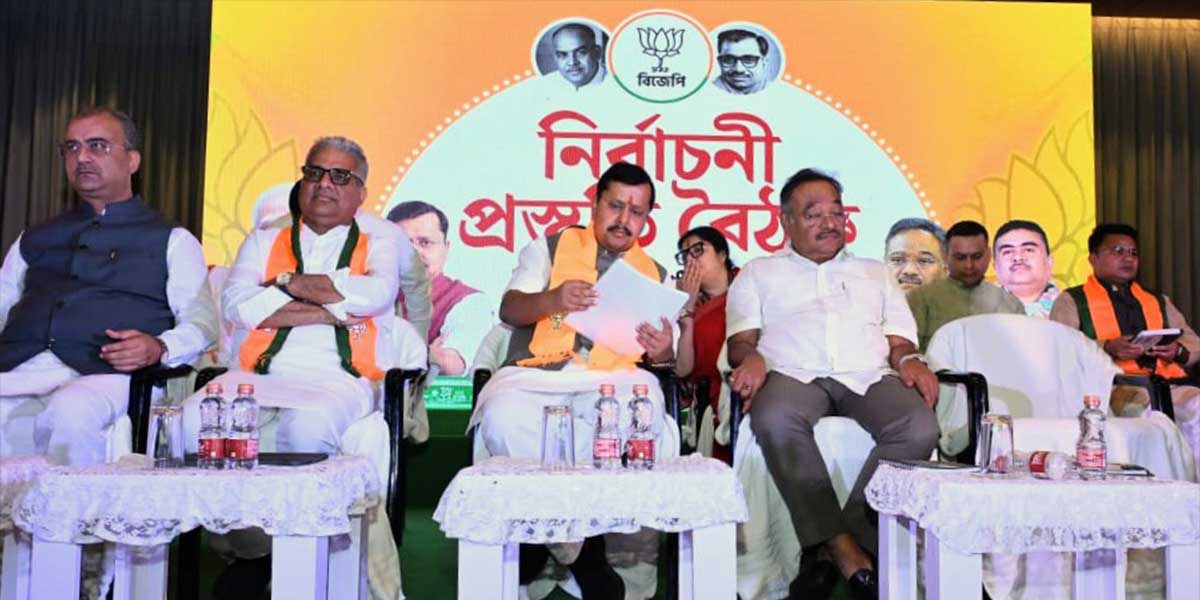
In a strategic shift ahead of the upcoming Assembly elections in West Bengal, the BJP has decided to release a comprehensive “chargesheet” alleging decline in various sectors in the state during the 15-year rule of Chief minister Mamata Banerjee. Party sources said that before unveiling its election manifesto, this document will be released on March 28 by Union Home Minister Amit Shah and is expected to outline a series of allegations against the state government in 14 key areas. The chargesheet will not only target Mamata but will also hold her nephew and second-in-command of the party, Abhishek Banerjee accountable. The move signals a recalibration of the BJP’s campaign approach, placing emphasis on alleged governance failures before presenting its Bengal Manifesto in early April. The broader outline of these allegations includes corruption and scandals such as the ration scam, irregularities in School Service Commission recruitment leading to 26,000 job losses, misappropriation in the mid-day meal scheme and also cattle smuggling syndicate. Besides these, the BJP has also levelled allegations on administrative breakdown and political mis-governance, Incidentally, the TMC has already published its manifesto charting out “Didi’s Dash Protigya” (Didi’s 10 Promise). Following the chargesheet, the BJP’s manifesto is likely to outline a range of promises, including increased funding for existing welfare schemes such as Lakshmir Bhandar and Yuva Sathi, development of Singur as an industrial hub, and improved road connectivity between North and South Bengal. Besides, the central leadership is also expected to include the promise to implement the 7th Pay Commission within 45 days of coming to power and payment of pending Dearness Allowance dues.
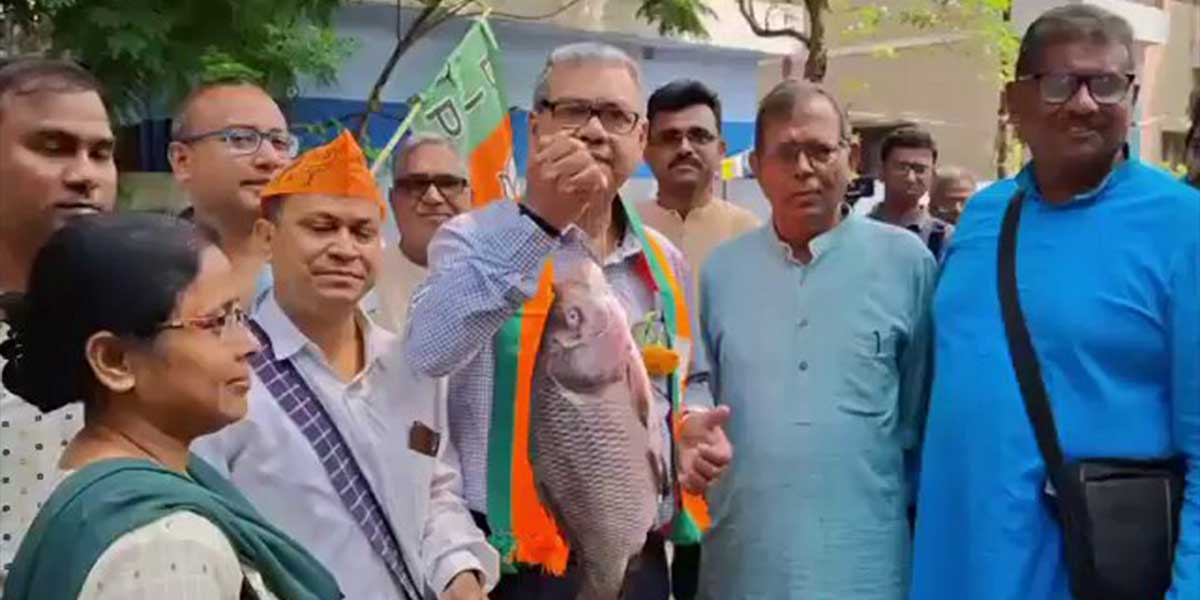
Food culture has emerged as a parallel campaign theme in the current West Bengal assembly election. The phrase “Mache Bhaate Bangali”, signifying the deep-rooted connection between Bengalis and fish-rice cuisine, has gained prominence in the political discourse. Chief Minister Mamata Banerjee had earlier foregrounded “Bengali asmita” in her campaign. Food habits are now being projected as an extension of that identity. The ruling Trinamool Congress (TMC) has sought to frame dietary practices as part of the state’s cultural fabric, raising concerns that these may come under threat with the BJP’s possible rise in influence. TMC leaders have repeatedly portrayed the BJP as an “outsider” force and flagged issues around “vegetarianism” and restrictions on meat consumption in BJP-ruled states. They have suggested that similar policies could affect Bengal’s established culinary traditions. Mamata Banerjee has alleged “food control politics”, warning that dietary freedoms, including the consumption of fish and meat, may be at risk. The BJP in West Bengal has responded by rejecting allegations of imposing dietary restrictions. State BJP president Samik Bhattacharya said fish and meat would remain part of daily life, while indicating that certain regulatory positions on beef would continue. BJP candidates have also sought to emphasise their connection with local food culture. Campaign activities have included public displays of consuming fish and carrying staple varieties such as katla and rohu during outreach programmes. Leaders including Swapan Dasgupta and Rudranil Ghosh have highlighted their preference for traditional Bengali meals. Bidhannagar candidate Sharadwat Mukhopadhyay drew attention by carrying a raw katla fish during campaigning. With campaigning intensifying, the TMC is expected to sharpen its “outsider versus insider” narrative, focusing on cultural identity. The BJP, meanwhile, is attempting to recalibrate its messaging to counter perceptions of cultural disconnect...
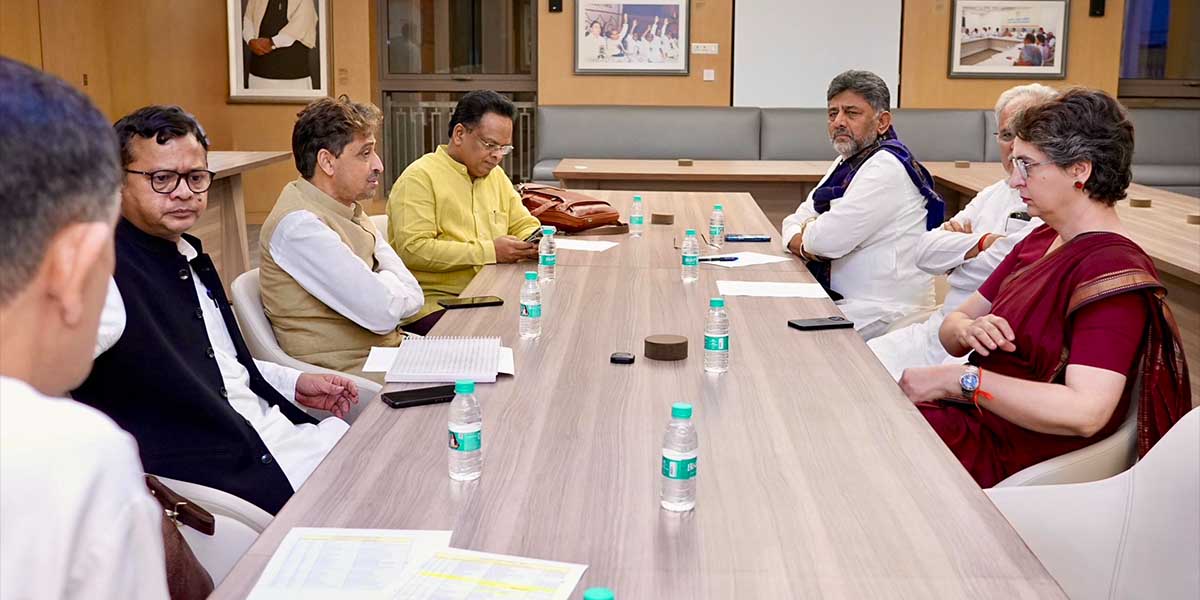
After the Congress roped in Karnataka deputy chief minister DK Shivakumar (DKS) as a central observer for Assam polls, the BJP initially felt the compulsion to rush in Tejasvi Surya, the young MP from Bangalore South to counter the narratives for the ruling party in Assam. However, DKS who initially felt there was “a strong wind in favour of a change,” in the North Eastern State, going to polls on April 9, changed his opinion after a first-hand assessment. One visit to Guwahati made the senior Karnataka leader change his mind. He felt there was no need to spend precious “resources” on campaigns and candidates. He shared his views with top party bosses including Priyanka Gandhi who is handling the poll-bound state. With steady erosion of Congress leaders who were seen making a beeline to join the BJP, DKS found the Congress organisation itself in a precarious position. Exit of a Lok Sabha MP Pradyut Bordoloi just ahead of elections to 126 assembly seats was a clear indication that the rot had set in. The BJP has set the target to form the government for the third term with CM Himanta Sarma at the helm. By making DKS an important part of the Congress battle in Assam, the party had sought to highlight the commitment of a Congressman. Despite differences with Karnataka CM Siddaramaiah, DKS had not betrayed Congress. The Congress wanted to contrast DKS’s commitment to Congress with Himanta Sharma who had quit the Congress to join the BJP in 2015 and became Assam CM in 2021. It also wanted to highlight the success story of Karnataka under Congress. However, with non-fulfilment of guarantees in Karnataka, the Congress will find it difficult to hard sell the Karnataka model in Assam. With or without DKS.
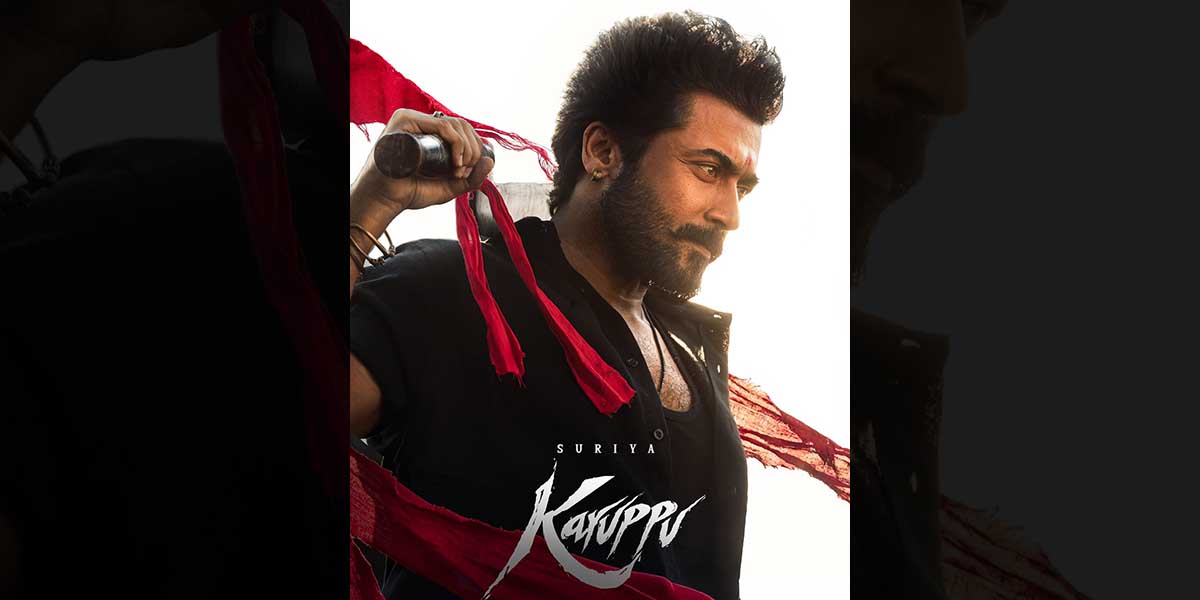
Tamil film’s popular hero Suriya is like a wounded lion, licking his film flop wounds in Mumbai …his mood, understandably Black. Between 2011 and now, except Jai Bhim and Surarai Pottru, he has given more flops than hits —Kaappan, Etharkkum Thunindhavan and of course Kanguva. But Suriya is not one to wilt on the ropes and whither. Why was Saturn’s ruin/reward big but no one said Saturn is malefic for Suriya? So, when the talented director R J Balaji read the script, originally intended for Vijay, Suriya jumped at this chance …Dream Warrior Pictures and producer S R Prabhu came in at the right time and Karuppu took off. The team worked the project as a fail-safe alchemy, pulling every trick in the bag to ensure Suriya fans troop into cinemas on May 14 to cheer their hero? Suriya is quietly confident about Karuppu (he plays a lawyer). The very first song, music by Sai Abhyankar, was well received. But it is said that Song # 2, a lively rocking foot tapper is sure to be a rage. It has Suriya’s trademark debonair moves but it is the singer S T Silambarasan (Simbu) in his new role as a singer, who is all set to electrify the audience. Director RJ Balaji, a radio jockey, is also acting in the film as the Devil’s Advocate. Trisha is the female lead, an actor with more than just good looks…a powerhouse of talent.
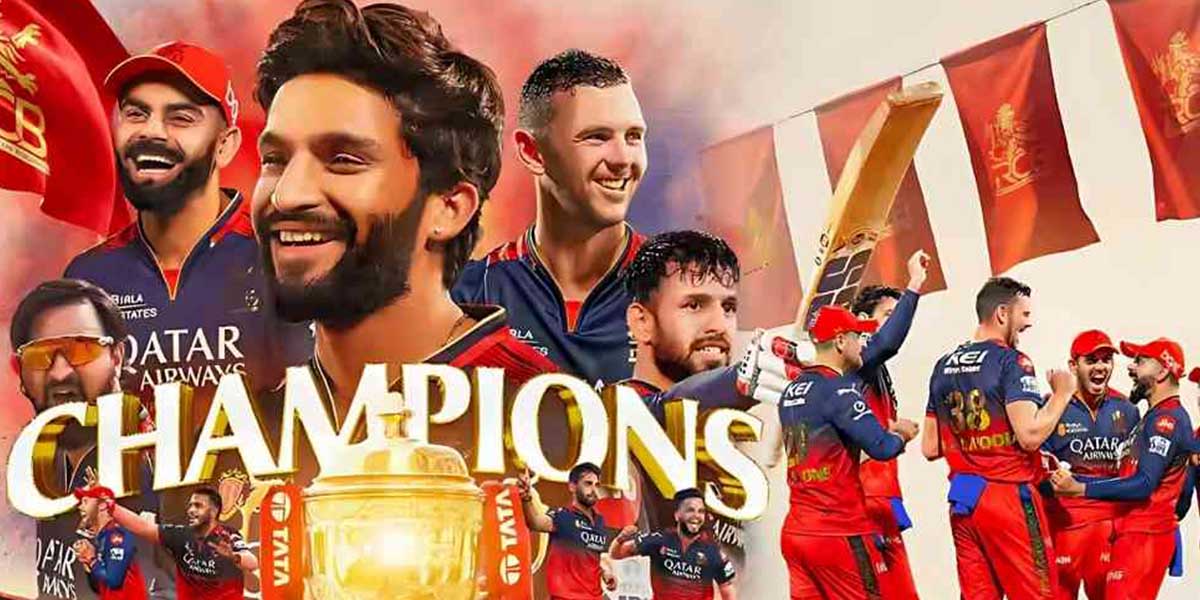
IPL teams are in demand like never before. In the space of a few hours, two teams were sold for a combined value of Rs 32,000 crore, which is phenomenal indicating how valued the Indian cricket watching public are and for whose eyeballs such princely sums are being paid. If the IPL is such good business bringing in the big bucks for team owners, why are so many teams lining up to be sold. Maybe, they are just smart owners cashing in on the big valuation game that the original owners may have played in picking up teams cheaply as they did in 2008. Just imagine RCB was bought by Vijay Mallya for what seemed an expensive Rs 320 crore bid and is now going for a price 500 times more. Rajasthan Royals have also been on the block for some time now after various original owners came under a cloud. The biggest loser in this business of cricketainment may have been Deccan Chargers whose team was taken away incorrectly and whose owners were awarded Rs 8,000 crore in arbitration. But try collecting from the BCCI and you will come up against a wall, much as teams like the Kochi Tuskers did despite arbitration awards. The smartest ones were the United Spirits (Diageo) which inherited the team from Mallya and are cashing in now.
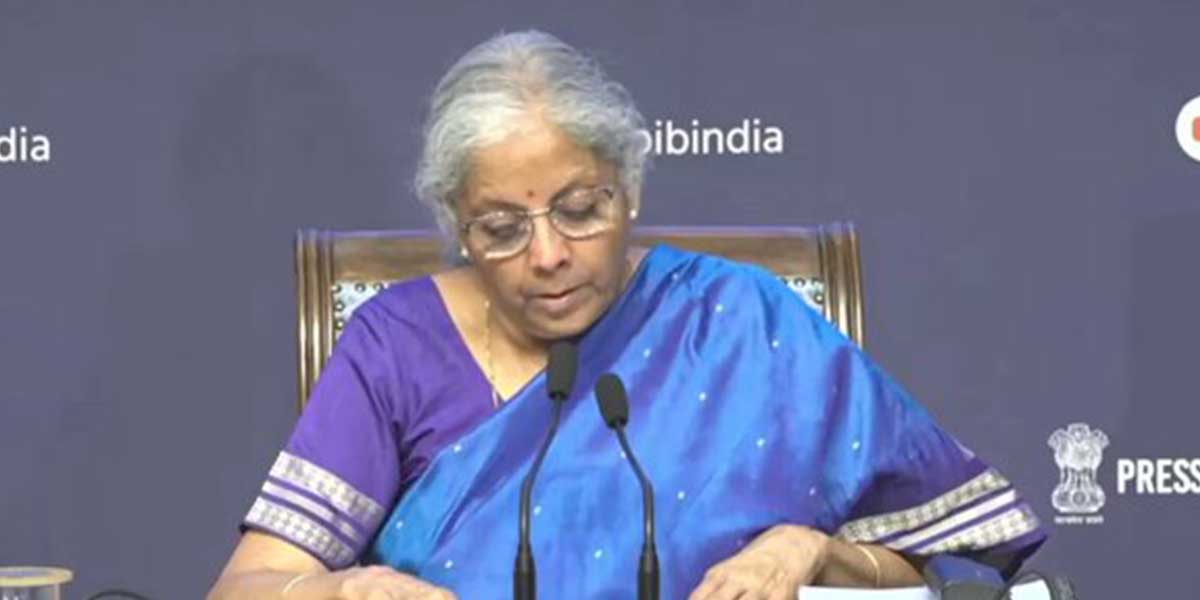
At the GST Council Meeting, finance minister Nirmala Sitharaman bust the myth that the Centre would continue to prop up states for revenue loss while rolling out GST reforms. The minister who had at the start of her media briefing thanked every member state for making it possible to roll out the two slab GST — 5 % and 18 % — made it clear that as far as “loss of revenue” was concerned it wouldn’t be just the states that would lose revenue, even the Centre would see a drop in earnings. “The Centre may be a one-third partner. The states put together can be two-thirds partners. But we are all in it together. So, anything that is gained or lost is for everybody. It’s not as if states have lost. If all of us have lost, all of us have lost…In the GST Council, the Centre and the states are together in it. Nobody is a donor and nobody is a done…” The new GST slab would be effective from September 22, the first day of Navratri. Sin goods will continue at the existing rates of 28% GST and compensation cess, where applicable, till the loan and interest payment obligations under the compensation cess account are completely discharged. Once it is cleared it will be40% GST for sin goods. All states unanimously voted in favour of GST rationalisation, as the collective intent was to provide relief to common man. When mocked about the 40% tax on sin goods by the Congress, Sitharaman couldn’t help asking if the Congress was demanding 5% GST on tobacco and gutkha? She pointed out how the Congress could not implement GST while in office as it was not trusted by anyone.
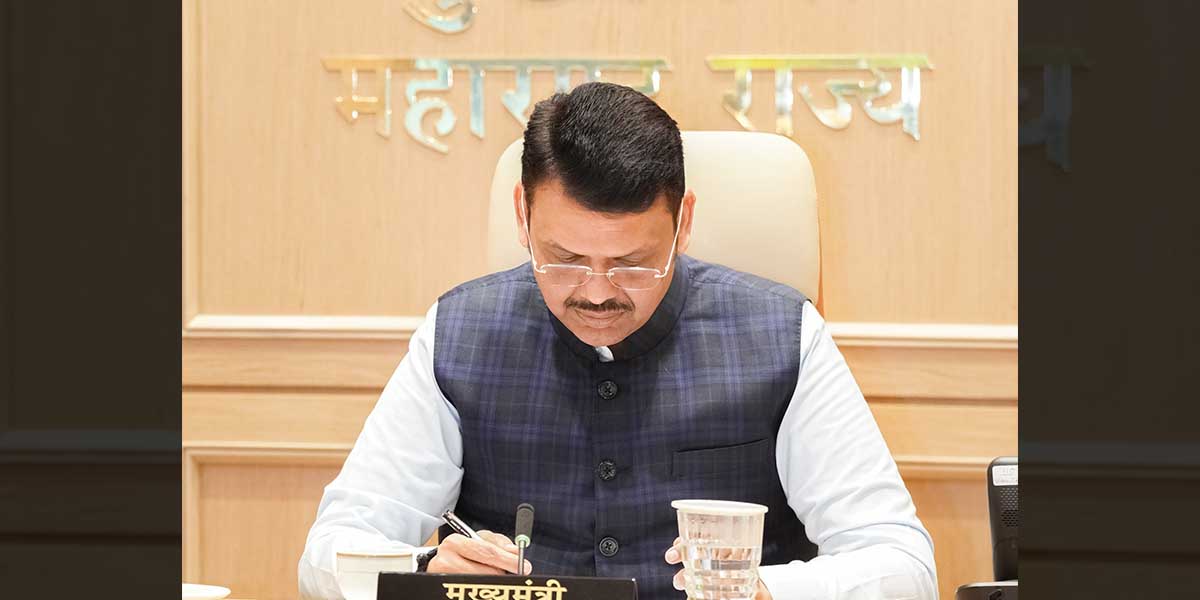
Maharashtra chief minister Devendra Fadnavis has emerged unscathed and stronger post the Maratha agitation that disrupted Mumbai and challenged his leadership. The Maratha stir for reservations was seen as an attempt to embarrass Fadnavis’ government and it did falter badly initially attracting even the ire of the Mumbai High Court. The Maratha stir did test the Mahayuti government’s resilience, its stability and coalition strength as fears arose about the stir being pitchforked to destabilise Fadnavis government on the verge of upcoming local self-government polls. The chief minister seemed to lack vocal support from his own coalition partners who clearly chose to weigh in with the politically influential Maratha lobby. The Opposition too was unsparing with its jibes. Supriya Sule of the NCP-SP chided him for having broken her party and her family, while Sharad Pawar kept pushing the ball to the Centre recommending amendments. But, Fadnavis managed to end the stir, bring Mumbai back to normalcy and save his own leadership by giving away very little; the demanded government resolution may not withstand legal scrutiny, suggest legal hawks. Fadnavis may have faltered in handling the stir but he did manage to end it well on his own terms. He refused to meet the agitators and went about attending to Amit Shah on his two-day visit, attending to his duties and even visiting Ganesh pandals in Mumbai during the stir. Fadnavis managed to take the credit for facilitating reservations for the Marathas while his Maratha deputies were relegated to the sidelines. While giving up his fast, Manoj Jarange Patil meekly did mention his wish to withdraw stir in front of the CM and two deputy CMs. He gave in after realizing the government was in no further mood to entertain him.