 All
All Politics
 Business
 Entertainment
 Sports
 Celebrities

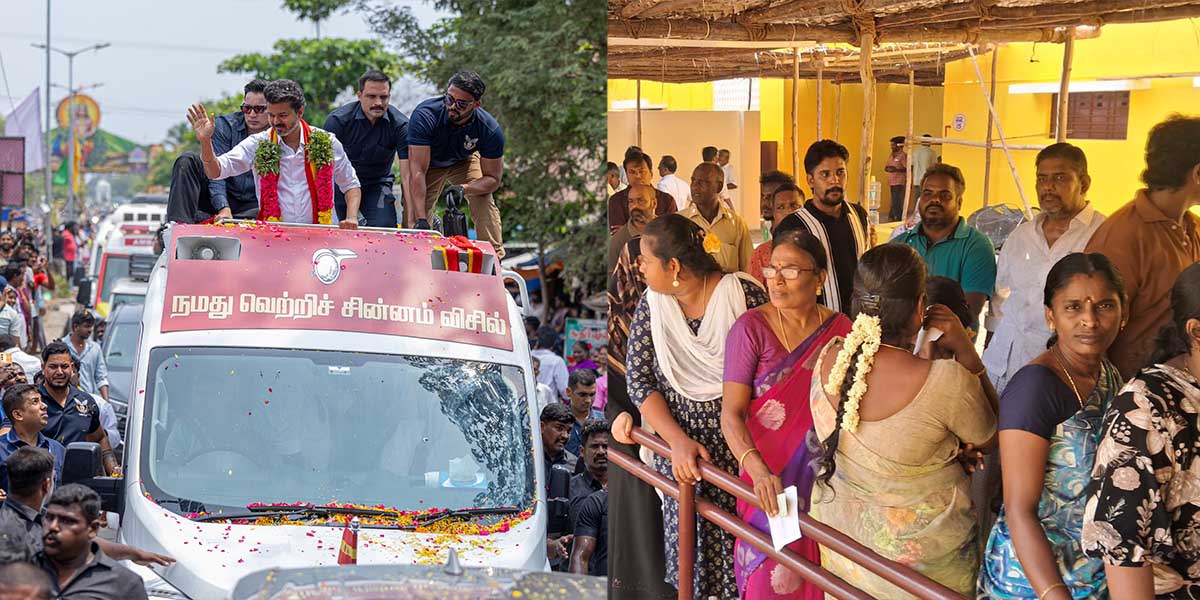
The Election Commission has been quite satisfied with the kind of record polling for the General elections for the Legislative Assemblies (GELA) for Assam, Kerala and Puducherry. There was much cheer particularly for the kind of polling that was witnessed in the Union Territory of Puducherry and Kerala where Special Intensive Revision (SIR) of voter list was carried out. Assam was excluded from SIR ahead of April 9 polls as an NRC exercise in the state is yet to conclude. Nevertheless, Assam and Puducherry surpassed their highest-ever poll-participation by recording 85.38% and 89.83% respectively. Previously, the highest poll-participation in Assam and Puducherry was 84.67% (2016 GELA) and 86.19% (2011 GELA) . Political analysts concede that it is only natural that SIR — deletion of dead voters or bogus voters — was bound to bump up voter turnout. Inclusion of genuine voters is also known to have a positive impact on poll outcome. However, in Puducherry it is just not SIR that boosted voting. Entry of superstar Vijay or the TVK factor is being viewed as an incentive for voting. Though not allowed to campaign in Tamil Nadu by the DMK state machinery, it is being said Vijay still remains popular among women and youth. DMK is so rattled by Vijay’s appeal among women that it had not only been sabotaging his rallies in the state but also sent out its women workers to do door-to-door campaigns in Tamil Nadu against Vijay. The EC took firm action against the excesses of DGP and other senior police officials in TN by transferring them as it did in West Bengal after receiving complaints both from the AIADMK and the TVK.
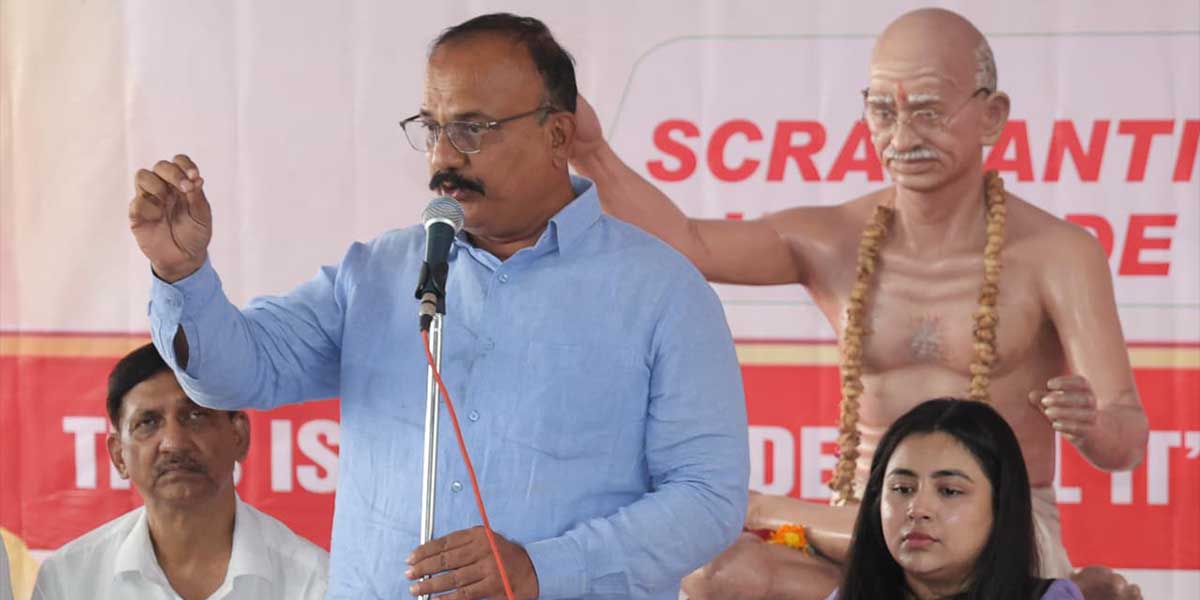
The Congress party in Maharashtra is mocked for its ‘historic’ decision not to contest the Baramati assembly by-election for which deputy chief minister Sunetra Pawar is the formidable candidate. State Congress president Harshwardhan Sapkal’s verbose justification for keeping away from the fray has generated more ridicule than praise. The prominent constituency in Pune district has unfailingly elected only a Pawar family member since 1967 and no exception is likely to take place this time, too. Sharad Pawar’s parliamentary career began from Baramati. Finally, the Congress asked its candidate Akash More to withdraw from the contest, which has left 23 hopefuls in the arena, which will elect Sunetra with a thumping majority on 4 May. Even though this was crystal clear from the beginning, Sapkal decided to go ahead with announcements that the field will not be left open for the NCP (Ajit) to walk away with victory without a fight. He was expecting support from within the party but none stood for him. His selection of Akash More also smacked of the caste factor. More belongs to the Dhangar (shepherd) community, which has a sizable population in the constituency. More’s father Vijay was a sworn opponent of veteran Sharad Pawar but failed to make any difference in Baramati. Moreover, when Pawar himself declared support for Sunetra, the fate was sealed. Even then, Sapkal stuck to his stand, ultimately embarrassing the Congress party.
The BJP has identified 58 Assembly constituencies in West Bengal where it believes a swing of 1.92 lakh votes could change election outcomes. The strategy is based on an internal analysis of vote margins and voter list revisions. According to party sources, the analysis includes constituency-wise data on the vote gap between the TMC and BJP in the 2024 Lok Sabha elections, along with the impact of the SIR on electoral rolls. Professional survey agencies prepared the report. In these 58 constituencies, the total vote margin between TMC and BJP in 2024 was slightly over 3.8 lakh. The BJP estimates that shifting 1.92 lakh votes in its favour could overturn results. This requires an average swing of about 3,310 votes per constituency. Party leaders, however, said it is difficult to ensure that the entire shift comes from TMC voters. After the SIR process, about 91 lakh names were removed from the voter list. With an average turnout of 80%, analysts estimate that around 73 lakh votes may not be cast. The BJP assessment indicates that a larger share of this reduction could affect TMC’s vote base. The identified constituencies are mainly in Malda, Murshidabad, Howrah, Hooghly, North 24 Parganas, South 24 Parganas and Kolkata. These areas were strongholds of TMC in previous elections. The report also notes that TMC has large vote margins in 114 constituencies, mostly minority-dominated, which increase vote share but do not add seats. The BJP has 35 such constituencies. In 2024, the “ineffective margin” was about 55.8 lakh votes for TMC and 11.9 lakh for BJP. A similar pattern existed in the 2021 Assembly elections.
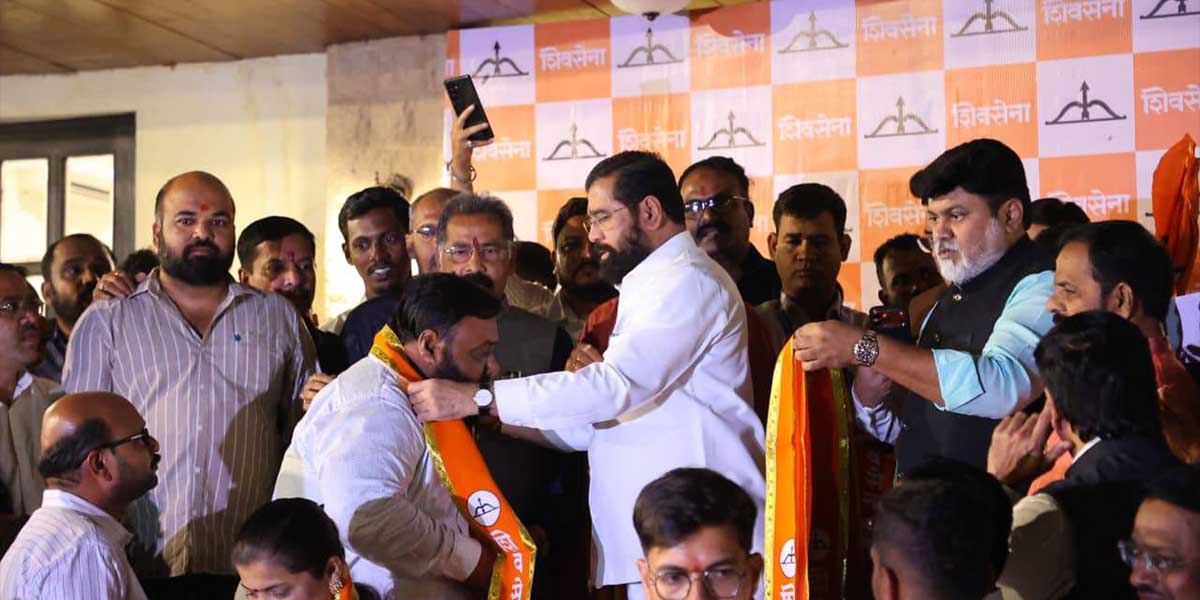
Political scene in Maharashtra is witnessing another turmoil following news channel reports that eight of the nine Lok Sabha members of the Shiv Sena (UBT) attended a secret meeting with the Shiv Sena led by deputy chief minister Eknath Shinde. Both sides have discounted the news promptly though the pall of suspicion refuses to disappear. The only Sena (UBT) Lok Sabha member not mentioned in the news is Uddhav Thackeray’s confidant Anil Desai. Shinde himself and his son Dr Shrikant, MP, also has described the reports as a figment of the imagination. However, such news items have been circulating ever since the BJP won the state assembly election with a landslide majority. There also have been murmurs that a large number of Sena (UBT) functionaries are eager to return to the Hindutva fold from which the party has distanced itself. Only a few days ago, a couple of Sena (UBT) MPs were roasted since they attended a celebration at the residence of former Union minister of state and Sena (Shinde) MP Pratap Jadhav in New Delhi. Soon afterwards, Uddhav held a meeting at Matoshree to sense the mood within the party. Even before the aftermath of this event has subsided, the latest reports have renewed speculation about the Sena (UBT) moving towards the ruling party. The Thane meeting was said to have occurred at the residence of Dr Shrikant Shinde. According to latest whispers, some major development can happen after results of the five state assembly elections are out in early May.
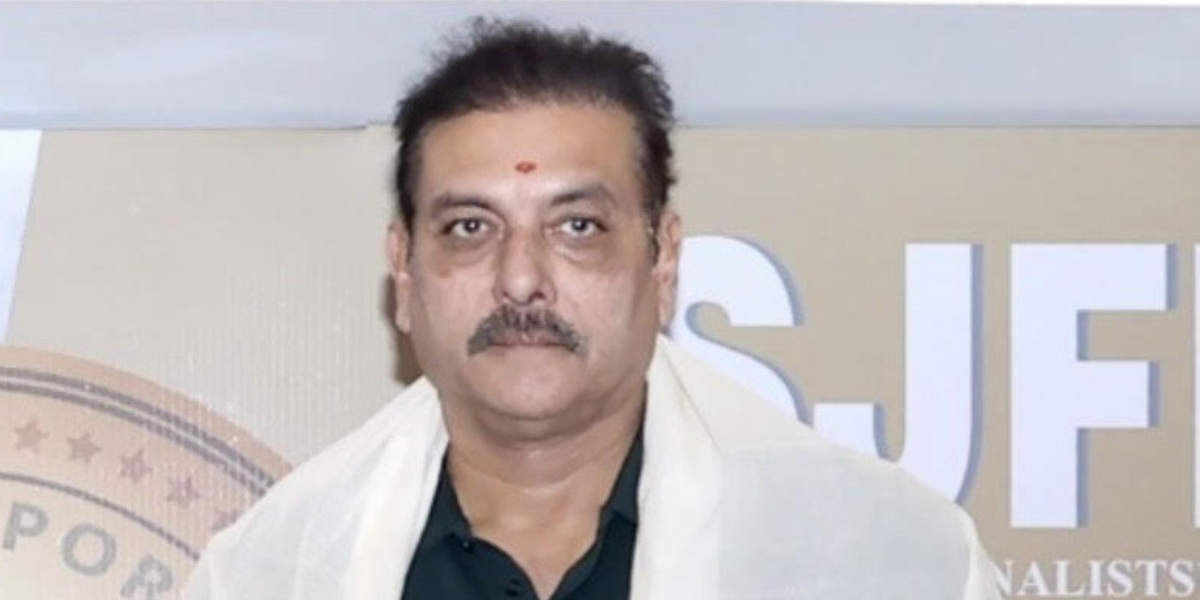
Ravi Shastri has got his due from the Mumbai Cricket Association. A stand — fittingly below the Press Box at the Wankhede Stadium — has been dedicated to him. The terrific allrounder who did many wonderful things on the field with the bat and ball in India and overseas, and sported the MCA crest with pride, ought to have been bestowed the honour many years ago. A backbone of the MCA team for one and a half decades, the beanpole tall allrounder finished off his Ranji Trophy career as a victorious captain against Bengal in the 1993-94 final at the Big W, where he had clouted Baroda left arm spinner Tilak Raj for six 6s in over — all shot by Free Press Journal’s Thomas Rocha and run by The Hindu. The winner of the Prudential World Cup winner at the Lord’s in 1983 and the Champion of Champions and Audi winner in the B & H World Championship of Cricket at the MCG Bowl in March 1985, he carved a niche for himself as a genuine allrounder in Tests (80 Tests, 3830 runs, 11 x 100s with a 206 against Australia as the highest at Sydney in 1992 and 151 wickets) and ODIS (128 matches, 3108 runs and 129 wickets). For Bombay (Mumbai) he played in 41 FC matches and (2571 runs at 54 + and 130 wickets). He has worn virtually every hat since bidding adieu to the game and excelled with his “tracer bullet” commentary for over three decades, spent valuable time in the Indian dressing room (as mentor/head coach). He ticks many cricketing boxes, including his undertaking for the MCA which felt it was the right time to name a stand at the North side for his four and a half decades of meaningful contribution to cricket!
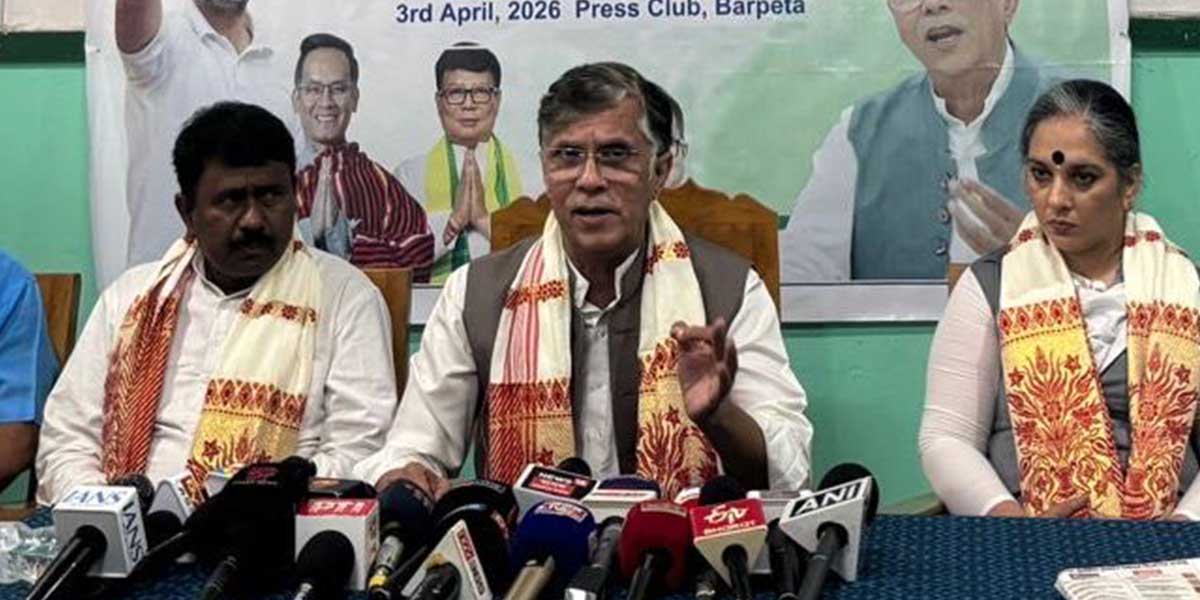
Assam Police conducted searches at Congress leader Pawan Khera’s residence in Delhi on April 7, a day after a FIR was filed against him by Assam CM Himanta Biswa Sarma’s wife Riniki Bhuyan over allegations of passport fraud he levelled against her. Searches were carried with aid of Delhi Police. It is being said Khera had left for Hyderabad a day earlier—that is as soon as he learnt that a FIR had been filed against him in Guwahati. The search yielded some “Incriminating material” said the Assam Police. All this led Assam CM to claim that Khera had “run away to Hyderabad”, while Congress hit back saying the searches prove that the CM was “facing imminent defeat” in the upcoming assembly polls on April 9. Congress sources said even though Telangana CM Revanth Reddy was in Kerala for election work, Khera had a home in Hyderabad and enough clout to secure legal cover for himself. Privately, however, many Congress leaders were not comfortable with the idea of raking up a controversy over Sarma’s wife’s passport. The Congress had held two press conferences in Delhi and Guwahati on April 5 where the party’s media department head, Pawan Khera, and Assam unit chief, Gaurav Gogoi, alleged that Sarma’s wife had passports of the UAE, Egypt, and Antigua and Barbuda. They alleged she owns properties in Dubai (UAE) and has a company in Wyoming (U.S.). They accused Riniki Bhuyan of having business interests worth Rs 52,000 crore in the U.S. Sarma accused the Congress of using documents from a social media group linked to Pakistan to forge alleged passports of three countries belonging to his wife. As for Congress president Mallikarjun Kharge, he wanted a clarification from EAM S Jaishankar on multiple passports of Bhuyan.
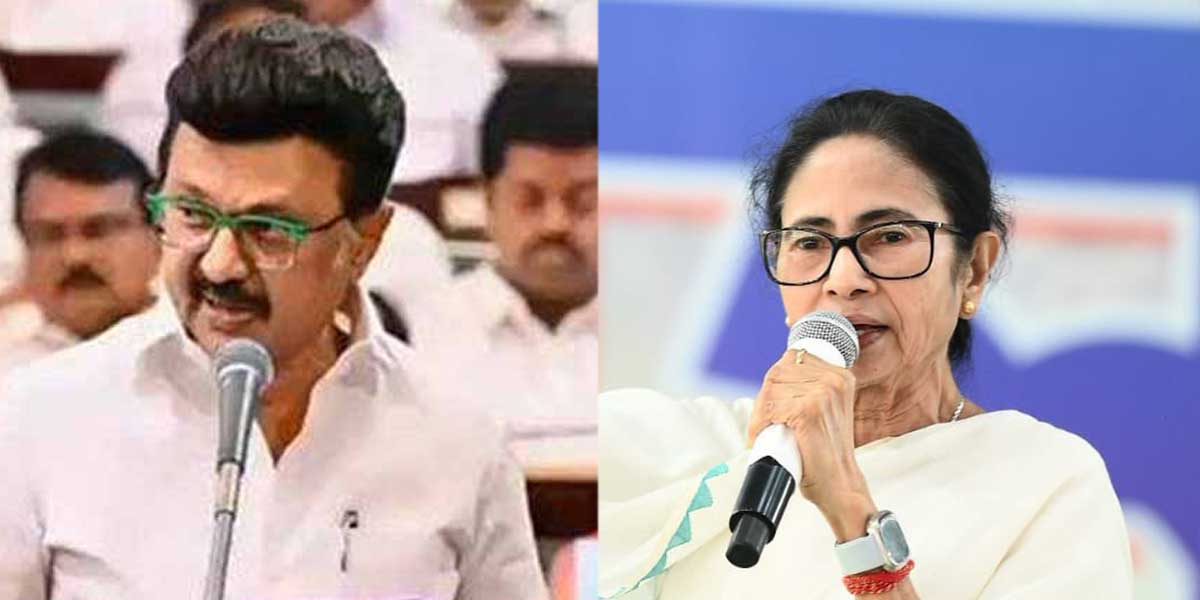
In an interesting move TMC supremo Mamata Banerjee charged DMK chief M K Stalin of having tacit understanding with the BJP. This is outrageous, considering the DMK is part of the anti-BJP INDIA bloc that Mamata associates with according to her convenience. The West Bengal CM has been an all-weather friend of the BJP when it suits her. Like she was part of the Vajpayee government. Maybe just as the DMK too was. However, Mamata felt quite comfortable taking a swipe at Stalin at a public rally in her state this week. The moot point is why did Didi suddenly find Stalin to be BJP friendly? While four states and a Union Territory headed to the hustings in the next few weeks, Mamata feels the Election Commission which she terms as “BJP stooge”, had only targeted bureaucrats close to her for punitive action. The EC had sent many of Bengal’s IAS and IPS officers to TN. She found that several officers including those instrumental in local law enforcement and development initiatives, had been sent to TN as observers. She alleged that out of 510 officers removed as observers across five poll-bound territories, a staggering 500 (approximately) were drafted from Bengal alone. “What are you thinking? Outsiders from Madhya Pradesh and Uttar Pradesh will come and (conduct the) vote?” she asked. Meanwhile, as the DMK-led Secular Progressive Alliance and the AIADMK-led NDA battle it out in TN, DMK surprised political watchers by the way it handled the SIR exercise in the state. It did not make a song and dance of SIR, the DMK simply took it in its stride. This may have led an old ally like the TMC to suspect it of being a friend of the BJP!
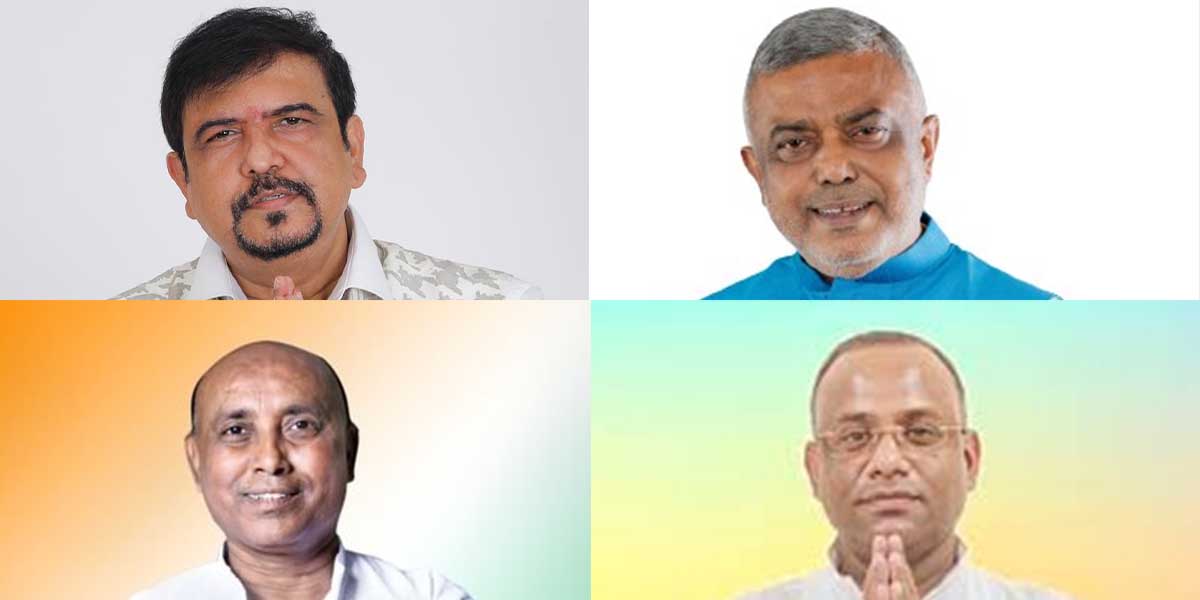
With polling date fast approaching for the West Bengal Assembly elections, the central investigative agencies have got into their act, summoning candidates from the ruling Trinamool Congress (TMC). Polling for all 294 seats is scheduled in two phases on April 23 and 29. Both the Enforcement Directorate (ED) and the National Investigation Agency (NIA) have intensified probes in respect of four TMC candidates in cases linked to alleged recruitment scams, land-grabbing and a blast investigation. Among those summoned are: Sujit Bose, state’s Fire Minister, contesting from Bidhannaga. He has been asked to appear before the ED on April 6 in connection with alleged irregularities in municipal recruitments. Bose won the Bidhannagar seat in 2021 by around 8,000 votes. The case relates to alleged multi-crore irregularities across 123 municipalities and seven municipal corporations, including South Dum Dum, Kamarhati, Panihati, North Dum Dum and Baranagar, based on a CBI FIR alleging illegal recruitments between 2014 and 2018 in exchange for money. In a separate case, Debasish Kumar, TMC candidate from Rashbehari and a member of the Kolkata Municipal Corporation’s Mayor-in-Council, has been summoned three times within 15 days by the ED in an alleged land-grabbing case. He was questioned for several hours on March 30 and April 3. Senior TMC leader Rathin Ghosh, contesting from Madhyamgram, was summoned on April 9 in connection with 1,500 alleged illegal municipal recruitments during 2014–2018. Manab Kumar Parua, candidate from Bhagabanpur, appeared before the NIA in the 2022 Bhupatinagar blast case. TMC spokesperson Arup Chakraborty accused the BJP of using central agencies to target candidates. He claimed leaders like Tapas Roy, Suvendu Adhikari who joined the BJP are not being investigated.
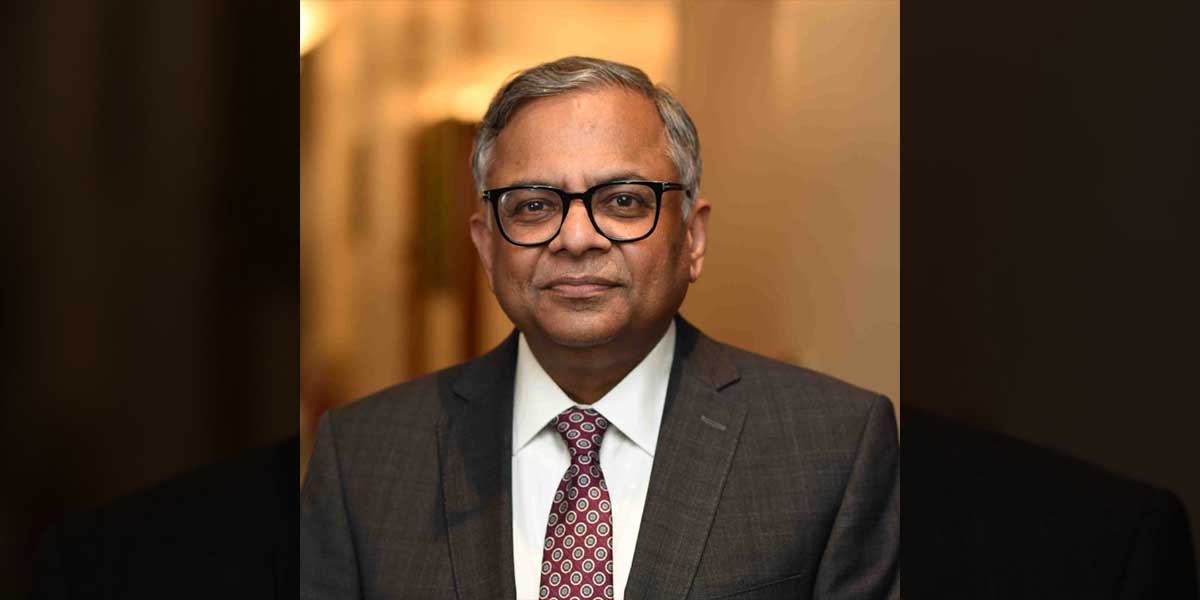
It appears that 68-year-old Noel Tata is slowly but steadily consolidating his position within the Tata Group. When Ratan Tata was at the helm, Noel maintained a low profile, focusing on companies entrusted to him, such as Trent Limited. However, following Ratan Tata’s passing, he seems to have moved to centre stage. Many within the group welcome his increased involvement, noting his ability to navigate complex institutional dynamics. Some time ago, he, along with other trustees, blocked the reappointment of Mehli Mistry—a close confidant of Ratan Tata—to the boards of the Sir Dorabji Tata Trust and the Sir Ratan Tata Trust, the principal trusts that together hold over 51% in Tata Sons. At the Tata Sons board meeting held on February 24, 2026, in his capacity as chairman of Tata Trusts, Noel Tata raised concerns about several group businesses, including aviation, automobiles, and digital services. In this context, Chairman of Tata Sons N Chandrasekaran recommended that a decision on his extension be deferred to the next board meeting. A couple of days later, Noel Tata is believed to have proposed a shorter, two-year extension for Chandrasekaran beyond 2027, instead of the five-year term until 2032 that had earlier been approved by the board. My assessment is that Chandrasekaran may not be keen to continue beyond 2027, when he turns 65. Having had a dream run so far, now he may not be interested in talking about project milestones, justifying capex etc. Then who will take over as chairman of Tata Sons? It is unlikely to be Noel Tata, who will be nearing 70. Could it be another member of the Tata family? One possibility is Noel’s son, Neville, who would be around 34 years old in 2027. He was appointed as a Trustee of the Sir Dorabji Tata Trust in November 2025. He is the youngest trustee. He is also associated with Trent. Here, it is worth recalling that J R D Tata was also 34 when he assumed leadership of the group.
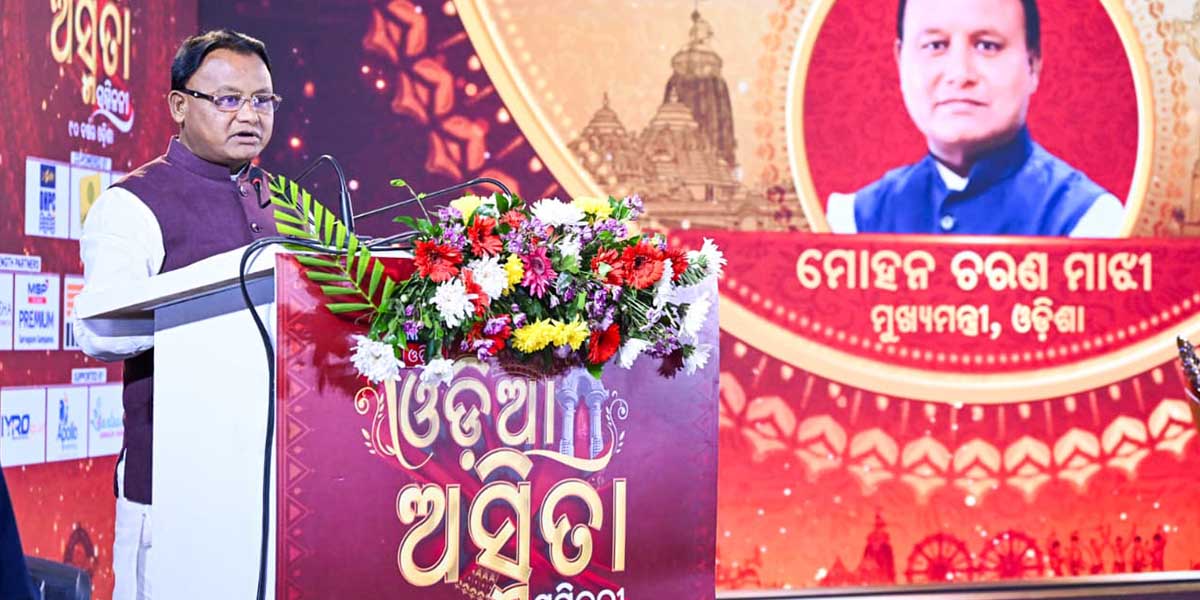
In May 2024 when Mohan Charan Majhi government came to power he had set an ambitious target of creating over 3.5 lakh new jobs in the state by 2029. Political commentator Ruben Banerjee says going by the current rate of hiring it will take the state government 140 years to achieve that number. According to him, against the promise of providing 65 000 employment in the first two years 2024-26, the Majhi government provided employment to only 39,505 people. However, clued-in political commentators say job creation should not be an issue since Majhi’s Odisha seems quite set to acquire India’s top 5 industrial state status diversifying beyond metal by 2029. Odisha government is now targeting Rs 5 lakh crore commissioned industrial investments by 2029 from eminent industrial houses like Vedanta, JSW Group, Adani Group, and Tata Steel, IndianOil Corporation, ACME Group, SRF and Bharat Forge thus making a transition from a largely mineral-based economy to a diversified manufacturing powerhouse.

At a time when the I.N.D.I.A front is slowly progressing towards its goal of an united Opposition, Bengal CPI(M) unit finds it extremely difficult to contain the cadres and their questions about the party’s stand. Recently, the Bengal unit undertook workshops across the districts to work towards anti-BJP campaigns in coming months. However, the district leadership faced a volley of questions mostly pertaining to party’s secretary Sitaram Yechury’s stage sharing with arch rival — Trinamool Congress supremo Mamata Banerjee. Sources at CPI(M) said that the cadres have not only expressed their discontent over the association with TMC but raised several questions. A section of cadres have questioned whether the party will be allying with TMC in the 2024 Lok Sabha election on the basis of the formula that everyone should support the party in their pockets of influence. If not then what would be the campaign process? Some have even questioned if Congress High Command asks the Pradesh Congress to ally with the TMC, will Bengal CPI(M) continue to hold hands with Congress or go alone. It is becoming increasingly difficult to defend the ant-TMC stand within CPI(M). The most significant question of the cadres was whether the party would support the government formed by the I.N.D.I.A. which will have Didi as one of the key players.
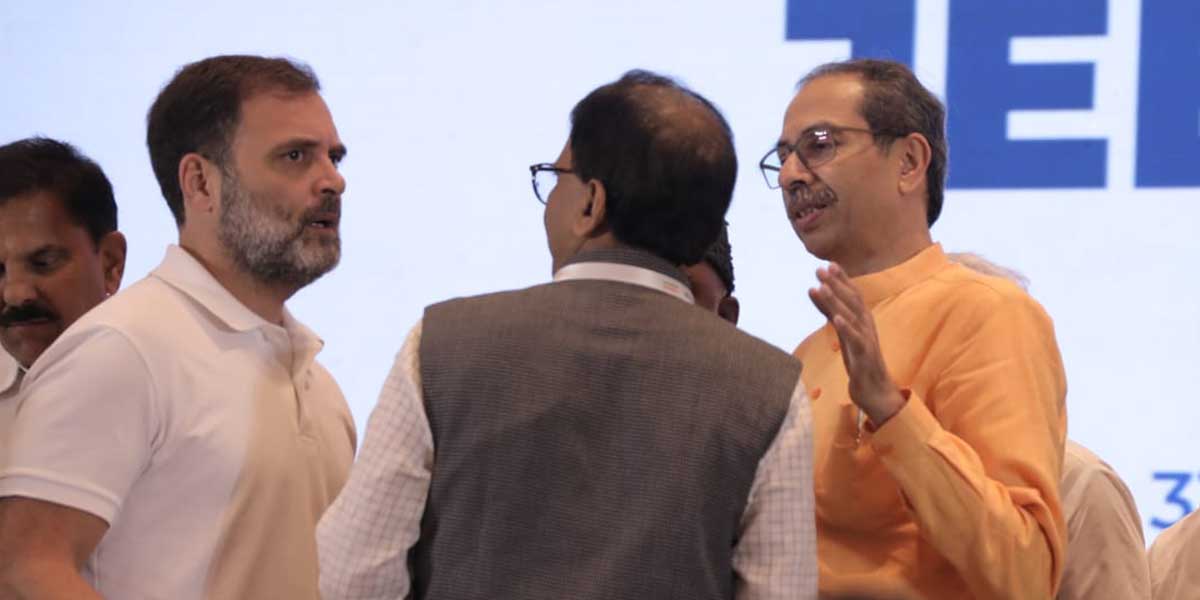
The role of the Indian National Congress leadership in taking a backseat in the I.N.D.I.A coalition has emerged as one of the key factors that has kept the front together. Had the Congress taken up leadership positions, it would have put off some anti-Congress parties that are part of the coalition,” according to a political analyst. Also, being the dominant partner, the I.N.D.I.A coalition would have earned the tag of a Congress-led initiative, another deterrent factor. Analysts believe that this playing down strategy reflects political maturity on the part of the grand old party. “They are aware of the fact that there are a few parties within the I.N.D.I.A coalition that have won elections on an anti-Congress plank and these parties need to be reassured about their place,” felt Bhalchandra Kango, member of the national secretariat of the Communist Party of India. If Nitish Kumar had got the parties together in the I.N.D.I.A coalition, we must work to keep all the parties together, Rahul Gandhi is believed to have stated in one of the internal meetings. With this, the forthcoming Lok Sabha polls now promises a straight fight between the 28-party India alliance and the 38-parties BJP-led National Democratic Alliance.

The 28-party I.N.D.I.A front has decided to side step the contentious issue of finalising the prime ministerial face to forge ahead in the alliance. The alliance has decided to stay face-less in its fight against prime minister Narendra Modi to diffuse tensions in I.N.D.I.A with multiple claimants throwing hats in the ring. With 11 chief ministers like Nitish Kumar, Mamata Banerjee and Arvind Kejriwal in the fray, the leadership of I.N.D.I.A is a delicate issue that could destabilize the alliance at any point of time. Though the Congress wanted to push Rahul Gandhi for leadership position, it wisely seems to have given up. Though a similar anti-BJP front had emerged in the 2019 Lok Sabha polls, it had failed to work due to lack of unity. Hence, it has been decided to instead let the PM candidate emerge post-election depending on how the parties fare in the Lok Sabha polls. Another contentious issue, that of seat sharing is also likely to be delegated to various state-level committees to diffuse tensions. With parties in West Bengal, Punjab, Delhi and Kerala being at loggerheads in Delhi, the emphasis will be on the ability to win seats to determine seat sharing allocations. Similarly, key responsibilities will be décentralised and delegated to coordination committee and sub-committees rather than a single convenor to avoid focus on a single party or leader.

Nearly after a decade, Trinamool Congress (TMC) supremo and West Bengal Chief Minister Mamata Banerjee is heavily campaigning for the upcoming three-tier Panchayat Poll. Didi last campaigned in 2008, and that too sparingly. This time around Didi addressed a rally at Kakdwip of South 24 Parganas on June 16 during the concluding day of Trinamoole Nabo Jowar programme. It could be well categorised as TMC chairperson kickstarting Panchayat Poll campaign. Mamata has already held rallies in districts of North Bengal, where TMC is struggling to gain a foothold. On July 3, she will be campaigning at Birbhum, one of the strongest TMC-held districts besides the North and South 24 Parganas. Didi is leaving nothing to chance to ensure a win in the maximum number of gram panchayats, panchayat samitis and zilla parishads. Interestingly, Mamata has once again been vocal about corruption within her party and made it clear to her voters not to fall prey to ‘cut money and syndicate raj’. Political observers believe that Didi is aware of the fact that this rural body poll is crucial to cementing TMC’s position as the strongest anti-BJP party. It is learnt that Didi is keen that TMC contest 40 of the 42 Lok Sabha seats in the state. But, the moot point is whether the Opposition Party will agree to her demand when they meet in Shimla some time in July.