 All
All Politics
 Business
 Entertainment
 Sports
 Celebrities

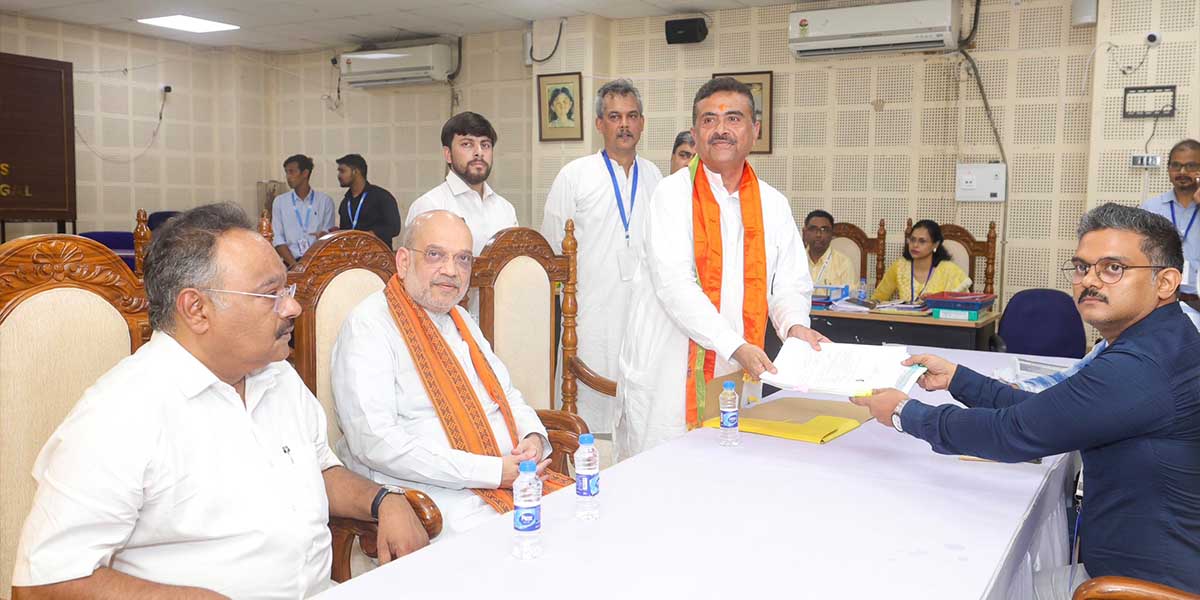
Union Home Minister Amit Shah is so convinced that the BJP is in a position to defeat Mamata Banerjee’s Trinamool Congress (TMC) in Bengal that he wants to concentrate more on the state than in Tamil Nadu. Once elections are over in Assam, Kerala and Puducherry on April 9, Shah will spend more than two weeks in Bengal. PM Modi is likely to address two rallies within a week. The BJP has pressed a battery of leaders into action, hoping to unseat the TMC government. “A number of our senior leaders are camping in the state, and more are set to join once the elections in Assam are over…” says a senior BJP leader. Work is being carried out in silos — at the level of both assembly and Lok Sabha constituencies. The BJP has divided West Bengal into nine zones, each zone is being handled by senior leaders, including ministers such as Dharmendra Pradhan, Nityanand Rai, Gajendra Singh Shekhawat, Sanjay Jaiswal, and Nishikant Dubey. Most of the leaders deployed so far are from Chhattisgarh, Bihar, Jharkhand, Uttar Pradesh, Tripura, among others.”The fact that Amit Shah ji has himself announced that he will campaign and stay in West Bengal for 15 days shows the party’s commitment and seriousness,” a senior leader said. The BJP is also making sure to counter any ‘negative narrative’ by the TMC to ensure such a depiction does not affect its prospects. For instance, soon after Mamata Banerjee claimed that the BJP would ban fish, meat, and even eggs if it came to power, Union Minister Sukanta Majumdar claimed that Bengal’s next CM from the BJP will be a ‘non-vegetarian’ when it comes to food habits. Shah has said, “I have a shortcut for bringing change to the state. Just make Suvendu Adhikari win from Bhabanipur (against Mamata), and the change is bound to happen.”
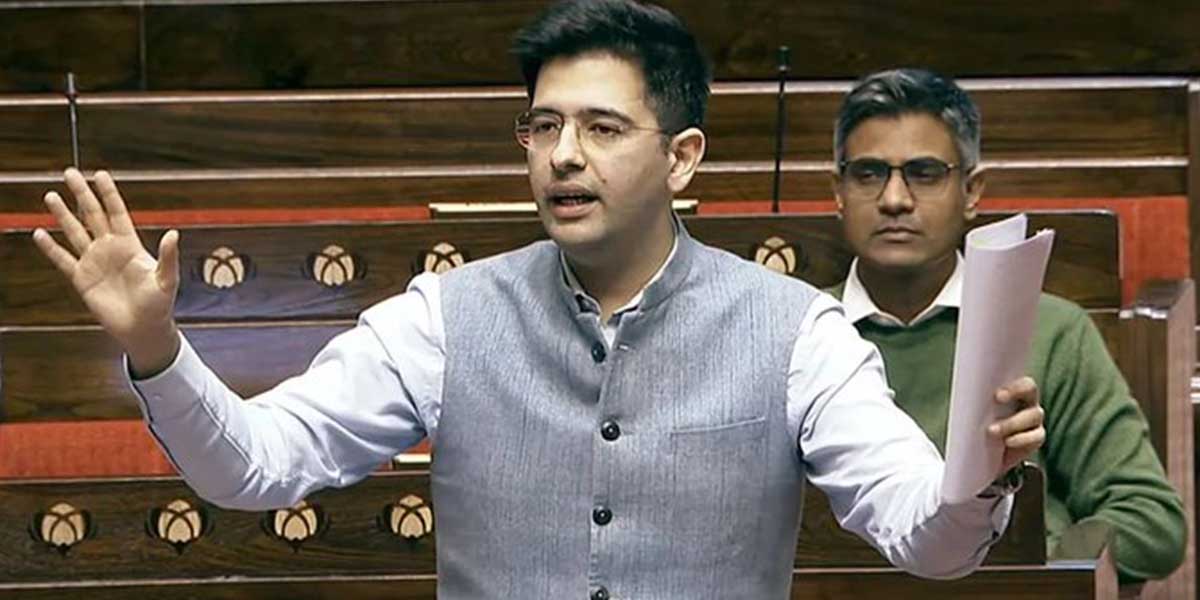
Raghav Chadha had been the AAP’s face on national media for years now, but recently the MP came into prominence for taking up “quality-of-life issues”, most of which largely concerned the middle- and upper-middle class. Each of his interventions in the Rajya Sabha was crisp in its own way. Chadha, a technocrat with good communication skills, knew exactly how to highlight them. He has 123 lakh followers on Instagram, and almost 10-lakh on X. He went on to become the Aam Aadmi Party’s leader of the House, and later the deputy with the return of senior colleague Sanjay Singh. It may seem odd that the AAP has stripped Chadha of his post as deputy leader in the Rajya Sabha. It is being said that Arvind Kejriwal suspected that Chadha may shift to the BJP ahead of the 2027 Punjab assembly elections. Kejriwal noticed Chadha was not critical of PM Modi or Home Minister Amit Shah. He hasn’t been very vociferous on issues against the BJP. Besides he was found missing in action when AAP may have needed him most. Like when Kejriwal was arrested Chadha was in the UK for eye surgery. Chadha was also absent at the recent “Jan Sabha” at Jantar Mantar, which was Kejriwal’s first public address following his discharge, along with Delhi’s former deputy CM Manish Sisodia. But Chadha has been far from idle and was always present and voluble in Parliament. Chadha campaigned against high samosa-and-chai prices at the airport. Nobody likes paying Rs 350 for a samosa and Rs 150 for a cup of chai. It is an issue that affects at best 5% of people in India who can afford to travel by air. Yet oddly, the government began to work on Chadha’s ideas. Within weeks of his raising the issue, UDAN Yatri cafes opened at 17 airports which offered samosas and tea for Rs 20 and Rs 10, respectively.
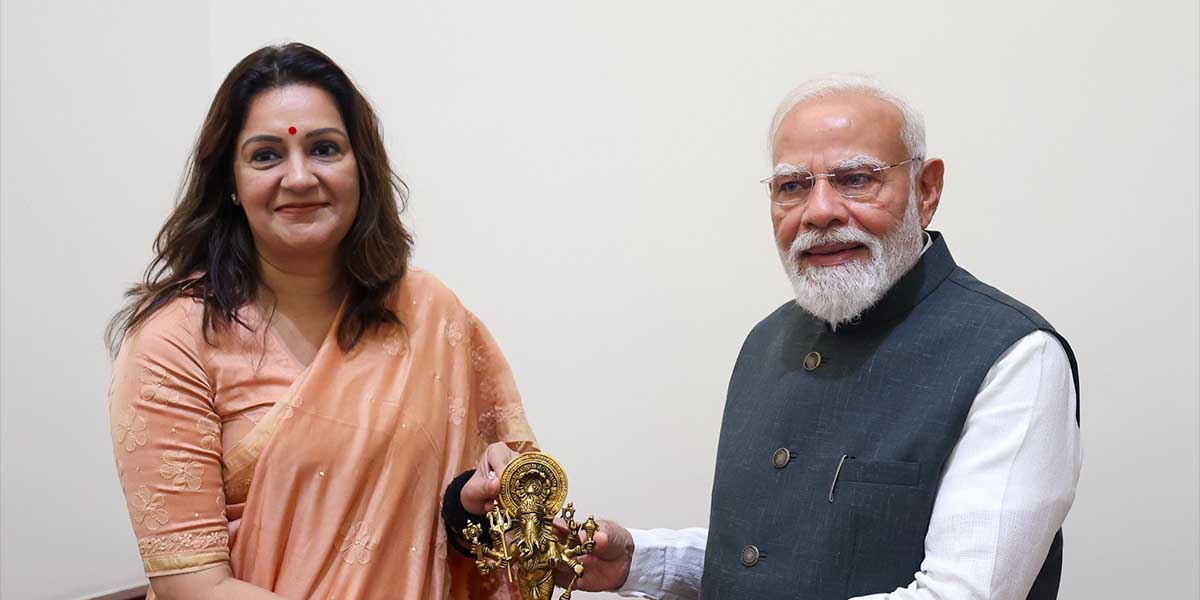
The Shiv Sena (UBT) is experiencing extreme discomfort following its outgoing MP Priyanka Chaturvedi’s ‘courtesy’ call on Prime Minister Narendra Modi in New Delhi. Although she has declared that she will remain in the opposition, the praise heaped by her on Modi is viewed as a signal. Sena leader Uddhav Thackeray is already uneasy since two of his Lok Sabha members attended a reception hosted by Maharashtra’s deputy CM Eknath Shinde’s confidant Pratap Jadhav, MP, in the capital a couple of days ago. While Sena spokesman Sanjay Raut has been predicting that several MLAs from the NCP(Ajit) are planning to defect to the BJP in Maharashtra, he has avoided any comment on the two MPs meeting Jadhav. Significantly, this meeting happened soon after Shinde had visited the national capital. Thus, revival of the so-called ‘Operation Tiger’ is being discussed afresh. The two MPs are Nagesh Patil-Ashtikar (Hingoli) and Sanjay Deshmukh (Yavatmal-Washim), who had attended Jadhav’s felicitation last year as well. Both have clarified that it was a friendly visit and that no politics should be searched about it. However, given the fluid phase in the state polity, their defence is taken with a pinch of salt. Newly-elected Sena (Shinde) Rajya Sabha member Jyoti Waghmare had indicated the possibility of some MPs crossing sides but she had not provided any details. As Priyanka Chaturvedi was in the news over the reported tiff in the Sena (UBT) over the denial of another Rajya Sabha term to her, the call on the PM by her is considered fraught with several possibilities.
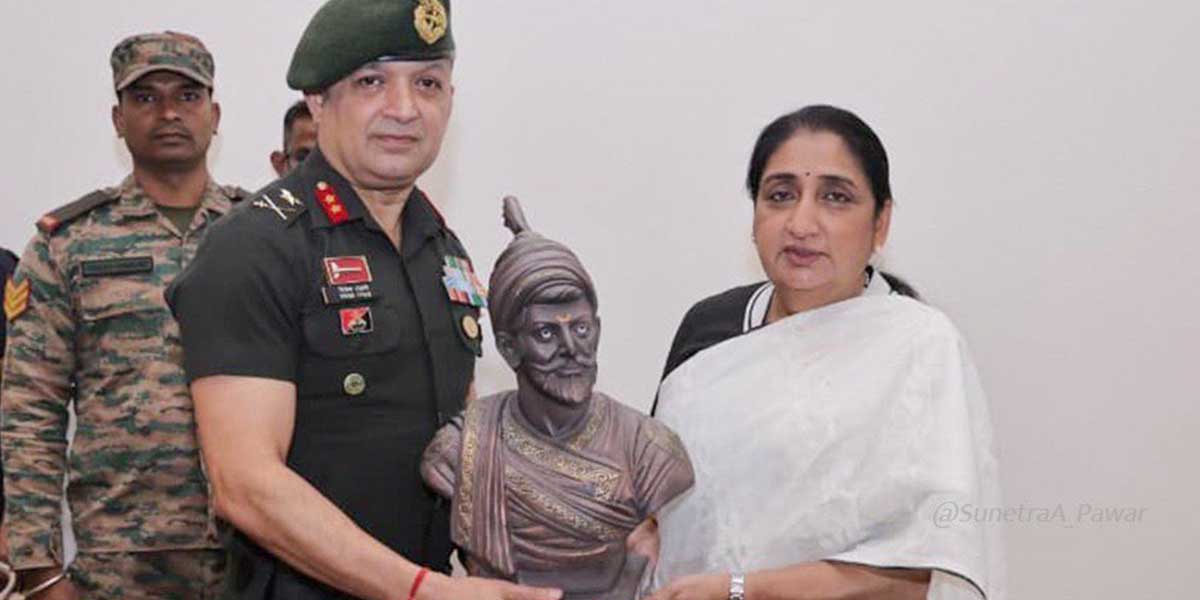
Maharashtra deputy chief minister Sunetra Pawar’s entry into the state legislative assembly will not happen ‘unopposed’ since the Congress party is seriously considering the option of jumping into the fray. Voting for the byelection for Baramati constituency, caused by the demise of deputy CM Ajit Pawar, will take place on 23 April. According to present indications, Sunetra will file her nomination on 6 April in presence of CM Devendra Fadnavis and deputy CM Eknath Shinde. Already a member of the Rajya Sabha, she will relinquish the Rajya Sabha seat after getting formally elected on 4 May. As Baramati is the stronghold of the NCP(Ajit), her victory is considered a foregone conclusion. Moreover, the NCP (SP) has pledged its support to her. Hence, any opposition to her will be a token gesture at best. Still, the Congress party has decided not to offer Sunetra a walkover. The Congress candidate will be announced in a day or two. Some fringe political elements have said that they will support the Congress. However, it will not make any difference. Thus, the precedent of not contesting a byelection against the family member of a deceased sitting member will thus be sidelined. The Shiv Sena (UBT) is yet to decide its strategy. The other assembly byelection in the state will be held for the Rahuri constituency, again a BJP stronghold. The ruling party has fielded Akshay Kardile, son of the late Shivaji Kardile. There is no worthwhile opposition to the scion of the former minister. Counting for both will be held on 4 May.
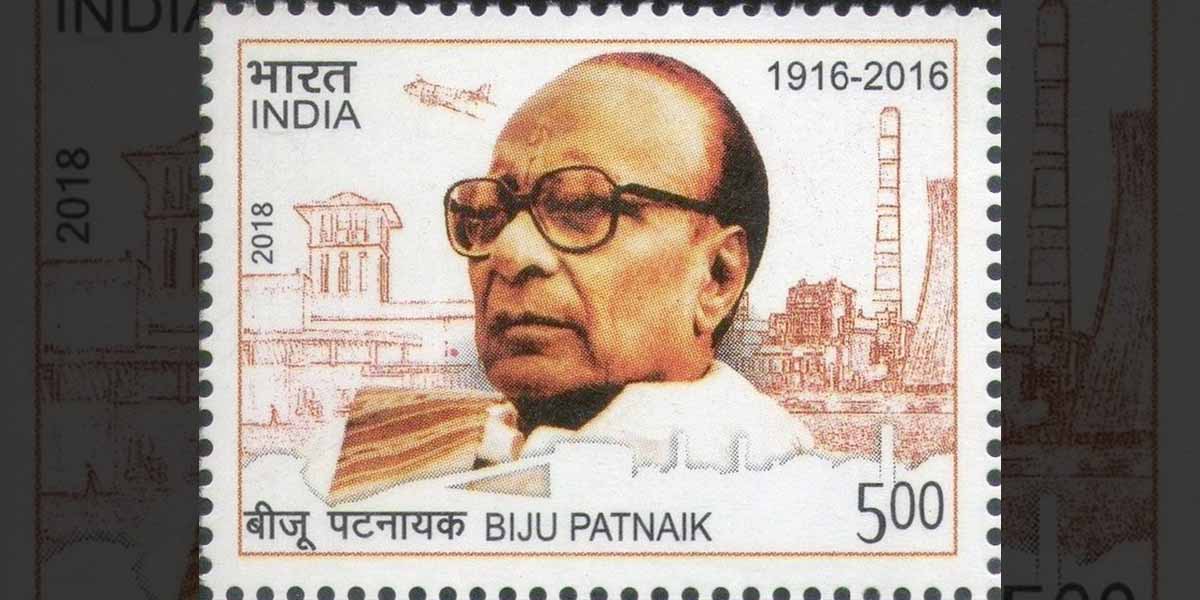
He is a veteran Parliamentarian who opens all the debates from the Treasury bench side. So, it was surprising to see this senior BJP leader, a four-time MP Nishikant Dubey stir a controversy by calling Biju Patnaik, a CIA agent. Dubey is not a loose cannon and this is why clued-in political analysts say it could be BJP’s strategy to assess Odia’s icon Biju Patnaik popularity today. It did backfire with people from within BJP taking strong exceptions to Dubey’s loose remarks. Some BJD leaders walked out of the Parliament to register their protest. Seeing the backlash, Dubey apologised on X saying “My thoughts on Nehruji were misconstrued as being about Biju Babu,” It is learnt that PM Modi has intervened to douse the fire. He wrote to Odisha chief minister Mohan Charan Majhi praising Biju babu as a symbol of Odisha’s strength and pride having commitment to nation building. Interpreting Modi’s recent praise for Biju babu, Odia’s are asking will Modi ever confer Bharat Ratna status to the late Biju Patnaik or is this just lip service praise to bring the temperature down?
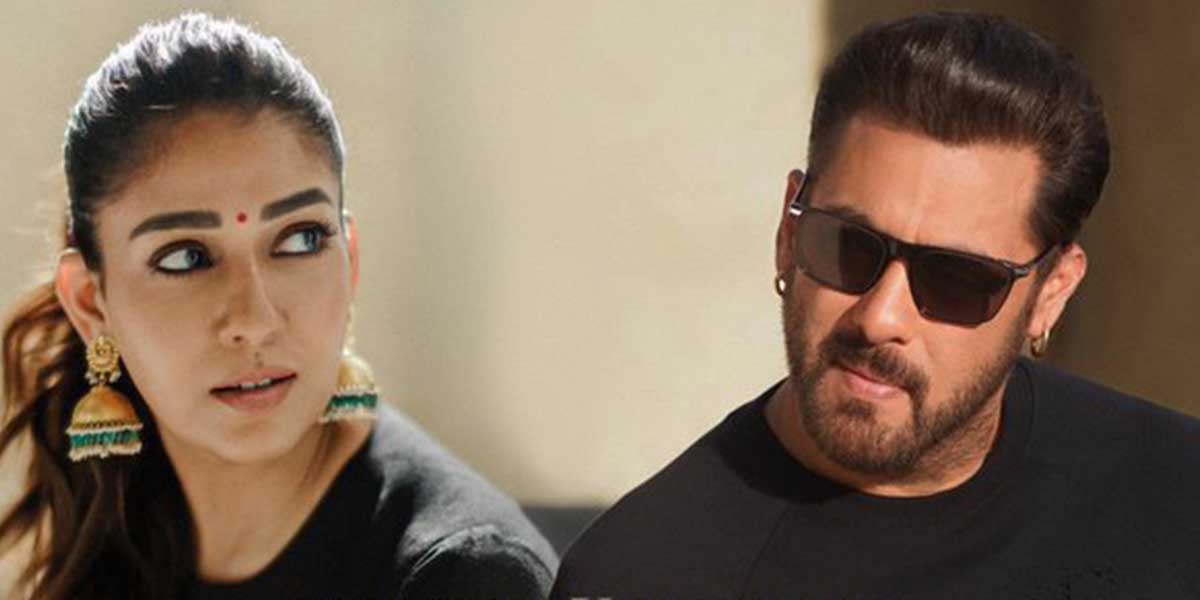
Nayanthara, after marriage and two kids, is still the “Queen” of female leads in Kollywood. Not just her drop dead gorgeous looks, hit Telugu film directors and producers like Dil Raju and Vamshi Paidipally bet big on her charisma and acting …Nayanthara films have rarely failed and her fans love her regal presence, dignity and talent. Any wonder that this director-producer duo (with five consecutive Telugu hits ) have signed her to play the heroine to Salman Khan? Sixty-year old Salman needs a hit, badly as it’s a long time since Bhai danced to his jubilant fans drum beats. Especially Eid releases …this year he didn’t have much to celebrate. Also his already signed work-in-progress, Battle for Galwan is facing some roadblocks and delays. It has undergone a name change to Maatrubhumi directed by Apoorva Lakhia. Sallu needs that one incendiary hit to keep him going. A South team made Jawan with Nayanthara and Shah Rukh Khan unforgettable. Chiranjeevi, not exactly mothballed but not having frequent films had her as his lead in the recent ‘Mana Shankara Vara Prasad Garu’, an out and out entertainer. Two decades as a heroine, Nayan is not about to settle for a “blink and she is gone” role. The story with Salman is planned to be a solid plot to showcase two great talents. Pre-production work is almost done and shooting is to commence. The producers are all geared up for 2027 Eid release. Salman Khan is sure to celebrate this Eid with warm Mubarakaan from his huge legion of fans.
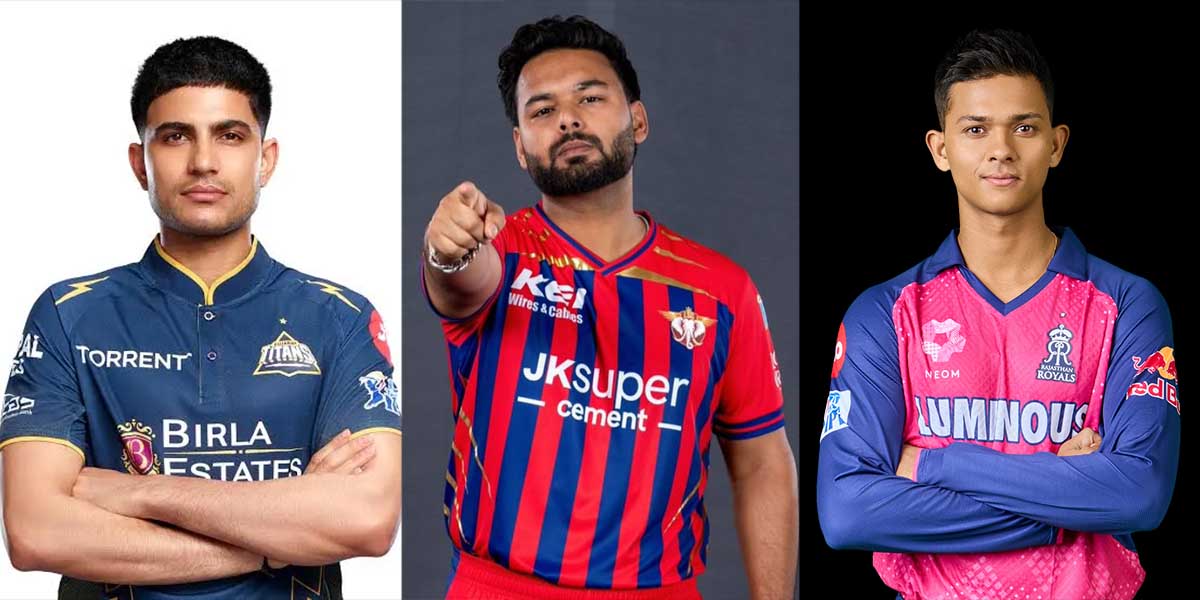
The time has arrived for those who missed the World Cup bus (ICC Men’s T20) to exhibit their wares in the shortest format of the sport — the Tata-IPL Season-19. India’s Test and one-day international captain Shubman Gill, Yashasvi Jaiswal and Rishabh Pant must have been hurt not making it to the showpiece event at home. The selectors provided a window for Gill to make an attempt and fit into the Twenty20 squad; they even made him the vice captain for the Asia Cup in the UAE. But to get the “balance of the team” right, they dropped him for one of the signature events of the ICC-19. The IPL has started with the likes of veterans Virat Kohli and Rohit Sharma flaying the bowling in their team’s opening matches. And young Vaibhav Sooryavanshi too has lashed out at the Chennai side. But the world would watch with keen interest the ability of Gill and Jaiswal, the men in blue team’s best opening pair in the Twenty20, but who had to make way for the likes of Abhishek Sharma, Ishan Kishan and Sanju Samson. Rajasthan Royals’ Jaiswal used the IPL to force his way into the Indian team, but Gill and Pant came through the BCCI’s established domestic system. Gill is an IPL regular for eight seasons and scored 3866 (3626 as an opener) and will be in the running for the next World Cup in Australia and New Zealand in 2028, and so would be Jaiswal and Pant. While they would target the 50-over World Cup in South Africa, Zimbabwe and Namibia next year, they would double down in the ongoing IPL and make the big splash in order to force their way for the bilateral matches.
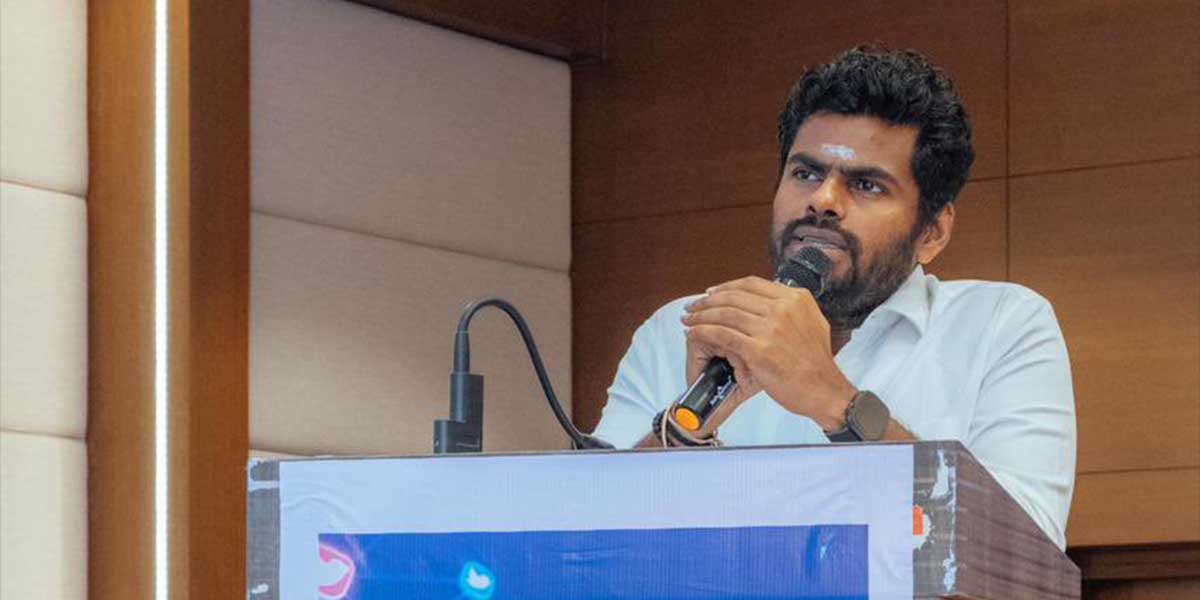
It was 2019 when a Karnataka cadre cop waded into the murky waters of Tamil Nadu politics with a dream…to bring the BJP beacon to TN, to get its rightful recognition in this Dravidian stronghold, K Annamalai came in with a vision of Camelot…but today his political survival and special status in the BJP is under a big question mark. The very BJP which nurtured and applauded his strength, is ignoring him. What happened to all that mercurial charisma that made Annamalai, Modi’s favourite (remember he was perhaps the only BJP member who got a one-hour car ride with the PM when Modi drove to the Coimbatore airport). But recently, as the PM was on his way to Kerala, he stopped at Coimbatore airport where a 11-member team was waiting to receive him…BJP’s Women’s Wing leader, Vanathi Srinivasan sounded surprised that Annamalai was not there…did they know that the official list did not have his name! What a profile he had etched in TN… Annamalai was here, there and everywhere …he led padayatras, nursed his Coimbatore constituency and was the inevitable face of the BJP…but in his meteoric rise, he rose in strident speech too … making enemies of the established AIADMK and its chief Edappadi K Palaniswami. The internal warfare and jockeying were in full throttle. So when Annamalai lost the election in 2021, the AIADMK broke the BJP ties. Anticipating the need to keep the alliance going, Nainar Nagendran was made TN Chief. The BJP’s compulsion was to have a respectable presence in TN at any cost. Annamalai had to be downsized to please Edappadi. Now it is learnt BJP is making amends, TN in-charge Piyush Goyal has summoned Annamalai to party office to request him to enter the fray from a constituency of his choice. Will he? Annamalai is fired by the RSS ideology …this Knight is sure to find his place at the Round Table like Lancelot.
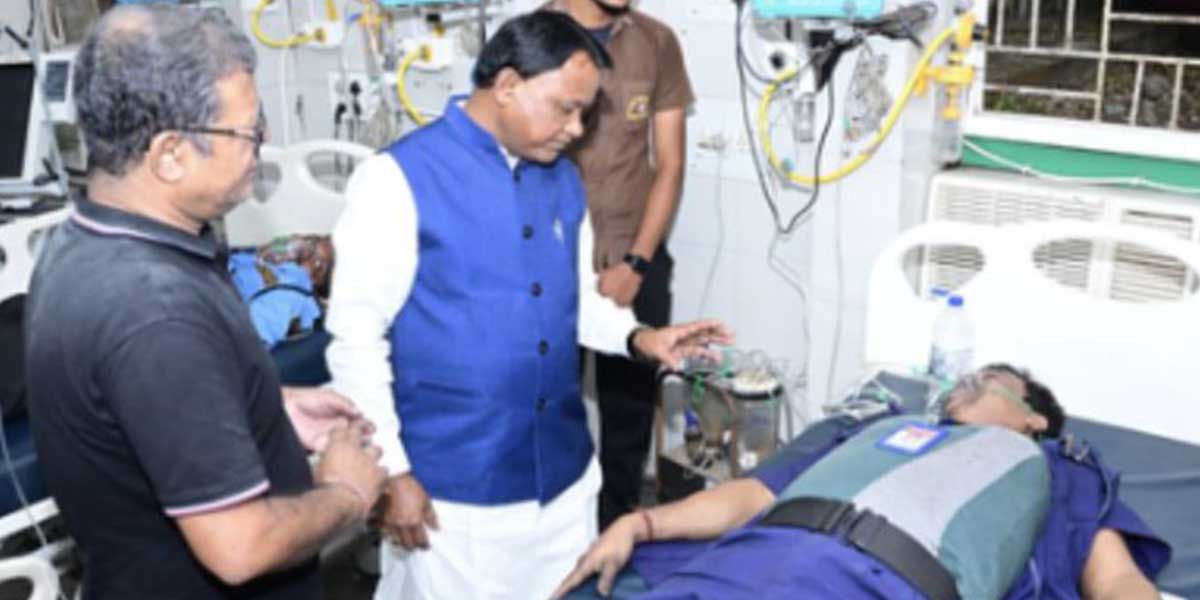
Trouble for the BJP-led Odisha government headed by Mohan Charan Majhi, in power for close to 21 months, never seems to be ending. The latest is the Opposition’s vociferous demand for the resignation of the state health minister over the death toll in the fire at SCB Medical College Hospital in Cuttack which rose to 13. Ten Opposition parties – Congress, BJD, CPI (M), All India Forward Block, NCP, RJD — and other regional outfits have come together in a rare display of unity against ruling BJP. Massive protest has been organised demanding resignation of Health Minister Nukesh Mahaling. The Majhi government has rejected the resignation demand of the health minister, even as it suspended four of its officials. Naveen Patnaik’s party, the BJD in alliance with the Congress, has made it clear that the protest and agitation are not being withdrawn until the health minister resigns on moral ground. Supporting its argument, BJD sighted the case of its Health Minister Atanu S Nayak who resigned over a similar tragedy in 2016 when BJD was in power. The BJP has turned the tables on BJD saying that because of lapses during their rule, of not making fire safety arrangements during their 24 years rule, the current accident took place.
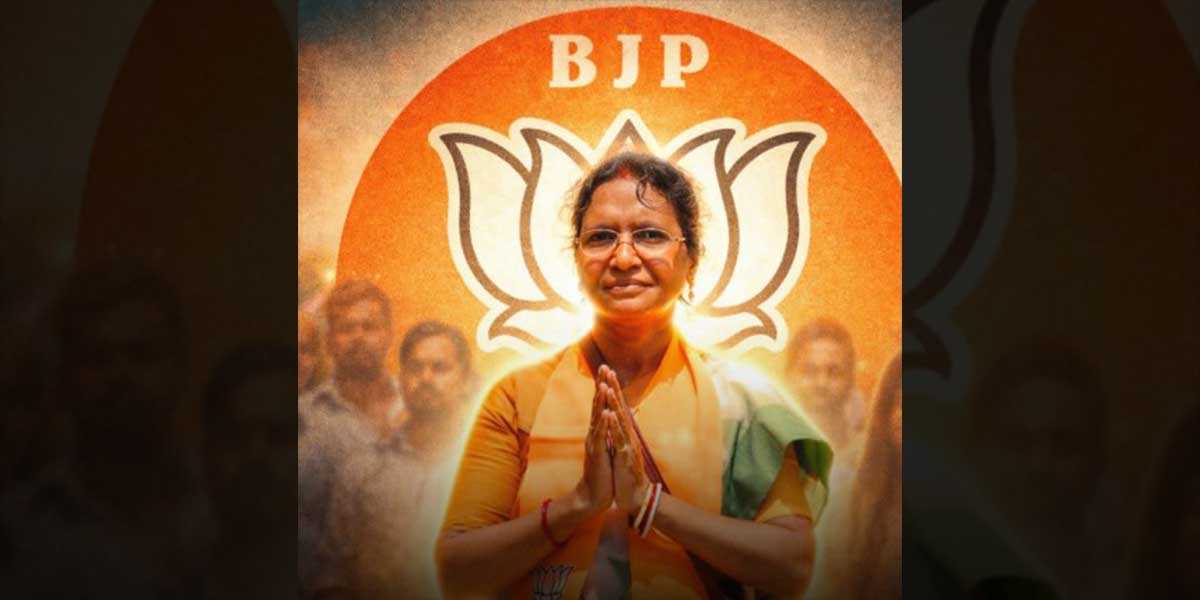
This Assembly elections, the BJP has launched a focused outreach to women voters, crafting a candidate list featuring women activists and public figures to challenge West Bengal chief minister Mamata Banerjee’s strong hold over the women vote bank. Over 15 years in power, Didi has built a strong rapport with women through welfare schemes such as Lakshmir Bhandar and Kanyashree. Notably, ahead of the elections, the TMC government increased monthly assistance under Lakshmir Bhandar. In a strategic shift, the BJP has fielded candidates directly associated with protests against alleged violence or injustice, particularly in cases linked to individuals associated with the ruling TMC. Ratna Debnath, mother of the RG Kar Hospital rape victim, has been fielded from Panihati. Rekha Patra, a key figure in the 2024 Sandeshkhali protests will contest from Hingalganj. Tumpa Kayal, known for leading protests after the 2013 Kamduni rape and murder case in North 24 Parganas, has joined the BJP. Together, Ratna, Rekha and Tumpa represent the BJP’s effort to foreground real-life experiences of violence against women and are expected to campaign across the state, including Bhabanipur, where Opposition leader Suvendu Adhikari is contesting against Mamata. The BJP has also fielded women candidates such as actors Roopa Ganguly, Sarbori Mukherjee, Papiya Adhikary, and advocate Priyanka Tibrewal, who contested against Didi in the 2021 Bhabanipur bypoll after her defeat in Nandigram. Meanwhile, TMC has raised concerns over a reported drop of nearly 57 lakh women voters after the SIR. It claims numbers rose from 3.59 crore (2021) to 3.73 crore (2024), before falling to 3.16 crore (2026), alleging many women were marked “under adjudication” due to marriage, address, or surname changes, effectively excluding them and weakening participation.

Mumbai is undergoing a massive scale up of its housing sector housing including for its 41% slum dweller population. This includes over 910 buildings undergoing redevelopment that could add up 44,277 new homes by 2030, as per real estate analyst Knight Frank report. About 809 high rises (above 40 floors) have been approved in the city that currently has about 252 skyscrapers and another 416 under construction as per a Bombay High Court appointed expert committee on high risers. Besides these, about 541 acres of land is being used for rehousing Dharavi residents including 124 acres of the Deonar dumping ground and 254 acres of salt pan land, that essentially helps prevent flooding by sponging water. A recent report found about 6021.50 acres of land in Mumbai, almost 17.71% of its total habitable land, belonging to the state and central government, being unlocked for development. This includes about 2,068.59 acres being used for rehousing slum dwellers under the Slum Rehabilitation Authority (SRA) scheme. Experts though are far from convinced about this model of development. “Mumbai’s development is entirely unplanned and piecemeal, lacking coordinated growth in roads, water supply, and sewerage systems. It is not supported by essential social infrastructure like schools, hospitals, parks, playgrounds, or even trees, and therefore does little to make the city more liveable,” notes architect and urban planner Alan Abraham. “Instead, it risks creating a saturated, overbuilt Mumbai that will ultimately be unsustainable,” he adds.