All
All Politics
 Business
 Entertainment
 Sports
 Celebrities

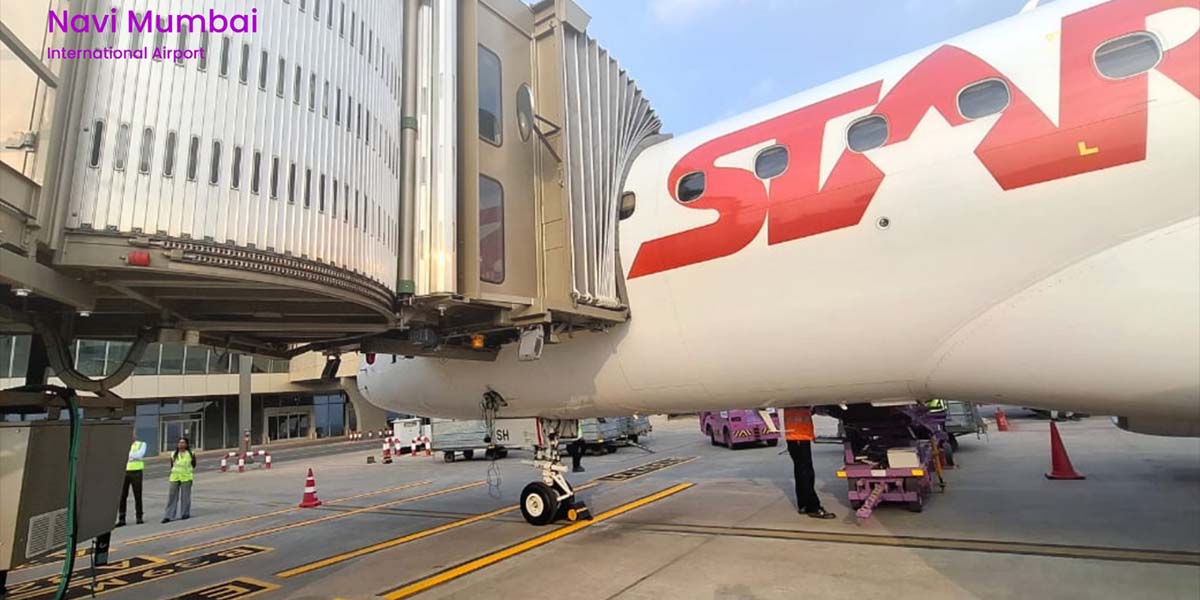
Mumbai may have got a new spanking Rs 19,650 crore airport at Navi Mumbai but it will in no way ease congestion at Chatrapati Shivaji Maharaj International Airport (CSMIA) or T2. Navi Mumbai International Airport (NMIA), operated by Adani (74%) and CIDCO (26%) under a PPP model, has decided to charge parking and landing charges which are double of CSMIA. Even user development fees (UDF) charged per passenger is higher at NMIA. This will see airlines sticking to CSMIA rather than shifting to the new airport. Moreover, with the Rs 22,862 crore metro connectivity between Mumbai and New Mumbai taking three to four years to complete, there is no incentive for passengers to head to the new airport. According to informed sources, since NMIA is a greenfield project with massive infrastructure costs to recoup, its operating fees are significantly higher than CSIA. The UDF, part of the overall air fare per passenger, is nearly 3.5 times higher than that of CSMIA. Domestic departure fee at CSMIA is Rs 175-207 while it is Rs 620 at NMIA. Likewise, international departures cost Rs 615-726 while it is Rs 1225 at NMIA. Experts say that the Airports Economic Regulatory Authority allows new airports to charge higher ad hoc tariffs during the first few years of operation. But the good news for users of CSMIA is the reduction in landing and parking charges by 35% introduced a couple of months back, thereby making it competitive with other international airports. India’s major airports used to charge 60% higher landing fees than Dubai/Singapore. Today Mumbai’s rates may not be lower but closer to Changi (Singapore) and Incheon (Seoul) rates. Since the Adanis took over CSMIA, the emphasis has been to shift the cost burden slowly from airlines to passengers like other international airports. Typically, 50-60% of airports’ revenue comes from non-aeronautical sources like shopping, dining, hotels, real estate rentals etc.