All
All Politics
 Business
 Entertainment
 Sports
 Celebrities

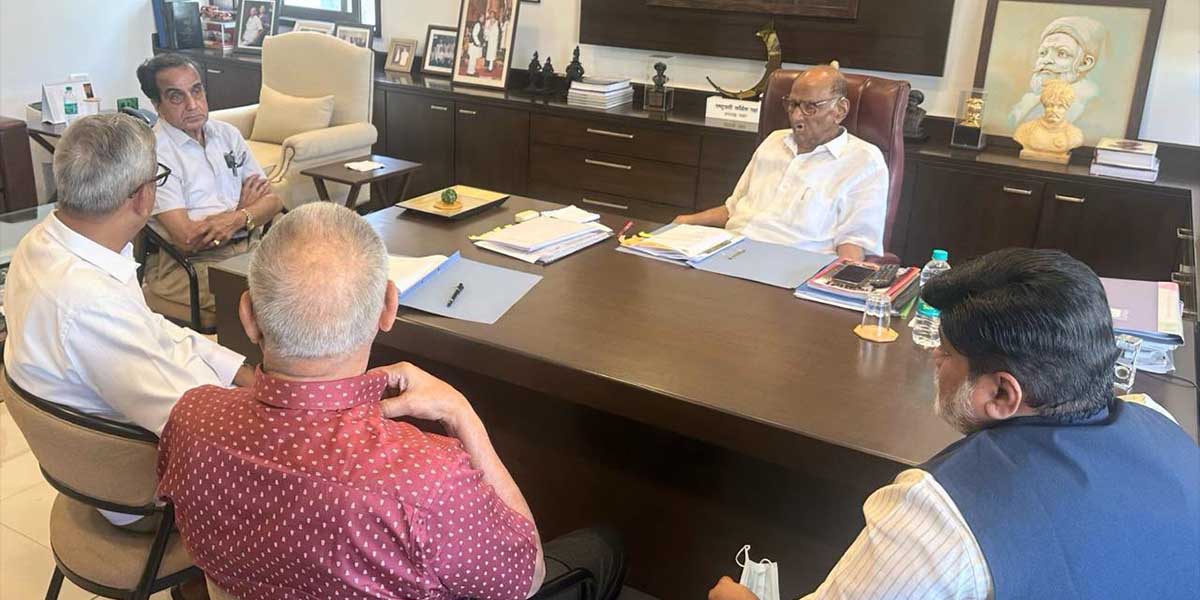
The initiative of Prime Minister Narendra Modi to introduce reservation for women in the Lok Sabha and state assemblies has had its genesis in Maharashtra. The introduction of Women’s Reservation in local self-government bodies in Maharashtra by then chief minister Sharad Pawar in the early 1994 was a landmark moment in India’s democratic evolution. It not only transformed grassroots governance in the state but also became a foundational model that influenced the present national-level legislation. It will be pertinent to recall how Pawar conceptualized and implemented the policy and understand how it has become a matter of pride. It was Maharashtra that set the ball rolling by being the first state to have successfully adopted a comprehensive women’s policy in 1994. Pawar as defence minister of India (1991-1993) instituted 11% reservation for women in the Army, Navy and Air Force. After returning as chief minister of Maharashtra, he transformed the Women’s Reservation Bill into a reality in the most progressive state in India. Decades later, the Modi government’s Women’s Reservation Bill at the national level can be seen as a continuation of this trajectory. While separated by scale and time, both initiatives share a common vision: to correct historical gender imbalance in political representation. Maharashtra has a strong legacy of social reform. It was in Mumbai and Pune that first schools for girls were started well before 1850. Widow remarriage was another revolution. The first medical lady doctor was Anandibai Joshi. Such an ideological background influenced later social and political leaders.