 All
All Politics
 Business
 Entertainment
 Sports
 Celebrities

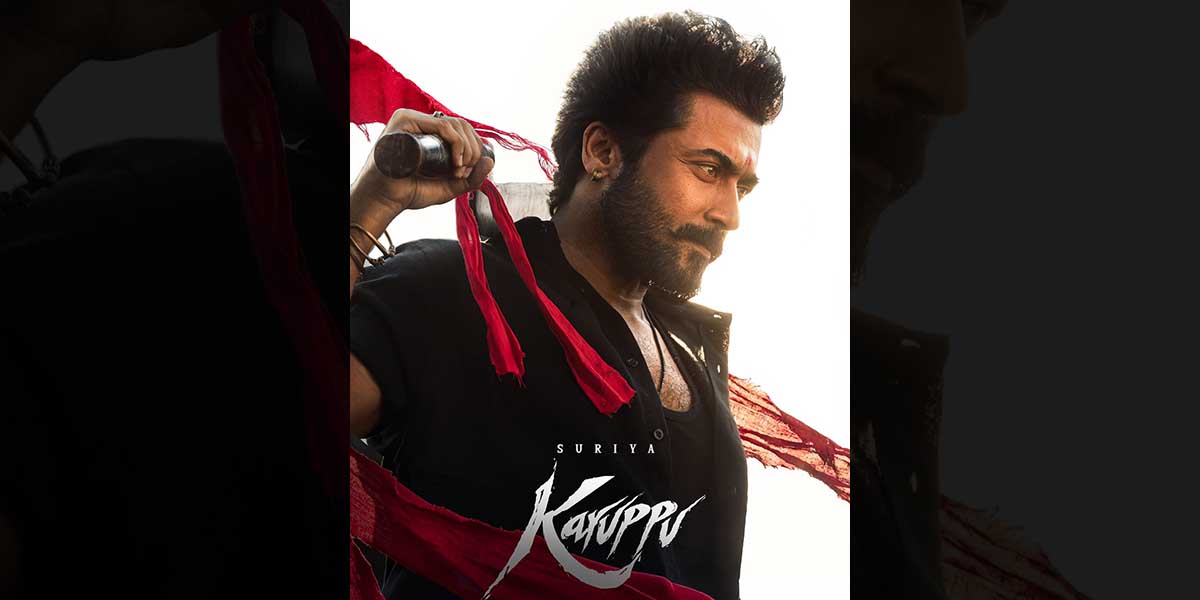
Tamil film’s popular hero Suriya is like a wounded lion, licking his film flop wounds in Mumbai …his mood, understandably Black. Between 2011 and now, except Jai Bhim and Surarai Pottru, he has given more flops than hits —Kaappan, Etharkkum Thunindhavan and of course Kanguva. But Suriya is not one to wilt on the ropes and whither. Why was Saturn’s ruin/reward big but no one said Saturn is malefic for Suriya? So, when the talented director R J Balaji read the script, originally intended for Vijay, Suriya jumped at this chance …Dream Warrior Pictures and producer S R Prabhu came in at the right time and Karuppu took off. The team worked the project as a fail-safe alchemy, pulling every trick in the bag to ensure Suriya fans troop into cinemas on May 14 to cheer their hero? Suriya is quietly confident about Karuppu (he plays a lawyer). The very first song, music by Sai Abhyankar, was well received. But it is said that Song # 2, a lively rocking foot tapper is sure to be a rage. It has Suriya’s trademark debonair moves but it is the singer S T Silambarasan (Simbu) in his new role as a singer, who is all set to electrify the audience. Director RJ Balaji, a radio jockey, is also acting in the film as the Devil’s Advocate. Trisha is the female lead, an actor with more than just good looks…a powerhouse of talent.
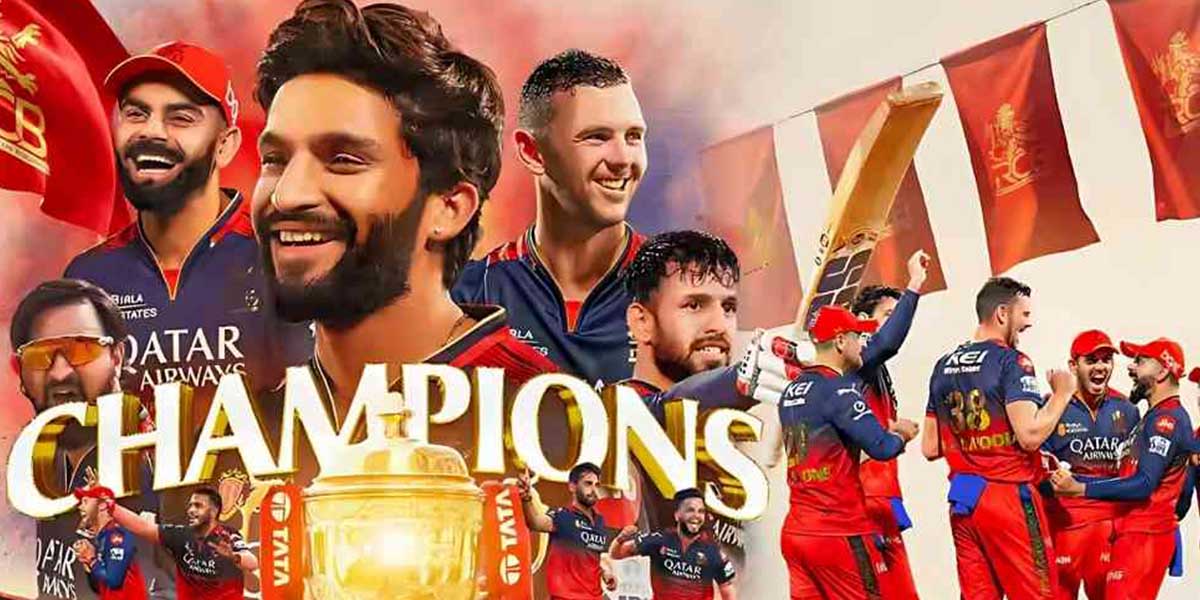
IPL teams are in demand like never before. In the space of a few hours, two teams were sold for a combined value of Rs 32,000 crore, which is phenomenal indicating how valued the Indian cricket watching public are and for whose eyeballs such princely sums are being paid. If the IPL is such good business bringing in the big bucks for team owners, why are so many teams lining up to be sold. Maybe, they are just smart owners cashing in on the big valuation game that the original owners may have played in picking up teams cheaply as they did in 2008. Just imagine RCB was bought by Vijay Mallya for what seemed an expensive Rs 320 crore bid and is now going for a price 500 times more. Rajasthan Royals have also been on the block for some time now after various original owners came under a cloud. The biggest loser in this business of cricketainment may have been Deccan Chargers whose team was taken away incorrectly and whose owners were awarded Rs 8,000 crore in arbitration. But try collecting from the BCCI and you will come up against a wall, much as teams like the Kochi Tuskers did despite arbitration awards. The smartest ones were the United Spirits (Diageo) which inherited the team from Mallya and are cashing in now.
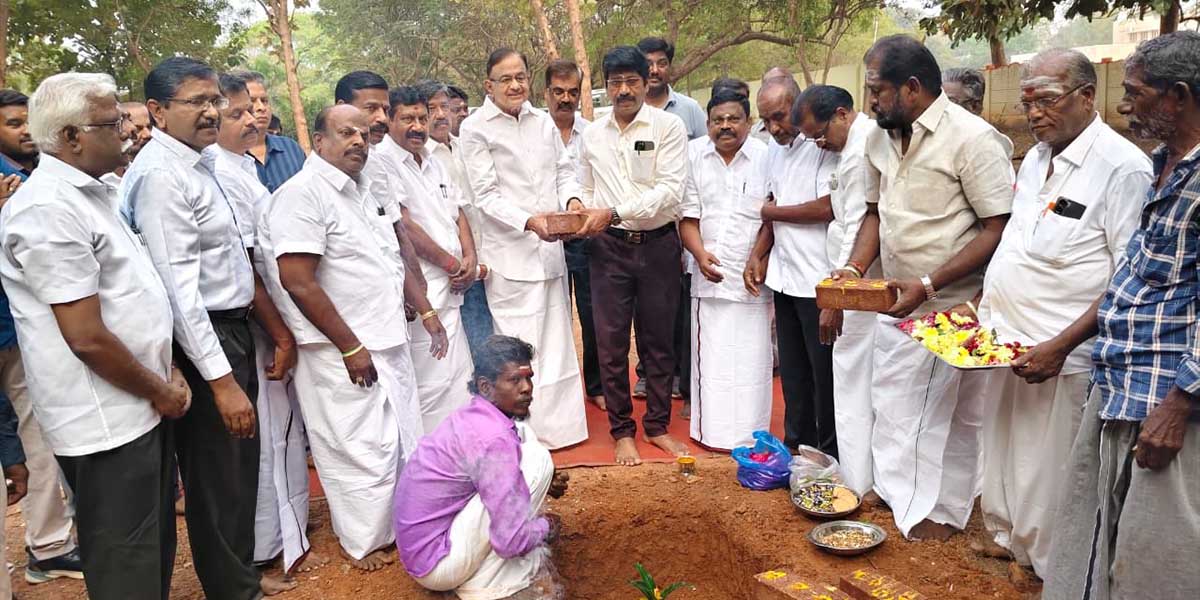
Senior Congress leader P Chidambaram has reportedly emerged as a trouble shooter of sorts for the Congress both in Tamil Nadu and Puducherry, considering the way he managed to salvage and seal Congress-DMK deal for the Puducherry Assembly elections on the last day of filing nominations on March 23. While the Congress will contest in 16 constituencies, the DMK will fight on 14 seats. The understanding comes after days of hard bargaining by the two parties. Both had even filed nominations for all seats triggering a new level of tension. In the 2021 assembly polls, Congress fought 14 seats but had won only six while its ally, the DMK fought 13 and won 2. The All India N R Congress-BJP alliance had captured power. The fallout of the Puducherry settlement is that there are huge queues of ticket seekers at Chidambaram’s residence in Nungambakkam residence, TN. It is all because he is seen as someone who has the ear of Tamil Nadu CM and DMK chief M K Stalin. This notwithstanding the fact that Rahul Gandhi has never cared much for the senior leader. Party sources said it is another matter TNCC chief Selvaperunthugai is also a Chidambaram pick. However, a section of TN leaders are apparently livid that the Congress sealed an electoral alliance with the DMK. These are pro TVK leaders and have lashed out against Chidambaram for sealing a pact with the DMK. Initially the DMK offered less than Congress’s 2021 tally of 25 seats. The Congress was persistent and often loud in criticism and demanding share in power, leveraging on the possibility of aligning with actor Vijay’s TVK. Ultimately the DMK offered 28 seats, and a Rajya Sabha ticket to the Congress.
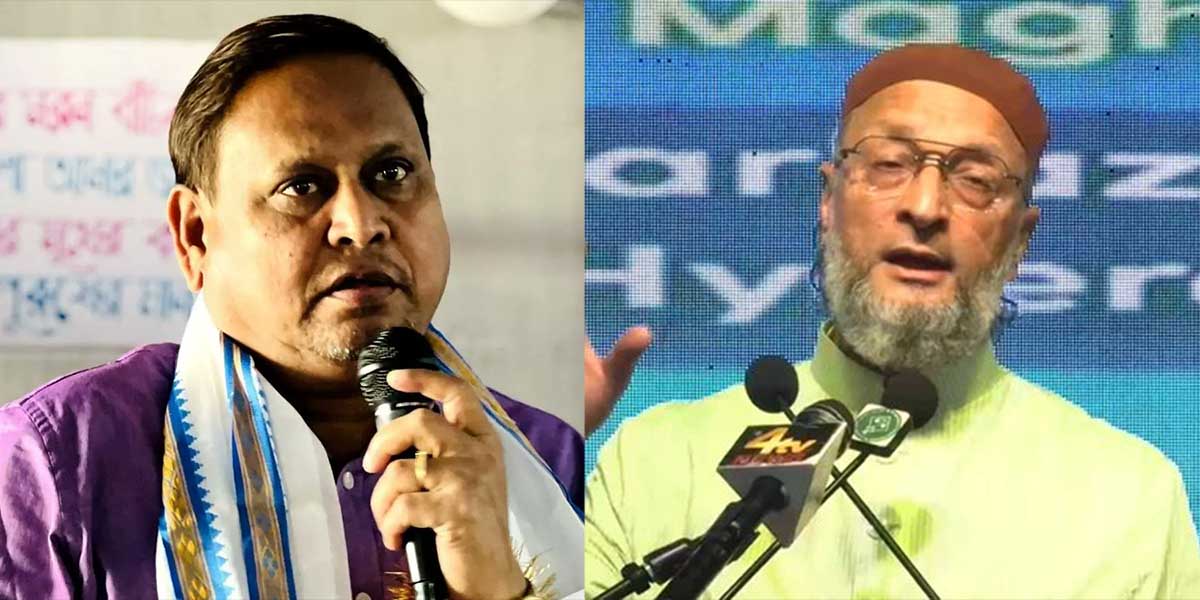
The Muslim factor remains the trump card of West Bengal chief minister Mamata Banerjee as they constitute around 27% of state’s population. Despite persistent criticism of “appeasement politics” from the BJP, Didi has shown little inclination to respond, instead has positioned herself as a source of trust among Muslim voters. Consequently, her recent “special community” remark drew criticisms from the Congress and Left parties along with protests by the BJP. It elicited little concern within the TMC. Naturally, since 2011, Didi has focused on this voter base which has favoured the TMC. Before 2011, Muslim votes were divided between the Left Front and Congress. Banerjee consolidated this base over time, using the Sachar Committee Report to highlight socio-economic deprivation under Left rule. The Singur and Nandigram movements marked turning points, with many affected farmers being Muslims, strengthening her support and prompting shifts of Congress and Left workers to the TMC. The government introduced targeted schemes, including monthly allowance for imams in 2012, madrasa modernisation, the Aikyashree scholarship and the Kanyashree scheme. In the 2026 interim budget, Rs 5,713 crore was allocated to minority affairs. These measures contributed to the emergence of a Muslim middle class seen as supportive of the TMC. Her assertion that communities are “safe” under her government signals that policies like NRC and CAA could return if the TMC weakens. Analysts note that BJP-led polarisation has strengthened Muslim consolidation behind the TMC while limiting space for the Left. Electoral data reflects this shift. In 2021, of about 85 constituencies with significant Muslim voters, the TMC won around 75. Congress and the Left declined sharply. For 2026, in the 294-seat Assembly, the TMC aims to secure around 75 seats through Muslim consolidation and another 75 through welfare support. This time there could be an upset as AIMIM headed by Asaduddin Owaisi has entered the fray...
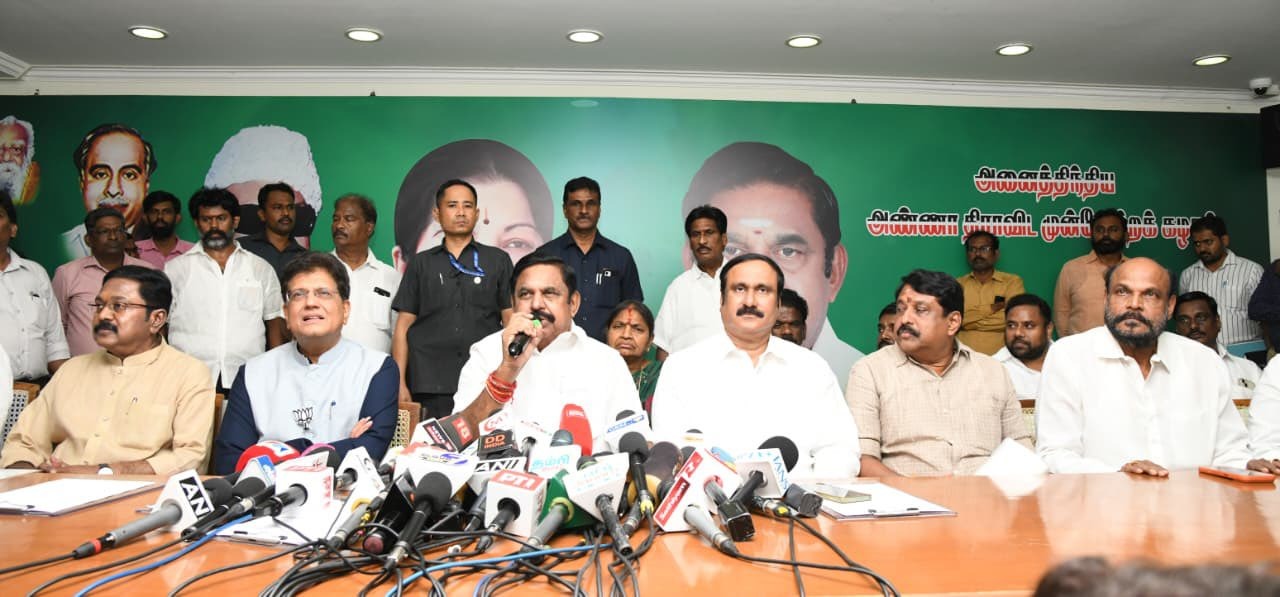
The AIADMK finalised its seat-sharing arrangement with allies –the NDA — for the April 23 Assembly elections, by allotting 27 seats to the BJP. Under the pact, the Pattali Makkal Katchi (PMK) will contest 18 seats, while the Amma Makkal Munnetra Kazhagam (AMMK) 11 seats. The agreement was signed at the AIADMK headquarters in Chennai in the presence of Union Commerce Minister Piyush Goyal and AIADMK chief Edappadi K Palaniswami (EPS). With merely a week to go for the filing of nominations Tamil Nadu BJP in-charge Goyal arrived in Chennai on March 23 to expedite the process of talks among the constituents of the NDA, headed by the AIADMK in the state. Goyal not only reached Chennai, he also made it a point to visit AIADMK party headquarters where the NDA alliance under EPS’s leadership was announced. The visit of a senior BJP leader to AIADMK headquarters not only sent the “right kind” of message about the NDA alliance, it also busted a few myths. A section of the media was critical about the NDA alliance being worked out in Delhi; it panned EPS’s visit to Delhi to meet and discuss with Union Home Minister Amit Shah to draw a roadmap for the NDA alliance. In his interaction with the media, EPS made it clear that he had no inhibition about interacting with anyone in Delhi. Political analysts in Chennai found EPS being very confident about the way he handled his alliance. In fact, by including every shade of opinion and community like AMMK leader T T V Dhinakaran and PMK leader Dr Anbumani Ramadoss, EPS could be holding the key to a rainbow coalition of OBC castes. As for the DMK led secular alliance, one hears its talks with the CPI (M) have hit a roadblock over one seat.
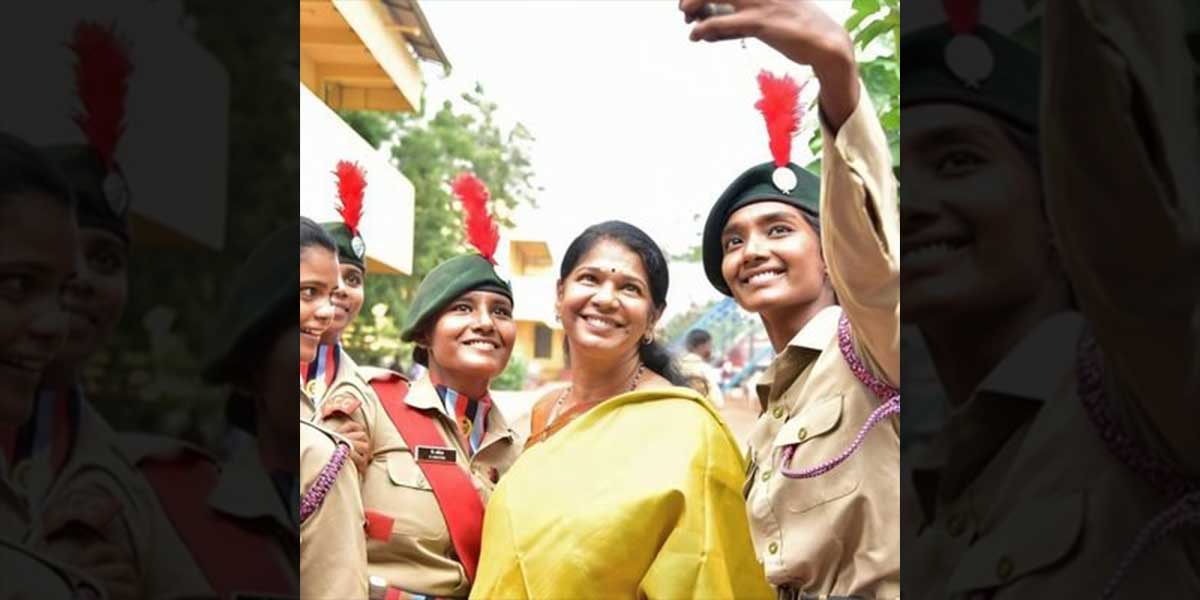
This half-sister of Tamil Nadu chief minister M K Stalin, Kanimozhi Karunanidhi, was seen by many as the favourite of her father. Born in 1968, Kani studied in the elite Chennai school, Presentation Convent Church Park, later did her Masters in Economics from Ethiraj College, turning into a poet, journalist and astute politician by osmosis in the First Family. With all these qualifications, why has her political career become a snakes and ladders game? Currently, the MP from Thoothukudi, Kani has not been handed the true fruits of her effort. For want of trying or a more powerful force that ensures she remains the face of the DMK in Parliament, an honour she should be proud of! Calm waters run deep and Kanimozhi after several attempts to be inducted into TN politics with efforts stymied has this time decided that she must seize her own destiny. Twice meeting Stalin about her role in Delhi she unburdened her ambition to come back to her state and participate in the power paradigm of TN. It is learnt that she wants to stand from Thoothukudi for Assembly and has sounded sitting MLA to move to adjacent place. It is said by senior party watchers that Stalin side-tracked her…to talk of other matters. Obviously her return to TN would jeopardise the status of Udhayanidhi, her nephew who is already perceived as the CM. Conversely, misogynistic party oldies ask, what more does she want? Only she knows that this MP status is only a ceremonial sop. All wheeling-dealings and heavy lifting are actually done by Stalin’s son in law V Sabareesan and old timer T R Baalu who is well entrenched in Delhi politics. An occasional Tamil spat with the FM is the only optics Kani gets. Any wonder that Kani is aching to get home?
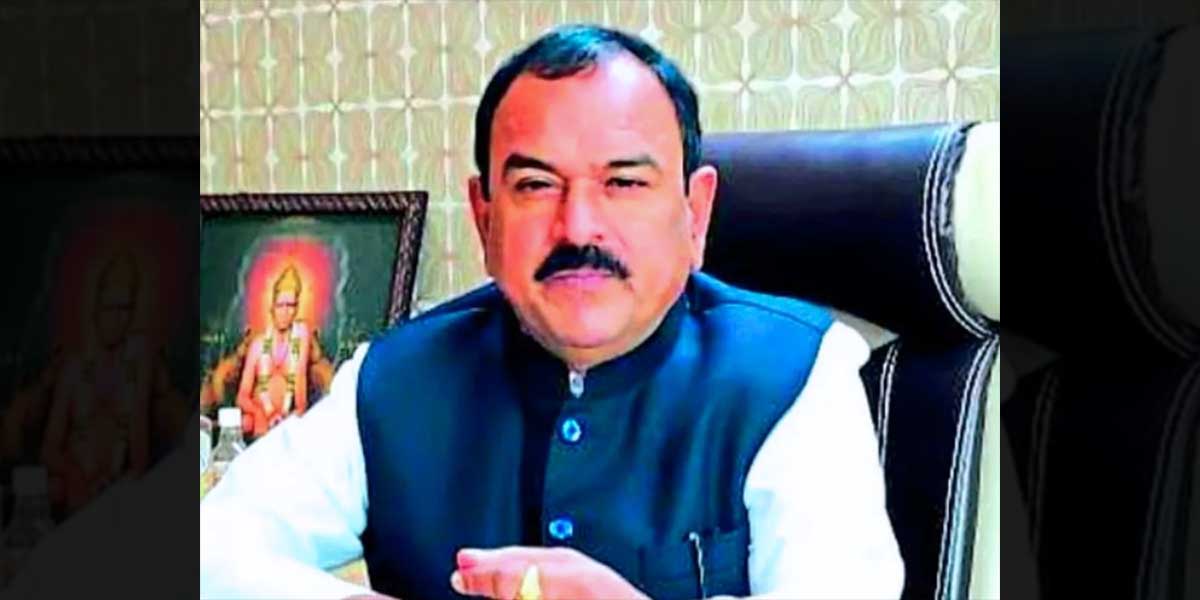
Self-proclaimed Godman Ashok Kharat’s arrest for his alleged sex atrocities against many women has stirred a hornet’s nest as pictures of some top leaders with him have started surfacing. The Nationalist Congress Party (NCP-Ajit) and the Shiv Sena (Shinde), the two major partners in the Mahayuti regime in Maharashtra, are finding themselves on the defensive with every new such disclosure. NCP leader Rupali Chakankar has become the focus of the sex scandal since many serious allegations are being made against her hour by hour. The plot has thickened since a couple of NCP leaders have charged that certain suspicious things found outside the official residence of late deputy CM Ajit Pawar when he was alive were part of black magic reportedly perpetrated by Kharat. Investigations so far have revealed that Kharat had been practising his questionable occultism to lure hapless women and that he has amassed huge wealth through this route over the years. The sordid racket of Kharat was exposed when chief minister Devendra Fadnavis himself ordered the police bosses to act against him. It is whispered that besides some prominent politicians, certain police officials also will face the heat as the probe progresses since they tacitly permitted Kharat to operate. Ironically, Kharat was caught by the police when he himself had filed a complaint against a couple of his acquaintances, who had been blackmailing him. Retired from Merchant Navy, Kharat was flaunting the title of a Captain while running his racket in Nasik in north Maharashtra.
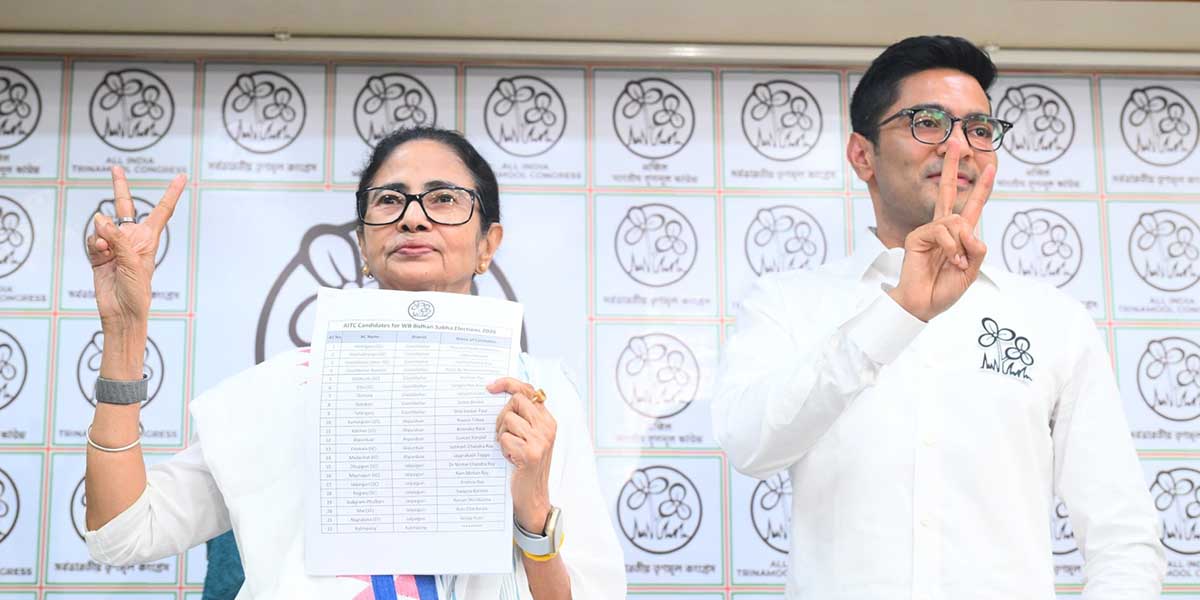
Seeking a fourth consecutive term, West Bengal chief minister Mamata Banerjee who released a 291-seat candidate list clearly signalled a sweeping organisational reset. Defined by a “three-generation balance” strategy, the list represents a calculated gamble by Mamata and her nephew Abhishek Banerjee to neutralise anti-incumbency through a mix of youthful energy and seasoned stability. Didi’s focus this time has been on younger faces, increased representation of women, and caste & community equations. Party insiders describe a “three-generation balance”, an idea pushed by Abhishek. Of 291 candidates, 219 or 75% are under 60, 45% around 50, 72 above 60 and 25 over 70 — marking a clear shift from 2021. To address anti-incumbency, 74 sitting MLAs have been dropped. Veterans like Samar Mukherjee (83), Sobhandeb Chattopadhyay (82), Firhad Hakim, Madan Mitra, Jyotipriya Mallick have been retained. Younger faces include Madhuparna Thakur (27), Rituparna Adhya (28), Debangshu Bhattacharya (29), and Rajib Biswas (29). Thirteen recent entrants have been fielded immediately that includes Pabitra Kar against his mentor Opposition leader Suvendu Adhikari in Nandigram. Meanwhile, Partha Chatterjee, Chiranjeet Chakraborty, Kanchan Mullick, Paresh Pal and Swarnakamal Saha, Vivek Gupta have been dropped. Several second-generation leaders have been fielded, including Shreya Pandey (daughter of Sadhan Pandey), Sirsanya Bandopadhyay, Tirthankar Ghosh, Basundhara Goswami, Shubhankar Singh and Sandipan Saha; however, the exclusion of late Mukul Roy’s son Subhranshu Roy signals a selective legacy politics. The list includes 52 women, 40 Muslims, 78 Scheduled Caste and 17 Scheduled Tribe candidates. Interestingly, the TMC appears to have moved away from its earlier reliance on inducting fresh faces from the Bengali film industry.
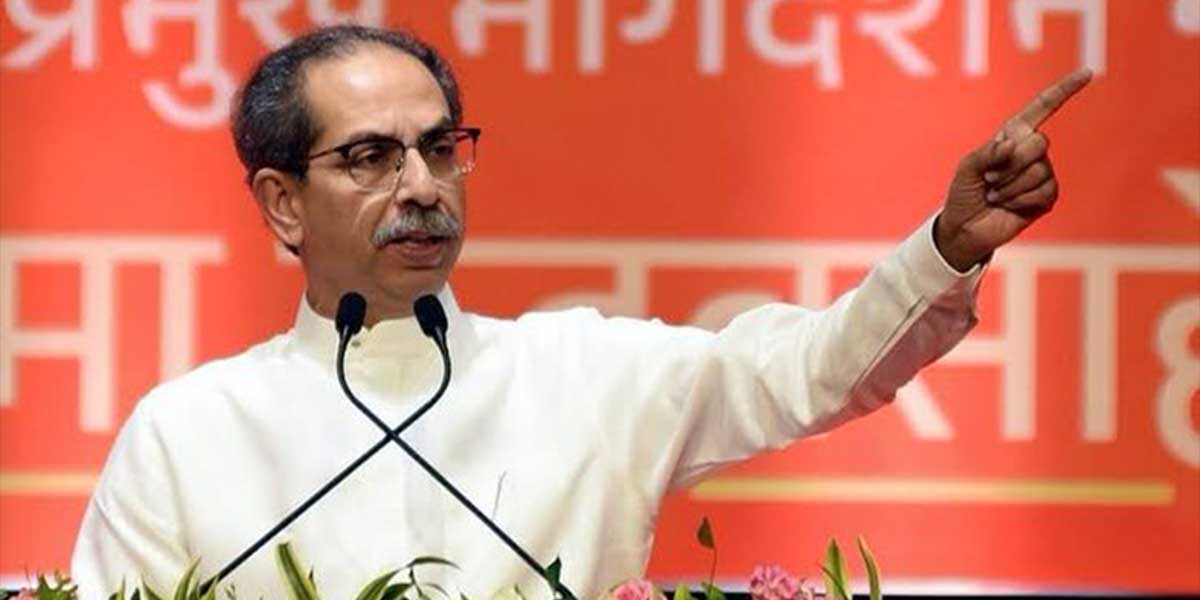
Unstinted support by the Shiv Sena (UBT) of the Freedom Religion Bill in the Maharashtra legislature has once again renewed political speculation about Uddhav Thackeray’s next likely stance regarding the BJP. His silence on the coming two assembly byelections in the state has already created unease within the Opposition Maha Vikas Aghadi (MVA). The state Congress unit has declared that it will consider fielding candidates in the two constituencies, one of them Baramati, represented by late deputy CM Ajit Pawar. His wife Sunetra, who has taken over his place in the state cabinet, will contest from Baramati. Her sister in law and NCP(SP) leader Supriya Sule has announced that her party will not challenge Sunetra. However, that decision has been seen as a family matter. But the Congress party is sore since it was taken without consulting its state leader Harshwardhan Sapkal. Even earlier, the Congress was ignored by the other two MVA partners when it was decided that veteran NCP leader Sharad Pawar will be sent to the Rajya Sabha. This was a BJP strategy to compel the MVA to agree to elect the remaining six Mahayuti candidates unopposed. Hence, rather than alienating the Hindutva vote bank, Uddhav decided to support the Religion Freedom Bill, which will soon become a law with state governor’s consent. He ignored the Bill’s criticism by the NCP(SP), the Congress and the fringe Opposition parties. Uddhav’s stand has made MVA uneasy once again but it will hardly reflect in the state polity, it is felt.
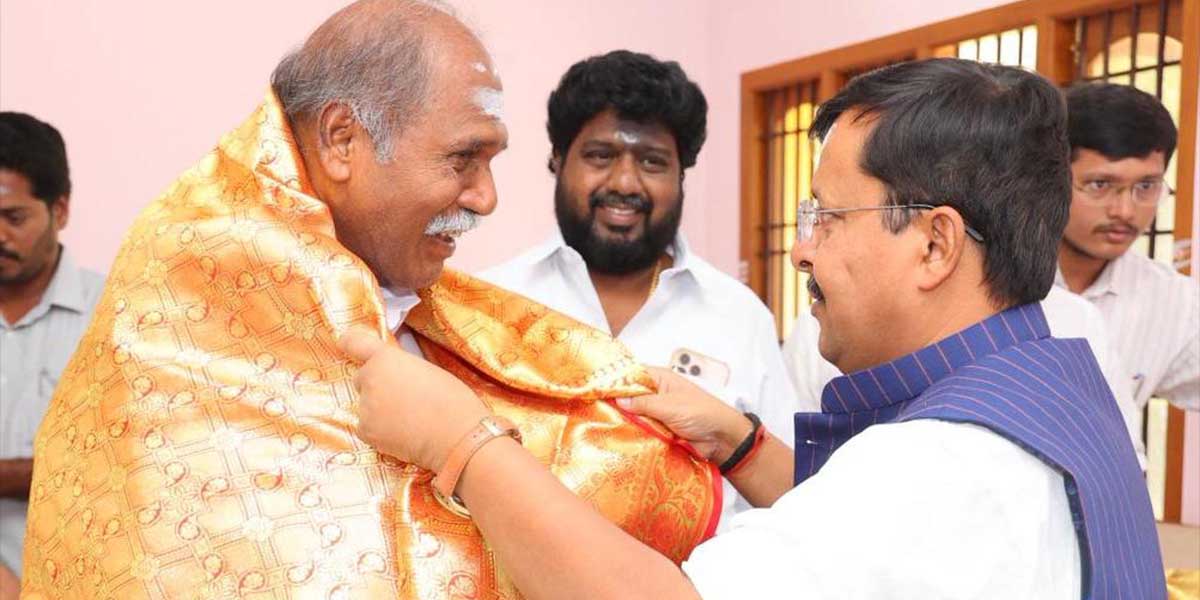
With barely a few days left for nominations to close for Puducherry assembly elections (Mar 23), Congress leaders were hoping for a miracle. They were hoping that there would be some electoral arrangement with actor Vijay’s Tamilaga Vettri Kazhagam (TVK) in the Union Territory. This seemed possible as the party in power — All India N R Congress — sent a message to its partner BJP that it could go alone in the polls. The CM’s Congress colleagues were keen that he break away from the NDA and return to the Congress fold. Jose Charles Martin, the son of lottery tycoon Santiago Martin, had launched his own political party — Latchiya Jananayaga Katchi. But the CM was not keen to include anyone with a lottery background. The CM raised everyone’s hopes in the Congress in TN as he played truant. He had avoided meeting Union Minister Mansukh Mandviya in Puducherry. However, Home Minister Amit Shah ensured all outstanding issues were sorted out and the alliance for 30 seats was finally sealed on March 20. Meanwhile, it is being said Rahul Gandhi has not publicly endorsed the DMK-Congress alliance in TN; it is quite likely that he may not campaign for the alliance. With his close aide Praveen Chakravarty renewing contacts with Vijay, there is a possibility that there could be an informal understanding between the Congress and the TVK in select constituencies in the state. However, more than TN it is the contest in Kerala that is posing a challenge for the Congress. Party sources say return of the Left Front for a record third term is now inevitable with the Congress trailing a good 2% behind. With group clashes coming to the fore, party men feel Kerala can be reclaimed only if the Congress projects a different CM — say a Shashi Tharoor!

The Maharashtra government’s proposal to translocate leopards, combined with the killing of a leopard in Pune after it was labelled a man-eater, has raised deep concern among environmentalists, who say these responses signal a governance failure in forest and land-use planning. Instead of addressing the factors that push wildlife into human spaces — shrinking habitats, fragmented corridors, unmanaged waste and unregulated expansion into forest-edge zones — the state is opting for short-term actions that risk intensifying conflict rather than resolving it. Leopards are territorial animals that play a stabilising role in ecosystems. When a resident leopard is killed or relocated, its territory does not remain vacant; another leopard moves in, often younger, stressed, and more unpredictable. Studies from Maharashtra, Karnataka and Uttarakhand show that relocated leopards frequently attempt to return to familiar terrain, travelling through villages and farms and increasing the potential for human encounters. National wildlife guidelines therefore caution against translocation as a routine conflict response. Environmentalists say lessons must be drawn from the cheetah introduction effort in Kuno, where animals struggled to adapt despite extensive planning. Wildlife cannot simply be shifted and expected to adjust; ecosystems require continuity, stable habitat and respect for territorial behaviour. NatConnect Foundation has escalated the issue to the Prime Minister’s Office. The Foundation hopes he will step in to ensure Maharashtra shifts from reactive “animal removal” measures to long-term forest and corridor management, waste regulation, humane stray animal control and trained rapid-response teams. Killing or shifting wildlife is not management — it is symptom control. Environmental advocate Jyoti Nadkarni said: “The leopard is an essential part of the food chain and the wider food web. Removing it disturbs a balance far more complex than we acknowledge. We must think before...

You may be driving around with an auto brewery syndrome that can land you trouble with cops. Chances are that you will be caught for drunk driving. The breathalyser will beep even if you didn’t consume a drop of liquor! Blame it on your bad gut health which can create this issue and you will never be able to win any argument with the police. You will have to cough up the fine and prove your innocence in the court with the help of a medical certificate. Dr D Nageshwar Reddy, chairman and Chief of Gastroenterology at AIG Hospitals, has narrated this ‘case study’ involving the daughter of a friend of his and how she had a harrowing time. Her stomach had apparently a brewery factory, he said at an event by FICCI Ladies Organisation’s Hyderabad chapter. The gut breaks down the foods we eat and absorbs nutrients that support the body’s functions. Research shows that our gut microbiome can affect every organ in our body. Now, gut health is widely discussed among medical circles the topic of the world as it could be the root cause of many diseases. Human stomach is full of bacteria both good and bad. The intestines have 1000 species. In his friend’s daughter’s case, she acquired bad bacteria in childhood, Dr Reddy said. So, maintain good gut health, have regular medical checks to keep medical bills and police penalties under check!

Environmental issues continue to dog the upcoming Navi Mumbai International Airport being built by Adani Airports. As the project secures extension of Environmental Clearance to allow Adani to complete the project, green groups are up in arms against what they called misleading Environmental Impact Assessment (EIA) report submitted by the company. The EIA quotes exhaustively the research report by the BNHS which called for protecting and conserving at least five major wetlands as migratory bird destinations. The State-government owned city planner CIDCO would take steps to implement these suggestions. Moreover, the controversial golf course planned by CIDCO filling two wetlands – NRI and TS Chanakya – was cancelled, the EIA said. But the ground reality is totally contradictory as the wetlands continue to be under attack, green groups Save Navi Mumbai Environment and NatConnect Foundation have complained to the Union Ministry of Environment, Forest and Climate Control. One wetland at Bhendkhal, has been completely buried, another one at Belpada majorly landfilled and a third – Panje – often goes dry as the intertidal water flow to it is blocked by “vested interests”, the greens said. The golf course plan is still alive as the project proponent has recently obtained Coastal Regulation Zone clearance. The tragic part is that CIDCO refuses to accept the existence of the wetlands identified by BNHS as well as the State Mangrove Cell, Nandakumar Pawar of NGO Sagar Shakti said.