All
All Politics
 Business
 Entertainment
 Sports
 Celebrities

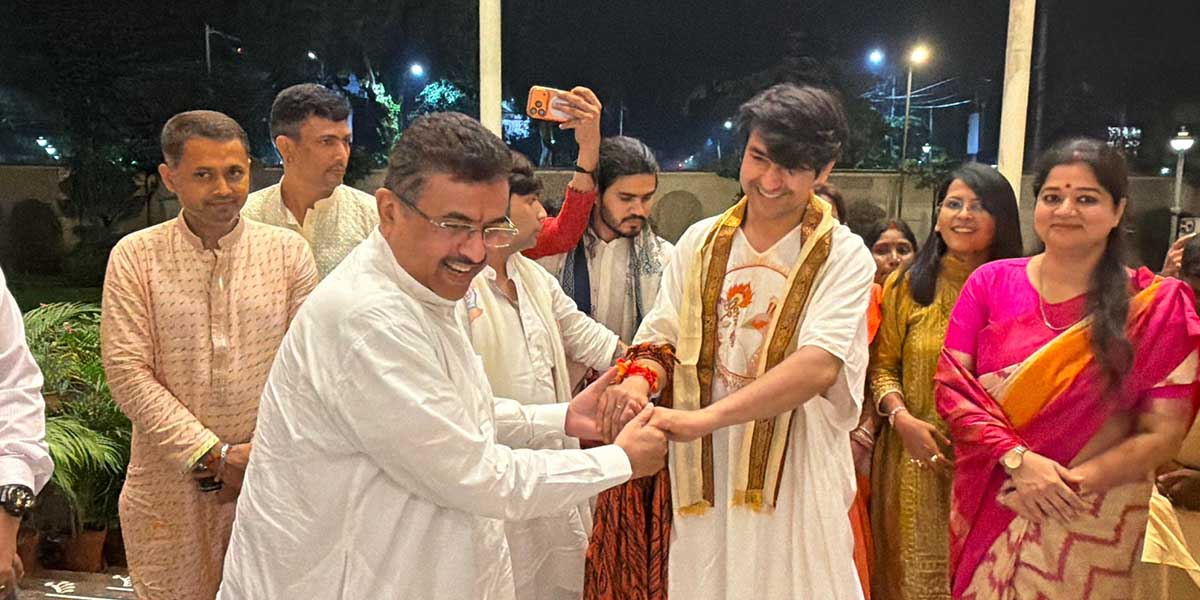
Four months into its first government in West Bengal, the BJP is confronting a political battle it may have expected to fight outside government — over what constitutes Bengali culture. The immediate flashpoint is Durga Puja, the state’s defining festival that featured prominently in the BJP’s electoral pitch around Bengali identity. The fault line has sharpened over attempts by sections of the hardline camp advocating vegetarian food during the five-day festivities. To add to this, the state government hosted self-styled godman Dhirendra Shastri aka Bageshwar Baba who has not only professed vegetarianism during Durga Puja, but also terming non-veg eating Bengalis as “pakhandi”. He was welcomed by chief minister Suvendu Adhikari and his Cabinet and a gala dinner was hosted for him. The ruling party had to address growing discontent over Baba’s term as well as “food diktat”, arguing that such prescriptions run against the lived cultural practices of Bengal and risk turning “Bangaliana” into an electoral slogan rather than a political commitment. The CM has announced restrictions on DJs, liquor sales and road blockades, alongside financial assistance for smaller puja committees and plans for a major Mahalaya programme at Eden Gardens with Prime Minister Narendra Modi and Union Home Minister Amit Shah. The political optics have been complicated further by the government’s decision to discontinue the Durga Puja carnival on Kolkata’s Red Road, the brainchild of former CM Mamata Banerjee. The carnival had evolved into a major public spectacle, showcasing award-winning idols and puja committees. The irony is hard to miss. In 2021, UNESCO recognised Durga Puja in Kolkata as an intangible cultural heritage. For BJP that campaigned on reclaiming Bengal’s cultural identity, the question is no longer merely who controls Durga Puja — but who gets to define Bengal.