All
All Politics
 Business
 Entertainment
 Sports
 Celebrities
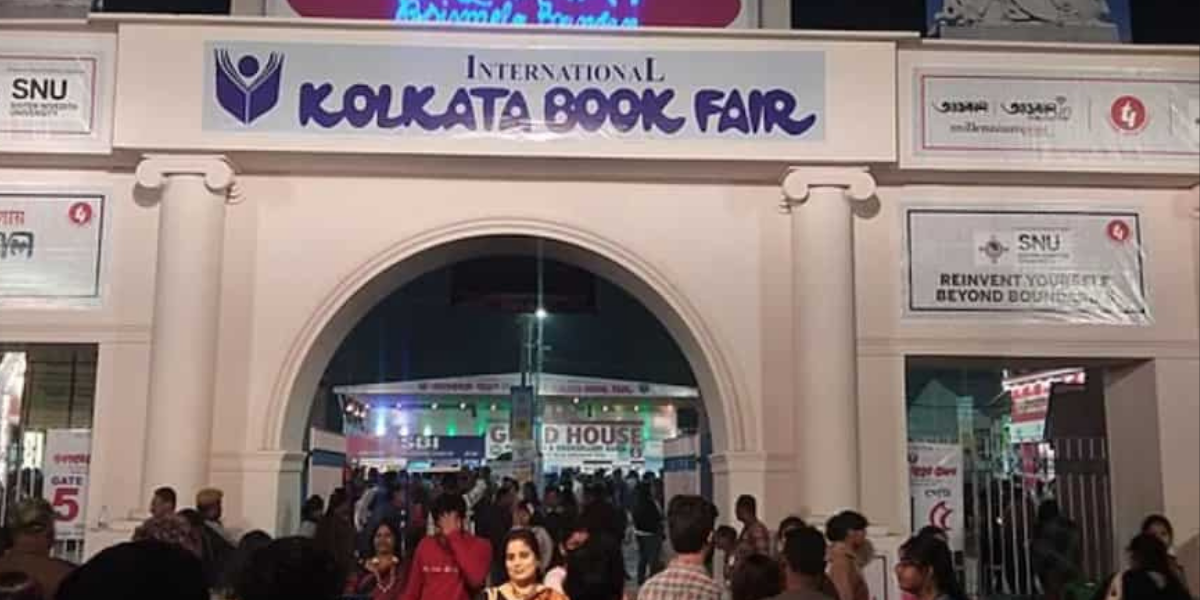
The BJP’s landslide victory in the 2026 West Bengal Assembly election has opened a new political space for the Hindu nationalist ecosystem to expand its presence beyond electoral politics into Bengal’s cultural landscape. The Hindu Right is seeking to build an alternative cultural infrastructure, with Kolkata’s College Street, or Boi Para, emerging as an early site of contestation. Long regarded as a hub of books, ideas and political debate, and historically shaped by Left intellectual traditions, the area is now witnessing the emergence of new cultural organisations. Two such platforms are the Bangiya Grantha Shilpa Parishad (BGSP), launched on June 1, and the Association of Bengal for Literature & Culture (ABLC), founded on June 27. Both present themselves as non-partisan bodies representing the book and cultural sectors. However, their emphasis on nationalism and the revival of Bengal’s “glorious culture” has prompted debate over their ideological positioning. The contest has also reached the Kolkata International Book Fair, with both organisations informally projecting themselves as potential alternatives to the existing organiser amid allegations of politicisation and irregularities. Parallel efforts are underway across the wider cultural sector. The Shyamaprasad Artist Forum and Bangiya Shilpa Kala Parishad have sought to consolidate artists, while the Lekhak Shilpi Samanway Samiti has expanded its activities and helped facilitate the Paschimbanga Natya Parishad for theatre practitioners. In music, Performers of Bengal has emerged as a platform for professionals, promoting what it calls a “Clean Culture, Healthy Culture”. The Hindu Right is also challenging what its supporters describe as Bengal’s “seku-maku” — secular-Marxist — intellectual culture. RSS-linked literary and historical organisations have further widened their networks, while newer groups are advancing alternative interpretations of Bengal’s history, identity, and cultural inheritance in Bengal.