All
All Politics
 Business
 Entertainment
 Sports
 Celebrities

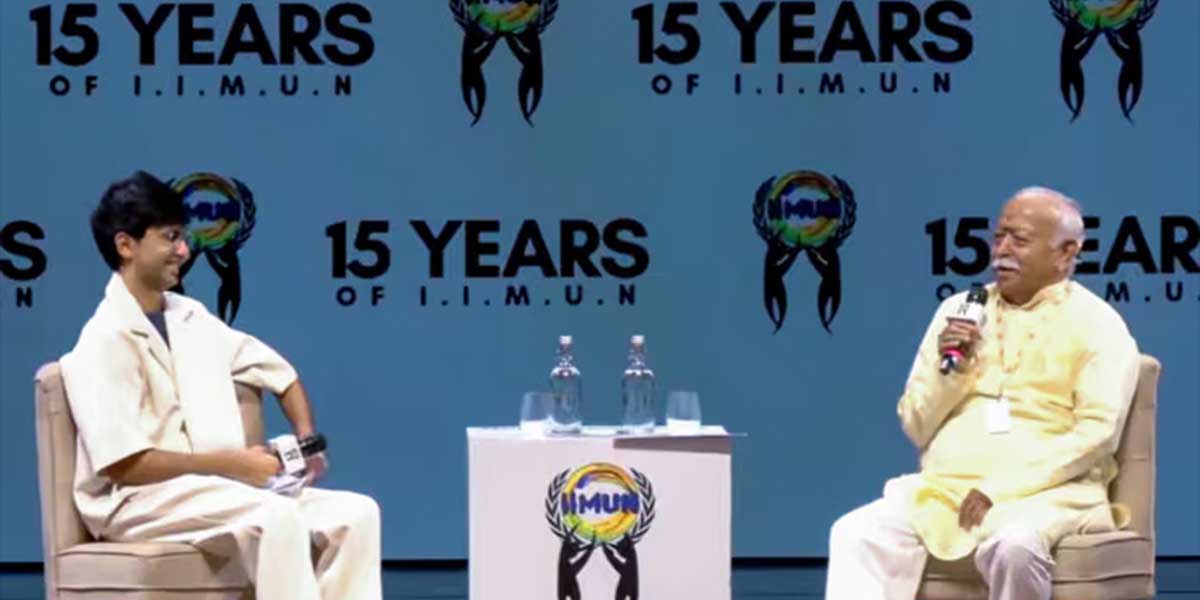
RSS chief Mohan Bhagwat’s remarks in Mumbai on August 6 at an interaction with Gen Z is bound to make the top BJP leadership take note. The Sangh appears to be taking the lead over the Modi government in starting a dialogue with the youth, before PM Modi does. Bhagwat stated that Gen Z protests over issues like exam paper leaks are a legitimate form of dialogue. He has asserted that youth grievances are genuine and should not be labelled anti-national. Observers view his remarks as a nudge toward constructive engagement and systemic reform rather than confrontation. He emphasised that the era of blind obedience is over, and today’s youth demand logic, discussion, and reasoning. Coming amid youth-led agitations and public debates, his comments are widely interpreted as advocating an empathetic, communicative approach rather than an adversarial response. Were the RSS Chief’s remarks a wake-up call for the BJP? The statement places the RSS directly inside the debate over how India’s political establishment engages with a generation often dismissed as unserious or confined to social media. The message is clear: disagreement is not disloyalty, and young people taking to the streets cannot automatically be portrayed as enemies of the nation. Bhagwat has pushed back against attempts by many government and BJP leaders to brand protesting youngsters as anti-national. He said Gen Z is more honest than earlier generations and has the right to question those in power. The “wake-up call” narrative is built on several key interventions by Bhagwat over the past few years.. Amid intense student protests over NEET paper leaks—which forced the resignation of Union Education Minister Dharmendra Pradhan—Bhagwat asserted that “if Gen Z is protesting, they are not anti-nationals” and that the government must address grievances using logic and dialogue rather than dismissal. This directly contrasted with aggressive rhetoric from several BJP leaders.