 All
 Politics
 Business
 Entertainment
 Sports
 Celebrities


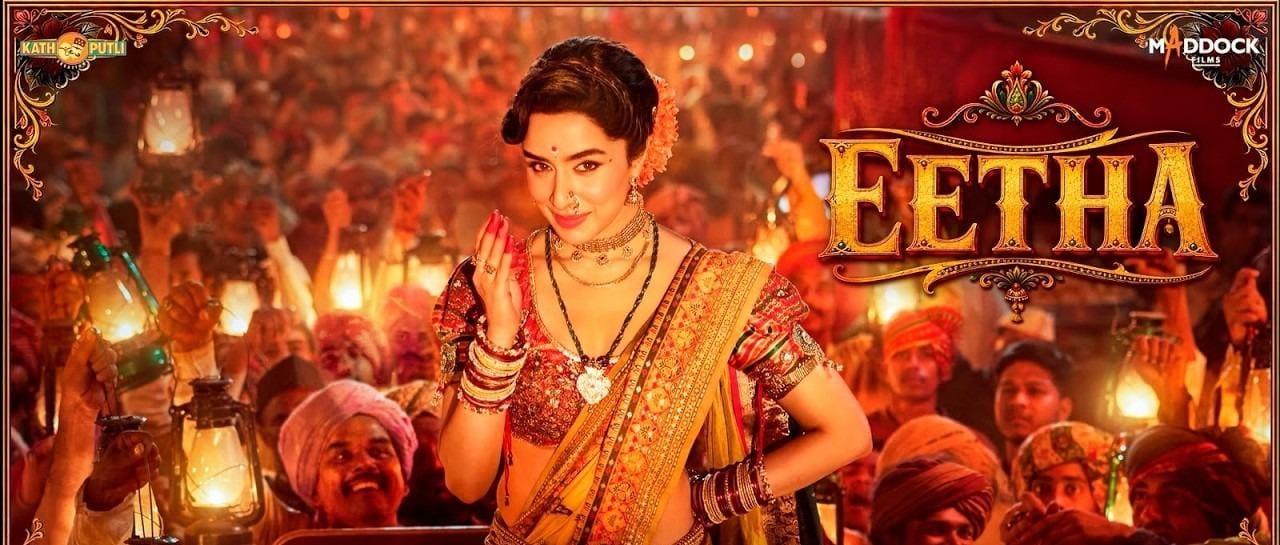
Eetha, the Laxman Utekar-directed musical drama starring Shraddha Kapoor in a role inspired by legendary Marathi Lavani and Tamasha artist Vithabai Bhau Mang Narayangaonkar, has struggled to generate meaningful excitement since its teaser and trailer drops. Despite the director’s recent success with Chhaava and the solid backing of Maddock Films, the film’s niche cultural subject, rooted deeply in Maharashtra’s folk traditions, has not translated into widespread mass curiosity outside core audiences. Lavani may be vibrant and colourful, but it lacks the pan-India pull. Shraddha Kapoor is not yet a solo open-day powerhouse in the league of legends such as Madhuri Dixit or Sridevi. Her last major theatrical outing was the horror-comedy Stree 2, and a period musical drama built around a regional folk artist is a significant tonal and commercial departure. Eetha was originally locked for an August 28, 2026 release before being postponed, first to avoid other clashes and now landing on December 4. That date has now become a serious problem. Salman Khan’s war drama Maatrubhumi (earlier titled Battle of Galwan) has locked the same day. A typical big-ticket Salman release commands substantial screen space, strong advance interest, and the kind of media oxygen that smaller or mid-range films simply cannot match. In a clash, multiplex and single-screen allocation will almost inevitably tilt toward the bigger star vehicle, leaving Eetha with reduced shows, weaker visibility, and an uphill battle for opening-day footfalls. Given the limited pre-release traction, the subject’s regional flavour, and Shraddha’s current box-office stature, the sudden arrival of a high-profile Salman Khan film on the identical date has turned an already cautious trade outlook into one of genuine concern. Many in the trade believe the clash could prove decisive.
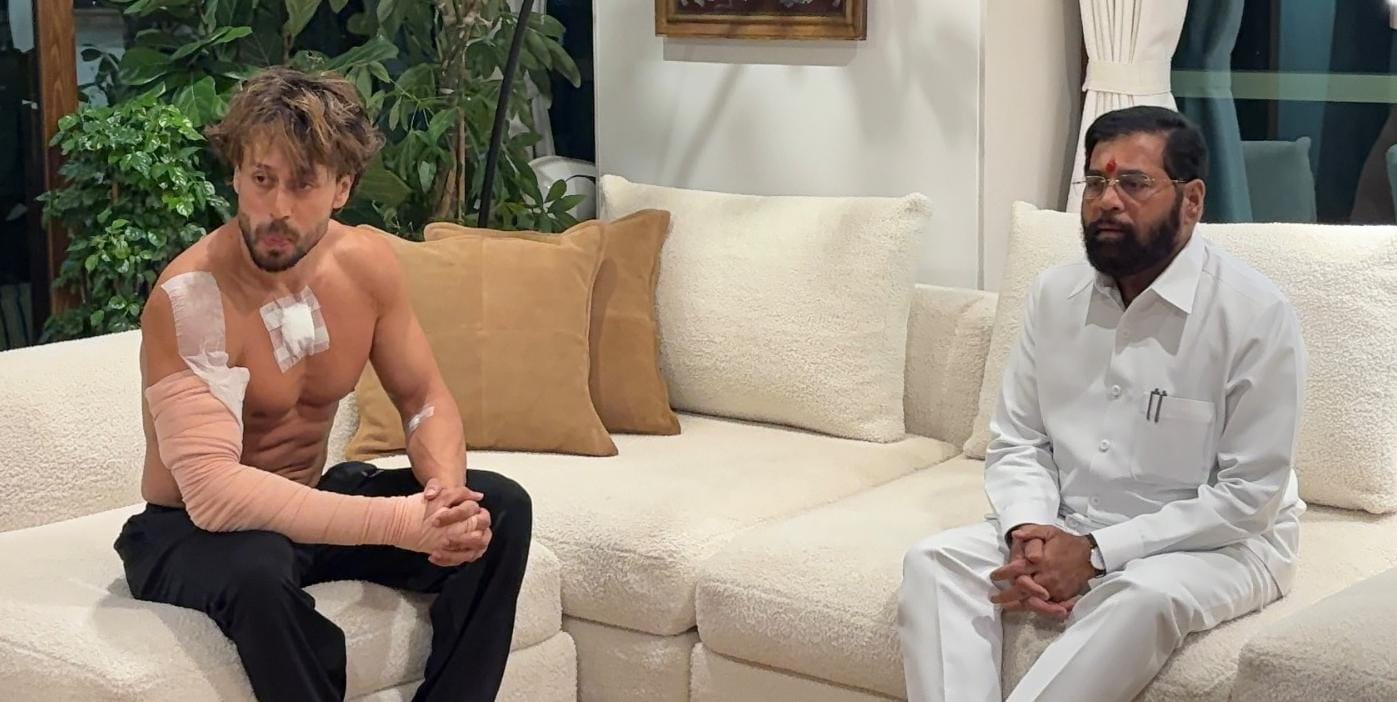
The Mumbai Police have advised Bollywood actors to stay away from crowded public places and fan gatherings. The advisory follows after the October firing on Tiger Shroff’s car in Juhu and a chain of incidents earlier that had already frayed nerves: the attack outside Rohit Shetty’s Juhu home, the murder of Baba Siddique and repeated threats linked to the Lawrence Bishnoi network. Security teams have tightened protocols; some stars now greet fans from behind protective barriers. The message from the police was clear; crowds create vulnerability and the industry has taken it seriously. Yet the same climate of fear has created an opening for a different kind of threat. Small-time operators and opportunistic freelancers, sensing panic, have begun impersonating the very gangs the police are watching. They do not need weapons or local networks; a voice note, a claim of gang affiliation, and a demand for crores are enough. The case of Ayushmann Khurrana illustrates the pattern. A 30-year-old Bengaluru-based IT engineer, Vaibhav Mishra, allegedly sent threatening Instagram audio messages to Khurrana and Tusshar Kapoor, posing as an associate of the Bishnoi gang and demanding large sums. Police found no genuine link to the syndicate; the messages appear to have been an attempt to cash in on the fear generated by the Tiger Shroff shooting. Mishra has since been arrested and remanded to judicial custody, with investigators still checking whether similar threats reached other celebrities. The Ayushmann episode shows how easily a digitally savvy individual can borrow the language of organised crime to extract money or simply spread panic. For the industry, the practical result is the same: heightened insecurity, restricted movement, and a new calculus in which every public outing now carries both physical and reputational risk.
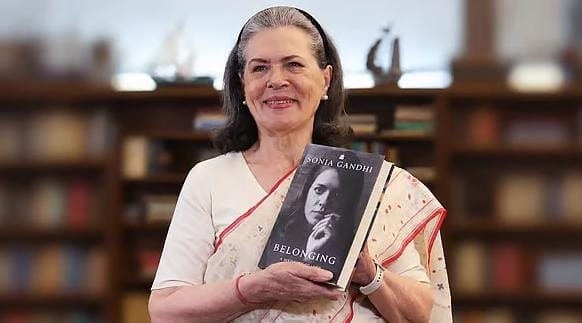
As her memoir, Belonging: A Journey Of Love was made available at various bookstores across India, Sonia Gandhi recalled how she and her husband former PM Rajiv Gandhi had agreed not to respond to all that was written about them. “A long time ago Rajiv and I realised that there was no point in trying to keep up with all that had been written about us. But, as I say in the book, there came a time when I felt that I should tell my own story.” The memoir traces Sonia’s life journey, from her childhood in post-war Italy and her romance with Rajiv, to her life in India and the personal losses that shaped her bond with her adopted country. Is the book all about Sonia revisiting her relationship with Rajiv during their time in Cambridge, and the assassinations of her mother-in-law, former Prime Minister Indira Gandhi, and her husband whom she married in 1968? Congress analysts who initially wondered why she thought of writing a memoir at this stage, are now convinced that the ageing leader (80 yr) was perhaps positioning herself to lead the Opposition again post 2029. Maybe for a UPA III? Party sources say one thing is certain that Sonia now seems no longer interested in relaunching her son Rahul for the nth time. It is also being said she will never hand over the baton to daughter Priyanka. The bitterness with which she has attacked sister-in-law Maneka Gandhi makes it clear she will block Varun’s entry into the Congress. The book has glossed over a number of personal questions and there are a number of inaccuracies. The book got the year of Sonia’s political secretary Ahmed Patel’s death (2020) wrong. It is mentioned as 2022! Now it looks like Sonia’s references to PM Modi were aimed only as a sales pitch!

Godzilla Minus Zero postponed India release is a clear missed opportunity. Originally lined up for 6 November 2026 alongside Ramayana: Part 1, it was shifted to 20 November after Ramayana secured a two-week IMAX and premium large-format exclusivity window. With only around 30–35 IMAX screens nationwide, distributors preferred a later date over limited premium shows for a title filmed specifically for the format. This calculation overlooked a basic market reality: two differently positioned films can share a weekend without one erasing the other. History repeatedly proves it. Lagaan and Gadar: Ek Prem Katha (2001) both became major hits. Dil and Ghayal (1990) succeeded side by side. Golmaal Returns and Fashion (2008) each found their audience. Jab Tak Hai Jaan and Son of Sardaar (2012) both crossed significant numbers. More recently, Gadar 2 and OMG 2 (2023) thrived together, as did the broader August 2023 cluster that included Jailer. The precedent of Godzilla Minus One (2023) strengthens the case. It never reached Indian theatres after revenue-share disagreements with PVR Inox. Yet it became a global success, won an Oscar for visual effects and found a strong audience on Netflix in India. Godzilla Minus Zero has already demonstrated stronger early traction. It opened to roughly about Rs 5,920 crore worldwide, including a record Rs 2,970 crore as North American debut for a live-action foreign-language film, all without India. In the same window, Ramayana collected around Rs 520 crore worldwide. By delaying release by two weeks, the market lost the chance to capture peak global momentum, opening-weekend occupancy, and incremental footfall that could have added meaningful crores to overall collections. Treating premium-screen scarcity as an absolute barrier, rather than managing it, has produced an avoidable commercial miss for Indian cinemas.
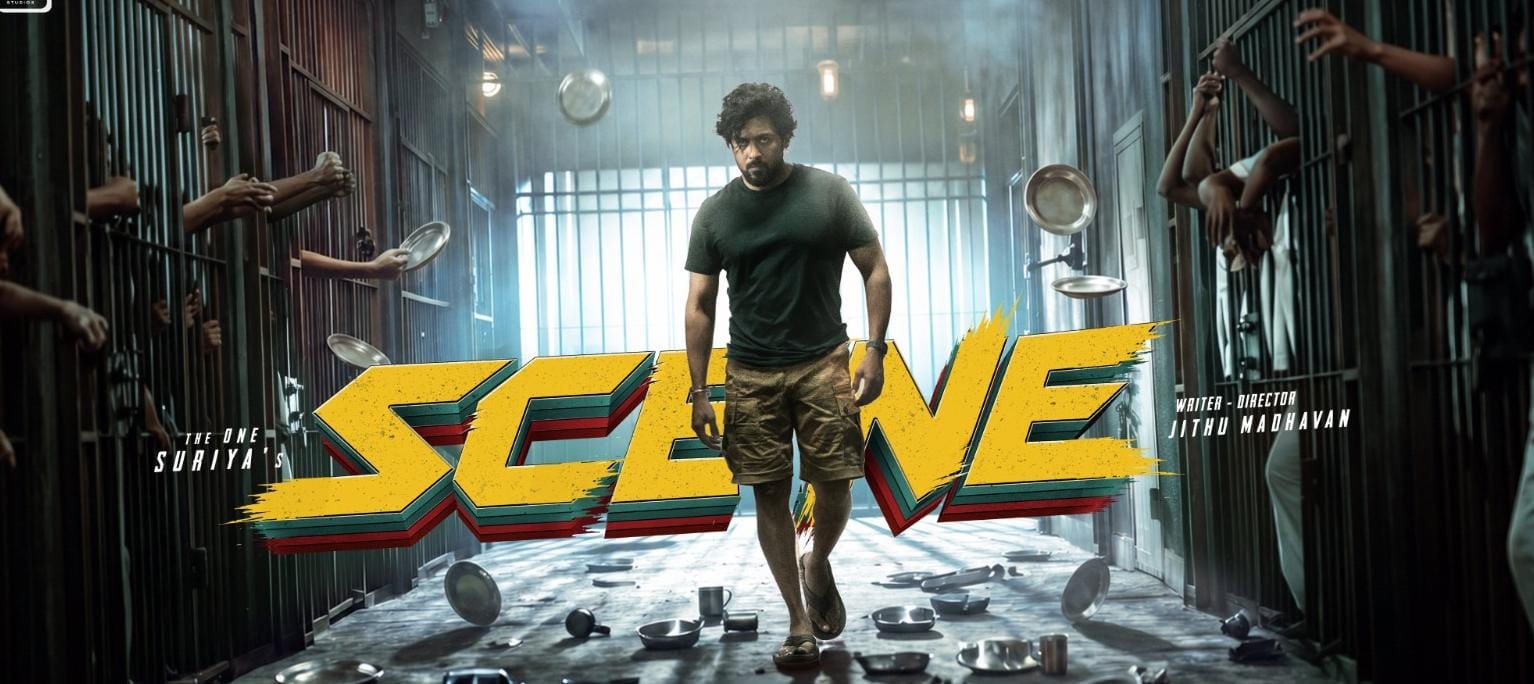
Imagine the overwhelming stress these production and marketing teams had when a tri-cornered release for Diwali hit them! Overwhelmed audience, ruckus filled ticket sales, return on investment, star studded status of the cast and weight of the narratives. Ramayana, Mookuthi Amman and Scene clashed at the box office in TN, the gladiator of Diwali releases, a cinema tradition for the film hungry Tamilian. The Hindu minced no words in the Mookuthi Amman review it said: “Nayanthara’s Amman has Divine powers but cannot defeat bad film making”. The weight of ages of story-telling, the all-pervading divinity and a cult epic…the Ramayana retold countless times is still revisiting the beautiful Ramanand Sagar TV serial epic that closeted a milling public indoors Sunday morning –glued to TV in their home or neighbours. That leaves Suriya’s Scene. A hero who had been eclipsed by back to back Box Office debacles. Slowly the star was fighting his way through the muck of failure. His last two outings Karuppu and Vishwanath & Sons, glinting hopefully. And then comes Scene reminding us about the streets of Mumbai echoing with the cries of “De daan chutte gruhan” the next day. It is Daat de, Chutte Gruhan for Suriya with Scene. He has put himself in the capable creativity of Malayalam director Jithu Madhavan whose smash hit Aavesham beckoned like a siren song. Suriya just goes with the flow of the narrative…his comic timing of earlier hit Pithamagan echoes. Ghajini was no accidental wonder. In Scene Suriya is cautious not stealing scenes from his co-stars…Nazriya Nazim, his romantic interest and villain Naslen. Suriya is the 1000 wala cracker of this Diwali .
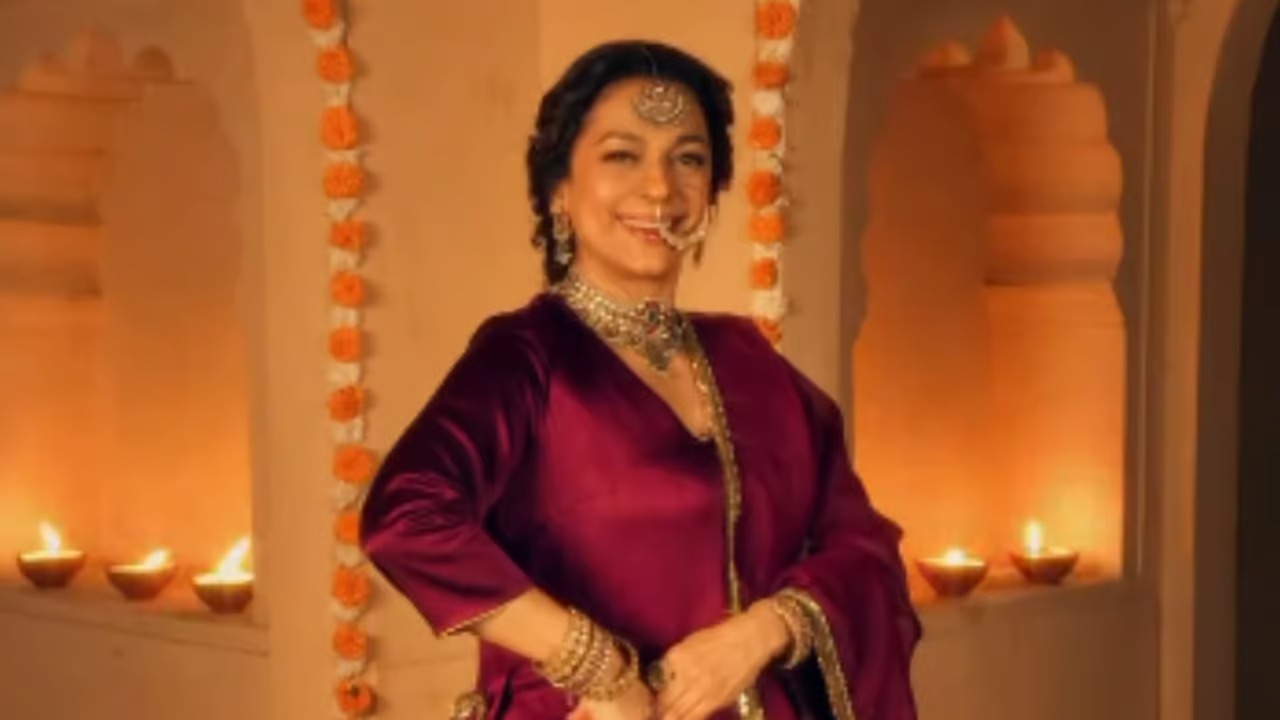
In 2021, Juhi Chawla walked into the Delhi High Court not merely as a film star but as an environmentalist sounding an alarm. She warned that the impending 5G rollout could bathe the country in radiofrequency radiation levels far higher than anything seen before, exposure she described as potentially irreversible for human health, wildlife, and entire ecosystems. Her petition demanded scientific studies and official certification of safety before the technology was unleashed. The court dismissed the plea as defective, labelled it a publicity stunt, and imposed a Rs 20 lakh cost. Five years later, the same actress steps into the candlelit splendour of Apple’s Diwali campaign Step Into the Light, shot entirely on the iPhone 18 Pro. Directed by Raw Mango’s Sanjay Garg and filmed at Rajasthan’s historic Tijara Fort, the film reimagines “Roop Suhana Lagta Hai” the iconic song from her 1994 film The Gentleman, as a folk-infused celebration. The visuals are lush, nostalgic, and meticulously polished, showcasing the phone’s low-light camera prowess against a backdrop of festival glow. Yet the device at the centre of this elegant tableau is one whose everyday power depends on precisely the advanced cellular networks; including 5G; that once unsettled her. The woman who once insisted on public studies and safety guarantees is now lending her image to a product that thrives on high-speed wireless connectivity. Is this selective memory, a quiet evolution of personal priorities, or simply the unsentimental calculus of celebrity endorsement in an industry where smartphones have become inseparable from both livelihood and lifestyle? What remains unmistakable is how swiftly the distance has closed between a courtroom petition and a Diwali iPhone cameo; illuminated by festival lights and the sheen of a flagship phone.
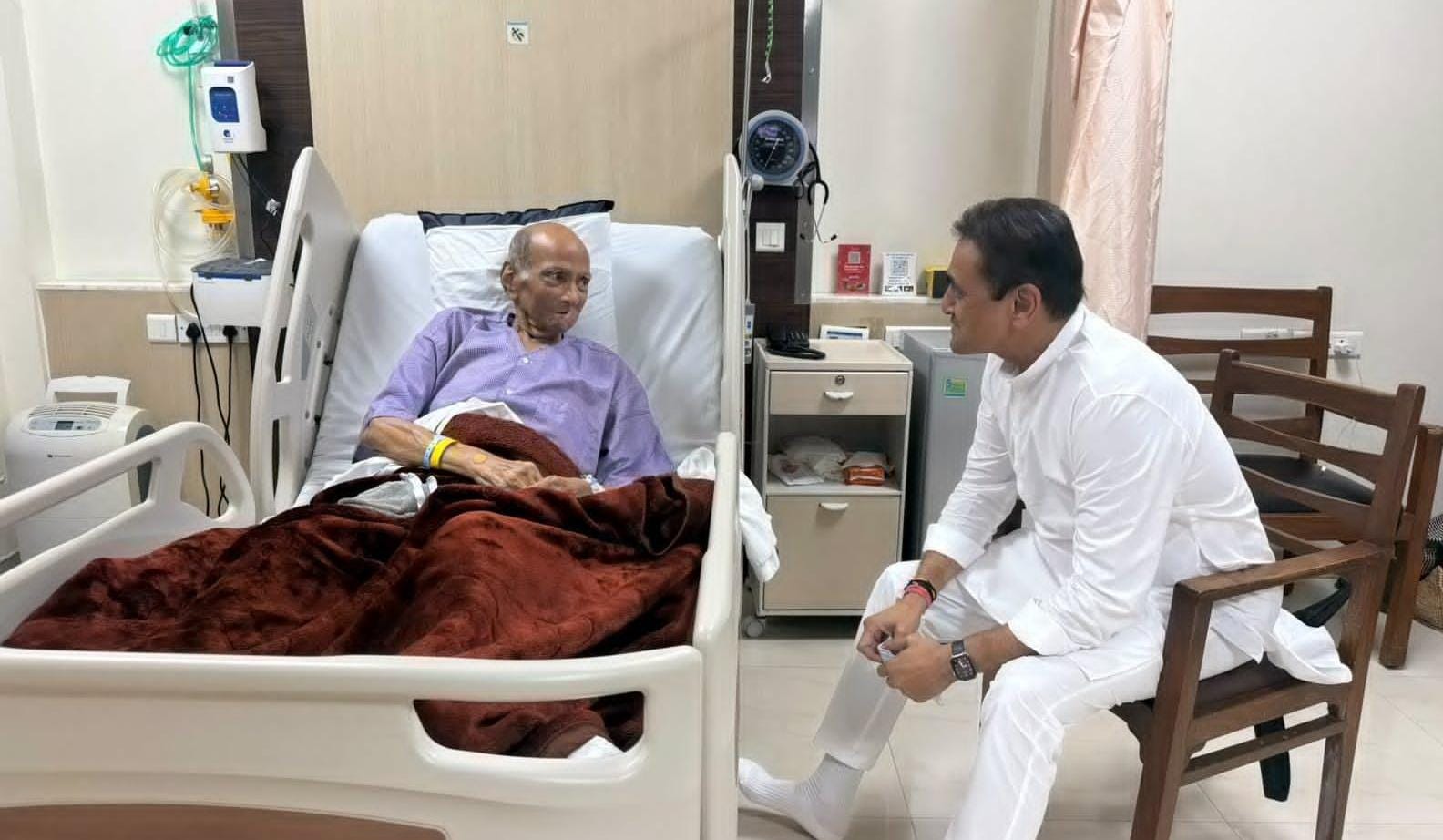
As veteran leader Sharad Pawar’s meeting with his one-time loyalist Praful Patel at his hospital room became viral within seconds, the old topic of possible merger of the two factions of the Nationalist Congress Party (NCP) has taken a new turn. While several NCP dissidents are distressed at the prospect of the reunion, there is a bevy of allegations and retorts. The main focus of the ire appears senior leader and NCP (Ajit) MP Sunil Tatkare. Some Ajit Pawar loyalists have come down heavily against Tatkare, charging that at every drop of a hat, he changes his earlier statements. More serious is the charge that Tatkare wanted to become the deputy chief minister of Maharashtra after Ajit’s untimely death earlier this year. Tatkare’s supporters have dismissed at such effort on his part. In fact, the flurry of allegations began after Tatkare disclosed that the merger of the two NCP factions was to take place in February this year, as directed by Ajit Pawar. However, the air crash that claimed Ajit’s life along with some others totally destroyed the time table. The rumours began flowing afresh after Sharad Pawar told Praful Patel that their next meeting will be after 10 November. As Pawar hinted, or as it is propagated, there could be discussions on the merger. The scenario is totally bewildering for workers of both NCP factions and the only choice for them is to wait and watch.
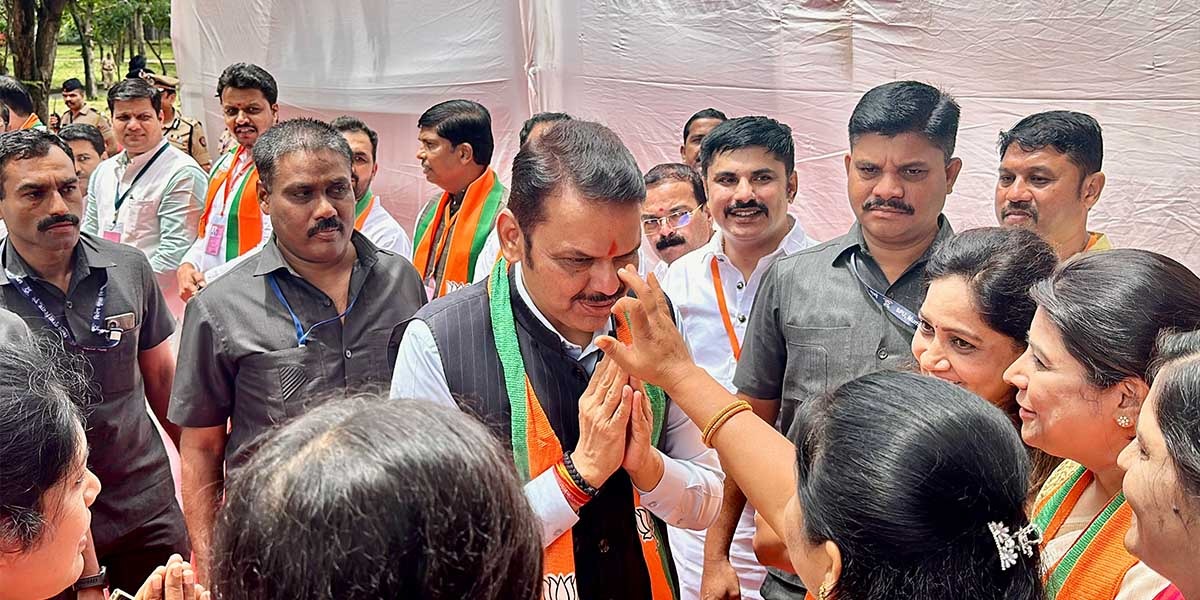
India’s former Chief Justice B R Gavai’s opinion on the political imbroglio at the ‘Gokul’ milk producers’ cooperative in Kolhapur became a talk of the town since the body has elected 13 directors opposed to the state’s ruling Mahayuti alliance, which managed to win 12 seats, thus creating a deadlock. The Mahayuti government then got an ordinance issued through the State Governor to provide for nomination of five directors on any institution having turnover exceeding Rs 500 crore a year. Thus, the ruling alliance’s majority now can be shown at the next meeting of the directors. Meanwhile, reports became viral that Gavai had expressed the view that the state government should not to resort to issuing the ordinance. Though Gavai has not commented on the news, chief minister Devendra Fadnavis has explained that Gokul is limited to just a small area of the state and hence has not a very large field of influence. About Gavai’s reported advice, Fadnavis said perhaps Gavai was not apprised of the entire set of situations. Elaborating on his remark, the CM said if the stalemate at Gokul continued, ultimately it would be ruled by the district deputy registrar of the cooperation department, thus indirectly putting it under the government. Instead, because of the ordinance, the Gokul board will be able to function according to its own wisdom. Fadnavis reiterated that his government had no intention of interfering into the affairs of the largest cooperative milk federation in Maharashtra.
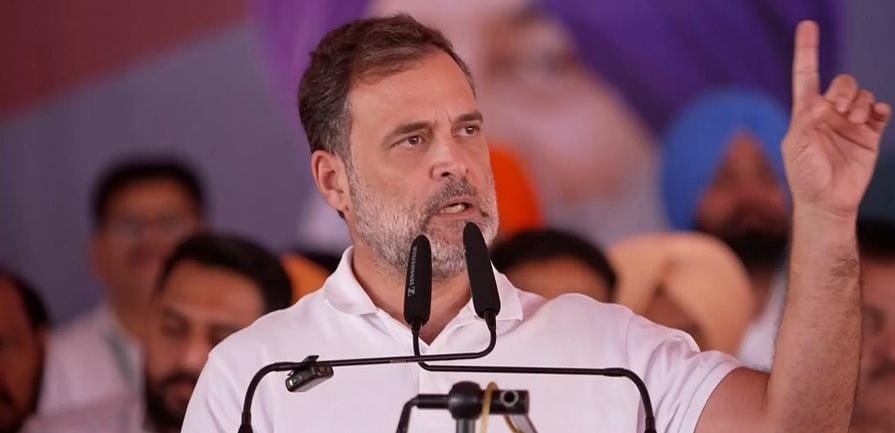
Nothing has pleased the average Congress worker in Punjab than the manner in which Rahul Gandhi launched an all-out attack on AAP chief minister Bhagwant Mann. From picking on widespread use of psychotropic drug “chitta” in the state to fondly remembering how rapper Siddhu Moosewala was claimed by violence in the state in 2022, Rahul charged the AAP government of misgovernance. He personally charged Mann of indiscretions — recalling how as Lok Sabha MP, Bhagwant Mann used to reek of alcohol in Parliament. “Many years back, I had said that drugs are spreading in Punjab. The BJP and the Akali Dal at that time said Rahul Gandhi does not know anything about Punjab, downplaying the drug menace. Today, ‘chitta‘ (adulterated heroin) is a major issue in the state,” he said. Recalling that the AAP government was formed after people placed their trust in the party that it will end the drug menace in Punjab. “In Lok Sabha, he (Mann) used to crack jokes sitting with us. At 11 am, he smelled of alcohol. I am not saying Bhagwant Mann should not consume alcohol; it is his personal matter. But if you want to fight drugs, the chief minister can’t get intoxicated every evening,” he said. Congress sources say Rahul Gandhi may not have been comfortable commenting on Mann’s personal habits but it helped convey a strong message ahead of the state elections. Meanwhile, defending Mann, AAP wondered why Rahul was not speaking against UP chief minister Yogi Adityanath or Uttarakhand chief minister Pushkar Dhami. The party felt Rahul was using Mann as a “soft target”.
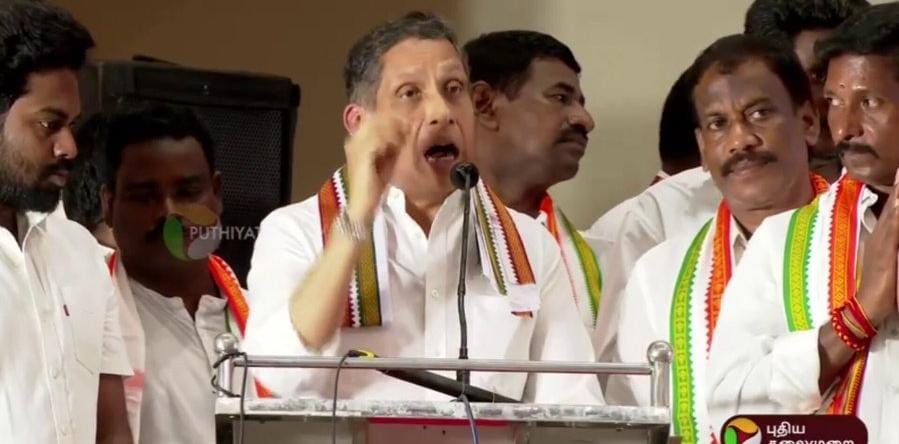
It is being learnt that Congress leader Praveen Chakravarty, a close aide of Rahul Gandhi, is hoping to be Tamil Nadu Finance Minister. A Rajya Sabha MP from the state, Praveen has apparently moved quite close to TVK leaders and chief minister C Joseph Vijay; he has been sorting out tricky issues of dealing with the Centre for the new dispensation in Chennai. Anticipating his possible elevation, he even battled critics predicting a dip in GST collections; he had taken on former BJP leader K Annamalai. It is being said Praveen would only be too happy to have a ministerial role as the CM Vijay is not happy with the present incumbent — Marie Wilson. Vijay is reportedly looking for a finance specialist to handle the department. Well then does Praveen qualify for the assignment? Perhaps in a limited way as he has worked as an investment banker and angel investor before joining the Congress. However, with just five Congress MLAs backing the TVK government will the Finance Portfolio not be too hefty a department to be shared with an ally?
Eetha, the Laxman Utekar-directed musical drama starring Shraddha Kapoor in a role inspired by legendary Marathi Lavani and Tamasha artist Vithabai Bhau Mang Narayangaonkar, has struggled to generate meaningful excitement since its teaser and trailer drops. Despite the director’s recent success with Chhaava and the solid backing of Maddock Films, the film’s niche cultural subject, rooted deeply in Maharashtra’s folk traditions, has not translated into widespread mass curiosity outside core audiences. Lavani may be vibrant and colourful, but it lacks the pan-India pull. Shraddha Kapoor is not yet a solo open-day powerhouse in the league of legends such as Madhuri Dixit or Sridevi. Her last major theatrical outing was the horror-comedy Stree 2, and a period musical drama built around a regional folk artist is a significant tonal and commercial departure. Eetha was originally locked for an August 28, 2026 release before being postponed, first to avoid other clashes and now landing on December 4. That date has now become a serious problem. Salman Khan’s war drama Maatrubhumi (earlier titled Battle of Galwan) has locked the same day. A typical big-ticket Salman release commands substantial screen space, strong advance interest, and the kind of media oxygen that smaller or mid-range films simply cannot match. In a clash, multiplex and single-screen allocation will almost inevitably tilt toward the bigger star vehicle, leaving Eetha with reduced shows, weaker visibility, and an uphill battle for opening-day footfalls. Given the limited pre-release traction, the subject’s regional flavour, and Shraddha’s current box-office stature, the sudden arrival of a high-profile Salman Khan film on the identical date has turned an already cautious trade outlook into one of genuine concern. Many in the trade believe the clash could prove decisive.
The Mumbai Police have advised Bollywood actors to stay away from crowded public places and fan gatherings. The advisory follows after the October firing on Tiger Shroff’s car in Juhu and a chain of incidents earlier that had already frayed nerves: the attack outside Rohit Shetty’s Juhu home, the murder of Baba Siddique and repeated threats linked to the Lawrence Bishnoi network. Security teams have tightened protocols; some stars now greet fans from behind protective barriers. The message from the police was clear; crowds create vulnerability and the industry has taken it seriously. Yet the same climate of fear has created an opening for a different kind of threat. Small-time operators and opportunistic freelancers, sensing panic, have begun impersonating the very gangs the police are watching. They do not need weapons or local networks; a voice note, a claim of gang affiliation, and a demand for crores are enough. The case of Ayushmann Khurrana illustrates the pattern. A 30-year-old Bengaluru-based IT engineer, Vaibhav Mishra, allegedly sent threatening Instagram audio messages to Khurrana and Tusshar Kapoor, posing as an associate of the Bishnoi gang and demanding large sums. Police found no genuine link to the syndicate; the messages appear to have been an attempt to cash in on the fear generated by the Tiger Shroff shooting. Mishra has since been arrested and remanded to judicial custody, with investigators still checking whether similar threats reached other celebrities. The Ayushmann episode shows how easily a digitally savvy individual can borrow the language of organised crime to extract money or simply spread panic. For the industry, the practical result is the same: heightened insecurity, restricted movement, and a new calculus in which every public outing now carries both physical and reputational risk.