 All
All Politics
 Business
 Entertainment
 Sports
 Celebrities

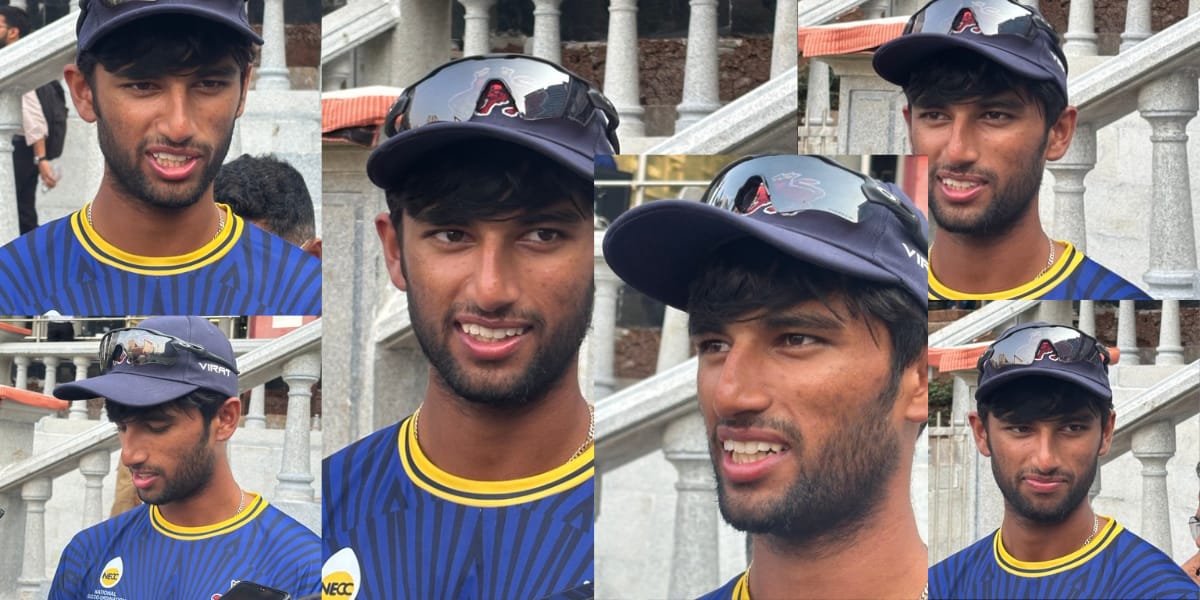
The noble game of cricket thrives on numbers — scores and statistics. In any format, cricket is a team sport, but its legion of fans are fascinated by individual feats… centuries, wickets, etc! On the first day of the third round of the Ranji Trophy Elite League, Mumbai opener Angkrish Raghuvanshi scored his maiden first-class century against Haryana at the Mumbai Cricket Association’s facility at the Bandra-Kurla Complex. The tall right-hander, who turns out for Kolkata Knight Riders in the IPL, had been in and out of the MCA senior team, getting chances in the absence of Yashasvi Jaiswal (in New Zealand now) and Ayush Mhatre (ruled out with a serious hamstring injury). Raghuvanshi played a typical opener’s role and took 180 balls to make 114 with 13 x 4s and 1×6. He was capped two years ago, and in five Ranji matches, he had nothing big to show for it, just two 50s. The country’s leading cricket statistician, Mohandas Menon, WhatsApped in a jiffy that Raghuvanshi was the 119th Mumbai batter to score a century in the national championship that the MCA has won 42 times. The Delhi-born has a long way to go, but a few more centuries this season may get him a place in the India ‘A’ team, just like Shikhar Mohan of Jharkhand following his 1109 runs in 12 Ranji Trophy matches with 4 x 100s. The MCA centuries list in the Ranji Trophy is humongous, starting with Vijay Merchant in 1935. The MCA list includes some illustrious names; well, almost everyone on it is. Raghuvanshi has joined that list, but with the domestic competition so intense, he will have to log in “daddy 100s” to catch the national selectors’ attention.
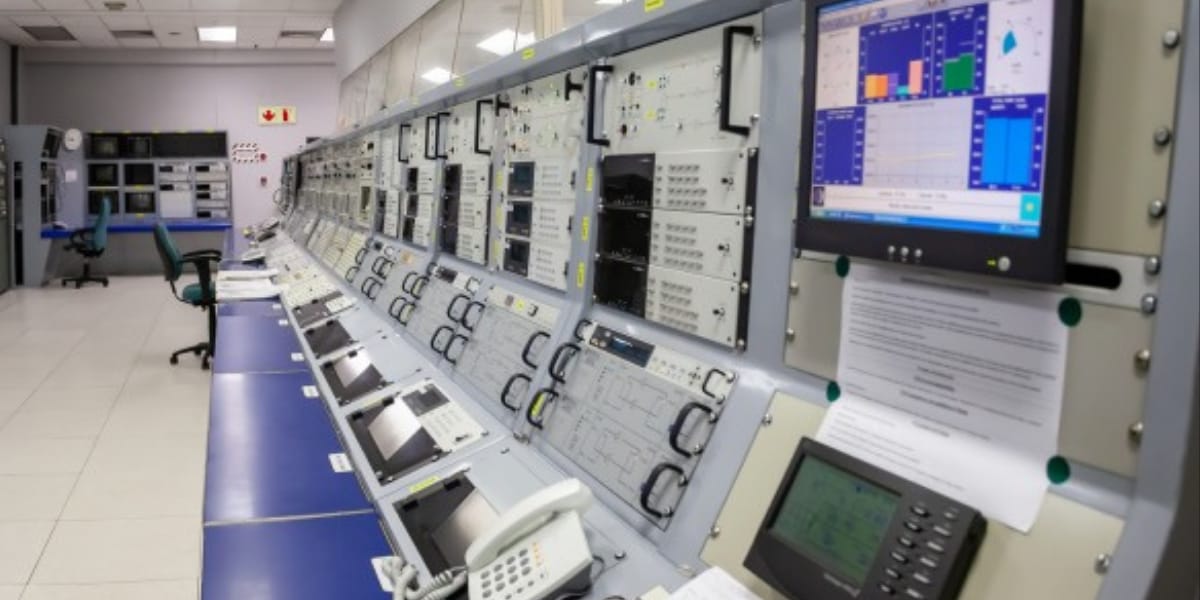
Maharashtra wants Navi Mumbai to emerge as a major data-centre hub. Yet, as around 15 data centres move through development, the state’s power ambitions are running into a rather prosaic obstacle: land for the transmission infrastructure needed to keep these electricity-guzzling facilities running. The projected connectivity requirement is a staggering 4,000–5,000 MW, comparable to Mumbai’s power demand. Against this, only around 1,500–2,000 MW has been sanctioned, leaving a substantial requirement to be met. A proposed 765-kV substation and associated transmission infrastructure are critical to bridging the gap—and could take three to five years to establish. The Maharashtra Energy Department has sought 25 acres from the Maharashtra Industrial Development Corporation to set up the substation for the project. Four formal communications over approximately 18 months have allegedly failed to secure a response. Repeated attempts to contact Principal Secretary Dr P Anbalagan, including through office visits, SMS messages and voicemail failed to elicit a response. The irony is hard to miss. Maharashtra has tied up more than 85,000 MW of power, and data centres are being promoted as engines of investment and digital growth. But generation capacity on paper cannot substitute for transmission infrastructure on the ground. Nor can private investment in power infrastructure move at the speed required if a crucial land allocation remains unresolved. The consequences extend beyond bureaucratic inconvenience. Delays in transmission infrastructure could constrain the very data-centre expansion the state is courting. Maharashtra wants to power India’s digital future. But before the servers go live, will its government machinery manage to connect the dots—or even allot the land?
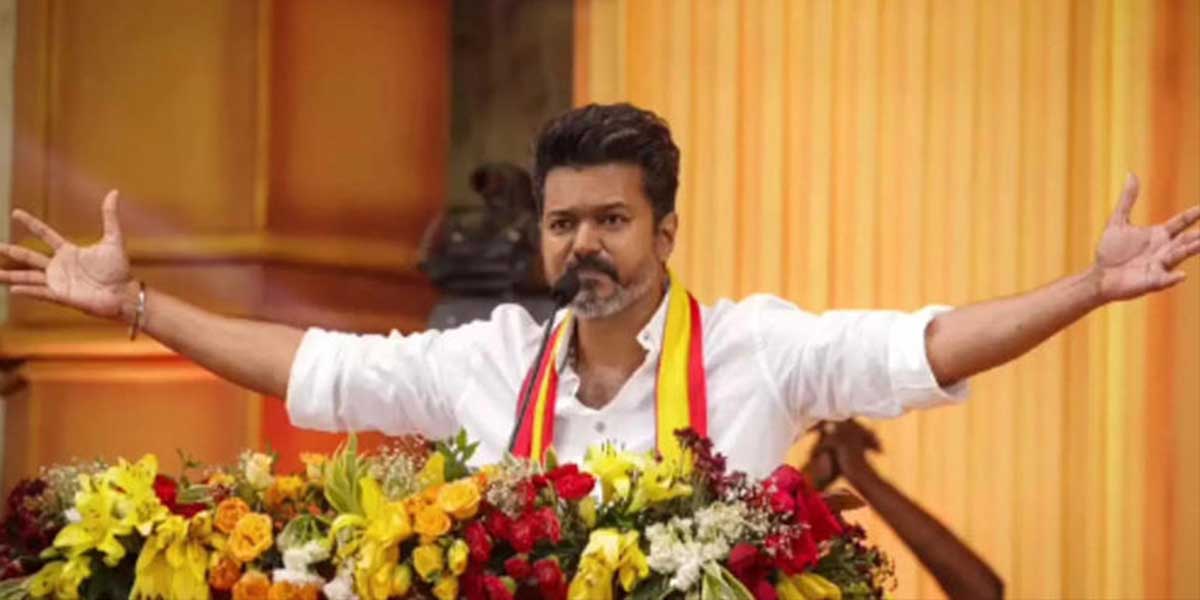
It has been barely six months since the TVK rode to power on an anti-corruption plank against the DMK in Tamil Nadu. Yet, chief minister C Joseph Vijay has managed to keep his poll promise of penalising the corrupt; he put the corrupt DMK leader — Anbil Mahesh Poyyamozhi — behind bars soon after he lost his anticipatory bail plea. Anbil, former TN Education Minister, was arrested by the Greater Chennai Police in connection with an alleged Rs100 crore private schools scam. The DMK claimed Vijay’s government arrested Anbil to clinch a by-poll in Trichy East. The complaint against Anbil was lodged by DC Ilangovan, secretary of the Federation of Associations of Private Schools in Tamil Nadu, alleging that money was collected from private school managements on the promise of securing government approvals, including permanent recognition, school upgradation, clearances and other permissions. According to the police, around 177 private schools were linked to the alleged collection of more than Rs 100 crore. Several prominent people including techies like Sridhar Vembu of Zoho fame had spoken about difficulties in getting permission to open schools under the DMK regime. Four months back, Vembu had posted on X how the DMK “ecosystem” had made it difficult for him to run/ manage schools in rural TN. “We run two rural schools, both free NIOS schools under the Kalaivani Kalvi Maiyam umbrella. The Theni school was originally started and run by a retired IPS officer, an honest and upright man. He built very nice facilities but had to shut down his CBSE school because the state government demanded too much money to issue the NOC.” Today, Vembu must be happy. So must be many others like him. Also, Vijay’s approach to fighting corruption starkly differs from PM Modi’s who has so far not acted against the Gandhis!

The Mohan Charan Majhi-led government in Odisha now faces a new dilemma. There is no settlement on the territorial dispute with Andhra Pradesh has been reached even after BJP came to power in the state three years back. The territorial dispute relates to Kotia villages which has been historically recognised as part of Odisha since 1936. Resolving the territorial dispute with Andhra was the poll promises of the BJP. Now it is learnt that Andhra Pradesh has announced Panchayat Elections date for three villages in the controversial Kotia will be held on November 3. This festering issue has now rekindled the decades-long territorial claim against Odisha, for which a solution has not been found even at the Supreme Court level. While historically Kotia was recognized as a part of Odisha since 1936, the region has been contested by Andhra Pradesh since 1971. Can the Odisha government resolve the issue without escalating into inter-state conflict? Odisha’s Opposition party Biju Janata Dal led by Naveen Patnaik has targeted CM Majhi for his failure to resolve the issue.
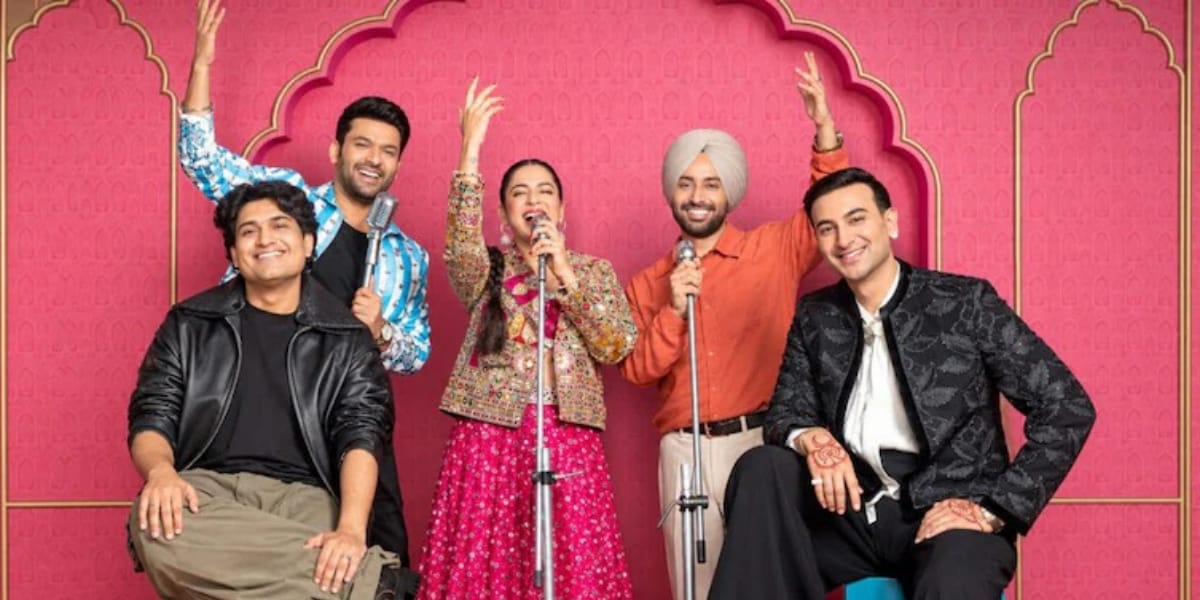
In the latest episode of The Great Indian Kapil Show (Season 5, Music Ke Dhurandhar streaming on Netflix from 24 October 2026), Kapil Sharma hosted a musical night featuring Dhurandhar’s composer Shashwat Sachdev, singers Satinder Sartaaj and Jasmine Sandlas, and sitarist Rishab Rikhiram Sharma. While introducing a saxophone player who had contributed to the iconic 1978 film Don, Kapil stated that the musician had played the saxophone piece from Don and attributed the film’s music direction to RD Burman. This is a clear and basic factual error. The music of the original Don (starring Amitabh Bachchan) was composed by the legendary duo Kalyanji-Anandji, not RD Burman. Songs such as “Khaike Paan Banaras Wala,” “Yeh Mera Dil,” “Are Diwano Mujhe Pehchano,” and the film’s unforgettable theme music all carry Kalyanji-Anandji’s signature. Crediting RD Burman instead is not a minor slip of the tongue; it is a fundamental misattribution of one of Bollywood’s most recognisable soundtracks. What makes the mistake especially unacceptable is the context. Kapil was hosting working musicians and singers closely associated with a current film’s soundtrack. When professionals of music are on the stage, casual ignorance about classic film music becomes more jarring. Don is not an obscure title; it remains one of the most quoted and sampled films in Hindi cinema. Confusing its composers with RD Burman (whose own body of work is distinct and equally celebrated) shows a lack of basic preparation. The Great Indian Kapil Show has a team of writers. Attributing the music of Don to the wrong composer is precisely the kind of error a writers’ room should catch. This was a needless blunder on a stage that otherwise celebrated music.
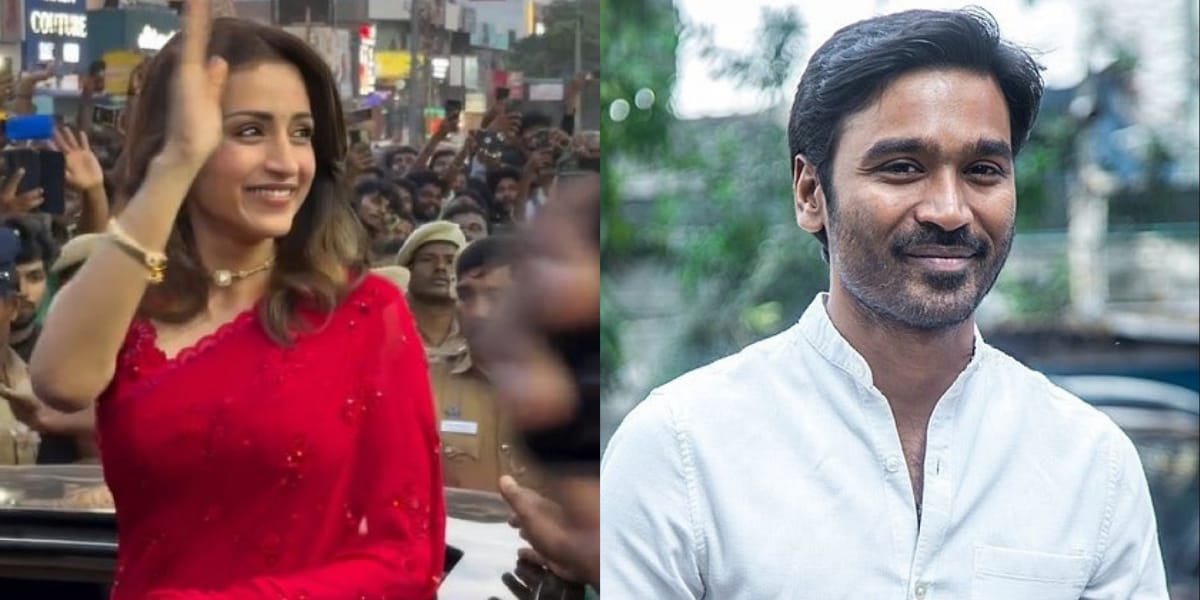
Actor Trisha Krishnan generated a lot of political interest as she visited Coimbatore on a private engagement over the weekend. There were fangirl moments among TVK supporters as the actor arrived at the airport. She also pulled crowds when she went on a brief roadshow after opening a mobile store. Her sway over the crowd naturally led the media to wonder whether she would enter politics just as former AIADMK supremo J Jayalalithaa had done. Would Trisha enter Rajya Sabha? Trisha merely smiled and walked away without responding. Did Trisha deliberately make a public appearance just a day ahead of actor Dhanush’s possible launch of a political party? At this stage, it is not clear if the TVK is merely hoping to take attention away from Dhanush’s political entry via Trisha. Visuals of Trisha in a bright red sari waving to an enthusiastic crowd on a roadshow could briefly cloud out some serious political stuff. Yet that may not be enough. It must be said that the TVK is under pressure to perform and deliver. More so because ever since chief minister C Joseph Vijay had the courage and imagination to end the rule of duopoly of the DMK and AIADMK in Tamil Nadu, a number of Tamil film stars are reportedly planning to enter politics. In the forefront is actor Dhanush, former son-in-law of Rajnikanth. He held a meeting with his fan club office bearers in Chennai on October 25. Dhanush made many trips to Delhi and has been consulting political pundits on how to launch a political party. Another Tamil film star who also imagines he can make the transition is Shivakartikeyan. Like Vijay, he too has been invoking MGR’s legacy in his public utterances.

Cinema fans, corporate czars, and political heavyweights are buzzing about the upcoming destination wedding of Kavya Maran (net worth ~Rs 500 crore) — daughter of billionaire media tycoon Kalanithi Maran (net worth ~Rs 30,000 crore)—to turbo-charged music director Anirudh (net worth ~Rs 60 crore) in Barcelona, Spain. The private ceremony will bring together four major celebrity families. Anirudh’s aunt, Lata Rajinikanth, is married to superstar Rajinikanth, who played Cupid to the famous duo…the groom’s parents are celebrities too, Ravichander and Lakshmi. Ravichander, a co-founder of YES Bank, is a popular TV star, while Lakshmi comes from a well-known family too…niece of Bharatnatyam exponent Padma Subramaniam, a successful event planner, and the driving force behind Anirudh’s rocking career. Naturally, the bride’s stellar pedigree is dialing up the curiosity quotient. The Maran brothers are great-grandnephews of Kalaignar, with Murasoli Maran serving as the patriarch’s lifelong political alter ego. Growing up in this high-octane ecosystem of wealth and influence, Kalanithi Maran inherited a ringside seat to power. Building the Sun Network empire took immense grit, but the Midas-touched media mogul expanded aggressively into Sun Pictures and beyond. Daughter Kavya, born with multiple gold spoons, effortlessly transitioned from her MBA into her role as CEO of the IPL franchise Sunrisers Hyderabad. With this high-voltage mix of media, political, and cinematic DNA, it’s no wonder public necks are craning to catch a glimpse of the spectacle. Barcelona is officially setting a new benchmark for ultra-rich Indian weddings.
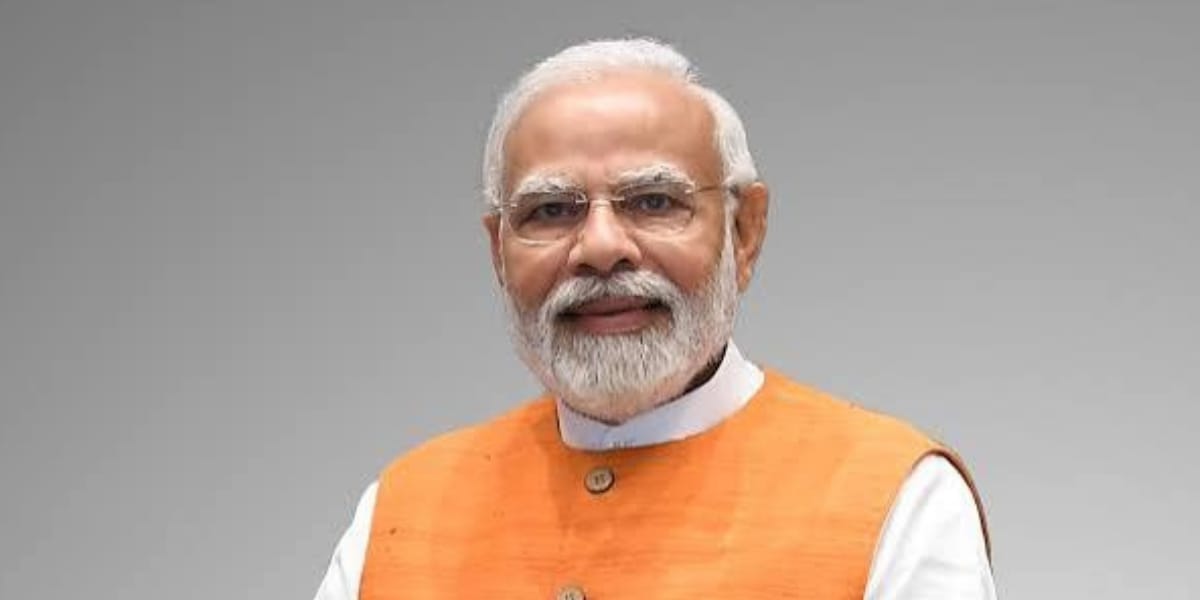
Prime Minister Narendra Modi’s Baramati visit has been postponed one more time, though not cancelled. Modi was to reach NCP boss Sharad Pawar’s home town on 3rd November. The earlier scheduled date was in October. That was revised and now changed again. Pawar’s grandson Yugendra Pawar, a trustee of Vidya Pratishthan, said the PM’s visit has been postponed. There is no official communication confirming the probable next date, 16 November 16. Modi was scheduled to inaugurate Prerna Sthal, a structure developed within the Vidya Pratishthan campus in Baramati. The friendly relations between Modi and Pawar are no secret. Both have repeatedly asserted that these are on a personal level and there is no political angle. Still, Pawar’s supporters and detractors are equally befuddled about his future moves. This includes his own daughter Supriya Sule, who has described her father as unpredictable. Pawar has stood by Modi, not caring about the Congress stand though his party is a member of the INDIA bloc. Another sore point for the Congress party is Pawar’s steadfast amity with industrialist Gautam Adani. When the business giant was the focus of some serious allegations, Pawar had dismissed the demand to set up a joint parliamentary committee (JPC) to probe them. As far as Maharashtra is concerned, chief minister Devendra Fadnavis and his ministers have treated Pawar with utmost respect. This sweet relationship is needling the state Congress but Pawar has remained unfazed. As and when Modi lands in Baramati, the knot of friendship between the two will become tighter, it is said.
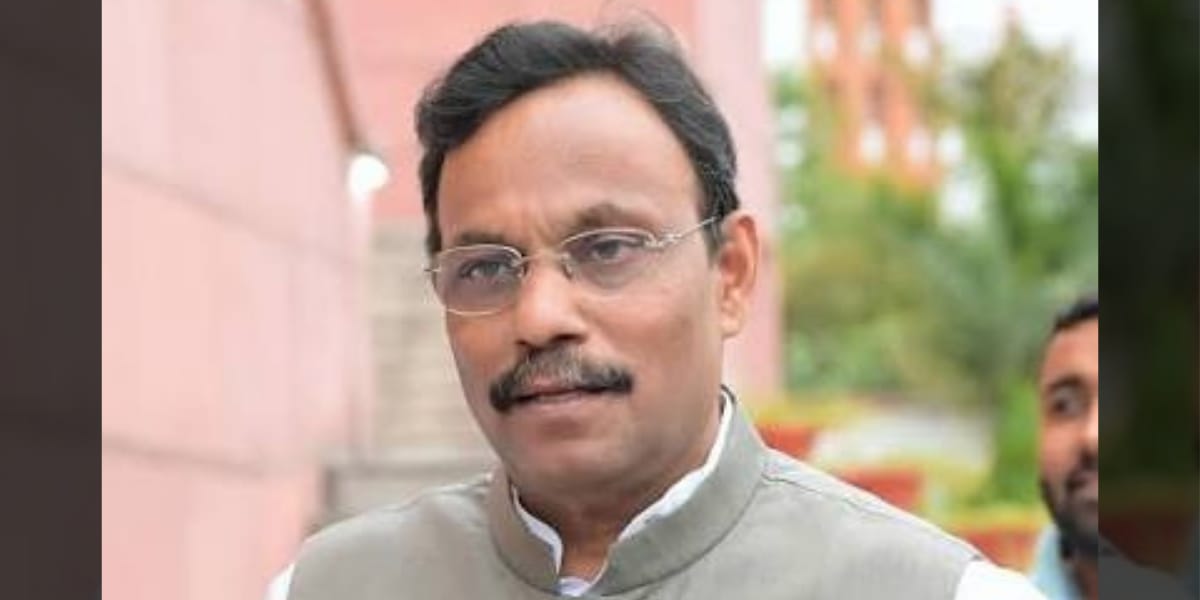
BJP general secretary Vinod Tawde has been entrusted with the task of looking for party aspirants for the UP-2027 assembly election. So far, his team has completed survey of about 125 assembly constituencies as part of a study to finalise party candidates. Tawde’s has been a classic case of loyalty and reward, the BJP formula that has been tested time and again. An influential leader in Maharashtra BJP, Tawde’s name off and on figured in the list of potential CM aspirants. But everybody was shocked when he was refused the 2019 assembly election candidature. Tawde maintained a stiff upper lip and did not utter a word about the party decision. In the days to come, he was asked by the high command to shift base to Delhi and was entrusted with one task after another. The most prominent of these was the Bihar assembly election, for which Tawde had toiled tirelessly. His stock grew after the BJP emerged the winner and finally installed its own CM in Patna. Uttar Pradesh being the largest state, it is important for every political party. It has been ruled by the BJP for the past decade under Yogi Adityanath. Still, not to take any chance, the BJP has appointed Tawde to make preparations for the assembly election scheduled to take place in early 2027. As the election is dubbed as a dress rehearsal for the 2029 Lok Sabha election, Tawde’s responsibility has increased manifold since he will have to recommend some new faces in the 403-seat UP assembly.
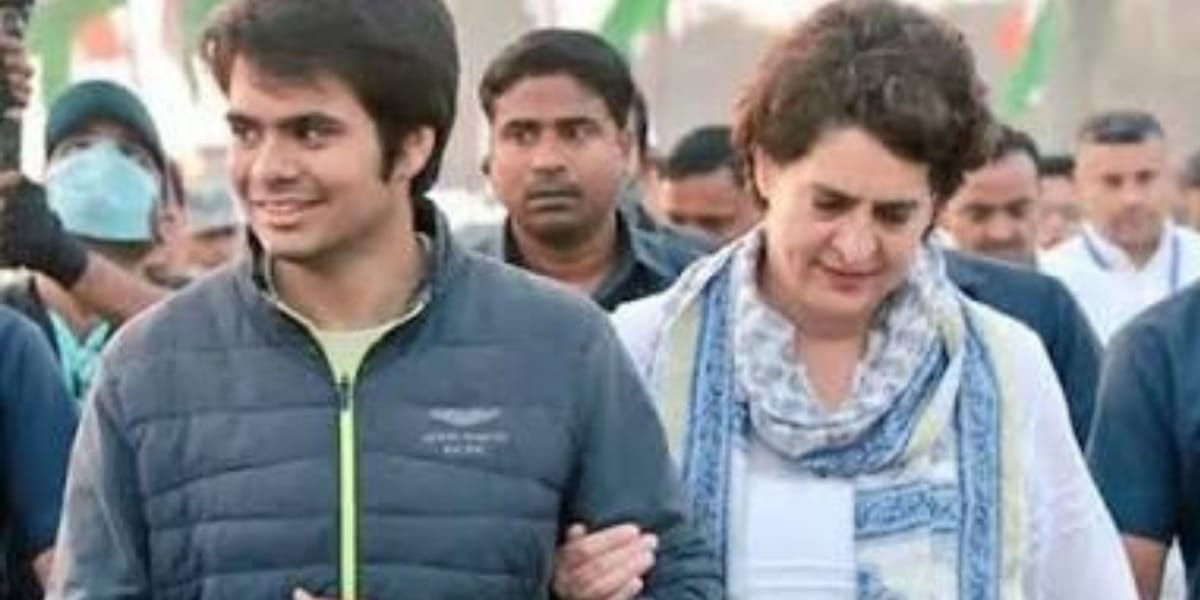
Was raising last-minute objections to photo exhibits of Raihan Vadra, 26-year old son of Congress leader Priyanka Gandhi-Vadra by the Bikaner House in New Delhi serve any purpose? Apparently, it did. Bikaner House is the seat of Rajasthan government in Delhi. When Rajasthan government officials objected to display of some “political photographs” of recent protests among Raihan’s exhibits, citing “current tense” situation, it naturally brought forth a protective mother in Priyanka in defence of her son. Raihan himself said he had held around 12–15 shows at the same venue over the past six years and described it as one of his favourite places. The Wayanad MP took a swipe at PM Modi saying “when someone with power becomes afraid of the expression of another, he doesn’t know it but he has already lost the very power he is trying to protect.” Meanwhile Kerala chief minister V D Satheeshan offered to host Rahihan’s photo exhibition in Keralam. Ordinary Congress leaders however found it odd that Priyanka should come out battling for her son.”Priyanka ji should have made no reference to this issue. These days people don’t like nepotism. Everyone was asking why is she promoting her son now? Is Raihan going to contest UP assembly elections? Whether we like it or not, Modi has shown the way of not promoting family, ” said a Muslim Congress leader. In fact, speaking at an NDTV event, PM Modi took a dig at the Gandhi family’s many attempts to launch Rahul Gandhi as PM material. He also charged Rahul of trying to take foreign help — he is currently in Vietnam — to organise protests in the country.
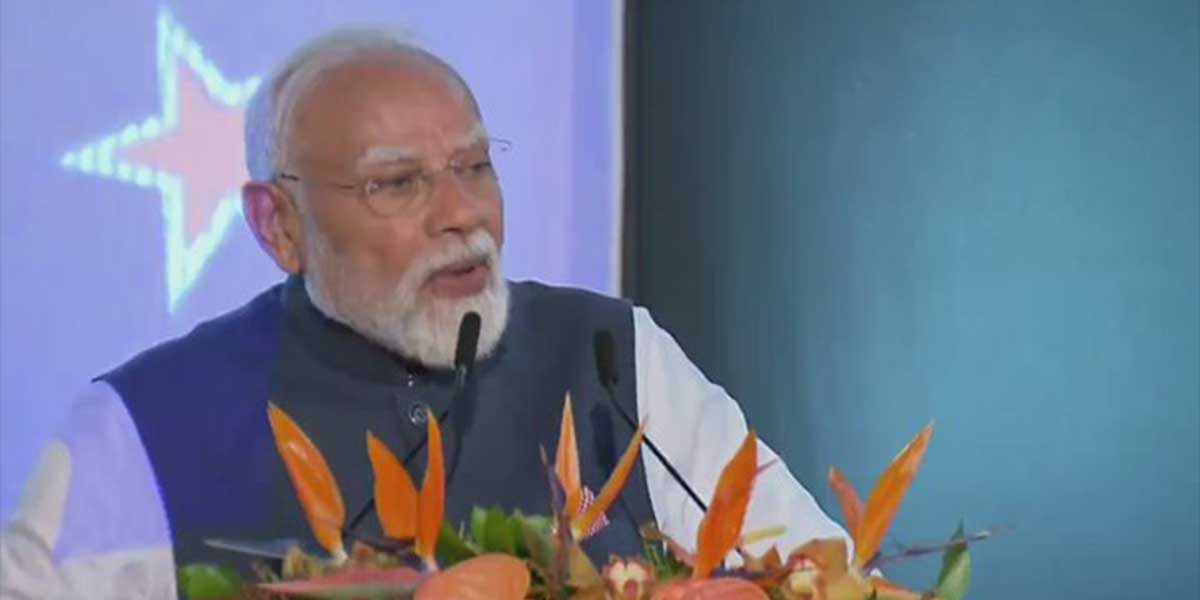
With Punjab set to go to polls in early 2027, PM Narendra Modi’s visit to state capital and Union Territory Chandigarh on July 17 to inaugurate healthcare projects, a renovated railway station in Jalandhar, and flag off a train from Chheharta (Amritsar) to Varanasi seems to have rankled the ruling Aam Aadmi Party government. Predictably, the AAP leaders are miffed that Modi is stoking poll fever a bit too early. As a counter strategy, the AAP government has begun to endorse the bizarre U.S. line in the gangster Lawrence Bishnoi case. It has gone so absurd as to accuse the Modi government of deliberately ignoring Punjab and “aid a gangster, lodged in Sabarmati Jail of Gujarat, to spread his drug business in the state.” Punjab Health Minister Balbir Singh is upset that PM Modi will inaugurate health projects in Punjab. “The Centre is not even allowing our flagship health insurance scheme to be implemented in PGI, Chandigarh—a project set up for Punjab several decades ago. If this is not discrimination, what else is?” he said. 80% of drugs being smuggled from across the International Border are being dumped in the state. That is why new drugs like ICE and cocaine are increasingly coming into Punjab,” said Balbir Singh, on the sidelines of a press conference called to speak about the initiatives being taken by the AAP government to tackle the drug menace in Punjab. Bragging about AAP government’s capabilities to stem the rot, Singh claimed that if only the “person sitting in the Sabarmati jail of a state which has a double-engine government is now accused by an international agency like the FBI of running a global drug racket “were to be sent by the Centre to a Punjab jail, “we will not only treat him but also reform him.”
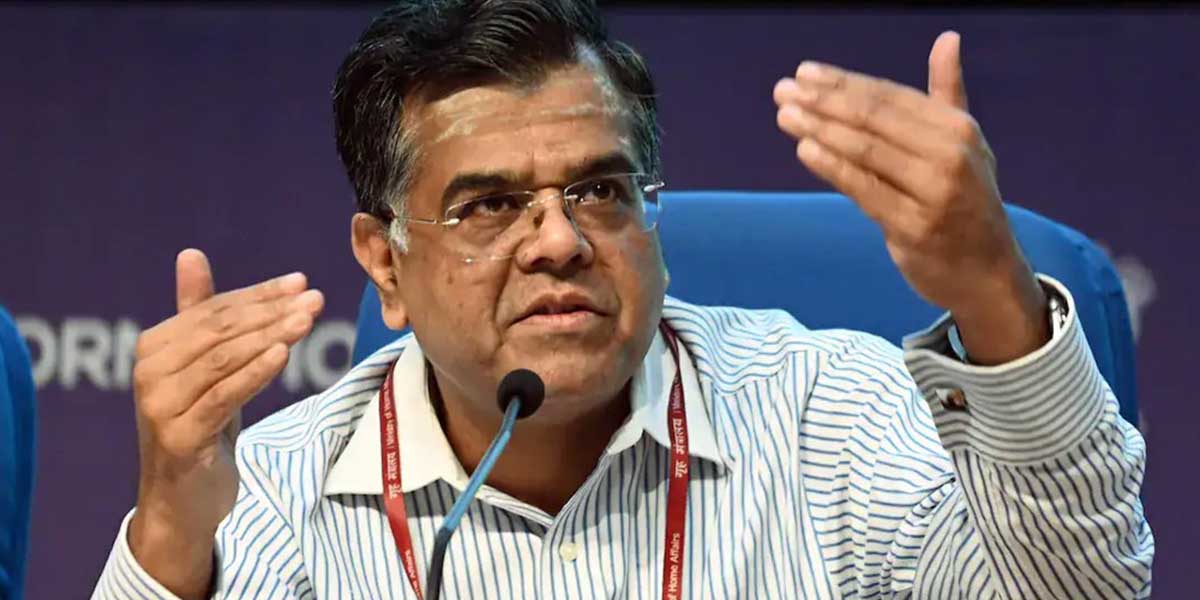
As Cabinet Secretary and senior IAS officer T V Somanathan’s tenure is scheduled to end on August 29, he pens a note on having brief meetings. Upon the conclusion of his term, the 1987-batch Tamil Nadu cadre officer will superannuate from the IAS. However, before his departure, he had decided to list some dos and don’ts. In a recent communication to all chief secretaries and the directors general of administrative training institutes, Somanathan has circulated a ‘Guide on Conducting Effective Meetings’. As a first rule, he has asked the babus to “avoid long meetings” and finish them in 30 to 60 minutes. Somanathan believes that meetings consume an inordinate part of a civil servant’s working day. Many officers themselves have told him that meetings often begin late, become overstretched and directionless, and end without any “tangible takeaways”. Somanathan’s objective, however, extends far beyond shortening meetings. The guide is, in effect, an attempt to change the culture of governance itself. Along with Somanthan’s departure, nearly 300 senior IAS officers, including some of the most powerful figures in the bureaucracy, are set to retire this year. This may trigger a massive reshuffle across the Centre and states, reshaping the top echelons of governance and opening the door for a new generation of officers. Several chief secretaries of major states and senior secretaries in crucial Union ministries are also on the retirement list, making the turnover far-reaching in both scale and impact. Uttar Pradesh alone is expected to see around 30 senior officers retire, while Punjab, Haryana, Madhya Pradesh, Odisha, Tamil Nadu and the AGMUT cadre are also slated to lose a significant number of experienced administrators. States such as Delhi, Odisha, Haryana and Meghalaya will see their serving chief secretaries superannuate, necessitating a new succession line.
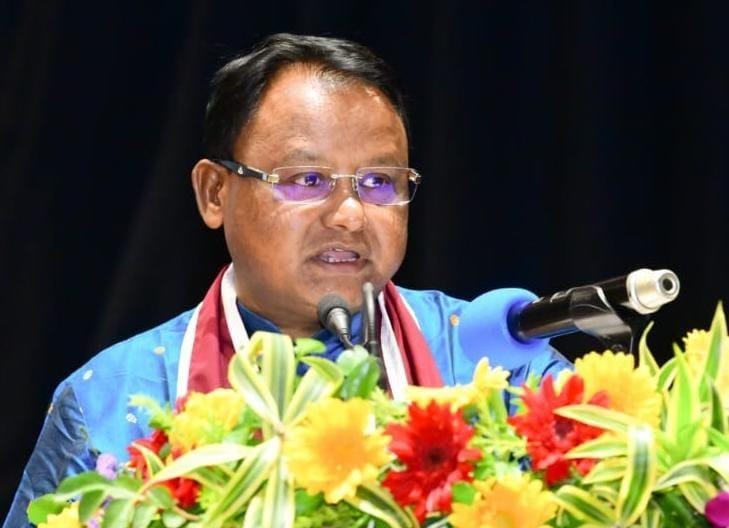
Odisha chief minister Mohan Charan Majhi has reasons to be worried. Despite a record-breaking state budget allocation of Rs 3.10 lakh crore, Odisha government has made a poor show so far. This is because Odisha’s inability to spend allocated funds. Odisha state has spent only 8.8% of its fund so far, thereby exposing the state government’s weakness and slow-paced administration,” say government sources. Reasons for these lapses are many – such as bureaucratic delays, prolonged bidding and tendering processes, lack of trained personnel, need for multiple clearance level and slow speed of action to settle lingering issues. Reportedly, Odisha’s 16 key departments are lagging in spending target. The new rumour is 10 out of 44 departments are not in a position to utilise 60% of their allocated funds so far. Odisha Chief Secretary Anu Garg has however urged key stakeholders to accelerate government projects. All these shows the BJP-run state government in bad light. Majhi needs to set up a war room to keenly monitor all government projects.