All
All Politics
 Business
 Entertainment
 Sports
 Celebrities

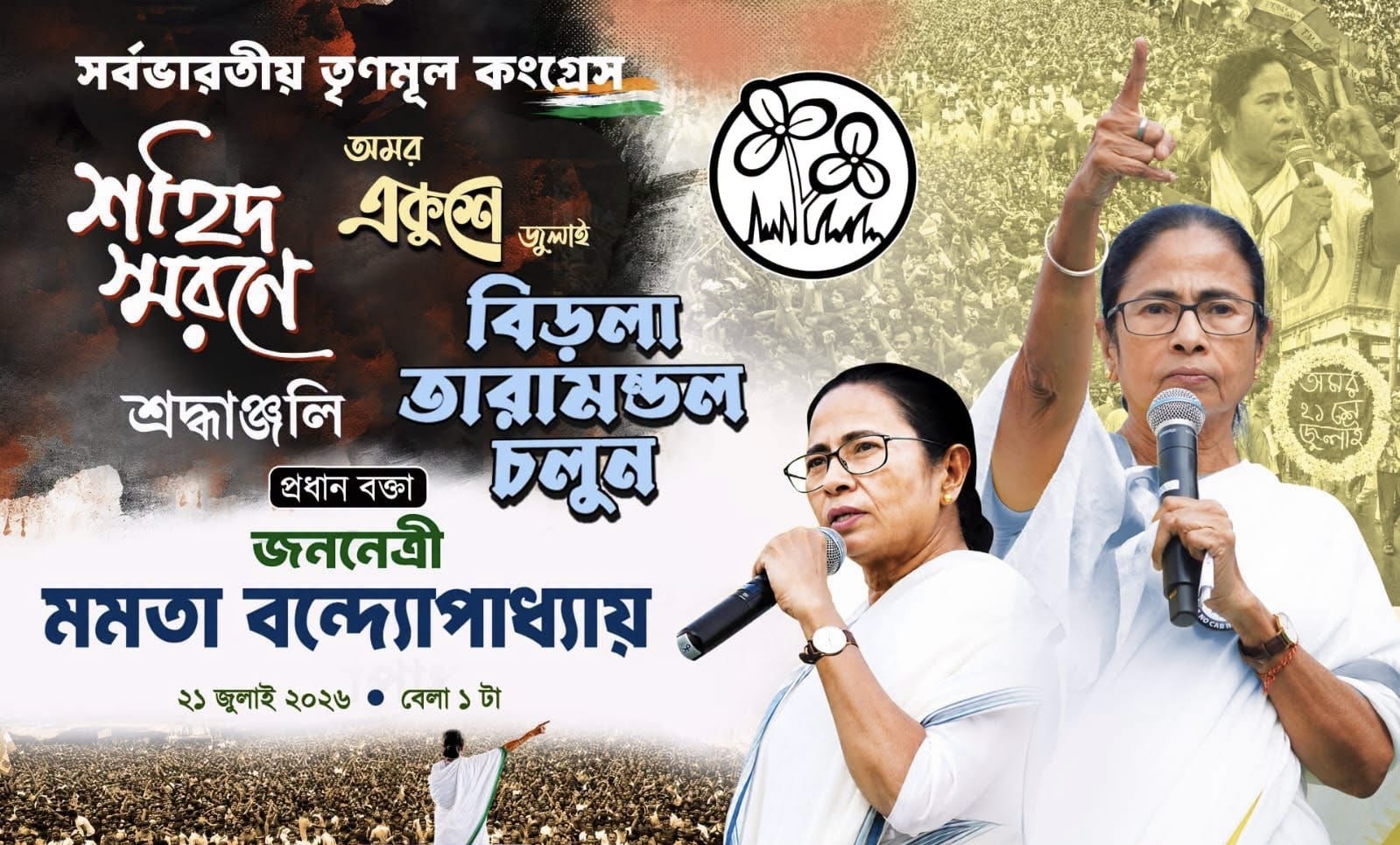
The Trinamool Congress’s (TMC) annual July 21 Martyrs’ Day rally, the party’s biggest political mobilisation for nearly three decades, has turned into a battle for legitimacy following its defeat in the 2026 West Bengal Assembly elections and the subsequent split within the organisation. The day commemorates the killing of 13 Youth Congress activists in police firing on July 21, 1993, when Mamata Banerjee was a Youth Congress leader. Since the formation of the TMC in 1998, the anniversary has become synonymous with Didi’s political rise and the party’s organisational strength. This year, however, rival TMC factions, the Congress and the ruling BJP are all seeking to shape the political narrative around the anniversary. Mamata will address the official TMC rally from a new venue after the party failed to secure permission for its traditional venue. The rebel faction of TMC led by Leader of the Opposition Ritabrata Banerjee is organising a parallel July 21 programme. The camp, which claims the support of 65 of the party’s 80 MLAs, views the event as its first major public demonstration of organisational strength and its claim to the party’s legacy. However, sources of Ritabrata faction said several senior leaders and one time aides of Didi including Arup Roy, Firhad Hakim, Javed Khan, Chandrima Bhattacharya and Madan Mitra, continued to acknowledge Mamata’s electoral appeal even as they projected the programme as that of the Trinamool Congress rather than any faction. The Congress has also sought to reclaim the anniversary, with state president Subhankar Sarkar inviting Mamata to its July 21 programme while arguing that the 1993 movement belonged to the Congress. The BJP, meanwhile, questioned the TMC’s organisational strength, suggesting Brigade Parade Ground as a more appropriate venue and portraying the controversy as evidence of the party’s declining political relevance.