All
All Politics
 Business
 Entertainment
 Sports
 Celebrities

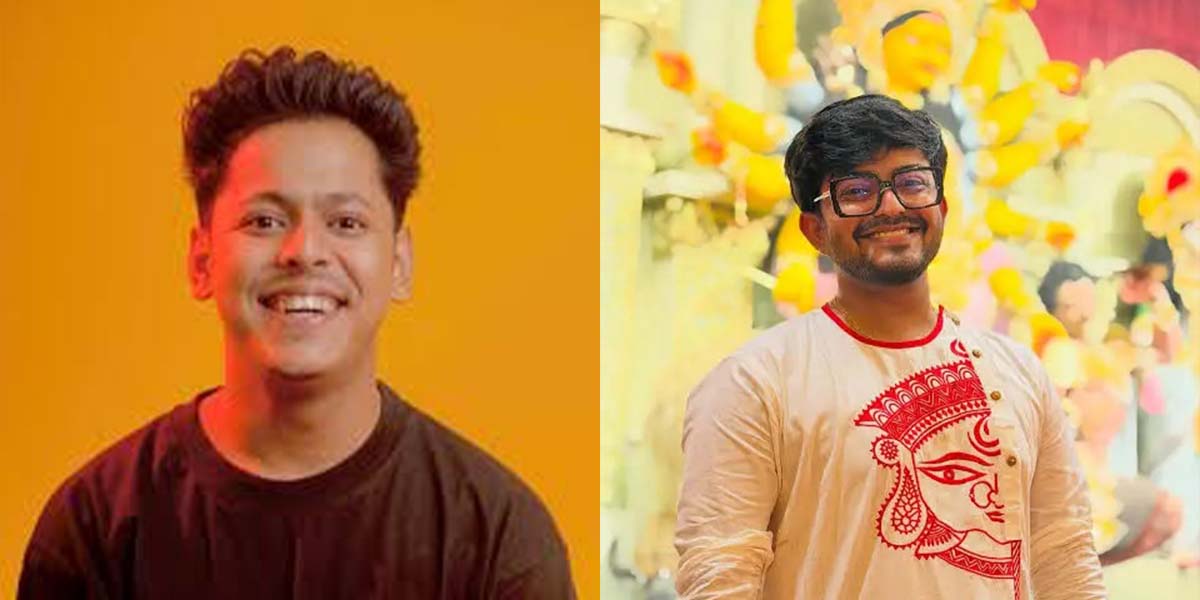
With the West Bengal Assembly elections just months away, political battle has acquired a sharper digital edge. The principal rivals — TMC and BJP — are not only trading barbs at rallies but are also locked in a parallel battle across social media platforms, where videos, satire and personal controversies are swiftly reframed as political statements. What distinguishes this election cycle is the central role of content creators. YouTubers, podcasters and self-styled influencers are increasingly shaping narratives, with their content amplified by party ecosystems, blurring the line between independent commentary and partisan mobilisation. Two recent, unrelated controversies involving Bengal-based creators illustrate how combustible the intersection of identity politics, personal disputes and electoral timing has become. The first involved actor and YouTuber Sayak Chakraborty, who alleged in a viral video that a Muslim waiter at Olypub deliberately served him beef instead of mutton, calling it an affront to his Hindu Brahmin identity. Though the video was later deleted, it spread widely and triggered protests by fringe Hindutva groups in Kolkata. The waiter was initially arrested, while a counter FIR was filed against Chakraborty for allegedly instigating communal disharmony. Following social media protests by sections of civil society, the waiter was granted bail. BJP leaders amplified the clip, turning a restaurant dispute into a communally charged controversy. Soon after, 25-year-old content creator Shamik Adhikary, known online as ‘Nonsane’, was arrested days after releasing a sharply worded Bengali political satire titled Button. His girlfriend accused him of sexual violence and wrongful confinement. The BJP characterised the arrest as political retribution by the TMC government, with senior leader Amit Malviya sharing the satire and alleging suppression of dissent. In both cases, viral content triggered outrage, partisan amplification followed, and original facts were subsumed within larger political narratives — underscoring how Bengal’s electoral battleground now extends decisively into the digital sphere.