 All
All Politics
 Business
 Entertainment
 Sports
 Celebrities

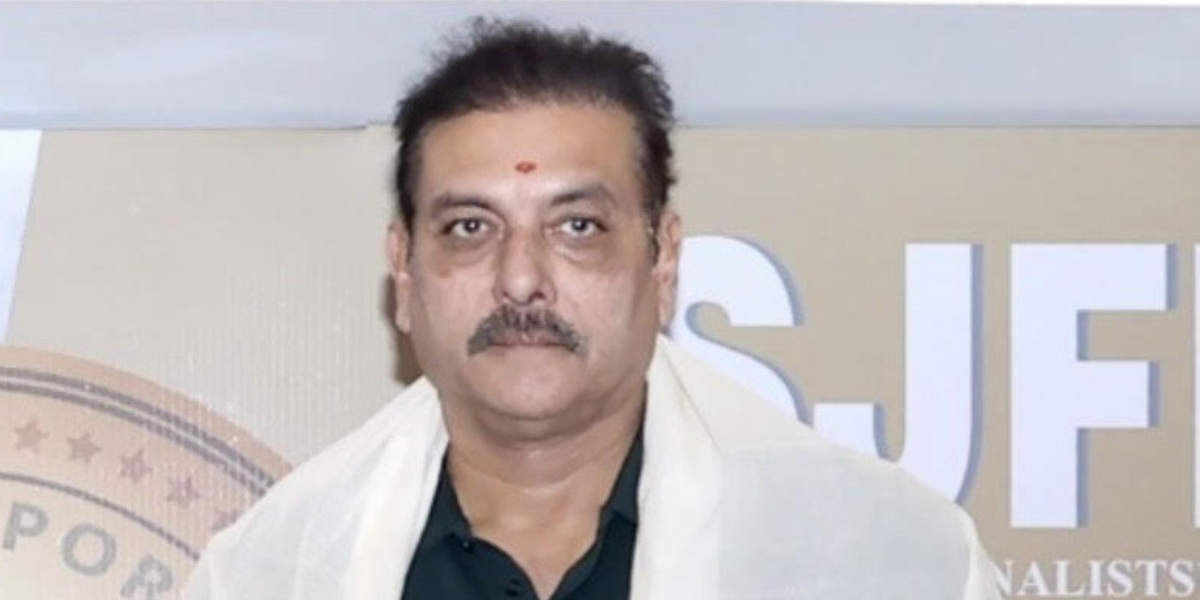
Ravi Shastri has got his due from the Mumbai Cricket Association. A stand — fittingly below the Press Box at the Wankhede Stadium — has been dedicated to him. The terrific allrounder who did many wonderful things on the field with the bat and ball in India and overseas, and sported the MCA crest with pride, ought to have been bestowed the honour many years ago. A backbone of the MCA team for one and a half decades, the beanpole tall allrounder finished off his Ranji Trophy career as a victorious captain against Bengal in the 1993-94 final at the Big W, where he had clouted Baroda left arm spinner Tilak Raj for six 6s in over — all shot by Free Press Journal’s Thomas Rocha and run by The Hindu. The winner of the Prudential World Cup winner at the Lord’s in 1983 and the Champion of Champions and Audi winner in the B & H World Championship of Cricket at the MCG Bowl in March 1985, he carved a niche for himself as a genuine allrounder in Tests (80 Tests, 3830 runs, 11 x 100s with a 206 against Australia as the highest at Sydney in 1992 and 151 wickets) and ODIS (128 matches, 3108 runs and 129 wickets). For Bombay (Mumbai) he played in 41 FC matches and (2571 runs at 54 + and 130 wickets). He has worn virtually every hat since bidding adieu to the game and excelled with his “tracer bullet” commentary for over three decades, spent valuable time in the Indian dressing room (as mentor/head coach). He ticks many cricketing boxes, including his undertaking for the MCA which felt it was the right time to name a stand at the North side for his four and a half decades of meaningful contribution to cricket!
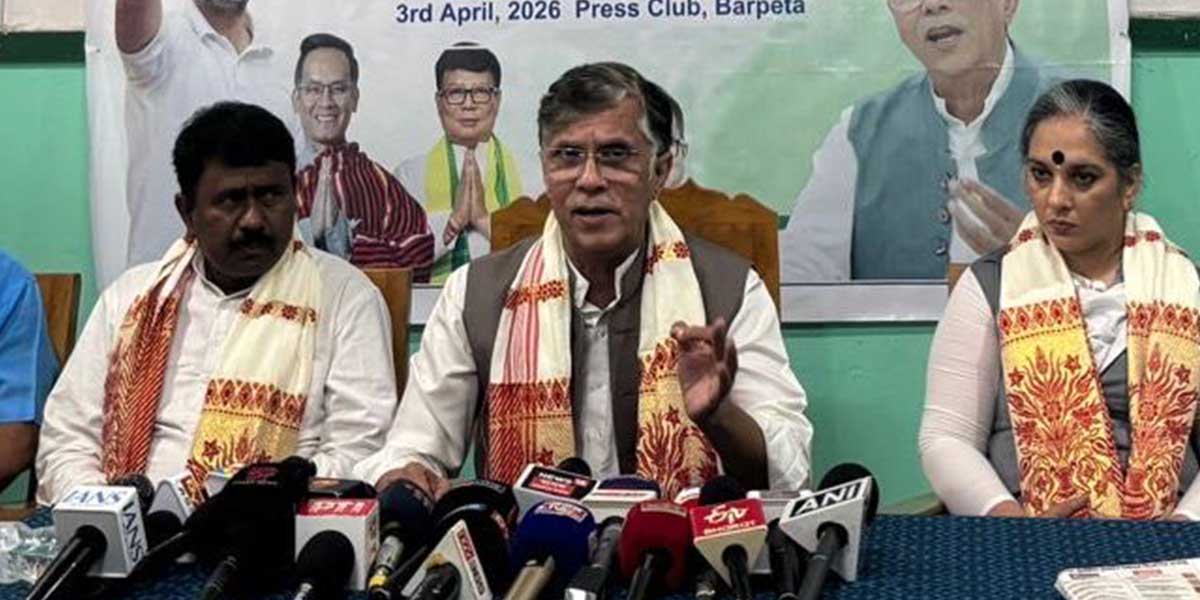
Assam Police conducted searches at Congress leader Pawan Khera’s residence in Delhi on April 7, a day after a FIR was filed against him by Assam CM Himanta Biswa Sarma’s wife Riniki Bhuyan over allegations of passport fraud he levelled against her. Searches were carried with aid of Delhi Police. It is being said Khera had left for Hyderabad a day earlier—that is as soon as he learnt that a FIR had been filed against him in Guwahati. The search yielded some “Incriminating material” said the Assam Police. All this led Assam CM to claim that Khera had “run away to Hyderabad”, while Congress hit back saying the searches prove that the CM was “facing imminent defeat” in the upcoming assembly polls on April 9. Congress sources said even though Telangana CM Revanth Reddy was in Kerala for election work, Khera had a home in Hyderabad and enough clout to secure legal cover for himself. Privately, however, many Congress leaders were not comfortable with the idea of raking up a controversy over Sarma’s wife’s passport. The Congress had held two press conferences in Delhi and Guwahati on April 5 where the party’s media department head, Pawan Khera, and Assam unit chief, Gaurav Gogoi, alleged that Sarma’s wife had passports of the UAE, Egypt, and Antigua and Barbuda. They alleged she owns properties in Dubai (UAE) and has a company in Wyoming (U.S.). They accused Riniki Bhuyan of having business interests worth Rs 52,000 crore in the U.S. Sarma accused the Congress of using documents from a social media group linked to Pakistan to forge alleged passports of three countries belonging to his wife. As for Congress president Mallikarjun Kharge, he wanted a clarification from EAM S Jaishankar on multiple passports of Bhuyan.
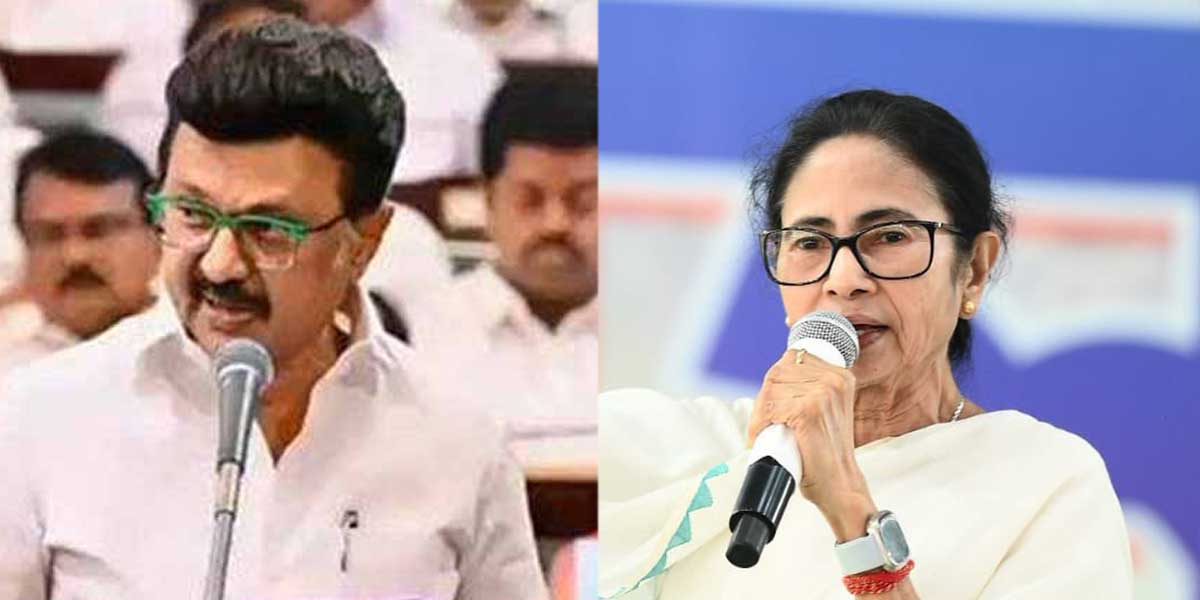
In an interesting move TMC supremo Mamata Banerjee charged DMK chief M K Stalin of having tacit understanding with the BJP. This is outrageous, considering the DMK is part of the anti-BJP INDIA bloc that Mamata associates with according to her convenience. The West Bengal CM has been an all-weather friend of the BJP when it suits her. Like she was part of the Vajpayee government. Maybe just as the DMK too was. However, Mamata felt quite comfortable taking a swipe at Stalin at a public rally in her state this week. The moot point is why did Didi suddenly find Stalin to be BJP friendly? While four states and a Union Territory headed to the hustings in the next few weeks, Mamata feels the Election Commission which she terms as “BJP stooge”, had only targeted bureaucrats close to her for punitive action. The EC had sent many of Bengal’s IAS and IPS officers to TN. She found that several officers including those instrumental in local law enforcement and development initiatives, had been sent to TN as observers. She alleged that out of 510 officers removed as observers across five poll-bound territories, a staggering 500 (approximately) were drafted from Bengal alone. “What are you thinking? Outsiders from Madhya Pradesh and Uttar Pradesh will come and (conduct the) vote?” she asked. Meanwhile, as the DMK-led Secular Progressive Alliance and the AIADMK-led NDA battle it out in TN, DMK surprised political watchers by the way it handled the SIR exercise in the state. It did not make a song and dance of SIR, the DMK simply took it in its stride. This may have led an old ally like the TMC to suspect it of being a friend of the BJP!
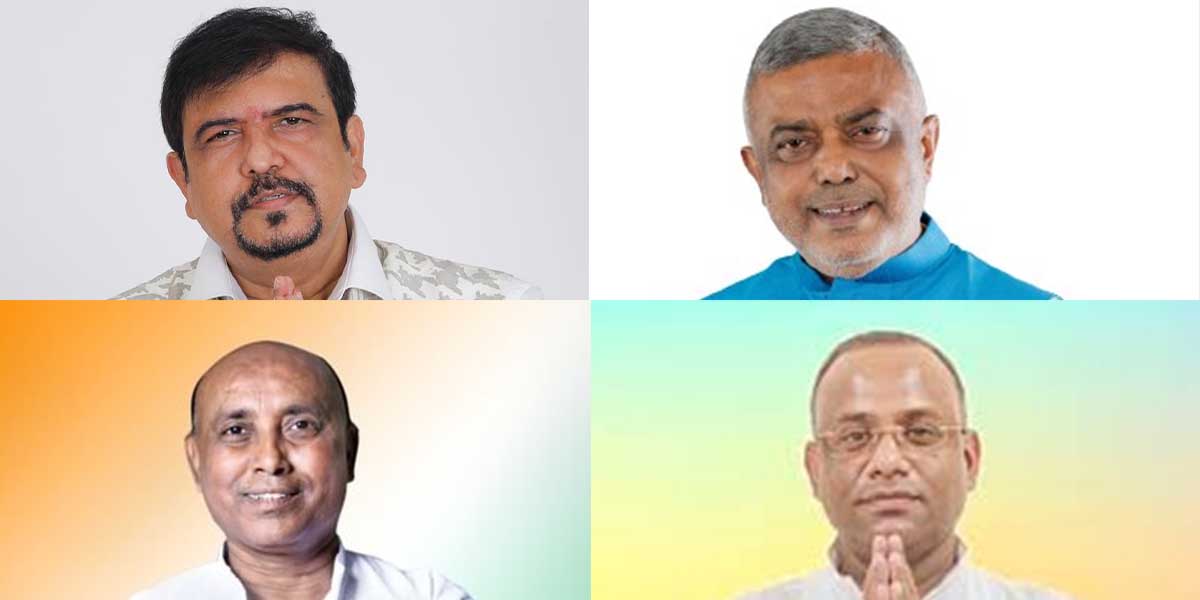
With polling date fast approaching for the West Bengal Assembly elections, the central investigative agencies have got into their act, summoning candidates from the ruling Trinamool Congress (TMC). Polling for all 294 seats is scheduled in two phases on April 23 and 29. Both the Enforcement Directorate (ED) and the National Investigation Agency (NIA) have intensified probes in respect of four TMC candidates in cases linked to alleged recruitment scams, land-grabbing and a blast investigation. Among those summoned are: Sujit Bose, state’s Fire Minister, contesting from Bidhannaga. He has been asked to appear before the ED on April 6 in connection with alleged irregularities in municipal recruitments. Bose won the Bidhannagar seat in 2021 by around 8,000 votes. The case relates to alleged multi-crore irregularities across 123 municipalities and seven municipal corporations, including South Dum Dum, Kamarhati, Panihati, North Dum Dum and Baranagar, based on a CBI FIR alleging illegal recruitments between 2014 and 2018 in exchange for money. In a separate case, Debasish Kumar, TMC candidate from Rashbehari and a member of the Kolkata Municipal Corporation’s Mayor-in-Council, has been summoned three times within 15 days by the ED in an alleged land-grabbing case. He was questioned for several hours on March 30 and April 3. Senior TMC leader Rathin Ghosh, contesting from Madhyamgram, was summoned on April 9 in connection with 1,500 alleged illegal municipal recruitments during 2014–2018. Manab Kumar Parua, candidate from Bhagabanpur, appeared before the NIA in the 2022 Bhupatinagar blast case. TMC spokesperson Arup Chakraborty accused the BJP of using central agencies to target candidates. He claimed leaders like Tapas Roy, Suvendu Adhikari who joined the BJP are not being investigated.
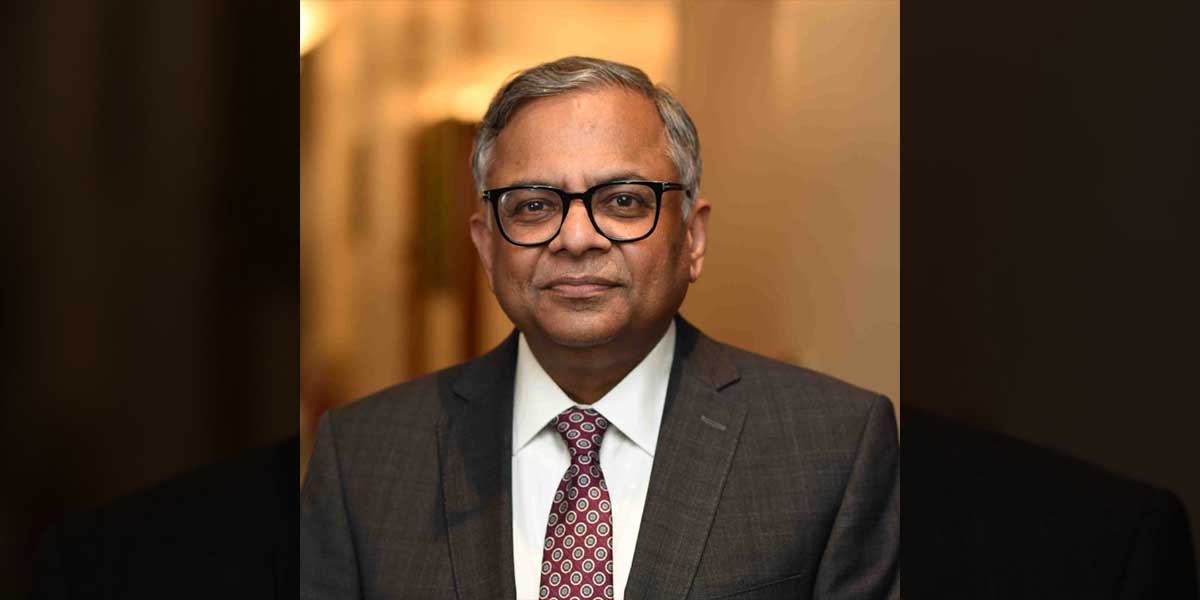
It appears that 68-year-old Noel Tata is slowly but steadily consolidating his position within the Tata Group. When Ratan Tata was at the helm, Noel maintained a low profile, focusing on companies entrusted to him, such as Trent Limited. However, following Ratan Tata’s passing, he seems to have moved to centre stage. Many within the group welcome his increased involvement, noting his ability to navigate complex institutional dynamics. Some time ago, he, along with other trustees, blocked the reappointment of Mehli Mistry—a close confidant of Ratan Tata—to the boards of the Sir Dorabji Tata Trust and the Sir Ratan Tata Trust, the principal trusts that together hold over 51% in Tata Sons. At the Tata Sons board meeting held on February 24, 2026, in his capacity as chairman of Tata Trusts, Noel Tata raised concerns about several group businesses, including aviation, automobiles, and digital services. In this context, Chairman of Tata Sons N Chandrasekaran recommended that a decision on his extension be deferred to the next board meeting. A couple of days later, Noel Tata is believed to have proposed a shorter, two-year extension for Chandrasekaran beyond 2027, instead of the five-year term until 2032 that had earlier been approved by the board. My assessment is that Chandrasekaran may not be keen to continue beyond 2027, when he turns 65. Having had a dream run so far, now he may not be interested in talking about project milestones, justifying capex etc. Then who will take over as chairman of Tata Sons? It is unlikely to be Noel Tata, who will be nearing 70. Could it be another member of the Tata family? One possibility is Noel’s son, Neville, who would be around 34 years old in 2027. He was appointed as a Trustee of the Sir Dorabji Tata Trust in November 2025. He is the youngest trustee. He is also associated with Trent. Here, it is worth recalling that J R D Tata was also 34 when he assumed leadership of the group.
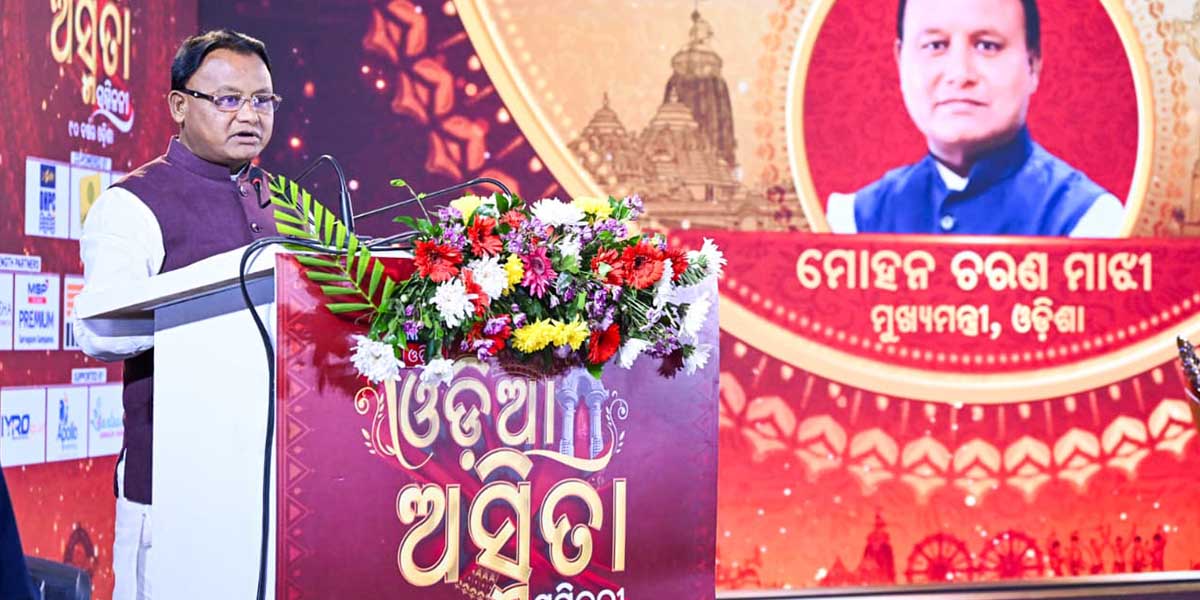
In May 2024 when Mohan Charan Majhi government came to power he had set an ambitious target of creating over 3.5 lakh new jobs in the state by 2029. Political commentator Ruben Banerjee says going by the current rate of hiring it will take the state government 140 years to achieve that number. According to him, against the promise of providing 65 000 employment in the first two years 2024-26, the Majhi government provided employment to only 39,505 people. However, clued-in political commentators say job creation should not be an issue since Majhi’s Odisha seems quite set to acquire India’s top 5 industrial state status diversifying beyond metal by 2029. Odisha government is now targeting Rs 5 lakh crore commissioned industrial investments by 2029 from eminent industrial houses like Vedanta, JSW Group, Adani Group, and Tata Steel, IndianOil Corporation, ACME Group, SRF and Bharat Forge thus making a transition from a largely mineral-based economy to a diversified manufacturing powerhouse.
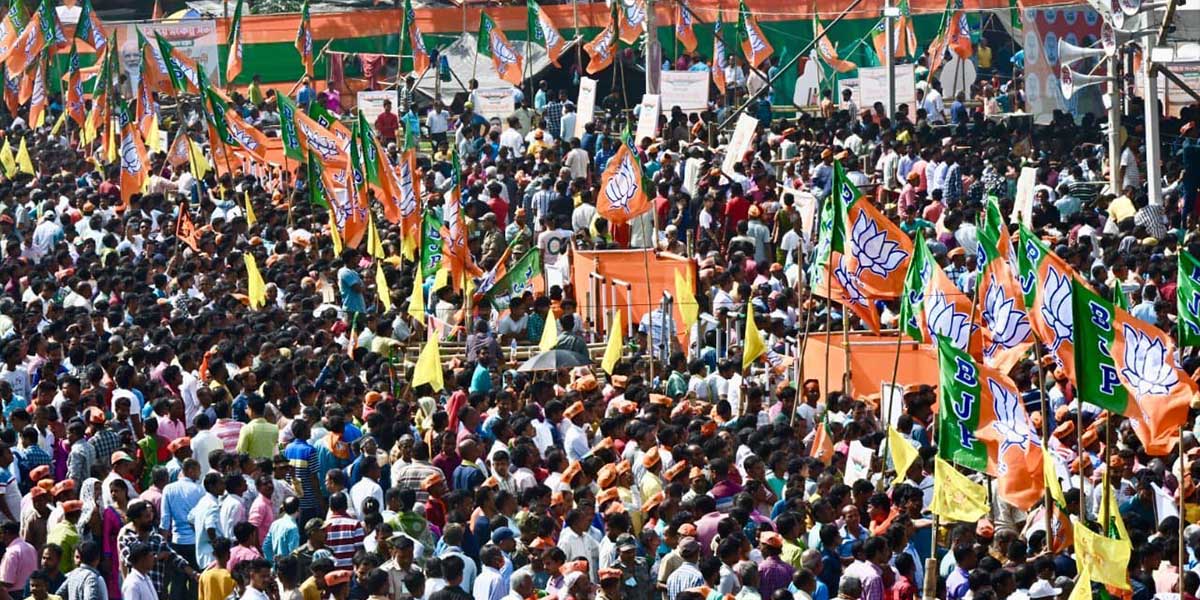
In West Bengal, the BJP is leaving no stones unturned to come to power. It seems the party has intensified efforts to consolidate support among traditional Left voters, a segment widely seen as having contributed significantly to its electoral rise in the state. Party insiders indicate that the BJP is seeking to retain and expand the gains it made from the Left’s declining vote share, particularly that of the CPI(M)), which saw its support shrink to around 5–6% in the 2021 Assembly elections. According to sources, the BJP has rolled out a booth-level outreach programme aimed at identifying and engaging Left-leaning voters. Local party workers have begun visiting households, making phone calls, and compiling detailed lists of voters perceived to be either inactive Left supporters or ideologically inclined towards Left politics. In several districts such as Howrah, Hooghly, and Purba Bardhaman efforts are underway to persuade disgruntled Left cadres and sympathisers to switch sides, with assurances of organisational responsibilities within the BJP. Former state BJP president Sukanta Majumdar on multiple occasions appealed to Left supporters to join hands with the party, arguing that ideological commitment can be retained while aligning politically against the ruling establishment. Political observers note that the BJP’s strong performance in the 2019 Lok Sabha elections in West Bengal was partly fuelled by an erosion of the Left vote base. The party has highlighted examples of former Left leaders who have transitioned successfully into the BJP. Among them are Khagen Murmu and Shankar Ghosh who are now prominent faces within the BJP. Former Left minister Bankim Ghosh is also part of the BJP’s legislative ranks.
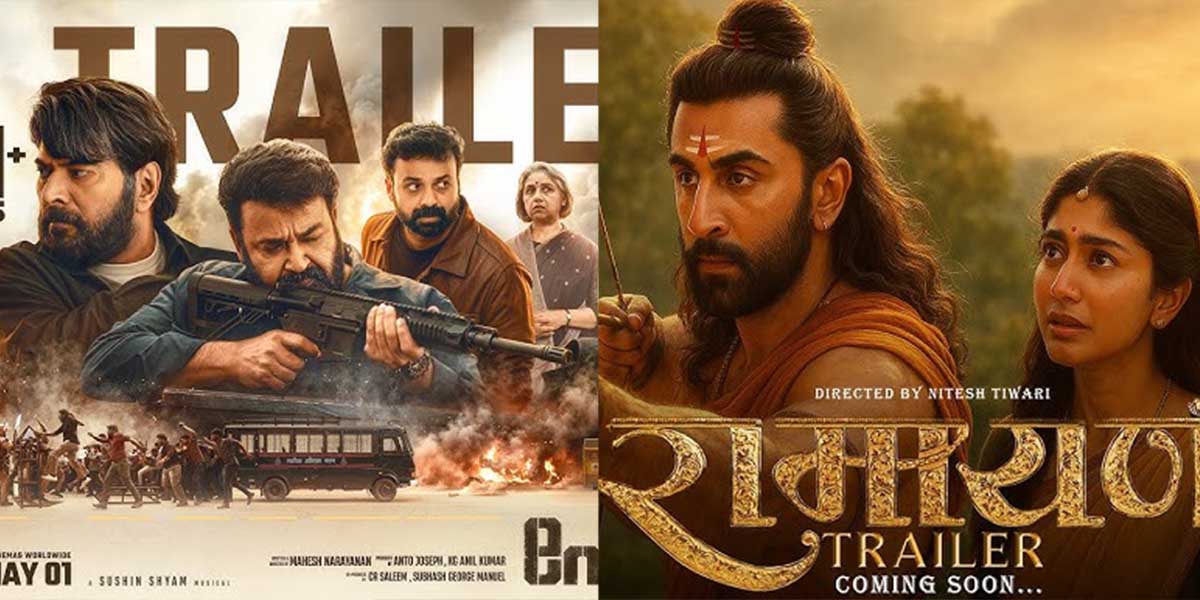
Two films’ trailers…poles apart in setting, content and impact made history even before they hit the big screens. They are: Malayalam film, Patriot and the evergreen epic Ramayanaa in Hindi. The two legends of Malayalam films, Mammootty and Mohanlal will soon be seen in Patriot, a big budget extravaganza directed by Mahesh Narayanan. If you can conjure up Keralam events that are awaited with nail-biting anticipation every year –the Thrissur Pooram and the August Vallam Kali (boat race) – similar to the case with Patriot, expected to hit theatres on May 1. Mammootty viewed Patriot at Raagam cinema in Thrissur even as Mohanlal did at Kavitha theatre in Ernakulam. Not to miss the news that Patriot is the lead trailer of the LA Film Festival, a moment of pride to the Kerala diaspora. Other celebrities to be watched in Patriot are Nayanthara, Fahad Fasil and Kunjappan Boban who raise the star value of a certain to be hit …with Nationalism as the pivot. The other trailer that wowed the audience is Ramayana, the immortal classic that never tires those who watch it with spiritual ardour. This unveiling first look took place in LA where Ranbir Kapoor, who plays Shri Ram moved the audience with his touching introduction. A considerably slimmer and gentle Kapoor played his pivotal role to extreme perfection …the hall reverberated with Jai Shri Ram chant when he said, “Shri Ram is the conscience of a nation/”. The India showing was on Hanuman Jayanthi. The audience were speechless watching the VFX of Ravana’s Palace, Ram Sethu and the Vanara army, filmed with much devotion by Nitesh Tiwari. Sai Pallavi as Sita and Yash as Ravan give gripping portrayals. It will be released this Diwali.
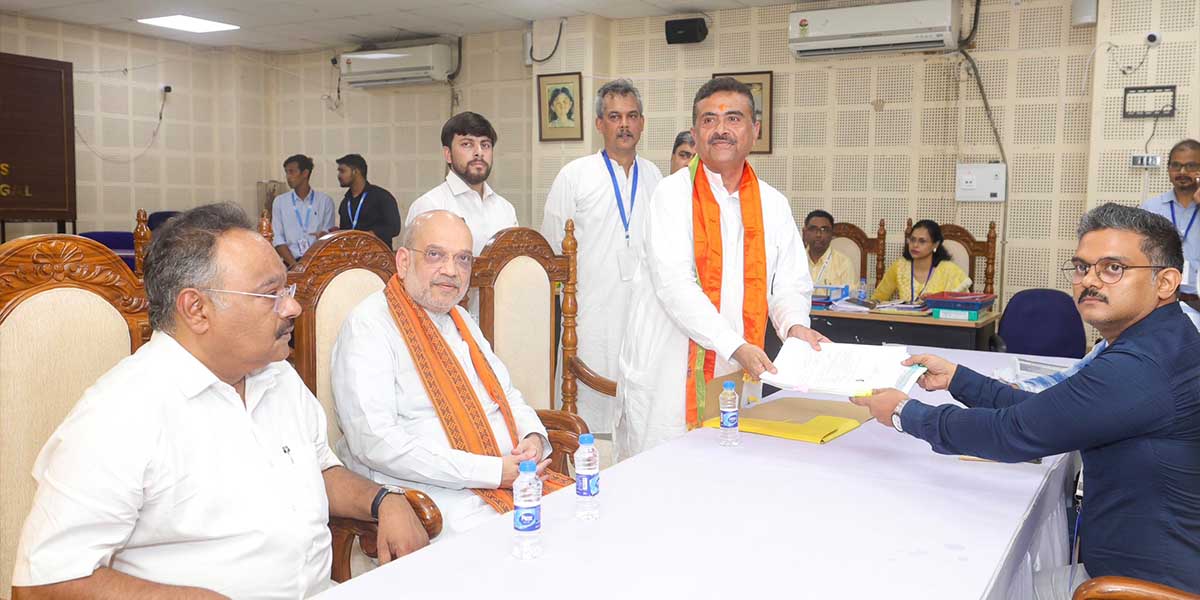
Union Home Minister Amit Shah is so convinced that the BJP is in a position to defeat Mamata Banerjee’s Trinamool Congress (TMC) in Bengal that he wants to concentrate more on the state than in Tamil Nadu. Once elections are over in Assam, Kerala and Puducherry on April 9, Shah will spend more than two weeks in Bengal. PM Modi is likely to address two rallies within a week. The BJP has pressed a battery of leaders into action, hoping to unseat the TMC government. “A number of our senior leaders are camping in the state, and more are set to join once the elections in Assam are over…” says a senior BJP leader. Work is being carried out in silos — at the level of both assembly and Lok Sabha constituencies. The BJP has divided West Bengal into nine zones, each zone is being handled by senior leaders, including ministers such as Dharmendra Pradhan, Nityanand Rai, Gajendra Singh Shekhawat, Sanjay Jaiswal, and Nishikant Dubey. Most of the leaders deployed so far are from Chhattisgarh, Bihar, Jharkhand, Uttar Pradesh, Tripura, among others.”The fact that Amit Shah ji has himself announced that he will campaign and stay in West Bengal for 15 days shows the party’s commitment and seriousness,” a senior leader said. The BJP is also making sure to counter any ‘negative narrative’ by the TMC to ensure such a depiction does not affect its prospects. For instance, soon after Mamata Banerjee claimed that the BJP would ban fish, meat, and even eggs if it came to power, Union Minister Sukanta Majumdar claimed that Bengal’s next CM from the BJP will be a ‘non-vegetarian’ when it comes to food habits. Shah has said, “I have a shortcut for bringing change to the state. Just make Suvendu Adhikari win from Bhabanipur (against Mamata), and the change is bound to happen.”
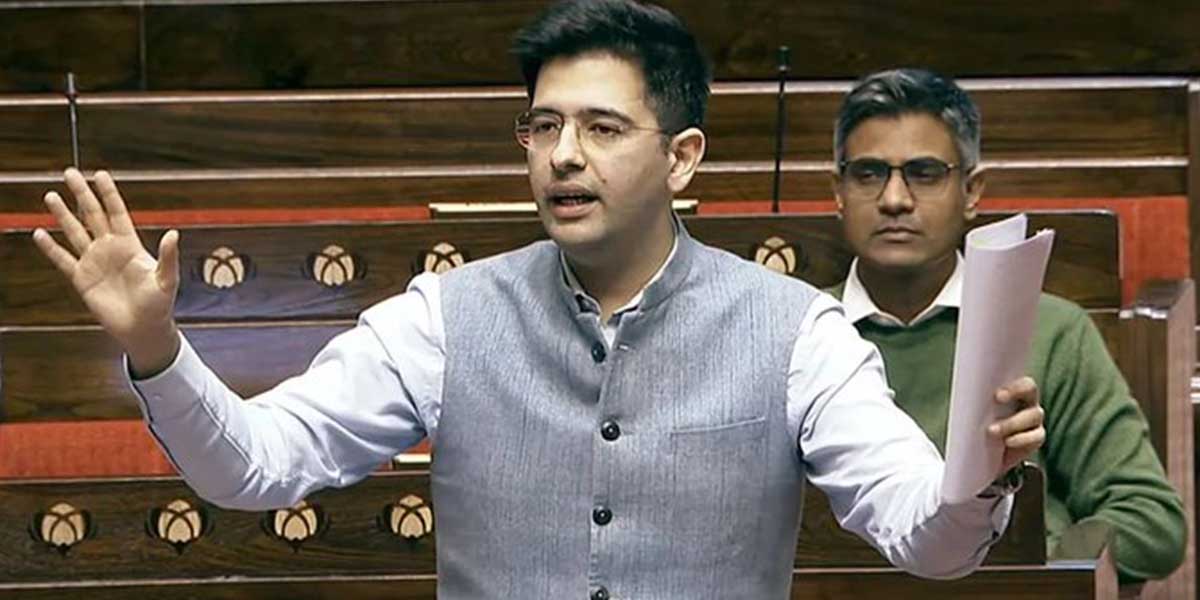
Raghav Chadha had been the AAP’s face on national media for years now, but recently the MP came into prominence for taking up “quality-of-life issues”, most of which largely concerned the middle- and upper-middle class. Each of his interventions in the Rajya Sabha was crisp in its own way. Chadha, a technocrat with good communication skills, knew exactly how to highlight them. He has 123 lakh followers on Instagram, and almost 10-lakh on X. He went on to become the Aam Aadmi Party’s leader of the House, and later the deputy with the return of senior colleague Sanjay Singh. It may seem odd that the AAP has stripped Chadha of his post as deputy leader in the Rajya Sabha. It is being said that Arvind Kejriwal suspected that Chadha may shift to the BJP ahead of the 2027 Punjab assembly elections. Kejriwal noticed Chadha was not critical of PM Modi or Home Minister Amit Shah. He hasn’t been very vociferous on issues against the BJP. Besides he was found missing in action when AAP may have needed him most. Like when Kejriwal was arrested Chadha was in the UK for eye surgery. Chadha was also absent at the recent “Jan Sabha” at Jantar Mantar, which was Kejriwal’s first public address following his discharge, along with Delhi’s former deputy CM Manish Sisodia. But Chadha has been far from idle and was always present and voluble in Parliament. Chadha campaigned against high samosa-and-chai prices at the airport. Nobody likes paying Rs 350 for a samosa and Rs 150 for a cup of chai. It is an issue that affects at best 5% of people in India who can afford to travel by air. Yet oddly, the government began to work on Chadha’s ideas. Within weeks of his raising the issue, UDAN Yatri cafes opened at 17 airports which offered samosas and tea for Rs 20 and Rs 10, respectively.

White Knights, co-option, corporate alliances and the like were quite in vogue in former times. They played handy roles in helping companies – especially of the owner-driven ones – to ward off take-over threats. Examples are dime a dozen in the corporate world of Tamil Nadu where they threw ring-fences around vulnerable outfits to check-mate raids by unwanted or undesirable entities. This had indeed helped many stressed outfits from falling into the BIFR fold, thanks to those friends in need who played Good Samaritans. The promoters of Bank of Madura (since merged with the ICICI) sought the help of Kotak Mahindra to ward off takeover threat from AC Muthiah of SPIC fame. Likewise, Pradip Kothari reached out to MV Arunachalam of the Murugappa group to stop the threat of Reliance satellite outfits from taking over of KICL (Kothari Industrial Corporation Ltd). Under new management, KICIL has now sold its fertiliser factory in Chennai to Coromandel Fertilizers of the Murugappa group! Son-in-law of late Raju, promoter of Raasi Cement, looked up to N. Srinivasan of The India Cements to stop raiders on track. Autolec, too, went to Sundaram Fasteners to ward off takeover attempts by multinational firms. In the evolving regulatory environment and following the arrival of IBC (Insolvency and Bankruptcy Code), things have gotten tougher for struggling owners to retain the ventures they have founded. The Good Samaritans of former times are either not there or wary of playing the rescue role in the changed context. Surely, that is hurting some original entrepreneurs in Tamil Nadu.
Powered by: Powered By ICICI Lombard
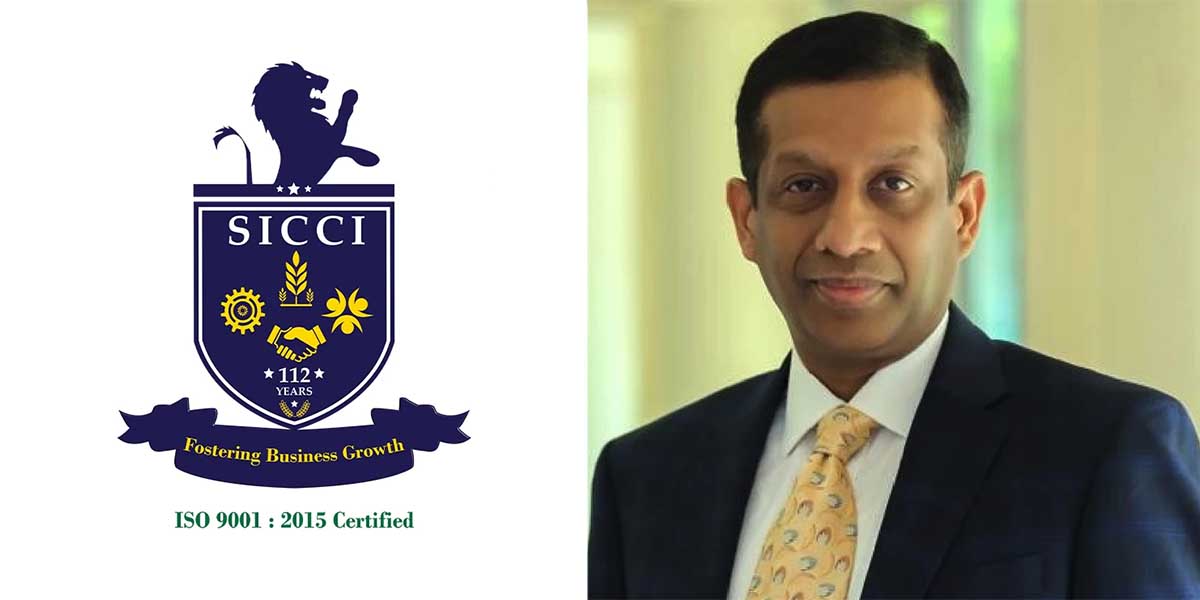
This is one of the oldest chambers in the country. This industry body is over 100 years old now. The Southern India Chamber of Commerce Industry (SICCI) is indeed an iconic association in Chennai. The SICCI was promoted ostensibly with the idea of serving the Indian business by protecting and promoting its interests at the regional, national and international levels. Indeed, SICCI was the founder-member of the Federation of Indian Chambers of Commerce and Industry (FICCI). SICCI saw eminent industrialists from Chennai such as AC Muthiah, MA Alagappan, A Vellayan and like heading it at one point or the other. Ar Rm Arun, son-in-law of AC Muthiah, is now serving as its president. SICCI has chosen to change. This move put the spotlight on the century-old chamber. SICCI has decided to constitute a Core Advisory Council (CAC). More than its constitution, what has surprised many is the power vested with the CAC to oversee the induction/ replacement of the executive committee members. CAC is also sought to be vested with powers to recommend right candidates for top positions at SICCI, which has hitherto been the domain of the board members. Why CAC at all? With CAC in place, what will be the role of the executive committee? Surely, SICCI is set for interesting times ahead.

Sustainability of any family business is a tough challenge. When family expands, it gets even tougher. More than anything else, the challenge lies in keeping the interest alive among the GenNext in the family. The story is different here, however. A member of the fourth generation, Devaki Ashwin Muthiah has just joined the board of AM International Holdings. She is the eldest of the two daughters of Ashwin Muthiah, the son of indefatigable AC Muthiah. As a part of the leadership team, Devaki will drive the group’s strategic growth plans across Singapore, India and the UK to accelerate its future-readiness. She had earlier interned in global luxury firms such as Joseph and Chopard in the UK. She has been a mentor and university liaison for the GAIN (Girls are Investors) charity in the UK. Devaki is already on the boards of Penn Globe Ltd and Notedome Ltd, subsidiaries of Manali Petrochemicals. Her induction into the holding company board sets the succession line clear. Her brief is clear: to prepare the group future-ready. For a group that traces its history to the launch of the country’s first motor scooter Lambretta by Automobile Products of India (a group company then) half-a-century ago, the entry of a fourth generation member invests this iconic traditional industrial family business group with a sense of freshness and energy to move forward.

A private-public partnership saw a plant come up at Thoothukudi in Tamil Nadu to produce ammonia and urea. In the 50 odd years of its existence, Southern Petrochemicals Industries Corporation (SPIC) has had a chequered history even as the A C Muthiah-piloted group became ambitious. Big investments in PFY and PTA (Spic Petro) and in a new fertilizer facility in Dubai saw money going down the sink. Things turned for the better post 2010 with a changeover at the helm. Now, Muthiah’s son Ashwin, who heads the company, has gone all out to ramp up capacity of ammonia and urea to almost global scales. To improve margins, it moved from naphtha to natural gas for its feedstock. For fund infusion, Ashwin roped in AM International of Singapore besides talking to lenders for debt restructuring. Result: Thoothukudi-based SPIC has turned around with its topline and bottom-line looking healthy. Unfortunately, another well run plant in Thoothukudi Sterlite Industries, part of the Vedanta Group had to shut shop over environmental issues. For the nine months ended December 2021, SPIC has turned in heart-warming results with a PAT of Rs 132 crore on the back of a topline of Rs 1,600 crore, both representing a big leap from the previous corresponding period. While things are certainly looking up for SPIC, the road ahead still sports many signs of caution!

There are certain advantages in being an unlisted, closely-held company. Owners of such firms, however, may encounter irritants coming their way. A few shareholders, with marginal holdings could prove to be an avoidable hindrance. One such unlisted, closely-held company is attempting to implement share consolidation ostensibly to ease the cumbersome procedural formalities in administration. It is also touted as a goodwill exercise offering small shareholders an exit option. In some instances, small shareholders do not see any goodwill in such an exercise. Rather, the move is viewed as an ill-intentioned initiative to get them out cheaply. The city of Chennai has seen Chettinad Cement, a well-known player in the bulk commodity space, delist its shares a few summers ago. But that has put its industrialist-shareholder AC Muthiah in a spot. If sources are to be believed, Muthiah is unable to get rid of his shares in the company at a price he considers equitable. The owner of Chettinad Cement appears to be playing it cool for now. The business, it may be recalled, is run by MAM Ramaswamy’s adopted son MAMR Muthiah who has an old score to settle with AC Muthiah, whom he had accused of usurping the company assets while his father was ailing. Alternatively, he doesn’t feel the need to acquire more shares, sitting comfortably as he is with a majority holding.