All
All Politics
 Business
 Entertainment
 Sports
 Celebrities

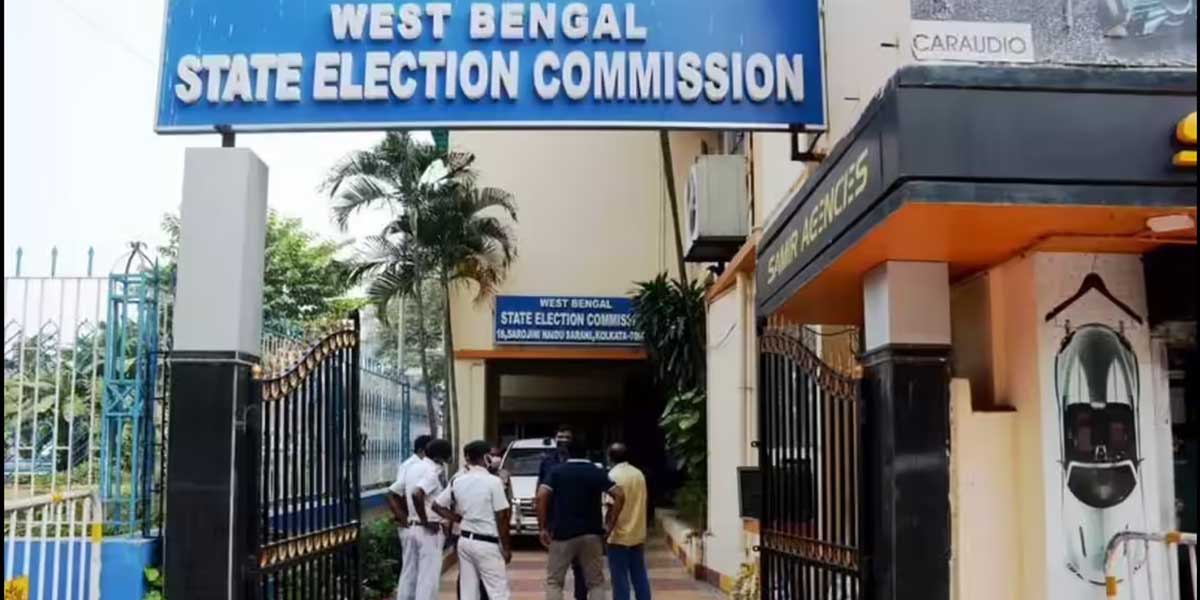
At the end of the Special Intensive Revision (SIR) process in West Bengal, around 9.1 mn names have been deleted from the electoral rolls, but the Election Commission has not disclosed the religious composition of those deletions. Based on its organisational assessment, the TMC claimed that 63% of the deleted names belong to Hindus and 35% to Muslims, indicating a ratio of roughly 2:1, a figure that could be politically uncomfortable for the BJP. The BJP has not questioned the accuracy of the figures but has raised questions about how the TMC accessed such data. TMC’s estimates indicate that in the first phase of the SIR process about 5.8 mn names were removed –around 4.4 mn Hindus and about 1.35 mn Muslims. In the second phase, around 550,000 names were deleted, of which 528,000 were Hindus around 97%, roughly 13,000 Muslims about 2.5%. In the third and final phase, approximately 2.7 mn names were removed with Muslim names outnumbering Hindu names — 1.75 mn Muslims and 835,000 Hindus. TMC alleged that in the process of identifying infiltrators and Rohingyas, people across communities had been subjected to scrutiny and names removed from the voter list. Some observers argued that the deletions should not be viewed solely through a religious lens but also in terms of categories. They said first-phase deletions, largely migration or duplicate entries, contrasted with the third phase where minority names formed the majority of deletions. TMC leaders have indicated in internal discussions that large-scale deletions of Hindu names could have an impact in Matua-dominated areas, where the BJP has performed strongly in the last three major elections.