All
All Politics
 Business
 Entertainment
 Sports
 Celebrities

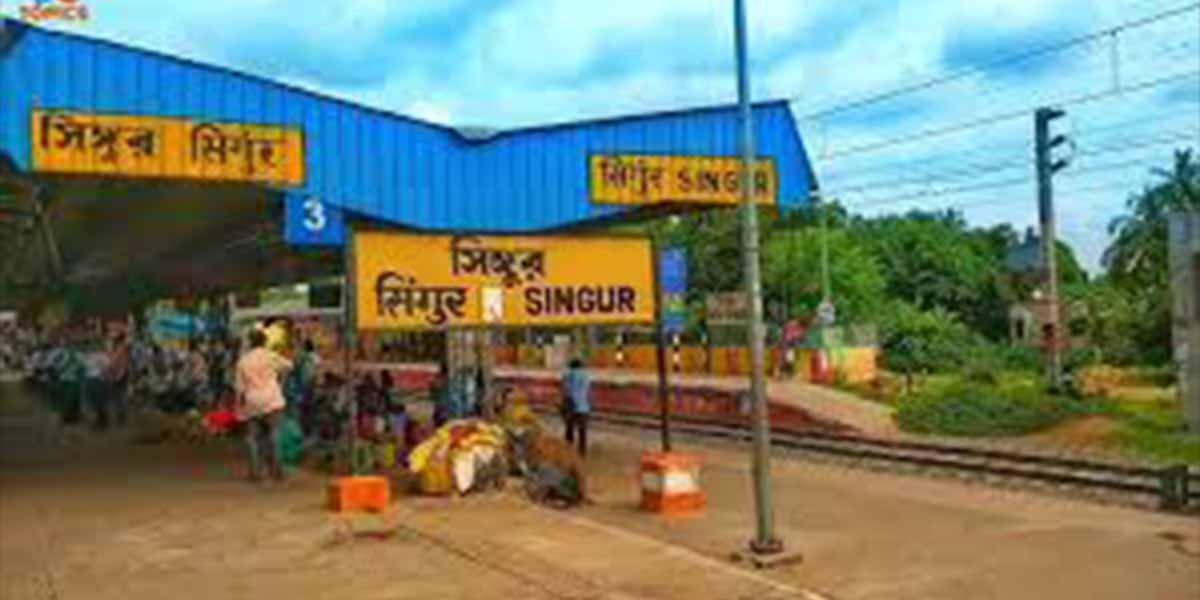
Nearly two decades after the Singur agitation reshaped West Bengal politics, the fertile stretch in Hooghly district has re-emerged as a key electoral flashpoint. With the 2026 Assembly elections nearing, the BJP has revived the Singur narrative, promising the return of Tata Motors and large-scale industrialisation if voted to power. The Trinamool Congress (TMC), however, continues to project Singur as a landmark victory for farmers against forcible land acquisition. BJP leaders argue that Tata Motors’ exit in 2008 marked the onset of de-industrialisation and that only a change in government can restore investor confidence. The BJP has also contrasted West Bengal’s industrial trajectory with Gujarat’s rapid expansion, presenting the latter as a development model. The party sees Singur as a way to reach Left-leaning voters by emphasising employment and economic growth rather than identity politics alone. The TMC has countered by reiterating that the Singur movement centred on protecting cultivable land and farmers’ rights. It cites the Supreme Court verdict declaring the 2006 land acquisition illegal and ordering land to be returned to unwilling farmers, calling it both legal and moral vindication. The conflict began in 2006 when the Left Front government acquired nearly 1,000 acres for Tata’s Nano project. The decision sparked sustained protests led by Mamata Banerjee, including police action and a 21-day hunger strike. Amid escalating unrest, Tata Motors withdrew in 2008 and shifted the project to Sanand, Gujarat. The Singur and Nandigram agitations later became central to the TMC’s rise, ending 34 years of Left rule in 2011. At present, about 300 acres have been restored to cultivation. Farmers’ groups have demanded that another 300 acres be made arable, suggesting the rest could be considered for industry. As elections approach, Singur’s abandoned fields have again become a battleground of competing visions of development and memory.