All
All Politics
 Business
 Entertainment
 Sports
 Celebrities

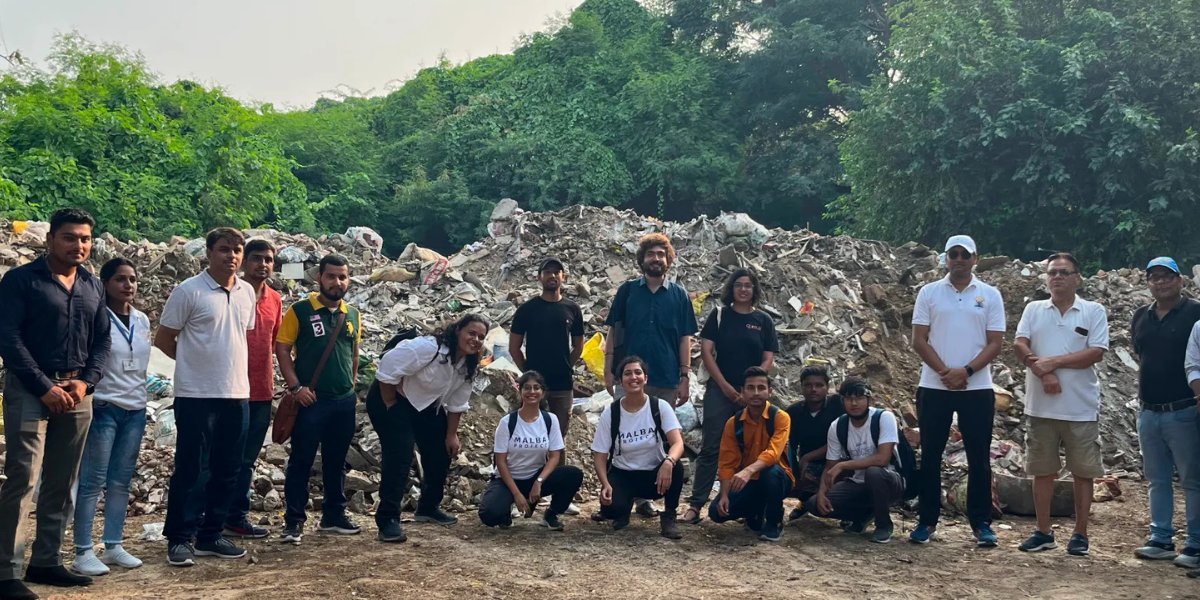
A silent but potentially transformative battle is unfolding beneath Mumbai’s frenetic redevelopment boom — the business of rubble. The Brihanmumbai Municipal Corporation (BMC) has rolled out the beta version of its ‘Malba’ portal ahead of a full public launch on July 1 and India’s financial capital becomes the second city after Delhi to digitally track construction and demolition (C&D) waste. The timing is significant. Mumbai is in the middle of one of its biggest urban churns — old housing societies are being razed, slums redeveloped, metro corridors expanded and infrastructure projects accelerated. But every demolition leaves behind an uncomfortable by-product: millions of tonnes of debris. For decades, that rubble disappeared into vacant plots, creeks, mangroves and roadsides, creating dust pollution, choking fragile ecosystems and adding to urban chaos. What was dismissed as waste is now being recast as economic inventory. The Malba platform aims to connect waste generators, transporters, recyclers and regulators into a single compliance chain, allowing authorities to track debris from demolition site to recycling plant. Delhi’s early experiment has already established the proof of concept. Mumbai could now scale it. The larger opportunity lies beyond enforcement. India’s redevelopment economy is creating a parallel debris economy — recycling aggregates, paver blocks and road-building material from yesterday’s concrete. Industry estimates suggest recycled debris utilisation, currently in low single digits, could touch 50% by 2030. If that happens, rubble may no longer remain the cost of development. It could become one of its most valuable raw materials. Sources reveal that even the Adani group is in talks to set up a crushing plant within the largest urban renewal project it is currently seized of at Dharavi in Mumbai