All
All Politics
 Business
 Entertainment
 Sports
 Celebrities

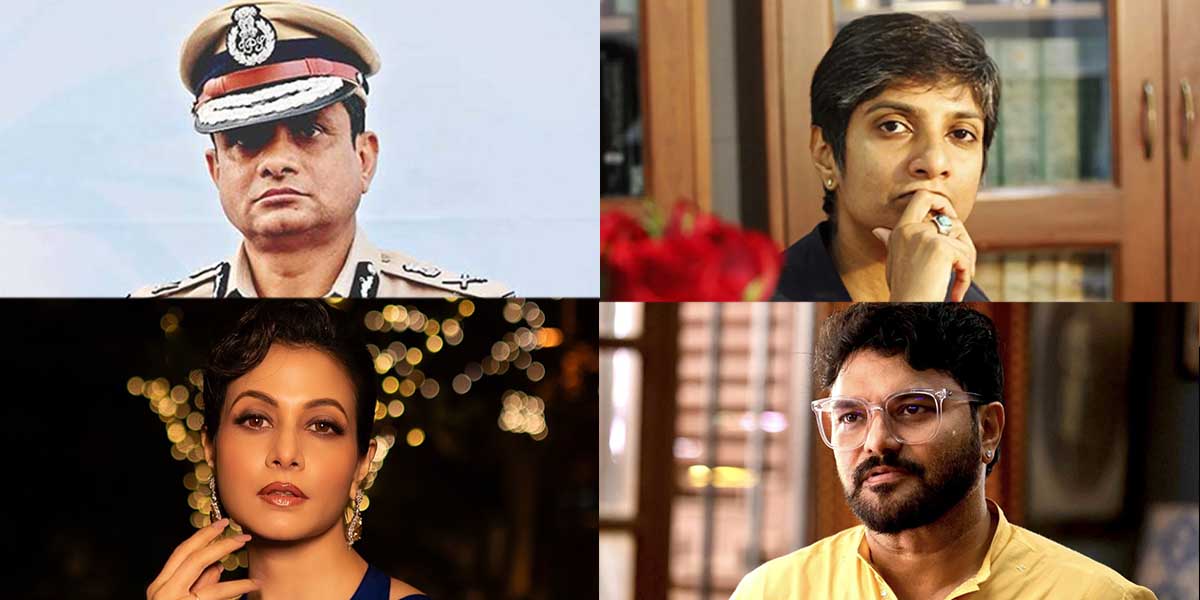
In West Bengal’s political theatre, chief minister Mamata Banerjee’s latest Rajya Sabha nominations signal calibrated messaging. The elevation of former Kolkata Police commissioner Rajeev Kumar, former BJP leader-turned-TMC minister Babul Supriyo, actor Koel Mallick and senior advocate Menaka Guruswamy blends loyalty, optics, accommodation and ideology. Recently retired IPS officer Rajeev Kumar’s nomination is the most politically charged. Central to the Saradha chit fund investigation, he became a symbol of the state-versus-Centre standoff when CBI officers reached his residence, prompting Didi’s dharna in his defence. He was recently seen with Banerjee at the I-PAC office during an ED raid, reinforcing perceptions of proximity. If Kumar’s elevation signals loyalty and confrontation, Babul Supriyo’s move reflects internal management. It became clear he would not contest the upcoming Assembly election from Ballygunge. Though reportedly offered Asansol South, he is said to have had reservations. Supriyo has indicated plans to refocus on his music career. A Rajya Sabha seat preserves stature and visibility without constituency pressures, balancing politics and personal priorities. Koel Mallick’s nomination is symbolic. A leading Tollywood actor, daughter of Ranjit Mallick and married to producer Nispal Rane of Surinder Films, she belongs to a film family seen as close to Banerjee. A recent meeting between Abhishek Banerjee and Ranjit Mallick strengthened perceptions of continued engagement with the film fraternity. Menaka Guruswamy adds an ideological dimension. Known for her role in the 2016 constitutional challenge leading to Supreme Court recognition of LGBTQ+ rights, she also represented Banerjee in the I-PAC case. Openly gay and partnered with Arundhati Katju, she represents liberal constitutionalism. Her induction signals inclusivity and LGBTQ+ outreach, positioning the party within a progressive national discourse amid deepening polarisation.