All
All Politics
 Business
 Entertainment
 Sports
 Celebrities

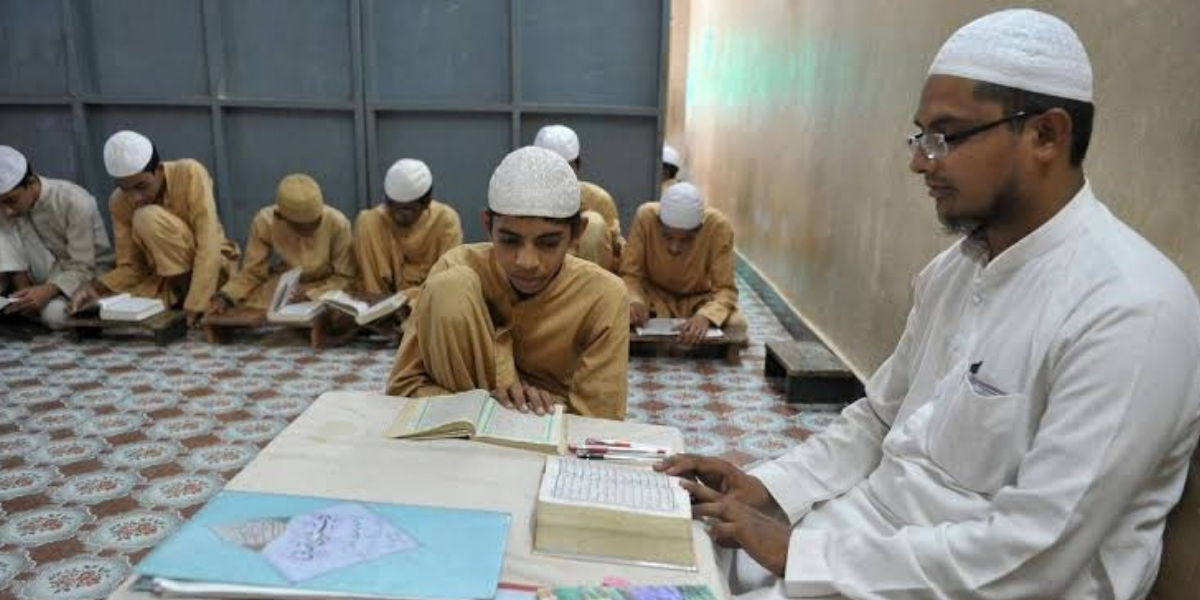
West Bengal’s action against 352 madrasas is more than a regulatory exercise. Coming barely four months after the BJP government took office, it is the latest in a series of decisions reshaping the state’s approach to Muslim institutions, welfare and religious identity. The immediate trigger is administrative. A statewide survey covering Kolkata and all 22 districts found 2,132 madrasas with valid approval and 2,396 operating without approval. The government has ordered 252 closures and issued show-cause notices to 100 others. Officials cite inadequate infrastructure, deviations from prescribed curricula, management irregularities and lack of valid authorisation. But the political significance lies in the wider sequence. Since May, the government has scrapped religion-based welfare measures including assistance for imams and muezzins, changed the previous OBC framework by removing several Muslim communities from the earlier categorisation, and made Vande Mataram mandatory in madrasas. The Minority Affairs and Madrasah Education Department’s allocation fell 62%, from Rs 5,713.61 crore in the interim Budget to Rs 2,175.43 crore in the full 2026–27 Budget. The Aikyashree scholarship allocation fell to Rs 250 crore from Rs 741 crore in 2025–26. The government says these changes replace religion-specific benefits with broader, religion-neutral welfare and bring institutions under common regulatory standards. Of the 252 institutions facing closure, 44 are in Malda, 37 in Uttar Dinajpur, 32 in South 24 Parganas and 25 each in Nadia and Murshidabad. Several have substantial Muslim populations, while some are near the Bangladesh border. The distribution does not establish communal targeting. Nor do the findings establish radicalisation or terrorism. Yet BJP leaders have linked some unrecognised madrasas to possible radicalisation and alleged that border-area institutions could facilitate anti-national activity. The question is whether the new government is applying a uniform regulatory and welfare framework or redefining the place of Muslim institutions within state policy.