All
All Politics
 Business
 Entertainment
 Sports
 Celebrities

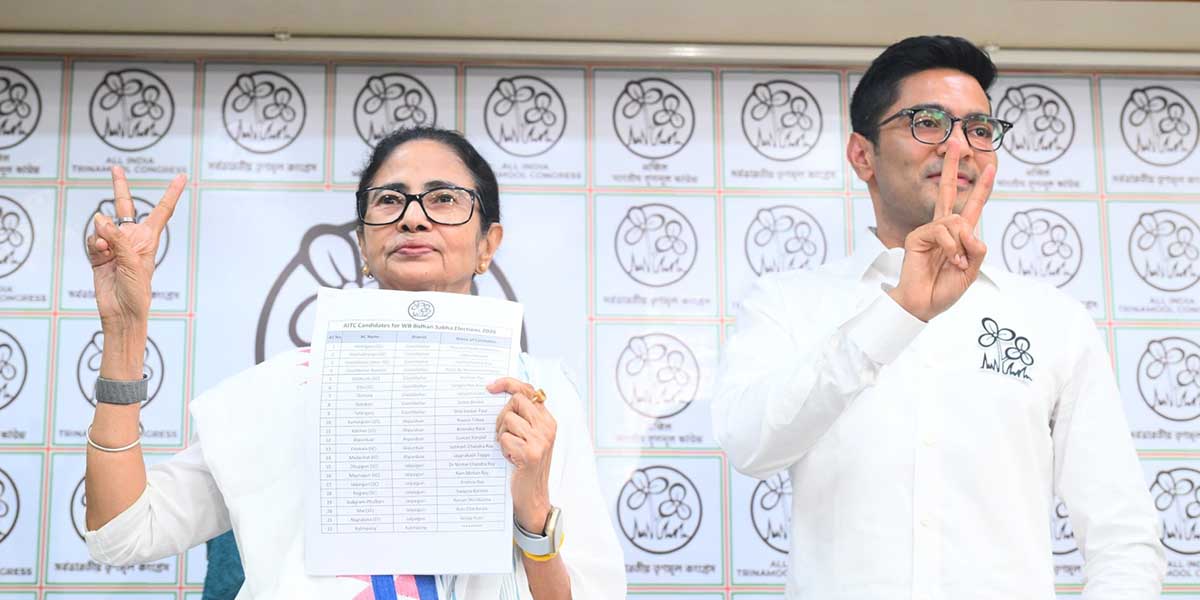
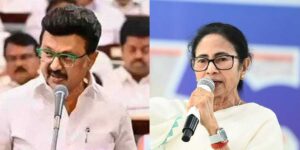
Seeking a fourth consecutive term, West Bengal chief minister Mamata Banerjee who released a 291-seat candidate list clearly signalled a sweeping organisational reset. Defined by a “three-generation balance” strategy, the list represents a calculated gamble by Mamata and her nephew Abhishek Banerjee to neutralise anti-incumbency through a mix of youthful energy and seasoned stability. Didi’s focus this time has been on younger faces, increased representation of women, and caste & community equations. Party insiders describe a “three-generation balance”, an idea pushed by Abhishek. Of 291 candidates, 219 or 75% are under 60, 45% around 50, 72 above 60 and 25 over 70 — marking a clear shift from 2021. To address anti-incumbency, 74 sitting MLAs have been dropped. Veterans like Samar Mukherjee (83), Sobhandeb Chattopadhyay (82), Firhad Hakim, Madan Mitra, Jyotipriya Mallick have been retained. Younger faces include Madhuparna Thakur (27), Rituparna Adhya (28), Debangshu Bhattacharya (29), and Rajib Biswas (29). Thirteen recent entrants have been fielded immediately that includes Pabitra Kar against his mentor Opposition leader Suvendu Adhikari in Nandigram. Meanwhile, Partha Chatterjee, Chiranjeet Chakraborty, Kanchan Mullick, Paresh Pal and Swarnakamal Saha, Vivek Gupta have been dropped. Several second-generation leaders have been fielded, including Shreya Pandey (daughter of Sadhan Pandey), Sirsanya Bandopadhyay, Tirthankar Ghosh, Basundhara Goswami, Shubhankar Singh and Sandipan Saha; however, the exclusion of late Mukul Roy’s son Subhranshu Roy signals a selective legacy politics. The list includes 52 women, 40 Muslims, 78 Scheduled Caste and 17 Scheduled Tribe candidates. Interestingly, the TMC appears to have moved away from its earlier reliance on inducting fresh faces from the Bengali film industry.