 All
All Politics
 Business
 Entertainment
 Sports
 Celebrities

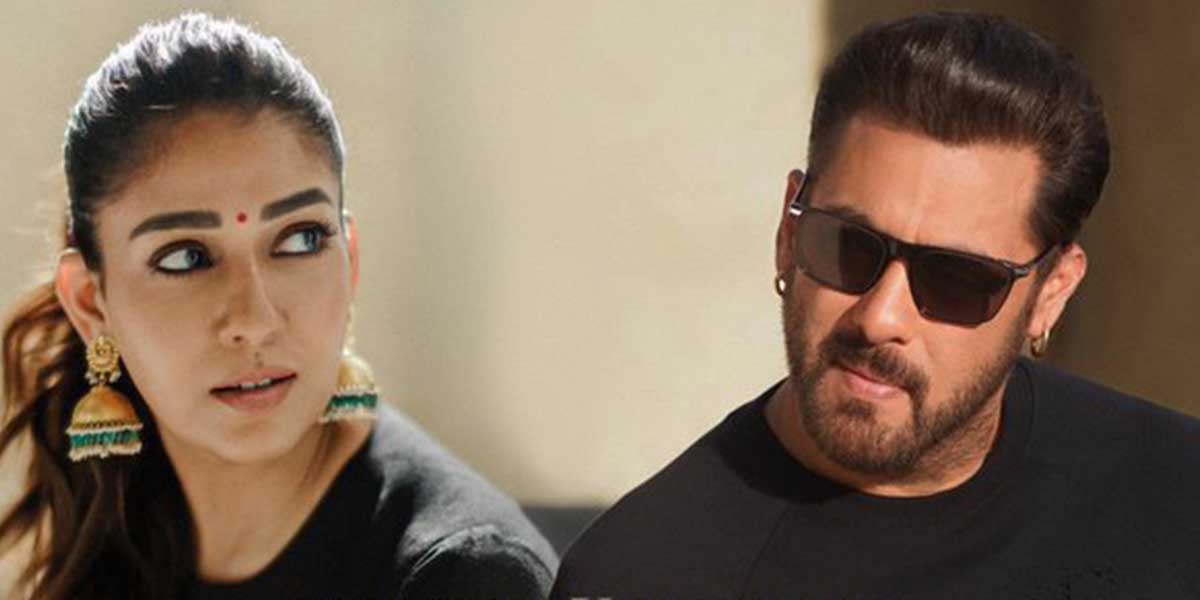
Nayanthara, after marriage and two kids, is still the “Queen” of female leads in Kollywood. Not just her drop dead gorgeous looks, hit Telugu film directors and producers like Dil Raju and Vamshi Paidipally bet big on her charisma and acting …Nayanthara films have rarely failed and her fans love her regal presence, dignity and talent. Any wonder that this director-producer duo (with five consecutive Telugu hits ) have signed her to play the heroine to Salman Khan? Sixty-year old Salman needs a hit, badly as it’s a long time since Bhai danced to his jubilant fans drum beats. Especially Eid releases …this year he didn’t have much to celebrate. Also his already signed work-in-progress, Battle for Galwan is facing some roadblocks and delays. It has undergone a name change to Maatrubhumi directed by Apoorva Lakhia. Sallu needs that one incendiary hit to keep him going. A South team made Jawan with Nayanthara and Shah Rukh Khan unforgettable. Chiranjeevi, not exactly mothballed but not having frequent films had her as his lead in the recent ‘Mana Shankara Vara Prasad Garu’, an out and out entertainer. Two decades as a heroine, Nayan is not about to settle for a “blink and she is gone” role. The story with Salman is planned to be a solid plot to showcase two great talents. Pre-production work is almost done and shooting is to commence. The producers are all geared up for 2027 Eid release. Salman Khan is sure to celebrate this Eid with warm Mubarakaan from his huge legion of fans.
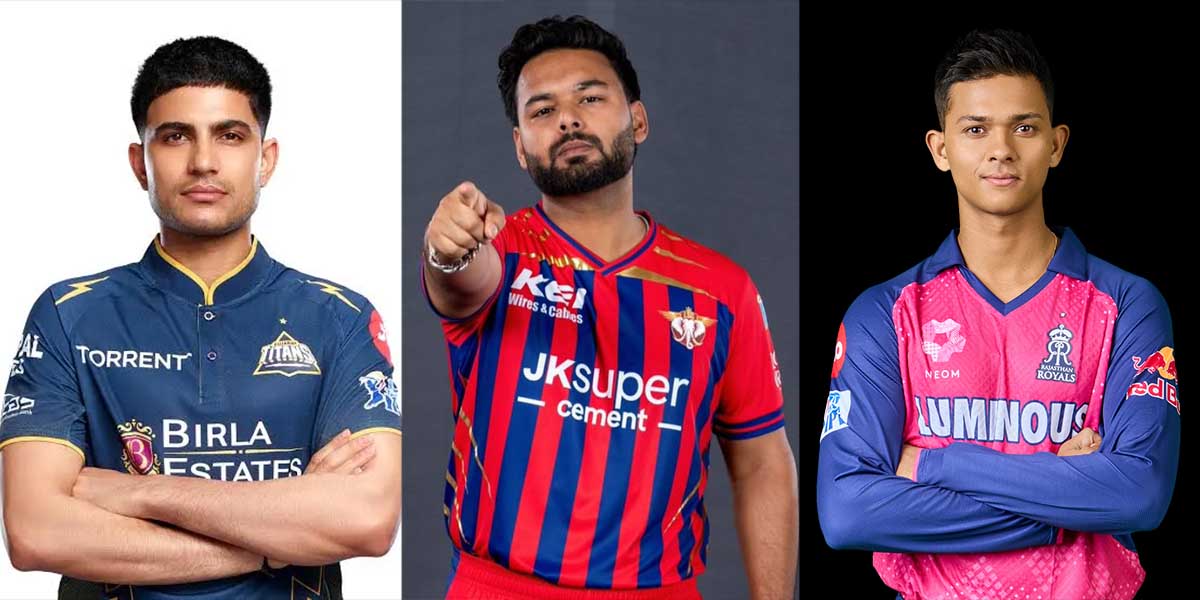
The time has arrived for those who missed the World Cup bus (ICC Men’s T20) to exhibit their wares in the shortest format of the sport — the Tata-IPL Season-19. India’s Test and one-day international captain Shubman Gill, Yashasvi Jaiswal and Rishabh Pant must have been hurt not making it to the showpiece event at home. The selectors provided a window for Gill to make an attempt and fit into the Twenty20 squad; they even made him the vice captain for the Asia Cup in the UAE. But to get the “balance of the team” right, they dropped him for one of the signature events of the ICC-19. The IPL has started with the likes of veterans Virat Kohli and Rohit Sharma flaying the bowling in their team’s opening matches. And young Vaibhav Sooryavanshi too has lashed out at the Chennai side. But the world would watch with keen interest the ability of Gill and Jaiswal, the men in blue team’s best opening pair in the Twenty20, but who had to make way for the likes of Abhishek Sharma, Ishan Kishan and Sanju Samson. Rajasthan Royals’ Jaiswal used the IPL to force his way into the Indian team, but Gill and Pant came through the BCCI’s established domestic system. Gill is an IPL regular for eight seasons and scored 3866 (3626 as an opener) and will be in the running for the next World Cup in Australia and New Zealand in 2028, and so would be Jaiswal and Pant. While they would target the 50-over World Cup in South Africa, Zimbabwe and Namibia next year, they would double down in the ongoing IPL and make the big splash in order to force their way for the bilateral matches.
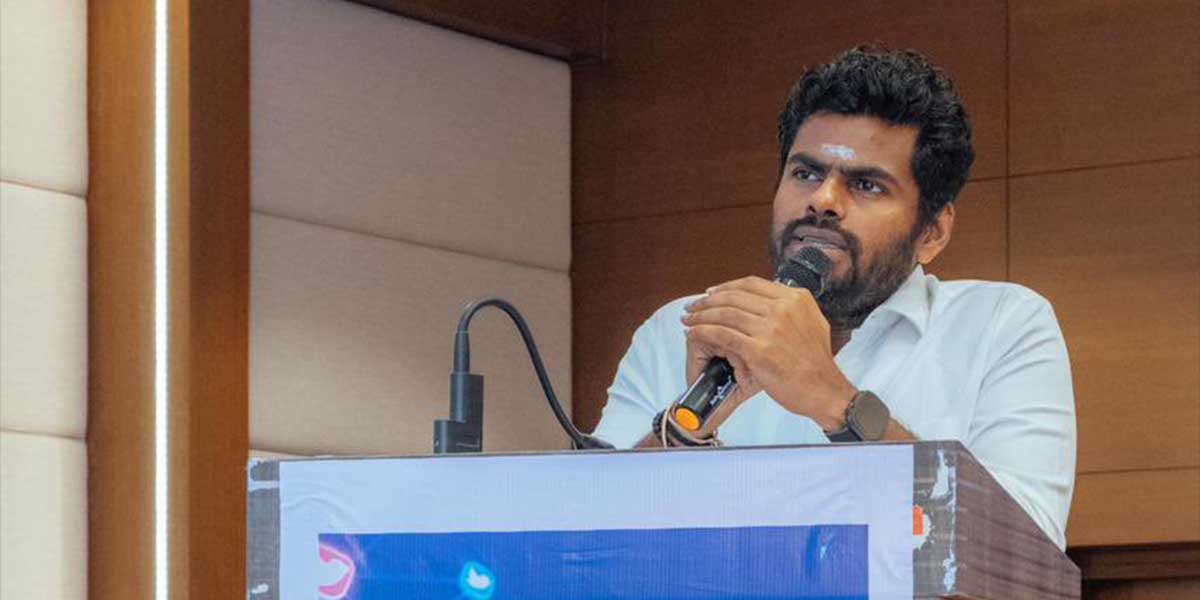
It was 2019 when a Karnataka cadre cop waded into the murky waters of Tamil Nadu politics with a dream…to bring the BJP beacon to TN, to get its rightful recognition in this Dravidian stronghold, K Annamalai came in with a vision of Camelot…but today his political survival and special status in the BJP is under a big question mark. The very BJP which nurtured and applauded his strength, is ignoring him. What happened to all that mercurial charisma that made Annamalai, Modi’s favourite (remember he was perhaps the only BJP member who got a one-hour car ride with the PM when Modi drove to the Coimbatore airport). But recently, as the PM was on his way to Kerala, he stopped at Coimbatore airport where a 11-member team was waiting to receive him…BJP’s Women’s Wing leader, Vanathi Srinivasan sounded surprised that Annamalai was not there…did they know that the official list did not have his name! What a profile he had etched in TN… Annamalai was here, there and everywhere …he led padayatras, nursed his Coimbatore constituency and was the inevitable face of the BJP…but in his meteoric rise, he rose in strident speech too … making enemies of the established AIADMK and its chief Edappadi K Palaniswami. The internal warfare and jockeying were in full throttle. So when Annamalai lost the election in 2021, the AIADMK broke the BJP ties. Anticipating the need to keep the alliance going, Nainar Nagendran was made TN Chief. The BJP’s compulsion was to have a respectable presence in TN at any cost. Annamalai had to be downsized to please Edappadi. Now it is learnt BJP is making amends, TN in-charge Piyush Goyal has summoned Annamalai to party office to request him to enter the fray from a constituency of his choice. Will he? Annamalai is fired by the RSS ideology …this Knight is sure to find his place at the Round Table like Lancelot.
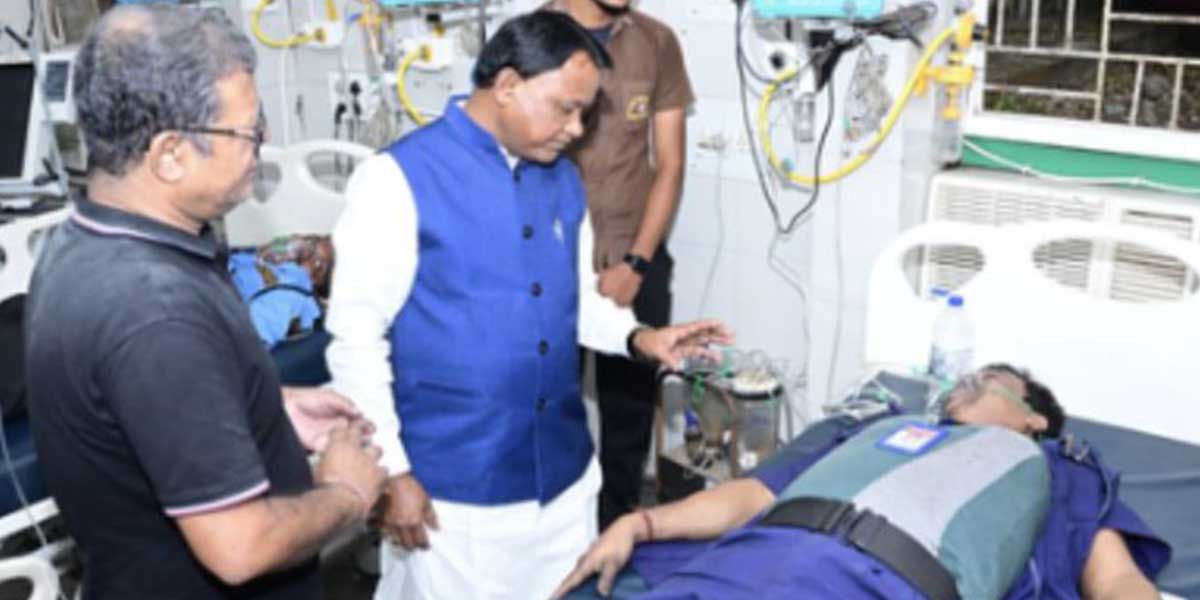
Trouble for the BJP-led Odisha government headed by Mohan Charan Majhi, in power for close to 21 months, never seems to be ending. The latest is the Opposition’s vociferous demand for the resignation of the state health minister over the death toll in the fire at SCB Medical College Hospital in Cuttack which rose to 13. Ten Opposition parties – Congress, BJD, CPI (M), All India Forward Block, NCP, RJD — and other regional outfits have come together in a rare display of unity against ruling BJP. Massive protest has been organised demanding resignation of Health Minister Nukesh Mahaling. The Majhi government has rejected the resignation demand of the health minister, even as it suspended four of its officials. Naveen Patnaik’s party, the BJD in alliance with the Congress, has made it clear that the protest and agitation are not being withdrawn until the health minister resigns on moral ground. Supporting its argument, BJD sighted the case of its Health Minister Atanu S Nayak who resigned over a similar tragedy in 2016 when BJD was in power. The BJP has turned the tables on BJD saying that because of lapses during their rule, of not making fire safety arrangements during their 24 years rule, the current accident took place.
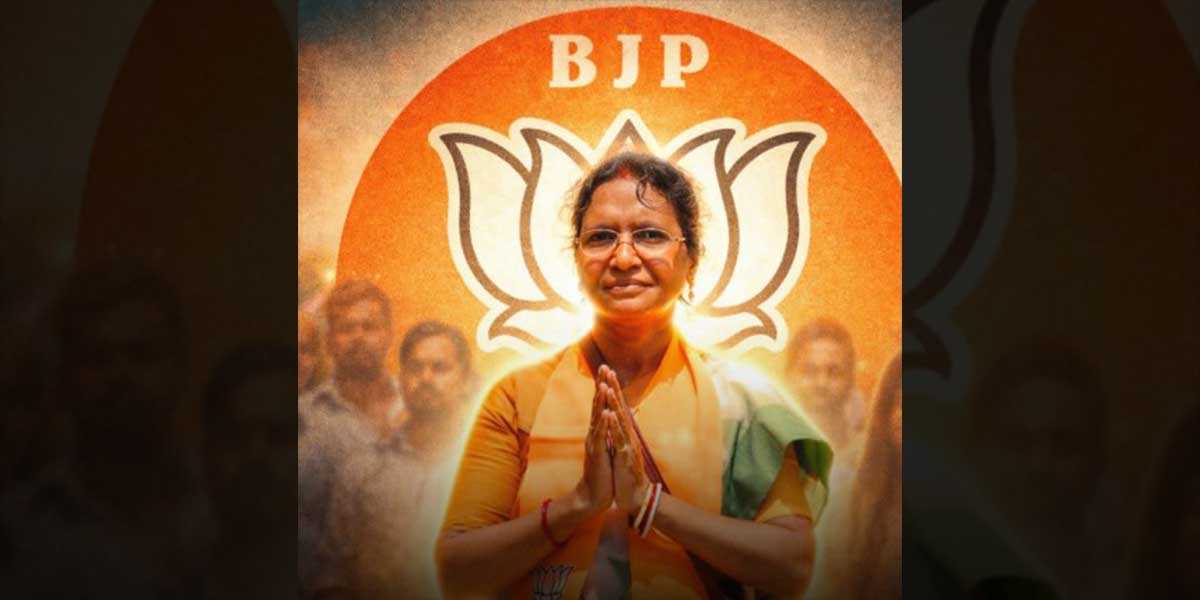
This Assembly elections, the BJP has launched a focused outreach to women voters, crafting a candidate list featuring women activists and public figures to challenge West Bengal chief minister Mamata Banerjee’s strong hold over the women vote bank. Over 15 years in power, Didi has built a strong rapport with women through welfare schemes such as Lakshmir Bhandar and Kanyashree. Notably, ahead of the elections, the TMC government increased monthly assistance under Lakshmir Bhandar. In a strategic shift, the BJP has fielded candidates directly associated with protests against alleged violence or injustice, particularly in cases linked to individuals associated with the ruling TMC. Ratna Debnath, mother of the RG Kar Hospital rape victim, has been fielded from Panihati. Rekha Patra, a key figure in the 2024 Sandeshkhali protests will contest from Hingalganj. Tumpa Kayal, known for leading protests after the 2013 Kamduni rape and murder case in North 24 Parganas, has joined the BJP. Together, Ratna, Rekha and Tumpa represent the BJP’s effort to foreground real-life experiences of violence against women and are expected to campaign across the state, including Bhabanipur, where Opposition leader Suvendu Adhikari is contesting against Mamata. The BJP has also fielded women candidates such as actors Roopa Ganguly, Sarbori Mukherjee, Papiya Adhikary, and advocate Priyanka Tibrewal, who contested against Didi in the 2021 Bhabanipur bypoll after her defeat in Nandigram. Meanwhile, TMC has raised concerns over a reported drop of nearly 57 lakh women voters after the SIR. It claims numbers rose from 3.59 crore (2021) to 3.73 crore (2024), before falling to 3.16 crore (2026), alleging many women were marked “under adjudication” due to marriage, address, or surname changes, effectively excluding them and weakening participation.
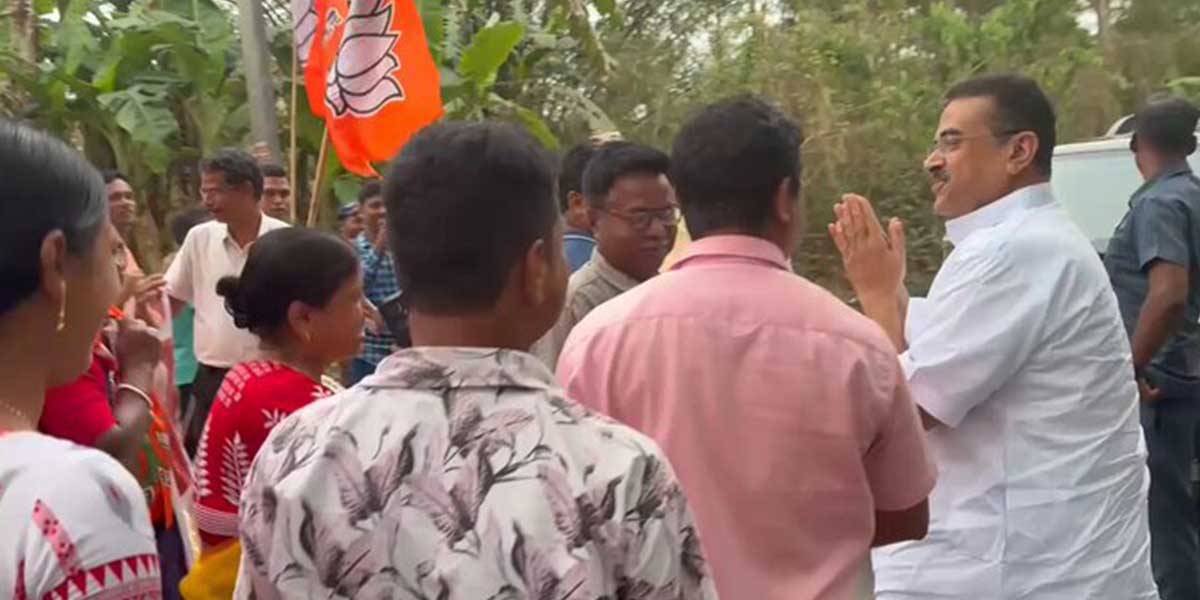
Nandigram has once again become a key political battleground. Unlike 2021, the focus this time is on Opposition leader Suvendu Adhikari. Former close aide of Suvendu, Pabitra Kar, switched to Trinamool Congress (TMC) and was given ticket to contest from Nandigram. The defection — timing, messaging and disruption — is a masterstroke by West Bengal chief minister Mamata Banerjee and her nephew Abhishek Banerjee. TMC leaders interpret Pabitra’s candidature as an indication that political equations in Nandigram are changing. The move raises questions about Suvendu’s organisational strength and internal stability. Kar poses a serious threat as he knows the local terrain and Suvendu’s political network from within. BJP leaders acknowledge the challenge admitting that the contest in Nandigram has become more uncertain due to this development, but maintain that Suvendu retains a strong voter base. Kar has grassroots connections, family political presence, and links with local religious organisations. Local BJP unit has admitted that the timing of the defection has hurt perception, though its real impact will depend on ground-level translation. Defections like this can influence booth management, cadre morale, and voter perception. A section of the party believes that local workers may face confusion due to Kar’s shift, affecting campaign coordination. Nandigram has a history of tight elections—Didi lost by just 1,956 votes against Suvendu in 2021. Nandigram remains politically symbolic and emotionally significant in Bengal politics. Political observers believe that elections here are decided by booth management, local equations, and last-mile outreach—not rallies. Kar’s insider knowledge could influence these micro-level dynamics. For Suvendu, 2026 elections is a different test as he must not only defend Nandigram but also Bhabanipur where he challenges Mamata Banerjee.
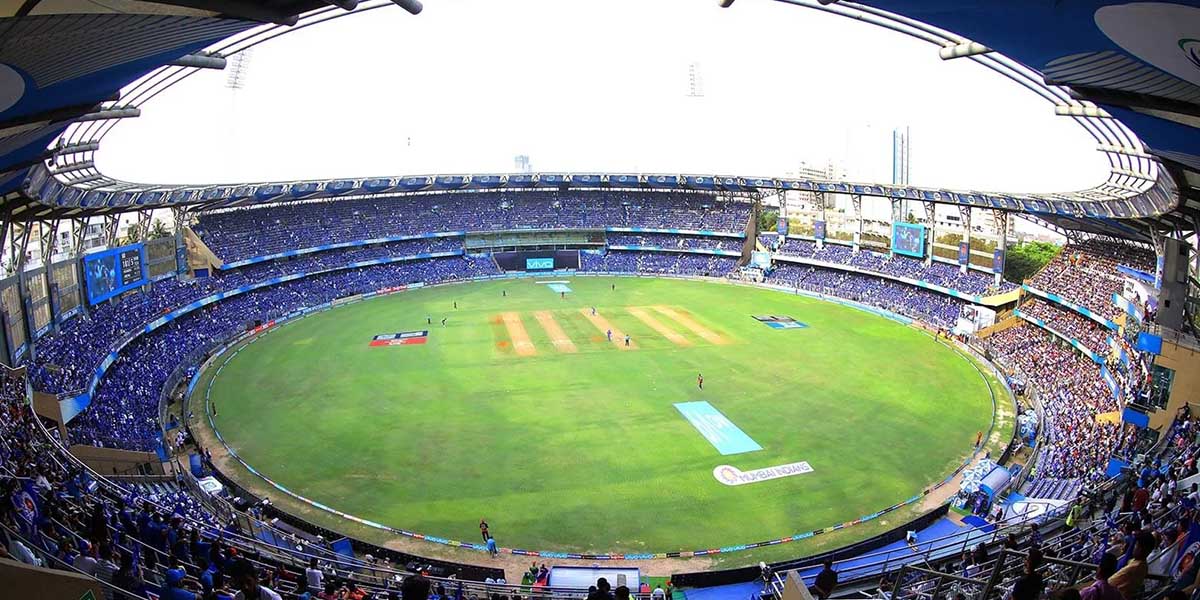
There is bitterness in Mumbai City with the Mumbai Cricket Association (Wankhede Stadium) not being awarded one of the five Test matches for the Border-Gavaskar Trophy series against Australia for the home international season of 2026-2027. The rancour is misplaced though. The BCCI follows a rotation policy to award Test matches. In the yesteryears, Bombay (Mumbai Cricket Association), Madras (Tamil Nadu CA) /now Chennai), Kanpur/Lucknow (Uttar Pradesh CA), Kolkata (Cricket Association of Bengal) and Delhi (Delhi & Districts CA) were determined as the permanent Test centres and they held the multi-day Test matches by rotation. Afterwards, Bengaluru (Karnataka State CA), Hyderabad (Hyderabad CA), Ahmedabad (Gujarat CA) and Mohali (Punjab CA) and Nagpur (Vidarbha CA) were added to the Test-match centre list. The numbers swelled in the last decade or so with Ranchi, Dharamsala, Indore, Rajkot, Pune, Visakhapatnam and Guwahati added as Test match centres. The first Test in India was held at the Bombay Gymkhana and the nearby Cricket Club of India has played host to 18 Tests at the Brabourne Stadium. The Corporation Stadium in Chennai has hosted nine Test matches. In the first week of June, New Chandigarh will join the Test match centre list. With the BCCI members creating new infrastructure, the first five permanent Test centres have been losing out, forced to share Test matches with new centres. Ahmedabad has held more in the last five years because it had to forgo matches for three years because the Stadium at Motera was being rebuilt. Ditto seems to be the case with Guwahati that made its Test debut hosting the India-South Africa Test last November. The Mumbai CA may help its cause by playing Ranji Trophy matches at the Wankhede and demonstrate that the Churchgate venue is its primary ground, not the one at BKC.
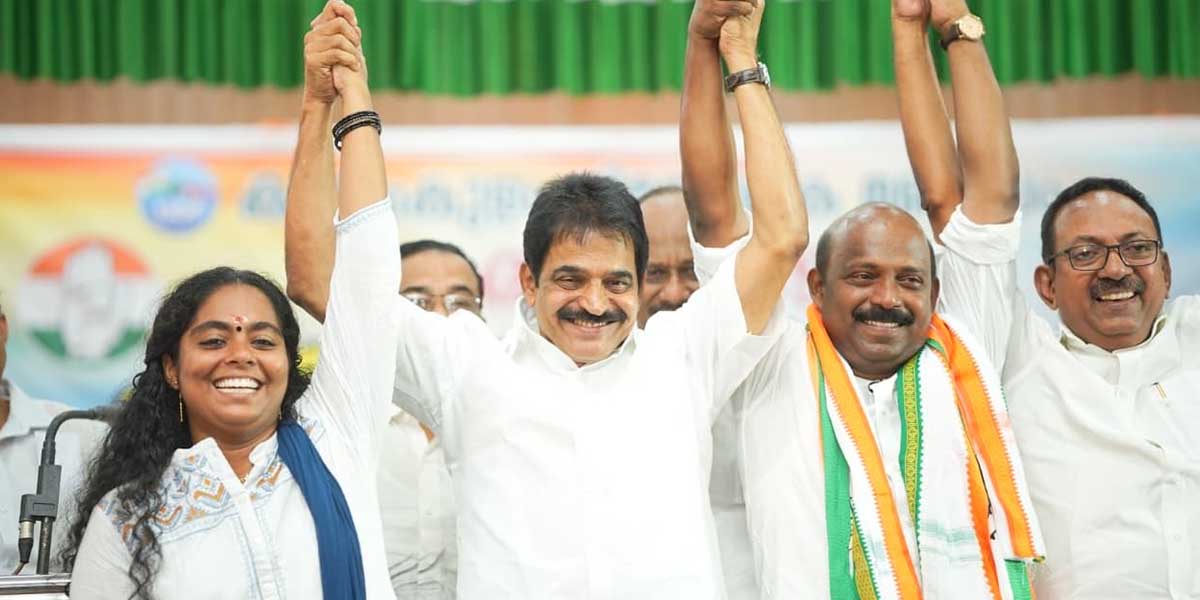
With less than two weeks to go for the Kerala Assembly polls on April 9, party workers are intensely praying in Delhi that the Congress decisively wins this election. Prayers for a UDF win is to ensure that powerful AICC General Secretary K C Venugopal — perceived to be the root cause of all problems plaguing the party — moves to his home turf as CM. The Alappuzha Lok Sabha MP had reportedly paved the way for his own career switch by dominating the state candidate list. Majority of the 95 Congress MLAs for 140 assembly seats were picked by him. A sizable section also owe loyalty to senior leader Ramesh Chennithala. A handful of tickets have been given to the most popular CM face — LoP, V D Satheesan. Party sources said if Congress wins, Venugopal is likely to persuade Rahul Gandhi to send him to Thirvanathapuram as CM. “The only thing that may deny Congress a sweep is that we fear Muslims are still not comfortable with us. They suspect we have a pro-Christian bias. Of course, this time all our CM contenders are Nairs. Era of A K Anthony, Oomen Chandy, the league of Christian leaders from Congress is over…yet we found the Muslims were moving away and falling back on Pinarayi Vijayan,” conceded a top Cong source. Of course, the UDF has a long standing alliance with IUML. Besides there is a tacit understanding between the BJP and CPI(M) with the former relying on its NDA ally in Kerala —Twenty20 Party (active in Ernakulam)—to take on the UDF. Meanwhile, former Rajya Sabha deputy chairman P J Kurian stirred some interest by suggesting that Ramesh Chennithala would be the CM. Later Kurian conceded that he had made the remark as Chennithala had just walked into the meeting. “I am aware everything will be decided by Rahulji,” he said.
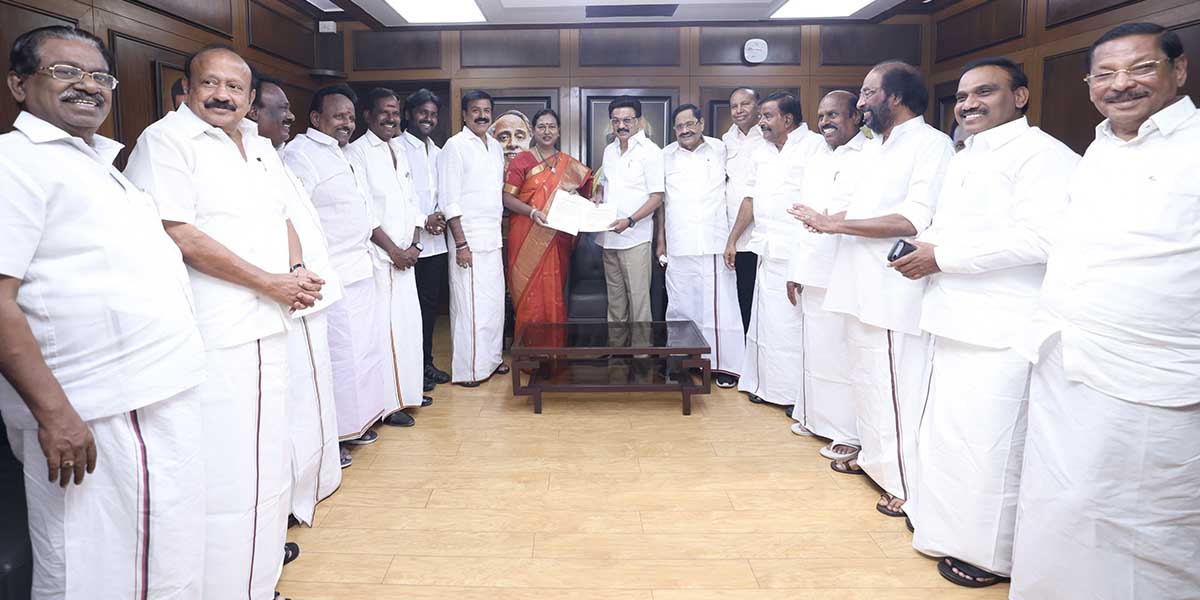
Tamil Nadu’s run up to this election has been quite surprising, often quite shocking …the attitude, demands and ego trips of alliance partners could have upset any other politician but chief minister MK Stalin. There is a popular Hindi song Bade Miyan To Bade Miyan Chhote Miyan Subhan Allah. Exactly how Rahul Gandhi’s whimsical demands rocked the alliance in Puducherry; he suggested that Congress could fight in the same constituencies as the alliance party, calling it a “friendly fight”. Fortunately for the party, Mallikarjun Kharge took over the seat sharing talks in TN with Stalin but insisted on taking three favoured seats, one being Velachery. In the last election DMK sacrificed this high-profile seat to Congress. The Congress candidate neglected Velachery. Stalin did not relent on this one. The tail wagging the dog took an even more comical yet irritable negotiation turn when DMDK supremo, Premalatha(wife of the late Vijayakanth ) walked in to meet the old DMK warhorse T R Baalu, for seat sharing talks. Baalu has seen many such grandstanding alliance party heads. But Premalatha’s impossible seat demands made Baalu see red. She wanted three DMK winnable seats …Vikravandi, Virugambakkam and one more. Baalu’s reference to the Rajya Sabha seat already in the DMDK bag made Premalatha see a more crimson red. “What Rajya Sabha? You can keep it …we shall resign now”. Stalin is seen as a punching bag by desperate allies, even as the DMK put on a brave front.
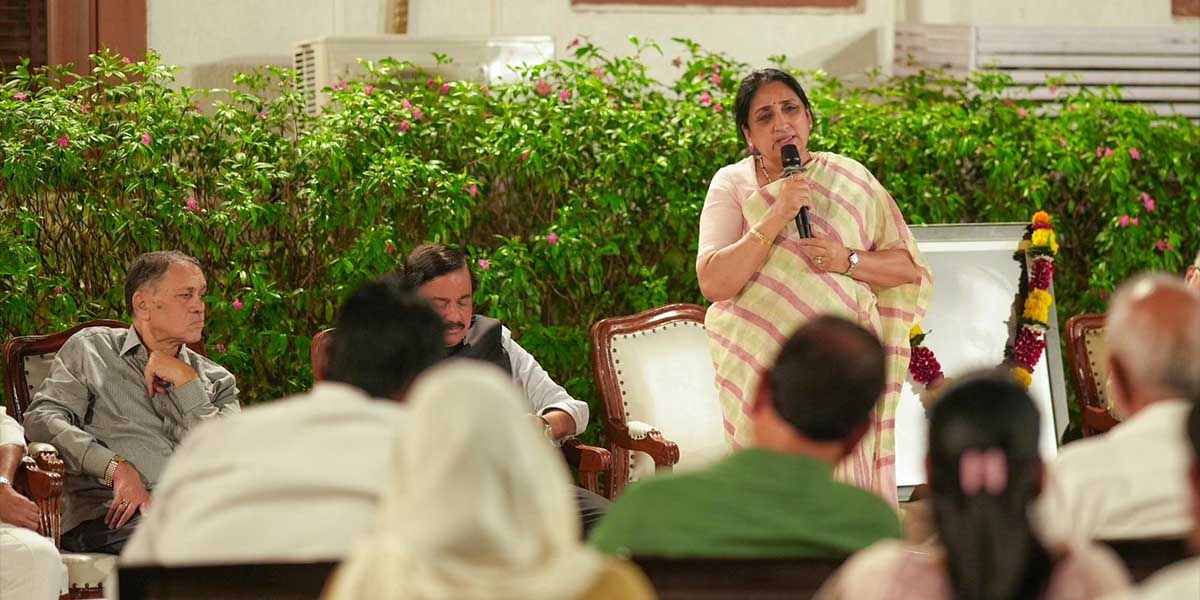
The Nationalist Congress Party (Ajit), a partner of ruling Mahayuti alliance, is again finding itself in a corner. The latest embarrassment is a video clip, allegedly showing minister Narhari Zirawal in a questionable position in company of a transgender at his official ministerial residence. A former deputy speaker of the state assembly, Zirawal is a tribal and a long-time follower of the late Ajit Pawar. Even earlier, Zirawal was found embroiled in a controversy when his personal assistant was caught accepting bribes in Mantralaya. Before that, Zirawal had jumped into the safety net from the sixth floor of Mantralaya to press some demands of the tribal sections in the state. As the pressure is mounting on chief minister Devendra Fadnavis to sack the minister, the delicate power balance is facing a litmus test. Ajit’s widow, Sunetra Pawar is burdened with deciding the fate of Zirawal. Already facing the impending assembly byelection challenge, Sunetra will have to show her leadership qualities. The NCP (A) is finding itself caught in a web over the exposes concerning Nasik Godman Ashok Kharat. At the centre of the scandal is Rupali Chakankar, even now president of the women’s wing of the state unit of the party. Rupali was compelled to resign her post as chairperson of the State Women’s Commission following the shocking disclosures concerning Kharat. All in all, the NCP (A) will have to wade through a political challenge soon.
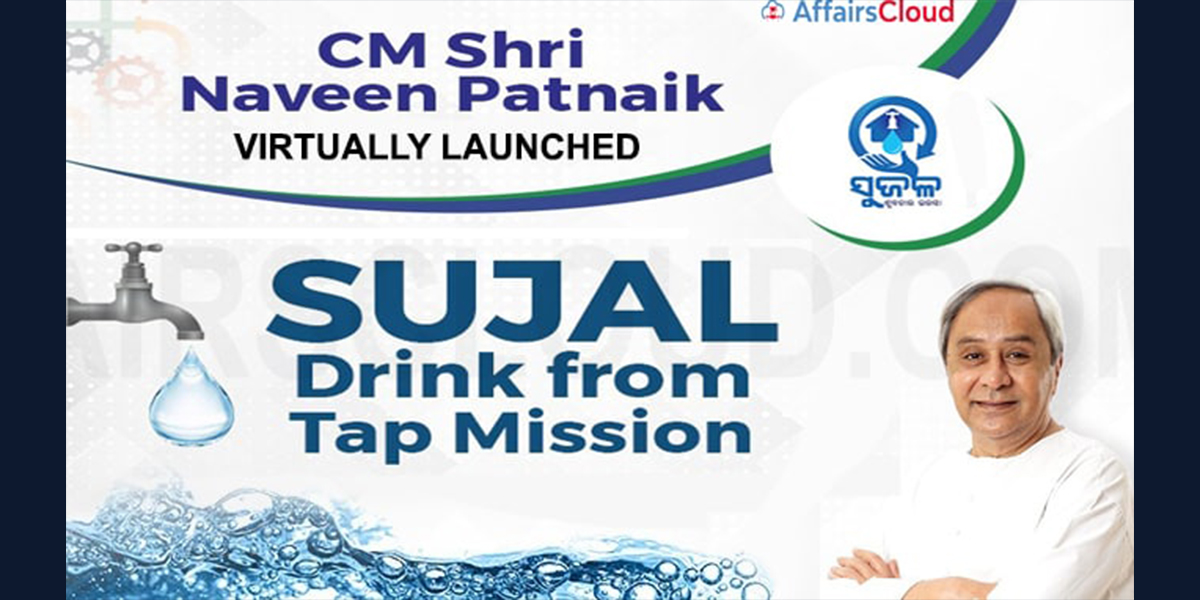
Instead of waiting for the Union government to launch Har Ghar Nal Se Jal programme in his state, Odisha’s Chief Minister Naveen Patnaik decided to take the initiative by announcing Rs 1,500 crore programme to provide 24×7 safe drinking water from tap in Odisha’s 17 cities in addition to what has been initiated at Puri – the abode of Lord Jagannath. At Puri, its entire population of 2.5 lakh people have been fully connected with piped drinking water. Translated it means 2 crore tourists will not have to buy bottled water and the environment impact will be the savings of 3 crore water bottles. “Availability of potable drinking water will improve the lives of 35 lakh population, wherein slum population of 8.5 lakh will be covered,” said G Mathi Vathanan, Principal Secretary, Housing & Urban Development. Differentiating between Singapore and Odisha model of piped drinking water, Vathanan said: “Odissa will totally rely on ground water sources, wherein water quality will confirm to ISO 10500 standard.” Patnaik is keen to make Odisha a happening place. So be it in hockey, reduction of poverty, success in disaster management, attracting best investment to Odisha and now the piped drinking water to people’s home for the first time, his state is showing the way. Patnaik appears to be unstoppable.
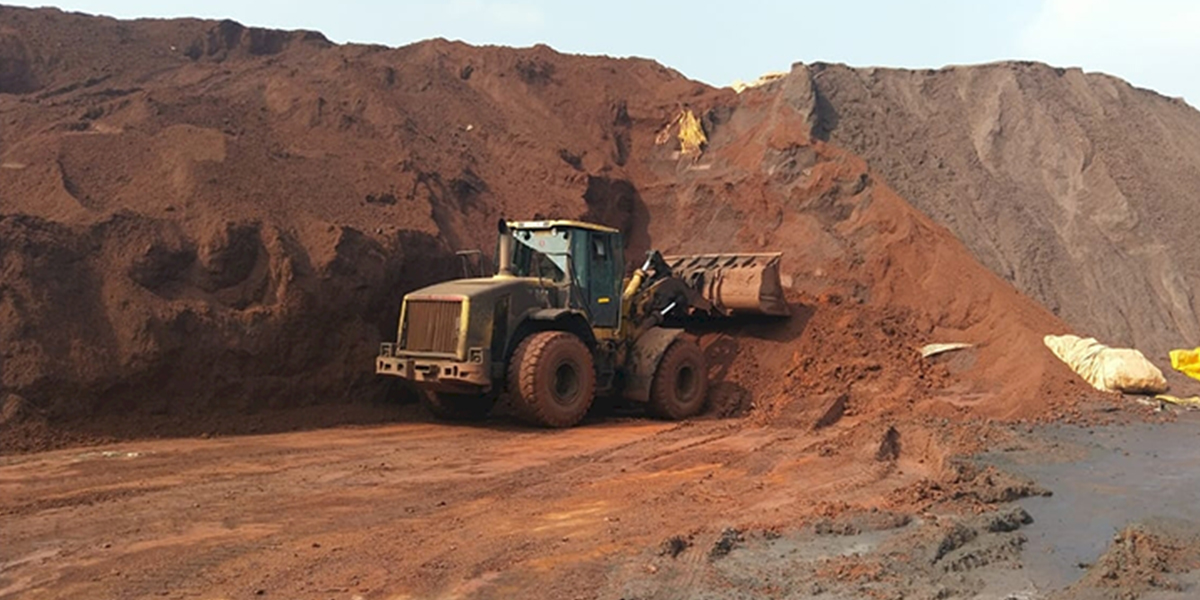
An acute shortage of iron ore is hurting Odisha’s small businesses badly. Iron ore production in Odisha has dropped by over 31-34 million tonnes in 2021-22 to around 110 mn tonnes presently. The shortage has particularly hit small and medium scale industries (SMEs) who do not have captive mines and are dependent on iron ore supplies from the open market to run their plants. Odisha accounts for half of India’s iron ore production; and the state is under pressure to ensure supplies with leading industry bodies appealing for timely intervention of the state government as well as the Ministry of Steel & Mines. The challenge for the government is to address the supply shortages as well as contain the unviable price rise of the critical raw material. Production increase is the only solution to address the current supply-demand mismatch, says Vipin Gupta, Director, Utkal Metalics. He adds: “This responsibility falls on the Odisha Mining Corporation (OMC), a state government undertaking whose role in this regard is cut out. They will have to ramp up efficiency and production being the largest state-owned mining corporation.” Industry members hold that the OMC also needs to come out with a policy not to allow captive miners to participate in OMC’s auction bidding process.

The first phase of Subarnarekha Port, a joint venture between Tata Steel and Creative Port Development located in Odisha, is complete. This project, whose foundation stone was laid in 2019 by the Odisha Chief Minister Naveen Patnaik, seems to be on the investment radar of many companies. Sources say several of the companies are keen to invest in the ports’ berthing facility designed to handle all kinds of vessels — Panama, Capesize, Super Capesize and Containerised cargo. With the completion of the first phase the port’s handling capacity stands at 25 MTPA. In phase 2, this capacity will be ramped up to 35 MTPA. The total cost of setting up this port spread over 1,398 acres is around Rs 5,000 crore. The state government has already handed over 692.68 acre of land and the balance 705.35 acres will also be made available soon. Additionally, land requirements for road and rail connectivity are also being planned. When fully operational, Subarnarekha Port situated next door to the states of Jharkhand and West Bengal will play a major role in logistic cost sustenance and economic development of the state.