All
 Politics
 Business
 Entertainment
 Sports
 Celebrities


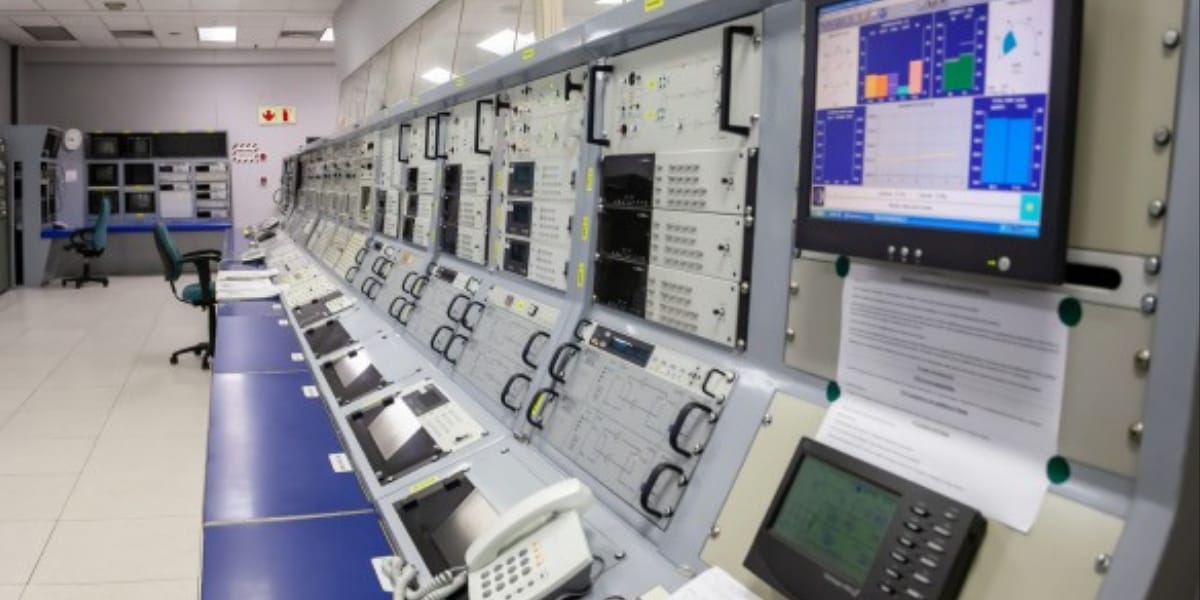
Maharashtra wants Navi Mumbai to emerge as a major data-centre hub. Yet, as around 15 data centres move through development, the state’s power ambitions are running into a rather prosaic obstacle: land for the transmission infrastructure needed to keep these electricity-guzzling facilities running. The projected connectivity requirement is a staggering 4,000–5,000 MW, comparable to Mumbai’s power demand. Against this, only around 1,500–2,000 MW has been sanctioned, leaving a substantial requirement to be met. A proposed 765-kV substation and associated transmission infrastructure are critical to bridging the gap—and could take three to five years to establish. The Maharashtra Energy Department has sought 25 acres from the Maharashtra Industrial Development Corporation to set up the substation for the project. Four formal communications over approximately 18 months have allegedly failed to secure a response. Repeated attempts to contact Principal Secretary Dr P Anbalagan, including through office visits, SMS messages and voicemail failed to elicit a response. The irony is hard to miss. Maharashtra has tied up more than 85,000 MW of power, and data centres are being promoted as engines of investment and digital growth. But generation capacity on paper cannot substitute for transmission infrastructure on the ground. Nor can private investment in power infrastructure move at the speed required if a crucial land allocation remains unresolved. The consequences extend beyond bureaucratic inconvenience. Delays in transmission infrastructure could constrain the very data-centre expansion the state is courting. Maharashtra wants to power India’s digital future. But before the servers go live, will its government machinery manage to connect the dots—or even allot the land?