 All
All Politics
 Business
 Entertainment
 Sports
 Celebrities

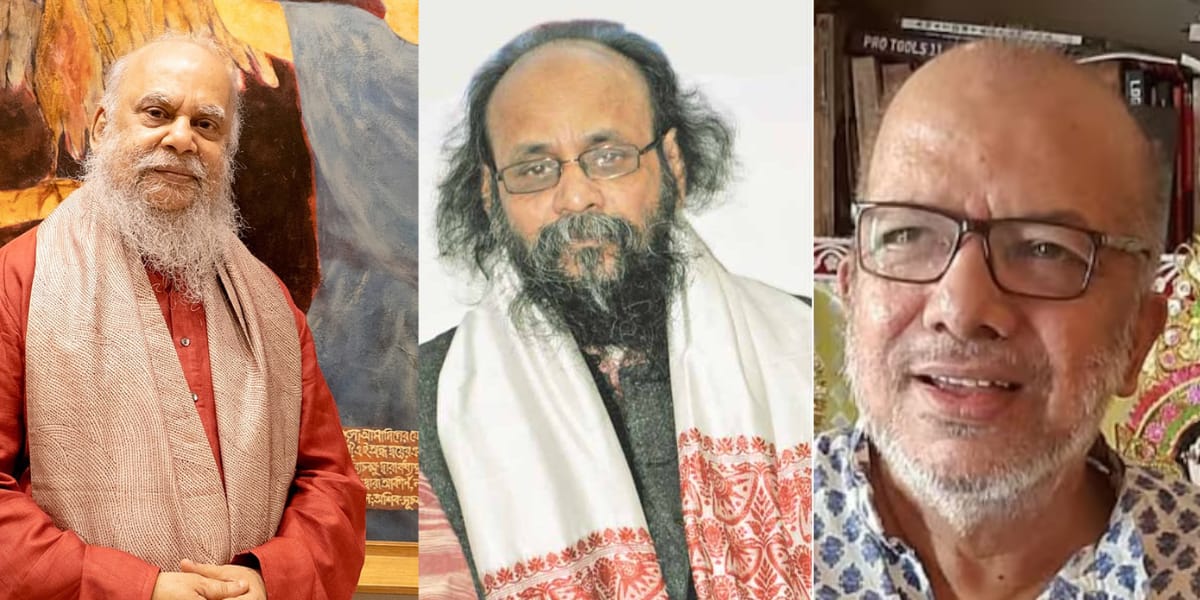
Five months after West Bengal’s political change, silence has descended on several artists, writers and intellectuals who once stood firmly behind Mamata Banerjee. From Kabir Suman and Jogen Chowdhury to Abul Bashar, many familiar faces from her political platforms have largely disappeared from public view. Artist Shuvaprasanna has stayed largely out of the public eye since May. A pivotal figure during the 2006–07 Singur-Nandigram movements, he hosted strategy meets at his Salt Lake residence—attended by Kabir Suman, Joy Goswami, Jogen Chowdhury, Shaoli Mitra and Bibhas Chakraborty. After halting in 2011 upon Trinamool’s rise, these gatherings resumed in 2018 with the BJP’s emergence. Shuvaprasanna taught Mamata painting, coordinated her exhibitions, held railway and Heritage Commission posts, received the Bangabibhushan award, and vigorously defended her 2022 Bangla Akademi award. However, on September 20, he inaugurated an exhibition alongside BJP minister Dilip Ghosh and leader Bishwapriya Roy, a month after BJP minister Agnimitra Paul attended his wife Shipra Bhattacharya’s exhibition. Nationally-acclaimed painter and former Trinamool Rajya Sabha MP Jogen Chowdhury (88) has also receded from public life. Singer Kabir Suman (78), who experienced a volatile relationship with Mamata—once predicting a temple in her honour before distancing himself and considering backing a compassionate Left party—refused direct comment. Yet, an October video showed him thanking local BJP MLA Papiya Adhikari for civic improvements in local infrastructure, water, and power. Author Abul Bashar, who once declared that leaders like Mamata are born only once in a while, deferred his remarks. Meanwhile, poet Joy Goswami—who once lauded Mamata’s humanity but later sparked debate by exiting an RSS-linked event over Taslima Nasrin’s presence—remains the sole voice expressing sorrow over her plight.
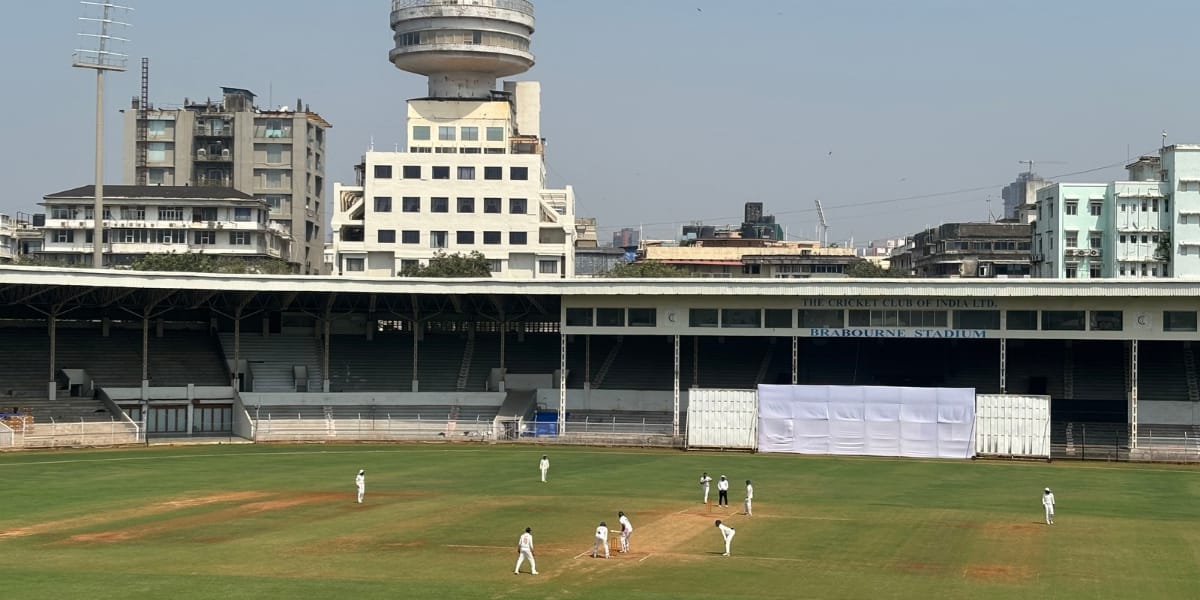
After a gap of 45 months, a Ranji Trophy match returned to the historic Brabourne Stadium. Railways—which has probably given more women cricketers to the national team—has chosen the famous venue on Dinshaw Vachha Road, Churchgate, to play three of its ‘home’ matches of the 2026-2027 Ranji Trophy Elite League at the Cricket Club of India ground, which last played host to the prestigious tournament between Maharashtra and Mumbai in January 2023. The Brabourne has hosted 94 Ranji Trophy matches, and Bombay has won the final at the venue seven times from 1941-42 to 1963-64, defeating Mysore, Baroda, Holkar, Bengal and Rajasthan. The Brabourne was Bombay’s home ground until the early 1970s, when the Bombay (Mumbai) Cricket Association built its own ground at “D” Road, Churchgate, and began playing matches there. The Railways will play two more matches at the Brabourne against the 42-time winner Mumbai in November and Haryana in January 2027. The Karnail Singh Stadium in New Delhi is the home ground of the Railways, which owns many grounds in India, but it opted to give its team the joy and experience of playing the multi-day match at a venue which has played host to 18 Test matches. The Brabourne has hosted IPL and WPL matches, as well as many other BCCI tournaments. It also hosted the 2006 ICC Champions Trophy, which Australia won. The late Rajsingh Dungarpur and the Club’s President for many years believed that the CCI was always meant for cricket and its development, and no one should forget this. Past Australian teams loved to practice at the venue; it was here that the Sachin Tendulkar-led Mumbai team thrashed Shane Warne and Australia in a warm-up game before the 2001 home series. The Brabourne has its own class!
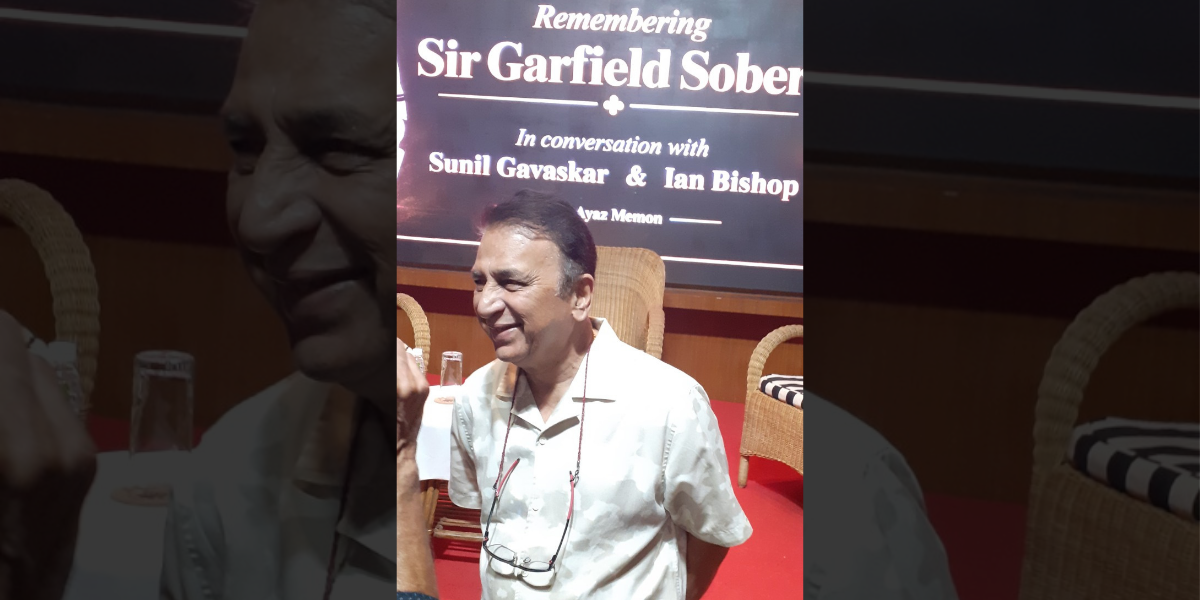
Batting maestro Sunil Gavaskar was somewhat crestfallen that he never got an opportunity to forge a partnership with Garry Sobers in the Australia versus World XI five-match series played in Brisbane, Perth, Melbourne, Sydney and Adelaide in the 1971-72 season. Gavaskar opened the innings with South African Hylton Ackerman, and the first two matches did not create a situation in which he could have made his dream come true. With Sobers slotted at No 6 after Rohan Kanhai, Zaheer Abbas and Clive Lloyd at Brisbane, and at No 7 after Kanhai, Abbas, Lloyd and Tony Greig—opening with Farokh Engineer—Gavaskar’s chances of pairing up with his idol Sobers in the middle probably had 100/1 odds. But it did happen in the first innings of the third match at the MCG Bowl, when Gavaskar was in good nick, and his partners in Ackerman, Abbas and Lloyd all gone. Gavaskar, who rose to fame with a phenomenal 774 runs in four Tests in his debut series in the West Indies in 1971, was cock a hoop with the great West Indian all-rounder coming to bat at No 5! But the Australian fast bowler Dennis Lillee became a killjoy for Gavaskar, sending back Sobers first ball and the Gavaskar-Sobers partnership became a non-starter. But in the second innings, Sobers played the innings of his life, 254, described by Sir Don Bradman as the greatest ever, and Gavaskar was thrilled because the majestic Barbadian was wearing the Indian’s oversized sweater, from the time he called for a sweater when he was in the thick of action in the middle. “Have a look at the sweater Sobers is wearing,” Gavaskar told the audience at the Bombay Gymkhana on Monday (Oct 12) evening at an event around Sir Garfield Sobers. The film was screened, after which Gavaskar and Ian Bishop paid glowing tributes to the legendary West Indian all-rounder.
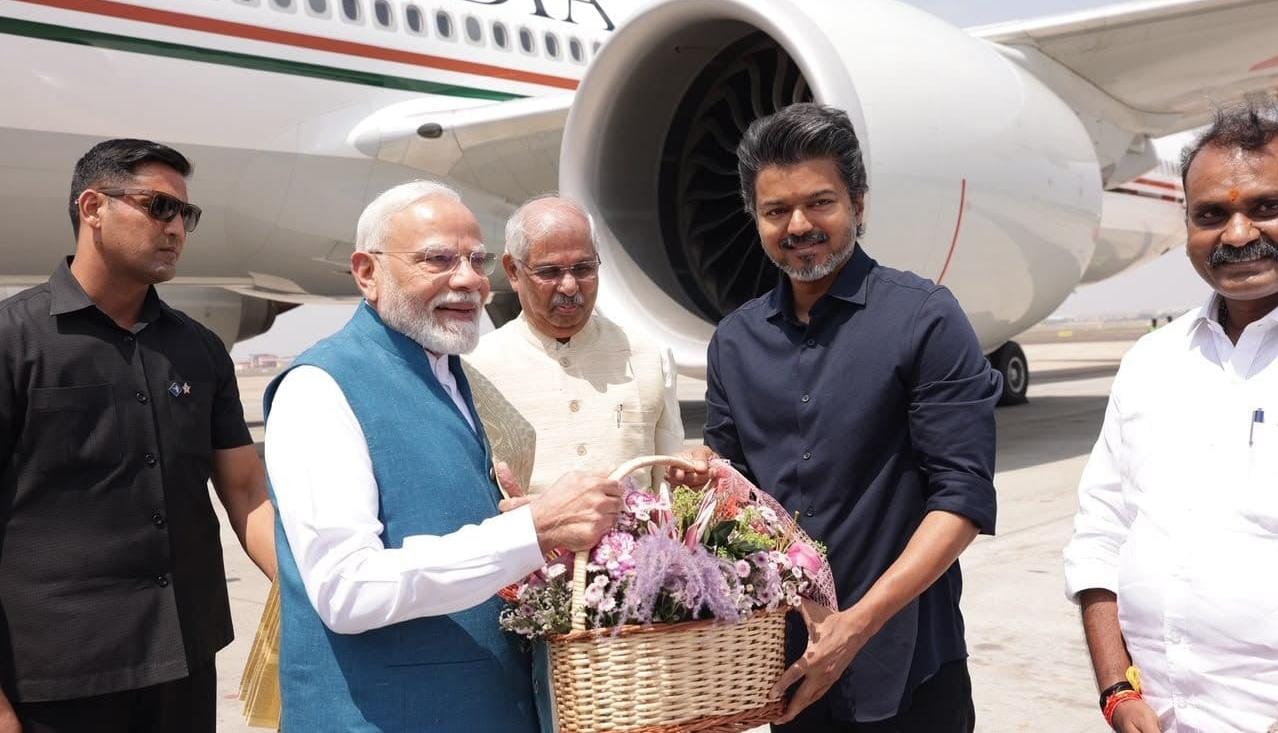
A day after meeting with Congress leader Rahul Gandhi whose MLAs are part of his government, Tamil Nadu chief minister C Joseph Vijay did the most audacious thing – he went to the airport to receive PM Narendra Modi on his first visit to Chennai after TN polls and sort of rolled out the red carpet. He used PM Modi’s visit to the state to sort out all pending issues — early approval for new Metro projects and the unconditional release of Rs 5,100 crore in pending education funds. Speaking at the at the inauguration of a Chennai Metro stretch –15-km Poonamallee Bypass–Vadapalani section — Vijay outlined demands covering urban transport, education funds, and river linking. He urged the Centre to expedite approval for Chennai Metro’s Phase III to improve connectivity across the metropolitan area. He also sought Metro projects for Coimbatore and Madurai to serve western and southern TN, and an interstate link between Hosur in Tamil Nadu and Bommasandra in Karnataka. Vijay thanked PM Modi for the Chennai–Bengaluru and Chennai–Hyderabad high-speed rail corridors announced in the 2026 Union Budget. Vijay also called for linking the Godavari and Kaveri rivers to ensure equitable water availability across states. On his part, PM Modi assured Vijay all possible help. Political analysts contrast Vijay’s tactical handling of pending state issues with Centre and the manner in which he raised it as a superb move. It apparently contrasts with the hostile manner in which then CM M K Stalin had heckled PM Modi publicly in Chennai in 2021. If PM Modi cedes to Vijay’s demands it will certainly be the end of the road for the DMK. That’s why a silly DMK claimed that PM Modi had “merely” flagged projects it had launched when it was in power.
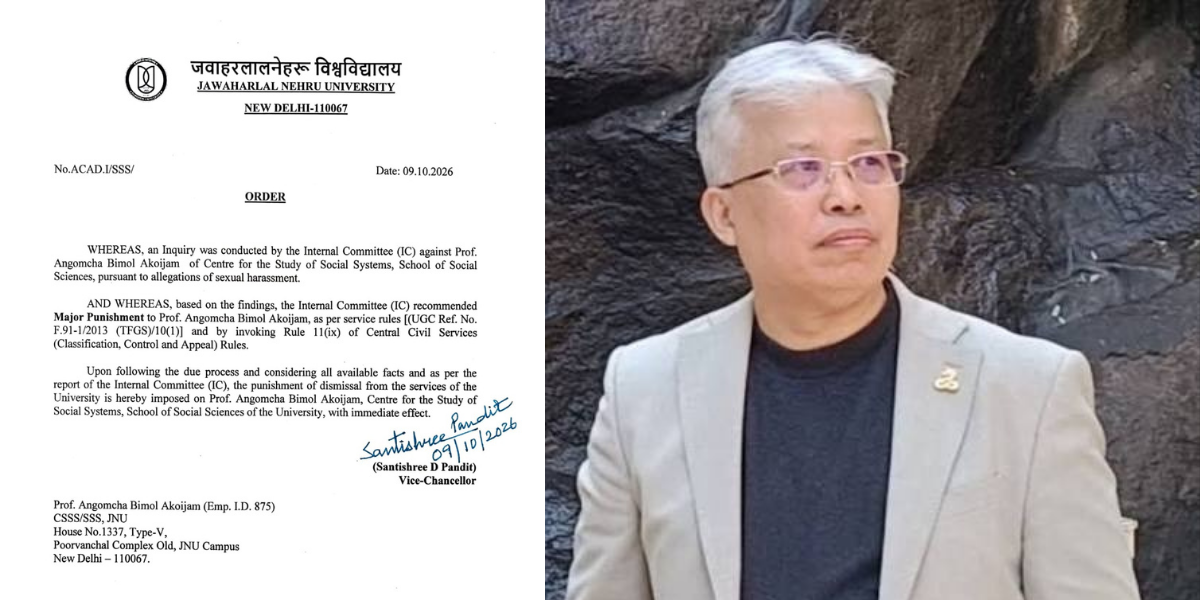
Jawaharlal Nehru University (JNU) has dismissed incumbent Congress MP Angomcha Bimol Akoijam with immediate effect following an inquiry into allegations of sexual harassment. According to a university order dated October 9 and signed by Vice-Chancellor Santishree D Pandit, JNU’s Internal Committee conducted the inquiry and recommended a major punishment. The university said it decided to dismiss Akoijam after following due process and considering the available facts and the committee’s report. The issue had taken a political turn, with BJP’s students wing, the Akhil Bharatiya Vidyarthi Parishad (ABVP) staging a protest at the university last month to demand action over complaints that had been filed by 11 women students. Akoijam had rejected the allegations, accusing what he described as “racist schemers” of trying to damage his reputation through unverified allegations and lies. Akoijam taught at the Centre for the Study of Social Systems in JNU’s School of Social Sciences. He was elected to the Lok Sabha from Manipur’s Inner Manipur constituency in 2024 on a Congress ticket. So far the Congress has not officially reacted to action on him. JNU V-C was heard saying that Akokijam had played truant and was not responding to “some 300 emails sent to him” by the Inquiry Committee. He was reportedly calling the women students home which were objected to by the students. The V-C went on record praising the women students who had the courage to see through their complaints. The complaints took a political hue with BJP’s Mahila Morcha planning to hold protest outside Congress offices across the country
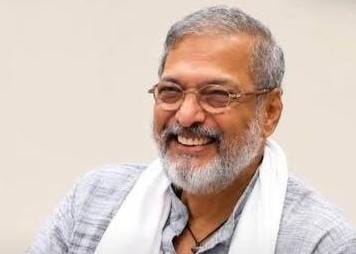
Famous Marathi play ‘Natsamrat’ (Greatest Performer) has earned a niche position in the history of Marathi stage. Written by Dnyanpeeth awardee litterateur Kusumagraj over five decades ago, the play is revered for its plot, dialogues and message. The central character of a stage artiste counting his final days is a challenge for any actor who performs the role. Nana Patekar was one of them. The play was so popular that a Marathi movie based on it earned over Rs 150 crore. Some of the soliloquies of the main character are so long and need so much strength to deliver that they were most tiring for an actor, Nana had disclosed in one speech. He recalled how towering thespians like Dr Shreeram Lagoo, Datta Bhat, Chandrakant Gokhale and Yashwant Dutt who had depicted the unfortunate personality had died of heart attacks. It is ironical that Nana, appearing perfectly fit physically, should fall prey to a suspected heart condition. Several such unknown facets of Nana’s life are coming out through the respects paid to his memory by his co-workers and admirers. It makes one shudder to know that Nana was related to dreaded gangster Manya Surve, whose police encounter had become a sensation in the early 1980’s. Nana’s mother, fearing that he might be influenced by Manya, had sent her son to their Konkan village to avert the possibility. Fortunately, Nana did not choose a wrong path after returning to Mumbai some years later and started acting in experimental stage.
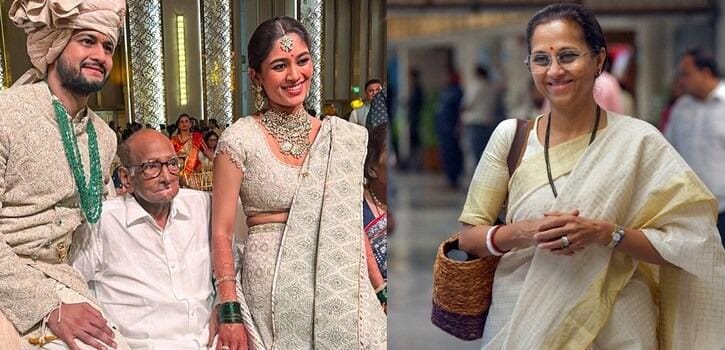
Veteran leader Sharad Pawar’s grandson-in-law has been allotted 1200 acres of land by the Maharashtra government on lease in Ahilyanagar’s district of western Maharashtra. The plot in Haregaon village has been entrusted to Vishwaraj Renewables Pvt Ltd, a Mumbai-based company owned by Sarang Lakhani, son-in-law of Supriya Sule, daughter of the Nationalist Congress Party (NCP) supremo. As soon as the government’s decision came under fire, Supriya Sule maintained that her son-in-law’s business and professional activities were entirely his personal matter. She refused to say anything beyond that. Interestingly, Sarang is the son of BJP MLC Arun Lakhani, an ardent RSS volunteer from Nagpur. Arun is considered close to various bigwigs of the saffron organisation. The land held by the Maharashtra State Farming Corporation has been leased to the Lakhani company for 49 years, according to an order issued on October 5. The allotment comes within two weeks of the government allotting on lease 1500 acres of land to another private firm, Nibe Group, in the same cluster. The state government has also allotted 1500 acres to the Defence Research and Development Organisation (DRDO). Social activist Anjali Damania has questioned the allotment decision, taken without following a tender process. Damania claimed that the government had decided to develop a green energy park on the land through “Maha Urja” but just three months later, the same 1200 acres was allotted directly to a single private company in September. Revenue minister Chandrakant Bawankule has defended the decision, ruling out likelihood of any further fireworks.
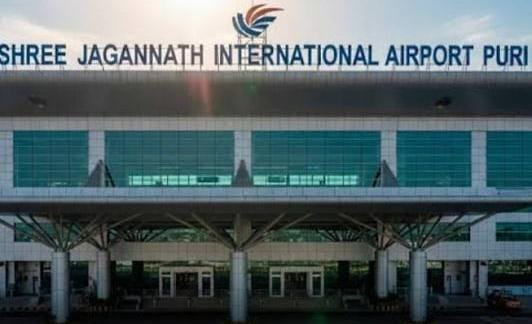
Five years back the Biju Janata Dal government led by Naveen Patnaik had taken the initiative to build the ambitious the Shree Jagannath International Airport in Sipasarubali, Puri — the abode of Lord Jagannath. It has now received the official go ahead. The Airport Authority of India (AAI) has agreed to take up its development as the Ministry of Environment, Forest and Climate Change has already granted the final Environmental and Coastal Regulation Zone clearances. The airport is proposed to be developed over 1,164 acres at an estimated cost of Rs 5,631 crore across three phases via public private partnership model. The airport will have passenger handing capacity of 4.6 million per annum in phase-1. The question doing the round in Odisha is whether the Mohan Charan Majhi government can complete the project before his five-year term comes to an end in mid-June 2029? Very unlikely say sources.
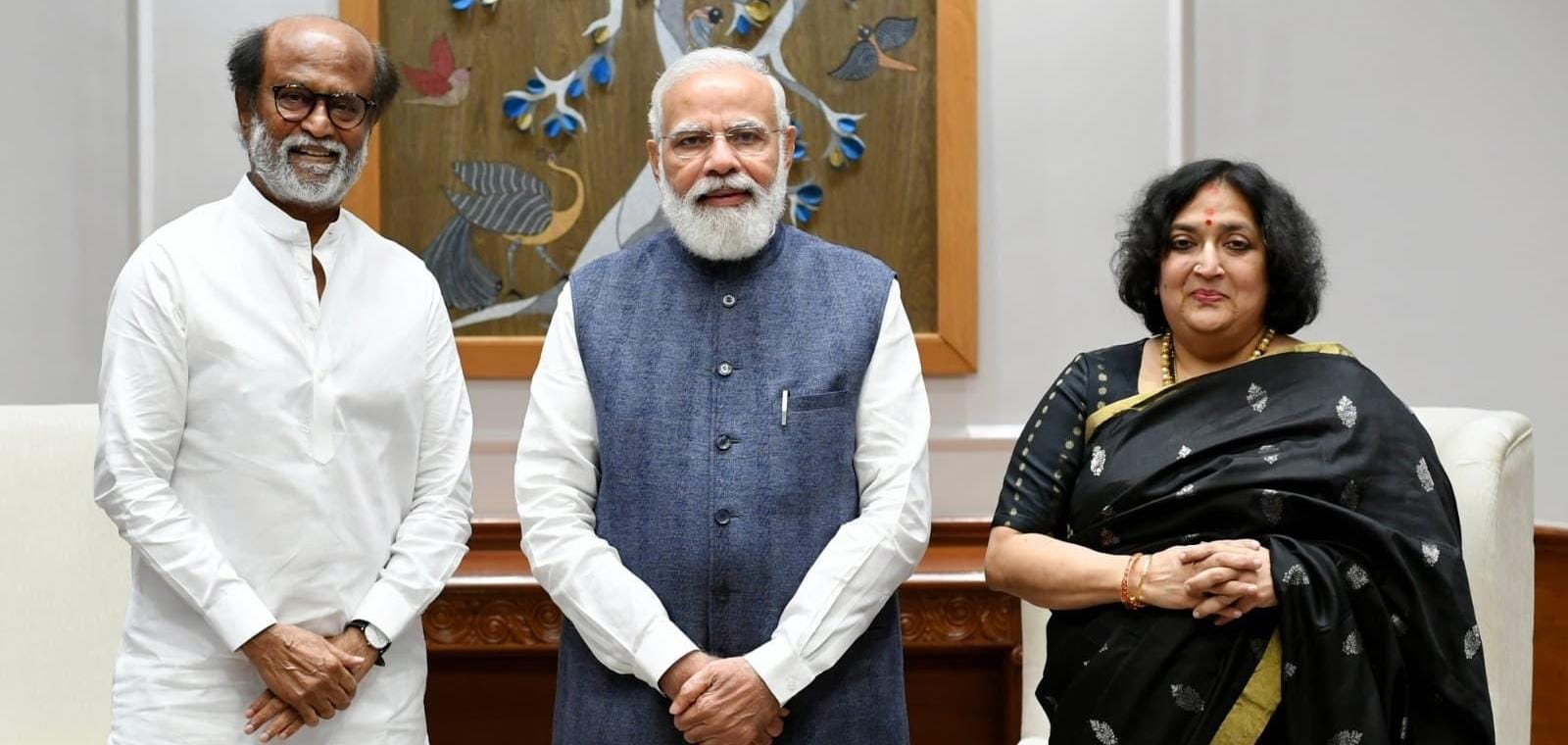
It took the imagination of TVK and its leading film star C Joseph Vijay to smash Dravidian politics in Tamil Nadu. Atleast emergence of Vijay as chief minister has raised a lot of hopes in Tamil Nadu politics. Or else how does one explain the unusual interest Latha Rajinikanth has begun showing to make some headway into politics. Yes, she has been camping in Delhi for the past few days. The buzz is Latha is lobbying to become an MP. If not her, she reportedly wants her superstar husband Rajinikanth to be nominated to the Rajya Sabha as an MP. It is being said Latha wishes for a parliamentary role for Rajinikanth since his contemporary Kamal Haasan is already an Rajya Sabha MP, courtesy DMK. The other buzz is that Dhanush, former son-in-law of the Rajinikanth and Latha, is also trying to register his political party. Latha, it seems, has already met with central ministers including Prahlad Joshi, Rajnath Singh and others. Latha has been wanting to meet with Union Home Minister Amit Shah. What may come in the way of Latha being considered for a Rajya Sabha berth are some ticklish legal issues. Media reports indicate petty municipal dues that could eventually get sorted out.
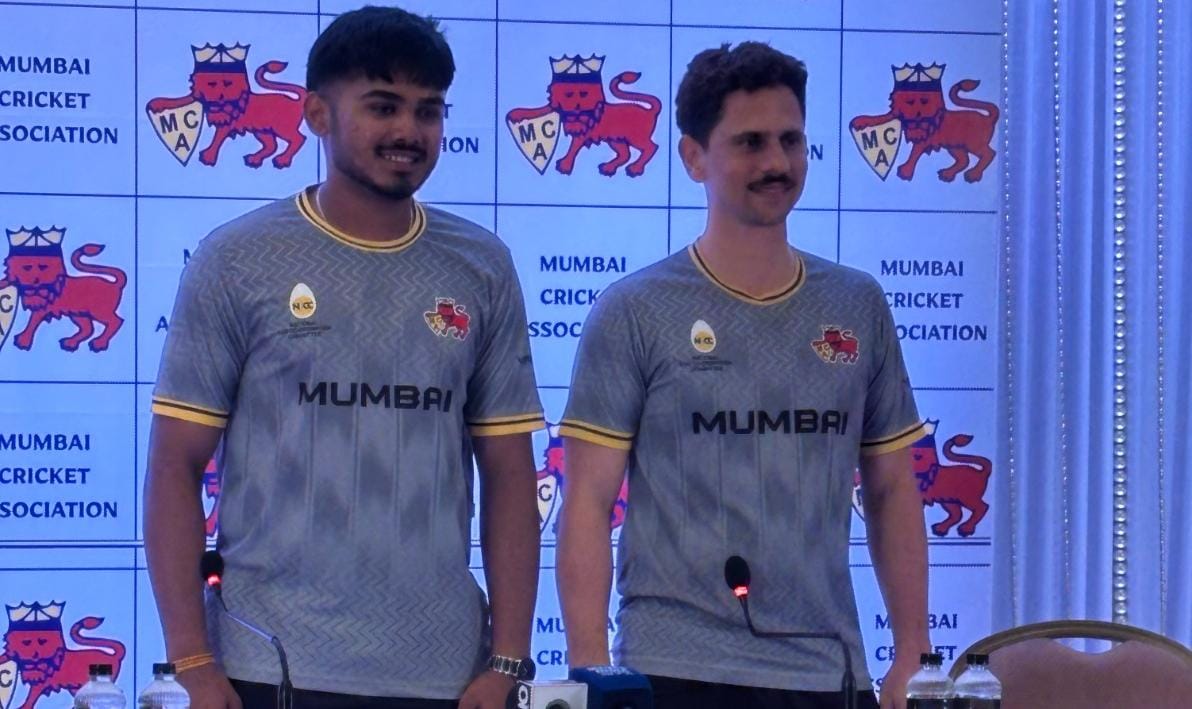
Finally, a Mumbai player and its captain Siddhesh Lad expressed happiness at returning to the Mumbai Cricket Association’s primary venue in South Mumbai — the Wankhede Stadium — to play a Ranji Trophy match. For years, the Mumbai team preferred to play the Ranji Trophy at the suburban venue at the Bandra-Kurla Complex. But the new domestic season, which gets off the ground on Sunday (Oct 11), will see the 42-time champion team take on Chandigarh at the ‘D’ road venue in Churchgate. Runs scored and wickets taken at a Test match venue — regarded by none other than Michael Atherton as a great venue for the game — carry their weight and value. The Wankhede tests first-class cricketers; a good one will prosper. Its red soil base helps the bowlers as well; ask Ravichandran Ashwin! Both the home and visiting teams will enjoy their success twice over. Even the senior national selection committee will reward players who do well at a Test venue. Mumbai players, many of whom are in the upper band of talent, have a chance to grab their opportunity. Lad at 34 has been named captain; he was a budding talent, but he may have missed the big-league bus. When on song, he is a delight to watch. Lad said the team feels good to be back at the Wankhede, and as a youngster, it was a dream to play there. “We are all looking forward to playing at the Big-W”, Lad said. The shift from BKC to Wankhede will motivate the players who wear the Lion crest with pride. For the Chandigarh team, the four-day match will be memorable, but Lad and his team will hope for a strong start.
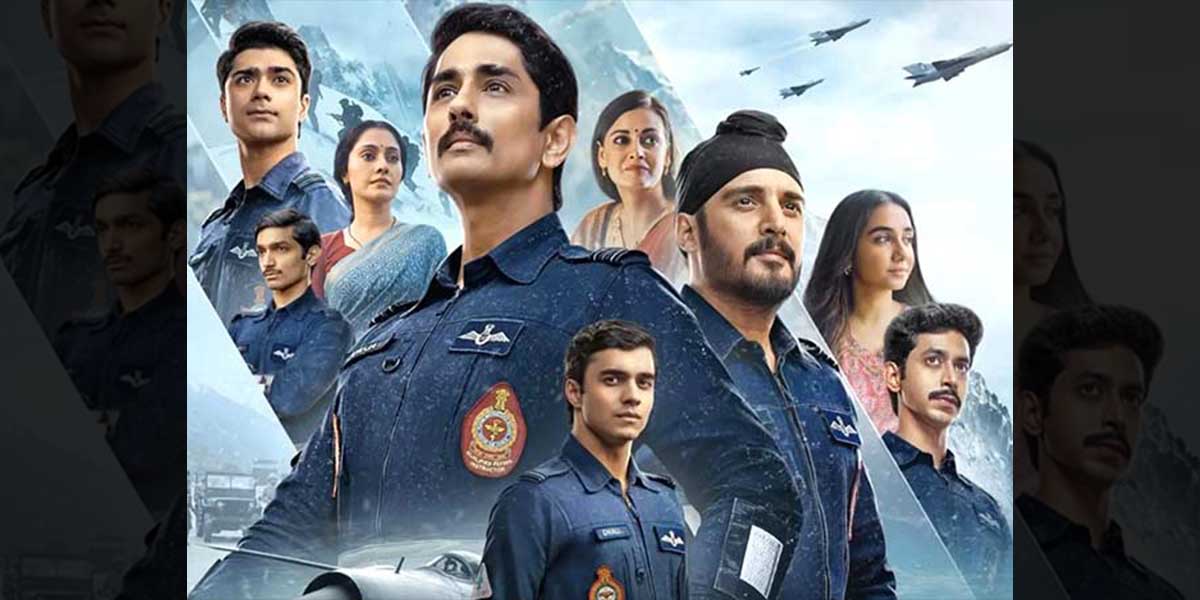
In the age of instant outrage, a single technical slip can threaten to derail an entire tribute to our war heroes. Netflix’s Operation Safed Sagar has been rightly praised for bringing the 1999 Kargil air campaign and the sacrifice of Squadron Leader Ajay Ahuja to life. Yet an Indian Army veteran has flagged the incorrect draping of the Tricolour on Ahuja’s coffin; green visible instead of saffron towards the head, as mandated by the Flag Code. He has gone further, demanding the series be suspended until digitally corrected and an apology issued. Yes, the producers and military advisors missed it. That is an oversight, a technical glitch in an otherwise sincere production. It is not deliberate disrespect. Flags, protocols and symbols matter. But demanding the entire show be yanked offline turns a correctable error into a national crisis. Creative works are not military manuals. Digital fixes exist. An apology can be issued. Pulling a series that honours fallen air warriors does not. We have seen this script before. Just last month, Satluj vanished from Zee5 within 48 hours amid security concerns and political heat. One side saw threat; another saw overreach. The pattern is familiar: a portrayal of history, identity or national symbols triggers instant mobilisation, hashtags, and calls for bans. OTT has become a pressure cooker where every uniform, every dialogue, every historical detail is scrutinised for offence. Respect for the Tricolour and our armed forces is non-negotiable. Mistakes should be pointed out and fixed. But mistaking every error for malice, and every oversight for an insult requiring cancellation, only weakens the culture of storytelling we claim to protect. Operation Safed Sagar is a tribute, not a textbook. Let the correction happen. Let the series continue. And let us stop treating every glitch as grounds for a cultural emergency. Thicker skins make stronger nations; and better cinema.
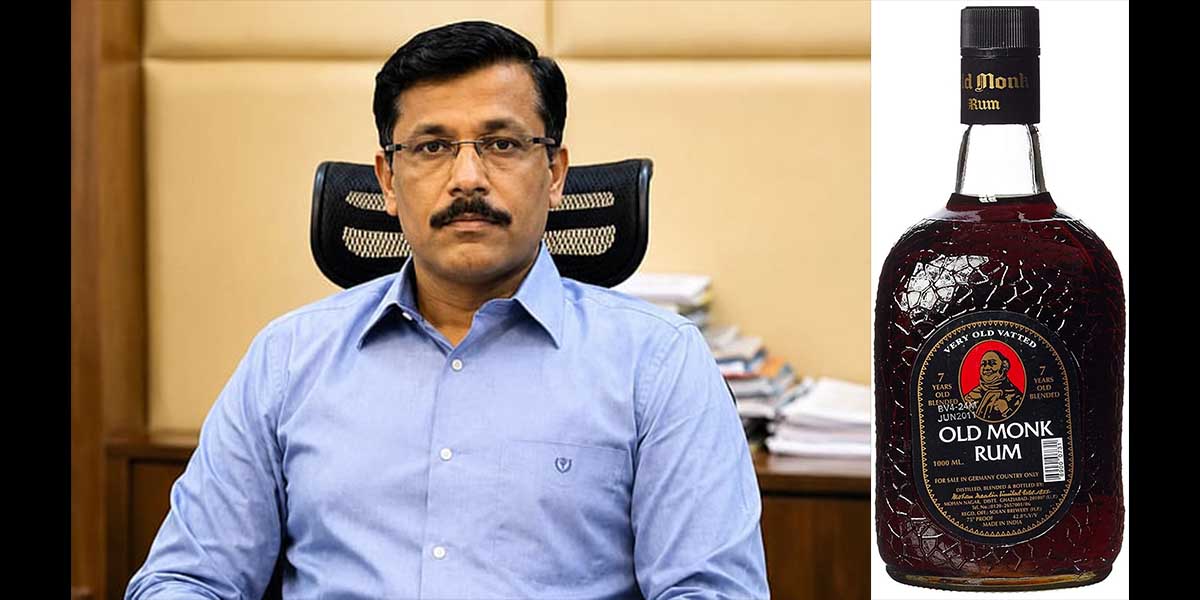
Walk into any Mumbai restaurant, club or bar these days and ask for an Old Monk. The waiter’s face will tell you the story before the words do. The iconic dark rum that once defined monsoon evenings, army canteens and late-night addas has quietly vanished from many shelves. The reason is not a supply-chain glitch. It is Tukaram Mundhe. The 2005-batch IAS officer, Maharashtra’s Food and Drug Administration Commissioner and the man the public now calls “Singham,” has been busy. After more than two decades and 25 transfers that never managed to dilute his spine, Mundhe took charge of the FDA in May and decided public health would no longer be negotiable. Elite clubs that once felt untouchable; Cricket Club of India, MIG Cricket Club in Bandra, Willingdon Sports Club and several other high-end and government-linked establishments, suddenly found their food license suspended. Besides, adulterated milk and synthetic paneer has also come under his glare. Now the net has tightened around liquor standards as well. Certain Old Monk variants, along with a few other popular spirits, ran into FSSAI rules on artificial flavouring and misleading age claims. Maharashtra FDA, under Mundhe, is enforcing those rules without apology. The result is visible on every bar counter: the monk is missing. Mundhe’s style is blunt, consistent and free of the usual bureaucratic theatre. He has made food safety a public conversation instead of a file note. In a city that thrives on shortcuts, an officer who refuses to look away is rare. The empty Old Monk shelf is not a crisis. It is a sign that, for once, someone is actually doing the job. Mumbai is eating and drinking a little more carefully. That is a wonderful start.
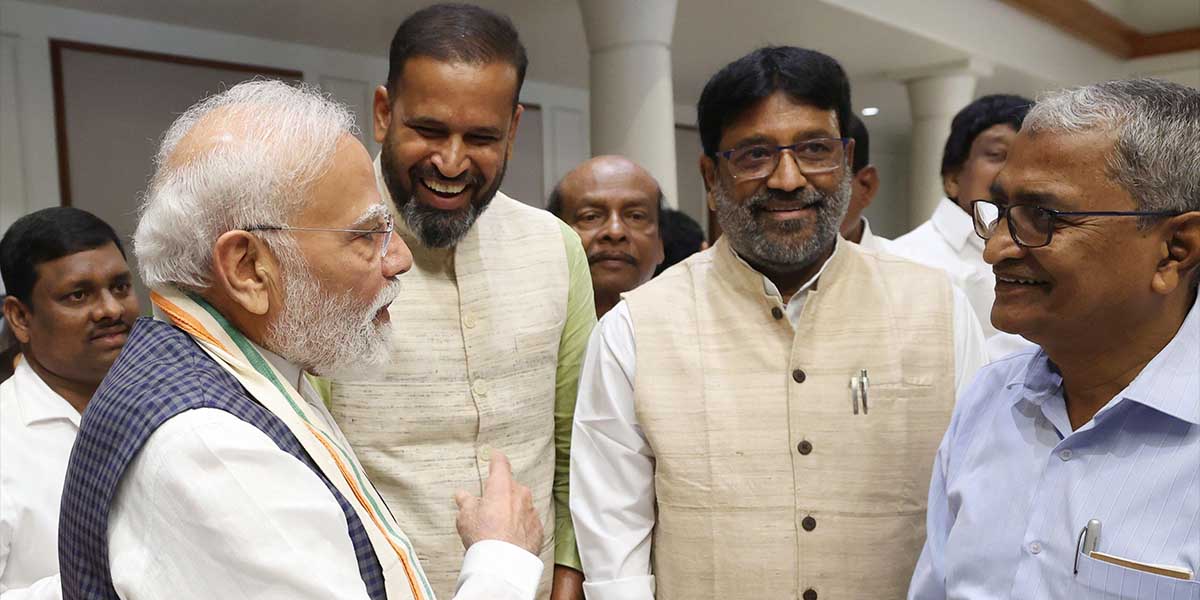
West Bengal’s political landscape is beginning to reveal a curious contradiction. The recent appearance of three MLAs associated with Opposition leader Ritabrata Banerjee’s faction at a protest organised by the Mamata Banerjee camp against the alleged attack on Didi recently is one such indication. The developments involving the three NCPI MPs point to a similar dilemma at the national level. Their reluctance to be seen as unequivocally aligned with the NDA, while simultaneously engaging with the government on constituency issues, reflects the pressures of electoral politics. Abdul Khaleque Molla, Mohammad Tausif-ur-Rahman and Bibhas Sardar of the Ritabrata Banerjee-aligned faction appeared alongside senior Trinamool leaders Sovandeb Chattopadhyay and Kunal Ghosh at the Assembly premises. Their presence has triggered speculation about whether some legislators are moving back to Didi’s fold. Tausif reaffirmed his loyalty to Mamata, while Sardar stressed that the MLAs had won on the Trinamool’s symbol. Molla, however, said he continued to align with the Ritabrata faction but had joined the protest over the alleged attack. Ritabrata sought to play down the speculation but maintained that his group still had 65 MLAs. Meanwhile, three Muslim MPs of the breakaway Nationalist Citizens Party of India—Abu Taher Khan, Khalilur Rahaman and former cricketer Yusuf Pathan—have again stayed away from NDA meetings, yet attended the breakfast organised by PM Narendra Modi. They also attended a meeting with West Bengal chief minister Suvendu Adhikari. Khan said the MPs would remain with NCPI and would not join or support the BJP, stressing that they had “voters to answer to”. Pathan said he raised the issue of voter-list deletions and constituency concerns at the meeting with Adhikari. This is perhaps the larger lesson from both episodes. Bengal’s emerging political realignment cannot be understood simply through the language of defections, camps and alliances. The more consequential...
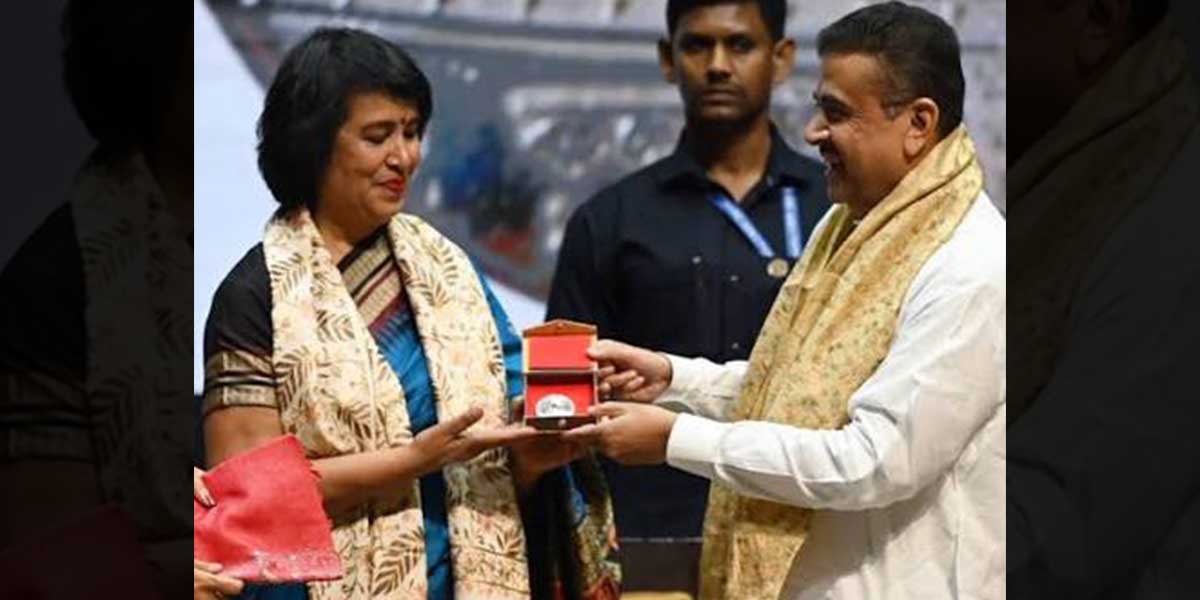
Exiled Bangladeshi writer Taslima Nasrin’s six-day return to Kolkata, nearly two decades after she was forced out amid violence in autumn 2007, has become a political statement for the BJP government as much as a homecoming. Posters welcomed Nasrin, while chief minister Suvendu Adhikari shared the dais with her. Her return offered the BJP an opportunity to draw a line between its approach and that of the Left Front and Trinamool Congress governments, which Nasrin said had forced her out or prevented her return. Adhikari said the change in West Bengal was not limited to the government’s face but extended to the system, and assured Nasrin of security while inviting her to return whenever she wished. Nasrin, who arrived in late July, thanked the BJP leadership for facilitating her return. She said Kolkata was the closest place to her home in Bangladesh, which she fled in 1994. She contrasted the three political regimes, saying the first had forced her out, the second had prevented her return and the BJP government had facilitated it. She backed implementation of the Uniform Civil Code and a ban on madrasas, both pursued by the BJP government. The BJP presented her return as evidence that it will not allow Muslim fundamentalist groups to dictate terms. The Left and TMC face criticism for placing minority support and electoral calculations above free expression and dissent in the State. During her stay, Nasrin warned that governments yielding to religious fanatics may temporarily avert violence but cannot sustain peace. Her visit comes amid strained India-Bangladesh ties since Sheikh Hasina’s fall in August 2024, and highlights a contradiction: the Adhikari government has spoken of removing suspected Bangladeshi foreigners while welcoming an exiled Bangladeshi writer.
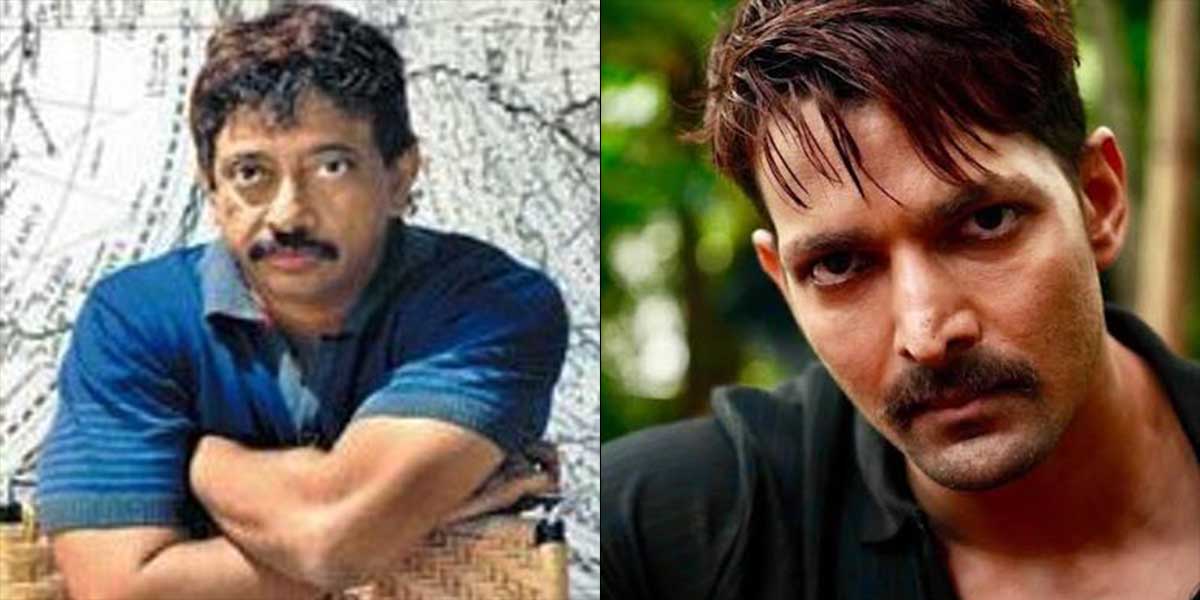
In the grand circus of Bollywood, where originality is a rare guest and recycling is the house specialty, Ram Gopal Varma has once again decided that the Mumbai underworld still has unpaid rent in his imagination. T-Series and RGV have joined hands for Police Company, with Harshavardhan Rane stepping into the shoes of legendary encounter specialist Daya Nayak. Because clearly, the world was starving for yet another film about the man who has already inspired Ab Tak Chhappan, Aan: Men at Work, Risk – a Kannada biopic. RGV has drunk from the underworld so many times that the water must taste like leftover Satya, Company, D, Sarkar, Rakta Charitra and whatever else he poured into the same glass over three decades. The man once made Shiva in Telugu, remade it in Hindi, and then, years later, decided the world needed Shiva again in 2006, purely out of artistic restlessness, or so the legend of his arrogance goes. That third attempt did not exactly set the box office on fire. Yet here we are, watching the same director circle back to the same blood-soaked alleys, this time with the same encounter-cop template he already helped popularise. Recent years have not exactly been kind to the once-feared RGV brand. A string of flops, legal headaches, public spats and the general air of a man still fighting yesterday’s battles have followed him. The same man who once bent the crime film to his will now seems determined to prove that repetition, when done with enough swagger, can pass for reinvention. Whether Police Company will feel like a fresh bullet or just another spent casing remains to be seen. The underworld keeps dying on screen, and somehow Ram Gopal Varma keeps bringing it back to life.