 All
All Politics
 Business
 Entertainment
 Sports
 Celebrities

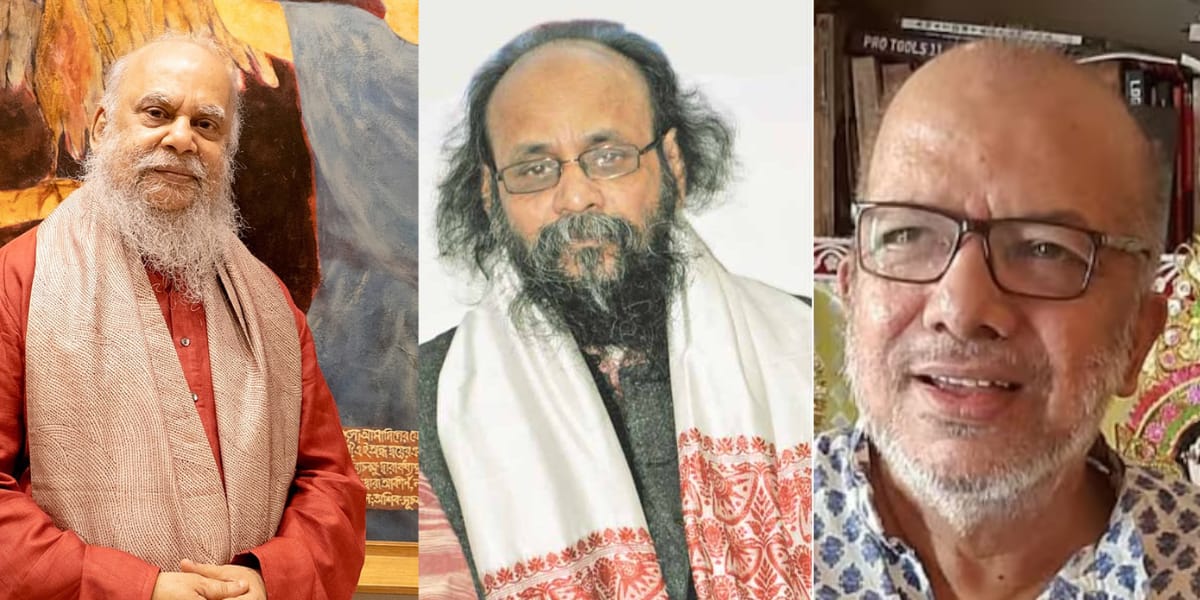
Five months after West Bengal’s political change, silence has descended on several artists, writers and intellectuals who once stood firmly behind Mamata Banerjee. From Kabir Suman and Jogen Chowdhury to Abul Bashar, many familiar faces from her political platforms have largely disappeared from public view. Artist Shuvaprasanna has stayed largely out of the public eye since May. A pivotal figure during the 2006–07 Singur-Nandigram movements, he hosted strategy meets at his Salt Lake residence—attended by Kabir Suman, Joy Goswami, Jogen Chowdhury, Shaoli Mitra and Bibhas Chakraborty. After halting in 2011 upon Trinamool’s rise, these gatherings resumed in 2018 with the BJP’s emergence. Shuvaprasanna taught Mamata painting, coordinated her exhibitions, held railway and Heritage Commission posts, received the Bangabibhushan award, and vigorously defended her 2022 Bangla Akademi award. However, on September 20, he inaugurated an exhibition alongside BJP minister Dilip Ghosh and leader Bishwapriya Roy, a month after BJP minister Agnimitra Paul attended his wife Shipra Bhattacharya’s exhibition. Nationally-acclaimed painter and former Trinamool Rajya Sabha MP Jogen Chowdhury (88) has also receded from public life. Singer Kabir Suman (78), who experienced a volatile relationship with Mamata—once predicting a temple in her honour before distancing himself and considering backing a compassionate Left party—refused direct comment. Yet, an October video showed him thanking local BJP MLA Papiya Adhikari for civic improvements in local infrastructure, water, and power. Author Abul Bashar, who once declared that leaders like Mamata are born only once in a while, deferred his remarks. Meanwhile, poet Joy Goswami—who once lauded Mamata’s humanity but later sparked debate by exiting an RSS-linked event over Taslima Nasrin’s presence—remains the sole voice expressing sorrow over her plight.
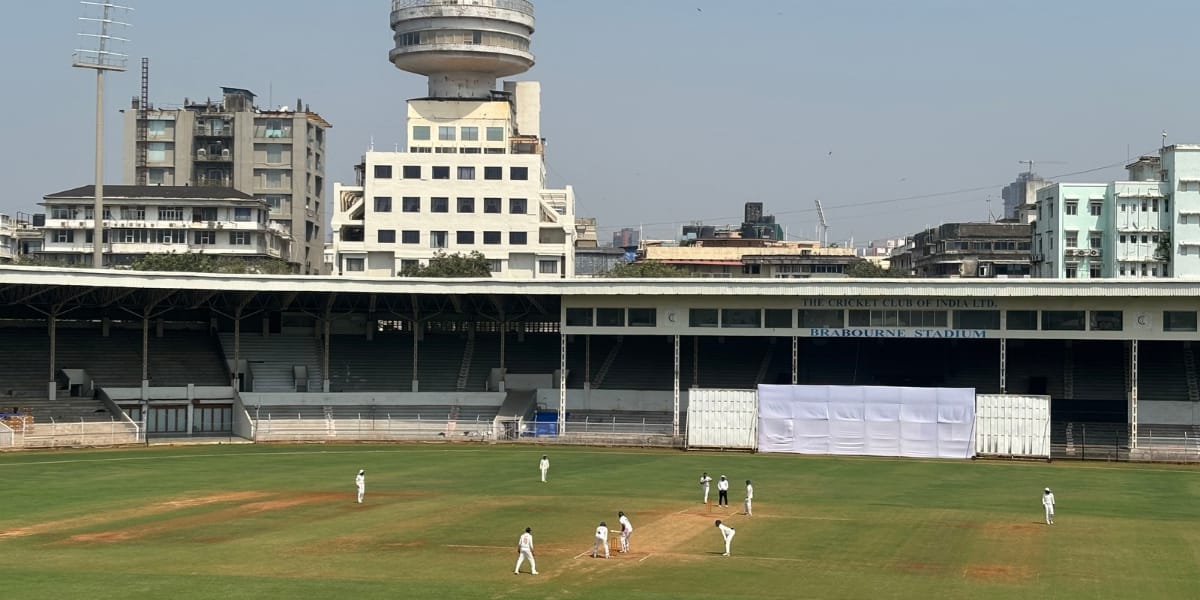
After a gap of 45 months, a Ranji Trophy match returned to the historic Brabourne Stadium. Railways—which has probably given more women cricketers to the national team—has chosen the famous venue on Dinshaw Vachha Road, Churchgate, to play three of its ‘home’ matches of the 2026-2027 Ranji Trophy Elite League at the Cricket Club of India ground, which last played host to the prestigious tournament between Maharashtra and Mumbai in January 2023. The Brabourne has hosted 94 Ranji Trophy matches, and Bombay has won the final at the venue seven times from 1941-42 to 1963-64, defeating Mysore, Baroda, Holkar, Bengal and Rajasthan. The Brabourne was Bombay’s home ground until the early 1970s, when the Bombay (Mumbai) Cricket Association built its own ground at “D” Road, Churchgate, and began playing matches there. The Railways will play two more matches at the Brabourne against the 42-time winner Mumbai in November and Haryana in January 2027. The Karnail Singh Stadium in New Delhi is the home ground of the Railways, which owns many grounds in India, but it opted to give its team the joy and experience of playing the multi-day match at a venue which has played host to 18 Test matches. The Brabourne has hosted IPL and WPL matches, as well as many other BCCI tournaments. It also hosted the 2006 ICC Champions Trophy, which Australia won. The late Rajsingh Dungarpur and the Club’s President for many years believed that the CCI was always meant for cricket and its development, and no one should forget this. Past Australian teams loved to practice at the venue; it was here that the Sachin Tendulkar-led Mumbai team thrashed Shane Warne and Australia in a warm-up game before the 2001 home series. The Brabourne has its own class!
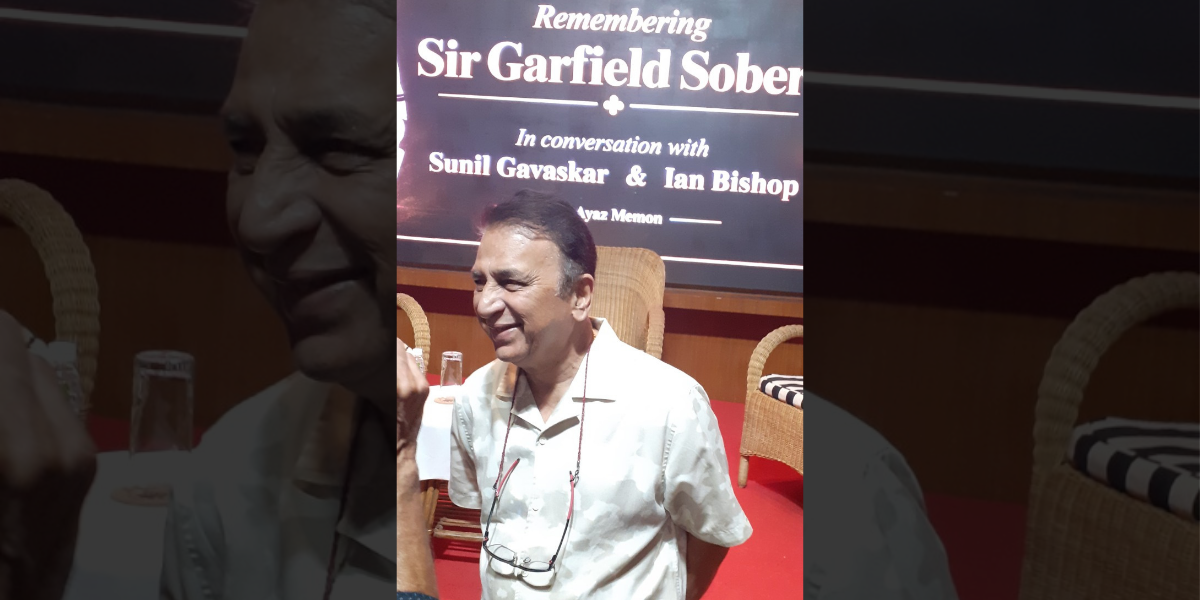
Batting maestro Sunil Gavaskar was somewhat crestfallen that he never got an opportunity to forge a partnership with Garry Sobers in the Australia versus World XI five-match series played in Brisbane, Perth, Melbourne, Sydney and Adelaide in the 1971-72 season. Gavaskar opened the innings with South African Hylton Ackerman, and the first two matches did not create a situation in which he could have made his dream come true. With Sobers slotted at No 6 after Rohan Kanhai, Zaheer Abbas and Clive Lloyd at Brisbane, and at No 7 after Kanhai, Abbas, Lloyd and Tony Greig—opening with Farokh Engineer—Gavaskar’s chances of pairing up with his idol Sobers in the middle probably had 100/1 odds. But it did happen in the first innings of the third match at the MCG Bowl, when Gavaskar was in good nick, and his partners in Ackerman, Abbas and Lloyd all gone. Gavaskar, who rose to fame with a phenomenal 774 runs in four Tests in his debut series in the West Indies in 1971, was cock a hoop with the great West Indian all-rounder coming to bat at No 5! But the Australian fast bowler Dennis Lillee became a killjoy for Gavaskar, sending back Sobers first ball and the Gavaskar-Sobers partnership became a non-starter. But in the second innings, Sobers played the innings of his life, 254, described by Sir Don Bradman as the greatest ever, and Gavaskar was thrilled because the majestic Barbadian was wearing the Indian’s oversized sweater, from the time he called for a sweater when he was in the thick of action in the middle. “Have a look at the sweater Sobers is wearing,” Gavaskar told the audience at the Bombay Gymkhana on Monday (Oct 12) evening at an event around Sir Garfield Sobers. The film was screened, after which Gavaskar and Ian Bishop paid glowing tributes to the legendary West Indian all-rounder.
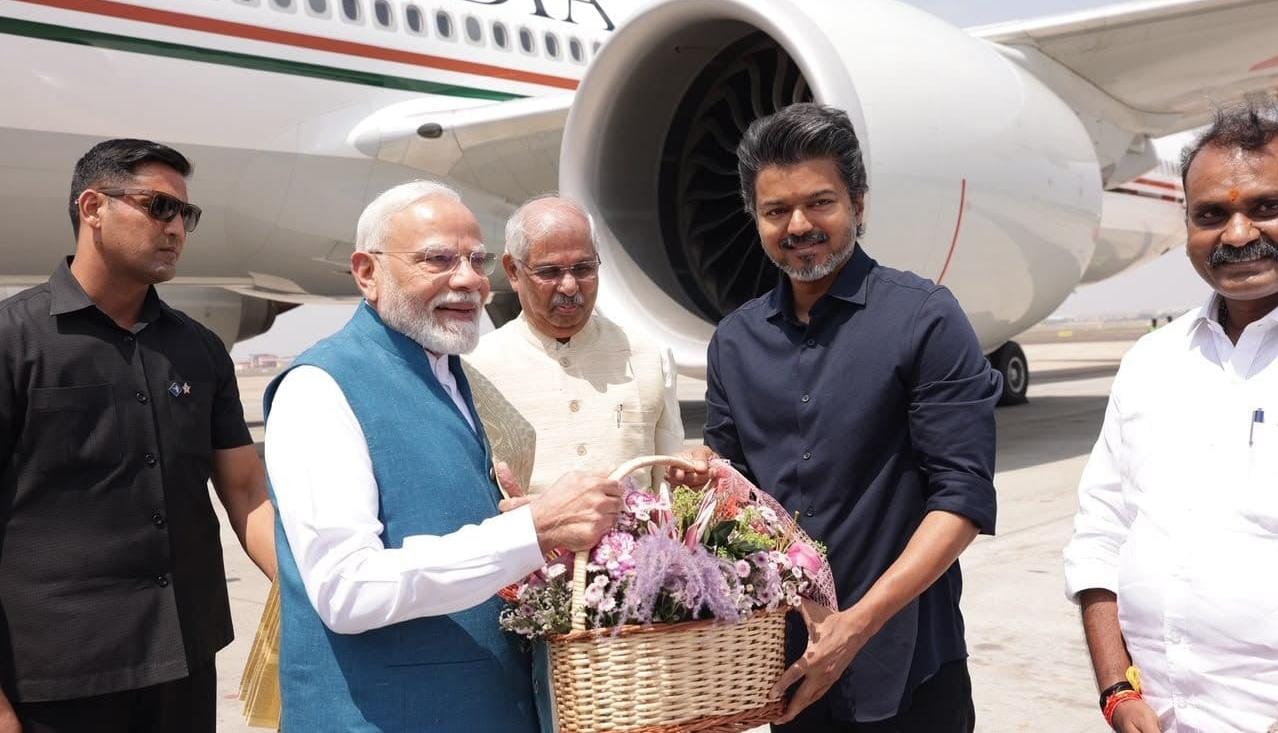
A day after meeting with Congress leader Rahul Gandhi whose MLAs are part of his government, Tamil Nadu chief minister C Joseph Vijay did the most audacious thing – he went to the airport to receive PM Narendra Modi on his first visit to Chennai after TN polls and sort of rolled out the red carpet. He used PM Modi’s visit to the state to sort out all pending issues — early approval for new Metro projects and the unconditional release of Rs 5,100 crore in pending education funds. Speaking at the at the inauguration of a Chennai Metro stretch –15-km Poonamallee Bypass–Vadapalani section — Vijay outlined demands covering urban transport, education funds, and river linking. He urged the Centre to expedite approval for Chennai Metro’s Phase III to improve connectivity across the metropolitan area. He also sought Metro projects for Coimbatore and Madurai to serve western and southern TN, and an interstate link between Hosur in Tamil Nadu and Bommasandra in Karnataka. Vijay thanked PM Modi for the Chennai–Bengaluru and Chennai–Hyderabad high-speed rail corridors announced in the 2026 Union Budget. Vijay also called for linking the Godavari and Kaveri rivers to ensure equitable water availability across states. On his part, PM Modi assured Vijay all possible help. Political analysts contrast Vijay’s tactical handling of pending state issues with Centre and the manner in which he raised it as a superb move. It apparently contrasts with the hostile manner in which then CM M K Stalin had heckled PM Modi publicly in Chennai in 2021. If PM Modi cedes to Vijay’s demands it will certainly be the end of the road for the DMK. That’s why a silly DMK claimed that PM Modi had “merely” flagged projects it had launched when it was in power.
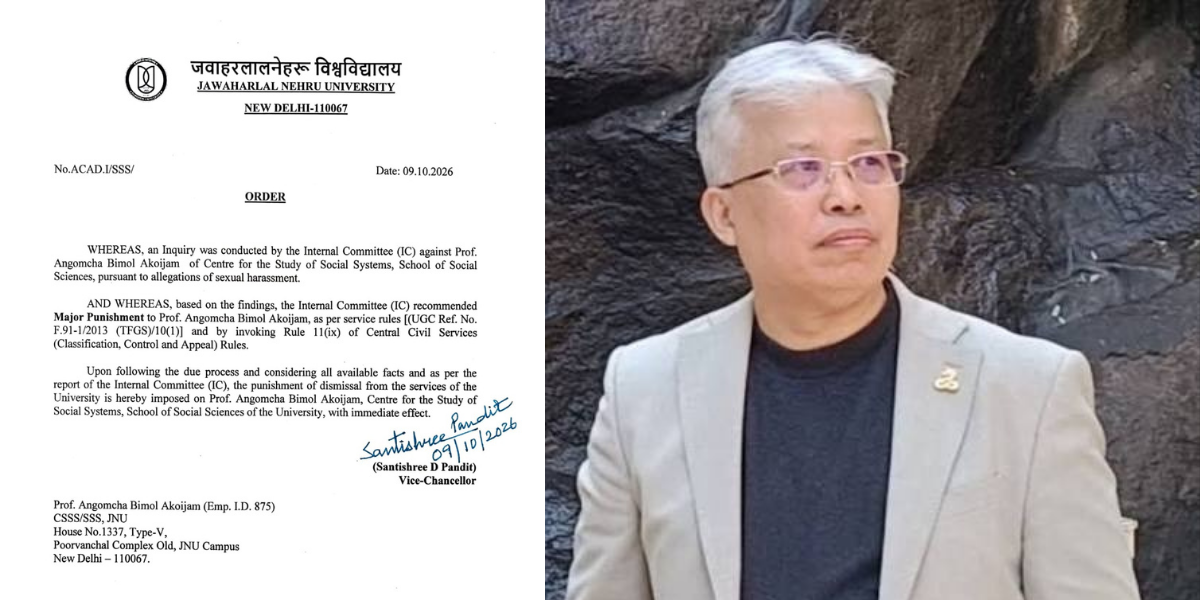
Jawaharlal Nehru University (JNU) has dismissed incumbent Congress MP Angomcha Bimol Akoijam with immediate effect following an inquiry into allegations of sexual harassment. According to a university order dated October 9 and signed by Vice-Chancellor Santishree D Pandit, JNU’s Internal Committee conducted the inquiry and recommended a major punishment. The university said it decided to dismiss Akoijam after following due process and considering the available facts and the committee’s report. The issue had taken a political turn, with BJP’s students wing, the Akhil Bharatiya Vidyarthi Parishad (ABVP) staging a protest at the university last month to demand action over complaints that had been filed by 11 women students. Akoijam had rejected the allegations, accusing what he described as “racist schemers” of trying to damage his reputation through unverified allegations and lies. Akoijam taught at the Centre for the Study of Social Systems in JNU’s School of Social Sciences. He was elected to the Lok Sabha from Manipur’s Inner Manipur constituency in 2024 on a Congress ticket. So far the Congress has not officially reacted to action on him. JNU V-C was heard saying that Akokijam had played truant and was not responding to “some 300 emails sent to him” by the Inquiry Committee. He was reportedly calling the women students home which were objected to by the students. The V-C went on record praising the women students who had the courage to see through their complaints. The complaints took a political hue with BJP’s Mahila Morcha planning to hold protest outside Congress offices across the country
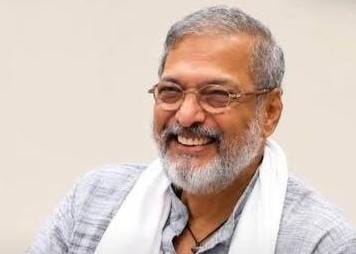
Famous Marathi play ‘Natsamrat’ (Greatest Performer) has earned a niche position in the history of Marathi stage. Written by Dnyanpeeth awardee litterateur Kusumagraj over five decades ago, the play is revered for its plot, dialogues and message. The central character of a stage artiste counting his final days is a challenge for any actor who performs the role. Nana Patekar was one of them. The play was so popular that a Marathi movie based on it earned over Rs 150 crore. Some of the soliloquies of the main character are so long and need so much strength to deliver that they were most tiring for an actor, Nana had disclosed in one speech. He recalled how towering thespians like Dr Shreeram Lagoo, Datta Bhat, Chandrakant Gokhale and Yashwant Dutt who had depicted the unfortunate personality had died of heart attacks. It is ironical that Nana, appearing perfectly fit physically, should fall prey to a suspected heart condition. Several such unknown facets of Nana’s life are coming out through the respects paid to his memory by his co-workers and admirers. It makes one shudder to know that Nana was related to dreaded gangster Manya Surve, whose police encounter had become a sensation in the early 1980’s. Nana’s mother, fearing that he might be influenced by Manya, had sent her son to their Konkan village to avert the possibility. Fortunately, Nana did not choose a wrong path after returning to Mumbai some years later and started acting in experimental stage.
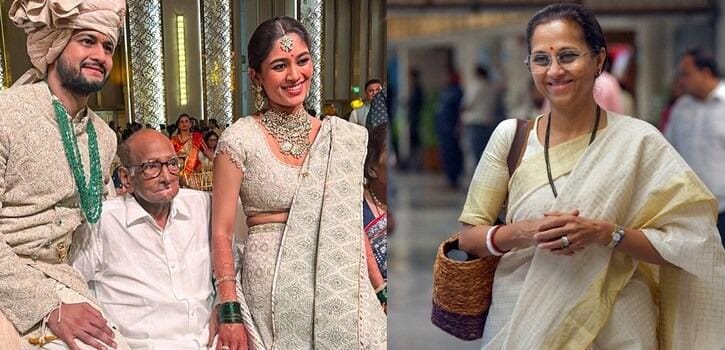
Veteran leader Sharad Pawar’s grandson-in-law has been allotted 1200 acres of land by the Maharashtra government on lease in Ahilyanagar’s district of western Maharashtra. The plot in Haregaon village has been entrusted to Vishwaraj Renewables Pvt Ltd, a Mumbai-based company owned by Sarang Lakhani, son-in-law of Supriya Sule, daughter of the Nationalist Congress Party (NCP) supremo. As soon as the government’s decision came under fire, Supriya Sule maintained that her son-in-law’s business and professional activities were entirely his personal matter. She refused to say anything beyond that. Interestingly, Sarang is the son of BJP MLC Arun Lakhani, an ardent RSS volunteer from Nagpur. Arun is considered close to various bigwigs of the saffron organisation. The land held by the Maharashtra State Farming Corporation has been leased to the Lakhani company for 49 years, according to an order issued on October 5. The allotment comes within two weeks of the government allotting on lease 1500 acres of land to another private firm, Nibe Group, in the same cluster. The state government has also allotted 1500 acres to the Defence Research and Development Organisation (DRDO). Social activist Anjali Damania has questioned the allotment decision, taken without following a tender process. Damania claimed that the government had decided to develop a green energy park on the land through “Maha Urja” but just three months later, the same 1200 acres was allotted directly to a single private company in September. Revenue minister Chandrakant Bawankule has defended the decision, ruling out likelihood of any further fireworks.
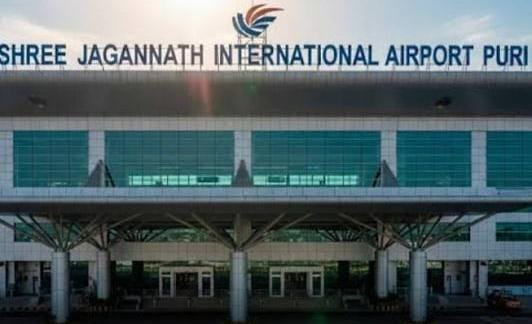
Five years back the Biju Janata Dal government led by Naveen Patnaik had taken the initiative to build the ambitious the Shree Jagannath International Airport in Sipasarubali, Puri — the abode of Lord Jagannath. It has now received the official go ahead. The Airport Authority of India (AAI) has agreed to take up its development as the Ministry of Environment, Forest and Climate Change has already granted the final Environmental and Coastal Regulation Zone clearances. The airport is proposed to be developed over 1,164 acres at an estimated cost of Rs 5,631 crore across three phases via public private partnership model. The airport will have passenger handing capacity of 4.6 million per annum in phase-1. The question doing the round in Odisha is whether the Mohan Charan Majhi government can complete the project before his five-year term comes to an end in mid-June 2029? Very unlikely say sources.
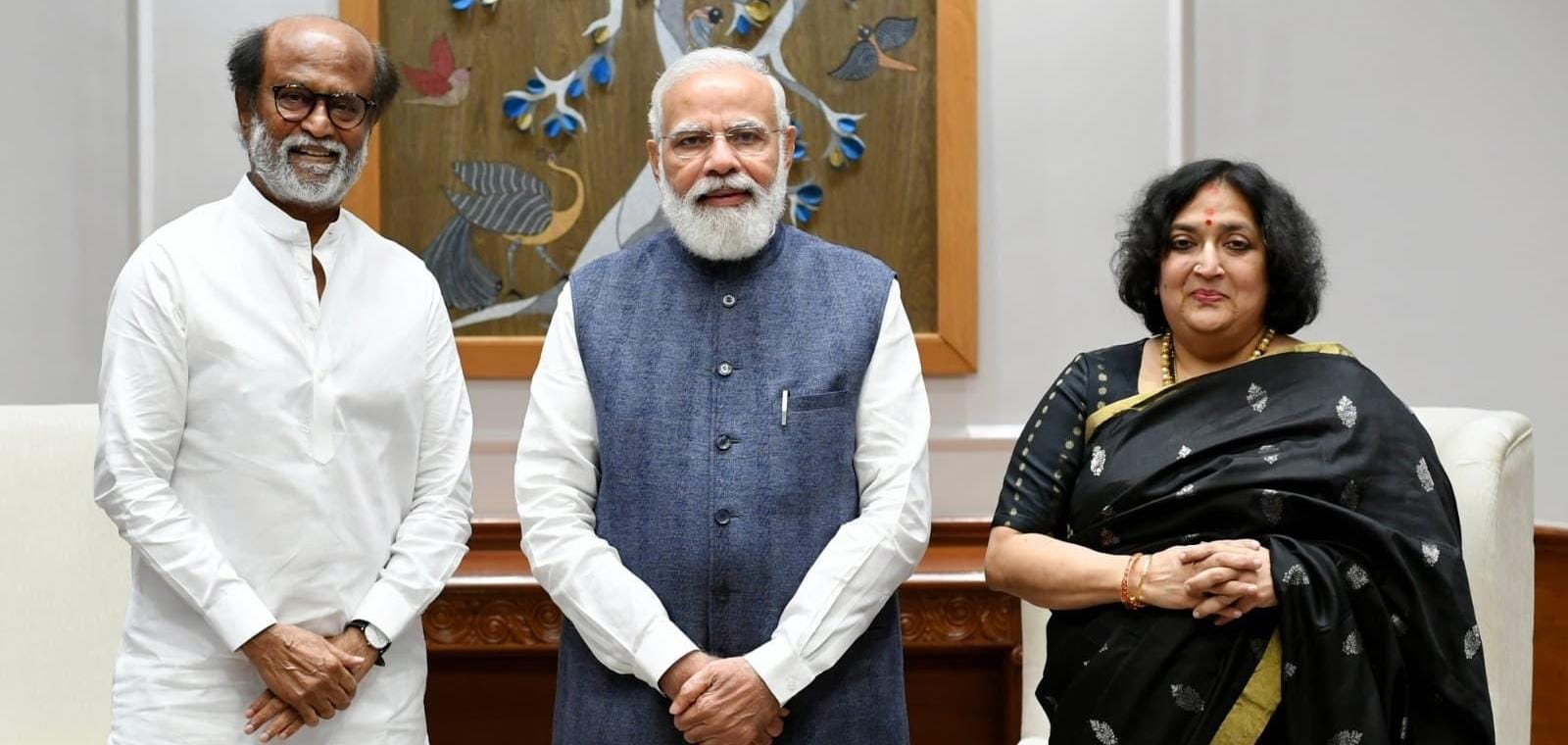
It took the imagination of TVK and its leading film star C Joseph Vijay to smash Dravidian politics in Tamil Nadu. Atleast emergence of Vijay as chief minister has raised a lot of hopes in Tamil Nadu politics. Or else how does one explain the unusual interest Latha Rajinikanth has begun showing to make some headway into politics. Yes, she has been camping in Delhi for the past few days. The buzz is Latha is lobbying to become an MP. If not her, she reportedly wants her superstar husband Rajinikanth to be nominated to the Rajya Sabha as an MP. It is being said Latha wishes for a parliamentary role for Rajinikanth since his contemporary Kamal Haasan is already an Rajya Sabha MP, courtesy DMK. The other buzz is that Dhanush, former son-in-law of the Rajinikanth and Latha, is also trying to register his political party. Latha, it seems, has already met with central ministers including Prahlad Joshi, Rajnath Singh and others. Latha has been wanting to meet with Union Home Minister Amit Shah. What may come in the way of Latha being considered for a Rajya Sabha berth are some ticklish legal issues. Media reports indicate petty municipal dues that could eventually get sorted out.
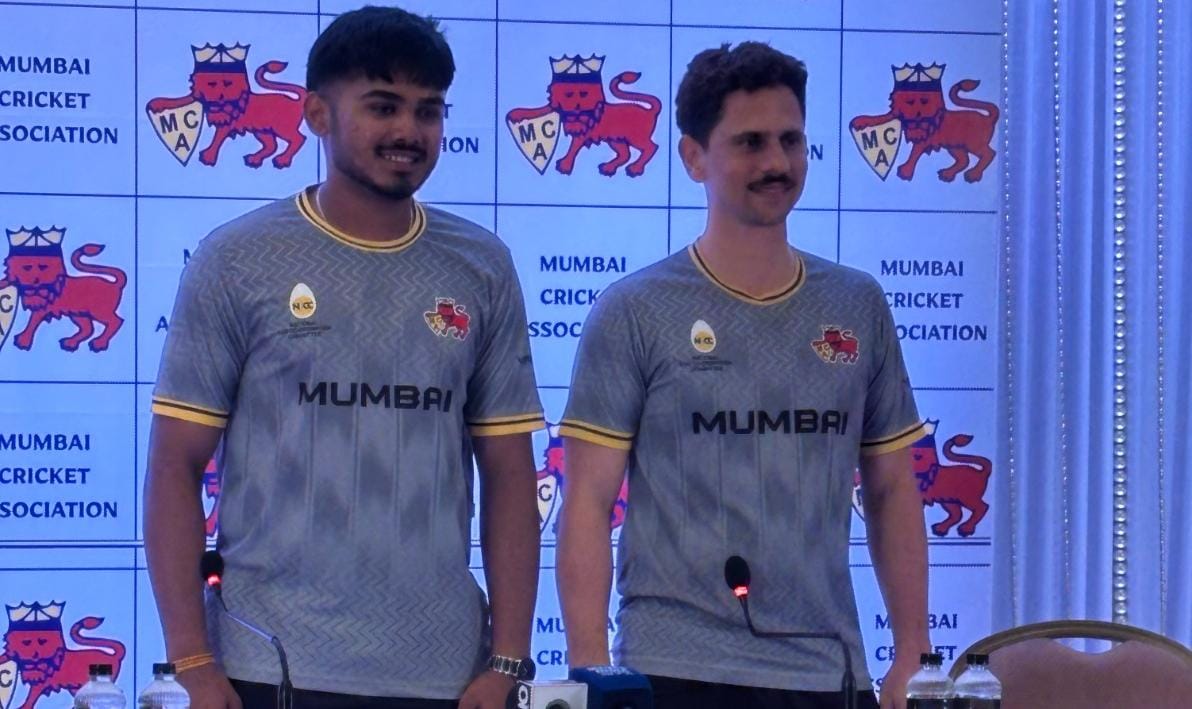
Finally, a Mumbai player and its captain Siddhesh Lad expressed happiness at returning to the Mumbai Cricket Association’s primary venue in South Mumbai — the Wankhede Stadium — to play a Ranji Trophy match. For years, the Mumbai team preferred to play the Ranji Trophy at the suburban venue at the Bandra-Kurla Complex. But the new domestic season, which gets off the ground on Sunday (Oct 11), will see the 42-time champion team take on Chandigarh at the ‘D’ road venue in Churchgate. Runs scored and wickets taken at a Test match venue — regarded by none other than Michael Atherton as a great venue for the game — carry their weight and value. The Wankhede tests first-class cricketers; a good one will prosper. Its red soil base helps the bowlers as well; ask Ravichandran Ashwin! Both the home and visiting teams will enjoy their success twice over. Even the senior national selection committee will reward players who do well at a Test venue. Mumbai players, many of whom are in the upper band of talent, have a chance to grab their opportunity. Lad at 34 has been named captain; he was a budding talent, but he may have missed the big-league bus. When on song, he is a delight to watch. Lad said the team feels good to be back at the Wankhede, and as a youngster, it was a dream to play there. “We are all looking forward to playing at the Big-W”, Lad said. The shift from BKC to Wankhede will motivate the players who wear the Lion crest with pride. For the Chandigarh team, the four-day match will be memorable, but Lad and his team will hope for a strong start.
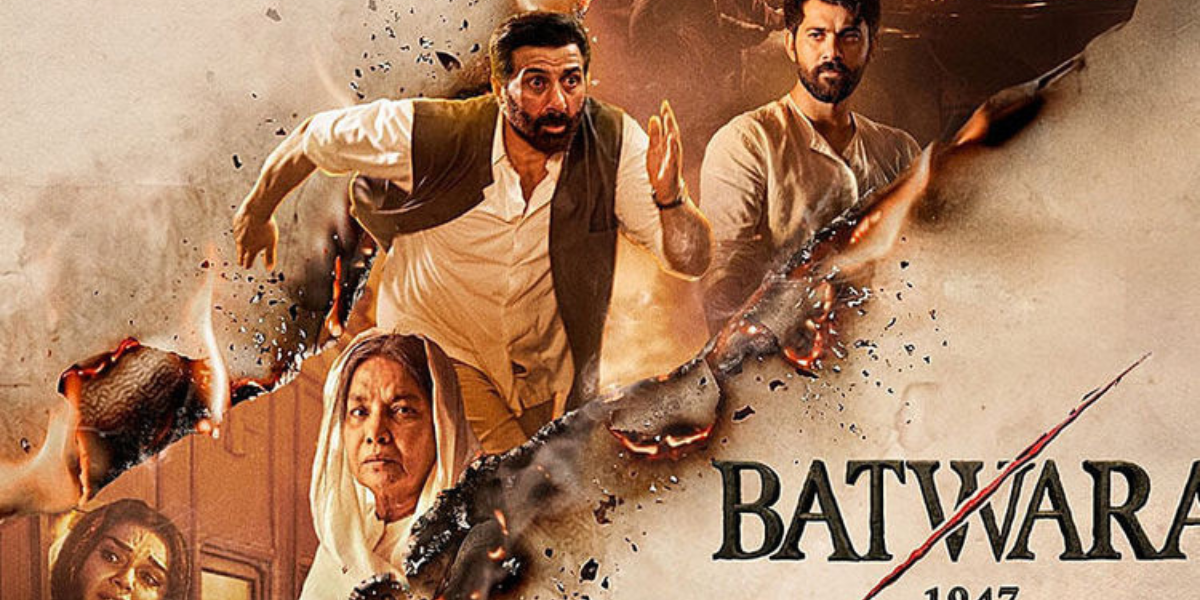
Batwara 1947, which was earlier titled Lahore 1947, reunites the same director-star pair of Sunny Deol and Rajkumar Santoshi after nearly three decades and is scheduled for release on 14th August 2026 as the Independence Day or Partition Day weekend. Produced by Aamir Khan Productions with music by A R Rahman, it is a serious period drama set against the 1947 Partition. The trailer has been widely praised for its scale, emotional weight, and trademark Santoshi–Deol intensity, yet the pre-release buzz remains relatively muted. The heavy, solemn subject matter and Sunny’s casting in a more restrained, principle-driven role, rather than pure action-hero mode like Jaat and Gadar franchise, have so far limited the kind of mass excitement usually associated with an Independence Day release. Current box-office conversation is still dominated by Spider-Man, leaving Batwara needing a sharper final push. Let’s remember the release of Damini which was released on 30th April 1993. Directed by Rajkumar Santoshi and featuring Sunny Deol in a career-defining supporting turn as the fiery lawyer Govind, it became a blockbuster and is remembered as a cult classic for its strong social message, Meenakshi Seshadri’s performance, and iconic dialogues. Audiences responded to the justice-driven courtroom drama, Sunny’s intensity…turning it into a sustained success rather than a pure opening-day phenomenon. The Santoshi–Deol combination delivered the expected high-voltage signature—raw anger, moral force, and memorable lines that amplified the film once people started talking about it. The parallel with Damini is clear. Both films carry the Santoshi–Deol DNA of high-stakes moral drama and potent dialogues. Damini proved that a serious subject can open respectably and then explode on the strength of word of mouth once audiences experience the emotional payoff. Can Batwara 1947 follow the same path, deliver the expected intensity in theatres? One has to wait and watch.
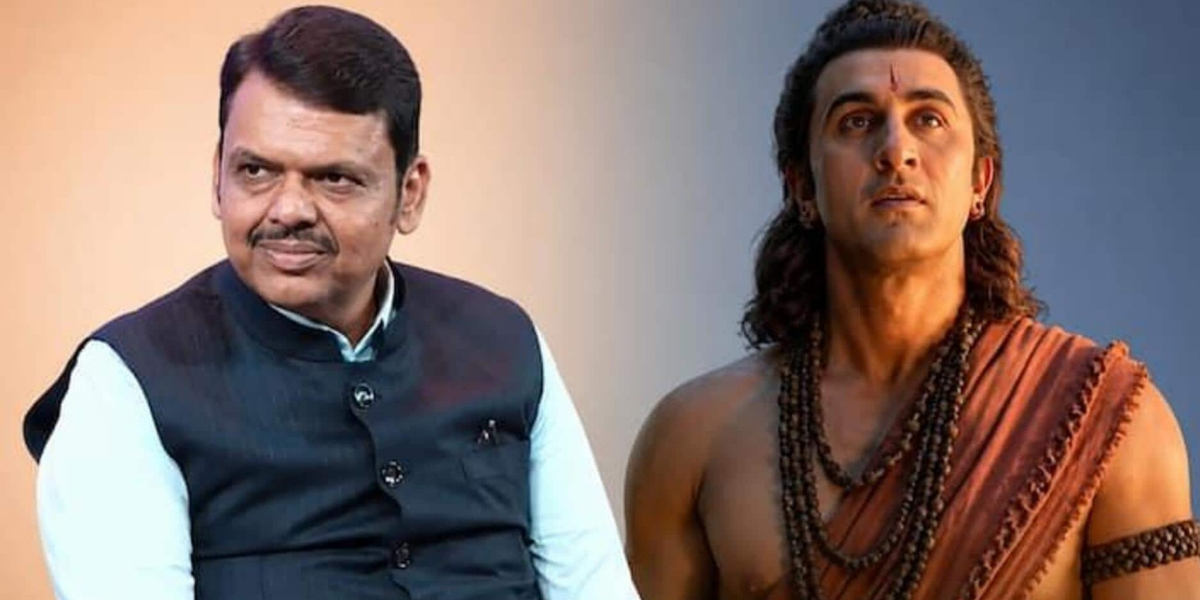
Maharashtra chief minister Devendra Fadnavis has officially joined the film promotion business. At the inauguration of Namit Malhotra’s Prime Focus Studio on 6 August 2026, he declared he would be “very disappointed” if Nitesh Tiwari’s Ramayana, starring Ranbir Kapoor, Sai Pallavi and Yash, fails to win an Oscar. “It’s not a film of a decade,” he announced, “it’s a film of a millennium.” Earlier, at the Waves Summit, he had already been “amazed” by its scale. When a CM starts campaigning this openly, the marketing budget has just received a free government upgrade. This is no isolated outburst. It is the latest evidence of a larger shift: Politicians have become Bollywood’s most enthusiastic publicists. PM Narendra Modi has repeatedly endorsed films like The Kashmir Files, The Kerala Story and Article 370 as correctives to “fake narratives.” Amit Shah has praised select projects from special screenings. Yogi Adityanath has made multiple films tax-free and personally felicitated their teams. Across BJP ruled states, official blessings, tax waivers and photo-ops have become as routine as the interval. History offers precedents. MGR and NT Rama Rao built political careers on their screen images. Karunanidhi wrote scripts from the CM’s office. The difference today is the scale, the coordination, and the open fusion of mythology with nationalism as reliable box-office fuel. Ramayana sits perfectly at this intersection; big, mythological, technologically ambitious, and timed for maximum cultural resonance. By elevating it to a civilisational project, Fadnavis has given the film a halo no conventional campaign can buy. The politicians are no longer silent well-wishers. They are the new faces of the campaign, delivering the soundbites themselves. In today’s India, the red carpet increasingly leads straight to the corridors of power.