 All
All Politics
 Business
 Entertainment
 Sports
 Celebrities

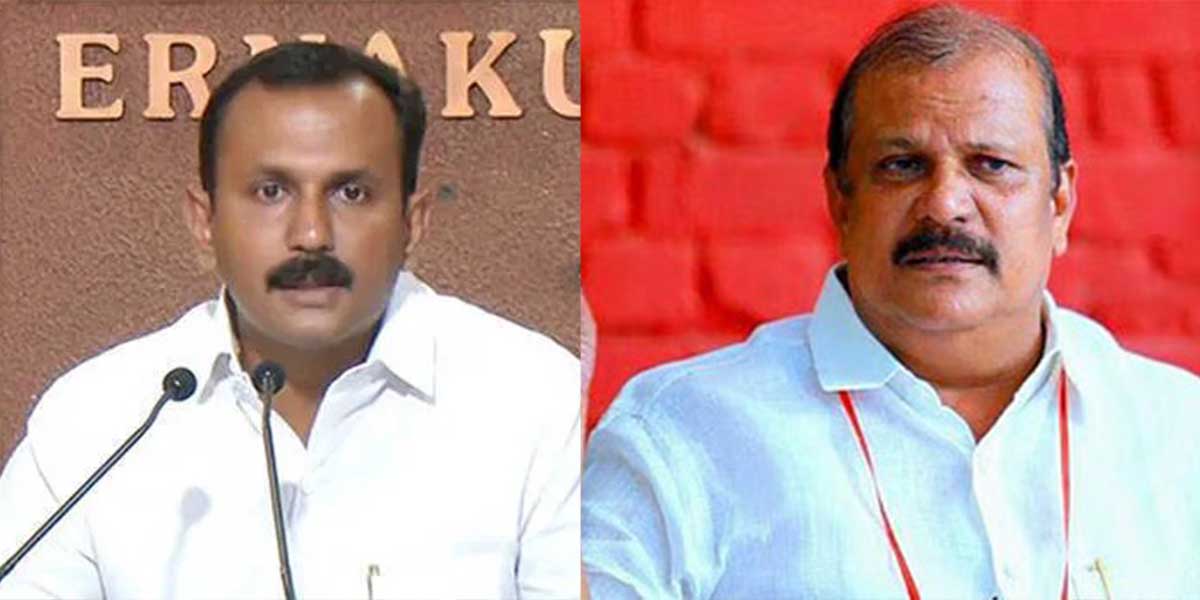
In a bizarre move, a day after Kerala polling, BJP leaders, a father-son duo P C George and Shaun George launched a scathing attack on the Catholic Church accusing it of working against the NDA in the assembly elections. In what seemed like an exercise to cover up for their own failure in reaching out to the Christians in the state, the Georges attacked the Church for “letting them down”. Shaun’s attack particularly surprised BJP circles in Delhi as the duo were considered far too influential and vested with a lot of importance by BJP Kerala chief Rajeev Chandrashekhar. “So why were the Georges shifting the blame on the Church that too even before May 4 poll results? Are they covering up for their lapses? Sources said if the Church went against NDA, it was only because of the way P C George has been campaigning against the Catholic priests. Son Shaun said he expected the Catholic Church to back the NDA parties for the government’s gesture of pausing the FCRA bill. Well the quid pro quo did not happen. P C George too took on the clergy for personally intervening to canvas votes for the UDF candidate in his Poojnar assembly seat; he sought to know if Church was part of the UDF. More than the Georges, what is worrying the BJP is the fate of NDA candidate from Thiruvalla –Anoop Anthony Joseph — whom PM Modi had personally endorsed as his “dedicated companion” and “right hand man”. It is felt that because of the Georges’ attack on Church and clergy, Anoop could face the heat. Besides, Anoop is also up against the son of a Catholic priest. Will PM Modi’s endorsement for the Keralam boy clinch the seat for him? Only time will tell.
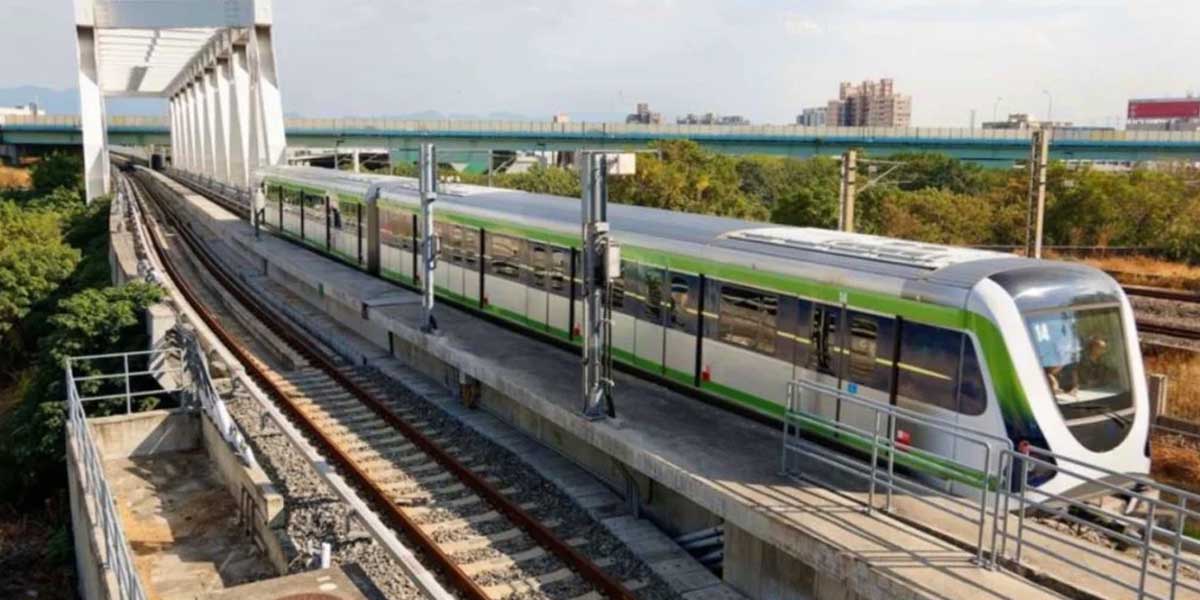
Another embarrassing moment for the Odisha chief minister Mohan Charan Majhi. Two years have gone by and there is no sign of the much-needed Bhubaneswar Metro project yet. Meanwhile, Bhubaneswar has been thrown out of gear because of severe traffic congestion thus making daily commuting a nightmare. Every day there is a traffic jam from 9 am to 11 am and 5pm to 11pm. The bumper to bumper traffic around Patia Bhubaneswar has resulted in two-wheeler riders merrily using the footpath thereby making pedestrians’ lives miserable. Many shoppers say this traffic congestion is forcing them to order their stuff online. Moreover, Odiya’s are fed up hearing that Bhubaneswar Metro project is temporarily suspended and not cancelled. The outcry for the Metro project is growing. Sensing the mood of the people, BJP MP Aparajita Sarangi has written to the chief minister that a cost-efficient metro train project is essential for Bhubaneswar and urban expansion. She posted on X that “Not doing the project would weaken trust in development promises”. According to her, Metros are subsidised and not built for profit, noting that, BJD government had earlier spent Rs 274 crore in the Metro project and the Majhi government chose to suspend it. The final takeaway now is Bhubaneswar Metro project’s inter-ministerial committee will now examine the project once again and a final decision will be taken soon. Urban planners say just decongesting the current roads through metro rail will not be enough, they say Bhubaneswar requires a long term multifaceted rule-based urban planning.
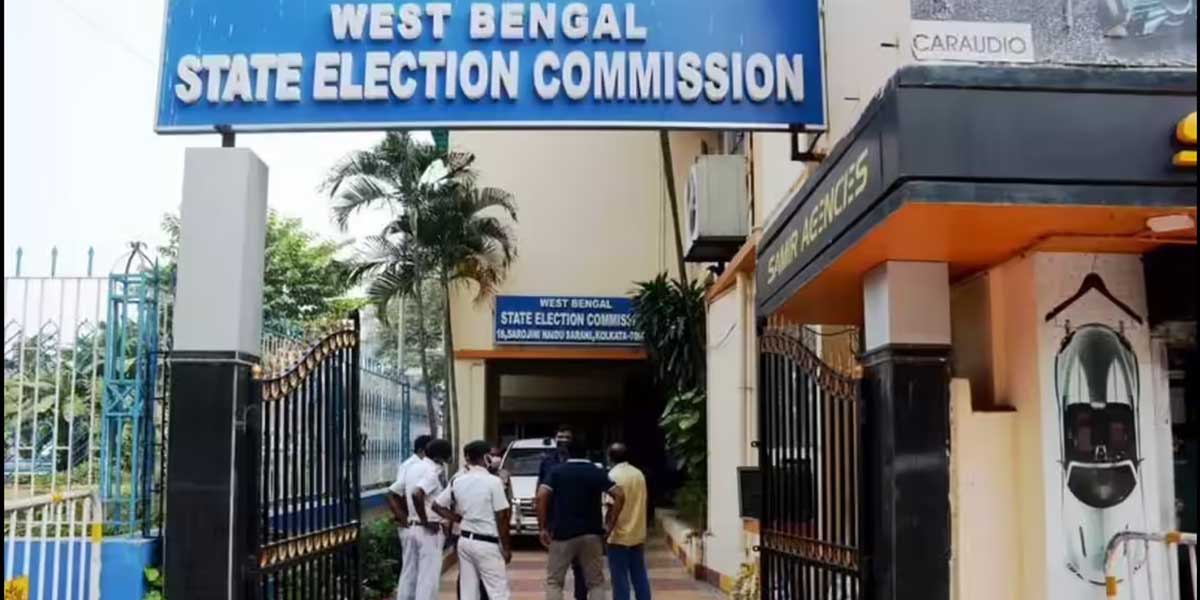
At the end of the Special Intensive Revision (SIR) process in West Bengal, around 9.1 mn names have been deleted from the electoral rolls, but the Election Commission has not disclosed the religious composition of those deletions. Based on its organisational assessment, the TMC claimed that 63% of the deleted names belong to Hindus and 35% to Muslims, indicating a ratio of roughly 2:1, a figure that could be politically uncomfortable for the BJP. The BJP has not questioned the accuracy of the figures but has raised questions about how the TMC accessed such data. TMC’s estimates indicate that in the first phase of the SIR process about 5.8 mn names were removed –around 4.4 mn Hindus and about 1.35 mn Muslims. In the second phase, around 550,000 names were deleted, of which 528,000 were Hindus around 97%, roughly 13,000 Muslims about 2.5%. In the third and final phase, approximately 2.7 mn names were removed with Muslim names outnumbering Hindu names — 1.75 mn Muslims and 835,000 Hindus. TMC alleged that in the process of identifying infiltrators and Rohingyas, people across communities had been subjected to scrutiny and names removed from the voter list. Some observers argued that the deletions should not be viewed solely through a religious lens but also in terms of categories. They said first-phase deletions, largely migration or duplicate entries, contrasted with the third phase where minority names formed the majority of deletions. TMC leaders have indicated in internal discussions that large-scale deletions of Hindu names could have an impact in Matua-dominated areas, where the BJP has performed strongly in the last three major elections.
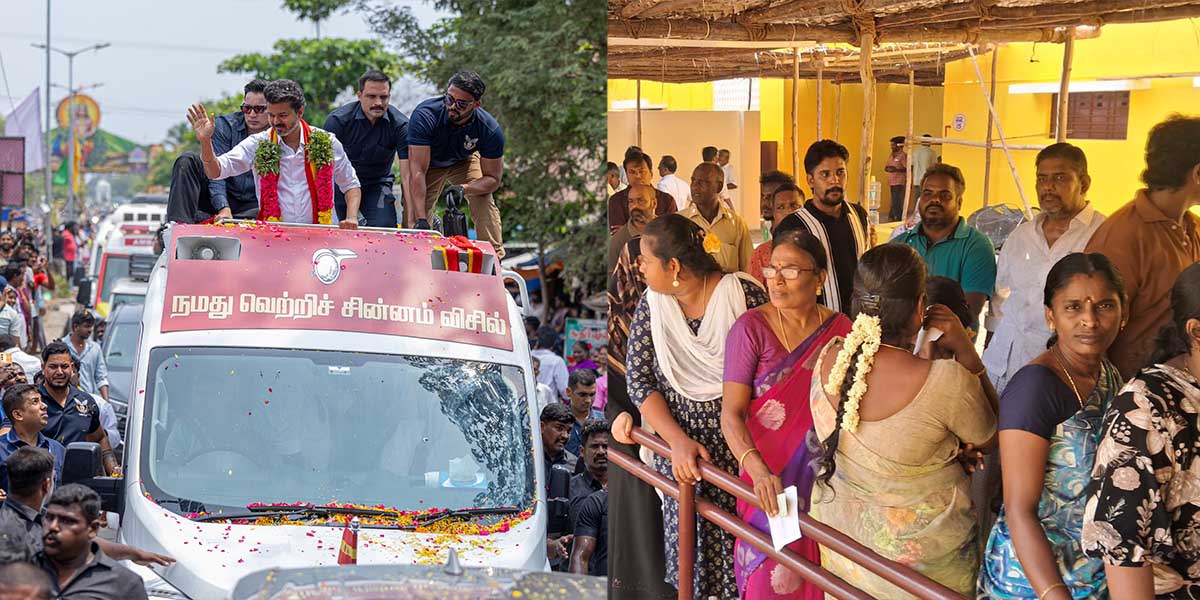
The Election Commission has been quite satisfied with the kind of record polling for the General elections for the Legislative Assemblies (GELA) for Assam, Kerala and Puducherry. There was much cheer particularly for the kind of polling that was witnessed in the Union Territory of Puducherry and Kerala where Special Intensive Revision (SIR) of voter list was carried out. Assam was excluded from SIR ahead of April 9 polls as an NRC exercise in the state is yet to conclude. Nevertheless, Assam and Puducherry surpassed their highest-ever poll-participation by recording 85.38% and 89.83% respectively. Previously, the highest poll-participation in Assam and Puducherry was 84.67% (2016 GELA) and 86.19% (2011 GELA) . Political analysts concede that it is only natural that SIR — deletion of dead voters or bogus voters — was bound to bump up voter turnout. Inclusion of genuine voters is also known to have a positive impact on poll outcome. However, in Puducherry it is just not SIR that boosted voting. Entry of superstar Vijay or the TVK factor is being viewed as an incentive for voting. Though not allowed to campaign in Tamil Nadu by the DMK state machinery, it is being said Vijay still remains popular among women and youth. DMK is so rattled by Vijay’s appeal among women that it had not only been sabotaging his rallies in the state but also sent out its women workers to do door-to-door campaigns in Tamil Nadu against Vijay. The EC took firm action against the excesses of DGP and other senior police officials in TN by transferring them as it did in West Bengal after receiving complaints both from the AIADMK and the TVK.
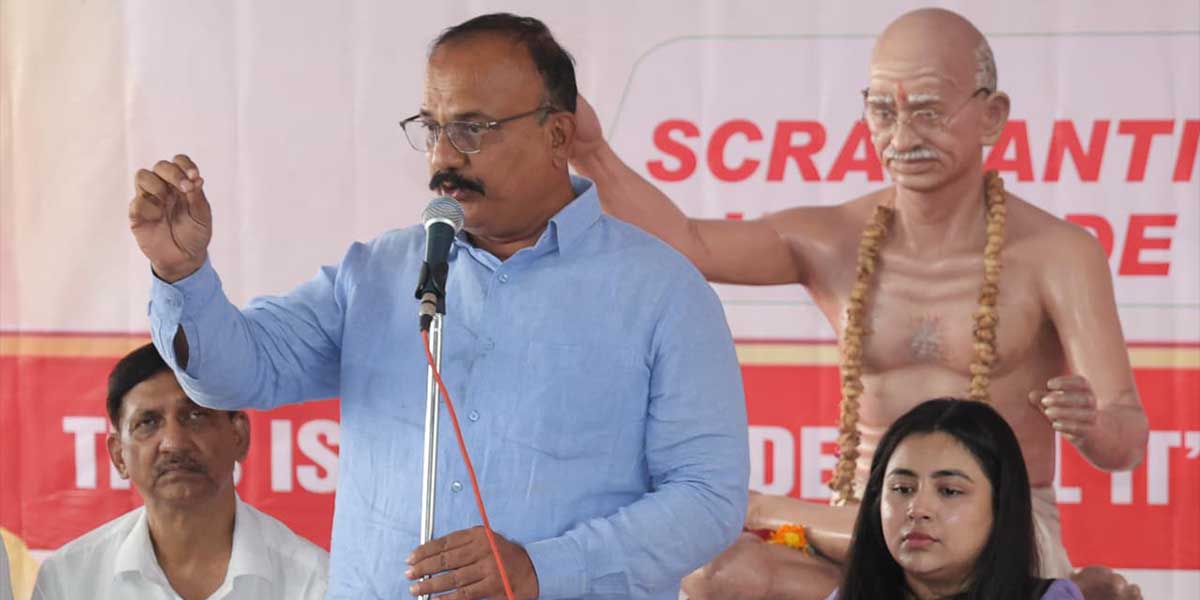
The Congress party in Maharashtra is mocked for its ‘historic’ decision not to contest the Baramati assembly by-election for which deputy chief minister Sunetra Pawar is the formidable candidate. State Congress president Harshwardhan Sapkal’s verbose justification for keeping away from the fray has generated more ridicule than praise. The prominent constituency in Pune district has unfailingly elected only a Pawar family member since 1967 and no exception is likely to take place this time, too. Sharad Pawar’s parliamentary career began from Baramati. Finally, the Congress asked its candidate Akash More to withdraw from the contest, which has left 23 hopefuls in the arena, which will elect Sunetra with a thumping majority on 4 May. Even though this was crystal clear from the beginning, Sapkal decided to go ahead with announcements that the field will not be left open for the NCP (Ajit) to walk away with victory without a fight. He was expecting support from within the party but none stood for him. His selection of Akash More also smacked of the caste factor. More belongs to the Dhangar (shepherd) community, which has a sizable population in the constituency. More’s father Vijay was a sworn opponent of veteran Sharad Pawar but failed to make any difference in Baramati. Moreover, when Pawar himself declared support for Sunetra, the fate was sealed. Even then, Sapkal stuck to his stand, ultimately embarrassing the Congress party.
The BJP has identified 58 Assembly constituencies in West Bengal where it believes a swing of 1.92 lakh votes could change election outcomes. The strategy is based on an internal analysis of vote margins and voter list revisions. According to party sources, the analysis includes constituency-wise data on the vote gap between the TMC and BJP in the 2024 Lok Sabha elections, along with the impact of the SIR on electoral rolls. Professional survey agencies prepared the report. In these 58 constituencies, the total vote margin between TMC and BJP in 2024 was slightly over 3.8 lakh. The BJP estimates that shifting 1.92 lakh votes in its favour could overturn results. This requires an average swing of about 3,310 votes per constituency. Party leaders, however, said it is difficult to ensure that the entire shift comes from TMC voters. After the SIR process, about 91 lakh names were removed from the voter list. With an average turnout of 80%, analysts estimate that around 73 lakh votes may not be cast. The BJP assessment indicates that a larger share of this reduction could affect TMC’s vote base. The identified constituencies are mainly in Malda, Murshidabad, Howrah, Hooghly, North 24 Parganas, South 24 Parganas and Kolkata. These areas were strongholds of TMC in previous elections. The report also notes that TMC has large vote margins in 114 constituencies, mostly minority-dominated, which increase vote share but do not add seats. The BJP has 35 such constituencies. In 2024, the “ineffective margin” was about 55.8 lakh votes for TMC and 11.9 lakh for BJP. A similar pattern existed in the 2021 Assembly elections.
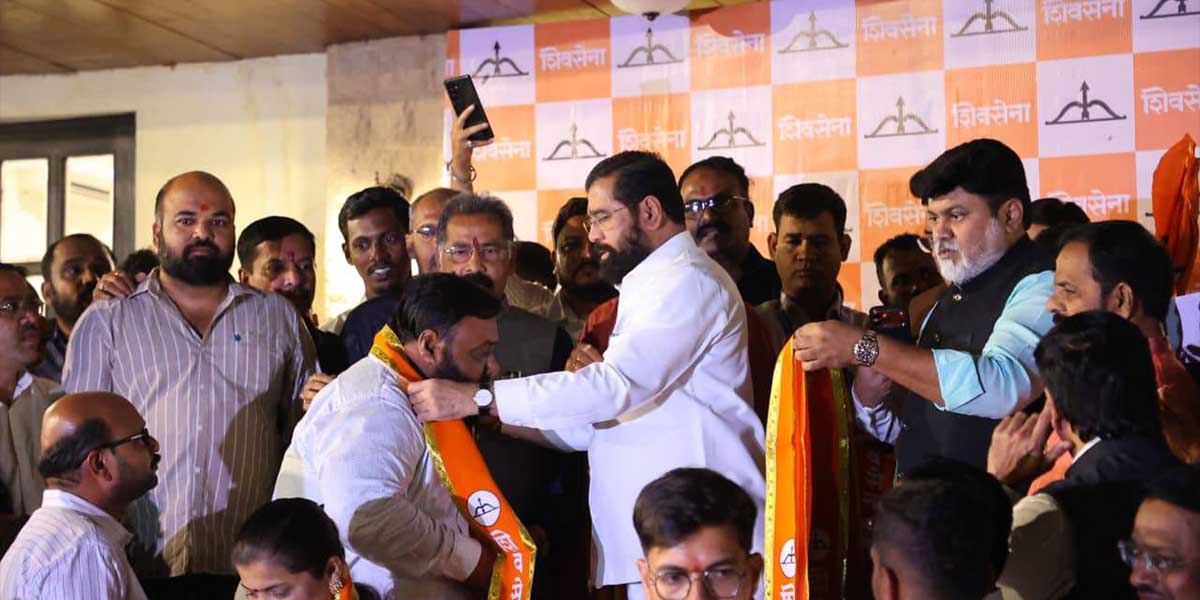
Political scene in Maharashtra is witnessing another turmoil following news channel reports that eight of the nine Lok Sabha members of the Shiv Sena (UBT) attended a secret meeting with the Shiv Sena led by deputy chief minister Eknath Shinde. Both sides have discounted the news promptly though the pall of suspicion refuses to disappear. The only Sena (UBT) Lok Sabha member not mentioned in the news is Uddhav Thackeray’s confidant Anil Desai. Shinde himself and his son Dr Shrikant, MP, also has described the reports as a figment of the imagination. However, such news items have been circulating ever since the BJP won the state assembly election with a landslide majority. There also have been murmurs that a large number of Sena (UBT) functionaries are eager to return to the Hindutva fold from which the party has distanced itself. Only a few days ago, a couple of Sena (UBT) MPs were roasted since they attended a celebration at the residence of former Union minister of state and Sena (Shinde) MP Pratap Jadhav in New Delhi. Soon afterwards, Uddhav held a meeting at Matoshree to sense the mood within the party. Even before the aftermath of this event has subsided, the latest reports have renewed speculation about the Sena (UBT) moving towards the ruling party. The Thane meeting was said to have occurred at the residence of Dr Shrikant Shinde. According to latest whispers, some major development can happen after results of the five state assembly elections are out in early May.
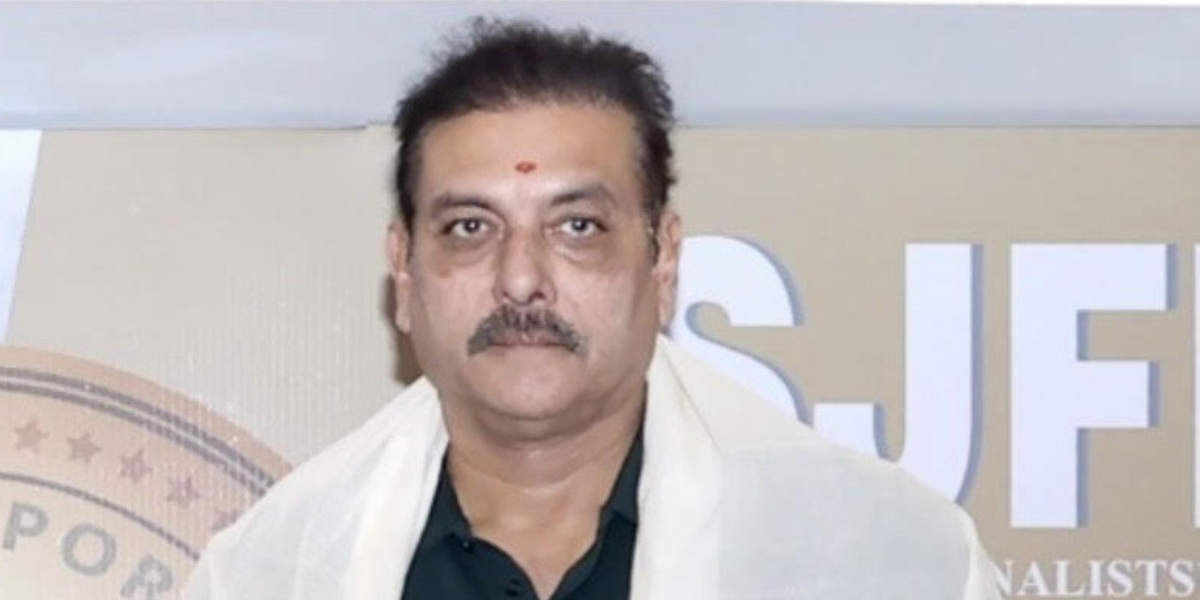
Ravi Shastri has got his due from the Mumbai Cricket Association. A stand — fittingly below the Press Box at the Wankhede Stadium — has been dedicated to him. The terrific allrounder who did many wonderful things on the field with the bat and ball in India and overseas, and sported the MCA crest with pride, ought to have been bestowed the honour many years ago. A backbone of the MCA team for one and a half decades, the beanpole tall allrounder finished off his Ranji Trophy career as a victorious captain against Bengal in the 1993-94 final at the Big W, where he had clouted Baroda left arm spinner Tilak Raj for six 6s in over — all shot by Free Press Journal’s Thomas Rocha and run by The Hindu. The winner of the Prudential World Cup winner at the Lord’s in 1983 and the Champion of Champions and Audi winner in the B & H World Championship of Cricket at the MCG Bowl in March 1985, he carved a niche for himself as a genuine allrounder in Tests (80 Tests, 3830 runs, 11 x 100s with a 206 against Australia as the highest at Sydney in 1992 and 151 wickets) and ODIS (128 matches, 3108 runs and 129 wickets). For Bombay (Mumbai) he played in 41 FC matches and (2571 runs at 54 + and 130 wickets). He has worn virtually every hat since bidding adieu to the game and excelled with his “tracer bullet” commentary for over three decades, spent valuable time in the Indian dressing room (as mentor/head coach). He ticks many cricketing boxes, including his undertaking for the MCA which felt it was the right time to name a stand at the North side for his four and a half decades of meaningful contribution to cricket!
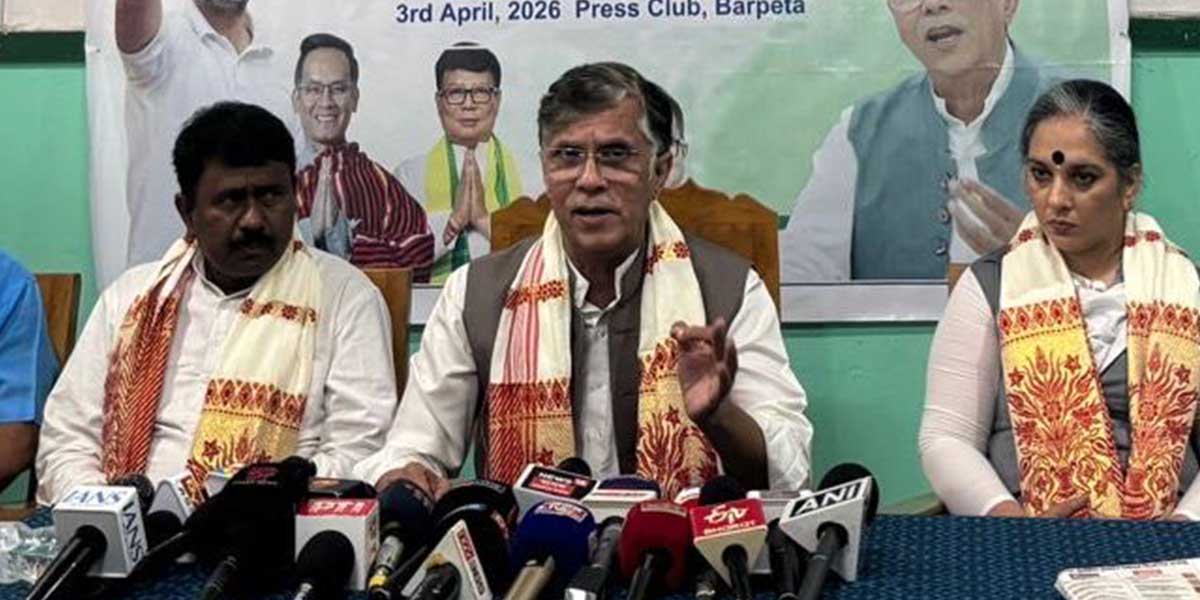
Assam Police conducted searches at Congress leader Pawan Khera’s residence in Delhi on April 7, a day after a FIR was filed against him by Assam CM Himanta Biswa Sarma’s wife Riniki Bhuyan over allegations of passport fraud he levelled against her. Searches were carried with aid of Delhi Police. It is being said Khera had left for Hyderabad a day earlier—that is as soon as he learnt that a FIR had been filed against him in Guwahati. The search yielded some “Incriminating material” said the Assam Police. All this led Assam CM to claim that Khera had “run away to Hyderabad”, while Congress hit back saying the searches prove that the CM was “facing imminent defeat” in the upcoming assembly polls on April 9. Congress sources said even though Telangana CM Revanth Reddy was in Kerala for election work, Khera had a home in Hyderabad and enough clout to secure legal cover for himself. Privately, however, many Congress leaders were not comfortable with the idea of raking up a controversy over Sarma’s wife’s passport. The Congress had held two press conferences in Delhi and Guwahati on April 5 where the party’s media department head, Pawan Khera, and Assam unit chief, Gaurav Gogoi, alleged that Sarma’s wife had passports of the UAE, Egypt, and Antigua and Barbuda. They alleged she owns properties in Dubai (UAE) and has a company in Wyoming (U.S.). They accused Riniki Bhuyan of having business interests worth Rs 52,000 crore in the U.S. Sarma accused the Congress of using documents from a social media group linked to Pakistan to forge alleged passports of three countries belonging to his wife. As for Congress president Mallikarjun Kharge, he wanted a clarification from EAM S Jaishankar on multiple passports of Bhuyan.
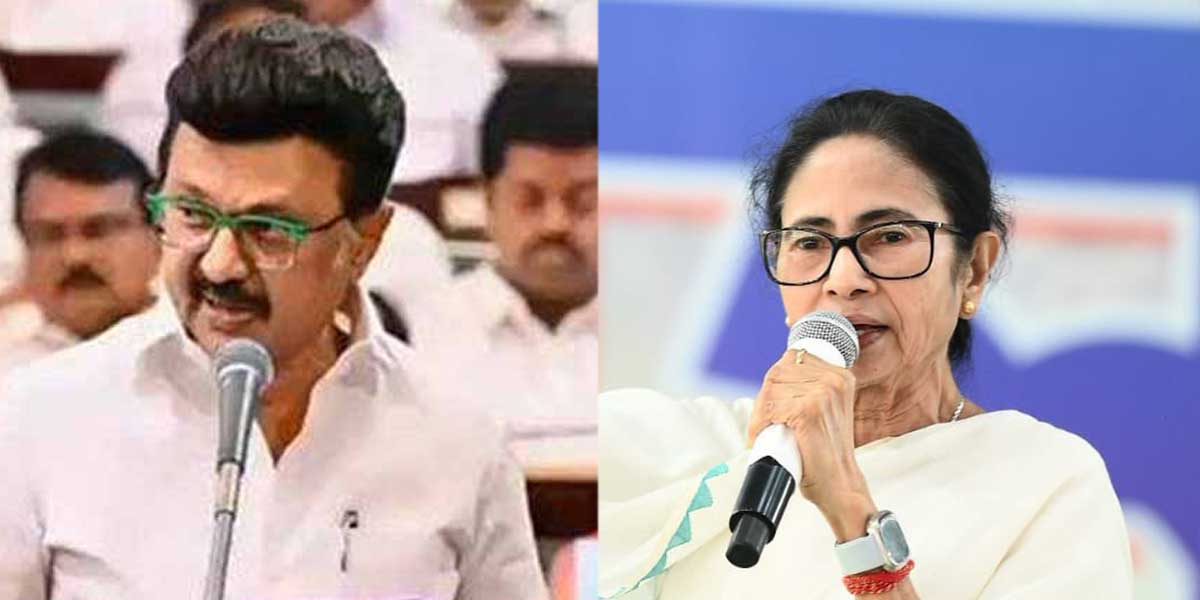
In an interesting move TMC supremo Mamata Banerjee charged DMK chief M K Stalin of having tacit understanding with the BJP. This is outrageous, considering the DMK is part of the anti-BJP INDIA bloc that Mamata associates with according to her convenience. The West Bengal CM has been an all-weather friend of the BJP when it suits her. Like she was part of the Vajpayee government. Maybe just as the DMK too was. However, Mamata felt quite comfortable taking a swipe at Stalin at a public rally in her state this week. The moot point is why did Didi suddenly find Stalin to be BJP friendly? While four states and a Union Territory headed to the hustings in the next few weeks, Mamata feels the Election Commission which she terms as “BJP stooge”, had only targeted bureaucrats close to her for punitive action. The EC had sent many of Bengal’s IAS and IPS officers to TN. She found that several officers including those instrumental in local law enforcement and development initiatives, had been sent to TN as observers. She alleged that out of 510 officers removed as observers across five poll-bound territories, a staggering 500 (approximately) were drafted from Bengal alone. “What are you thinking? Outsiders from Madhya Pradesh and Uttar Pradesh will come and (conduct the) vote?” she asked. Meanwhile, as the DMK-led Secular Progressive Alliance and the AIADMK-led NDA battle it out in TN, DMK surprised political watchers by the way it handled the SIR exercise in the state. It did not make a song and dance of SIR, the DMK simply took it in its stride. This may have led an old ally like the TMC to suspect it of being a friend of the BJP!
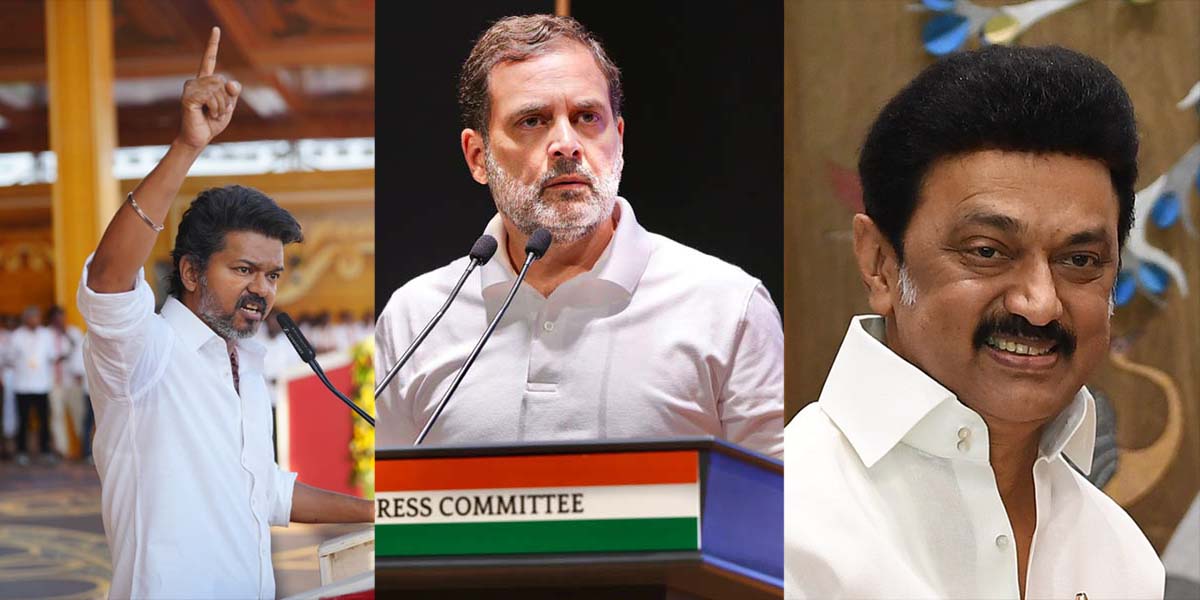
There is apparently a divergence of views in the DMK about raising a banner of revolt against Lok Sabha Speaker Om Birla as envisaged by LoP Rahul Gandhi. Many DMK MPs are keen to join the debate on the Union Budget, though some wanted to join Rahul Gandhi to sign no confidence against the Speaker. Apparently, there is a growing pressure on 23 DMK MPs in the Lok Sabha to raise TN issues in the House ahead of state polls. It is being said CM Stalin, who is also DMK Chief is not keen to nominate the seat sharing committee of his party to engage in negotiation with the Congress. Stalin is of the view that early seat-sharing discussions could divert attention from governance and key welfare initiatives of his Govt. Besides, he feels if the Congress wishes to walk out of the alliance, it is all very well. At least, the BJP in Delhi will be kind to the DMK. Tough stand of the DMK has made the Congress quite distraught. The Congress feels the DMK is behaving as if it wants the Congress to go out of the alliance. Meanwhile, it is being said financiers of TVK chief and superstar Vijay’s Jana Nayagan have become restless about the manner in which the film’s release has been held hostage by the CBFC. It is felt that the “political message” of the film has upset the BJP leadership. Sources say one of the financiers got in touch with top BJP leaders in Delhi and assured that Vijay will not “forge an alliance” with the Congress in TN. This only means that the Congress could end up as a pumpkin in TN politics. Ostracised, with no serious political player taking the party seriously!
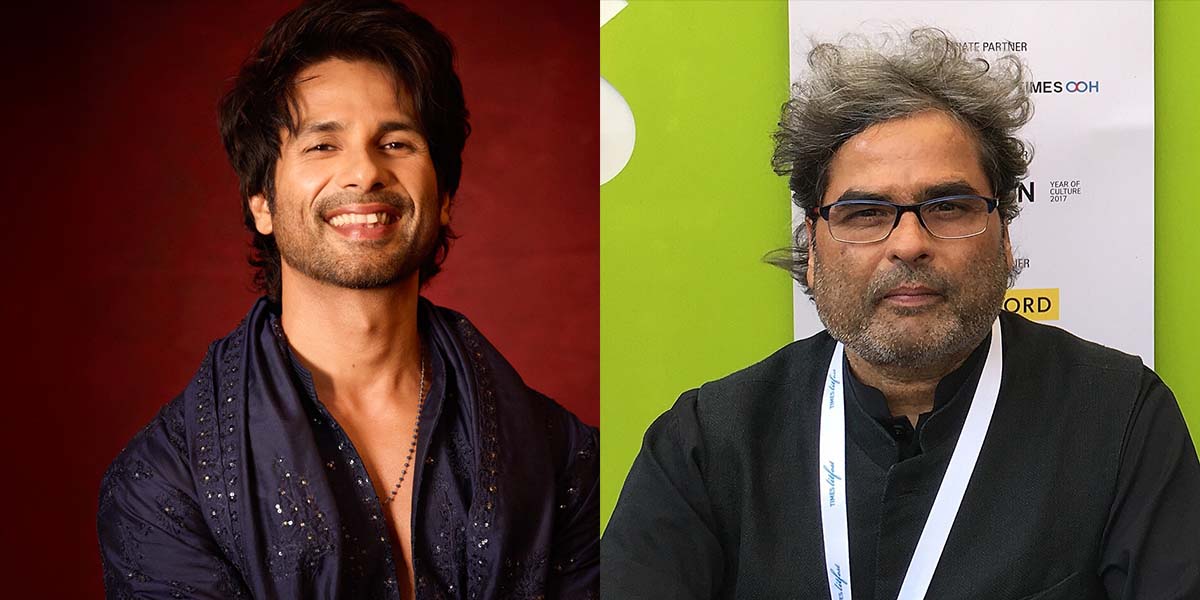
Vishal Bhardwaj and Shahid Kapoor’s collaboration has been a beacon of artistic excellence in Bollywood, yet it consistently grapples with commercial underperformance. Their partnership began with the 2009 caper thriller Kaminey, a film that blended dark humour, gritty realism, and memorable music like the chart-topping Dhan Te Nan. It achieved moderate box office success, grossing around Rs 71 crore worldwide against Rs 35 crore budget, but its niche appeal limited broader mass acceptance. Bhardwaj’s signature style; complex narratives inspired by Shakespeare or real-life grit, often prioritizes intellectual depth over crowd-pleasing masala elements. This pattern persisted in Haider (2014), a haunting adaptation of Hamlet set against Kashmir’s turmoil. Critically acclaimed and award-winning, it earned Rs 70 crore in India on a Rs 24 crore budget. Rangoon (2017), their third outing, was a visual spectacle of wartime romance, yet it bombed spectacularly, collecting just Rs 38 crore against Rs 60 crore budget. Bhardwaj’s films are classy and intellectual, not “mainstream” blockbusters; they demand viewer engagement rather than passive entertainment, resulting in polarized reception. Shahid Kapoor’s choices often lean toward challenging roles, but recent ventures like Deva (2025), underscored this– earning a mere Rs 51.73 crore worldwide on a Rs 50 crore budget, deemed a flop due to weak openings and mixed reviews. Enter O’Romeo (2026), their fourth venture, an action thriller rooted in Mumbai’s underworld, releasing on February 13. Despite a stellar cast including Triptii Dimri and songs like Ishq Ka Fever and Aashiqon Ki Colony, the buzz remains subdued. The film lacks the “high-voltage drama” or explosive marketing hype of mass entertainers. Ultimately, this duo’s inability to deliver consistent hits stems from Bollywood’s long debate of art versus commerce. O’Romeo could break the cycle if word-of-mouth ignites, but without amplified excitement, it risks joining...
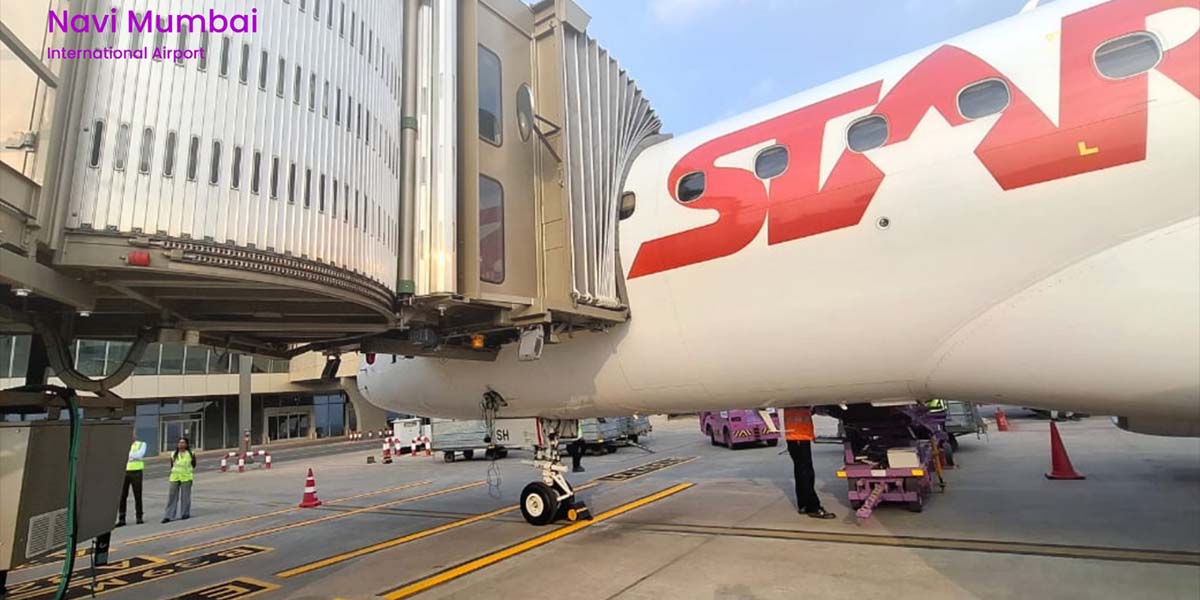
Mumbai may have got a new spanking Rs 19,650 crore airport at Navi Mumbai but it will in no way ease congestion at Chatrapati Shivaji Maharaj International Airport (CSMIA) or T2. Navi Mumbai International Airport (NMIA), operated by Adani (74%) and CIDCO (26%) under a PPP model, has decided to charge parking and landing charges which are double of CSMIA. Even user development fees (UDF) charged per passenger is higher at NMIA. This will see airlines sticking to CSMIA rather than shifting to the new airport. Moreover, with the Rs 22,862 crore metro connectivity between Mumbai and New Mumbai taking three to four years to complete, there is no incentive for passengers to head to the new airport. According to informed sources, since NMIA is a greenfield project with massive infrastructure costs to recoup, its operating fees are significantly higher than CSIA. The UDF, part of the overall air fare per passenger, is nearly 3.5 times higher than that of CSMIA. Domestic departure fee at CSMIA is Rs 175-207 while it is Rs 620 at NMIA. Likewise, international departures cost Rs 615-726 while it is Rs 1225 at NMIA. Experts say that the Airports Economic Regulatory Authority allows new airports to charge higher ad hoc tariffs during the first few years of operation. But the good news for users of CSMIA is the reduction in landing and parking charges by 35% introduced a couple of months back, thereby making it competitive with other international airports. India’s major airports used to charge 60% higher landing fees than Dubai/Singapore. Today Mumbai’s rates may not be lower but closer to Changi (Singapore) and Incheon (Seoul) rates. Since the Adanis took over CSMIA, the emphasis has been to shift the cost burden slowly from airlines to passengers like other international airports. Typically, 50-60% of airports’ revenue comes from non-aeronautical sources like shopping, dining, hotels, real estate rentals etc.